Home Rangers
HVAC Services in Bucks & Montgomery County, PA
Home Rangers provides AC repair, HVAC repair, furnace service, boiler service, heat pumps, ductless systems, zoning, thermostats, and indoor air quality.

Family-Owned, Local HVAC & Plumbing Team
Free Estimates On Installations & Replacements
Same-Day & Emergency Service, 24/7
Master-Licensed in PA, NJ & DE
Upfront Pricing, No Surprises
HVAC hub
Heating and cooling service for year-round comfort
Home Rangers provides HVAC repair, installation, replacement, maintenance, and comfort upgrades for homeowners across Bucks County, Montgomery County, Philadelphia, Warminster PA, and nearby communities. This hub organizes every heating and cooling service from the standard service list into one clean HVAC page.
Warminster HVAC
HVAC services Warminster PA for heating and air conditioning
Home Rangers helps homeowners match HVAC services to the symptom, the HVAC system, and the season. The request may be an HVAC repair service, routine maintenance, HVAC installation planning, or emergency HVAC services when heating or cooling systems stop working properly.
HVAC repair service and common HVAC repairs
Common HVAC repairs can involve airflow, thermostat response, refrigerant leaks, electrical components, condensate drainage, gas burners, blower motors, or controls. Repair costs depend on the failed part, access, current system age, and whether major repairs are likely to return.
Heating system and cooling systems
Heating system service can include furnaces, boilers, heat pumps, hot water heat, and air handlers. Cooling systems can include air conditioners, split systems, ductless equipment, and heat pumps that handle both heating and air conditioning from one HVAC system.
Routine maintenance and tune ups
Routine maintenance and tune ups help maintain energy efficiency, system performance, and safe operation. Air filters, coils, drains, vents, gas safety, refrigeration readings, and controls should be checked before peak weather, especially on older systems.
Energy efficiency upgrades
Energy efficiency upgrades may include a new system, high efficiency systems, thermostat changes, ductwork improvements, or equipment replacement when a fix is no longer the best option. Energy bills, comfort issues, and equipment age help guide that conversation.
Local HVAC contractor context
When comparing a local HVAC contractor or HVAC companies, review the scope, license records, equipment size, materials, labor access, and how the system will be tested after work is complete. Home Rangers uses confirmed license records and practical job notes to keep the appointment organized.
First sign of trouble
Call at the first sign of trouble: no heat, weak cooling, excess moisture, unusual noise, a system that will not start, or inconsistent temperatures. A technician can diagnose the issue, explain simple repairs, and identify when replacement planning makes more sense.
Home Rangers provides residential HVAC services for Bucks County, Montgomery County, Warminster PA, and nearby communities. Services can include heating cooling checks, repair work, replacement parts, maintenance services, installation review, air quality products, ventilation, and comfort improvements for homes with unique needs.
Field Photos
HVAC services, air conditioning, heat pumps, and furnaces
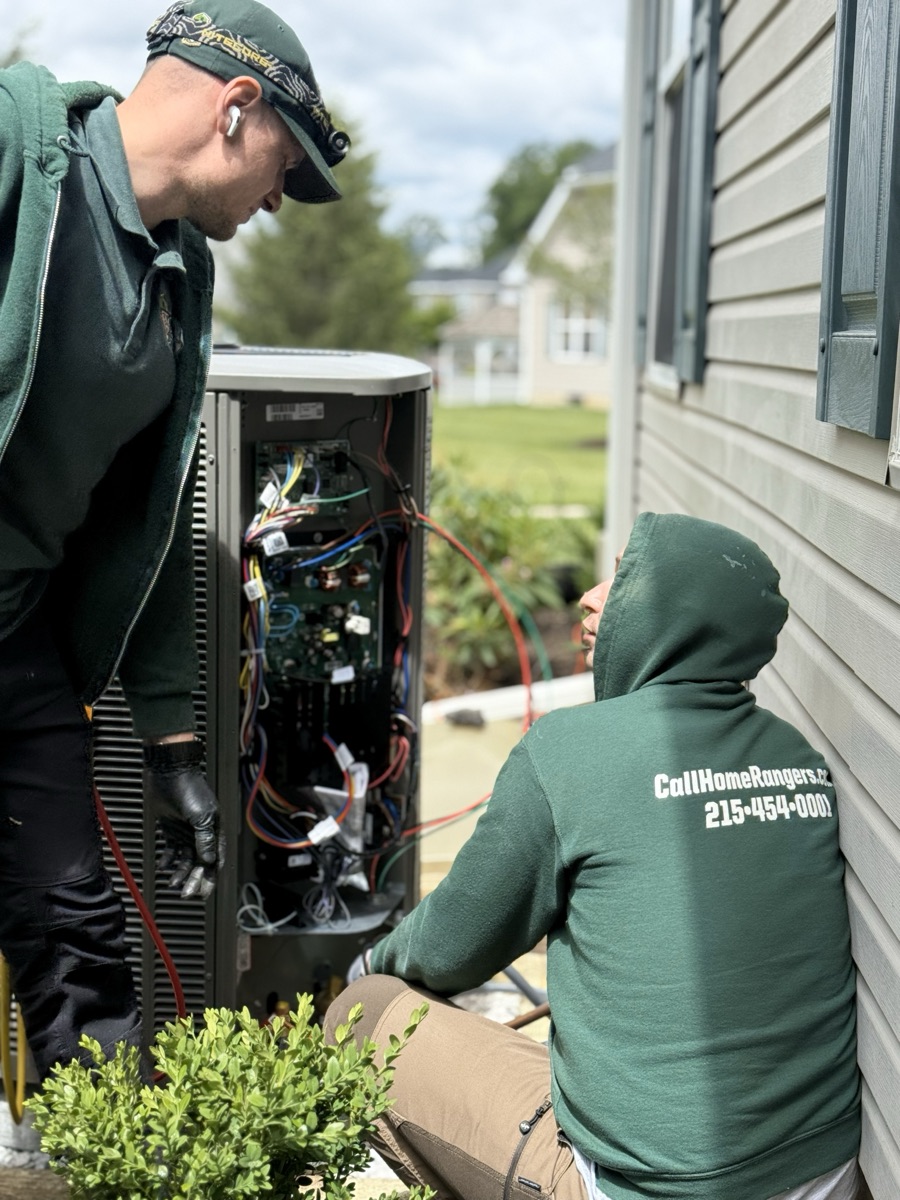
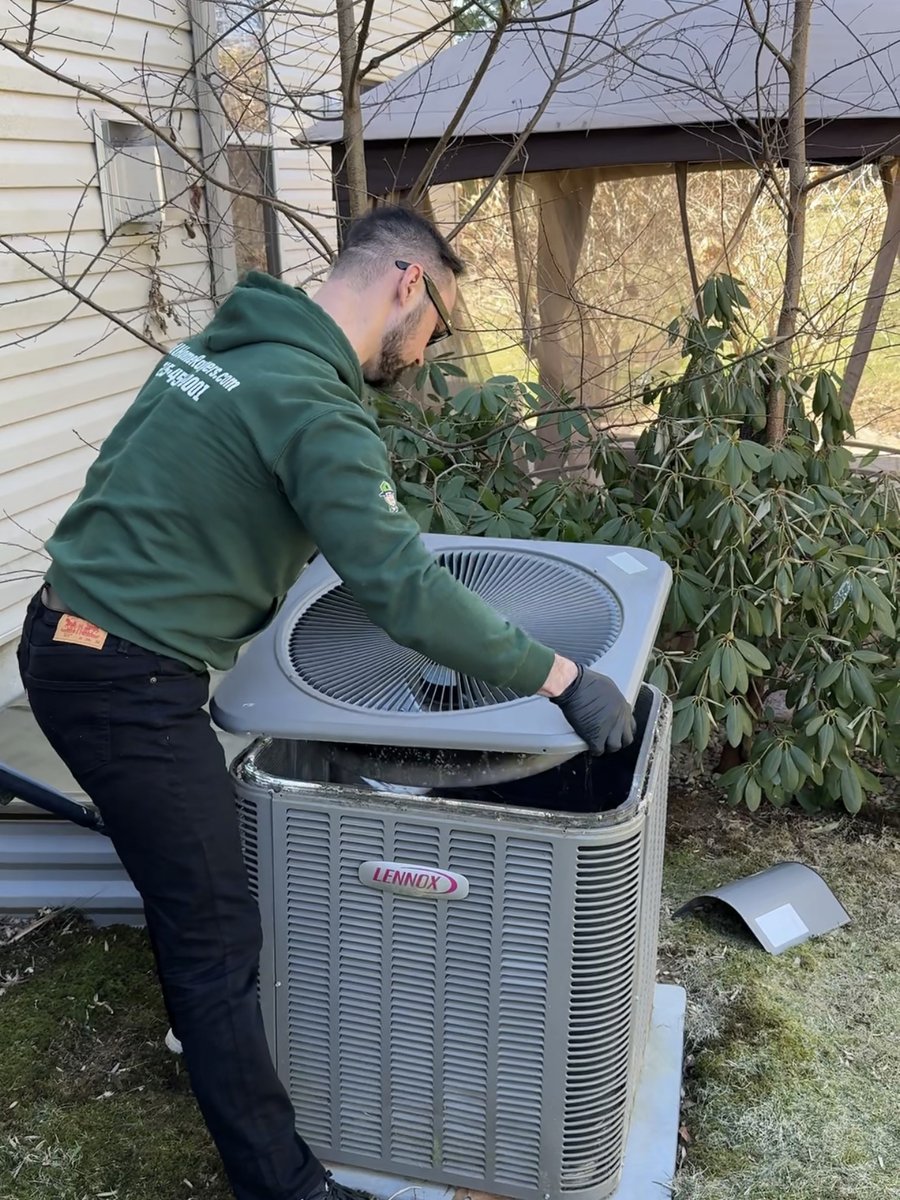
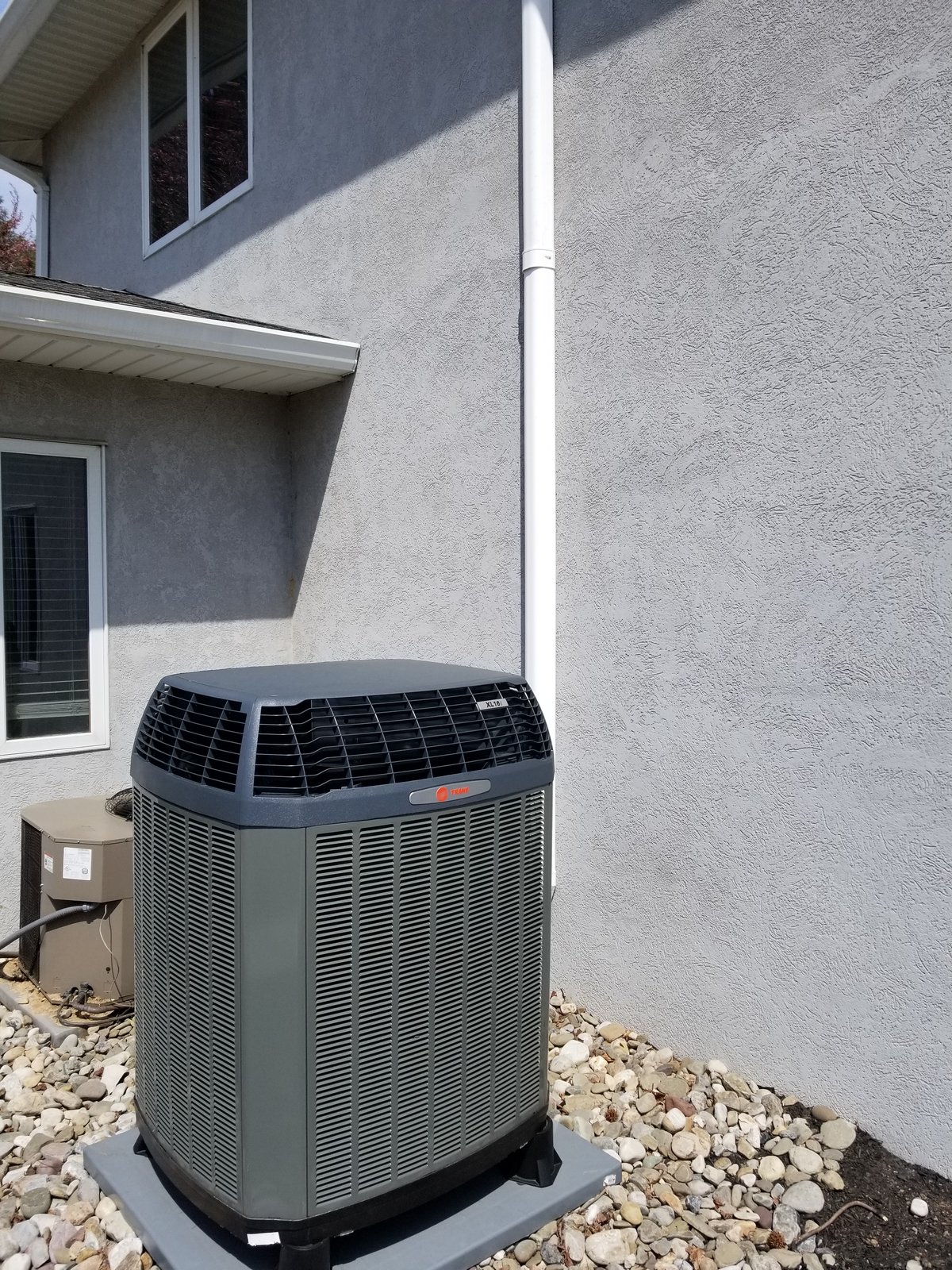
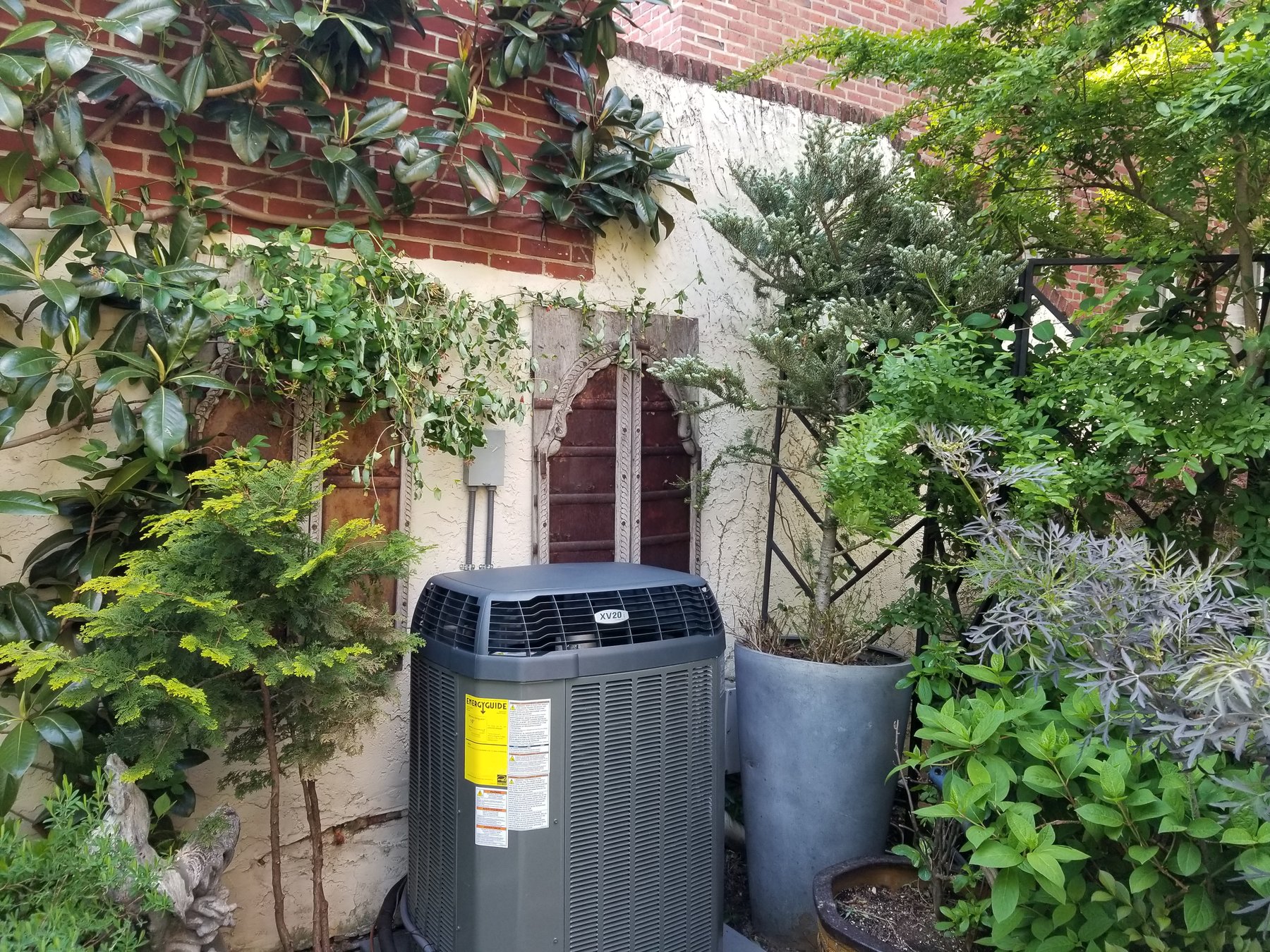
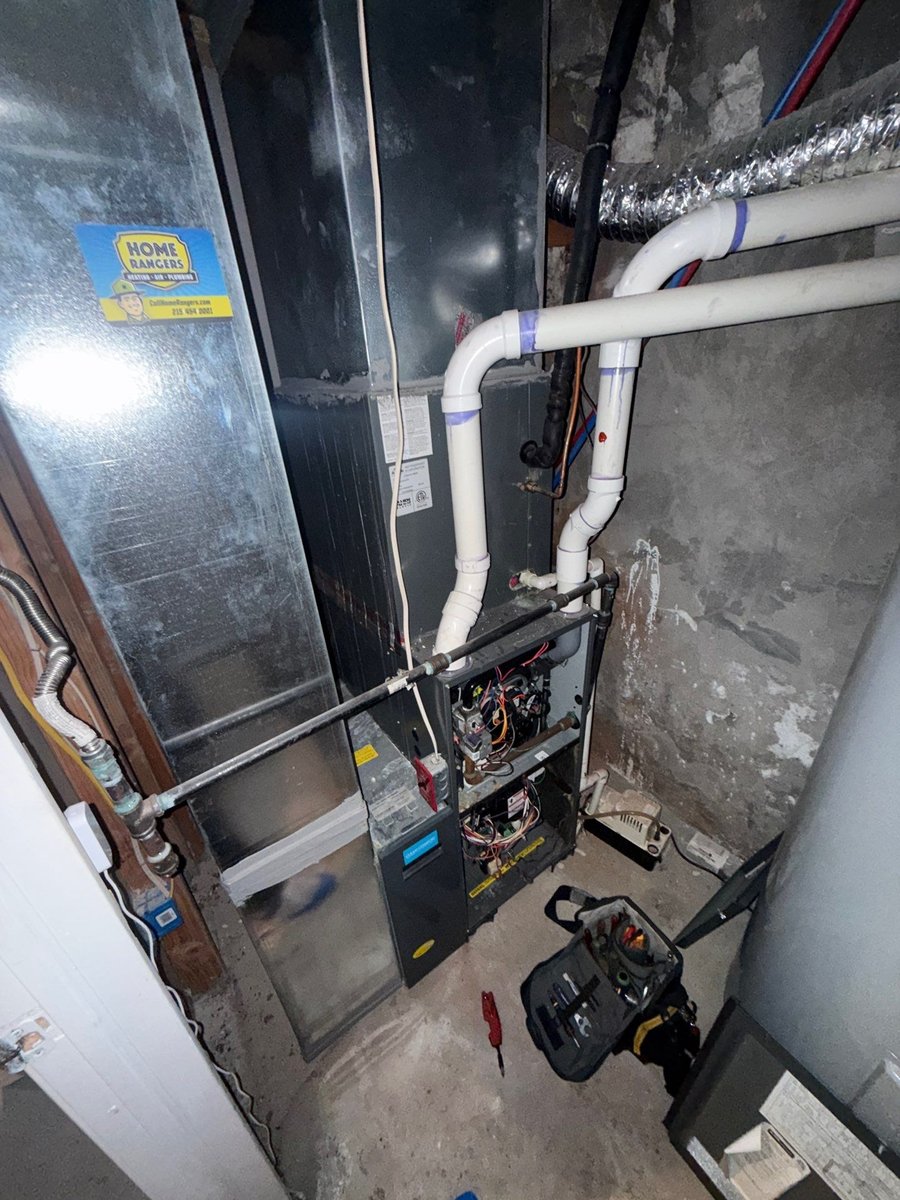
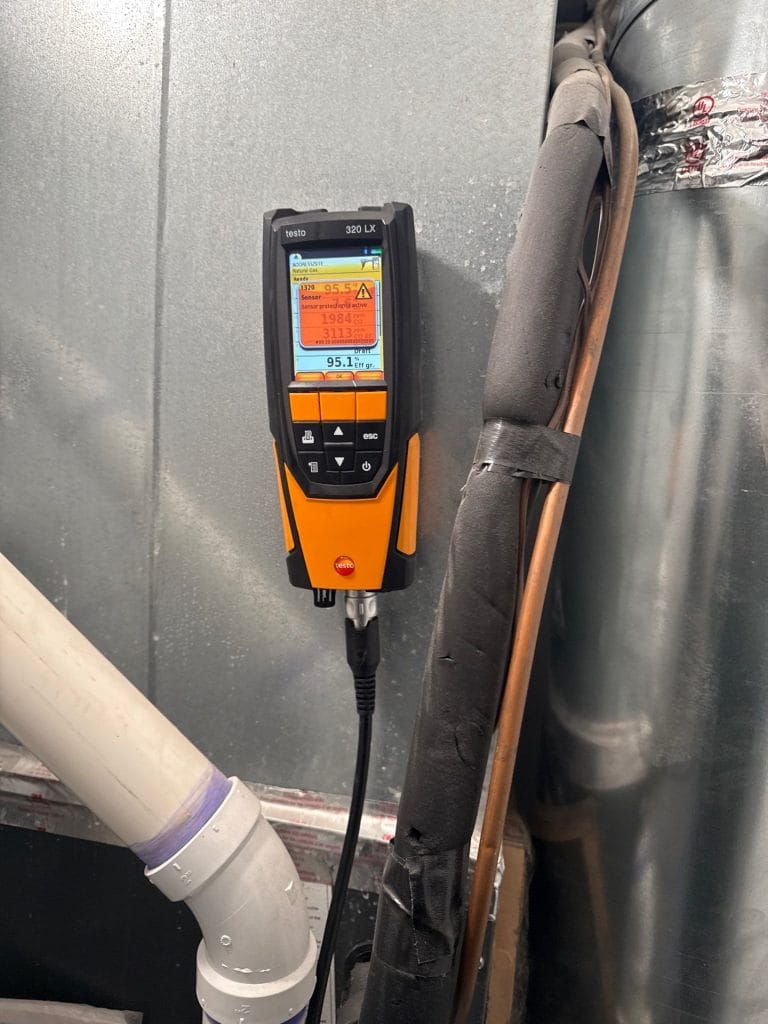
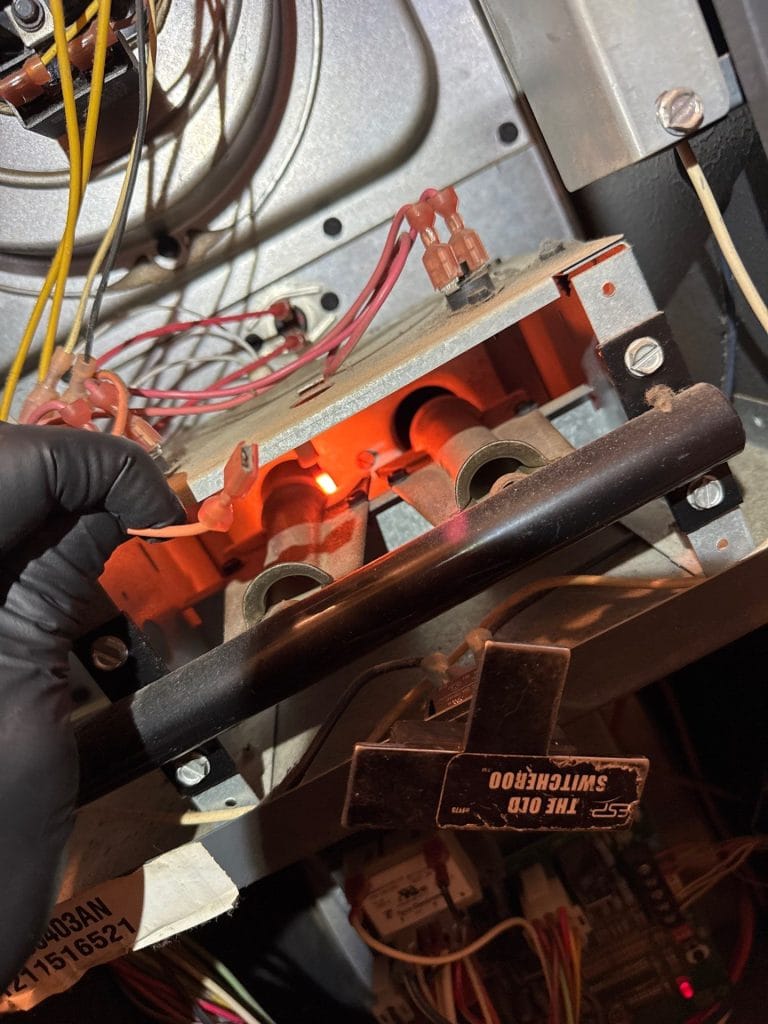
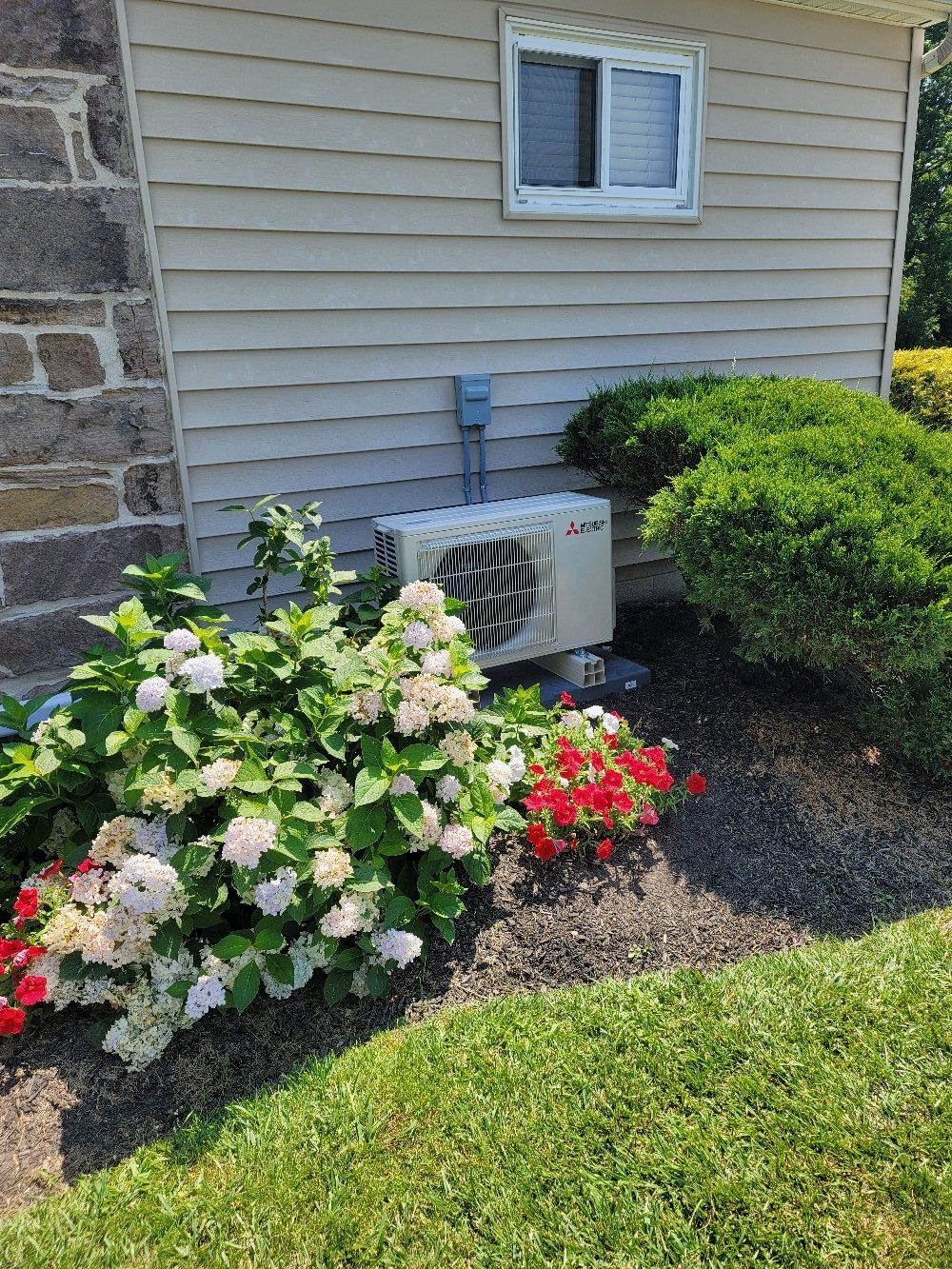
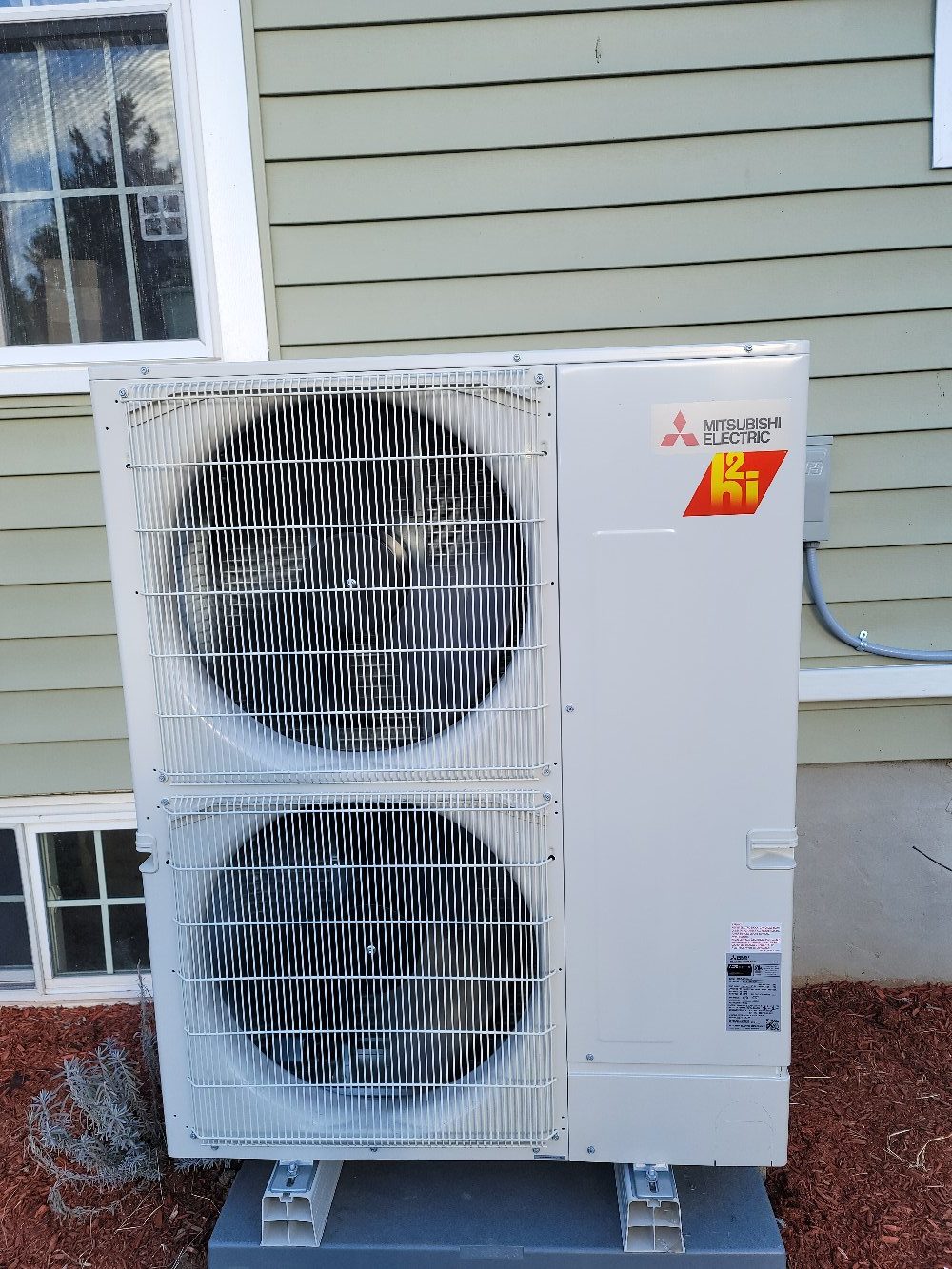
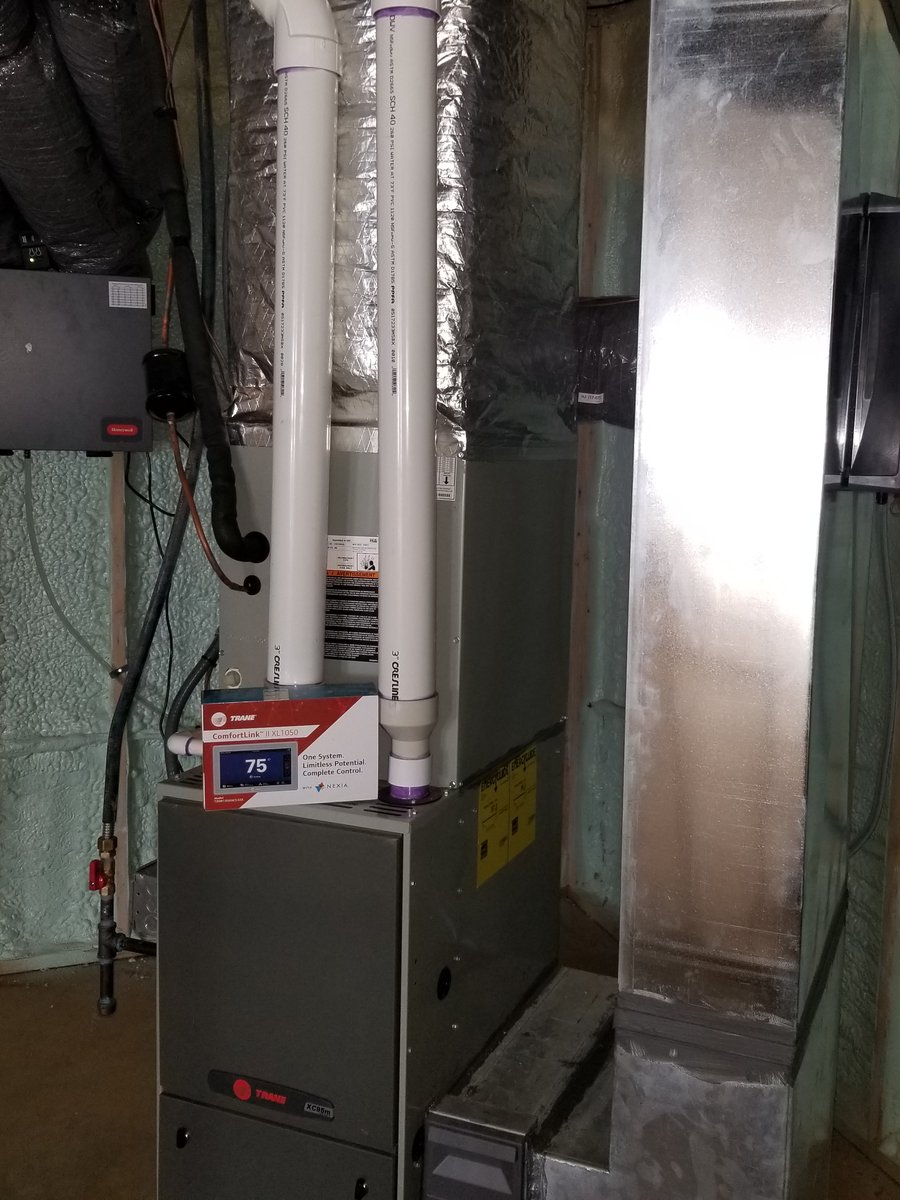
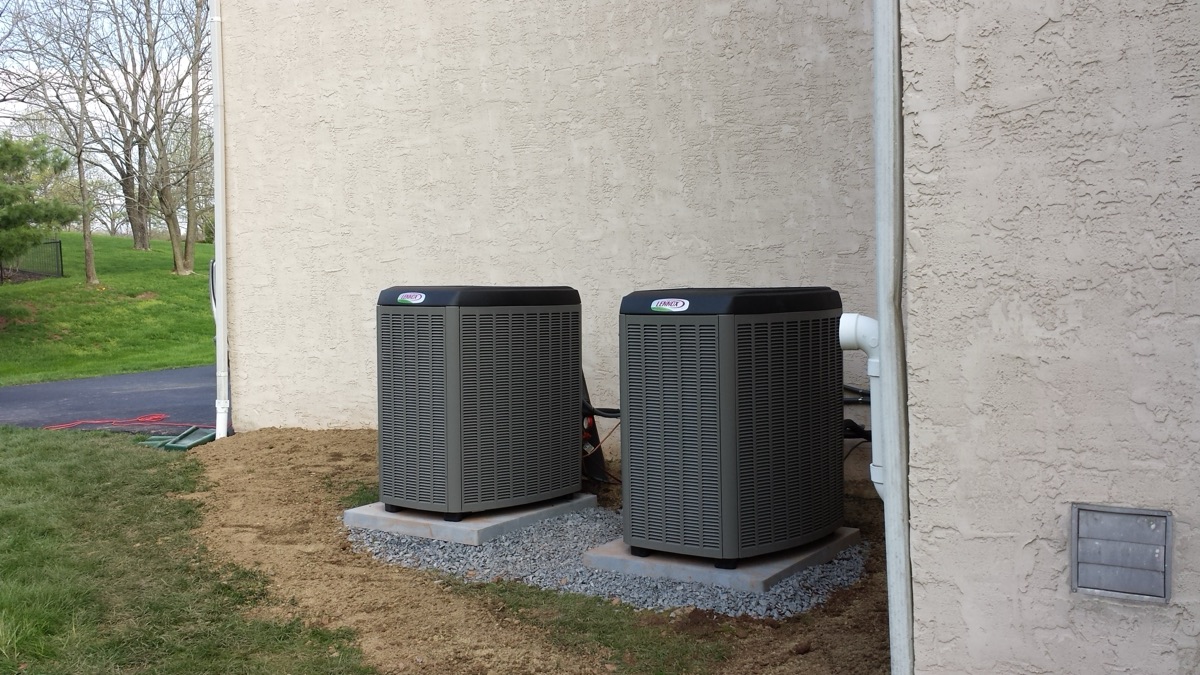
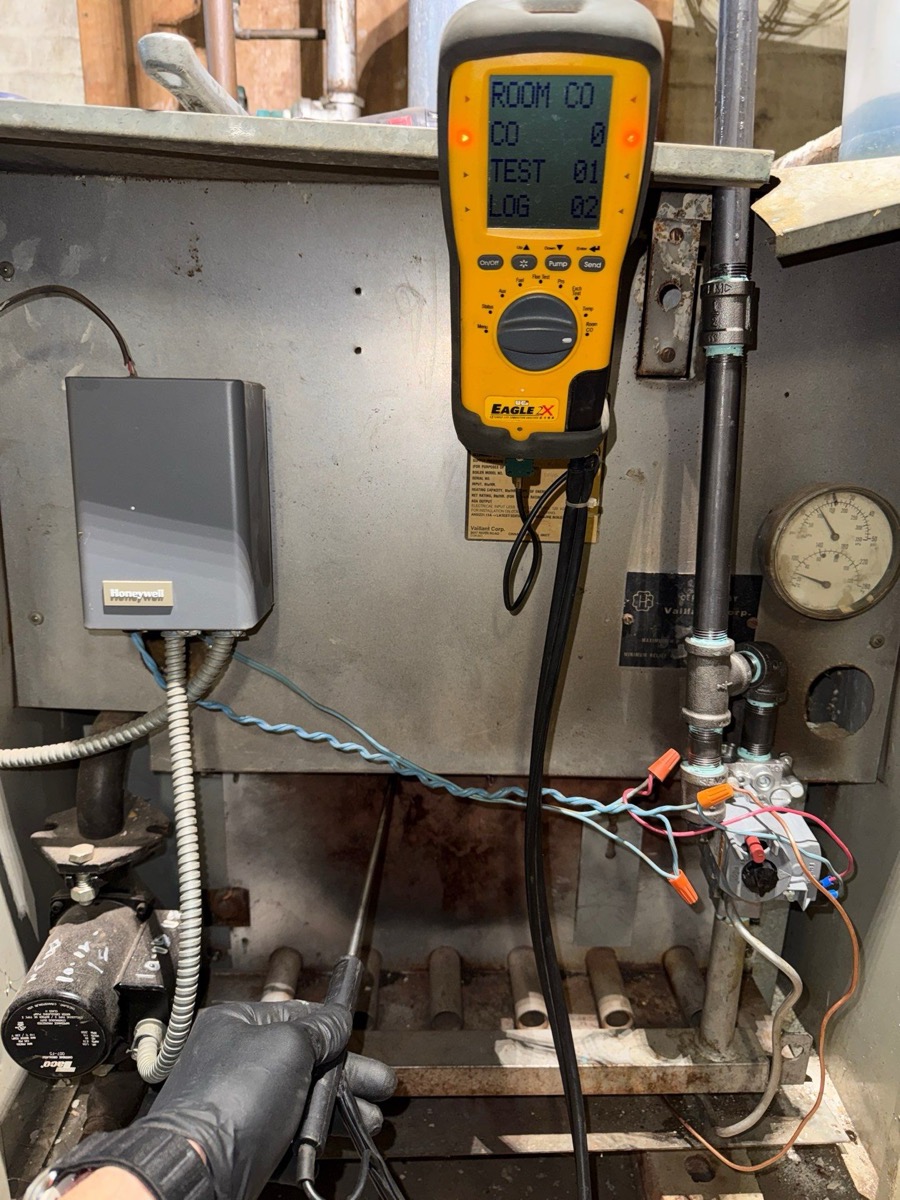
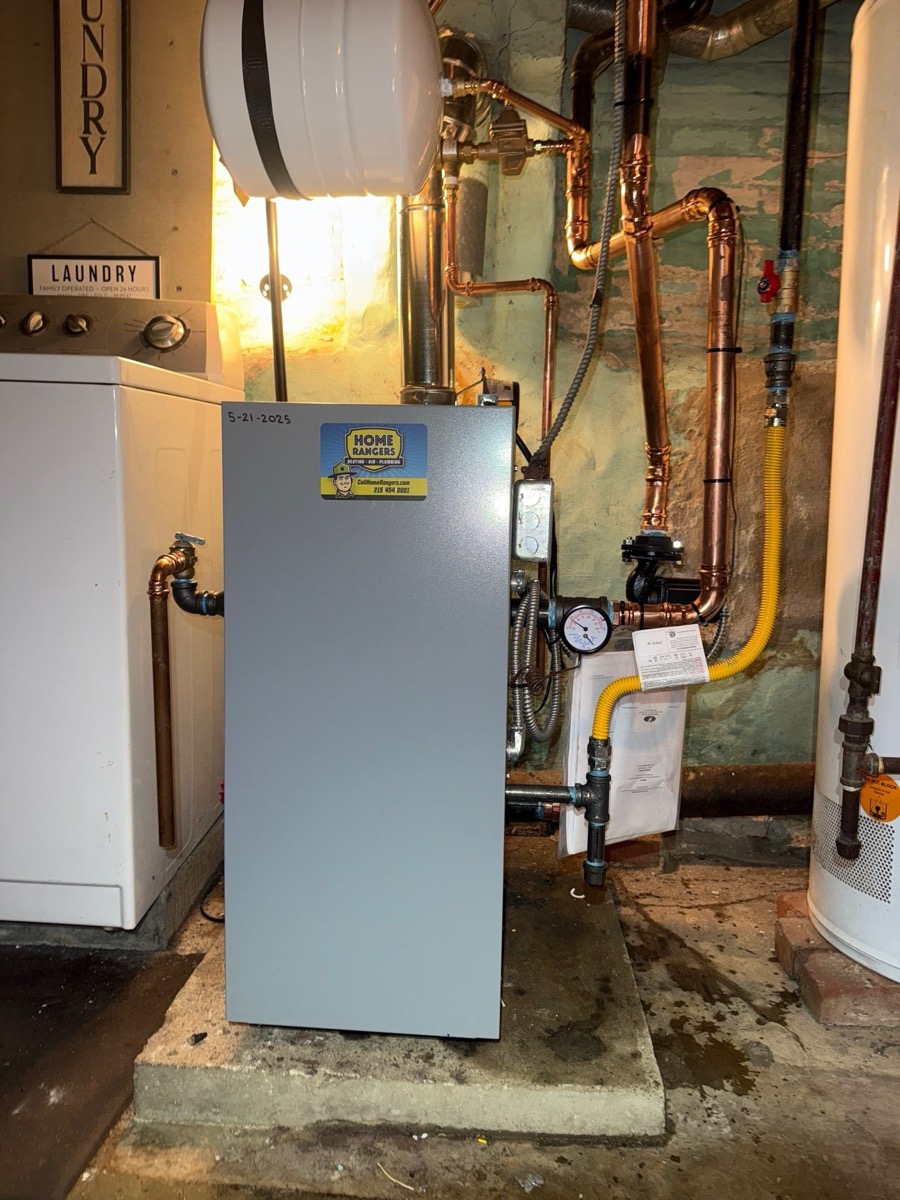
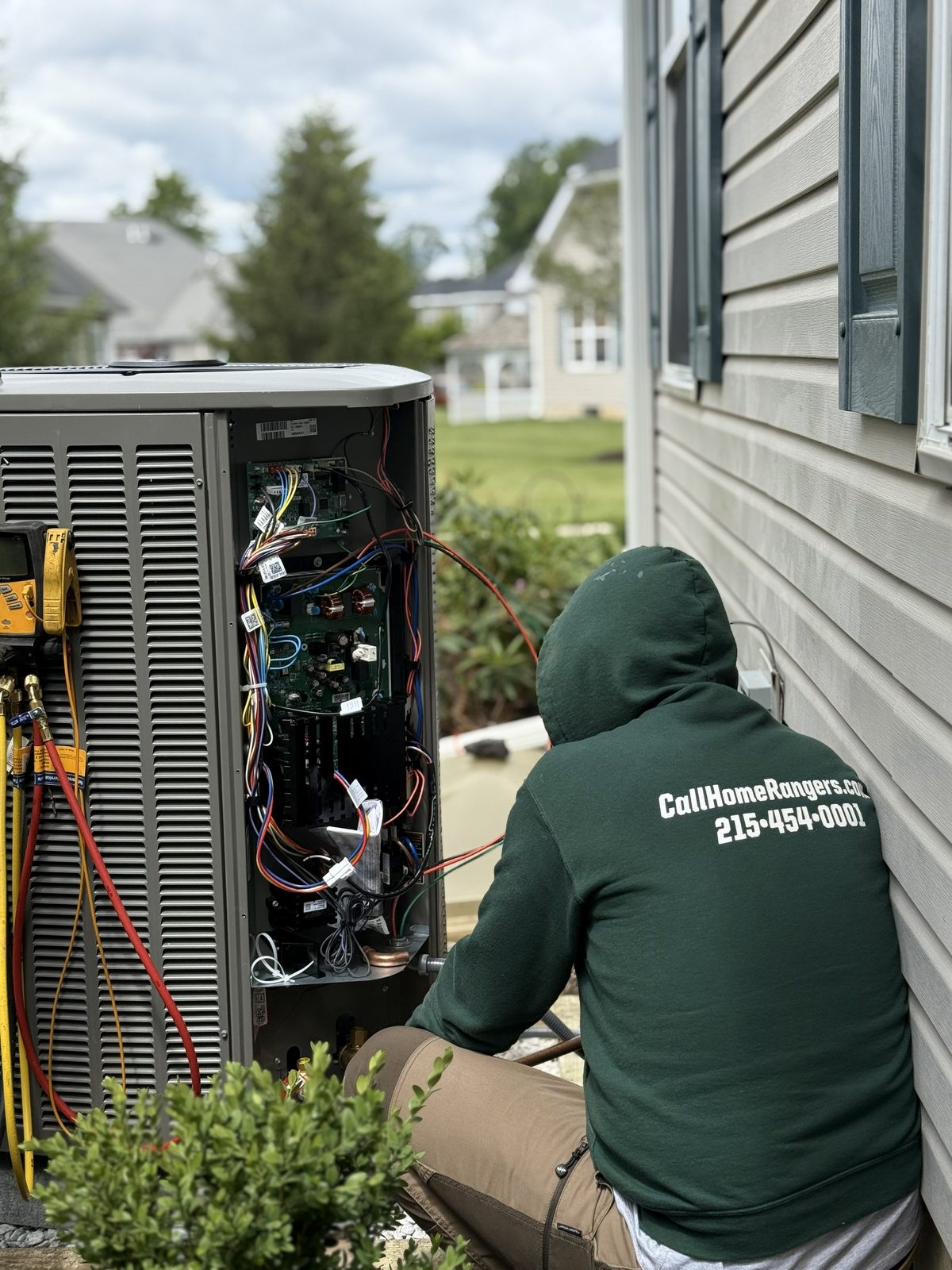
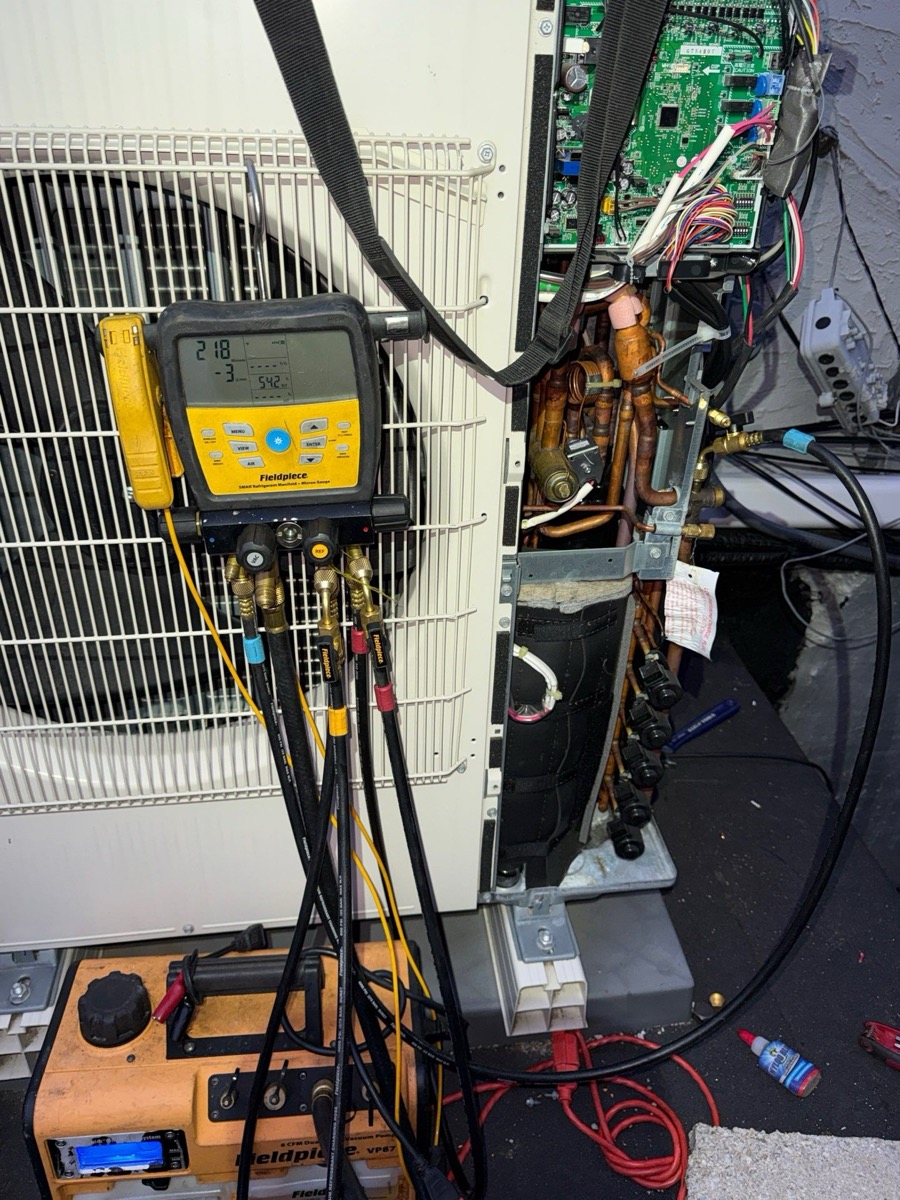
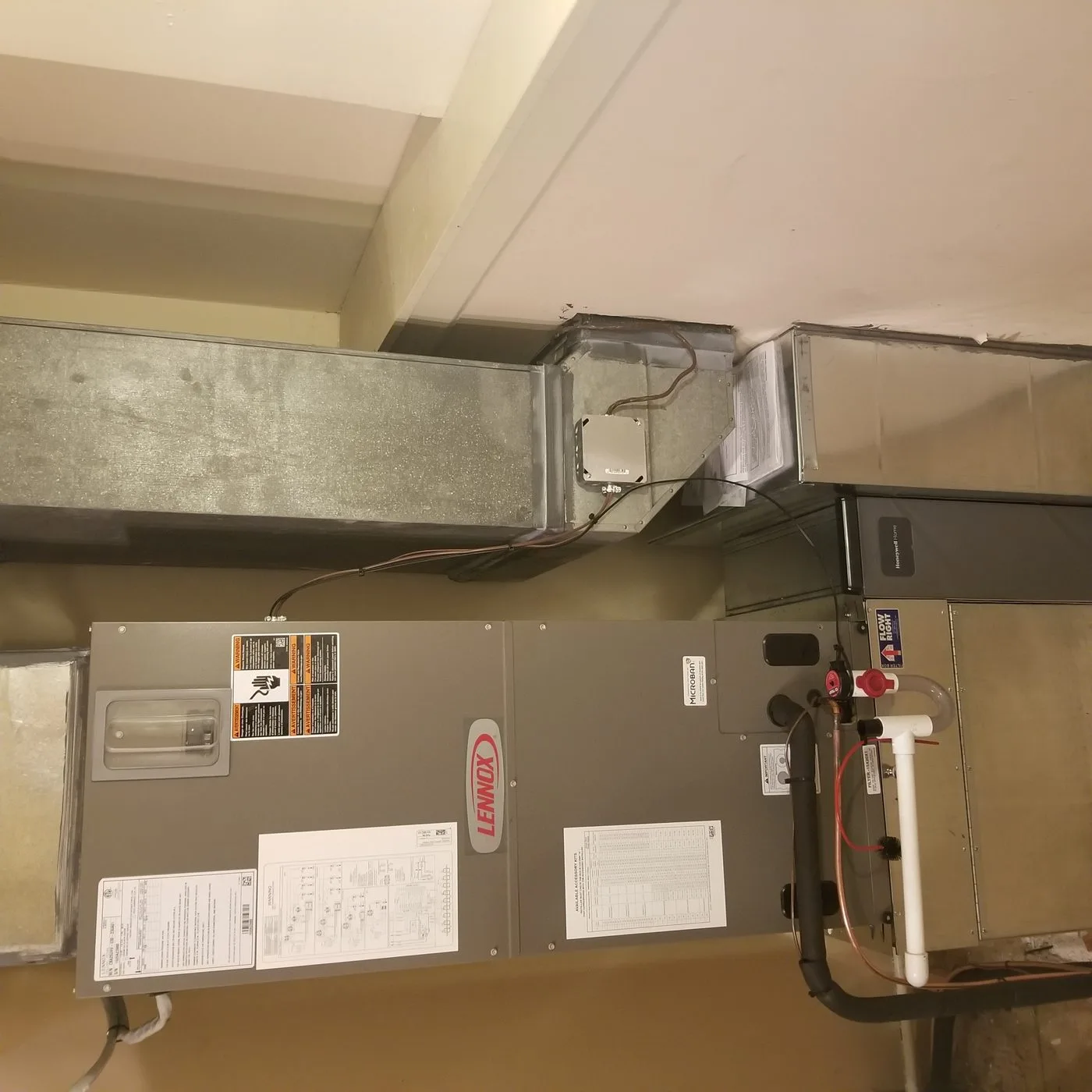
These photos show the types of heating and cooling equipment, air conditioning systems, heat pumps, controls, boilers, and indoor air quality components that can affect comfort, efficiency, and repair decisions.
More Field Photos
HVAC system service details
Additional photos show service access, heating equipment, refrigeration tools, and air handler components that can affect repairs and installation planning.
All HVAC services
HVAC repair, installation, maintenance, and upgrades
This list matches the HVAC services used in the standard city-hub template, using the main non-city service pages for strong internal linking.
AC Repair
Home Rangers repairs central air conditioning systems with clear diagnostics, practical repair options, and careful work around finished spaces. We troubleshoot airflow, refrigerant, electrical, compressor, thermostat, and drainage problems so your cooling system can get back to steady performance.
View serviceAC Compressor Replacement
When an AC compressor fails, the right answer depends on age, refrigerant type, parts availability, electrical condition, and the rest of the system. We confirm the failure, explain repair versus replacement options, and help protect the new compressor from repeat problems.
View serviceAir Conditioning Installation
Our AC installation process looks at equipment size, duct condition, airflow, humidity control, electrical needs, and long-term serviceability. The goal is a cooling system that is comfortable, efficient, and easier to maintain over the life of the equipment.
View serviceDuctless Mini-Split Installation
Ductless mini-splits can solve comfort problems where ductwork is limited or impractical. We plan the indoor head location, outdoor equipment placement, line-set route, drainage, controls, and zoning so the system fits the room and the home.
View serviceHeat Pump Installation
Heat pumps can provide efficient year-round comfort when they are sized and installed correctly. We review the home layout, existing ductwork, electrical requirements, backup heat needs, and comfort expectations before recommending a system.
View serviceHeat Pump Repair
Heat pump problems can come from refrigerant, controls, airflow, defrost boards, sensors, reversing valves, or electrical components. We diagnose the full sequence of operation so the repair addresses the real failure instead of only the symptom.
View serviceAC Tune-Up
An AC tune-up helps catch weak capacitors, clogged drains, dirty coils, airflow restrictions, and early wear before they become hot-weather breakdowns. We clean, test, and document the system so you know what is working and what may need attention.
View serviceSmart Thermostat Installation
Smart thermostats work best when the wiring, equipment settings, staging, and homeowner preferences are configured correctly. We install compatible controls and help set schedules, app access, and system settings without guesswork.
View serviceFurnace Repair
Furnace repair needs a careful look at ignition, flame sensing, gas pressure, venting, airflow, safeties, and controls. We focus on safe operation first, then explain the repair options and what they mean for comfort and reliability.
View serviceFurnace Installation
A furnace installation should match the home, not just the old equipment label. We review heat load, ductwork, venting, filtration, thermostat controls, and available efficiency options so the system is installed for safe, consistent comfort.
View serviceBoiler Installation
Boiler installation requires attention to water temperature, circulators, zoning, venting, near-boiler piping, controls, and the connected radiation. We plan the system so it heats evenly and can be serviced cleanly later.
View serviceBoiler Repair
Boiler problems may involve pumps, valves, expansion tanks, pressure controls, air in the system, combustion, or venting. We diagnose the hydronic system as a whole so repairs support safe and even heating.
View serviceDuctless Mini-Split Repair
Ductless systems combine refrigeration, controls, indoor blowers, sensors, drainage, and outdoor equipment. We troubleshoot error codes, communication faults, airflow, refrigerant issues, and condensate problems to restore the zone.
View serviceIndoor Air Quality Solutions
Indoor air quality improvements can help with dust, dry air, humidity swings, odors, and comfort concerns. We match filtration, humidification, dehumidification, UV, and ventilation options to the existing HVAC system and the home.
View serviceHVAC Zoning Systems
HVAC zoning can help homes with different floors, additions, sun exposure, or recurring hot and cold rooms. We evaluate ductwork, equipment capacity, static pressure, thermostats, and controls before recommending zoning.
View serviceRadiant Floor Heating
Radiant floor heating uses warm water and carefully controlled loops to deliver even comfort underfoot. We consider flooring, tubing layout, water temperature, manifolds, boiler compatibility, controls, and future service access.
View serviceHVAC Repair
For homes where the problem does not fit neatly into one category, our HVAC repair team checks the complete comfort system. We look at heating, cooling, airflow, controls, ductwork, and equipment condition before recommending the next step.
View serviceHow to choose
Common HVAC situations we solve
The best HVAC page structure supports both search intent and customer intent: urgent repairs, planned replacement, and comfort upgrades each need a clear path.
Related hub: Need water heaters, drains, sewer, sump pumps, backflow, water treatment, or repiping instead? Visit the Plumbing Services hub or return to the all services hub.
FAQ
HVAC service questions
What HVAC services does Home Rangers offer?
Home Rangers handles AC repair, AC installation, compressor replacement, heat pumps, ductless mini-splits, furnaces, boilers, radiant heating, HVAC zoning, smart thermostats, indoor air quality, tune-ups, and general HVAC repair.
Can you help me choose between HVAC repair and replacement?
Yes. We look at age, condition, repair cost, comfort issues, efficiency, parts availability, and how often the system has been failing before recommending repair, replacement, or a longer-term plan.
Do you service both heating and air conditioning systems?
Yes. The HVAC team works on cooling systems, furnaces, boilers, heat pumps, ductless systems, radiant heating, thermostats, zoning, airflow, and indoor air quality equipment.
When should I schedule an AC tune-up?
Most homeowners schedule AC maintenance before the hottest part of the season. A tune-up helps catch weak parts, drainage issues, dirty coils, and airflow concerns before peak cooling demand.
Can ductless or zoning help with uneven rooms?
Often, yes. Ductless mini-splits and HVAC zoning can help rooms that are too hot or too cold, additions, finished basements, top floors, and spaces where existing ductwork cannot deliver balanced comfort.
How do I schedule HVAC service?
Call (215) 454-0001 or book online. Share the equipment type, symptoms, age of the system, and any recent repairs so the technician can arrive prepared.
Current Specials
Current HVAC & Plumbing Offers
Strong offers built to help you book service faster, save on repairs, and lock in ongoing system protection without digging through the whole site.
Diagnostic Only $49
Fast HVAC or plumbing diagnostic during regular business hours. If you approve the repair, we’ll credit the diagnostic toward the work. Use code RANGERS49 when booking online.
Book Online$75 Off Any Repair Over $300
Save on qualifying HVAC or plumbing repairs when the fix goes beyond a quick minor adjustment and you want real value on a bigger repair.
Book OnlineHome Rangers System Protection Plan: First Month Free
Start your membership at $19.95/mo, get your first month free, and unlock priority scheduling, tune-ups, and repair savings.
View PlanOffer details can change by season, equipment eligibility, service area, lender approval, and program availability. Diagnostic offer is for regular-hours service only. Repair discount cannot be combined with diagnostic credit or other offers.
Lennox systems and verified dealer support
Home Rangers appears on the official Lennox dealer locator for Warminster. Ask about Lennox air conditioners, heat pumps, furnaces, and mini-split options, along with system sizing and financing options for eligible installations.
Whether your AC stopped cooling, your furnace won’t ignite, your water heater is leaking, or your drains are backing up, Home Rangers is here to help. As Warminster’s hometown HVAC and plumbing company, we treat every customer like a neighbor, because you are.
Ready for Home Service You Can Trust?
Book Nowor call us at:
(215) 454-0001