Professional Heat Pump Installation in Bucks County & Montgomery County

Heat pumps have transformed home comfort in Pennsylvania. Modern systems deliver efficient heating and cooling from a single unit, dramatically reducing energy costs while providing year-round comfort. But realizing the full benefits of heat pump technology requires expert installation—proper sizing, correct configuration, and meticulous attention to detail. Home Rangers LLC provides expert heat pump installation throughout Bucks County, Montgomery County, and Philadelphia, bringing genuine expertise and family-owned accountability to every project.

Whether you’re replacing an aging air conditioner and want to add heating capability, upgrading from an old heat pump to a modern high-efficiency system, adding comfort to a room addition or converted space, or transitioning away from expensive oil or propane heat, we can design and install a heat pump solution that meets your specific needs and budget.

Heat pump technology has advanced dramatically in recent years. Today’s cold-climate heat pumps maintain heating capacity at temperatures that would have shut down older systems. Variable-speed inverter technology delivers precise comfort and exceptional efficiency. Ductless mini-splits provide solutions for homes without existing ductwork. As a family-owned company based in Warminster, we stay current with these advancements and help homeowners take advantage of the technology that best fits their situation—without the high-pressure sales tactics or inflated prices you might encounter elsewhere.

Why Pennsylvania Homeowners Are Choosing Heat Pumps

Heat pumps have become increasingly popular in our region—and for good reason. Here’s why homeowners throughout Bucks County and Montgomery County are making the switch:

Year-Round Comfort from One System

Heat pumps provide both heating and cooling, eliminating the need for separate furnace and air conditioner systems. One outdoor unit handles both functions, reducing equipment costs, maintenance requirements, and the complexity of your HVAC system.

Exceptional Energy Efficiency

Heat pumps don’t generate heat—they move it, which is far more efficient. A modern heat pump can deliver 3-4 units of heat for every unit of electricity consumed. Even accounting for electricity costs, heat pumps typically cost less to operate than oil, propane, or electric resistance heating.

Lower Operating Costs

Homeowners switching from oil or propane often see heating cost reductions of 30-50% or more. Even compared to natural gas, heat pumps can be cost-competitive—especially modern high-efficiency models. Cooling efficiency also typically exceeds standard air conditioners.

Improved Cold Weather Performance

Today’s cold-climate heat pumps maintain heating capacity at temperatures down to -15°F or below—far better than heat pumps from even 10 years ago. They’re now viable as primary heating sources in Pennsylvania’s climate, not just supplemental systems.

Environmental Benefits

Heat pumps produce no on-site emissions—no combustion, no carbon monoxide concerns. As the electrical grid becomes cleaner, heat pumps become even more environmentally friendly. Many homeowners appreciate reducing their carbon footprint.

Rebates and Incentives

Federal tax credits, utility rebates, and state incentives can significantly reduce heat pump installation costs. These programs make upgrading to efficient heat pump technology more affordable than ever.

Is a Heat Pump Right for Your Home?

Heat pumps work well in most situations, but they’re not the perfect choice for every home. Factors like your existing heating system, ductwork condition, electrical service capacity, and personal preferences all matter. We’ll assess your specific situation and honestly recommend whether a heat pump makes sense—or if another solution better fits your needs.

Understanding Your Heat Pump Options

Heat pump technology comes in several configurations, each suited to different applications. Understanding your options helps you make an informed decision.

Central Ducted Heat Pumps

The most common configuration for homes with existing ductwork. A single outdoor unit connects to an indoor air handler that distributes conditioned air through your home’s duct system—just like a traditional furnace and AC setup, but with heating and cooling from one efficient system.

  • Best for: Homes with existing ductwork in good condition
  • Advantages: Uses existing ducts, provides whole-home comfort, familiar operation
  • Considerations: Requires adequate ductwork; duct condition affects efficiency

Ductless Mini-Split Heat Pumps

Wall-mounted or ceiling-mounted indoor units connect to an outdoor compressor without any ductwork. Each indoor unit provides heating and cooling for its zone, with individual temperature control.

  • Best for: Homes without ducts, room additions, converted spaces, supplemental comfort
  • Advantages: No ductwork needed, zone control, high efficiency, easy installation
  • Considerations: Indoor units are visible, multiple units needed for whole-home coverage

Multi-Zone Mini-Split Systems

One outdoor unit serves multiple indoor units throughout the home, each with independent temperature control. This provides whole-home comfort without ductwork.

  • Best for: Whole-home heating/cooling without ducts, homes wanting room-by-room control
  • Advantages: Individual zone control, no ductwork, single outdoor unit
  • Considerations: Higher cost than single-zone, multiple indoor units to maintain

Ducted Mini-Split Systems

Compact air handlers installed in attics, closets, or crawl spaces connect to mini-split outdoor units but distribute air through short duct runs. This combines mini-split efficiency with traditional hidden distribution.

  • Best for: Homeowners wanting mini-split efficiency with concealed indoor equipment
  • Advantages: No visible wall units, efficient technology, flexible installation
  • Considerations: Requires space for air handler and some ductwork

Dual-Fuel (Hybrid) Systems

A heat pump paired with a gas furnace. The system automatically switches between electric heat pump operation and gas heating based on outdoor temperature and efficiency—using whichever source costs less at any given time.

  • Best for: Homes with existing gas furnaces, areas with variable energy costs
  • Advantages: Best of both technologies, optimizes operating costs, backup heating
  • Considerations: More complex system, two fuel sources to maintain
System TypeBest ApplicationTypical Cost Range
Central DuctedHomes with existing ductworkModerate
Single-Zone Mini-SplitSingle rooms, additions, supplementsLower
Multi-Zone Mini-SplitWhole-home without ductsHigher
Dual-Fuel HybridCold climates, existing gas furnaceModerate to Higher

Understanding Heat Pump Efficiency and Performance

Heat pump efficiency is measured differently than furnace or boiler efficiency. Understanding these ratings helps you compare options and predict operating costs.

Efficiency Ratings Explained

SEER2 (Cooling Efficiency)

Seasonal Energy Efficiency Ratio measures cooling efficiency. Higher numbers mean lower cooling costs. Standard systems range from 14-16 SEER2; high-efficiency models achieve 18-22+ SEER2. The new SEER2 standard (implemented 2023) uses more realistic testing conditions than the old SEER rating.

HSPF2 (Heating Efficiency)

Heating Seasonal Performance Factor measures heating efficiency. Higher numbers mean lower heating costs. Standard systems range from 7.5-8.5 HSPF2; high-efficiency models achieve 10-13+ HSPF2. This rating accounts for performance across varying temperatures.

COP (Coefficient of Performance)

The ratio of heat output to electrical input at a specific temperature. A COP of 3.0 means the system produces 3 units of heat for every 1 unit of electricity consumed. COP varies with outdoor temperature—higher in mild weather, lower in extreme cold.

Cold-Climate Heat Pump Performance

Traditional heat pumps lose heating capacity as outdoor temperatures drop. This was the historic limitation that made heat pumps impractical as primary heating in cold climates. Modern cold-climate heat pumps have largely solved this problem.

Heat Pump TypePerformance at 17°FPerformance at 5°FLowest Operating Temp
Standard Heat Pump60-70% capacity40-50% capacityAround 25-30°F effective
Cold-Climate Heat Pump85-100% capacity70-85% capacityDown to -15°F or below

Cold-Climate Technology

Cold-climate heat pumps (sometimes called “hyper-heating” or “low-ambient” models) use advanced compressor technology, enhanced vapor injection, and sophisticated controls to maintain heating capacity at low temperatures. Brands like Mitsubishi (Hyper-Heating), Fujitsu (XLTH), and others offer models specifically designed for cold climates like ours. These systems can serve as primary heating sources in Pennsylvania, often eliminating or dramatically reducing the need for backup heat.

Variable-Speed vs. Single-Speed

Modern heat pumps use different compressor technologies that significantly affect performance:

Single-Speed (Fixed)

Operates at 100% capacity or off—like a light switch. Less expensive but less efficient, with larger temperature swings. Suitable for budget-focused installations.

Two-Stage

Operates at two levels—typically 65% and 100%. Better efficiency and comfort than single-speed, with more moderate pricing than variable-speed.

Variable-Speed (Inverter)

Adjusts capacity continuously from about 25% to over 100%. Maximum efficiency, precise comfort, quiet operation, and excellent dehumidification. Premium cost but significant operating savings.

Why Proper Heat Pump Sizing Matters

Correct sizing is critical for heat pump performance—perhaps even more so than for furnaces or air conditioners. Heat pumps must be sized to handle both heating and cooling loads, which adds complexity to the calculation.

The Problems with Oversized Heat Pumps

  • Short cycling: The system satisfies demand quickly and shuts off, then restarts soon after. This wastes energy and accelerates component wear.
  • Poor dehumidification: Short run times don’t allow adequate moisture removal during cooling, leaving your home feeling clammy.
  • Reduced efficiency: Heat pumps operate most efficiently during longer run cycles at partial capacity—something oversized systems can’t do.
  • Comfort problems: Temperature swings and humidity issues reduce comfort despite adequate capacity.

The Problems with Undersized Heat Pumps

  • Can’t maintain comfort: On extreme days, the system runs constantly but can’t keep up.
  • Excessive auxiliary heat use: In heating mode, backup electric heat runs frequently, dramatically increasing costs.
  • Accelerated wear: Running at maximum capacity continuously stresses components.

How We Size Heat Pumps Correctly

We perform Manual J load calculations that account for:

  • Your home’s square footage, layout, and ceiling heights
  • Insulation levels throughout the building envelope
  • Window sizes, types, orientations, and shading
  • Air infiltration and overall tightness
  • Internal heat gains from occupants, appliances, and lighting
  • Local climate data—both heating and cooling design temperatures
  • Ductwork condition and configuration (for ducted systems)

Because heat pumps provide both heating and cooling, we calculate both loads and select equipment that handles both appropriately. In our climate, heating load is typically the larger concern, so we often prioritize heating capacity—especially with cold-climate equipment that maintains output at low temperatures.

Variable-Speed Advantage

Variable-speed (inverter) heat pumps are more forgiving of sizing because they modulate capacity to match demand. They can be sized slightly larger without the short-cycling problems of single-speed equipment. This flexibility is one reason we often recommend variable-speed technology—it provides a margin for varying conditions while maintaining efficiency.

Our Heat Pump Installation Process

A quality heat pump installation involves careful planning, proper equipment selection, and meticulous installation practices. Here’s how we approach every project:

Step 1: In-Home Consultation

We visit your home to understand your needs and assess your situation. We evaluate your existing HVAC system, examine ductwork condition (for ducted installations), check electrical service capacity, discuss your comfort goals and budget, and answer your questions. This isn’t a high-pressure sales call—it’s a genuine assessment.

Step 2: Load Calculation and System Design

We calculate your home’s heating and cooling requirements using Manual J methodology. Based on these calculations and your preferences, we design an appropriate system—selecting the right equipment type, capacity, efficiency level, and configuration for your situation.

Step 3: Detailed Proposal

We provide a comprehensive written proposal including our recommendations, equipment specifications, installation scope, applicable rebates or incentives, and complete pricing. We explain our recommendations and answer all your questions so you can make an informed decision.

Step 4: Professional Installation

On installation day, our team arrives prepared with all equipment and materials. The installation process includes:

  • Protection of your home throughout the work area
  • Careful removal of existing equipment (if applicable)
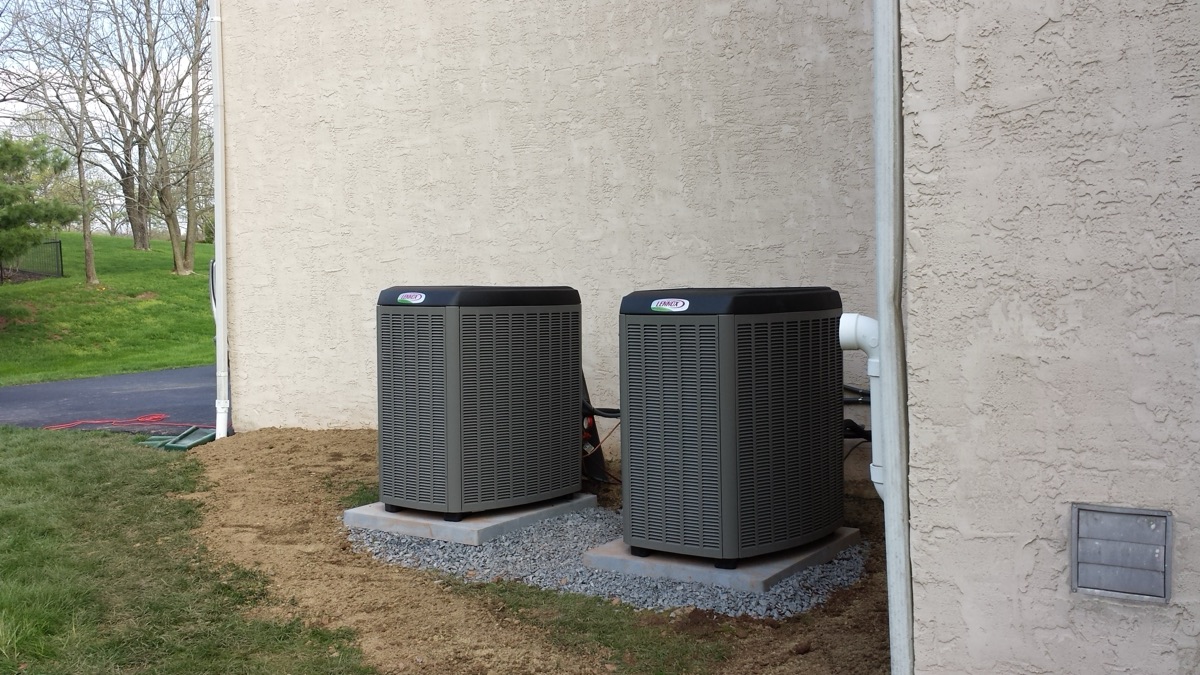
  • Proper positioning of outdoor unit on appropriate pad or brackets
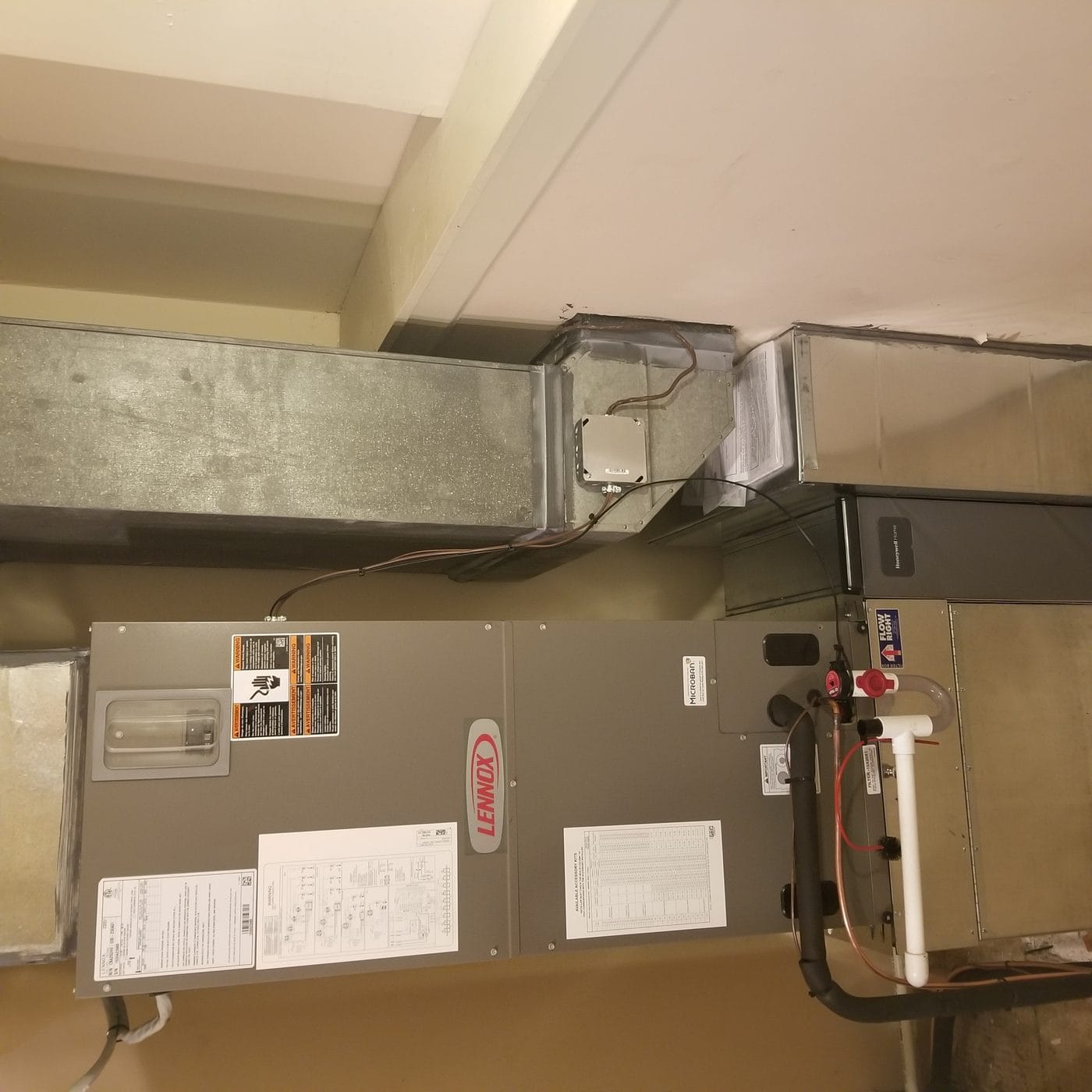
  • Installation of indoor equipment (air handler, wall units, etc.)
  • Refrigerant line installation with proper insulation and routing
  • Electrical connections to both indoor and outdoor units
  • Condensate drainage installation and testing
  • Thermostat or control installation and configuration
  • Ductwork connections or modifications (ducted systems)
  • System evacuation and refrigerant charging

Step 5: System Commissioning

Proper commissioning ensures your new heat pump operates correctly and efficiently:

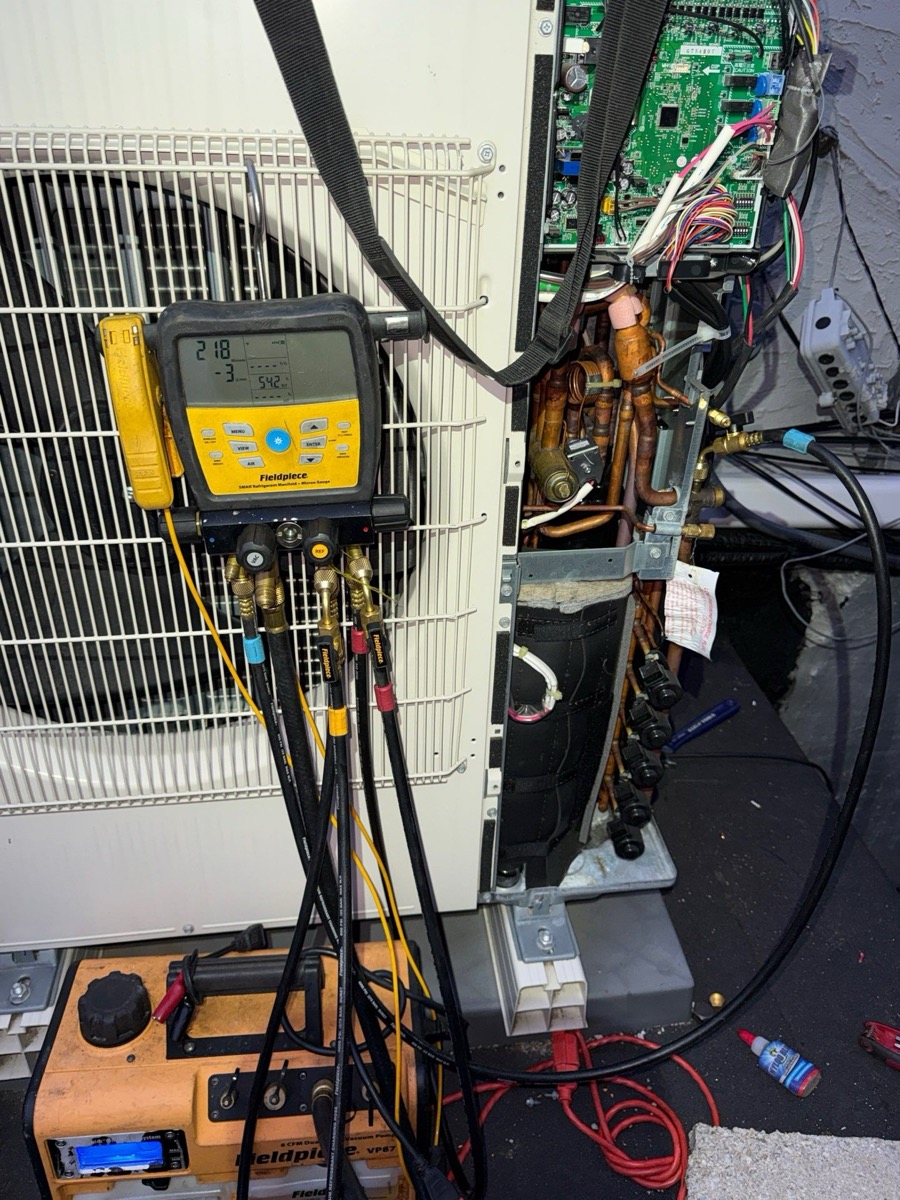
  • Verify refrigerant charge using manufacturer procedures
  • Test heating and cooling operation
  • Verify defrost cycle operation
  • Measure airflow and temperature differential
  • Test auxiliary heat operation (if applicable)
  • Verify thermostat programming and response
  • Check all electrical connections and amp draws
  • Test all modes and features

Step 6: Customer Training

We walk you through your new system, explaining operation, thermostat programming, filter maintenance, and what to expect. Heat pumps operate differently than furnaces—we make sure you understand the normal characteristics so you’re not surprised by things like cooler supply air temperatures in heating mode.

Step 7: Documentation and Clean-Up

We clean up completely and provide all documentation: warranty information, equipment manuals, maintenance guidelines, and rebate paperwork if applicable. We register your equipment warranty and ensure you have everything you need.

Important Installation Considerations

Heat pump installation may involve more than just the equipment itself. Here are factors that can affect your installation:

Ductwork Considerations (Ducted Systems)

If you’re installing a ducted heat pump, your existing ductwork significantly affects system performance:

  • Duct condition: Leaky ducts waste energy—studies show typical homes lose 20-30% of conditioned air through duct leaks. We assess your ducts and recommend sealing if needed.
  • Duct sizing: Heat pumps may have different airflow requirements than your existing equipment. We verify your ducts can handle the new system.
  • Return air adequacy: Insufficient return air restricts airflow and reduces efficiency. We check that return capacity is adequate.

Ductwork Improvements

Addressing ductwork problems during heat pump installation is often the best time—and can significantly improve your return on investment. We’ll honestly assess your ductwork and recommend improvements where they’ll provide meaningful benefit, not just to pad the project cost.

Electrical Requirements

Heat pumps have specific electrical requirements that may affect your installation:

  • Dedicated circuit: Heat pumps require dedicated electrical circuits, typically 240V for the outdoor unit and potentially for the air handler.
  • Panel capacity: If you’re switching from gas heating or adding a heat pump to an existing AC circuit, your electrical panel may need evaluation. Adding circuits or upgrading panel capacity adds cost.
  • Auxiliary heat: If your system includes electric backup heat, this requires additional electrical capacity—sometimes significant for larger systems.

We evaluate your electrical situation during the consultation and include any necessary electrical work in our proposal.

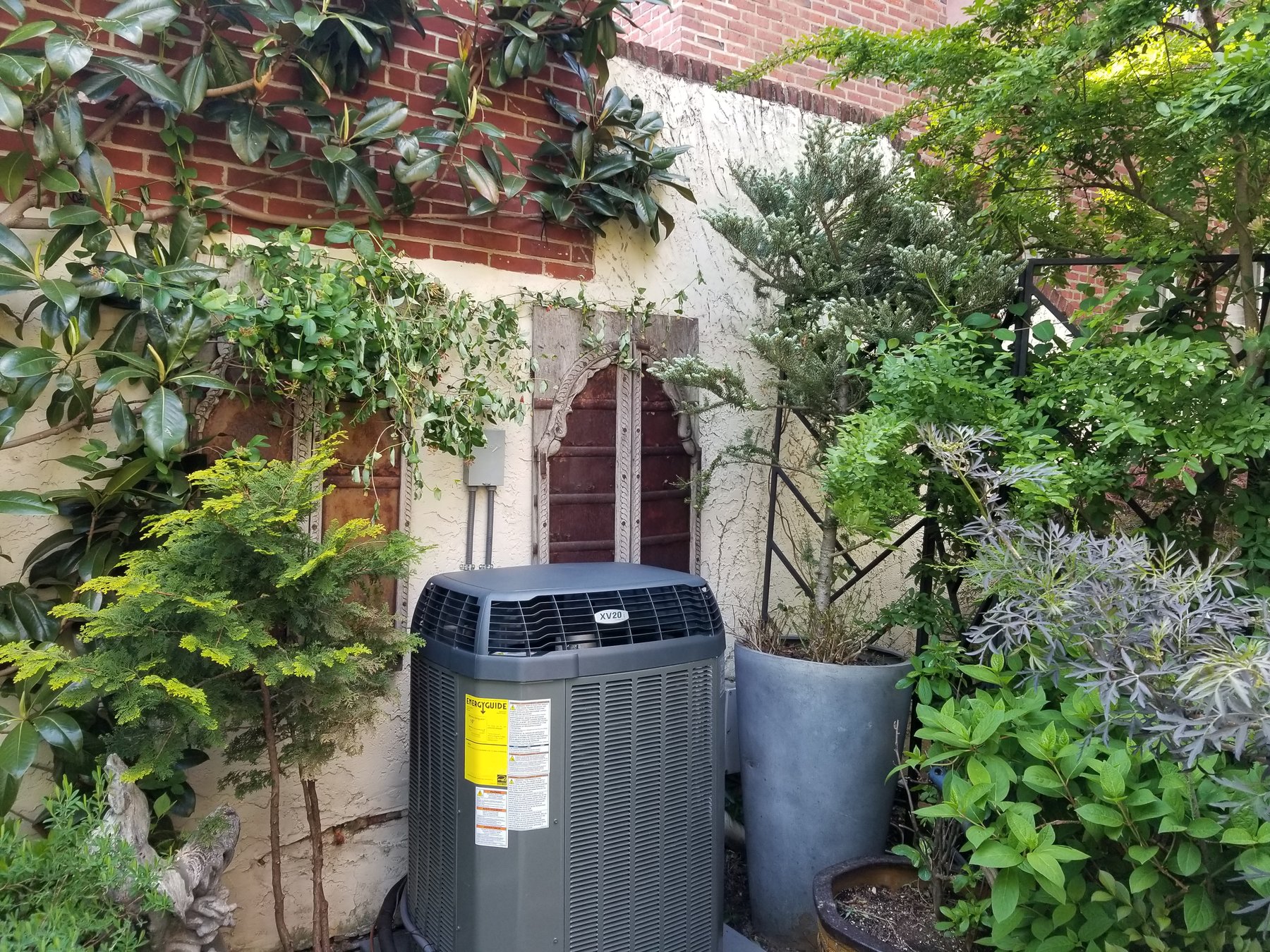
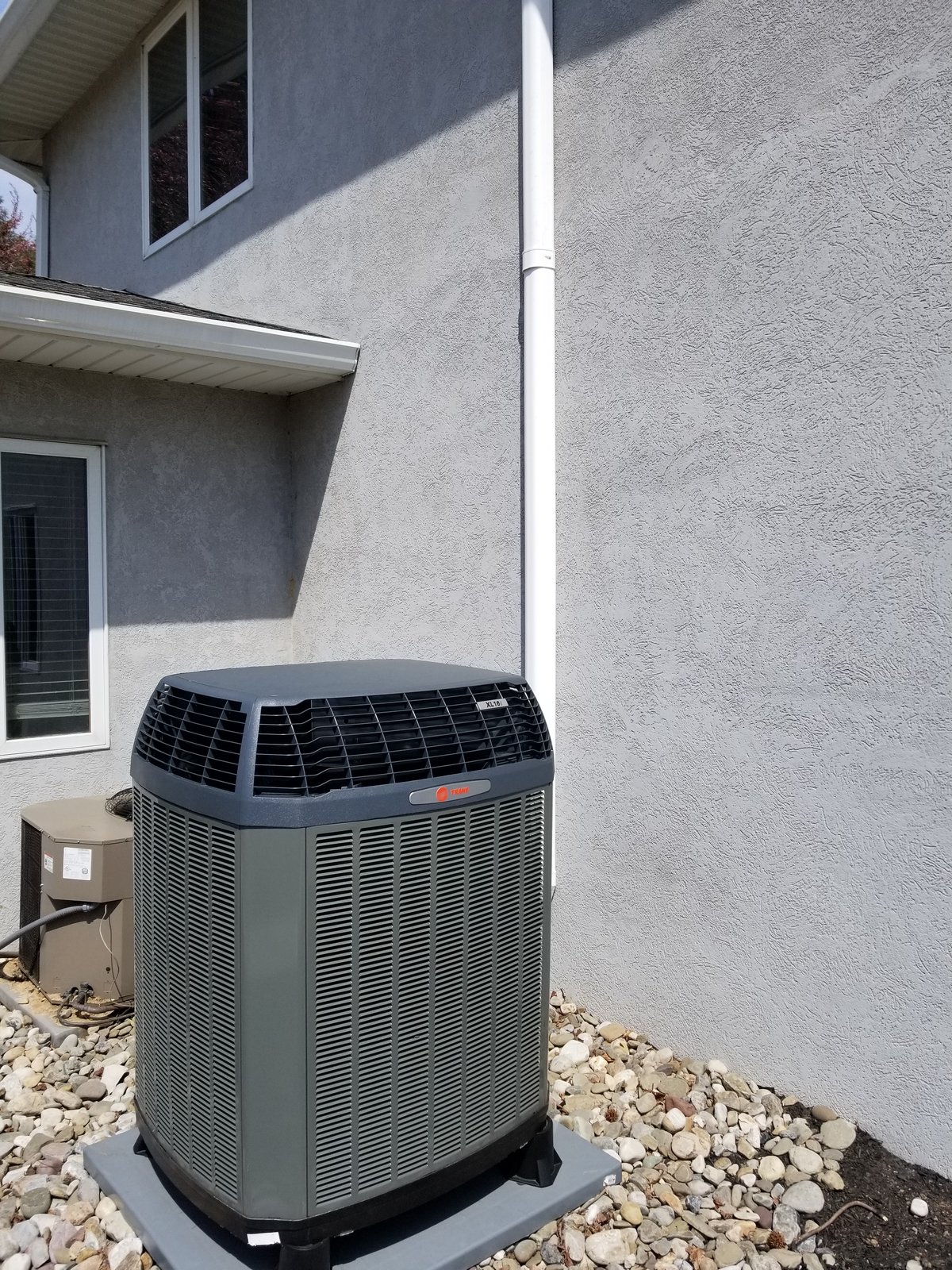
Outdoor Unit Placement

Proper outdoor unit placement affects performance and longevity:

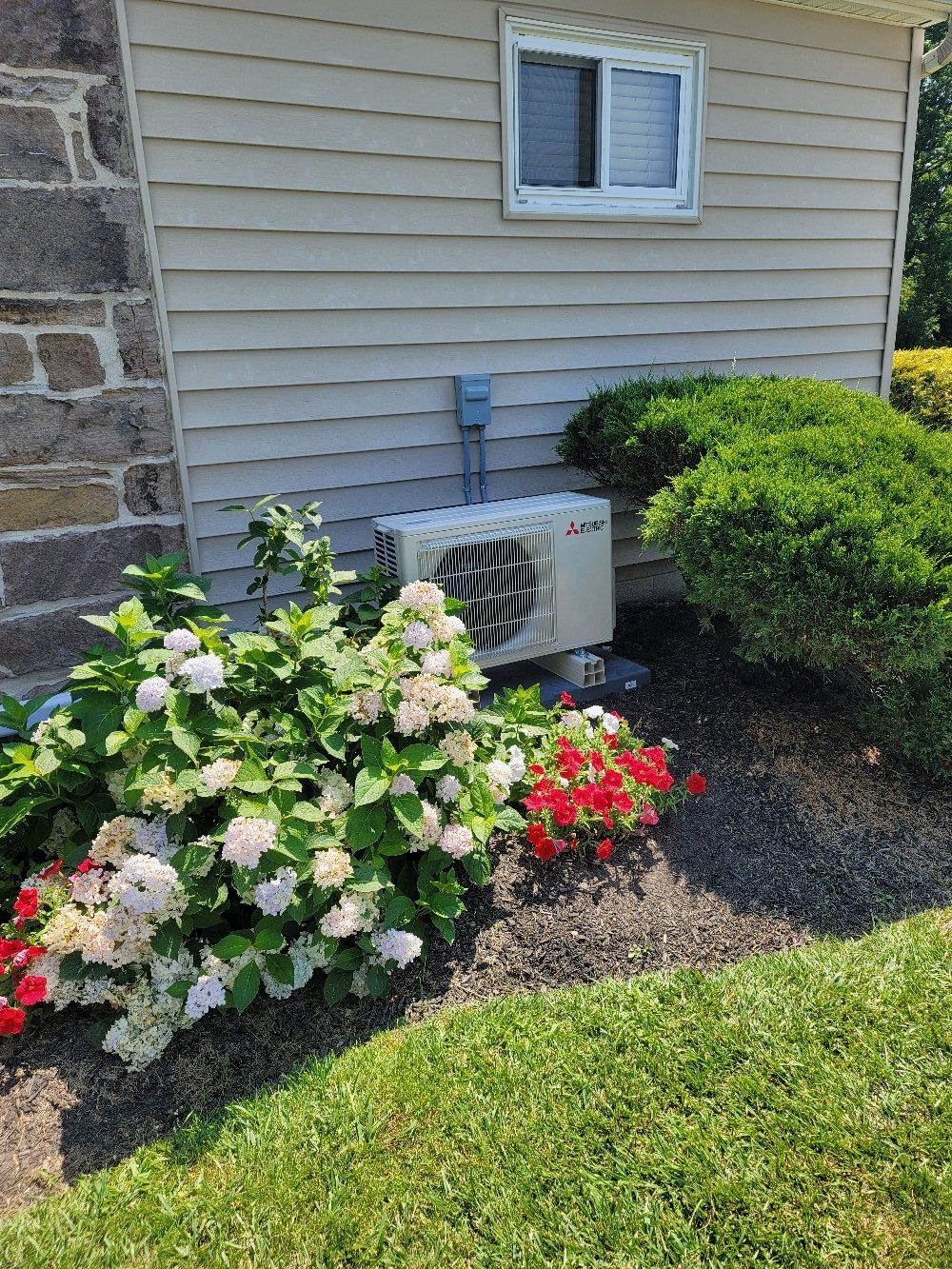
  • Adequate clearance for airflow on all sides
  • Protection from roof runoff and snow accumulation
  • Level, stable mounting surface
  • Accessible location for service
  • Consideration of noise impact on living spaces and neighbors
  • Proper elevation in flood-prone areas

Heat Pump Brands We Install

We install quality heat pumps from multiple manufacturers, allowing us to recommend equipment based on what’s best for your situation—not what’s most profitable for us.

Premium Brands

Mitsubishi Electric

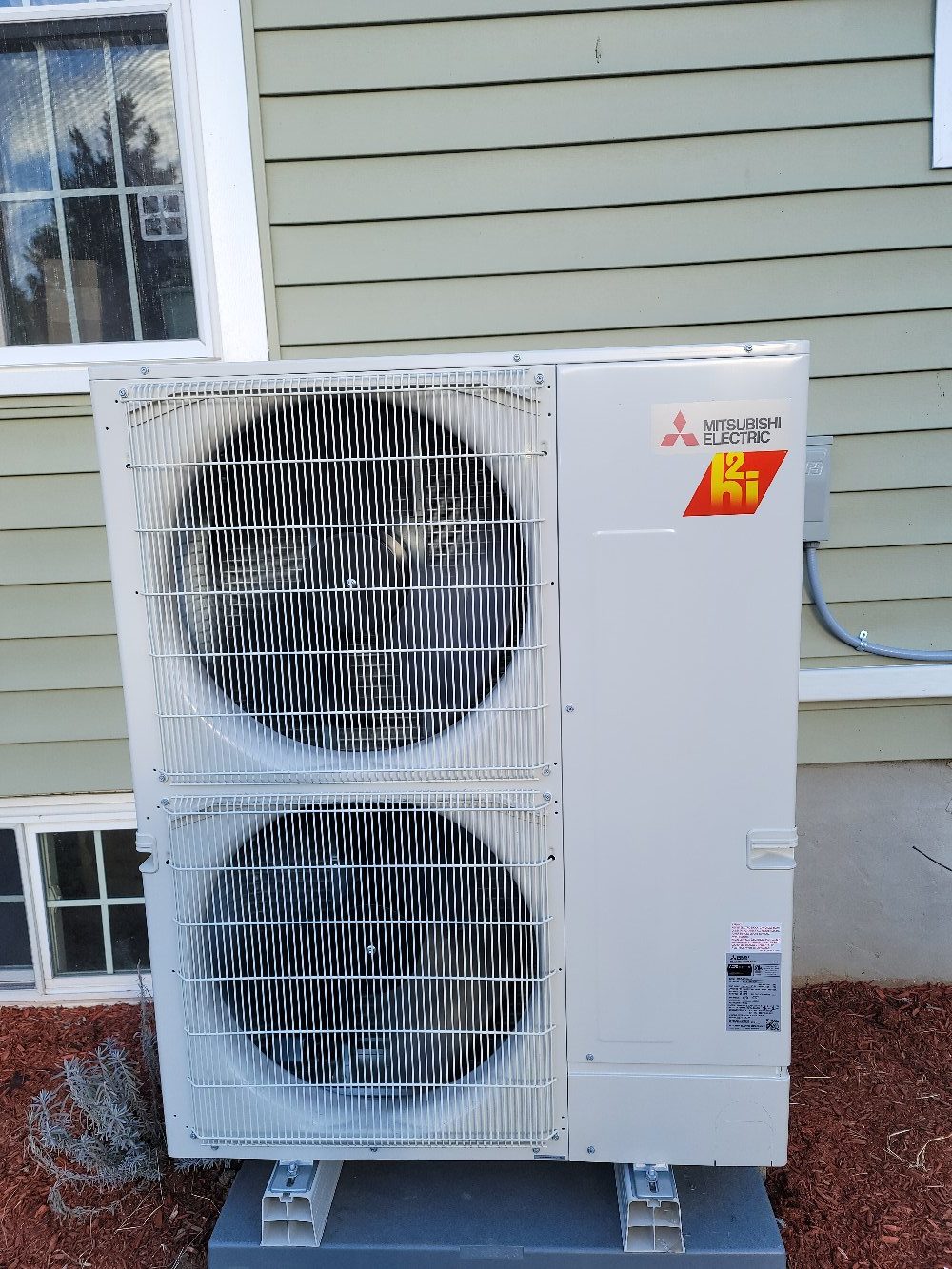
Industry leader in ductless and cold-climate technology. Their Hyper-Heating (H2i) systems maintain full capacity down to -13°F. Exceptional quality, efficiency, and quiet operation. Premium pricing reflects premium performance.

Fujitsu

Excellent ductless and ducted mini-split systems with strong cold-climate performance. XLTH models handle extreme cold effectively. Known for reliability and value within the premium segment.

Lennox

Premium central heat pumps with excellent efficiency ratings and quiet operation. Strong warranty coverage and proven reliability. Good choice for ducted installations.

Carrier

Innovative technology with excellent cold-weather performance in their Infinity series. Greenspeed variable-speed systems offer exceptional efficiency. Strong brand reputation.

Quality Mid-Range Brands

Trane

Known for durability and reliable performance. XV series offers variable-speed efficiency; XR series provides solid value. “Hard to stop a Trane” reflects their reputation.

Bryant

Sister brand to Carrier with similar quality at more accessible pricing. Evolution series offers premium features; Legacy series provides good value.

Daikin

World’s largest HVAC manufacturer with excellent ductless and ducted options. Strong cold-climate performance and proven technology at competitive prices.

LG

Quality ductless systems with good cold-weather performance. Competitive pricing and solid warranty coverage. Popular choice for mini-split installations.

Value Brands

Goodman

Budget-friendly options with solid performance and excellent warranty coverage. Made in the USA. Good choice when cost is the primary concern.

Rheem

Reliable performance at competitive prices. Classic Plus series offers good efficiency and features. Strong parts availability.

Which Brand Is Best?

The “best” brand depends on your priorities—cold-climate performance, efficiency, features, budget, or specific application (ducted vs. ductless). More importantly, proper sizing and quality installation matter more than brand selection. We’ll recommend options that fit your needs and explain the trade-offs honestly.

Rebates and Incentives for Heat Pump Installation

Heat pump installations often qualify for significant rebates and tax incentives that can substantially reduce your net cost. While programs change periodically, here’s an overview of what may be available:

Federal Tax Credits

The federal government offers tax credits for qualifying high-efficiency heat pumps as part of energy efficiency incentives. Credits can cover a percentage of installation costs up to annual limits. Qualifying equipment must meet specific efficiency thresholds.

Utility Rebates

Local utilities often offer rebates for installing efficient heat pumps, particularly when replacing less efficient heating systems. PECO and other regional utilities have offered programs that can provide hundreds to thousands of dollars in rebates.

State Programs

Pennsylvania periodically offers incentive programs for energy efficiency upgrades, including heat pumps. These programs vary in availability and amounts.

We Help You Maximize Incentives

During your consultation, we’ll identify all rebates and incentives your installation may qualify for. We select qualifying equipment, provide necessary documentation, and help you understand the application process. Our goal is to help you capture every dollar of available incentives to reduce your net investment.

Long-Term Savings

Beyond rebates, heat pumps typically deliver ongoing savings through lower operating costs:

  • 30-50% reduction in heating costs compared to oil or propane
  • 20-40% reduction in heating costs compared to electric resistance
  • Competitive with natural gas, especially with high-efficiency models
  • Cooling efficiency typically exceeds standard air conditioners

We can help you estimate operating cost savings based on your current heating source and local energy prices.

Why Choose Home Rangers for Heat Pump Installation

Heat pump installation requires specialized knowledge that goes beyond traditional HVAC work. Proper sizing, refrigerant handling, electrical integration, and system commissioning all require specific expertise. Here’s why homeowners throughout Bucks County and Montgomery County choose Home Rangers:

  • Genuine Heat Pump Expertise: We’ve invested in training and hands-on experience with heat pump technology—from central systems to ductless mini-splits, from standard models to cold-climate equipment. We understand how these systems work and how to install them for optimal performance.
  • Family-Owned, Locally Accountable: Home Rangers is a family-owned business based in Warminster. We’ve built our reputation one installation at a time. Our name is on every job, and our long-term success depends on doing excellent work for our neighbors.
  • Proper System Design: We don’t guess at sizing or simply install what you ask for without analysis. We calculate your home’s actual requirements and design systems that deliver the comfort and efficiency you expect.
  • Honest Recommendations: We recommend what’s right for your situation, not the most expensive option or whatever we’re trying to move. If a heat pump isn’t the best choice for your home, we’ll tell you and suggest alternatives.
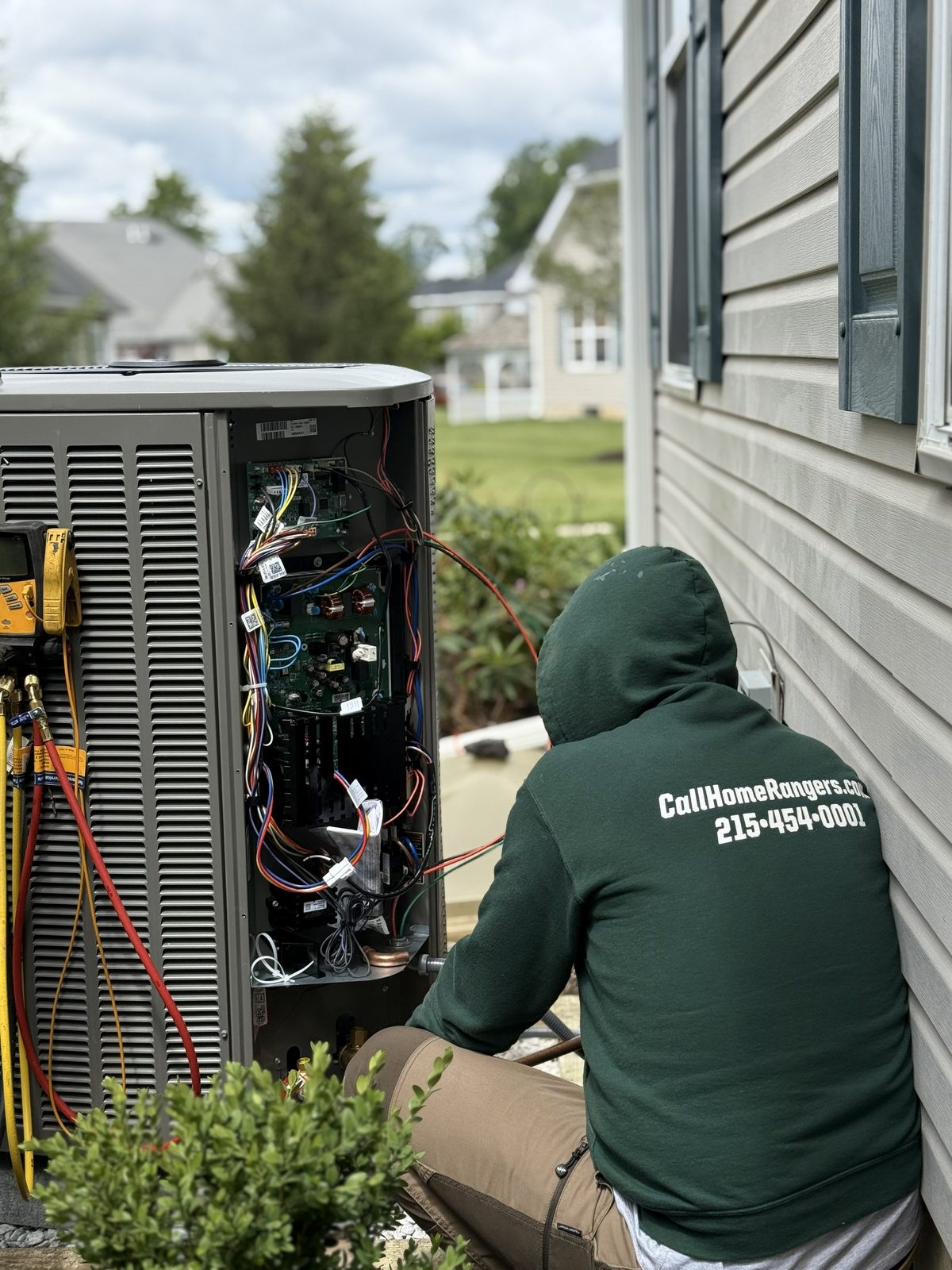
  • Quality Installation: Our installation teams follow manufacturer specifications and industry best practices. We take the time to do every aspect correctly—from refrigerant line routing to electrical connections to system commissioning.
  • Transparent Pricing: Our quotes include everything—equipment, labor, materials, permits, and any electrical work required. No hidden fees or surprise charges.
  • Rebate Assistance: We help you identify and capture all available rebates and incentives, maximizing the value of your investment.
  • Ongoing Support: After installation, we’re here for maintenance, repairs, and questions. We build long-term relationships with our customers.

Your Assurance of Quality

Licensed & Insured

Fully licensed for HVAC installation in Pennsylvania with comprehensive liability and workers’ compensation insurance. Your home and our team are protected.

EPA Certified

Our technicians hold EPA Section 608 certification for refrigerant handling. Heat pump installation requires proper evacuation, charging, and leak testing procedures we follow rigorously.

Manufacturer Trained

We maintain training certifications from major heat pump manufacturers, ensuring we install equipment according to factory specifications for optimal performance and warranty coverage.

Family-Owned Since Day One

Local accountability from a family business that depends on our reputation. We’re committed to this community for the long term.

Heat Pump Installation Service Areas

Home Rangers provides expert heat pump installation throughout Bucks County, Montgomery County, and the Greater Philadelphia area. We’re based in Warminster and proudly serve:

Recent Jobs and Reviews

Rated 5.0 out of 5 stars based on 46 customer reviews

Customers say: The reviews reflect an overwhelmingly positive sentiment toward the service provider. Customers consistently express high satisfaction with the company's responsiveness, professionalism, and technical expertise. The overall tone is decidedly positive, with recurring themes of prompt service, knowledgeability, and helpfulness. Clients particularly appreciate the clear communication, honesty, and thorough explanations provided during service visits. Many reviews highlight the technicians' willingness to take time explaining systems and offering helpful recommendations. The company appears to excel at customer service, with several reviewers indicating they plan to use the service again or establish ongoing maintenance contracts. The professional demeanor and problem-solving abilities of the staff are frequently praised, contributing to a strong reputation for reliability and quality workmanship.

Don’t see your town listed? Give us a call—we likely serve your area and can confirm coverage for your location.

Frequently Asked Questions About Heat Pump Installation

Can a heat pump be my only heating source in Pennsylvania?

Yes, with the right equipment. Modern cold-climate heat pumps maintain heating capacity down to -15°F or below, handling Pennsylvania winters effectively. We typically recommend systems with backup heat for the coldest days, but cold-climate heat pumps can serve as the primary heating source with minimal backup use.

How much does heat pump installation cost?

Costs vary significantly based on system type, size, efficiency, and installation complexity. Single-zone ductless systems start in the moderate range; whole-home ducted or multi-zone systems cost more. Federal tax credits, utility rebates, and other incentives can reduce net cost substantially. We provide detailed quotes after assessing your specific situation.

Will a heat pump work with my existing ductwork?

Usually yes, if your ductwork is in reasonable condition and properly sized. We assess your ducts during the consultation and recommend any needed improvements. If your ductwork has significant problems, ductless options may be more practical.

What’s the difference between a heat pump and an air conditioner?

An air conditioner only cools. A heat pump uses the same refrigeration technology but includes a reversing valve that allows it to heat as well as cool—essentially running “in reverse” during winter to extract heat from outdoor air and move it inside. One system handles both functions.

How long does heat pump installation take?

Most installations are completed in one day. Simple ductless single-zone systems may take 4-6 hours; central ducted replacements typically take 6-10 hours. Complex multi-zone systems or installations requiring ductwork or electrical modifications may take longer.

Do I need to upgrade my electrical panel for a heat pump?

It depends on your current panel capacity and what you’re replacing. If you’re replacing an existing central AC, the existing circuit may suffice. Adding a heat pump where none existed, or adding significant backup heat, may require additional circuits or panel upgrades. We evaluate this during the consultation.

What brands do you recommend?

We install Mitsubishi, Fujitsu, Lennox, Carrier, Trane, Bryant, Daikin, LG, Goodman, Rheem, and others. The best brand depends on your application—cold-climate performance, ducted vs. ductless, efficiency priorities, and budget. We recommend options that fit your specific needs.

Are there rebates available for heat pumps?

Yes, heat pumps often qualify for federal tax credits, utility rebates, and sometimes state incentives. Available programs and amounts change periodically, but we stay current on what’s available and help you capture all applicable incentives.

Will a heat pump be loud?

Modern heat pumps are remarkably quiet—often quieter than older air conditioners they replace. Variable-speed models are especially quiet because they run at lower speeds most of the time. Outdoor unit placement can minimize noise impact on living spaces and neighbors.

How long do heat pumps last?

Well-maintained heat pumps typically last 12-15 years—somewhat less than furnaces because they operate year-round. Quality equipment, proper installation, and regular maintenance maximize lifespan. Many components can be replaced to extend overall system life.

Whether your AC stopped cooling, your furnace won’t ignite, your water heater is leaking, or your drains are backing up — Home Rangers is here to help. As Warminster’s hometown HVAC and plumbing company, we treat every customer like a neighbor, because you are.

Ready for Home Service You Can Trust?

or call us at:

Scroll to Top