Home Rangers
Furnace Repair in Bucks & Montgomery County, PA
Furnace not heating, short cycling, making noise, or failing to start? Home Rangers provides furnace repair across Bucks County, Montgomery County, nearby Philadelphia, and surrounding communities.

Family-Owned, Local HVAC & Plumbing Team
Free Estimates On Installations & Replacements
Same-Day & Emergency Service, 24/7
Master-Licensed in PA, NJ & DE
Upfront Pricing, No Surprises
Furnace Repair
Furnace repair services for weak heat, no heat, and safety concerns
Furnace repair starts with the symptom and the heating system sequence. Home Rangers checks no heat, weak heat, short cycling, cold air, pilot light trouble, ignition faults, flame sensor issues, a dirty filter, blower problems, air filters, and thermostat problems before recommending repair services.
A furnace repair company should explain what failed, what can wait, and what should be handled before the furnace breaks again. The goal is a reliable furnace, safe heat, and a practical decision about repair costs, furnace maintenance, or furnace replacement.
Furnace repair diagnostics
Technicians test heat calls, ignition, pilot light operation, gas furnaces, flame sensing, blower response, and airflow.Emergency furnace repair
Call for no heat, heating emergencies, gas odor, repeated lockouts, safety hazards, or a furnace that will not restart.Filters and airflow
A clogged filter, dirty air filter, blocked return vents, or weak blower can cause overheating and uneven heating.Furnace repair cost factors
Repair costs depend on the failed part, access, furnace age, parts availability, and whether routine maintenance has been skipped.Common Problems
Furnace problems and heating system warning signs
Many furnace problems look similar from the thermostat. A furnace turns on and off, blows cold air, makes strange noises, or runs without keeping the house warm. Diagnosis separates airflow, ignition, control, fuel, venting, and safety causes.
Pilot light and ignition
Pilot light trouble, a dirty flame sensor, a failed igniter, or burner problems can stop heat before the blower starts.
Furnace filter and airflow
A dirty filter, blocked returns, clogged filter issues, and weak blower performance can trip limits.
Thermostat problems
A malfunctioning thermostat, bad settings, wiring issues, or poor location can make furnace issues look worse.
Short cycling
Frequent cycling can come from overheating, a dirty air filter, flame loss, control faults, or a safety switch.
Cracked heat exchanger concerns
Heat exchanger concerns, gas furnaces, and combustion issues should be handled carefully because safety comes first.
Air conditioning and HVAC repairs
The furnace shares airflow with air conditioning and an air conditioner coil, so HVAC repairs may include blower, duct, and coil checks.
Field Photos
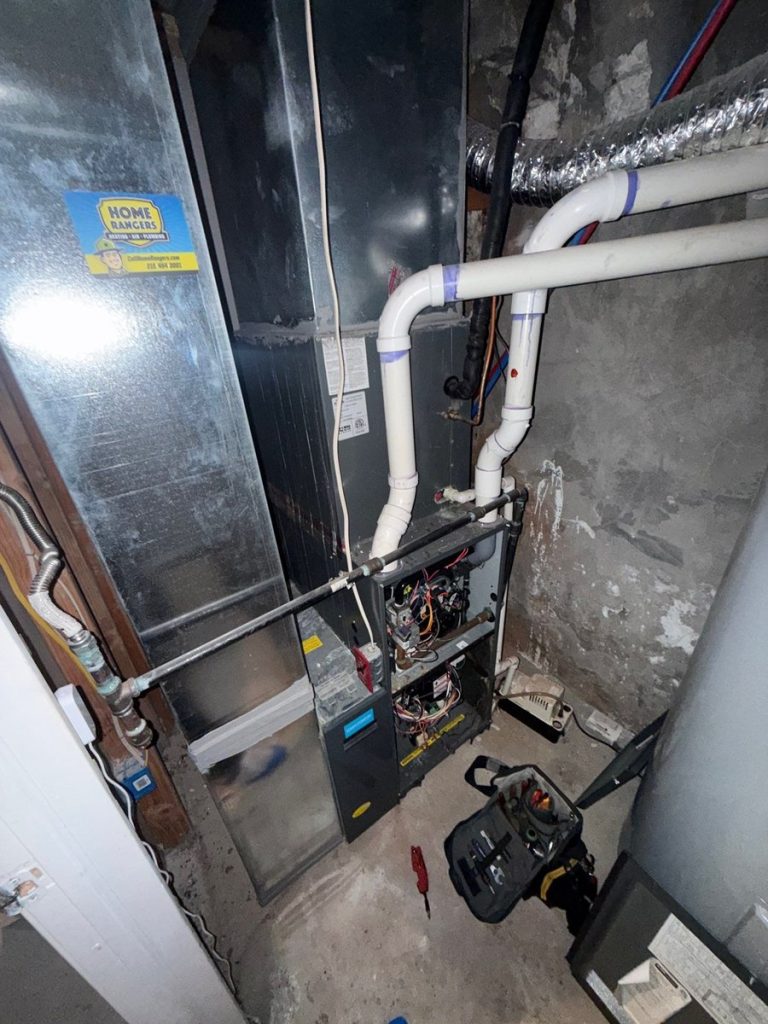
Furnace repair technicians, heat diagnostics, and HVAC equipment examples
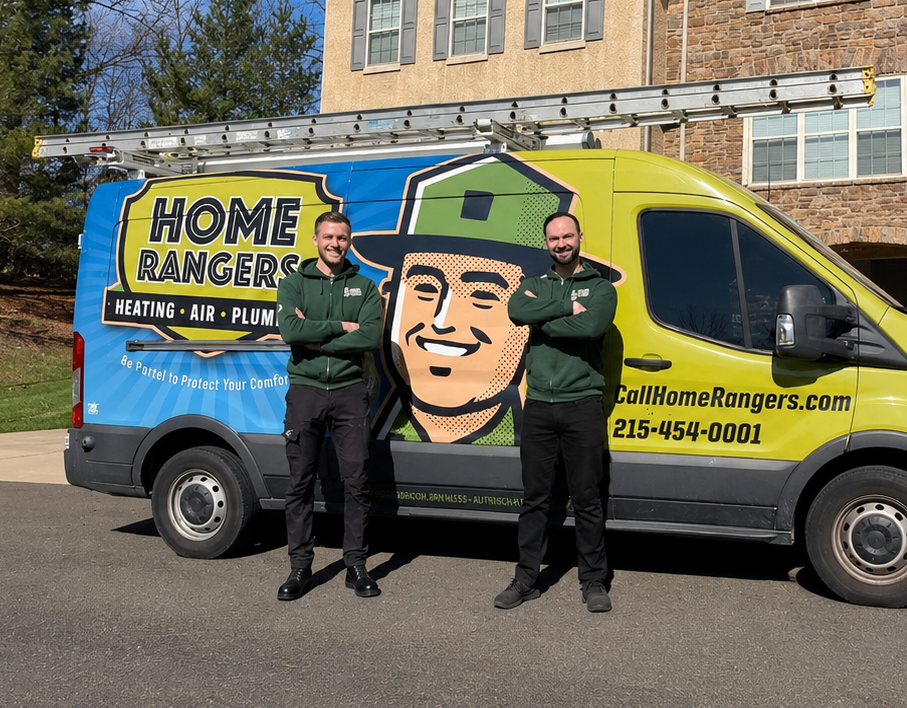
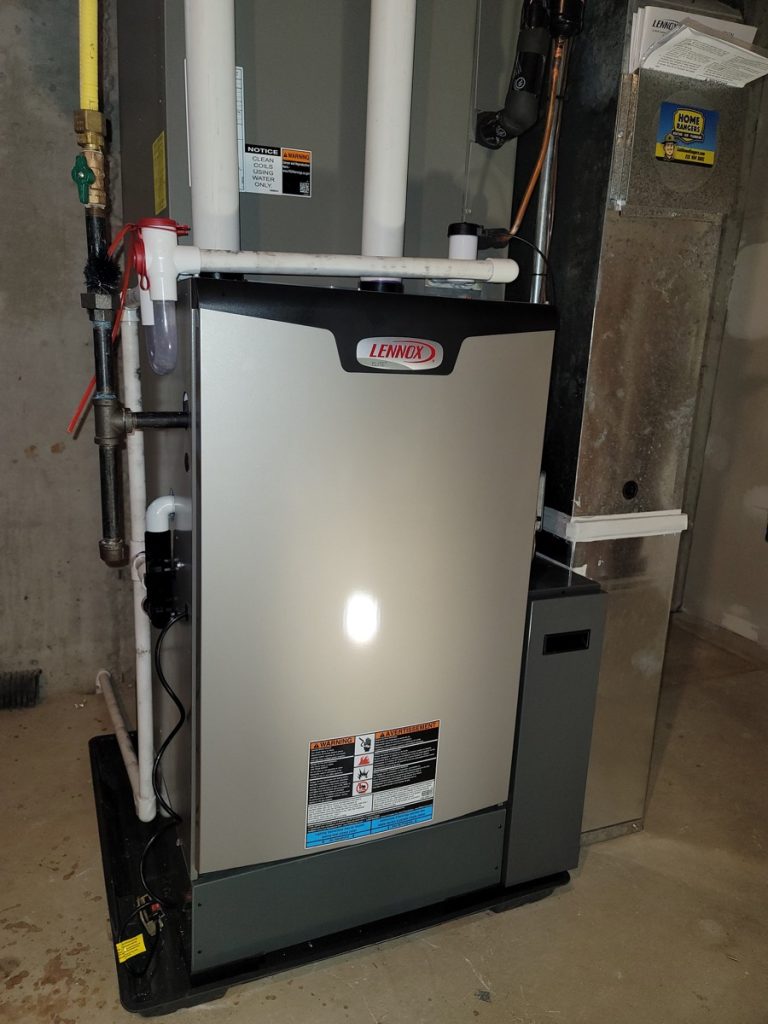
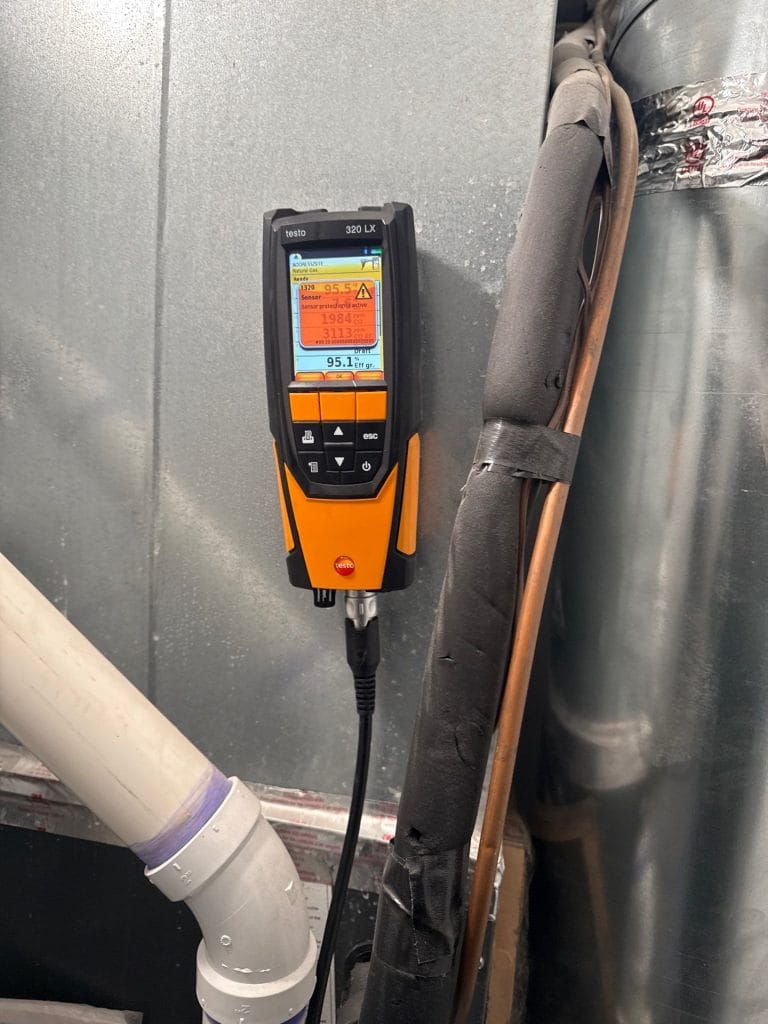
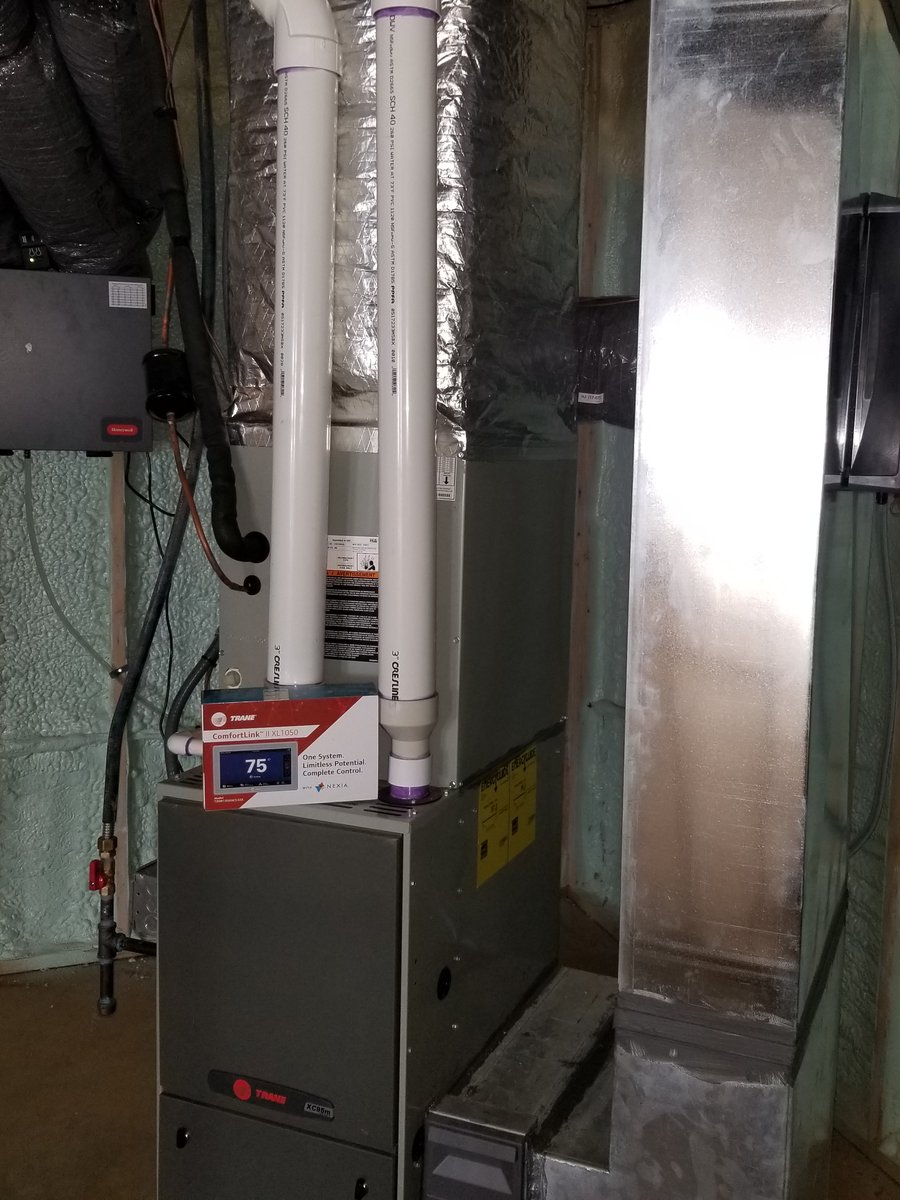
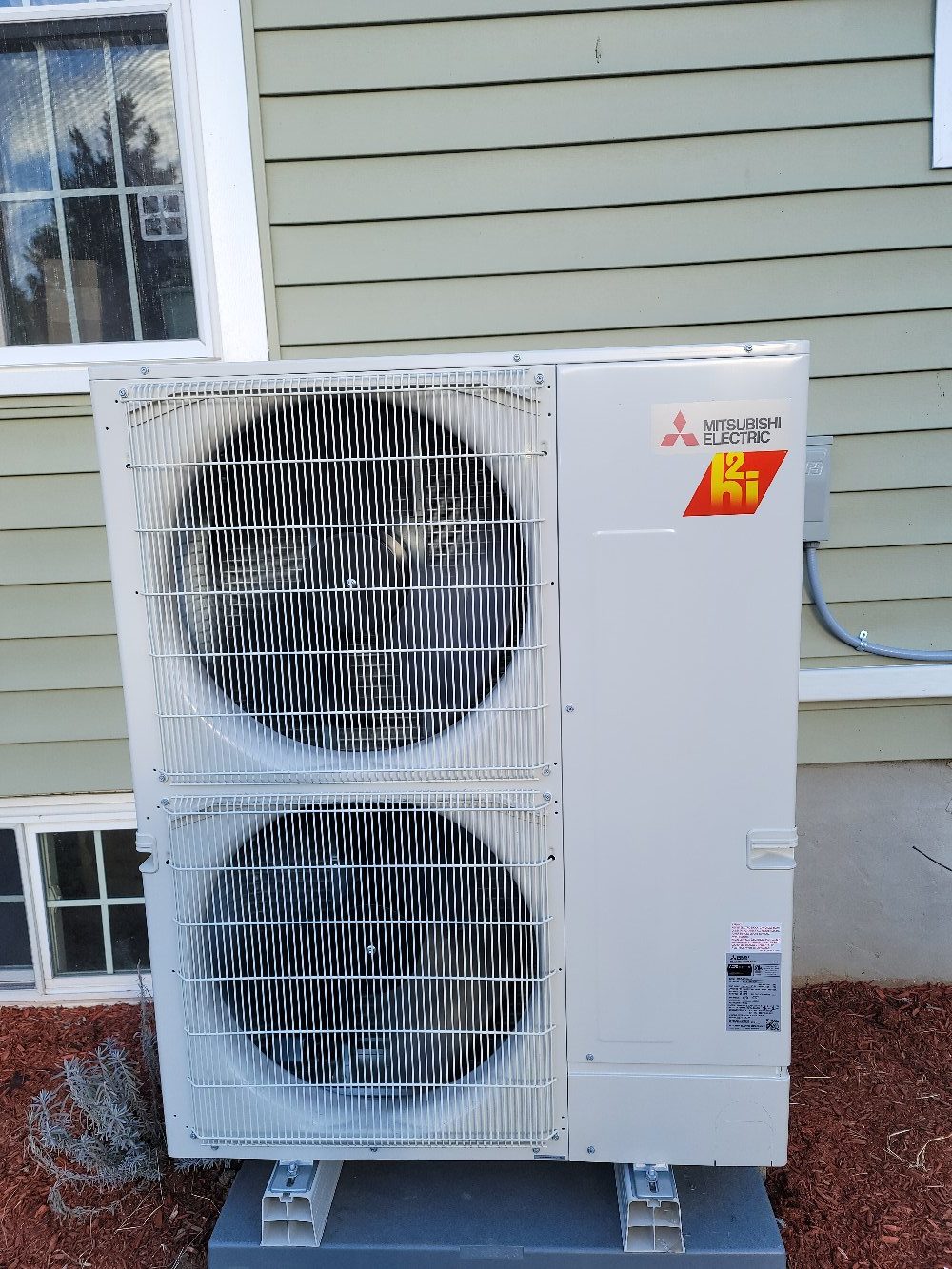
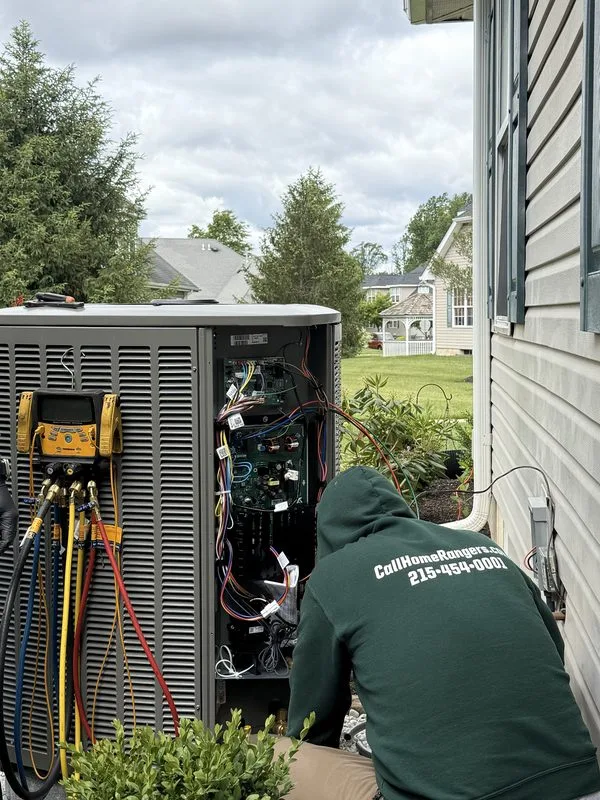
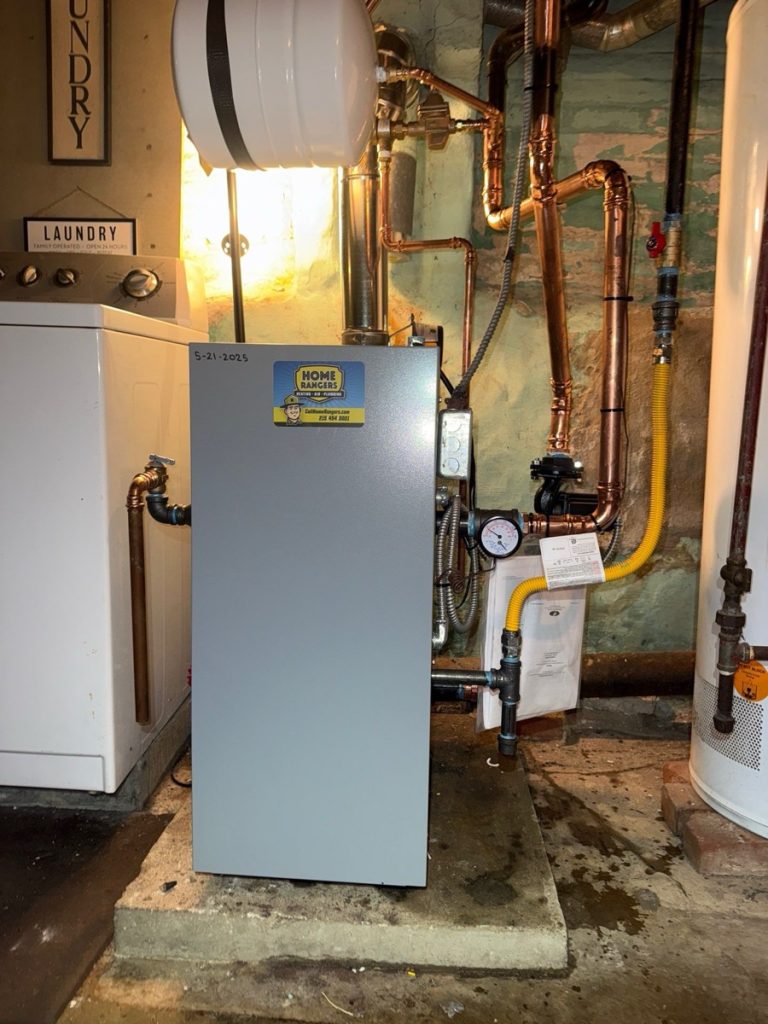
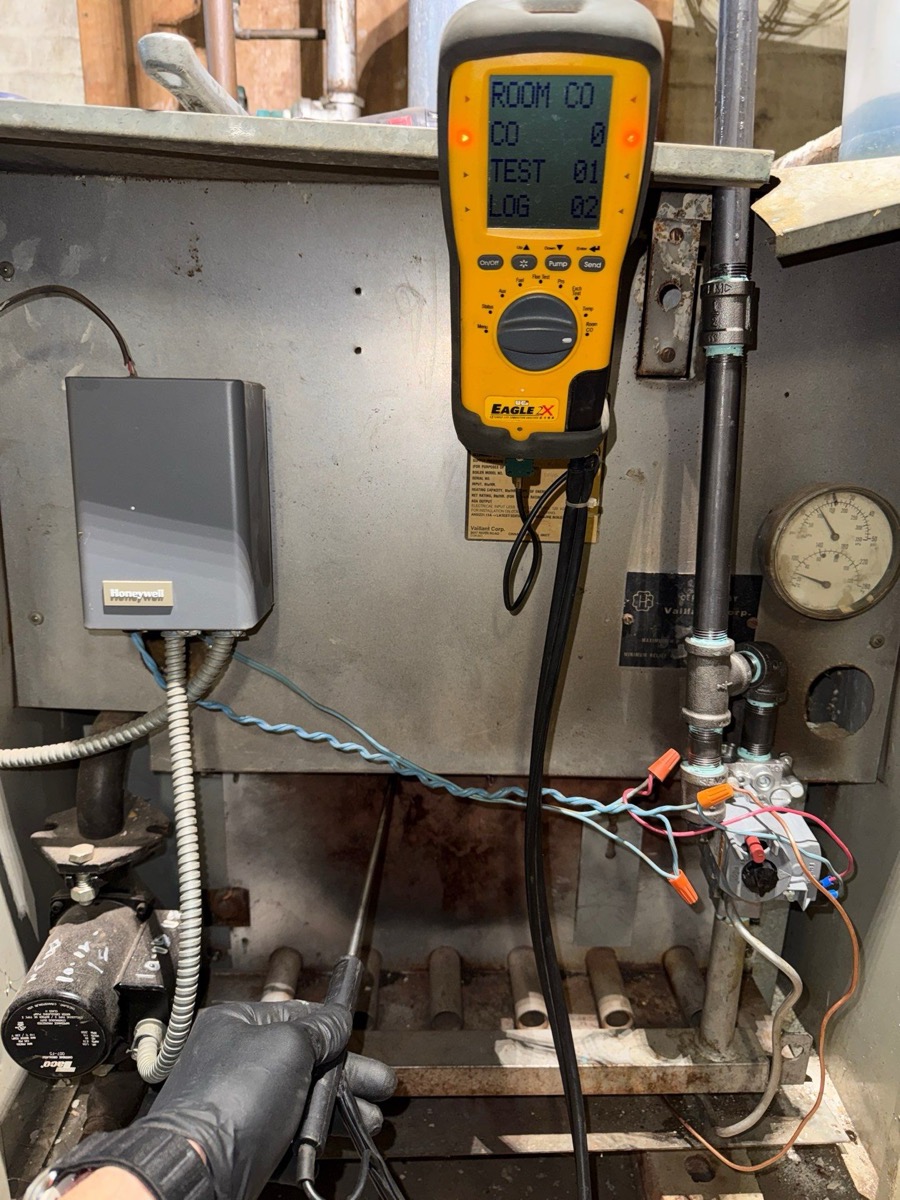
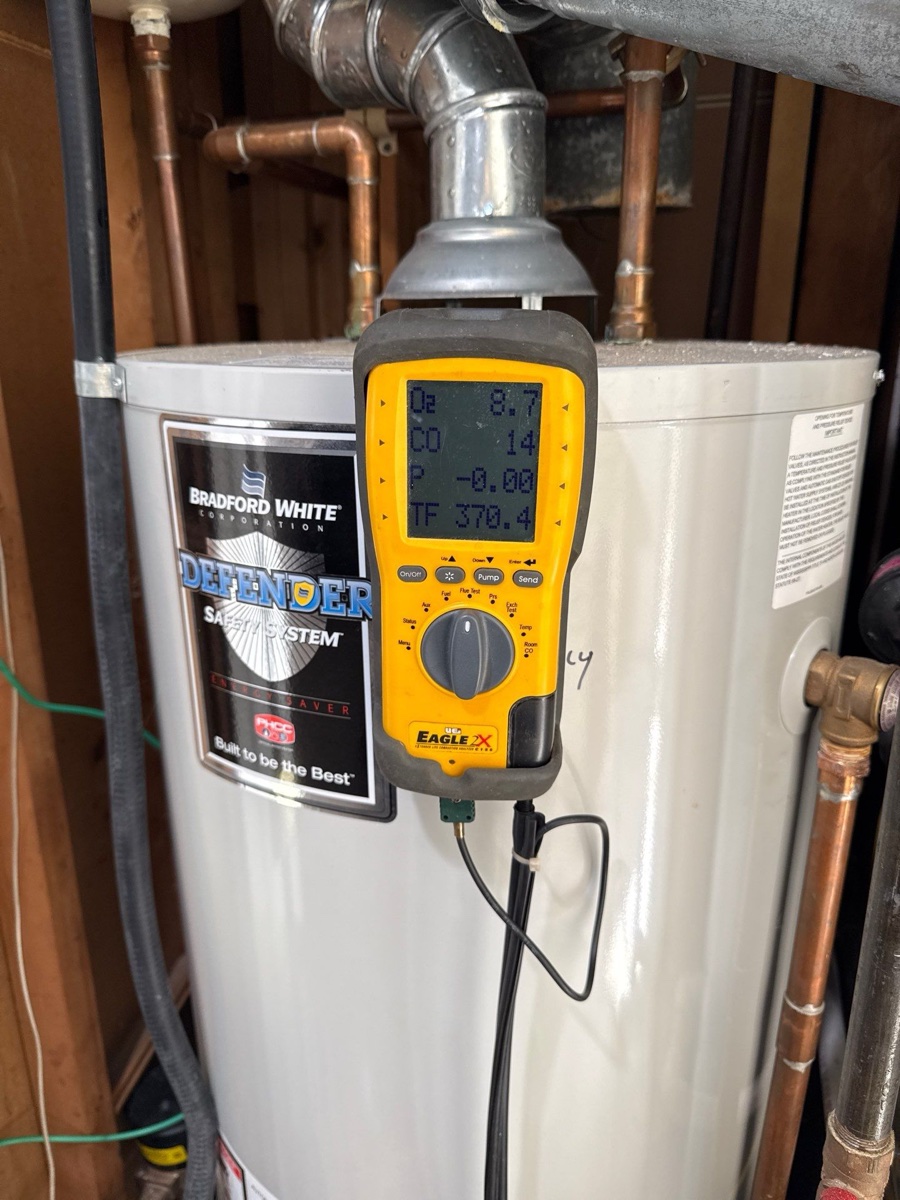
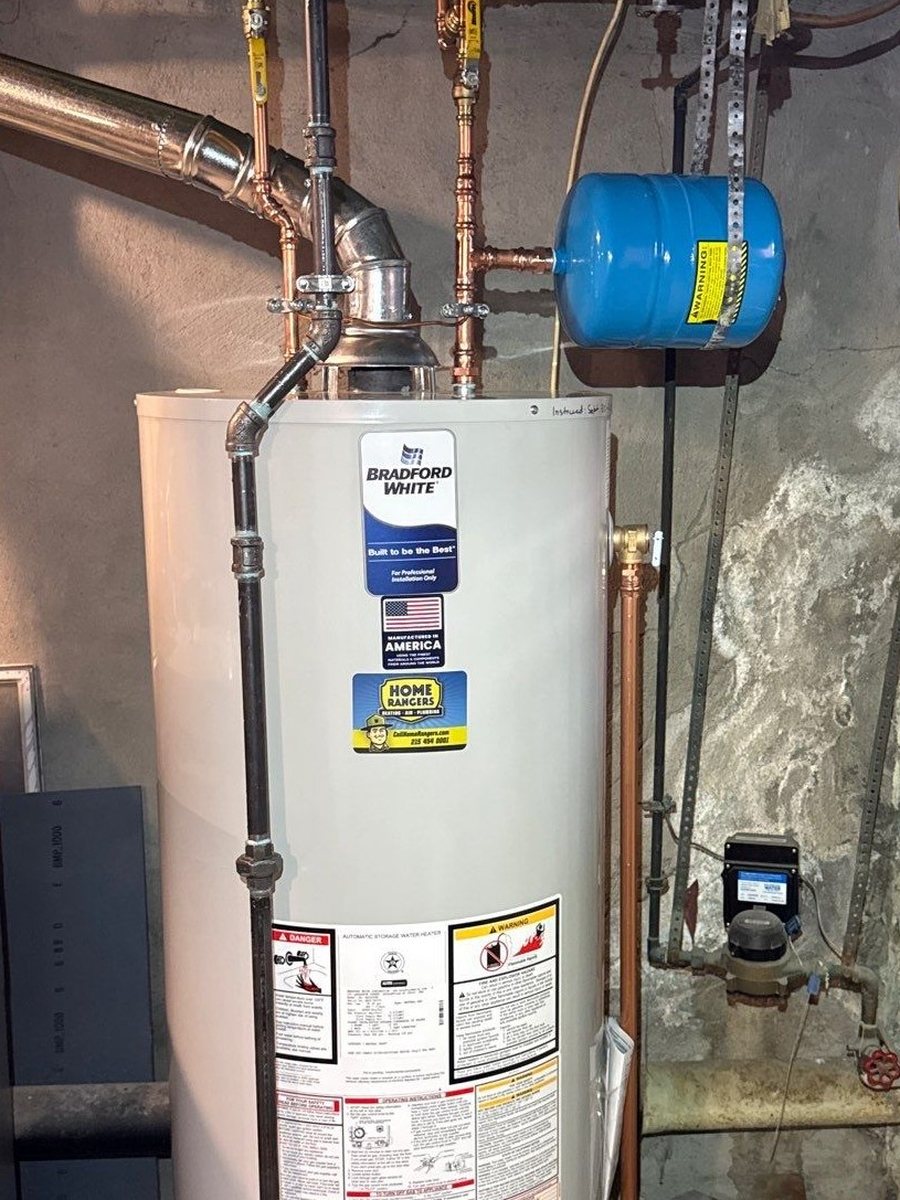
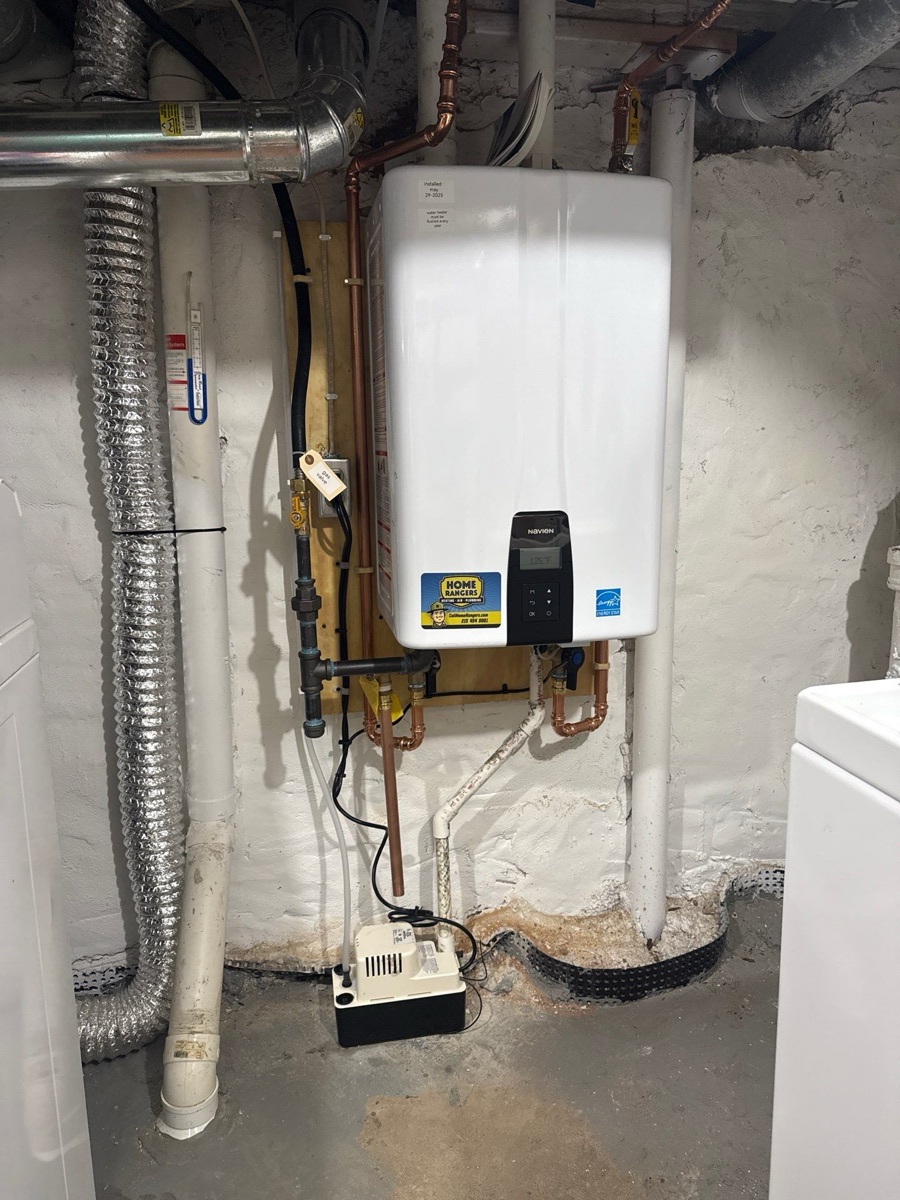
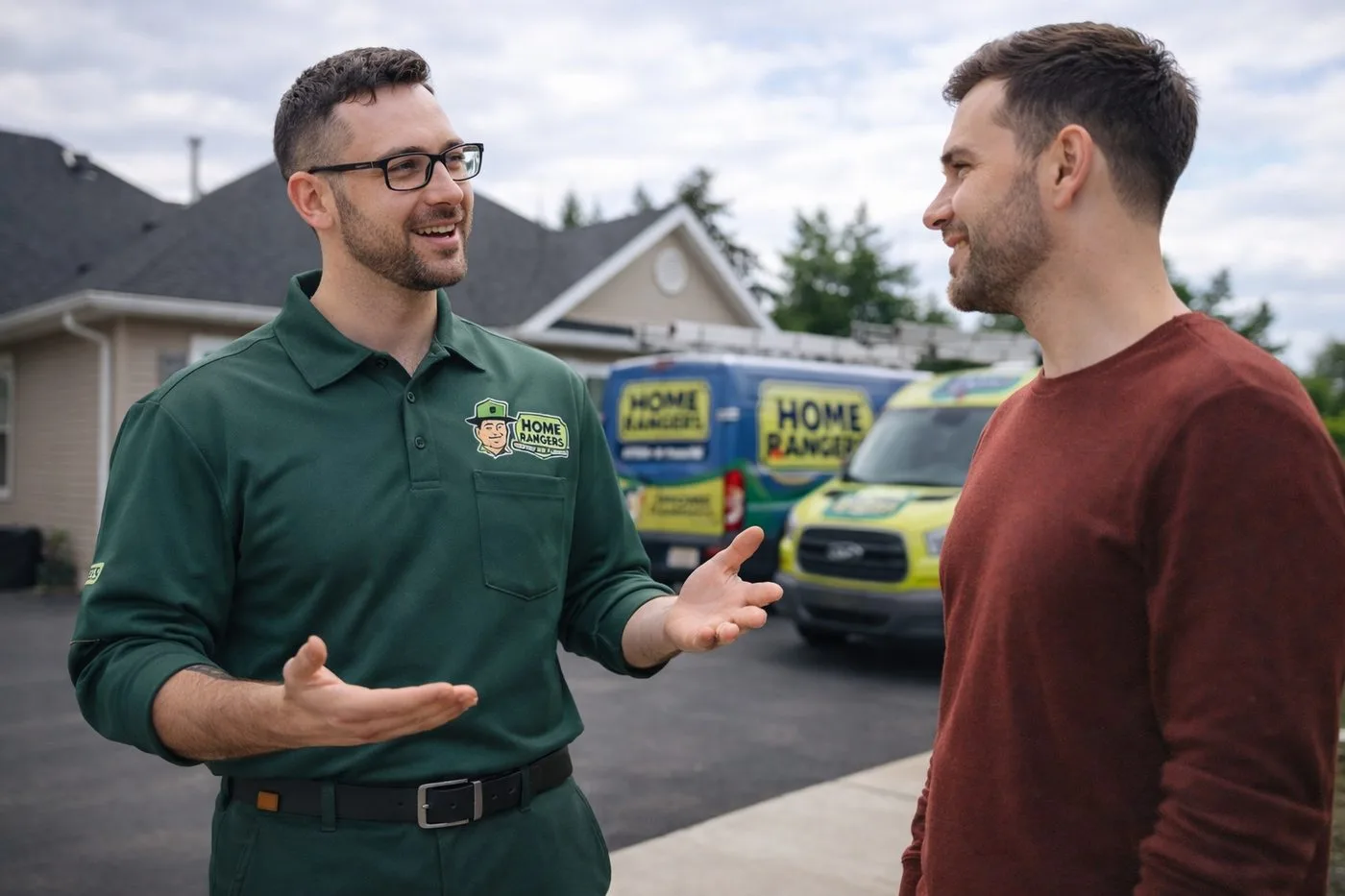
These photos show heating system equipment, heat diagnostics, air conditioning connections, heat pump equipment, water heater work, and service tools Home Rangers uses across the local area.
Repair Process
What to expect from a furnace repair company visit
Furnace repair services should leave you understanding the failed part, the safety finding, the repair cost, and the reason for the recommendation. Home Rangers also checks whether regular maintenance, air filters, or return vents could help prevent costly repairs later.
Check the call for heat
The visit starts at the thermostat and heating system controls, then follows the sequence through ignition and blower operation.
Inspect filters and airflow
Technicians inspect filters, blower response, returns, clear vents, and signs of overheating or restricted air.
Test safety and ignition
Testing may include pilot light operation, flame signal, circuit breaker condition, rollout concerns, and pressure switch response.
Explain repair costs
Before approved work begins, the technician explains repair cost, furnace replacement concerns, and whether maintenance can save money over repeated breakdowns.
Customer Proof
Home Rangers reviews from local homeowners
Reviews help homeowners understand how Home Rangers communicates, diagnoses furnace issues, and explains repair services before scheduling.




Repair Decisions
Furnace repair cost and replacement decisions
A furnace repair cost depends on the failed component, system age, access, parts, timing, and whether the heating system has signs of normal wear or neglected maintenance. A small repair may be practical; repeated heating repairs may point toward planning.
Home Rangers can discuss furnace maintenance, emergency furnace repair, a furnace replacement estimate, or related HVAC repairs when the diagnosis shows a broader system issue.
Repair first when practical
Repair can make sense when the furnace is newer, the issue is isolated, and the heating system is otherwise stable.
Maintenance issues
Maintenance can address a flame sensor issue, dirty filter, clogged filter, burner cleaning, and airflow problems.
Safety findings
Safety hazards, heat exchanger concerns, gas odors, and repeated lockouts should be handled before comfort-only repairs.
Replacement planning
Furnace replacement may be worth discussing when the furnace is unsafe, inefficient, or facing repeated costly repairs.
Recent Work
Recent furnace repair check-ins
Recent check-ins can show furnace service, heating repairs, routine maintenance, and local heating system work.
Recent Jobs and Reviews
At a glance
Home Rangers Heating, Air & Plumbing has completed 1 job on May 13, 2026.
Recent work covers Philadelphia, PA.
Job Locations and Reviews
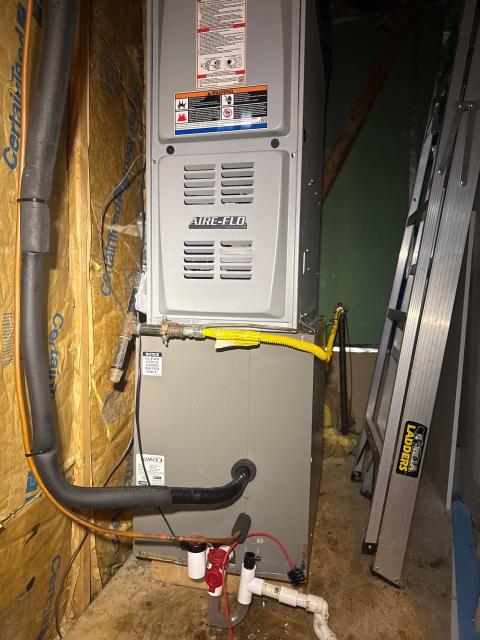
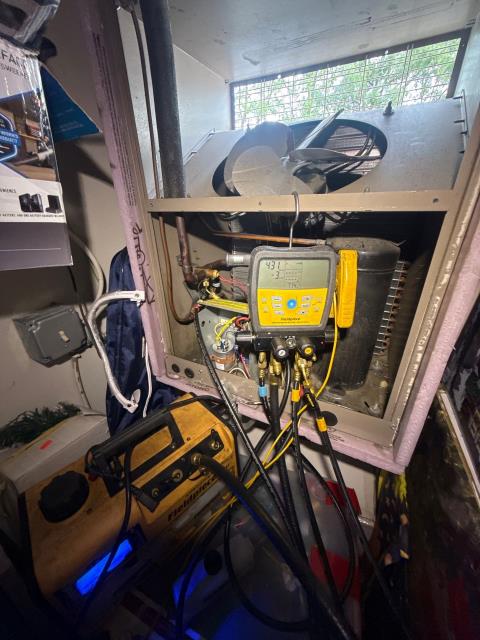

Replaced a Lennox evaporator coil under warranty, removing the furnace, reconnecting lines, and restoring refrigerant. System now operates correctly.
Before the Visit
Details that help an HVAC professional diagnose the heat problem
Before the technician arrives, note whether the furnace makes heat for a few minutes, blows cool air, locks out, trips the circuit breaker, or starts making strange noises. Timing matters because a heat problem that appears only at night can point to a different issue than a system that fails as soon as the thermostat calls.
Also check simple items you can see safely: whether the switch is on, whether the thermostat is set to heat, whether the furnace filter is badly blocked, and whether supply and return areas are covered. Do not open sealed combustion areas or bypass safety controls. An HVAC professional should handle flame, gas, venting, electrical, and safety testing.
Photos of error codes, model numbers, filters, thermostat readings, or unusual sounds can help the service team understand the concern. These notes do not replace diagnosis, but they can make furnace repair cleaner and help the technician compare the homeowner’s symptoms with the heating system’s behavior.
Efficiency and Comfort
Heat, energy efficiency, and heating bills after a furnace repair
A repair should solve the immediate heat problem, but it can also reveal why the system is working harder than it should. Dirty burners, weak airflow, a slipping blower, a flame sensor, a thermostat, duct restrictions, or normal wear can affect energy efficiency and lead to increased energy bills.
During the heating season, homeowners may notice uneven heating, rooms that never feel warm, or a furnace that runs longer than it did last year. Those symptoms may be repairable, or they may point to ductwork, insulation, thermostat location, equipment age, or a larger HVAC company discussion about replacement planning.
Home Rangers keeps this conversation practical. If a targeted repair can keep the heat working and the heating system running smoothly, that is the path to discuss. If repair costs keep returning, the furnace breaks again, or safety findings appear, comparing replacement can save money compared with repeated service calls.
When to Pause the System
When a furnace should stay off until it is checked
Some heat problems are inconvenient; others should stop the system until a technician checks it. Leave the furnace off if there is a gas odor, carbon monoxide alarm, repeated burner rollout, visible scorching, a loud boom at startup, or water near electrical controls. Those signs can involve safety hazards, not only comfort.
If the furnace is simply not keeping up, write down what changed. Did the house warm up at all? Did the furnace turns happen every few minutes? Did heat stop after the blower started? Did the thermostat call for heat but the unit stay quiet? These details help separate normal wear from a failed safety, motor, control, or ignition part.
It is also useful to inspect air filters without opening sealed or unsafe areas. A blocked filter can make the furnace overheat, while closed supply registers or blocked returns can reduce airflow. If the problem returns after a filter change, the issue needs diagnosis rather than repeated resets.
After the Repair
Keeping a reliable furnace ready for the next cold stretch
After a repair, the technician should confirm heat output, blower operation, safe startup, shutdown, and thermostat response. Homeowners should know which part was repaired, what signs to watch, and when a maintenance visit should be scheduled before the next heating season.
Simple steps matter. Replace filters on a reasonable schedule, keep returns and supply registers open, listen for new noises, and call if the furnace turns off repeatedly. A reliable furnace depends on heat moving through the home without repeated safety trips or airflow restrictions.
After the visit, keep the notes from the diagnosis. A written record of the failed part, the test result, and the condition of the system helps if heat problems return later. It also helps homeowners decide whether the next step should be another repair, seasonal service, or replacement planning before the next cold stretch.
Related HVAC Services
Other heating and air conditioning services that may help
Furnace repair can overlap with furnace replacement, heat pump repair, boiler service, air conditioning airflow concerns, air conditioner coil restrictions, and broader HVAC repairs.
Service Area
Furnace repair across Bucks County, Montgomery County, and nearby Philadelphia
Home Rangers provides furnace repair services, emergency furnace repair, furnace maintenance, and heating repairs across Bucks County, Montgomery County, nearby Philadelphia, and surrounding communities.
Questions
Furnace repair FAQs
These answers cover no heat, pilot trouble, short cycling, a furnace filter, furnace repair cost, heating bills, and urgent heat repair.
Need furnace repair?
Why is my furnace not heating?
A furnace may stop heating because of a faulty thermostat, pilot problem, flame sensor issue, gas valve issue, dirty filter, clogged filter, circuit breaker issue, blower problem, or safety lockout.
Why does my furnace turn on and off repeatedly?
Short cycling can happen when filters are dirty, returns are blocked, the furnace overheats, the flame signal drops, or the heating system is not moving air correctly.
When is emergency furnace repair needed?
Call for no heat during cold weather, gas odor, carbon monoxide alarm, burning electrical smell, a furnace that will not stay on, or other heating emergencies.
Can furnace maintenance help lower heating bills?
Furnace maintenance can help keep the heating system running smoothly by addressing air filters, burners, blower parts, and airflow problems that can increase energy bills.
When should I compare repair and replacement?
Compare repair and replacement when repair cost is high, the furnace is older, the heat exchanger is questionable, the system has frequent cycling, or normal wear has caused repeated failures.
Current Specials
Current HVAC & Plumbing Offers
Strong offers built to help you book service faster, save on repairs, and lock in ongoing system protection without digging through the whole site.
Diagnostic Only $49
Fast HVAC or plumbing diagnostic during regular business hours. If you approve the repair, we’ll credit the diagnostic toward the work. Use code RANGERS49 when booking online.
Book Online$75 Off Any Repair Over $300
Save on qualifying HVAC or plumbing repairs when the fix goes beyond a quick minor adjustment and you want real value on a bigger repair.
Book OnlineHome Rangers System Protection Plan: First Month Free
Start your membership at $19.95/mo, get your first month free, and unlock priority scheduling, tune-ups, and repair savings.
View PlanOffer details can change by season, equipment eligibility, service area, lender approval, and program availability. Diagnostic offer is for regular-hours service only. Repair discount cannot be combined with diagnostic credit or other offers.
Lennox systems and verified dealer support
Home Rangers appears on the official Lennox dealer locator for Warminster. Ask about Lennox air conditioners, heat pumps, furnaces, and mini-split options, along with system sizing and financing options for eligible installations.
Whether your AC stopped cooling, your furnace won’t ignite, your water heater is leaking, or your drains are backing up, Home Rangers is here to help. As Warminster’s hometown HVAC and plumbing company, we treat every customer like a neighbor, because you are.
Ready for Home Service You Can Trust?
Book Nowor call us at:
(215) 454-0001