Home Rangers
Ductless Mini-Split Installation in Bucks & Montgomery County, PA
Get room-by-room heating and cooling without extending ductwork. Home Rangers installs residential single-zone and multi-zone ductless mini-split systems throughout Bucks County, Montgomery County, nearby Philadelphia, and surrounding communities.

Family-Owned, Local HVAC & Plumbing Team
Free Estimates On Installations & Replacements
Same-Day & Emergency Service, 24/7
Master-Licensed in PA, NJ & DE
Upfront Pricing, No Surprises
Ductless HVAC Installation
Residential Ductless Mini-Split Systems for One or Multiple Zones
A ductless mini-split system consists of an outdoor unit connected to one or more indoor units by refrigerant lines, electrical wiring, and condensate drainage. Each indoor unit delivers conditioned air directly into its assigned room or zone, eliminating the need to extend traditional ductwork.
Home Rangers installs residential ductless mini-split air conditioners and heat pump systems for individual rooms, multiple living areas, additions, renovations, and homes without practical ductwork. The system configuration is selected according to the heating and cooling load, property layout, number of rooms, equipment compatibility, and the level of independent temperature control the homeowner needs.
Trusted Service For All Major HVAC Brands
Best-Fit Spaces
Where Ductless Mini-Split Installation Works Best
Ductless mini-splits are especially useful when a room needs independent temperature control or installing new ductwork would require significant changes to the home. The final system design depends on the room’s size, insulation, windows, exposure, layout, and intended use.
Provide dedicated heating and cooling for additions, enclosed porches, and sunrooms without increasing the load on existing ductwork.
Condition upper-level rooms that experience different heat gain and heat loss than the main living areas.
Support finished basements, converted garages, workshops, or other regularly used spaces that are not connected to the central HVAC system.
Create independent comfort for frequently occupied rooms, home offices, bedrooms, and living spaces that remain warmer or colder than the rest of the home.
Add air conditioning or heat pump comfort to homes with boilers, radiators, baseboard heating, or layouts where installing ducts would be disruptive.
Use compatible indoor units to serve several rooms or floors while allowing each zone to maintain its own temperature setting.
Installation Process
Our Ductless Mini-Split Installation Process
Professional ductless mini-split installation requires accurate system sizing, suitable equipment placement, proper line and drain routing, electrical preparation, and startup testing. Home Rangers plans each stage around the home, the selected equipment, and the comfort requirements of every zone.
Evaluate the Space
We review room dimensions, insulation, windows, ceiling height, sun exposure, existing HVAC equipment, and comfort goals to determine the required heating and cooling capacity.
Plan the System
We select a single-zone or multi-zone configuration and plan indoor unit locations, outdoor equipment placement, refrigerant lines, condensate drainage, electrical requirements, and service access.
Complete the Installation
The indoor and outdoor units are mounted and connected. Refrigerant piping, drainage, communication wiring, and required electrical components are installed for the selected system.
Test and Explain the System
Each zone is started and checked for airflow, drainage, temperature response, and communication between components. We also explain the controls, operating modes, filter access, and basic care.
Customer Reviews
What Local Homeowners Say About Home Rangers
Choosing a ductless mini-split installation company means trusting a team to work carefully inside and outside your home. Read feedback from local homeowners about their experience with Home Rangers, including communication, explanations, scheduling, and the quality of completed HVAC work.




System Planning
Planning a Reliable Ductless Mini-Split System Installation
A reliable ductless mini-split installation starts with room-by-room planning. System capacity cannot be selected by square footage alone because insulation, windows, ceiling height, sun exposure, occupancy, and room use also affect heating and cooling requirements.
Home Rangers evaluates each proposed zone and plans the indoor units, outdoor equipment, refrigerant lines, condensate drainage, electrical connections, controls, and future service access as one complete system.
The required capacity is evaluated separately for each room or zone to support stable temperatures, humidity control, and efficient system operation.
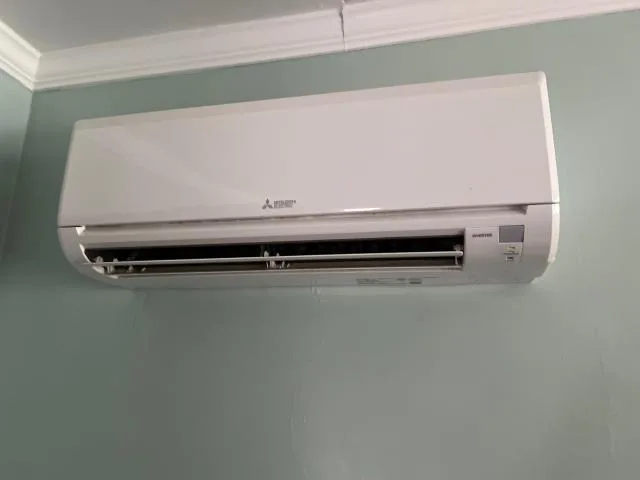
Wall-mounted units are common, while compatible systems may also support ceiling cassettes or other indoor unit styles. Selection depends on the room layout, available mounting space, system compatibility, and service access.
The unit needs unobstructed airflow and a location that distributes conditioned air through the occupied area without blowing directly onto beds, desks, or seating.
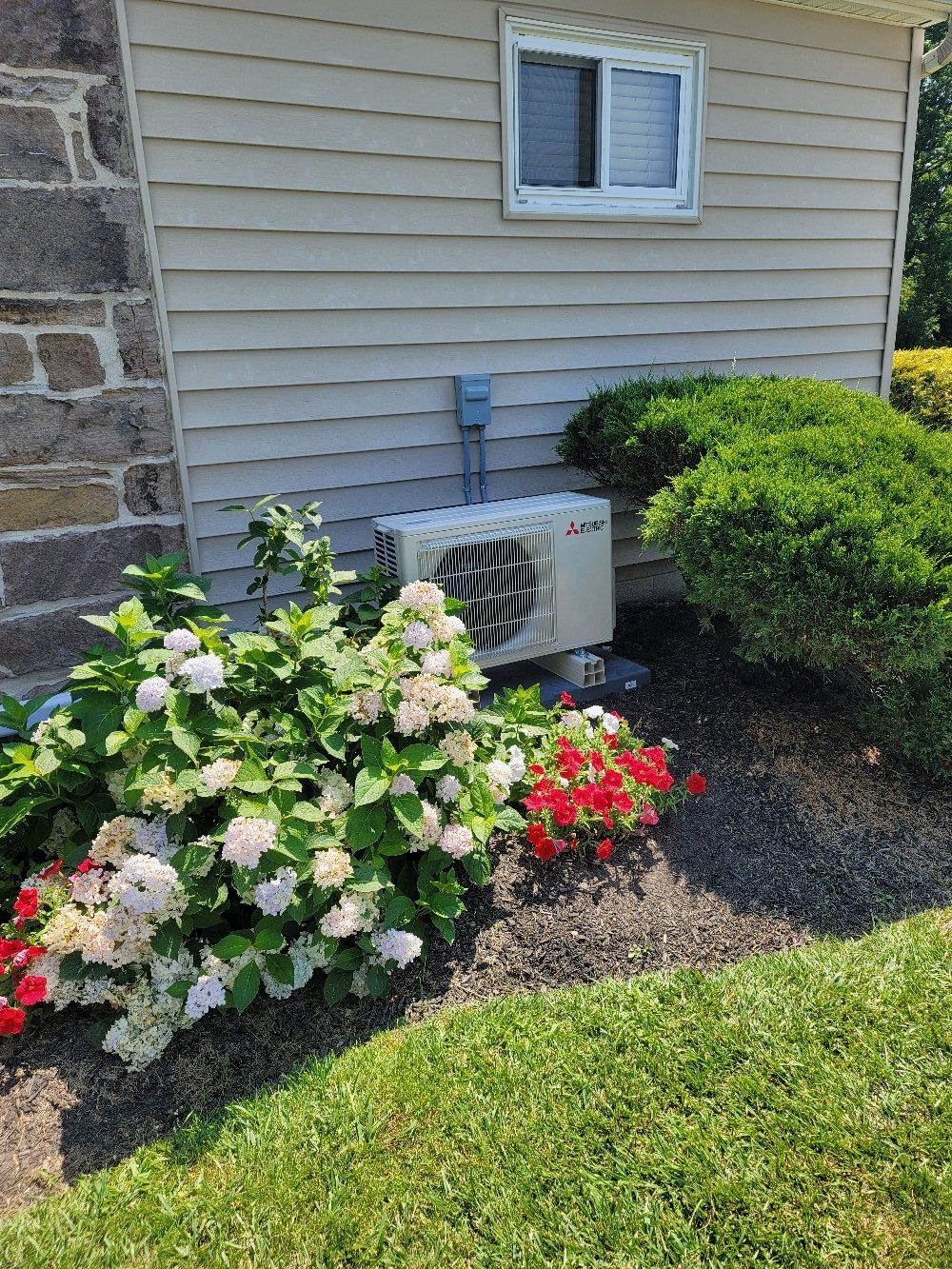
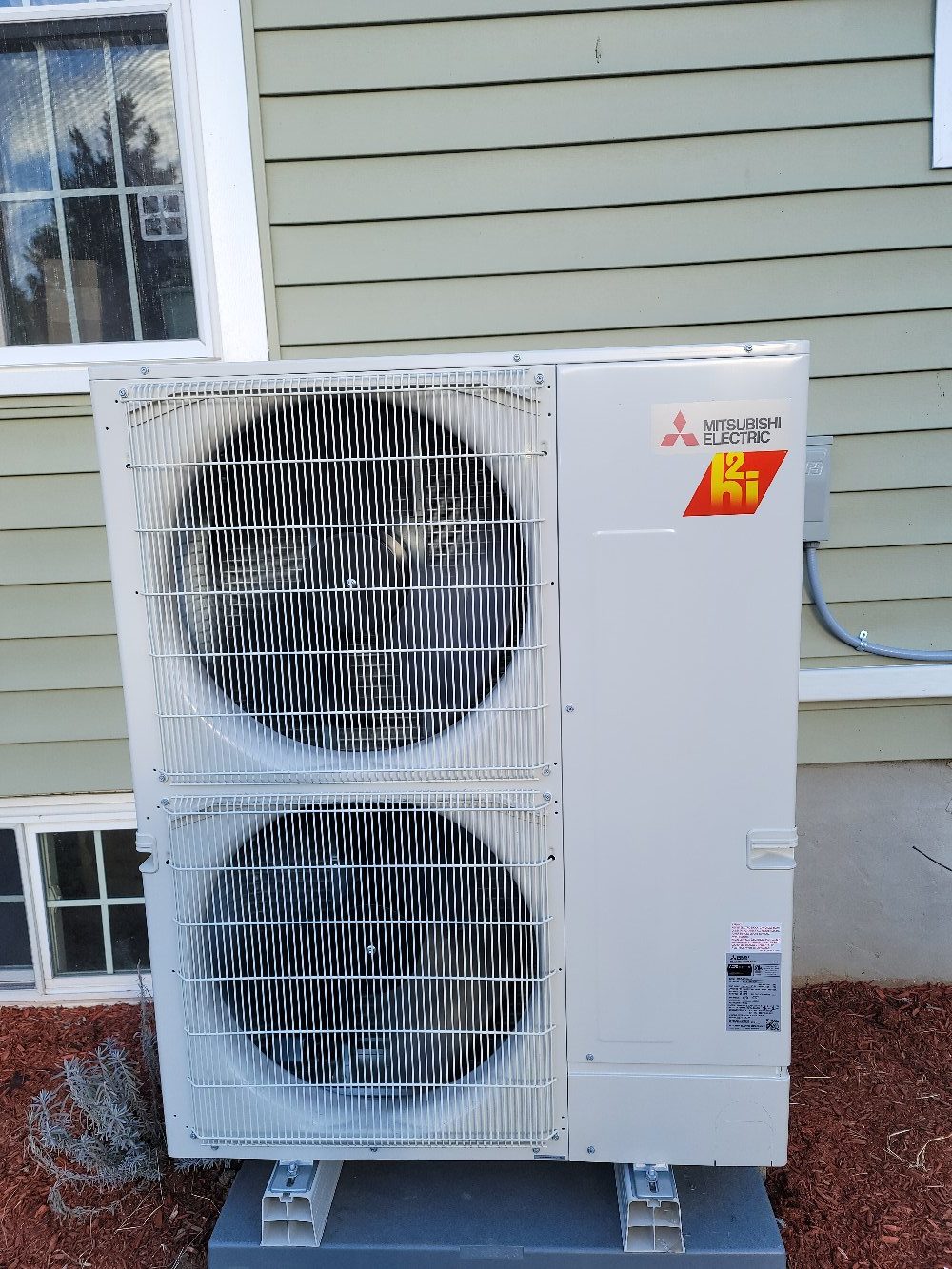
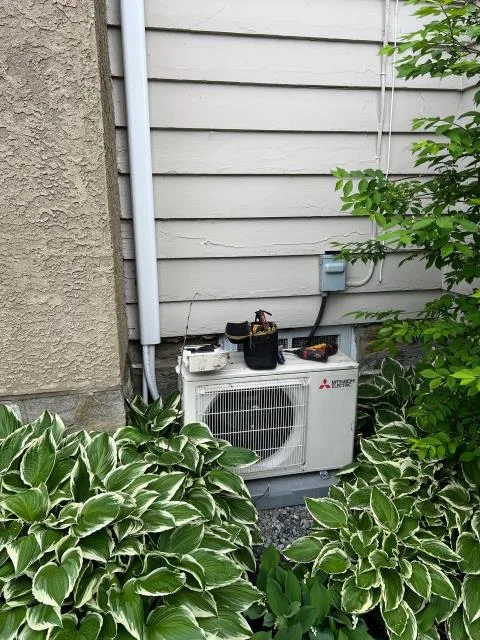
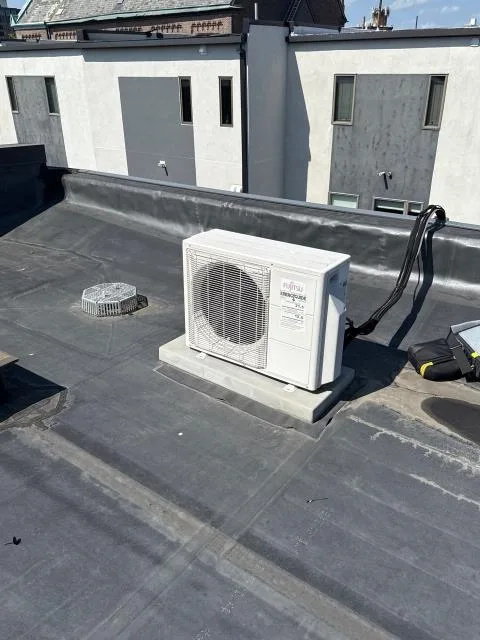
Outdoor equipment requires suitable clearance, airflow, drainage, weather protection, and access for maintenance. Noise and proximity to doors, windows, and outdoor living areas are also considered.
Refrigerant lines, communication wiring, and condensate drainage need a protected and serviceable route that remains within the selected equipment’s installation requirements.
The installation plan accounts for the required power supply, disconnects, system controls, and communication between indoor and outdoor components. Available control features depend on the selected equipment.
Installation Photos
Ductless Mini-Split Installation Photo Examples
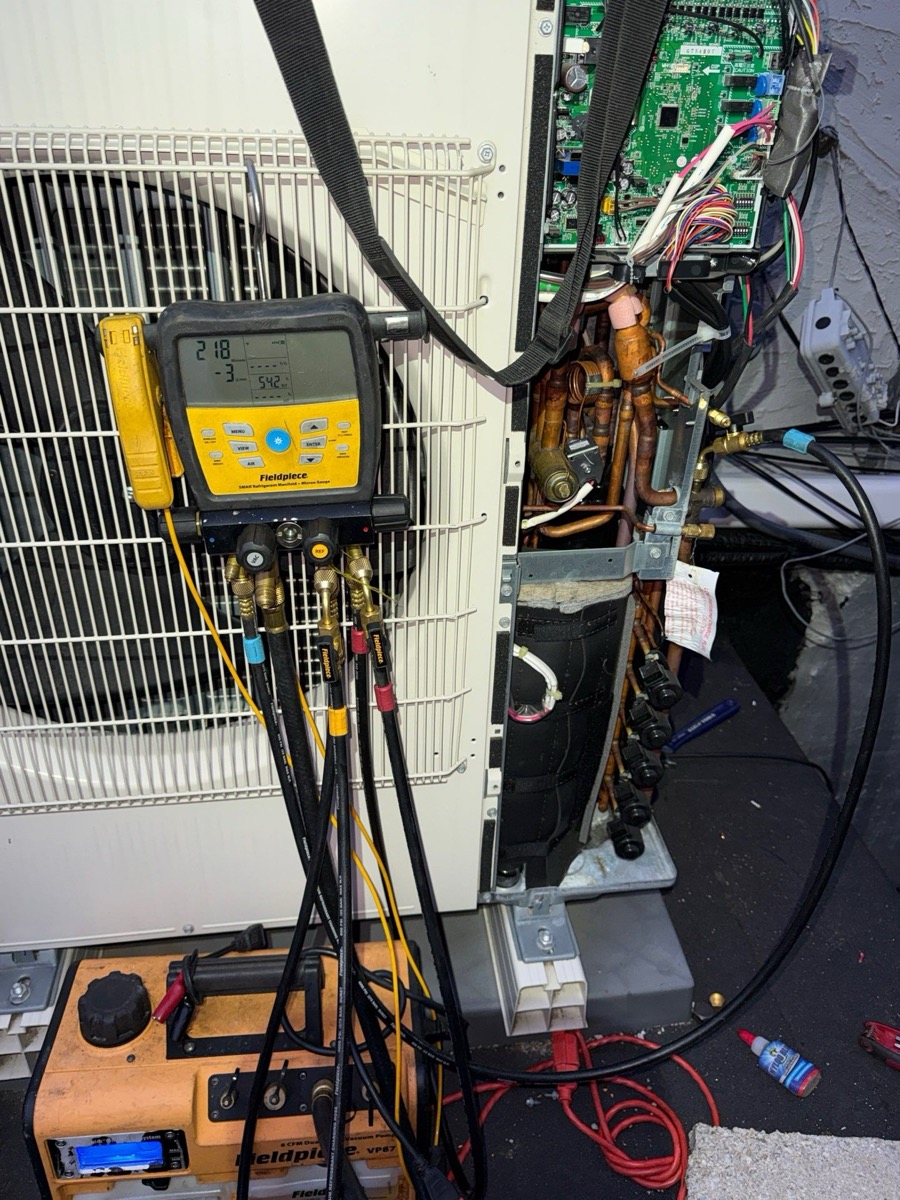
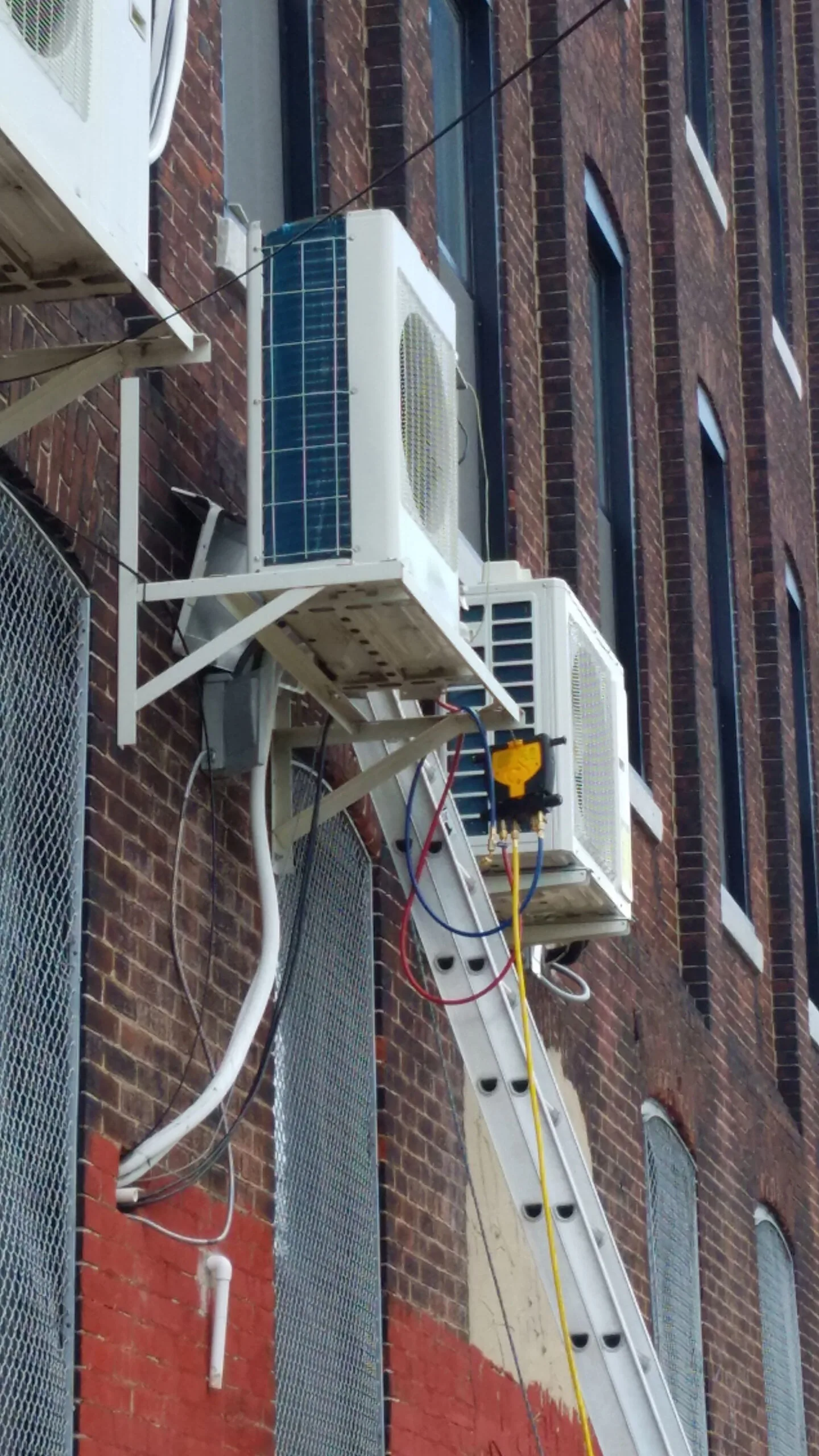
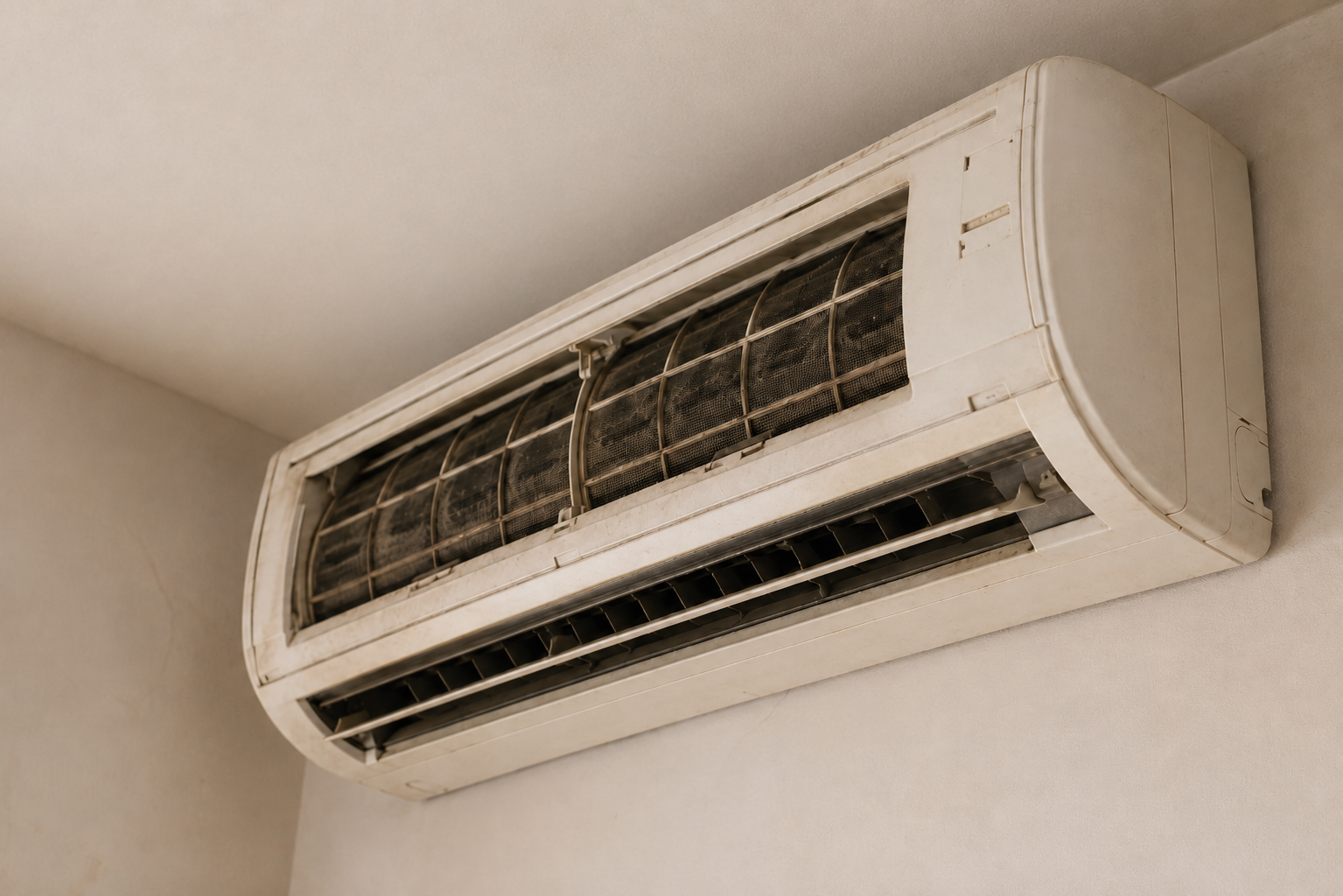
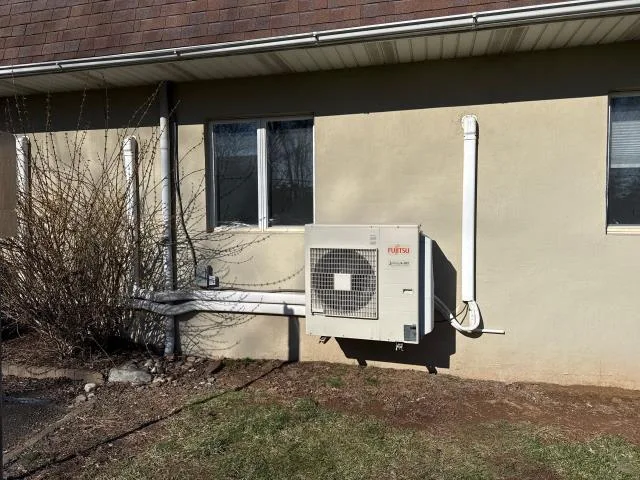
The photos below show ductless mini-split indoor and outdoor equipment, installation layouts, and access considerations. Use these examples to compare unit styles, understand how the equipment fits into a home, and identify placement questions to discuss before installation.
Recent Installation Work
Recent Ductless Mini-Split Installation Projects Near You
The service check-ins below show recent Home Rangers visits tagged for ductless mini-split installation. They provide location-specific examples of ductless HVAC installation work completed across our service area.
Recent Jobs and Reviews
At a glance
Home Rangers Heating, Air & Plumbing has completed 2 jobs between October 2025 and June 2026.
The most recent job was on June 4, 2026.
Recent work covers Cherry Hill Township, NJ and Warminster, PA.
Job Locations and Reviews
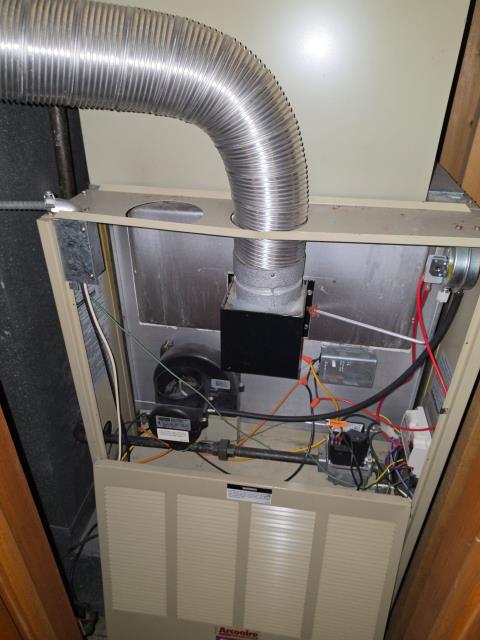

We consulted on a ductless mini-split installation for uneven cooling. We proposed a multi-zone setup with 2–3 indoor units, reviewed equipment, and discussed long-term warranty options.
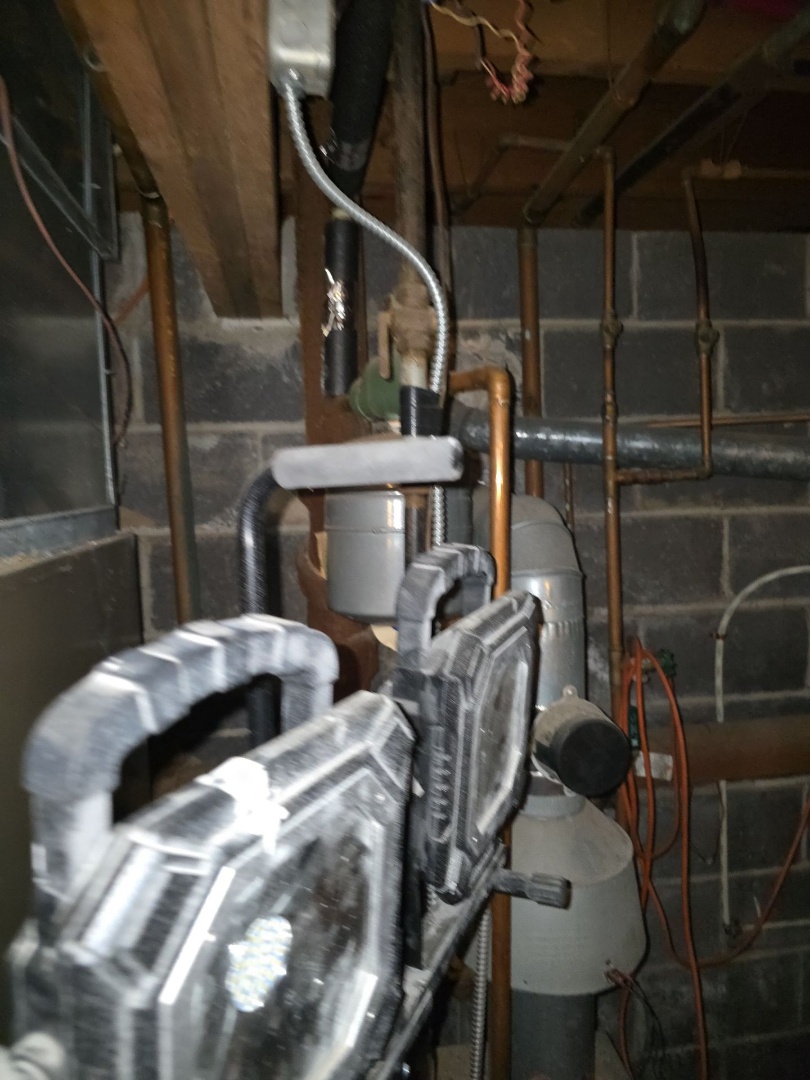
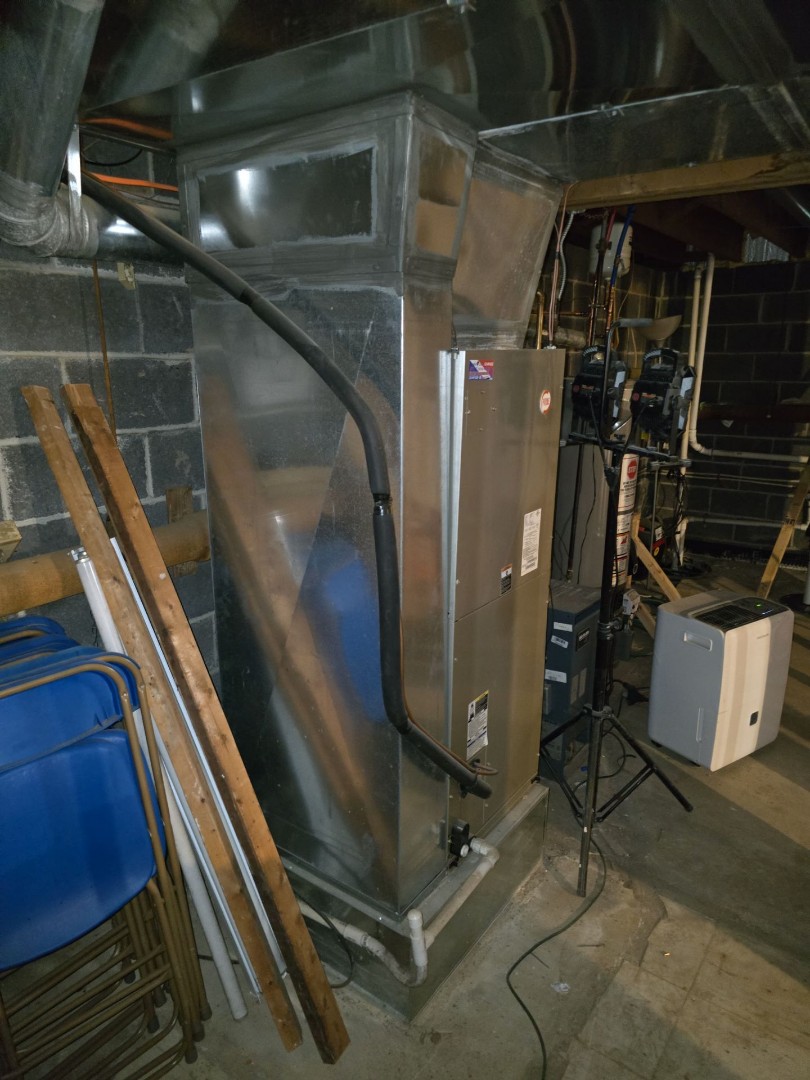
Completed an estimate for installing a new two-zone ductless mini-split system to heat and cool two bedrooms in a finished basement. Discussed multiple installation options to ensure comfort, efficiency, and quiet operation. Home Rangers provides expert ductless mini-split installation and HVAC solutions throughout Warminster and Bucks County.
Related HVAC Services
Ductless Mini-Split Services and Other HVAC Options
The appropriate service depends on whether you are installing a new system, correcting a problem with existing equipment, or comparing ductless and central HVAC options. Use the services below to find the right next step.
Local Installation Service
Ductless Mini-Split Installation in Bucks County, Montgomery County, and Philadelphia
Home Rangers provides residential ductless mini-split installation services throughout Bucks County, Montgomery County, nearby Philadelphia, and surrounding communities. Contact our team to confirm service availability at your address and schedule an assessment for a single-zone or multi-zone installation.
Questions
Ductless Mini-Split Installation FAQs
These answers cover installation cost, project timing, permits, interior-wall placement, equipment compatibility, existing refrigerant lines, room separation, and manufacturer warranty requirements.
Planning a Ductless Mini-Split Installation?
How much does ductless mini-split installation cost in 2026?
The cost depends on equipment capacity, number of zones, indoor unit styles, line-set lengths, electrical work, condensate drainage, mounting conditions, and installation access. A per-zone or per-ton figure alone may not represent the complete project. Home Rangers provides pricing after evaluating the home and defining the installation scope.
How long does a ductless mini-split installation take?
Installation time varies according to the number of indoor units, equipment locations, line routing, electrical preparation, wall or ceiling access, and testing requirements. A single-zone project is generally less involved than a multi-room installation. The expected schedule can be confirmed after the site evaluation.
Does a ductless mini-split installation require a permit?
Permit requirements depend on the municipality and the scope of work. Mechanical and electrical permits or inspections may apply when installing new HVAC equipment, refrigerant piping, outdoor units, or electrical circuits. Applicable requirements should be confirmed for the project address before work begins.
Can a mini-split indoor unit be installed on an interior wall?
An interior-wall installation may be possible when there is a suitable route for refrigerant lines, wiring, and condensate removal. Depending on the layout, the project may require a longer concealed route or a condensate pump. Access for future maintenance must also be considered.
Can wall units and ceiling cassettes be used in the same system?
Some compatible multi-zone systems allow different indoor unit styles to operate with the same outdoor equipment. Compatibility, connected capacity, ceiling space, drainage, and service access must be verified for the specific equipment before installation.
Can an existing refrigerant line set be reused?
Reuse depends on the line size, length, condition, refrigerant requirements, cleanliness, routing, and specifications of the new equipment. Existing lines should be inspected and compared with the manufacturer’s installation requirements before a decision is made.
Will one indoor unit condition nearby rooms when the doors are closed?
An indoor unit primarily conditions the zone where it is installed. Closed doors restrict airflow between rooms, so bedrooms or other regularly separated spaces may require individual indoor units or a different system configuration.
Does professional installation affect the equipment warranty?
Warranty conditions vary by manufacturer and model. Some manufacturers require professional installation, product registration, or specific contractor qualifications for certain warranty terms. Homeowners should retain the model and serial numbers, installation records, and product registration confirmation.
Current Specials
Current HVAC & Plumbing Offers
Strong offers built to help you book service faster, save on repairs, and lock in ongoing system protection without digging through the whole site.
Diagnostic Only $49
Fast HVAC or plumbing diagnostic during regular business hours. If you approve the repair, we’ll credit the diagnostic toward the work. Use code RANGERS49 when booking online.
Book Online$75 Off Any Repair Over $300
Save on qualifying HVAC or plumbing repairs when the fix goes beyond a quick minor adjustment and you want real value on a bigger repair.
Book OnlineHome Rangers System Protection Plan: First Month Free
Start your membership at $19.95/mo, get your first month free, and unlock priority scheduling, tune-ups, and repair savings.
View PlanOffer details can change by season, equipment eligibility, service area, lender approval, and program availability. Diagnostic offer is for regular-hours service only. Repair discount cannot be combined with diagnostic credit or other offers.
Lennox systems and verified dealer support
Home Rangers appears on the official Lennox dealer locator for Warminster. Ask about Lennox air conditioners, heat pumps, furnaces, and mini-split options, along with system sizing and financing options for eligible installations.
Whether your AC stopped cooling, your furnace won’t ignite, your water heater is leaking, or your drains are backing up, Home Rangers is here to help. As Warminster’s hometown HVAC and plumbing company, we treat every customer like a neighbor, because you are.
Ready for Home Service You Can Trust?
Book Nowor call us at:
(215) 454-0001