Indoor Air Quality Solutions in Bucks County, Montgomery County & Philadelphia

The air inside your home can be 2-5 times more polluted than outdoor air, affecting your family’s health, comfort, and well-being. Home Rangers LLC provides comprehensive indoor air quality solutions throughout Southeastern Pennsylvania, helping homeowners breathe cleaner, healthier air and emphasizing the importance of protecting your family’s health.

From whole-home air purification systems to humidity control, ventilation improvements, and advanced filtration, we design indoor air quality solutions that address your specific concerns. Our certified technicians evaluate your home’s air quality with professional indoor air quality testing to identify specific contaminants, identify problem sources, and recommend effective solutions backed by our commitment to quality installation and ongoing support.

📞 Call for Air Quality Solutions: (215) 454-0001
Schedule Air Quality Assessment

Why Indoor Air Quality Matters for Your Home

Modern homes are built tighter than ever for energy efficiency, which means less fresh air exchange and more concentration of indoor pollutants. Your HVAC system circulates air throughout your home constantly, but without proper air quality equipment, it’s also circulating dust, allergens, mold spores, bacteria, viruses, volatile organic compounds (VOCs), and other contaminants. Regularly evaluating your home’s air quality is essential to maintain the health and comfort of everyone inside.

Poor indoor air quality affects everyone differently, but common symptoms include allergies, asthma aggravation, frequent headaches, fatigue, respiratory irritation, and difficulty sleeping. Children, elderly family members, and those with existing respiratory conditions are particularly vulnerable to air quality problems.

Common Indoor Air Pollutants

Your home’s air contains particles and gases from multiple sources: dust mites, pet dander, pollen tracked indoors, mold spores from moisture, bacteria and viruses, cooking odors and smoke, cleaning product chemicals, off-gassing from furniture and carpets, outdoor pollution entering through ventilation, and combustion byproducts from gas appliances. Without proper filtration and ventilation, these pollutants accumulate and recirculate throughout your living spaces.

Improving indoor air quality isn’t just about comfort—it’s about protecting your family’s health. Studies show that better air quality reduces sick days, improves sleep quality, alleviates allergy symptoms, and creates a more comfortable living environment. The investment in air quality solutions pays dividends in health benefits and peace of mind.

Comprehensive Air Quality Solutions

Every home has unique air quality challenges based on construction, occupancy, moisture levels, and pollution sources. We offer a complete range of solutions that work individually or together to address your specific concerns.

Whole-Home Air Purifiers

Advanced air purification systems install directly in your HVAC ductwork, treating all air circulating through your home. Technologies include HEPA filtration, UV light purification, ionization, and photocatalytic oxidation. These systems remove particles, kill airborne pathogens, and neutralize odors without producing harmful ozone.

UV Light Air Sanitizers

Ultraviolet germicidal lights install in your air handler or ductwork, destroying bacteria, viruses, mold, and other biological contaminants as air passes through. UV lights are particularly effective at preventing mold growth on cooling coils and in drain pans, helping to maintain the performance of your cooling equipment during installation and operation, while improving system efficiency and air quality simultaneously.

High-Efficiency Air Filters

Upgrading to MERV 11-16 filters or electronic air cleaners captures significantly more particles than standard 1-inch filters. We evaluate your system’s compatibility and recommend filters that improve air quality without restricting airflow or damaging equipment.

Whole-Home Humidifiers

Dry winter air causes static electricity, dry skin, irritated sinuses, and damage to wood furniture and flooring. Whole-home humidifiers integrate with your HVAC system to maintain optimal humidity levels automatically throughout your home, improving comfort and protecting your belongings.

Whole-Home Dehumidifiers

Excess humidity creates musty odors, promotes mold growth, and makes your home feel uncomfortably sticky. Whole-home dehumidifiers remove moisture more effectively than portable units, protecting your home from moisture damage while improving comfort and air quality.

Energy Recovery Ventilators (ERV)

ERVs bring fresh outdoor air into your home while exhausting stale indoor air, exchanging heat and moisture between the two streams for energy efficiency. This controlled ventilation dilutes indoor pollutants without wasting heating or cooling energy, and helps ensure proper airflow throughout your home.

Heat Recovery Ventilators (HRV)

Similar to ERVs but designed for colder climates, HRVs exchange heat but not moisture between incoming and outgoing air. They provide fresh air ventilation without the energy penalty of opening windows, particularly valuable in tightly-sealed modern homes.

Duct Cleaning & Sealing

Dirty ductwork circulates accumulated dust, allergens, and contaminants throughout your home. Professional duct cleaning removes years of buildup, while duct sealing prevents contaminated attic or crawlspace air from entering your living spaces through leaks.

Carbon Monoxide Detectors

Protect your family from this odorless, deadly gas with properly placed CO detectors. We install detectors that meet code requirements and provide early warning of carbon monoxide from furnaces, water heaters, fireplaces, or other combustion sources.

Common Indoor Air Quality Problems We Solve

After years of evaluating air quality issues in Bucks County and Montgomery County homes, we’ve identified recurring problems that affect comfort, health, and HVAC system performance.

Excessive Dust Accumulation

If you’re constantly dusting furniture and dust returns within days, your filtration system isn’t capturing particles effectively. This could indicate inadequate filtration, duct leaks pulling in attic dust, or poor system airflow. Upgrading filtration, sealing ducts, and ensuring proper airflow solves most dust problems permanently.

Allergy & Asthma Symptoms

Symptoms that worsen indoors or improve when you leave home indicate air quality issues. Common triggers include dust mites, pet dander, mold spores, and pollen circulating through your HVAC system. HEPA filtration, air purifiers, and humidity control significantly reduce allergen levels and symptom severity.

Musty Odors & Mold Growth

Persistent musty smells indicate moisture problems and potential mold growth, often in ductwork, air handlers, or high-humidity areas. Addressing the moisture source with dehumidification, fixing drainage issues, and installing UV lights prevents mold growth and eliminates odors at their source.

Dry Winter Air

Humidity levels dropping below 30% during winter cause dry skin, irritated sinuses, static electricity, and cracking in wood furniture and flooring. Whole-home humidifiers maintain healthy humidity levels automatically, providing comfort and protecting your home’s interior from dry air damage.

High Summer Humidity

When your AC runs but your home still feels muggy, humidity levels are too high. This occurs when systems are oversized, ductwork has problems, or dehumidification capacity is inadequate. Whole-home dehumidifiers work with your AC to maintain comfortable humidity levels regardless of outdoor conditions.

Stale Air & Poor Ventilation

Tight, energy-efficient homes trap indoor air, allowing pollutants to accumulate. Cooking odors linger, bathrooms stay humid, and the air feels stuffy despite HVAC operation. Energy recovery ventilators provide controlled fresh air exchange without energy waste, solving ventilation problems in modern homes.

Pet Odors & Dander

Pet owners face unique air quality challenges as dander, odors, and allergens circulate through HVAC systems. High-efficiency filtration combined with air purification technology captures pet dander and neutralizes odors, making life with pets more comfortable for everyone, including those with allergies.

Chemical Odors & VOCs

Volatile organic compounds from cleaning products, paint, furniture, carpets, and building materials affect indoor air quality. Activated carbon filtration and photocatalytic oxidation systems neutralize VOCs and chemical odors, improving air quality without covering up smells with fragrances.

Professional Indoor Air Quality Assessment

Effective air quality solutions start with understanding your home’s specific challenges. We don’t recommend equipment based on assumptions—we evaluate your actual conditions and concerns to design solutions that address real problems.

Our Assessment Process

During an in-home consultation, we discuss your concerns, symptoms, and goals for air quality improvement. We evaluate your HVAC system’s current filtration, inspect ductwork for leaks or contamination, measure humidity levels, assess ventilation adequacy, and identify potential pollution sources throughout your home.

For homes with serious air quality concerns, we can perform detailed testing including particle counting, mold spore analysis, VOC measurement, and carbon monoxide testing. This indoor air quality testing provides a thorough assessment of your home’s air, ensuring we recommend solutions that address actual problems rather than selling unnecessary equipment.

Customized Solutions

Based on our assessment, we design a comprehensive air quality improvement plan. This might include a single solution for straightforward problems or multiple integrated systems for complex situations. You’ll receive clear explanations of what each solution does, how it works with your existing HVAC system, expected results, complete pricing, and how we ensure optimal performance of your air quality systems.

When to Consider Air Quality Testing

Professional testing makes sense when family members experience unexplained health symptoms, you suspect mold but can’t locate the source, you’re moving into a new home and want a baseline assessment, or you have specific concerns about pollutants like radon or VOCs. Testing provides concrete data that guides effective solutions rather than guesswork.

The Critical Role of Humidity Control

Humidity affects comfort, health, and your home’s structural integrity more than most homeowners realize. Too much or too little humidity creates problems, and HVAC systems alone often can’t maintain optimal levels year-round.

Ideal Humidity Levels

The EPA recommends maintaining indoor humidity between 30-50% for optimal health and comfort. Winter heating often drops levels below 30%, while summer humidity can exceed 60% despite air conditioning operation. Whole-home humidity control equipment maintains consistent levels automatically regardless of season.

Problems from Low Humidity (Below 30%)

  • Health Effects: Dry, irritated sinuses and throat, increased susceptibility to respiratory infections, dry itchy skin, and aggravated asthma symptoms.
  • Comfort Issues: Static electricity shocks, feeling cold at normal temperatures (dry air feels cooler), and difficulty sleeping due to nasal congestion.
  • Home Damage: Hardwood floors developing gaps, furniture joints loosening, wood trim separating, musical instruments going out of tune, and paint cracking.

Problems from High Humidity (Above 60%)

  • Health Effects: Increased dust mite populations (they thrive in high humidity), mold and mildew growth triggering allergies, and bacterial growth in damp environments.
  • Comfort Issues: Sticky, muggy feeling despite air conditioning, musty odors throughout the home, and condensation on windows causing water damage.
  • Home Damage: Mold growth on surfaces and in walls, wood rot and structural damage, peeling paint and wallpaper, and corrosion of metal fixtures.

Whole-Home Humidifier Types

Bypass Humidifiers: Most common and affordable, these connect to your furnace’s hot air supply and use natural airflow to distribute moisture. They work well for most homes and require minimal maintenance.

Fan-Powered Humidifiers: Include a built-in fan for more effective moisture distribution. They humidify faster and more evenly than bypass models, making them ideal for larger homes or very dry climates.

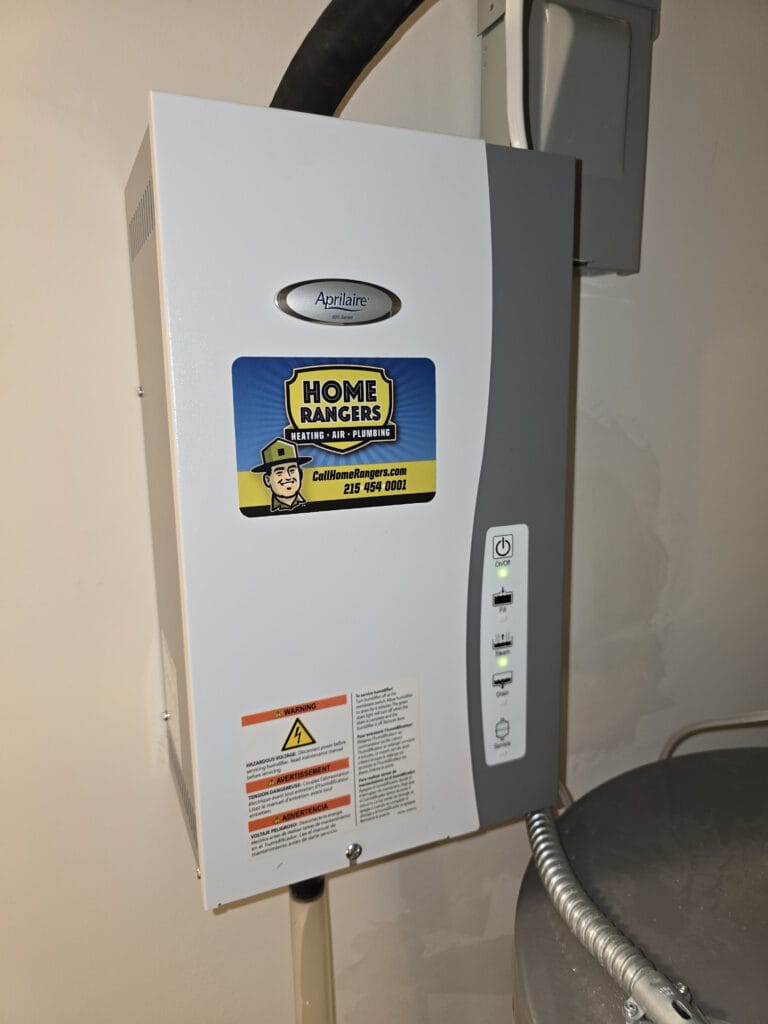
Steam Humidifiers: Boil water to create steam for the most effective and hygienic humidification. They’re more expensive but provide precise control, require less frequent maintenance, and don’t depend on furnace operation.

Whole-Home Dehumidifier Benefits

While air conditioners remove some moisture, they’re not designed for humidity control and can’t address the problem when temperatures are mild but humidity is high. Whole-home dehumidifiers install alongside your HVAC system, removing moisture continuously and automatically maintaining set humidity levels regardless of temperature or AC operation.

Understanding Air Purification Technologies

Air purification systems use different technologies to remove or neutralize contaminants. Understanding these approaches helps you select solutions that address your specific concerns effectively.

HEPA Filtration

High-Efficiency Particulate Air (HEPA) filters capture 99.97% of particles 0.3 microns or larger, including dust, pollen, pet dander, mold spores, and some bacteria. True HEPA filtration requires specialized equipment designed to handle the airflow restriction these dense filters create. HEPA is the gold standard for particle removal but doesn’t address gases, odors, or viruses smaller than 0.3 microns.

UV-C Germicidal Light

Ultraviolet light in the C spectrum (UV-C) destroys the DNA of bacteria, viruses, mold spores, and other biological contaminants, rendering them unable to reproduce or cause infection. UV lights install in air handlers or ductwork where microorganisms pass through the light field. This technology is particularly effective at preventing mold growth on cooling coils and in drain pans while sanitizing air continuously.

Ionization

Ionization systems release charged particles (ions) into your air that attach to airborne contaminants, causing them to cluster together and become heavy enough to fall from the air or be captured by filters more easily. Modern ionization systems (including needlepoint bipolar ionization) also inactivate pathogens and break down VOCs without producing harmful ozone levels.

Photocatalytic Oxidation (PCO)

PCO technology combines UV light with a catalyst (typically titanium dioxide) to create hydroxyl radicals and superoxide ions that break down organic compounds at the molecular level. This process neutralizes VOCs, odors, bacteria, viruses, and mold without creating harmful byproducts. PCO is particularly effective for chemical sensitivities and odor control.

Activated Carbon Filtration

Activated carbon filters use a bed of specially treated carbon with millions of tiny pores that trap gases, VOCs, and odors through adsorption. They’re excellent for chemical odors, cooking smells, and VOC removal but must be replaced regularly as the carbon becomes saturated. Carbon filtration often combines with other technologies for comprehensive air treatment.

Electronic Air Cleaners

These systems use an electrical charge to attract and trap particles on collection plates. They’re more effective than standard filters at capturing small particles and are washable rather than disposable. Electronic air cleaners work well for general particle reduction and cost less to maintain than disposable high-efficiency filters.

⚠️ Avoid Ozone-Generating “Air Purifiers”

Some air purifiers intentionally generate ozone, claiming it purifies air. The EPA and medical professionals warn against ozone generators because ozone is a lung irritant that can worsen asthma and cause respiratory problems. Quality air purification systems may produce trace ozone as a byproduct but are designed to keep levels well below safety limits. We only recommend and install systems that meet strict safety standards for ozone emissions.

Fresh Air Ventilation Solutions

Modern energy-efficient homes are sealed tightly to reduce heating and cooling costs, but this also traps indoor air and prevents natural ventilation. Without controlled fresh air exchange, pollutants accumulate, humidity builds up, and air becomes stale. Mechanical ventilation solves this problem without sacrificing energy efficiency.

Energy Recovery Ventilators (ERVs)

ERVs bring fresh outdoor air into your home while exhausting stale indoor air, but they don’t just exchange the air—they transfer both heat and moisture between the two airstreams. In summer, incoming hot, humid outdoor air is cooled and dried by the outgoing air-conditioned air. In winter, incoming cold, dry air is warmed and humidified by outgoing heated air.

This heat and moisture exchange means you get fresh air without the energy penalty of opening windows. Your HVAC system doesn’t have to work as hard because the incoming air is already partially conditioned. ERVs work best in climates with hot, humid summers and cold winters—like Pennsylvania.

Heat Recovery Ventilators (HRVs)

HRVs operate similarly to ERVs but only transfer heat, not moisture. They’re designed for colder, drier climates where you want to bring in fresh air and add humidity rather than remove it. In our region, ERVs are typically the better choice because they handle both summer humidity and winter dryness effectively.

When Ventilation Systems Make Sense

  • New Construction: Tightly-sealed modern homes need mechanical ventilation from day one to maintain healthy air quality.
  • Energy-Efficient Upgrades: If you’ve added insulation, air-sealed your home, or replaced windows, ventilation becomes more important because natural air exchange is reduced.
  • Multiple Occupants: More people means more CO2, more moisture from breathing and activities, and more need for fresh air circulation.
  • Indoor Air Quality Problems: Persistent stuffiness, lingering odors, or humidity issues often indicate inadequate ventilation that mechanical systems can solve.
  • Health Concerns: Family members with allergies, asthma, or chemical sensitivities benefit from diluting indoor pollutants with filtered fresh air.

Installation & Operation

ERVs and HRVs integrate with your existing HVAC system or operate independently, depending on your home’s configuration. They run continuously at low speed or cycle on and off based on timers or humidity sensors. Properly sized and installed ventilation systems operate quietly and efficiently, providing constant fresh air exchange without noticeable energy impact.

Maintaining Your Air Quality Systems

Indoor air quality equipment requires regular maintenance to function effectively. Neglected systems lose performance, waste energy, and can even create air quality problems rather than solving them.

Filter Replacement & Cleaning

High-efficiency filters require more frequent replacement than standard filters because they capture more particles and load up faster. Check filters monthly and replace them when they appear dirty or according to manufacturer recommendations—typically every 3-6 months for most residential applications. Electronic air cleaners need cleaning every 1-3 months depending on use.

Humidifier Maintenance

Humidifiers need regular attention to prevent mineral buildup and bacterial growth. Clean the water panel or reservoir monthly during use, replace water panels annually, and ensure water supply lines don’t develop leaks. Neglected humidifiers can grow mold and distribute minerals throughout your ductwork, creating air quality problems.

Dehumidifier Care

Empty and clean collection buckets regularly, or ensure drain lines flow freely if plumbed to a drain. Clean the air filter monthly and check the coil annually for dust buildup. Dehumidifiers work hard during humid months and need this attention to maintain performance.

UV Light Replacement

UV-C bulbs lose effectiveness over time even though they continue producing visible light. Replace bulbs annually (every 9-12 months) to maintain germicidal effectiveness. We can include UV bulb replacement in annual maintenance visits so you don’t have to track replacement schedules.

Air Purifier Maintenance

Different purification technologies have different maintenance needs. HEPA filters need replacement, carbon filters need periodic renewal, ionization systems may need periodic cleaning, and PCO systems need catalyst cell replacement every 2-3 years. Follow manufacturer recommendations and schedule professional service annually to ensure continued effectiveness.

Professional Maintenance Plans

We offer maintenance plans that include air quality equipment service along with HVAC system maintenance. Regular professional service ensures all components function properly, filters and consumables are replaced on schedule, and you’re getting the air quality benefits you invested in. Maintenance plans also catch problems early before they become expensive repairs.

Air Conditioning Maintenance for Better Air Quality

Regular air conditioning maintenance is a cornerstone of healthy indoor air quality, especially in Warminster, PA, where outdoor air can bring in additional pollutants. A well-maintained air conditioning system does more than just cool your home—it actively filters out airborne contaminants like dust, pollen, and pet dander, helping to keep your indoor air clean and fresh. Routine maintenance tasks, such as cleaning or replacing filters, checking for mold growth, and ensuring proper drainage, prevent moisture buildup that can lead to mold and mildew. By keeping your air conditioning system in top shape, you not only improve air quality but also enhance system efficiency, reduce energy costs, and extend the lifespan of your equipment. Trusting Home Rangers LLC for your air conditioning maintenance means you’ll enjoy a healthier, more comfortable home environment all year round.

HVAC Maintenance and Repair for Healthy Air

Your HVAC system is the heart of your home’s air quality, circulating air and managing temperature and humidity throughout every season. Regular HVAC maintenance and timely repairs are essential for preventing poor indoor air quality and ensuring your system effectively removes airborne contaminants. A well-maintained HVAC system helps control humidity levels, reducing the risk of mold growth and moisture-related issues that can compromise both comfort and health. Comprehensive air quality solutions from Home Rangers LLC include thorough inspections, filter changes, and system tune-ups for both residential and commercial properties. By investing in professional HVAC maintenance and repair, you can address air quality issues before they become serious problems, improve system efficiency, and enjoy cleaner, healthier indoor air every day.

Reducing Static Electricity in Your Home

Static electricity is a common annoyance in homes, especially during the colder months when dry air prevails. Poor indoor air quality and low humidity levels are major contributors to static shocks and discomfort. To reduce static electricity, it’s important to maintain comfortable humidity levels throughout your home. Whole-home humidifiers are an effective solution, automatically adjusting indoor humidity to optimal levels and minimizing static buildup. Additionally, electronic air cleaners and HEPA filtration systems help remove airborne particles that can exacerbate static electricity. By combining humidity control with comprehensive air quality solutions, you can create a more comfortable indoor environment, protect sensitive electronics, and reduce the impact of static electricity in your daily life.

Protecting Wood Furniture from Air Quality Issues

Wood furniture adds warmth and beauty to your home, but it’s highly sensitive to changes in indoor air quality—especially fluctuations in humidity. Dry air can cause wood to shrink, crack, and lose its finish, while excessive moisture can lead to warping, rot, and mold growth. To safeguard your wood furniture, it’s crucial to maintain optimal humidity levels with whole-home humidifiers and dehumidifiers. Comprehensive air quality solutions, such as advanced air purification systems and HEPA filtration, also help by removing airborne contaminants that can settle on and damage wood surfaces. Regular professional air quality testing from Home Rangers LLC can identify potential air quality issues and guide you in maintaining a healthier indoor environment. By controlling humidity and improving air quality, you not only protect your wood furniture but also enhance the comfort and longevity of your entire home.

Why Choose Home Rangers for Indoor Air Quality Solutions

Indoor air quality solutions represent a significant investment in your family’s health and comfort. You need a company that understands the science, recommends appropriate solutions, and installs equipment properly. Here’s what sets us apart:

  • Needs-Based Recommendations: We assess your actual air quality concerns and recommend solutions that address real problems—not just sell the most expensive equipment.
  • Whole-System Thinking: Air quality equipment works with your HVAC system, not independently. We ensure compatibility, proper sizing, and integration that maximizes effectiveness without compromising system performance.
  • Quality Equipment: We install proven, reliable air quality systems from reputable manufacturers backed by solid warranties. No cheap imports or unproven technology.
  • Professional Installation: Air quality equipment must be installed correctly to work effectively. We follow manufacturer specifications, ensure proper placement, and test performance before we finish.
  • Education & Training: We explain how each solution works, what maintenance it requires, and what results to expect. You’ll understand what you’re investing in and why.
  • Comprehensive Service: We service and maintain the air quality equipment we install. When filters need changing or systems need service, we respond quickly.
  • Local Accountability: We’re family-owned and based in Warminster. Our reputation depends on delivering solutions that actually improve your air quality, not just making sales.

✓ Licensed & Insured

Fully licensed HVAC contractors with comprehensive insurance for your protection and peace of mind.

✓ Industry Certified Technicians

Our team maintains current certifications in EPA refrigerant handling, carbon monoxide safety and combustion analysis, and specialized training in indoor air quality solutions.

✓ Quality Guarantee

We stand behind our air quality installations with comprehensive warranties on parts and labor.

✓ Family-Owned Since Day One

Local ownership means local accountability. We’re invested in our reputation because we live here too.

Indoor Air Quality Solutions Service Areas

Home Rangers provides expert Indoor Air Quality Solutions throughout Bucks County, Montgomery County, and the Greater Philadelphia area. We’re based in Warminster and proudly serve:

Recent Jobs and Reviews

Rated 5.0 out of 5 stars based on 46 customer reviews

Customers say: The reviews reflect an overwhelmingly positive sentiment toward the service provider. Customers consistently express high satisfaction with the company's responsiveness, professionalism, and technical expertise. The overall tone is decidedly positive, with recurring themes of prompt service, knowledgeability, and helpfulness. Clients particularly appreciate the clear communication, honesty, and thorough explanations provided during service visits. Many reviews highlight the technicians' willingness to take time explaining systems and offering helpful recommendations. The company appears to excel at customer service, with several reviewers indicating they plan to use the service again or establish ongoing maintenance contracts. The professional demeanor and problem-solving abilities of the staff are frequently praised, contributing to a strong reputation for reliability and quality workmanship.

Don’t see your town listed? Give us a call—we likely serve your area and can confirm coverage for your location.

Frequently Asked Questions About Indoor Air Quality

How much do indoor air quality systems cost?

Costs vary significantly based on the solution. Basic high-efficiency filters cost $50-150 each and last 3-6 months. UV light systems range from $500-1,500 installed. Whole-home air purifiers cost $1,000-3,000 depending on technology and capacity. Humidifiers range from $400-1,500, while dehumidifiers cost $1,500-3,000. ERVs and HRVs range from $1,500-4,000 installed. We provide detailed written estimates after assessing your specific needs.

Will air quality equipment increase my energy bills?

Most air quality equipment uses minimal energy. UV lights consume about as much as a 60-watt bulb. Humidifiers use negligible energy since they tap into your furnace’s heat. Dehumidifiers use more energy but often reduce AC runtime by improving dehumidification, potentially saving energy overall. Air purifiers and ventilation systems use modest amounts of electricity—typically adding $10-30 monthly depending on the system and usage.

How quickly will I notice air quality improvements?

Some improvements are immediate—new high-efficiency filters start capturing more particles as soon as you turn on your system. UV lights begin sanitizing air immediately. Other benefits accumulate over time as systems reduce accumulated pollutants. Most homeowners notice significant improvements within 2-4 weeks of installation as airborne contaminant levels decrease throughout the home.

Can air quality equipment help with COVID-19 and other viruses?

High-efficiency filtration, UV light, and certain air purification technologies can reduce airborne viruses including COVID-19. However, no air quality system eliminates all disease risk, and these systems work best as part of a comprehensive approach including vaccination, hygiene, and ventilation. We can recommend systems proven effective against airborne pathogens in controlled studies.

Will air purifiers eliminate all allergens?

Air purification significantly reduces airborne allergens but can’t eliminate them completely because allergens also settle on surfaces throughout your home. Most allergy sufferers experience substantial symptom relief from air purification combined with regular cleaning, but individual results vary based on allergen types, severity of sensitivity, and other environmental factors.

Do I need professional air quality testing?

Professional testing isn’t always necessary. If you have clear symptoms or concerns (allergies, dust, odors), we can often recommend effective solutions based on assessment and discussion. Testing makes sense when causes are unclear, you suspect specific contaminants like mold or radon, or you want baseline data before and after improvements to measure effectiveness.

Can I install air quality equipment myself?

Some solutions like portable air purifiers or standalone dehumidifiers require no installation. However, whole-home systems integrate with HVAC ductwork and require professional installation for proper operation, warranty coverage, and code compliance. UV lights need electrical work, humidifiers need water supply connections, and air purifiers must be sized and placed correctly. We recommend professional installation for all whole-home air quality equipment.

How often does air quality equipment need maintenance?

Maintenance frequency depends on the equipment. Filters need checking monthly and replacement every 3-6 months. Humidifiers need cleaning monthly during use and annual water panel replacement. UV bulbs need annual replacement. Air purifiers need annual service and periodic consumable replacement. We offer maintenance plans that handle all air quality equipment service along with your HVAC system.

Whether your AC stopped cooling, your furnace won’t ignite, your water heater is leaking, or your drains are backing up — Home Rangers is here to help. As Warminster’s hometown HVAC and plumbing company, we treat every customer like a neighbor, because you are.

Ready for Home Service You Can Trust?

or call us at:

Scroll to Top