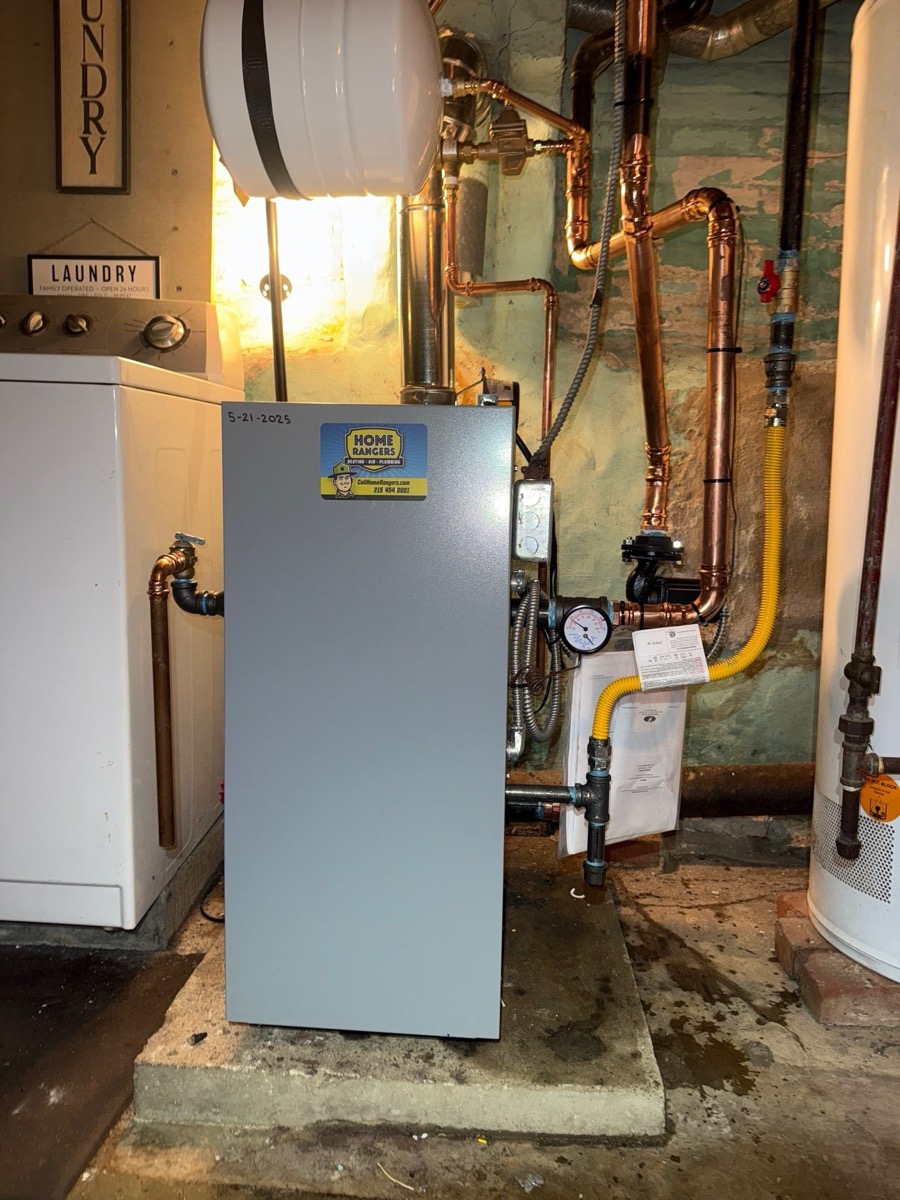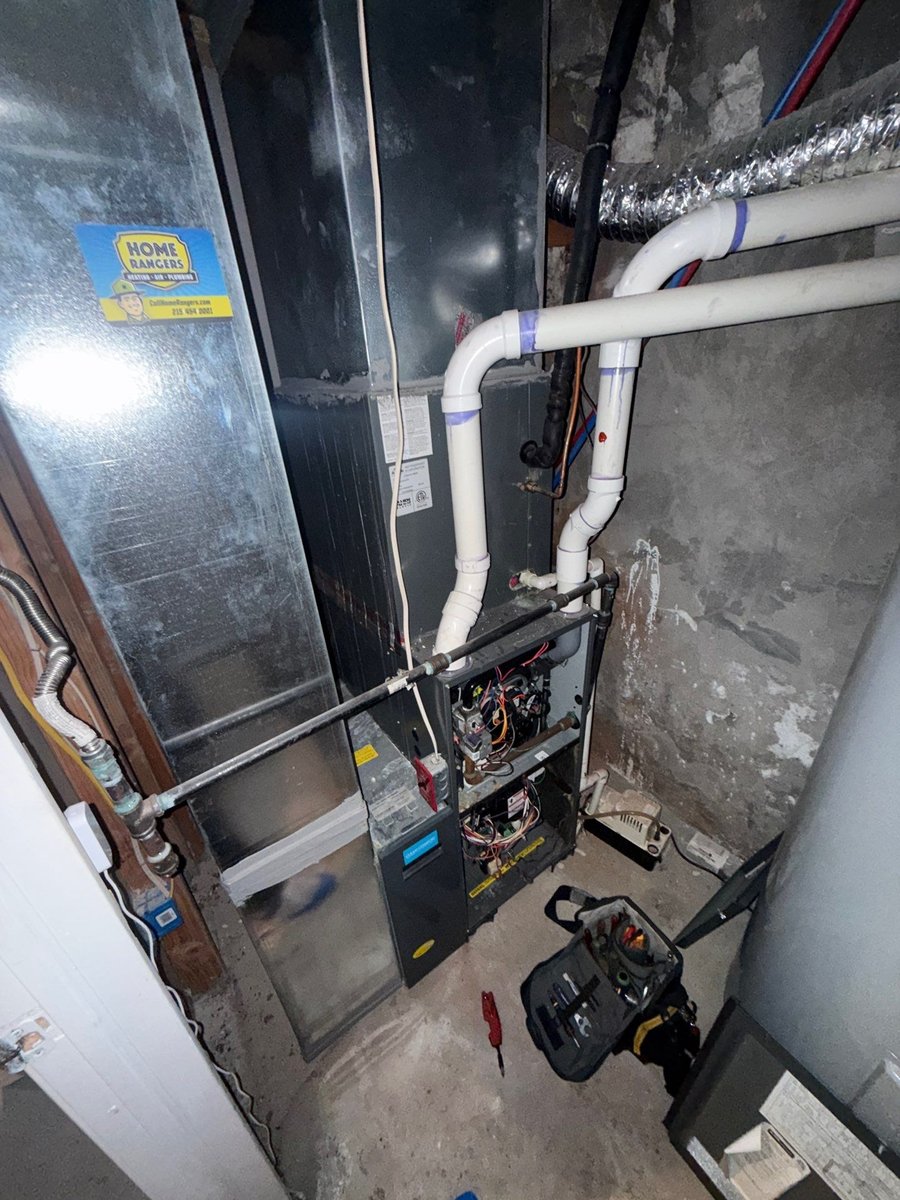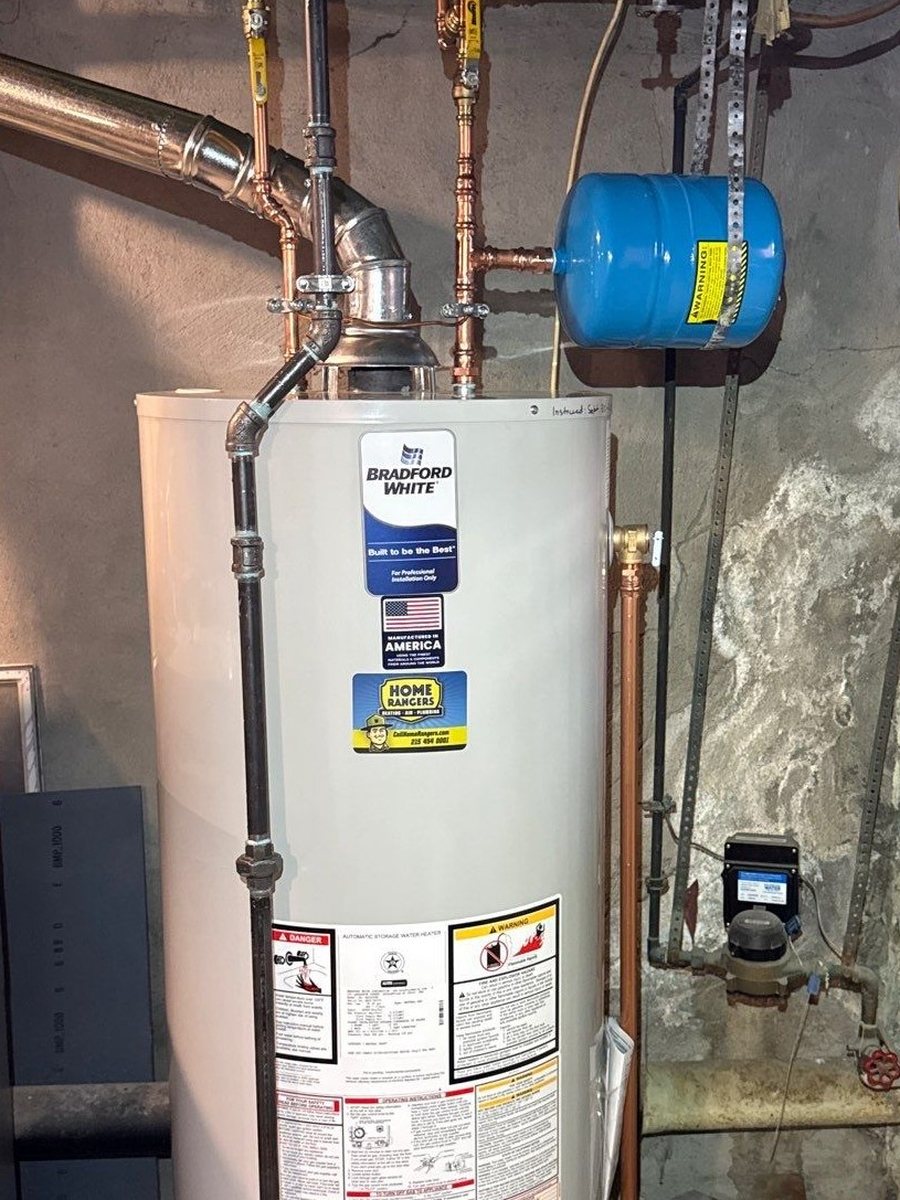
Professional Boiler Installation in Bucks County & Montgomery County

Installing a new boiler is a significant investment that affects your home’s comfort, safety, and energy costs for decades to come. Unlike furnaces, boilers involve complex hydronic systems with multiple components that must work together seamlessly. Home Rangers LLC provides expert boiler installation throughout Bucks County, Montgomery County, and Philadelphia—bringing genuine hydronic heating expertise to every project, not just furnace technicians who “also do” boilers.

A properly designed and installed boiler system delivers unmatched comfort—consistent, even heat without the drafts and temperature swings of forced-air systems. But achieving that comfort requires more than just connecting a new boiler. It requires understanding hydronic system design, proper equipment sizing, correct piping configurations, and meticulous attention to detail throughout the installation process.

As a family-owned company based in Warminster, we approach every boiler installation with the care and expertise these systems deserve. We take the time to design the right system for your home, select equipment that matches your needs and budget, and install everything to the highest standards. No shortcuts, no guesswork, no leaving you with a system that doesn’t perform as promised—just honest, quality work from neighbors who stake their reputation on every installation.

Signs It’s Time for a New Boiler

Boilers are remarkably durable—many last 25-30 years or longer with proper maintenance. But eventually, age catches up, and replacement becomes the smarter choice. Here are the indicators that suggest it’s time to consider a new boiler:

Age Over 25 Years

If your boiler has been heating your home for more than a quarter century, it’s operating well beyond typical expectations. Even if it’s still running, efficiency has declined, parts are harder to find, and other components are likely to fail. A modern high-efficiency boiler could cut your heating costs by 30-40%.

Frequent Repairs

If you’re calling for boiler repairs every heating season, you’re investing money in a failing system. At some point, those repair costs would be better applied toward a new, reliable boiler that won’t leave you without heat on the coldest night of the year.

Rising Heating Bills

Older boilers lose efficiency over time due to scale buildup, worn components, and outdated technology. If your heating bills keep climbing despite similar usage, your boiler is working harder and burning more fuel to produce the same heat. Modern condensing boilers achieve 90-98% efficiency versus 60-80% for older models.

Uneven Heating

If some rooms are too hot while others stay cold, and the problem has gotten worse over time, your aging boiler may be struggling to meet demand. A new, properly sized boiler with modern controls can restore comfortable, even heating throughout your home.

Visible Corrosion or Leaks

Rust, corrosion, or water stains around your boiler indicate deterioration that will only worsen. While minor leaks at fittings can be repaired, corrosion of the boiler body or heat exchanger typically means replacement is the only real solution.

Cracked Heat Exchanger

A cracked heat exchanger can allow combustion gases to contaminate your heating water or leak externally. This is a serious problem that generally makes repair impractical—replacement is the safe and sensible choice.

⚠️ Safety Concerns That Require Replacement

Some boiler problems are safety issues that shouldn’t wait: cracked heat exchangers, persistent carbon monoxide production, failed safety controls that can’t be reliably repaired, or severe corrosion affecting structural integrity. If your technician identifies these issues, replacement isn’t optional—it’s essential for your family’s safety.

Understanding Your Boiler Options

Today’s boilers offer a range of efficiency levels, features, and configurations. Understanding your options helps you make the right choice for your home, budget, and comfort priorities.

Efficiency Ratings: What AFUE Means

AFUE (Annual Fuel Utilization Efficiency) measures how efficiently a boiler converts fuel to heat. An 85% AFUE boiler converts 85% of fuel energy to useful heat, losing 15% up the chimney. A 95% AFUE condensing boiler converts 95% to heat, wasting only 5%.

Efficiency LevelAFUE RatingCharacteristicsBest For
Standard Efficiency80-85%Cast iron or steel construction, uses existing chimney flue, proven reliability, lower upfront costBudget-conscious homeowners, simple replacement of existing standard-efficiency boiler
High Efficiency (Condensing)90-98%Stainless steel heat exchanger, PVC venting, condensate drain required, maximum fuel savingsHomeowners prioritizing lowest operating costs, new installations, homes without existing chimneys

How Condensing Boilers Work

Condensing boilers achieve their high efficiency by extracting additional heat from exhaust gases that standard boilers waste. When flue gases cool below the dew point (about 130°F), water vapor condenses, releasing latent heat that’s captured by a secondary heat exchanger. This condensate—slightly acidic water—must be drained, typically to a floor drain or condensate pump.

Condensing Boiler Considerations

Condensing boilers offer significant efficiency advantages but require specific conditions: They need PVC or polypropylene venting (not existing chimneys), condensate drainage, and work best with lower-temperature distribution systems like radiant floors or modern panel radiators. They can work with existing baseboard or radiators but may not achieve maximum efficiency ratings with high-temperature systems. We’ll assess your home and recommend whether condensing makes sense for your situation.

Boiler Types by Application

Hot Water (Hydronic) Boilers

The most common type for residential use. They heat water to 140-180°F and circulate it through radiators, baseboards, or radiant floor tubing. Available in standard and condensing efficiencies. Reliable, efficient, and well-suited to most homes.

Steam Boilers

Found in older homes with cast iron radiators designed for steam. They heat water to boiling and distribute steam through pipes. If your home has steam heat, you’ll typically replace with another steam boiler unless you’re willing to modify the entire distribution system.

Combination (Combi) Boilers

Provide both space heating and domestic hot water from one compact unit—no separate water heater needed. Ideal for smaller homes or where space is limited. They heat water on demand, so hot water capacity is limited by the boiler’s output.

Boiler with Indirect Water Heater

A standard boiler paired with an indirect-fired water heater tank. The boiler heats water that circulates through a coil in the tank, heating domestic hot water. Provides abundant hot water capacity with excellent efficiency.

Fuel Types

Gas and Propane Only

We install natural gas and propane boilers. These are the most common and practical fuel options in our service area. We do not install oil boilers. If you currently have an oil boiler and want to switch to gas or propane, we can help with the conversion, including coordinating with your gas utility if a new gas line is needed.

Why Proper Boiler Sizing Matters

Correct sizing is critical for boiler performance, efficiency, and longevity. Unfortunately, many installers simply match the new boiler to whatever was there before—or worse, oversize “to be safe.” Both approaches cause problems.

The Problems with Oversized Boilers

Many existing boilers are oversized, sometimes dramatically. An oversized boiler causes:

  • Short cycling: The boiler satisfies demand quickly and shuts off, then restarts soon after. This constant on-off cycling wastes fuel, accelerates wear on components, and prevents the system from reaching stable, efficient operation.
  • Reduced efficiency: Boilers operate most efficiently during sustained operation. Short cycling means the boiler spends more time in startup mode, which is less efficient.
  • Uneven comfort: Rapid heating followed by shutdown creates temperature fluctuations rather than the steady, even heat that makes hydronic systems so comfortable.
  • Wasted money: You paid for capacity you don’t need, and you’re paying higher fuel bills due to inefficient cycling.
  • Condensing boiler issues: Oversized condensing boilers may not run long enough to fully condense, reducing their efficiency advantage.

The Problems with Undersized Boilers

  • Inability to maintain comfort: On the coldest days, the boiler runs constantly but can’t keep your home warm enough.
  • Excessive wear: Running at maximum capacity continuously puts stress on all components.
  • Inadequate hot water: If using a combi boiler or indirect water heater, you may run out of hot water.

How We Size Boilers Correctly

We perform proper heat loss calculations that consider:

  • Your home’s square footage, layout, and ceiling heights
  • Insulation levels in walls, attic, and foundation
  • Window sizes, types, and orientations
  • Air infiltration and overall envelope tightness
  • Local climate data for Bucks County and Montgomery County
  • Your existing distribution system (radiators, baseboards, radiant)
  • Domestic hot water requirements if using a combi or indirect

The result is a properly sized boiler that matches your home’s actual heating needs—delivering comfort and efficiency without the problems of over- or under-sizing.

Your Old Boiler Was Probably Oversized

It’s common for existing boilers to be oversized by 50% or more. If we recommend a smaller boiler than what you currently have, that’s not a mistake—it’s proper sizing. A correctly sized modern boiler will heat your home more comfortably and efficiently than an oversized older model. Trust the calculations, not the assumption that bigger is better.

Our Boiler Installation Process

Boiler installation is more complex than furnace installation—there’s piping, pumps, controls, expansion tanks, and often zones to coordinate. A quality installation requires expertise, planning, and attention to detail. Here’s how we approach every project:

Step 1: In-Home Assessment

We start with a thorough evaluation of your current system and your home’s heating needs. We examine your existing boiler, distribution system (radiators, baseboards, radiant), piping configuration, venting, and overall condition. We discuss your comfort concerns, efficiency goals, and budget to understand what matters most to you.

Step 2: Heat Loss Calculation and System Design

We calculate your home’s actual heating requirements to determine proper boiler sizing. We then design a system that matches those needs, including:

  • Selecting the right boiler type, size, and efficiency level
  • Designing piping configuration for optimal performance
  • Specifying circulator pumps sized for your system
  • Planning zone configuration if applicable
  • Determining venting requirements
  • Specifying expansion tank, controls, and accessories

Step 3: Detailed Proposal

We provide a comprehensive written proposal that explains our recommendations, specifies all equipment and materials, details what’s included in the installation, and provides clear, complete pricing. No hidden costs or surprise charges. We explain our recommendations and answer all your questions.

Step 4: Professional Installation

On installation day, our team arrives prepared with all equipment and materials. We protect your home throughout the process. The installation includes:

  • Careful removal and disposal of your old boiler
  • Preparation and cleaning of the installation area
  • Proper positioning of the new boiler
  • Connection to gas supply with pressure testing and leak checks
  • Installation of new circulator pumps (if needed)
  • Piping connections with proper support and insulation
  • Expansion tank installation and pressurization
  • Zone valve installation or replacement (if applicable)
  • Venting installation (PVC for condensing, proper metal flue for standard)
  • Condensate drainage (condensing boilers)
  • Control wiring and thermostat integration
  • System fill, purging, and pressure testing

Step 5: System Commissioning

Proper commissioning ensures your new boiler operates correctly and efficiently. We:

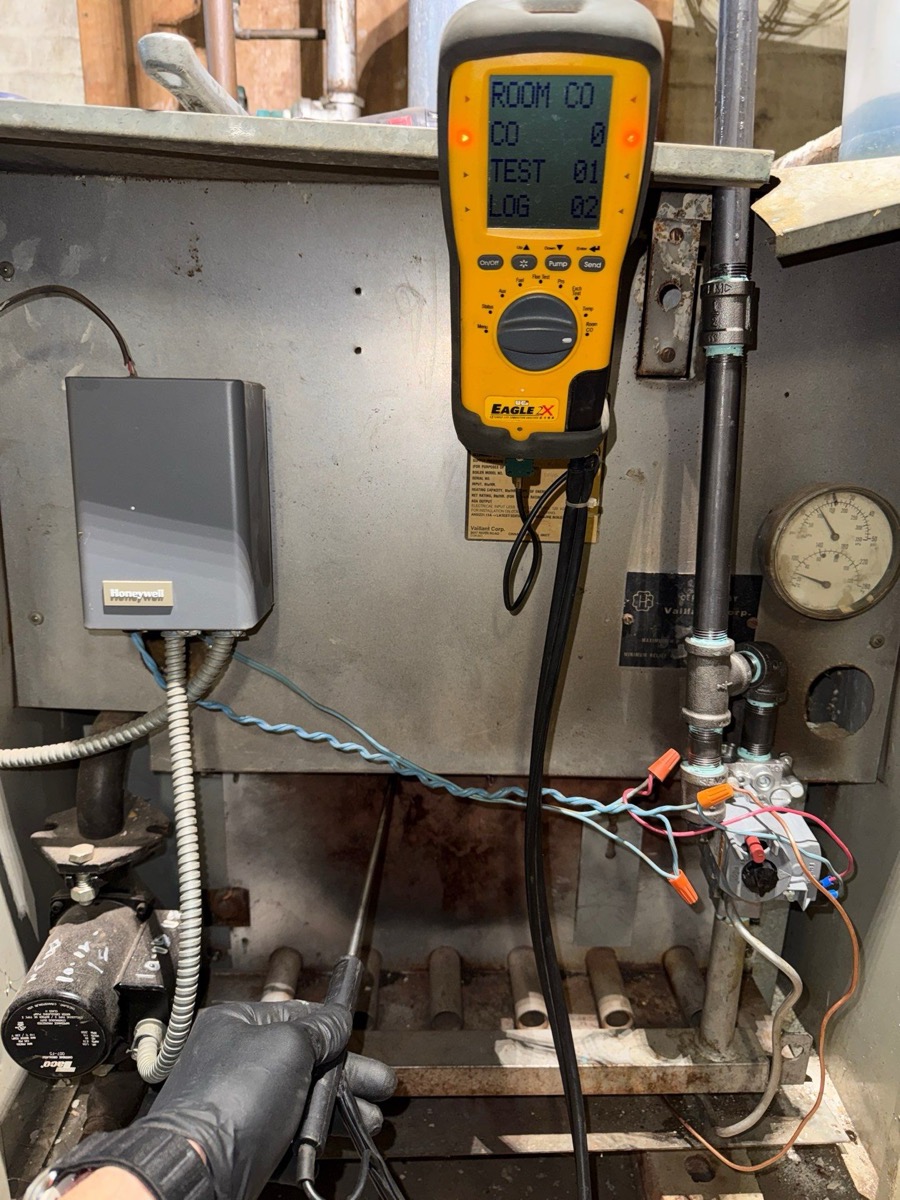
  • Verify proper ignition and combustion
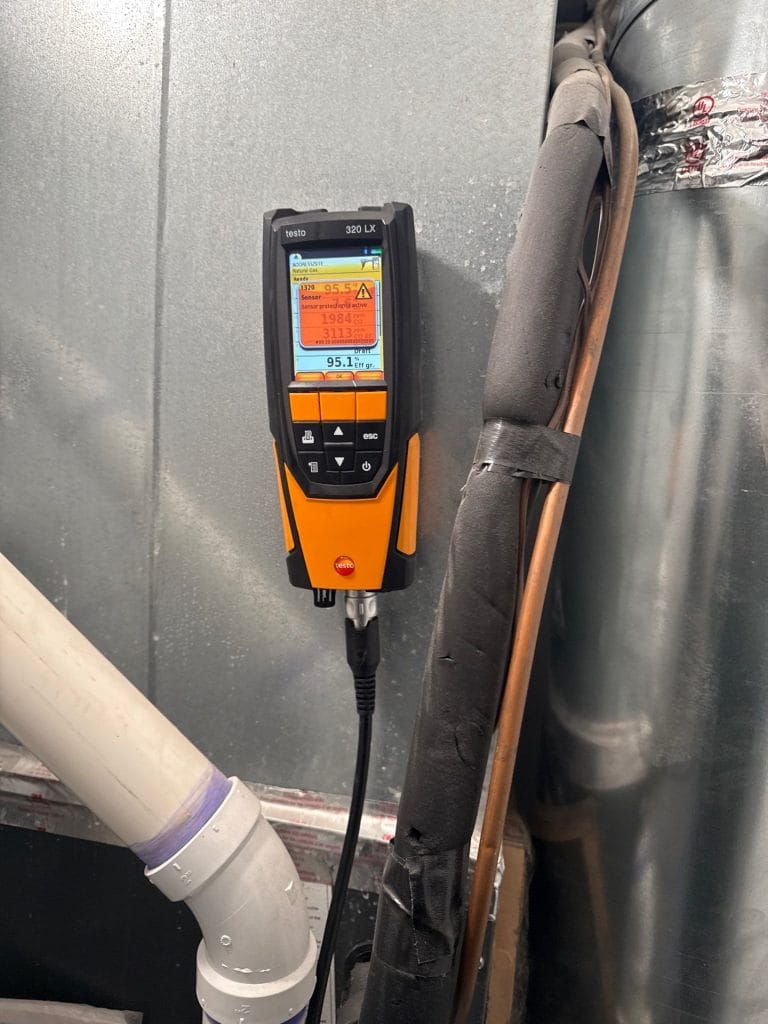
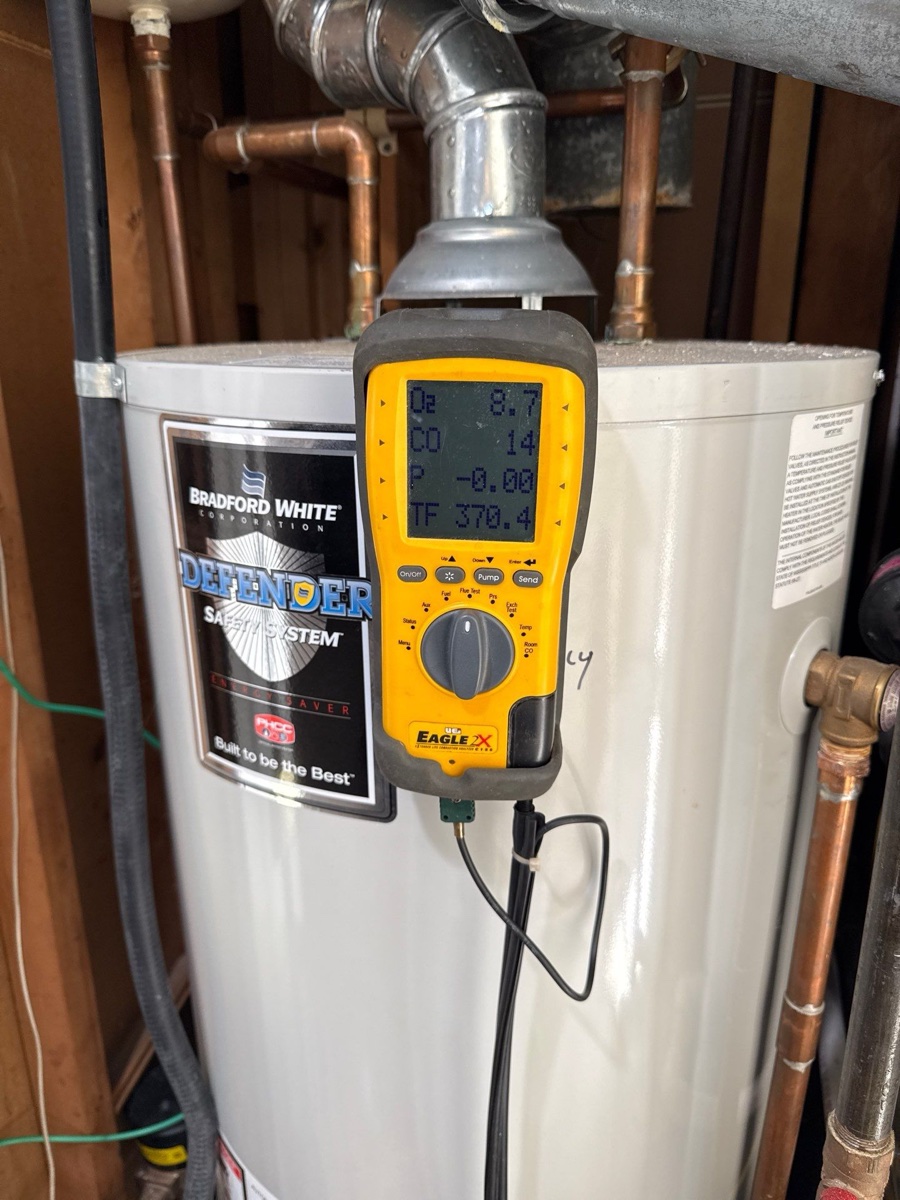
  • Perform combustion analysis to confirm efficiency and safety
  • Check and adjust gas pressure
  • Verify proper water temperature and pressure
  • Test all safety controls and limits
  • Confirm circulator pump operation and flow
  • Test all zones for proper operation
  • Verify even heat distribution throughout the home
  • Check for any leaks in piping or connections
  • Program controls and thermostats

Step 6: Customer Training

We walk you through your new system, explaining how it operates, what the controls do, what’s normal operation, and how to adjust settings. We show you the pressure gauge, explain what readings to expect, and cover basic maintenance like checking pressure periodically.

Step 7: Documentation and Clean-Up

We clean up completely and provide all documentation: warranty information, equipment manuals, our service contact information, and any permit documentation. We register your equipment warranty and ensure you have everything you need.

Your Distribution System Matters

Unlike furnaces that simply blow hot air through ducts, boilers work with various distribution systems—each with different characteristics that affect boiler selection and installation.

Types of Distribution Systems

Cast Iron Radiators

Classic radiators found in older homes. They hold large volumes of water, provide excellent radiant heat, and are extremely durable. They typically require higher water temperatures (160-180°F) and work well with both standard and condensing boilers.

Baseboard Convectors

Finned-tube baseboard heating, common in homes built from the 1950s-1990s. They work through convection, heating air that rises and circulates. Typically require moderate water temperatures (140-180°F).

Radiant Floor Heating

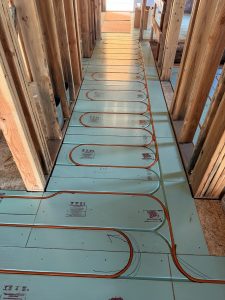
Tubing embedded in floors circulates warm water, heating the floor surface which then radiates heat upward. Uses lower water temperatures (85-120°F), making it ideal for condensing boilers to achieve maximum efficiency.

Panel Radiators

Modern flat-panel radiators that combine radiant and convective heating. More compact than cast iron, they work at moderate temperatures and offer quick response times.

Fan Coil Units

Hydronic air handlers that blow air over a hot water coil, combining the efficiency of hot water heating with the air distribution of forced-air systems. Used in some modern homes and additions.

How Your Distribution System Affects Boiler Choice

The type of distribution system you have influences the best boiler choice:

  • High-temperature systems (cast iron radiators, older baseboards): Work well with any boiler type. Condensing boilers can still provide efficiency benefits, though they may not achieve their highest rated efficiency with high return water temperatures.
  • Low-temperature systems (radiant floors, modern panel radiators): Ideal for condensing boilers. The low return water temperatures allow consistent condensing operation, achieving the highest possible efficiency ratings.
  • Mixed systems: Many homes have a combination of distribution types. We can design systems with mixing valves to supply different temperatures to different zones, optimizing both comfort and efficiency.

Upgrading Your Distribution System

If you’re replacing an aging boiler, it may also be time to consider distribution system upgrades. Adding zones for better control, replacing inefficient old baseboards, or adding radiant heat in a renovation are all possibilities. We can help you evaluate whether distribution upgrades make sense as part of your boiler project.

Boiler Brands We Install

We install quality boilers from multiple manufacturers, allowing us to recommend equipment based on what’s best for your situation—not what’s most profitable for us or what we’re contractually obligated to sell.

Premium Brands

Viessmann

German engineering with exceptional build quality and efficiency. Their condensing boilers are among the most efficient available. Premium pricing reflects premium quality and technology.

Buderus

Another German manufacturer known for durability and efficiency. Excellent condensing boilers with sophisticated controls. Long lifespan and reliable performance.

Triangle Tube

High-quality condensing boilers with excellent efficiency ratings. Known for reliability and good technical support. Popular choice for high-efficiency installations.

Quality Mid-Range Brands

Weil-McLain

Established American manufacturer with a full range of cast iron and condensing boilers. Excellent reputation for reliability. Parts availability and service support are outstanding.

Burnham

Another respected American manufacturer. Known for durable cast iron boilers and increasingly for their high-efficiency models. Good value and reliable performance.

Navien

Korean manufacturer known for innovative, high-efficiency combi boilers and wall-hung units. Excellent efficiency at competitive prices. Good choice for space-constrained installations.

Lochinvar

American manufacturer with excellent high-efficiency condensing boilers. Known for quality construction and advanced controls. Strong technical support.

Value Brands

Crown

Solid, reliable boilers at competitive prices. Good cast iron and steel models. A practical choice when budget is a primary concern without sacrificing basic quality.

Peerless

American manufacturer with a long history. Durable cast iron boilers at reasonable prices. Good choice for straightforward replacement of existing cast iron boilers.

Which Brand Is Best?

The “best” brand depends on your priorities—efficiency, features, budget, warranty coverage, or space constraints. More importantly, proper sizing and quality installation matter more than brand selection. A mid-range boiler that’s correctly sized and expertly installed will outperform a premium boiler that’s wrong-sized or poorly installed. We’ll recommend options that fit your specific needs and explain the trade-offs honestly.

Understanding Boiler Installation Costs

Boiler installation costs vary significantly based on the equipment selected, installation complexity, and your home’s specific requirements. While we can’t quote exact prices without assessing your situation, we can help you understand what affects costs.

Factors That Affect Price

  • Boiler type and efficiency: High-efficiency condensing boilers cost more than standard-efficiency models, but the fuel savings can offset the difference over time.
  • Boiler size: Larger capacity boilers cost more, though proper sizing often means a smaller boiler than you might expect.
  • Installation complexity: A straightforward replacement costs less than installations requiring new piping, venting changes, or significant modifications.
  • Venting requirements: Condensing boilers require PVC venting, which may need to be run through walls or roofs. Existing chimney liners may need replacement for standard-efficiency boilers.
  • Zone modifications: Adding zones, replacing zone valves, or reconfiguring your system adds cost but can significantly improve comfort and efficiency.
  • Circulator pumps: If your existing pumps are old or inadequate, replacement may be recommended.
  • Water heater integration: If adding an indirect water heater or switching to a combi boiler, this affects cost.
  • Permits and inspections: Proper installations include required permits—some contractors skip this to offer lower prices.

The Real Cost Consideration

Purchase price is only part of the equation:

  • Operating costs: A condensing boiler may cost $2,000-4,000 more upfront but save $400-800 annually in fuel. Over 20+ years, that’s substantial.
  • Reliability: Quality equipment and proper installation reduce repair frequency and unexpected breakdowns.
  • Longevity: A well-installed quality boiler can last 25-30 years. Cheap equipment or poor installation shortens lifespan significantly.
  • Comfort: A properly designed and installed system provides noticeably better comfort—something you experience every day.

Financing Options

We understand that boiler replacement is often a significant unplanned expense. We offer financing options to help qualified homeowners manage the investment with affordable monthly payments. Ask about current financing terms during your consultation.

⚠️ Beware of Unusually Low Bids

Boiler installation isn’t an area to cut corners. If one bid is dramatically lower than others, ask why. Common shortcuts include: skipping permits, improper piping or venting, using undersized or inappropriate components, inadequate system purging, skipping combustion testing, or rushing the installation. These shortcuts create problems—including safety hazards—that you’ll deal with for years. Quality installation protects your investment and your family.

Why Choose Home Rangers for Boiler Installation

Boiler installation requires specialized expertise that many HVAC contractors simply don’t have. Hydronic systems are fundamentally different from forced-air systems, and installing them correctly requires specific knowledge and experience. Here’s why homeowners throughout Bucks County and Montgomery County choose Home Rangers:

  • Genuine Hydronic Expertise: We don’t just “also do” boilers—we have real expertise in hydronic heating systems. We understand the principles of hydronic design, proper piping configurations, pump sizing, zone control, and the nuances that make boiler systems perform optimally. This isn’t knowledge you get from a weekend training class.
  • Family-Owned, Locally Accountable: Home Rangers is a family-owned business based in Warminster. We’ve built our reputation in this community one installation at a time. Our name is on every job, and our long-term success depends on doing excellent work for our neighbors.
  • Proper System Design: We don’t guess at boiler sizing or simply match what was there before. We calculate your home’s actual heating requirements and design a system that delivers optimal performance and efficiency.
  • Quality Installation: Our installation teams are trained, experienced professionals. We follow manufacturer specifications and industry best practices. We take the time to do every aspect of the installation correctly—from piping to controls to commissioning.
  • Honest Recommendations: We recommend what your home actually needs, not the most expensive option or whatever’s most profitable for us. If a mid-range boiler is right for your situation, that’s what we’ll recommend.
  • Complete System Approach: We don’t just install a boiler—we ensure your entire heating system works together properly. That includes evaluating and addressing circulator pumps, zone valves, expansion tanks, piping, and controls.
  • Transparent Pricing: Our quotes include everything—equipment, labor, materials, permits, and testing. No hidden fees or surprise charges after the work is complete.
  • Ongoing Support: After installation, we’re here for maintenance, repairs, and questions. We build long-term relationships with our customers, not one-time transactions.

Your Assurance of Quality

Licensed & Insured

Fully licensed for HVAC installation in Pennsylvania with comprehensive liability and workers’ compensation insurance. Your home and our team are protected.

Hydronic Heating Specialists

Specific training and extensive experience in boiler and hydronic heating systems. We understand these systems deeply, not superficially.

Permits & Inspections

We pull required permits and schedule inspections for every installation. This ensures code compliance and protects your warranty coverage.

Family-Owned Since Day One

Local accountability from a family business that depends on our reputation. We’re committed to this community for the long term.

Boiler Installation Service Areas

Home Rangers provides expert boiler installation throughout Bucks County, Montgomery County, and the Greater Philadelphia area. We’re based in Warminster and proudly serve:

Recent Jobs and Reviews

Rated 5.0 out of 5 stars based on 46 customer reviews

Customers say: The reviews reflect an overwhelmingly positive sentiment toward the service provider. Customers consistently express high satisfaction with the company's responsiveness, professionalism, and technical expertise. The overall tone is decidedly positive, with recurring themes of prompt service, knowledgeability, and helpfulness. Clients particularly appreciate the clear communication, honesty, and thorough explanations provided during service visits. Many reviews highlight the technicians' willingness to take time explaining systems and offering helpful recommendations. The company appears to excel at customer service, with several reviewers indicating they plan to use the service again or establish ongoing maintenance contracts. The professional demeanor and problem-solving abilities of the staff are frequently praised, contributing to a strong reputation for reliability and quality workmanship.

Don’t see your town listed? Give us a call—we likely serve your area and can confirm coverage for your location.

Frequently Asked Questions About Boiler Installation

How long does boiler installation take?

Most boiler replacements are completed in 1-2 days, depending on complexity. Simple like-for-like replacements may be done in one day. Installations requiring new venting, piping modifications, or zone changes may take longer. We’ll give you a clear timeline during your consultation.

Is a high-efficiency condensing boiler worth the extra cost?

In most cases, yes. The 10-15% efficiency gain translates to significant fuel savings—typically $400-800 per year depending on your home and fuel costs. Over the boiler’s 20-25 year lifespan, that easily exceeds the upfront price difference. Condensing boilers also qualify for some utility rebates and tax incentives.

Do you install oil boilers?

No, we specialize in gas and propane boilers only. If you’re considering converting from oil to gas or propane, we can help with that transition, including installing a new gas or propane boiler and coordinating with your utility if needed.

What size boiler do I need?

The right size depends on your home’s specific heating requirements—not just square footage. We perform heat loss calculations that account for insulation, windows, air sealing, and other factors to determine the correct size. Proper sizing prevents the efficiency and comfort problems caused by over- or under-sized equipment.

Can I add zones to my heating system when I replace the boiler?

Yes, boiler replacement is an excellent time to add or modify zones. Adding zones gives you better control over comfort in different areas of your home and can reduce energy waste by not heating unoccupied spaces. We can design a zoning solution as part of your new boiler installation.

What brands do you recommend?

We install quality boilers from Weil-McLain, Burnham, Viessmann, Buderus, Triangle Tube, Navien, Lochinvar, and others. The best brand depends on your priorities—efficiency, features, budget, or space constraints. We’ll recommend options that fit your specific situation.

Do I need to replace my radiators or baseboards when I get a new boiler?

Usually not. Most existing distribution systems (radiators, baseboards) work well with new boilers. However, if your radiators or baseboards are in poor condition, undersized, or you want to upgrade for aesthetic reasons or better performance, we can address that as part of the project.

What’s the difference between a regular boiler and a combi boiler?

A standard boiler provides space heating only—you need a separate water heater for domestic hot water. A combi (combination) boiler provides both space heating and on-demand domestic hot water from one unit, eliminating the need for a separate water heater tank. Combis are space-efficient but have limited hot water capacity.

Do you offer financing?

Yes, we offer financing options for qualified homeowners to make boiler installation more manageable. Ask about current terms and promotions during your consultation.

How long do boilers last?

Well-maintained boilers typically last 20-30 years, sometimes longer—especially cast iron models. High-efficiency condensing boilers may have somewhat shorter lifespans (15-25 years) due to their more complex components. Quality equipment and proper installation maximize longevity.

Whether your AC stopped cooling, your furnace won’t ignite, your water heater is leaking, or your drains are backing up — Home Rangers is here to help. As Warminster’s hometown HVAC and plumbing company, we treat every customer like a neighbor, because you are.

Ready for Home Service You Can Trust?

or call us at:

Scroll to Top