Hydronic Heating Philadelphia: Professional Radiant Floor Installation in Bucks County & Montgomery County

Imagine stepping onto warm floors on a cold winter morning—no cold spots, no drafts, no noise, just consistent, comfortable warmth radiating up from below. Hydronic radiant floor heating represents the pinnacle of home comfort, delivering even, draft-free heat that conventional forced-air systems simply cannot match. Home Rangers LLC specializes in hydronic radiant floor heating installation throughout Bucks County, Montgomery County, and Philadelphia, bringing genuine expertise in hydronic system design to every project. Our technicians are fully equipped with the tools and knowledge needed for efficient installation and service.

Radiant floor heating isn’t just another heating option—it’s a fundamentally different and superior way to heat your home. Warm water circulates through tubing beneath your floors, heating the floor surface which then radiates warmth upward to people and objects in the room. The result is comfortable, even temperatures from floor to ceiling, elimination of the drafts and temperature swings common with forced-air systems, and remarkably efficient operation. Home Rangers uses the latest technology in radiant heating system installation to ensure optimal efficiency and comfort.

Installing radiant floor heating requires specialized expertise in hydronic system design—knowledge that many HVAC contractors simply don’t have. As a family-owned company with deep experience in boiler and hydronic heating systems, we understand the principles that make radiant heating work: proper heat loss calculations, correct tubing layout and spacing, appropriate water temperatures, zone configuration, and integration with heat sources. Every project is tailored to the specific needs of each Philadelphia home, ensuring personalized solutions. We design and install systems that deliver the exceptional comfort radiant heating is known for—not systems that disappoint because they were designed by guesswork.

Hydronic heating systems are more common in Europe than in the United States, but they are becoming increasingly popular here. These systems use a boiler to heat water, which is then circulated through pipes under the floors to provide efficient, comfortable warmth.

Why Homeowners Choose Radiant Floor Heating

Radiant floor heating has been used for centuries—the Romans heated their bath houses with it. Today’s hydronic systems use modern materials and controls, but the principle remains the same: heating from below provides comfort that other systems can’t replicate. Compared to traditional heating systems like forced-air or radiator-based heating, radiant floor heating offers greater energy efficiency and more consistent comfort throughout your home. Here’s why homeowners who experience radiant heat rarely want to go back to conventional systems:

While radiant floor heating is a superior option for many, other heating systems—including both traditional heating systems and innovative alternatives—are available. Professional guidance can help you determine the best fit for your home.

Superior Comfort

Radiant heat warms objects and people directly, creating consistent temperatures from floor to ceiling with no cold spots or drafts. Your feet stay warm, you feel comfortable at lower thermostat settings, and you’ll never experience the blast of hot air followed by cold periods that forced-air systems produce.

Even Heat Distribution

Forced-air systems create temperature stratification—hot air rises to the ceiling while floors stay cold. Radiant heat works opposite: the floor is the warmest surface, and heat rises naturally to create even temperatures throughout the room. No more cold feet while your head feels too warm. If you notice uneven heating in your floors or walls, it can be a common sign that your hydronic heating system may require repair.

Energy Efficiency

Radiant systems operate at lower water temperatures than traditional radiators, making them ideal for high-efficiency condensing boilers. Radiant heating systems are effective at reducing energy consumption by delivering heat directly and evenly, which can also help lower monthly energy bills. You feel comfortable at lower thermostat settings—68°F with radiant heat often feels like 72°F with forced air. No ductwork means no energy lost to leaky ducts.

Silent Operation

No blowers, no whooshing air, no furnace roar—radiant heat is completely silent. This makes it ideal for bedrooms, home theaters, home offices, and any space where quiet matters.

Improved Air Quality

Forced-air systems constantly circulate dust, allergens, and particles throughout your home. Radiant heat doesn’t move air, dramatically reducing airborne irritants. In fact, radiant heating systems can significantly improve indoor air quality by minimizing the circulation of dust and allergens. This makes radiant systems ideal for family members with allergies or respiratory sensitivities.

Design Freedom

No radiators on walls, no baseboard heaters taking up space, no floor vents to work around—radiant heat is completely invisible. You have complete freedom for furniture placement and interior design without compromising comfort.

Long-Term Durability

Properly installed radiant floor systems can last 30-50+ years with virtually no maintenance. The tubing is embedded in concrete or beneath flooring with no moving parts to wear out, no filters to change, no ductwork to clean. However, routine maintenance is still important to extend the lifespan of hydronic heating systems and keep heating costs low.

Compatibility with Efficient Heat Sources

Radiant floors work beautifully with high-efficiency condensing boilers, heat pumps, and even solar thermal systems. The low water temperatures required (85-120°F) allow these heat sources to operate at peak efficiency.

How Hydronic Radiant Floor Heating Works

Understanding how radiant heating works helps you appreciate why it provides such superior comfort and make informed decisions about your installation.

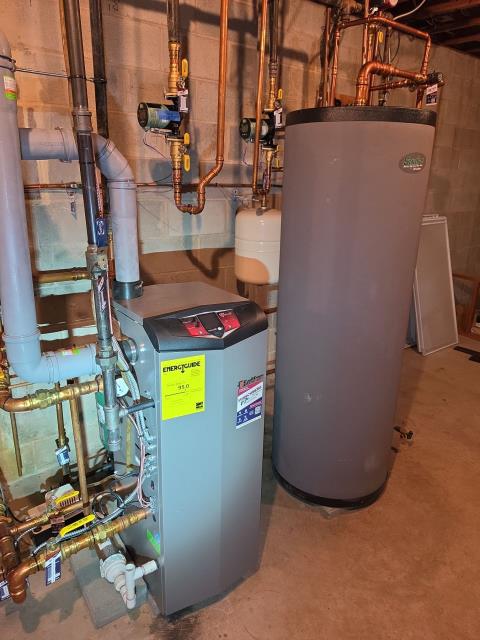
A hydronic heating system is a type of radiant heating system that uses heated water circulated through pipes to provide warmth. In a typical hydronic radiant floor heating setup, a boiler heats water, which is then pumped through a network of pipes installed beneath your floors. The heat radiates upward, warming the floor and the room above. Radiant heating systems can also be installed in walls, offering flexible wall heating systems that adapt to your home’s needs.

The floor itself acts as a large, gentle heating element, distributing warmth evenly and eliminating cold spots. Radiant heating systems use specific heating elements, such as electric cables or tubing, to deliver efficient, uniform warmth throughout your space.

The Basic Principle

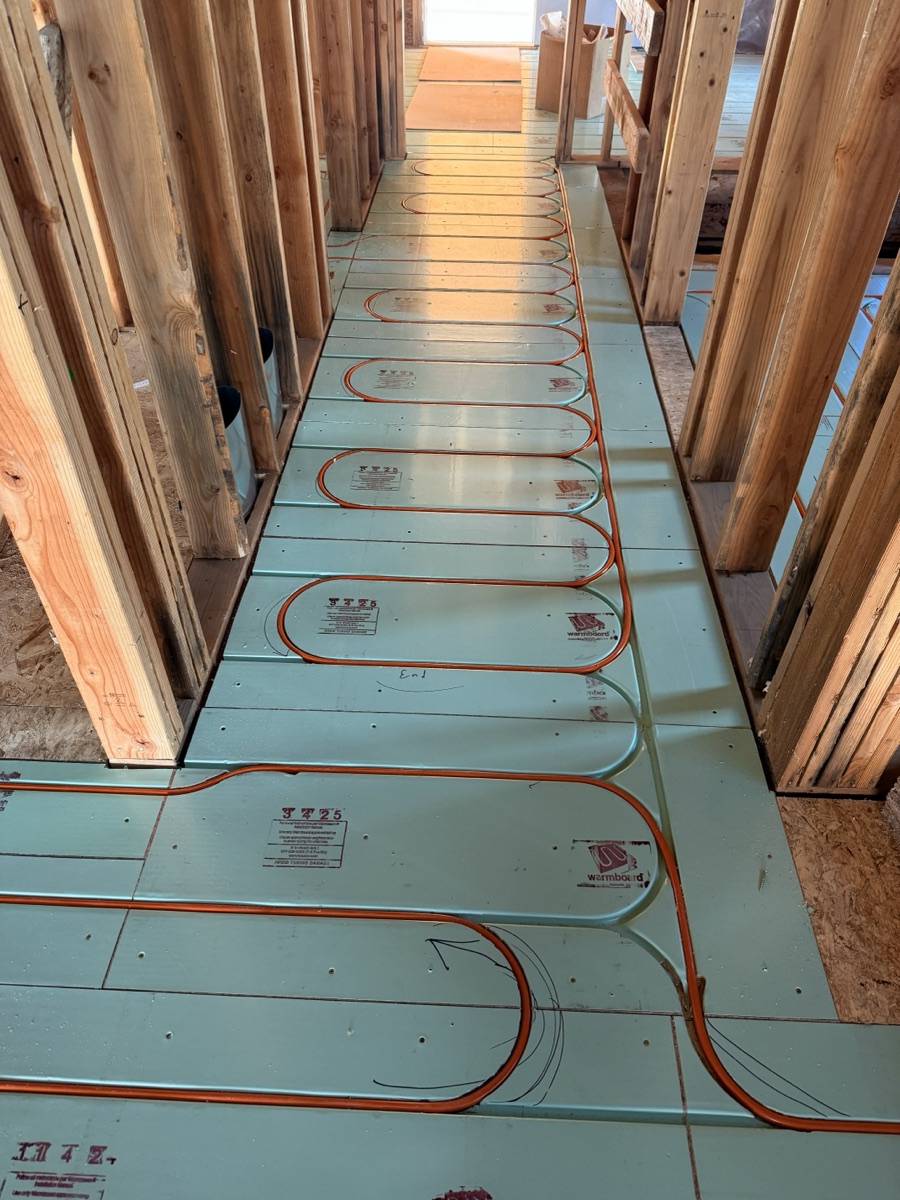
Hydronic radiant floor heating circulates warm water through flexible PEX tubing installed beneath your floor surface. The warm tubing heats the floor, which then radiates heat upward into the room. This radiant energy warms people and objects directly—like the sun warming your face—rather than heating air and blowing it around.

Because heat radiates from the entire floor surface, temperatures are remarkably even. There are no hot spots near vents or cold spots far from heat sources. The floor itself becomes a gentle, room-sized heating element.

System Components

Heat Source

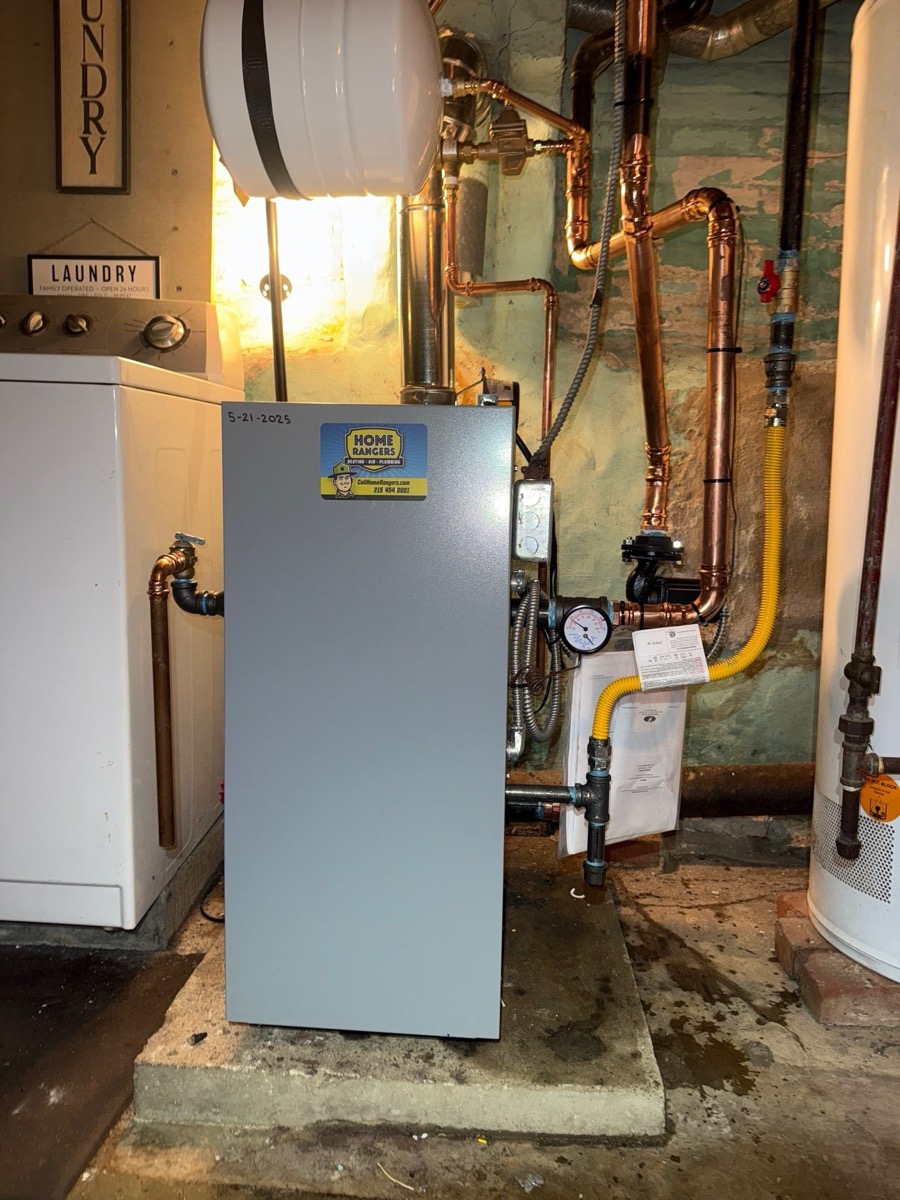
Typically a boiler (gas or propane) that heats water to 85-120°F—much lower than the 140-180°F required for radiators or baseboards. High-efficiency condensing boilers work exceptionally well with radiant systems because these low temperatures allow them to achieve maximum efficiency.

PEX Tubing

Flexible, durable cross-linked polyethylene tubing carries warm water through the floor. Tubing is arranged in loops or serpentine patterns, typically spaced 6-12 inches apart depending on heat requirements. Quality PEX tubing can last 50+ years.

Manifold System

The central distribution point that supplies warm water to individual heating zones. Each zone can be controlled independently with its own thermostat, allowing precise temperature control for different areas of your home.

Circulation Pumps

Move heated water through the tubing loops. Modern variable-speed pumps adjust flow based on demand, improving efficiency and comfort compared to older fixed-speed pumps.

Mixing Valve

Blends hot water from the boiler with cooler return water to achieve the precise temperature needed for the radiant system. This protects flooring materials and optimizes efficiency.

Zone Controls

Thermostats and zone valves control when and how much each area heats. Modern smart thermostats can be integrated for remote control, scheduling, and energy management.

Installation Methods

There are three main approaches to installing radiant floor heating, each suited to different situations:

MethodHow It WorksBest Applications
In-Slab (Wet System)Tubing embedded directly in concrete slab during pour. Provides excellent heat transfer and thermal mass for even, consistent heat.New construction, additions with concrete floors, basement slabs, garage floors
Above-Floor (Dry System)Tubing installed in grooved panels on top of subfloor, or between floor joists below subfloor. Less thermal mass but faster response time.Retrofits, wood-frame construction, remodels, upper floors
Thin-Slab (Over-Pour)Tubing attached to existing floor, covered with thin layer of lightweight concrete or gypsum cement. Good thermal mass without thick slab.Renovations where some floor height increase is acceptable, tile installations

Thermal Mass and Response Time

In-slab installations have significant thermal mass—the concrete stores heat and releases it slowly, providing very stable temperatures but slower response to thermostat changes. Dry systems have less mass and respond faster but may have slightly less even heat distribution. We’ll recommend the approach that best fits your situation and explain the trade-offs.

Ideal Applications for Radiant Floor Heating

While radiant floor heating can work in virtually any space, certain applications provide exceptional value and comfort:

New Home Construction

The ideal time to install radiant heating is during new installations, such as new home construction, when radiant floor heating can be integrated efficiently and cost-effectively. Tubing can be embedded in the foundation slab, the system can be designed from the ground up, and all components can be optimized together. New construction provides the most cost-effective installation with maximum performance.

Basement Finishing

Basements stay naturally cooler, and concrete slab floors feel cold underfoot. Radiant heat transforms basements into genuinely comfortable living spaces. Installation is relatively straightforward before finishing work begins, and the concrete slab provides excellent thermal mass.

Kitchen and Bathroom Remodels

Tile and stone floors are perfect for radiant heat—they conduct heat well and retain warmth. Imagine stepping onto a warm bathroom floor after a shower or standing comfortably on kitchen tile while cooking. These high-use areas provide immediate, noticeable comfort improvements.

Home Additions

Adding space to your home? Radiant floor heating provides an opportunity to upgrade comfort in the new area without extending ductwork or adding radiators. You can zone the addition independently for maximum efficiency and comfort.

Master Bedroom Suites

Bedrooms benefit tremendously from radiant heat’s silent operation and even temperatures. No forced-air noise, no drafts, no dry air—just peaceful, comfortable warmth that helps you sleep better.

Sunrooms and Great Rooms

Large spaces with high ceilings and lots of glass are difficult to heat efficiently with forced air. Radiant floor heating warms people and objects directly without fighting ceiling heat stratification, making these challenging spaces comfortable and efficient.

Mudrooms and Entryways

High-traffic areas track in snow and moisture. Radiant heat helps floors dry quickly and keeps the space comfortable. It’s especially practical for tile or stone flooring in these areas.

Garages and Workshops

Radiant heat in concrete garage floors provides comfortable workspace heating without dust-blowing forced air. The concrete slab stores heat, making the space comfortable to work in even when doors are opened briefly.

Flooring Compatibility

Radiant heat works with most flooring types, though some conduct heat better than others:

Flooring TypeCompatibilityNotes
Tile and StoneExcellentBest heat transfer and retention. Ideal choice for radiant systems.
Polished ConcreteExcellentThe slab itself becomes the finished floor. Maximum efficiency and thermal mass.
Engineered HardwoodVery GoodMore stable than solid wood. Must be rated for radiant heat. Keep water temps moderate.
LaminateGoodWorks well if product is rated for radiant use. Check manufacturer specifications.
Luxury Vinyl (LVP/LVT)GoodMost products compatible with radiant heat. Verify temperature limits with manufacturer.
CarpetFairInsulates floor, reducing efficiency. Use low-pile carpet with minimal pad if needed.
Solid HardwoodChallengingCan work but requires careful moisture and temperature control. Engineered is better choice.

Why Proper System Design Is Critical

Radiant floor heating requires precise engineering to work correctly. Using the latest technology in system design helps maximize the efficiency and performance of radiant floor heating systems. Unlike forced-air systems where modest sizing errors may go unnoticed, radiant systems that are poorly designed often disappoint—producing cold spots, inadequate heat, or inefficient operation. Proper design makes the difference between a system you love and one you regret.

What Proper Design Involves

Heat Loss Calculation

We calculate room-by-room heat loss considering insulation, windows, ceiling height, below-grade walls, and other factors. This determines how much heat each space needs and whether radiant heat alone will suffice or if supplemental heating is required in certain areas.

Tubing Layout Design

Tubing must be laid out to provide even heat distribution. This involves determining loop patterns (serpentine, spiral, or combination), calculating proper spacing (tighter near exterior walls and windows, wider in room centers), and ensuring loop lengths are balanced for consistent flow.

Water Temperature Calculation

The water temperature must be calculated based on heat requirements, flooring type, and installation method. Too hot damages flooring and wastes energy; too cool fails to meet heating demand. Proper design determines the optimal supply temperature.

Flow Rate and Pump Sizing

Each loop requires adequate water flow to deliver its design heat output. We calculate required flow rates, size circulation pumps appropriately, and ensure the system delivers consistent performance across all zones.

Zone Configuration

Dividing the system into zones with independent thermostats allows different areas to maintain different temperatures. Zone design considers room usage patterns, orientation, and occupant preferences.

Boiler Integration

The heat source must be properly sized and configured for radiant operation. This includes mixing valve selection, control integration, and ensuring the boiler operates efficiently at the lower temperatures radiant systems require.

⚠️ Why DIY Radiant Heat Often Disappoints

Online retailers sell “DIY radiant heat kits” that appear cost-effective. However, without proper heat loss calculations, tubing layout design, zone configuration, and hydronic system expertise, DIY installations frequently result in cold spots, inadequate heating, or inefficient operation. The tubing is inexpensive—the engineering knowledge is what you’re paying for. Poor design creates problems you’ll live with for decades since the tubing is buried in your floor.

Our Radiant Floor Heating Installation Process

We approach every radiant heating project with the thoroughness and expertise these systems require. Here’s how we ensure your radiant floor heating system delivers the comfort and performance you expect:

Step 1: Initial Consultation and Assessment

We visit your property to understand your project scope, assess the space, and discuss your goals and budget. Our consultation process is designed to identify the specific needs of each customer, ensuring a tailored radiant heating solution. We’ll examine existing conditions, determine which installation method makes sense, and explain realistically what radiant heat can achieve in your specific situation. We answer your questions honestly—including whether radiant is the right choice for your application.

Step 2: Heat Loss Calculation

We perform detailed room-by-room heat loss calculations considering insulation, windows, ceiling height, below-grade walls, and other factors. This determines how much heat each space needs and forms the foundation for proper system design.

Step 3: System Design

Using the heat loss data, we design your complete radiant heating system:

  • Tubing layout with proper loop patterns and spacing
  • Zone configuration for comfort and control
  • Water temperature calculations for your flooring type
  • Flow rate requirements and pump sizing
  • Manifold location and piping design
  • Heat source sizing and selection (if new boiler needed)
  • Control system and thermostat configuration

Step 4: Detailed Proposal

We provide a comprehensive proposal including system design drawings, equipment specifications, installation method, zone layout, and detailed pricing. You’ll understand exactly what you’re getting before any work begins. No surprises, no hidden costs.

Step 5: Professional Installation

Our installation follows the design precisely, handled by our skilled team of professionals who are fully equipped to ensure reliable results:

  • Install manifold system in accessible location
  • Run supply and return lines from heat source
  • Layout and secure PEX tubing per design specifications
  • Pressure test entire system before covering (critical step)
  • Coordinate with flooring contractor or concrete pour
  • Install mixing valves, pumps, and zone controls
  • Connect to boiler with proper piping and controls
  • Install expansion tank and safety devices
  • Purge air from system and balance zones
  • Install and program thermostats

Step 6: System Commissioning and Testing

Before considering the job complete, we thoroughly test your system:

  • Verify pressure test holds with no leaks
  • Bring each zone up to operating temperature
  • Verify even heat distribution across floor surfaces
  • Check flow rates through all loops
  • Test all zone controls and thermostats
  • Verify boiler and mixing valve operation
  • Confirm proper system pressures

Step 7: Customer Training and Documentation

We walk you through system operation, explain thermostat programming, and answer your questions. We provide detailed documentation including tubing layout drawings (critical if you ever need to drill into floors), zone configuration, operating parameters, and warranty information. Our goal is to ensure your complete satisfaction with the operation and performance of your new radiant heating system.

Heat Sources for Radiant Floor Heating

Radiant floor heating requires a heat source to warm the water that circulates through the tubing. Several options exist, each with advantages for different situations. In addition to radiant floor heating, other heating systems such as forced air furnaces and electric systems are commonly used in Philadelphia homes. Electric systems use electricity to power heating elements, providing a modern, efficient, and low-maintenance alternative to traditional boilers.

Gas or Propane Boilers

The most common heat source for hydronic radiant systems. Modern high-efficiency condensing boilers are ideal because radiant systems operate at lower water temperatures (85-120°F) where condensing boilers achieve their highest efficiency ratings.

  • Standard efficiency (80-85% AFUE): Lower upfront cost, proven reliability, uses existing chimney flue
  • High efficiency condensing (90-98% AFUE): Maximum fuel savings, ideal for radiant’s low temperatures, PVC venting

We Specialize in Gas and Propane Systems

Home Rangers installs and services gas and propane boilers for radiant heating. We do not install oil-fired systems. If you’re considering converting from oil to gas or propane for your radiant heating project, we can help coordinate that transition.

Integration with Existing Boilers

If you have an existing boiler in good condition, it may be able to serve your radiant floor heating—depending on its capacity, age, and condition. We assess:

  • Whether your existing boiler has adequate capacity for the additional load
  • Whether it’s compatible with the lower water temperatures radiant systems require
  • The boiler’s age and overall condition
  • Whether integration makes sense or a dedicated heat source is better

Heat Pump Integration

Air-source and ground-source heat pumps can also serve radiant floor systems. Their lower output temperatures are actually ideal for radiant heat. This combination provides exceptionally efficient heating. Heat pumps are a versatile option because they can provide both heating and cooling, ensuring year-round comfort and efficiency. We can design systems that integrate radiant floors with heat pump technology.

Combination Systems

Some homes benefit from combination systems—for example, a boiler that provides radiant floor heating in certain zones while also supplying baseboard heat in others. We design integrated systems that optimize comfort and efficiency throughout your home.

Understanding Radiant Floor Heating Costs

Radiant floor heating represents a significant investment, but one that delivers decades of superior comfort and efficiency. Investing in a modern radiant heating system can help reduce utility bills over time due to improved energy efficiency. Understanding the cost factors helps you evaluate the value for your situation.

Factors That Affect Installation Cost

  • Project size: Larger areas benefit from economies of scale. Installing 2,000 square feet costs significantly less per square foot than 200 square feet due to fixed costs for boiler, manifolds, and controls.
  • Installation method: In-slab installations during new construction are most cost-effective. Retrofit installations cost more due to existing structure modifications.
  • Heat source: If your existing boiler can handle the load, integration costs are minimal. A new boiler adds significant cost but may be necessary or desirable.
  • Zone complexity: More zones mean more manifold circuits, zone valves, and thermostats. Simple single-zone systems cost less than complex multi-zone installations.
  • Access and complexity: Open new construction is easier than retrofitting into finished spaces. Challenging access or complex structures increase installation labor.
  • Flooring coordination: Whether flooring installation is part of the project or handled separately affects overall cost and coordination.

Long-Term Value

While upfront costs exceed basic forced-air systems, radiant floor heating provides exceptional long-term value:

  • Lower operating costs: Operating at lower temperatures with high-efficiency boilers, plus feeling comfortable at lower thermostat settings, typically saves 15-30% on heating costs.
  • Exceptional durability: Properly installed systems last 30-50+ years with minimal maintenance. No ductwork to clean, no filters to change, no blower motors to fail.
  • Superior comfort: The comfort value is difficult to quantify but significant—you experience it every day you’re home during heating season.
  • Increased home value: Radiant floor heating is a desirable feature that can increase home value and appeal to buyers. Installing a new system can also improve indoor air quality and overall comfort.
  • Health benefits: Reduced air movement means fewer airborne allergens and dust circulation.

The Best Time to Install

The most cost-effective time to install radiant floor heating is during new construction or major renovation when floors are already being opened or poured. Retrofitting into existing finished spaces is possible but more expensive. If you’re planning a basement finish, room addition, or significant remodel, that’s the ideal time to consider radiant heating.

Radiant Floor Heating Maintenance and Operation

Minimal Maintenance Requirements

One of radiant floor heating’s greatest advantages is minimal maintenance needs:

The Tubing Requires No Maintenance

Once installed and tested, the PEX tubing embedded in your floors requires no maintenance whatsoever. There are no filters to change, no moving parts, and no degradation over time with quality tubing.

Boiler Maintenance

Your heat source (boiler) requires annual maintenance like any heating equipment. We recommend scheduling boiler tune-ups in early fall before heating season.

Occasional System Service

Periodically—typically every few years—the system may benefit from air purging if air accumulates, water quality testing, and pump inspection. These are simple procedures that maintain optimal performance.

Understanding System Response

Radiant floor systems have thermal mass—the floor stores heat and releases it slowly. This provides wonderful even comfort but means the system responds differently than forced air:

  • Slower response time: When you adjust the thermostat, expect 30-60 minutes before you feel significant change. This is normal and desirable—it prevents the temperature swings of forced-air systems.
  • Gradual setbacks: Program thermostats for moderate setbacks (3-5°F) rather than dramatic temperature changes. The system responds best to gradual adjustments.
  • Anticipating needs: Smart thermostats can learn your schedule and begin warming floors in advance so rooms reach temperature when you need them.

Maximizing Efficiency

  • Use programmable or smart thermostats: Schedule temperatures around your actual usage patterns
  • Maintain consistent temperatures: Radiant heat works best with steady temperatures rather than extreme setbacks
  • Don’t cover floors excessively: Large area rugs insulate the floor and reduce system effectiveness. Keep rugs modest in size if used
  • Keep furniture legs: Furniture directly on the floor blocks heat transfer. Pieces with legs allow heat to radiate properly
  • Zone wisely: Take advantage of independent zones to reduce heating in unused areas while maintaining comfort where needed

Why Choose Home Rangers for Radiant Floor Heating

Radiant floor heating requires specialized expertise in hydronic system design—knowledge that many HVAC contractors simply don’t have. Installing these systems correctly requires understanding heat loss calculations, tubing layout principles, water temperature dynamics, and integration with heat sources. Home Rangers is a trusted name in hydronic heating in Philadelphia, known for excellent service and a strong commitment to customer satisfaction. Here’s why homeowners choose Home Rangers:

  • Genuine Hydronic Expertise: We specialize in boiler and hydronic heating systems—radiant floor heating is a natural extension of our core expertise. We understand the principles that make radiant systems work, not just how to install tubing.
  • Proper System Design: We don’t guess at tubing layouts or water temperatures. We perform detailed heat loss calculations and design systems using proven engineering principles. Poor design leads to cold spots, inadequate heating, and dissatisfied homeowners—we prevent those problems through proper engineering.
  • Family-Owned, Locally Accountable: Home Rangers is a family-owned business based in Warminster. Your radiant heating system will be in your home for decades—we’ll still be here serving you years from now. Our reputation depends on every system performing as promised.
  • Quality Materials and Installation: We use proven, high-quality PEX tubing, manifolds, and components from reputable manufacturers. Our installation follows industry best practices for tubing layout, securing methods, pressure testing, and system purging.
  • Honest Assessment: We’ll honestly discuss what radiant heating can and can’t do, which applications make sense, and what results you can expect. Some contractors oversell radiant heat for applications where it doesn’t make sense—we won’t do that.
  • Integration Expertise: Radiant systems must integrate properly with boilers and controls. Our hydronic heating background means we understand both sides of the equation and ensure everything works together seamlessly.
  • Complete Documentation: We provide detailed tubing layout drawings (essential if you ever drill into floors), zone configurations, and system specifications. You’ll have complete records for the life of your system.

Your Assurance of Quality

Licensed & Insured

Fully licensed for HVAC and hydronic heating installation in Pennsylvania with comprehensive liability and workers’ compensation insurance.

Hydronic Heating Specialists

Specific expertise in boiler and hydronic systems—not forced-air contractors dabbling in radiant. We understand the engineering principles that make these systems work.

Pressure Testing Guarantee

Every radiant installation is pressure tested before covering tubing. We don’t bury problems—we verify system integrity before it’s concealed.

Family-Owned Since Day One

Local accountability from a family business. We’re committed to this community for the long term and stand behind our work for years to come.

Radiant Floor Heating Installation Service Areas

Home Rangers provides expert hydronic radiant floor heating design and installation throughout Bucks County, Montgomery County, and the Greater Philadelphia area. We’re based in Warminster and proudly serve:

Recent Jobs and Reviews

Rated 5.0 out of 5 stars based on 46 customer reviews

Customers say: The reviews reflect an overwhelmingly positive sentiment toward the service provider. Customers consistently express high satisfaction with the company's responsiveness, professionalism, and technical expertise. The overall tone is decidedly positive, with recurring themes of prompt service, knowledgeability, and helpfulness. Clients particularly appreciate the clear communication, honesty, and thorough explanations provided during service visits. Many reviews highlight the technicians' willingness to take time explaining systems and offering helpful recommendations. The company appears to excel at customer service, with several reviewers indicating they plan to use the service again or establish ongoing maintenance contracts. The professional demeanor and problem-solving abilities of the staff are frequently praised, contributing to a strong reputation for reliability and quality workmanship.

Home Rangers specializes in radiant floor heating solutions tailored for the unique needs of the Philadelphia home, ensuring optimal comfort, improved air quality, and energy efficiency.

Don’t see your town listed? Give us a call—we likely serve your area and can confirm coverage for your location.

Frequently Asked Questions About Radiant Floor Heating

How much does radiant floor heating cost to install?

Costs vary significantly based on project size, installation method, and whether you need a new boiler. In-slab installations during new construction typically cost $10-15 per square foot for materials and installation. Retrofit installations cost more. Smaller projects have higher per-square-foot costs than larger installations due to fixed equipment costs. We provide detailed estimates after assessing your specific project.

Can radiant floor heating be my only heat source?

In many cases, yes—especially in well-insulated new construction or when installed throughout the entire living space. However, some situations benefit from supplemental heating in specific areas. We calculate heat loss and design systems that meet your needs, honestly advising whether radiant alone will suffice.

Can you add radiant heat to my existing home?

Yes, though it’s more complex and expensive than new construction installation. We can install tubing between floor joists below your subfloor, or on top of existing floors before new flooring installation. We’ll assess your specific situation and recommend the best approach.

Does radiant floor heating work with my existing boiler?

It depends on your boiler’s capacity, age, and condition. We assess whether your existing boiler can handle the additional load and whether it’s compatible with the lower water temperatures radiant systems require. Sometimes existing boilers work well; other times a new or dedicated heat source makes more sense.

How long does radiant floor heating last?

Properly installed PEX tubing can last 50+ years with no maintenance. The boiler and mechanical components have typical 15-25 year lifespans, but the embedded tubing itself is extremely durable. This makes radiant floor heating one of the longest-lasting heating systems available.

Will radiant heat make my floors too hot?

No. Properly designed systems maintain floor surface temperatures of 75-85°F—warm and comfortable but not hot. Water temperatures and system design ensure even heat without excessive floor temperatures that could damage flooring or feel uncomfortable.

Can I install radiant heat under hardwood floors?

Engineered hardwood works well with radiant heat and is more dimensionally stable than solid wood. Solid hardwood can work but requires careful moisture and temperature control to prevent gaps or cupping. We recommend engineered hardwood, tile, or stone for best results.

How long does installation take?

Installation timeline depends on project size and complexity. A typical 1,000-1,500 square foot installation takes 3-5 days for the radiant system itself, not including boiler installation (if needed) or flooring work. We provide a detailed timeline during planning.

Is radiant floor heating energy efficient?

Yes, radiant floor heating is one of the most efficient heating methods available. Lower operating temperatures, no duct losses, even heat distribution, and the ability to feel comfortable at lower thermostat settings all contribute to energy savings of 15-30% compared to forced-air systems.

What happens if a tube leaks?

Quality PEX tubing is extremely durable and leaks are rare in properly installed systems. If a leak does occur, we can locate it using specialized equipment and make repairs. This is why proper pressure testing before covering is essential—and why we always test thoroughly.

Whether your AC stopped cooling, your furnace won’t ignite, your water heater is leaking, or your drains are backing up — Home Rangers is here to help. As Warminster’s hometown HVAC and plumbing company, we treat every customer like a neighbor, because you are.

Ready for Home Service You Can Trust?

or call us at:

Scroll to Top