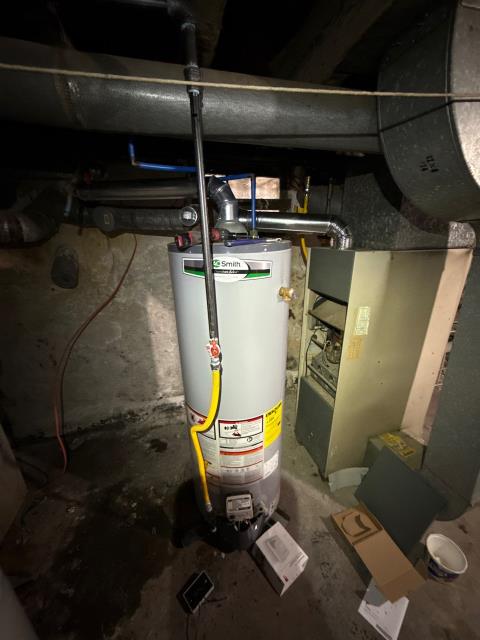
Water Heater Installation in Bucks County & Montgomery County, PA

Whether your old water heater finally gave out or you’re ready to upgrade to a more efficient model, choosing the right replacement—and having it installed correctly—makes all the difference in performance, efficiency, and longevity. A water heater that’s properly sized and professionally installed will serve your family reliably for years to come.

At Home Rangers LLC, we help homeowners throughout Bucks County, Montgomery County, and the Philadelphia area select and install the right water heater for their needs. As a family-owned company based in Warminster, we’re not here to push the most expensive option or rush through an installation. We take time to understand your household’s hot water demands, evaluate your home’s setup, and recommend solutions that genuinely make sense for your situation.

We install gas, propane, and electric tank water heaters from trusted manufacturers like Bradford White, Rheem, and A.O. Smith. Every installation includes proper sizing, code-compliant connections, and thorough testing to ensure your new water heater performs exactly as it should from day one.

Signs It’s Time for a New Water Heater

Water heaters don’t last forever. Knowing when replacement makes more sense than repair can save you from unexpected cold showers, water damage, and wasted money on a dying unit. Here are the key indicators that it’s time to consider a new water heater:

Age Over 10-12 Years

Tank water heaters typically last 10-15 years with proper maintenance. If yours is approaching or exceeding this range, it’s living on borrowed time. Proactive replacement lets you choose the timing rather than dealing with an emergency failure.

Rust or Corrosion on the Tank

Visible rust on the outside of your tank, rust-colored water from hot taps, or rusty water around the base all indicate internal corrosion. Once the tank itself starts corroding, it’s only a matter of time before it leaks. Replacement is the only solution.

Leaking from the Tank

Water pooling around your water heater that’s coming from the tank itself (not a valve or connection) means the tank has failed. This isn’t repairable—you need a new water heater, and sooner is better than later to prevent water damage.

Frequent Repairs

If you’ve called for repairs multiple times in the past year or two, those costs add up quickly. At some point, putting more money into an aging unit stops making financial sense. A new water heater comes with fresh warranties and years of reliable service.

Insufficient Hot Water

Running out of hot water regularly might mean your household has outgrown your current water heater. If your family has grown or your usage has increased, upgrading to a larger capacity unit solves the problem permanently.

Rising Energy Bills

As water heaters age and accumulate sediment, they work harder to heat the same amount of water. If your utility bills have crept up without explanation, an inefficient water heater could be the culprit. Modern units are significantly more efficient.

Choosing the Right Size Water Heater

One of the most important decisions in water heater installation is selecting the right size. Too small, and you’ll constantly run out of hot water. Too large, and you’re paying to heat water you don’t need. Here’s how to think about sizing:

Understanding Tank Capacity

Tank water heaters are measured in gallons—typically ranging from 30 to 75 gallons for residential use. But tank size alone doesn’t tell the whole story. What matters most is the “first hour rating” (FHR), which measures how much hot water the unit can deliver in the first hour of use during peak demand.

General Sizing Guidelines

  • 1-2 people: 30-40 gallon tank
  • 2-3 people: 40-50 gallon tank
  • 3-4 people: 50-60 gallon tank
  • 5+ people: 60-75+ gallon tank or consider multiple units

These are starting points. Your actual needs depend on usage patterns—multiple showers running simultaneously, large soaking tubs, frequent laundry loads, and dishwasher use all affect your hot water demand.

Factors We Consider During Our Assessment

Household Size

More people means more showers, more laundry, more dishes. We factor in not just current residents but anticipated changes—teenagers using more hot water, aging parents moving in, or kids leaving for college.

Peak Demand Patterns

Does everyone shower in the morning before work and school? Do you run the dishwasher while someone’s in the shower? Understanding when you use the most hot water helps us recommend the right capacity.

Fixture Count and Type

Multiple bathrooms, a large soaking tub, a high-flow rain shower—these all increase demand. We assess what fixtures you have and how they’re likely to be used.

Recovery Rate Needs

Recovery rate is how quickly a water heater can reheat a tank of water. If your usage is spread throughout the day, recovery rate matters less. If everyone showers back-to-back, you need a unit that recovers quickly.

We don’t guess at sizing. We evaluate your specific situation and recommend a water heater that will meet your needs without wasting energy on excess capacity.

Gas, Propane, or Electric: Which Is Right for Your Home?

The fuel type for your water heater is often determined by what’s already available in your home, but if you have options, understanding the differences helps you make an informed choice.

Natural Gas Water Heaters

The most common type in homes with natural gas service. Gas water heaters heat water faster than electric models and typically cost less to operate thanks to lower natural gas prices compared to electricity in our area. They require proper venting to safely exhaust combustion gases.

Best for: Homes with existing natural gas service who want lower operating costs and faster recovery.

Propane Water Heaters

Ideal for homes without natural gas access. Propane water heaters offer the same performance benefits as natural gas—fast heating and strong recovery rates. They connect to your home’s propane supply and require the same venting considerations as natural gas units.

Best for: Rural homes or properties without natural gas lines who want gas-level performance.

Electric Water Heaters

Simpler installation with no venting required and no combustion concerns. Electric water heaters have lower upfront costs and can be installed in locations where gas venting isn’t practical. However, they typically have slower recovery rates and higher operating costs in areas where electricity is expensive.

Best for: Homes without gas service, locations where venting is difficult, or situations where simplicity and safety are priorities.

Note: We do not install or service oil-fired water heaters. If you’re currently using an oil-fired unit and considering replacement, we can discuss converting to gas, propane, or electric.

Switching Fuel Types

In some cases, homeowners want to switch from one fuel type to another—usually from electric to gas for better performance and lower operating costs. This is possible but involves additional work: running a gas line, installing proper venting, and potentially upgrading electrical service. We can assess your home and explain what’s involved if you’re considering a fuel type change.

Understanding Water Heater Efficiency

Modern water heaters are significantly more efficient than models from even 10-15 years ago. Understanding efficiency ratings helps you balance upfront costs against long-term operating savings.

UEF: The Efficiency Standard

Water heater efficiency is measured by the Uniform Energy Factor (UEF). The higher the UEF, the more efficient the unit. Gas water heaters typically have UEF ratings between 0.60 and 0.70 for standard models, while high-efficiency models can reach 0.80 or higher. Electric water heaters generally have higher UEF ratings (0.90+) because they don’t lose heat through venting, though this doesn’t always translate to lower operating costs due to electricity prices.

What Higher Efficiency Means for You

A water heater with a UEF of 0.70 converts 70% of its fuel into hot water, while one rated at 0.80 converts 80%. That 10% difference adds up over the 10-15 year lifespan of the unit. We help you calculate whether the savings from a high-efficiency model justify the higher upfront cost for your usage level.

Venting Options and Efficiency

Standard Atmospheric Vent

Traditional gas water heaters vent through a metal flue pipe using natural draft. These are the most affordable option and work well in homes with existing chimneys or B-vent systems. Efficiency is standard but proven reliable.

Power Vent

Uses an electric blower to push exhaust through PVC piping, allowing horizontal venting through a wall. Great for basements and spaces without chimney access. Slightly higher efficiency than atmospheric venting and more installation flexibility.

Direct Vent

Sealed combustion system that draws air from outside and vents directly outdoors. Excellent for tight spaces, bedrooms, or areas where indoor air quality is a concern. Higher efficiency and enhanced safety.

High-Efficiency Condensing

The most efficient gas water heaters available. These units extract additional heat from exhaust gases before venting. Higher upfront cost but significantly lower operating costs. Best for high-usage households.

Quality Brands We Install

We’re selective about the products we install. Our reputation depends on recommending equipment that performs reliably year after year. That’s why we partner with manufacturers known for quality construction, proven performance, and solid warranty support.

Bradford White

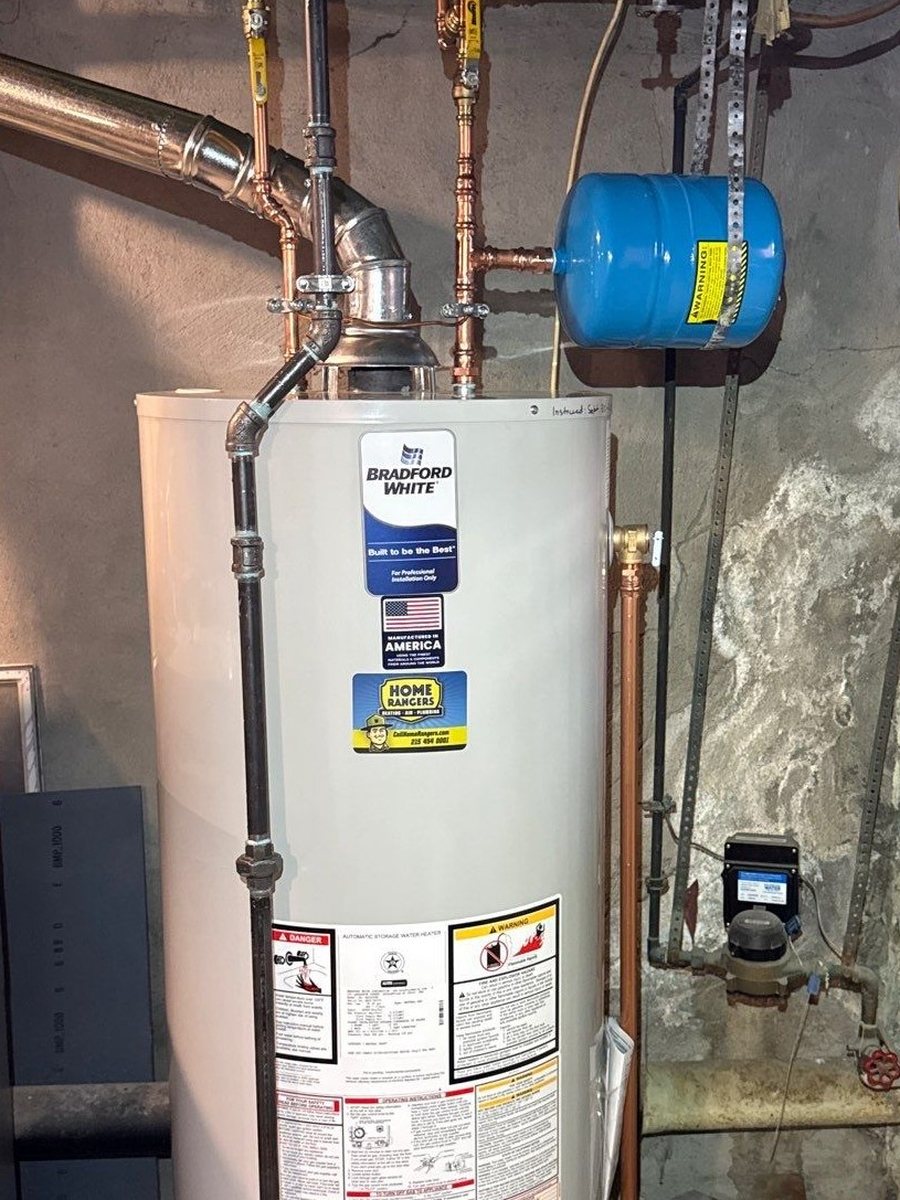
American-made water heaters known for durability and innovation. Bradford White’s Defender Safety System and Vitraglas tank lining set industry standards for safety and corrosion protection. A favorite among plumbing professionals for good reason.

Rheem

One of the largest water heater manufacturers in North America, Rheem offers reliable performance across their entire product line. Their ProTerra hybrid electric and Professional Series gas water heaters combine efficiency with proven reliability.

A.O. Smith

Over 80 years of water heater manufacturing experience. A.O. Smith is known for innovative features like their Dynaclean diffuser dip tube and Blue Diamond glass coating. Solid performers with strong warranty coverage.

We don’t push one brand over another. We recommend the water heater that best fits your specific needs, budget, and home setup. All the brands we install are backed by manufacturer warranties, and we stand behind our installation work.

Our Water Heater Installation Process

Professional installation is just as important as choosing the right water heater. Improper installation can void warranties, create safety hazards, and reduce efficiency and lifespan. Here’s how we approach every installation:

Step 1: Initial Assessment

We evaluate your current setup, discuss your hot water needs, and assess any installation challenges. This includes examining venting options, gas line or electrical capacity, water connections, and available space. We take measurements and note any code requirements specific to your situation.

Step 2: Recommendation and Quote

Based on our assessment, we recommend water heater options that fit your needs and budget. We explain the differences between options, answer your questions, and provide clear pricing. No pressure—you decide what’s right for your family.

Step 3: Scheduling and Preparation

Once you’ve made your decision, we schedule the installation at a time that works for you. We order your water heater and any additional materials needed. For straightforward replacements, installation typically takes 2-4 hours.

Step 4: Safe Removal of Old Unit

We carefully disconnect and drain your old water heater, then remove it from your home. We dispose of the old unit properly—you don’t need to worry about hauling it away yourself.

Step 5: Professional Installation

We install your new water heater according to manufacturer specifications and local building codes. This includes proper connections for water, gas or electrical, venting (for gas units), and safety devices like expansion tanks where required. We use quality materials and take time to do the job right.

Step 6: Testing and Verification

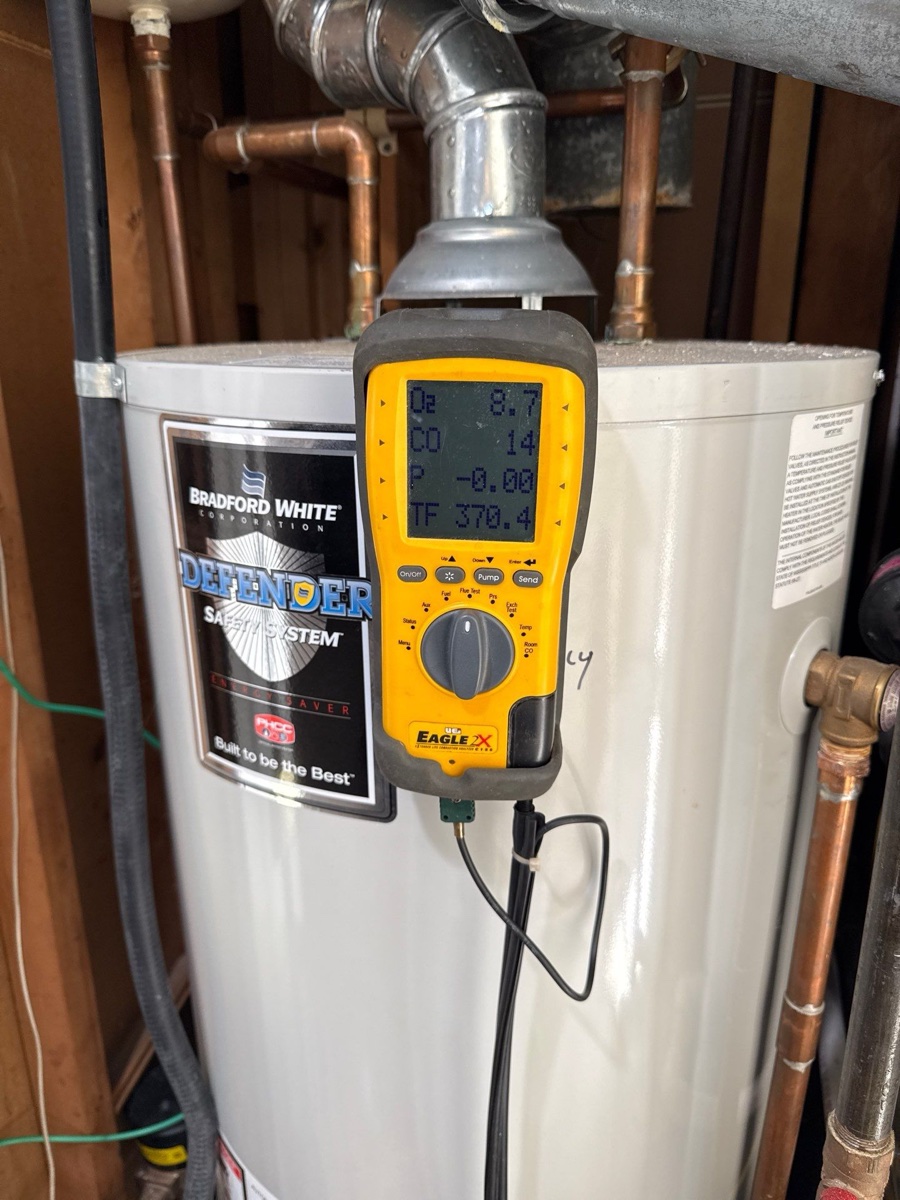
Before we consider the job complete, we thoroughly test the installation. We check for leaks, verify proper venting, confirm gas connections are secure (for gas units), and ensure the water heater is heating correctly. We adjust the temperature setting to your preference.

Step 7: Walkthrough and Education

We show you your new water heater, explain its features, and point out important components like the shutoff valve and temperature adjustment. We share maintenance tips that will help extend its lifespan and answer any questions you have.

Additional Installation Considerations

Sometimes a water heater installation involves more than simply swapping one unit for another. Here are common additional requirements we encounter and address:

Expansion Tanks

Many municipalities now require thermal expansion tanks for new water heater installations. These tanks absorb the pressure created when water heats and expands, protecting your plumbing system. If your home doesn’t have one, we’ll include it in the installation.

Drain Pans

Water heaters installed in finished spaces or above living areas should have drain pans to catch any leaks and direct water to a drain. We install pans where appropriate to protect your home from potential water damage.

Venting Upgrades

Older homes sometimes have venting systems that don’t meet current codes or aren’t compatible with modern high-efficiency water heaters. We assess your venting and make necessary upgrades for safe, proper operation.

Gas Line Sizing

If you’re upgrading to a larger capacity gas water heater or switching from electric to gas, your existing gas line may need to be upsized to provide adequate fuel supply. We evaluate gas line capacity as part of our assessment.

Electrical Upgrades

Electric water heaters require dedicated circuits with appropriate amperage. If your home’s electrical setup doesn’t meet requirements for your new unit, we coordinate necessary upgrades.

Water Connection Updates

Old, corroded shutoff valves or supply lines should be replaced during installation. We use quality materials for all connections to prevent future problems and ensure reliable operation.

We identify these requirements during our initial assessment and include them in our quote. No surprises—you’ll know the full scope of work and cost before we begin.

Permits and Code Compliance

Water heater installation isn’t just about connecting pipes and wires—it’s regulated work that must meet local building codes. Proper permitting and inspection protect you, your home, and your investment.

Why Code Compliance Matters

  • Safety: Codes exist to prevent fires, gas leaks, carbon monoxide poisoning, and water damage.
  • Insurance: Unpermitted work can void insurance coverage if problems arise.
  • Resale: When you sell your home, unpermitted work can complicate the transaction.
  • Warranty: Manufacturer warranties often require professional, code-compliant installation.

Different municipalities in Bucks County and Montgomery County have varying requirements for water heater permits. Some require permits for all water heater replacements; others only for fuel type changes or new installations. We know the requirements in the communities we serve and handle permitting as part of our service when required.

Choosing a licensed, insured plumber who follows codes isn’t just the safe choice—it’s the smart one.

Why Bucks County Homeowners Trust Home Rangers for Water Heater Installation

Installing a new water heater is a significant investment. Choosing the right company to do the work matters as much as choosing the right equipment. Here’s why families throughout our service area choose Home Rangers:

Right-Sized Recommendations

We don’t oversell or undersell. We take time to understand your hot water needs and recommend equipment that actually fits your household—not the most expensive option or the cheapest one that might leave you wanting.

Quality Installations

We don’t cut corners. Every installation follows manufacturer specifications and local codes. We use quality materials, make proper connections, and test thoroughly. Our work lasts because we do it right the first time.

Clear, Honest Pricing

You’ll know exactly what you’re paying for before we start. Our quotes are detailed and comprehensive—no hidden fees, no surprise charges at the end of the job. The price we quote is the price you pay.

Family-Owned Accountability

We’re not a franchise sending out whoever’s available. We’re a local family business based in Warminster, and our reputation in this community matters to us. When we install your water heater, our name is on that work.

Respectful Service

We show up when scheduled, protect your floors, and clean up when we’re done. We explain what we’re doing and answer your questions. We treat your home—and you—with respect.

Warranty Support

We install quality equipment with manufacturer warranties, and we warranty our own installation work. If something isn’t right, we make it right. Your satisfaction and the long-term performance of your water heater matter to us.

Licensed & Insured

Fully licensed Pennsylvania plumbing contractor with comprehensive liability coverage protecting you and your property.

Background-Checked Technicians

Every technician on our team passes a thorough background check. Your safety and peace of mind come first.

Manufacturer-Trained

Our plumbers are trained on the equipment we install. Proper installation according to manufacturer specifications protects your warranty.

Family-Owned, Locally Operated

Not a franchise or national chain. A real local family business with roots in Bucks County and accountability to our neighbors.

Water Heater Installation Across Bucks County, Montgomery County & Philadelphia

From our home base in Warminster, we provide professional water heater installation throughout the region. Whether you’re replacing a failed unit or upgrading to something more efficient, we’re here to help.

Communities We Serve:

Recent Jobs and Reviews

Rated 5.0 out of 5 stars based on 46 customer reviews

Customers say: The reviews reflect an overwhelmingly positive sentiment toward the service provider. Customers consistently express high satisfaction with the company's responsiveness, professionalism, and technical expertise. The overall tone is decidedly positive, with recurring themes of prompt service, knowledgeability, and helpfulness. Clients particularly appreciate the clear communication, honesty, and thorough explanations provided during service visits. Many reviews highlight the technicians' willingness to take time explaining systems and offering helpful recommendations. The company appears to excel at customer service, with several reviewers indicating they plan to use the service again or establish ongoing maintenance contracts. The professional demeanor and problem-solving abilities of the staff are frequently praised, contributing to a strong reputation for reliability and quality workmanship.

Don’t see your town listed? We likely serve your area. Give us a call to confirm we can help with your water heater installation.

Frequently Asked Questions: Water Heater Installation

How long does water heater installation take?

A straightforward replacement—same fuel type, same location, no complications—typically takes 2-4 hours. If additional work is needed like venting upgrades, gas line modifications, or electrical changes, the job may take longer. We’ll give you a time estimate based on your specific situation.

What size water heater do I need for my home?

Size depends on household size and usage patterns. Generally, 1-2 people need 30-40 gallons, 2-3 people need 40-50 gallons, 3-4 people need 50-60 gallons, and larger households need 60-75+ gallons. However, peak demand patterns matter too—we’ll help you determine the right size during our assessment.

How much does a new water heater cost?

Total installed cost depends on the type of water heater, capacity, efficiency level, and any additional work needed. Standard tank water heaters are generally less expensive than high-efficiency or specialty units. We provide detailed quotes that include equipment, materials, and labor with no hidden fees.

Should I get a gas or electric water heater?

If you have natural gas service, gas water heaters typically offer lower operating costs and faster recovery. Electric water heaters have simpler installation and no venting requirements. The best choice depends on what’s available in your home, your budget, and your priorities. We can discuss the pros and cons for your specific situation.

Do I need a permit for water heater installation?

Permit requirements vary by municipality. Many areas in Bucks County and Montgomery County require permits for water heater replacement. We know the requirements in the communities we serve and handle permitting when required.

What brands of water heaters do you install?

We install quality brands including Bradford White, Rheem, and A.O. Smith. These manufacturers have proven track records for reliability and stand behind their products with solid warranties. We recommend the brand and model that best fits your specific needs.

Will you remove my old water heater?

Yes, removal and disposal of your old water heater is included in our installation service. We disconnect, drain, and haul away the old unit so you don’t have to deal with it.

What’s an expansion tank and do I need one?

An expansion tank absorbs pressure created when water heats and expands in a closed plumbing system. Many municipalities now require them for new water heater installations. If your home needs one and doesn’t have it, we’ll include it in the installation.

How long do water heaters last?

With proper maintenance, tank water heaters typically last 10-15 years. Factors affecting lifespan include water quality, maintenance frequency, usage level, and installation quality. Regular anode rod checks and occasional flushing can extend your water heater’s life.

What warranty comes with a new water heater?

Water heaters come with manufacturer warranties that typically cover the tank for 6-12 years depending on the model, with shorter coverage for parts. We also warranty our installation work. We’ll explain all warranty coverage before you make your decision.

Whether your AC stopped cooling, your furnace won’t ignite, your water heater is leaking, or your drains are backing up — Home Rangers is here to help. As Warminster’s hometown HVAC and plumbing company, we treat every customer like a neighbor, because you are.

Ready for Home Service You Can Trust?

or call us at:

Scroll to Top