Home Rangers
Backflow Testing in Bucks & Montgomery County, PA
Home Rangers provides backflow testing for homes and businesses in Bucks County, Montgomery County, and nearby Philadelphia. Whether you received a testing notice, need an annual inspection, or require retesting after repair, contact our team to schedule service for your backflow prevention assembly.

Family-Owned, Local HVAC & Plumbing Team
Free Estimates On Installations & Replacements
Same-Day & Emergency Service, 24/7
Master-Licensed in PA, NJ & DE
Upfront Pricing, No Surprises
Backflow Prevention Testing
What Is Backflow Testing?
Backflow testing is a field test of a backflow prevention assembly to check whether its internal components meet the required performance criteria. A tester connects a test kit to the assembly’s test ports and follows the procedure for that device type. The purpose is to check the protection against reverse flow toward the drinking water supply.
Test Timing
When Should a Backflow Preventer Be Tested?
Testing is commonly required on a recurring schedule, when an assembly is installed, or after repair. The applicable water provider sets the requirements for your property.
Use the due date on your utility notice or existing test record to plan the next visit.
Check whether an initial test is required before the connected system enters service.
Retesting checks whether the serviced assembly now meets the required criteria.
Local Requirements
Annual Testing & Backflow Certification in Pennsylvania
Requirements depend on the water provider, property and connection. A rule used in Wichita or Illinois does not establish the testing schedule for your Pennsylvania address.
Philadelphia Water Department
PWD requires containment assemblies to be tested upon installation, after repairs and annually. Testing must be performed by a City-certified backflow prevention technician, with results documented on Form 79-770.
Bucks & Montgomery County
Check the notice from the utility serving your address for the deadline, accepted tester and reporting method. Aqua PA specifically requires annual testing of a testable device when an active private well is retained alongside a new Aqua service connection.
What “certification” means
For a property owner, backflow certification generally refers to the required test documentation. Tester certification is the technician’s qualification; it is separate from the assembly’s pass/fail result.
Choose the right tester
Before hiring a backflow testing company, verify that the individual tester’s credentials are accepted for your utility and system. Philadelphia publishes separate technician lists for domestic water and fire sprinkler systems.
Check the official PWD backflow resources and technician lists or Aqua’s water connection guidance for the applicable details.
Systems & Assemblies
Residential, Irrigation & Commercial Backflow Testing
The connection being protected and the assembly installed determine the testing procedure. Share the system type when requesting an appointment; availability must be confirmed for the specific application.
| Application | What matters for the test |
|---|---|
| Residential backflow testing | Identify the testable assembly serving the home or connected system. A residential address alone does not determine whether annual testing is required. |
| Irrigation & lawn sprinklers | Identify the installed irrigation assembly and ensure it is accessible. Sprinkler startup and winterization are separate tasks from the backflow field test. |
| Commercial properties | Provide the number and locations of assemblies, site access restrictions and a suitable shutdown window. |
| Fire sprinkler backflow testing | Confirm the required specialist credentials and impairment coordination with the responsible fire protection provider. A backflow test does not replace inspection of the entire fire sprinkler system. |
Field Test
How Backflow Prevention Testing Works
Field tests follow an accepted procedure for the assembly, using appropriate test equipment. Inspection alone cannot establish that the internal checks pass.
Identify & inspect
Review the model, size and serial number; check access, visible damage, shutoff valves and test ports.
Perform the field test
Connect the test kit and measure the relevant pressure differences and component operation for the assembly type.
Record the findings
Document readings and pass/fail results. Distinguish a failed component from an access or shutoff problem that prevents completion.
Review the outcome
Explain the result and any follow-up. Confirm who supplies the report and submits it to the utility, and whether filing is included in the appointment.
Assembly Types
RPZ, Double Check & Vacuum Breaker Testing
Backflow prevention device testing is not one identical test for every assembly. The model must be identified before choosing the procedure.
Reduced pressure principle assemblies have two check valves and a differential pressure relief valve. Testing evaluates their operation under the applicable procedure.
The two check valves are tested to evaluate whether they hold the required differential pressure.
Pressure vacuum breaker and spill-resistant vacuum breaker assemblies have their own field tests. Not every small backflow device has test ports for this type of testing.
Pricing
How Much Does Backflow Testing Cost?
Backflow testing cost depends on the assembly type and size, the number of devices, access and reporting requirements. Request a property-specific quote so you can compare the same scope of work.
Residential testing cost
Identify whether the quote covers one assembly or multiple devices, and whether a visit charge is included.
Commercial testing cost
Larger assemblies, multiple locations and access or shutdown coordination can affect the quoted scope.
Documentation & filing
Ask whether the test report, submission and any utility or portal processing charges are included.
Repairs & retesting
A test-only price may exclude parts, repairs and a return visit. Confirm these charges before authorizing additional work.
Failed Test
What Happens If a Backflow Assembly Fails?
A failed test does not automatically require a new assembly. The finding should guide the next step, rather than replacement based only on the age of the device.
Debris, worn seals or a damaged component may affect performance. The failed reading helps direct the evaluation.
Repairability, condition, available parts and whether the assembly remains suitable for the application should guide the decision.
A repaired or replaced assembly needs the applicable follow-up test and updated documentation. Keep track of any utility deadline.
Local Service Area
Backflow Testing in Bucks & Montgomery County, PA
Looking for backflow testing near you? Contact Home Rangers with your address in Bucks County, Montgomery County, nearby Philadelphia or surrounding communities. Confirm availability for your assembly and water provider before booking. The communities below are part of our broader service area.
Customer Reviews
What Local Customers Say About Home Rangers
Read customer feedback about Home Rangers service, communication and workmanship. These reviews cover the company’s work across its service categories.




Backflow Service Photos
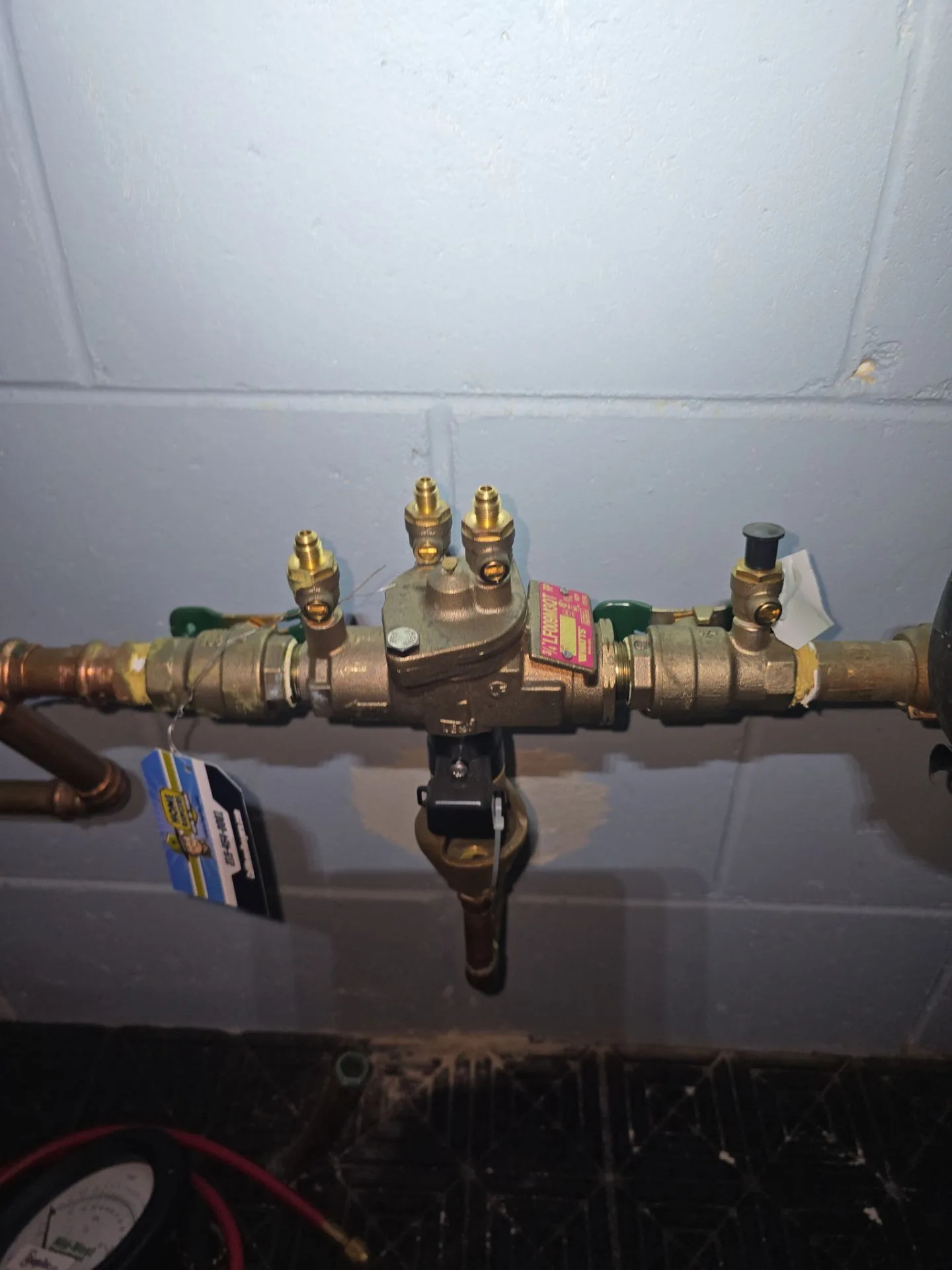
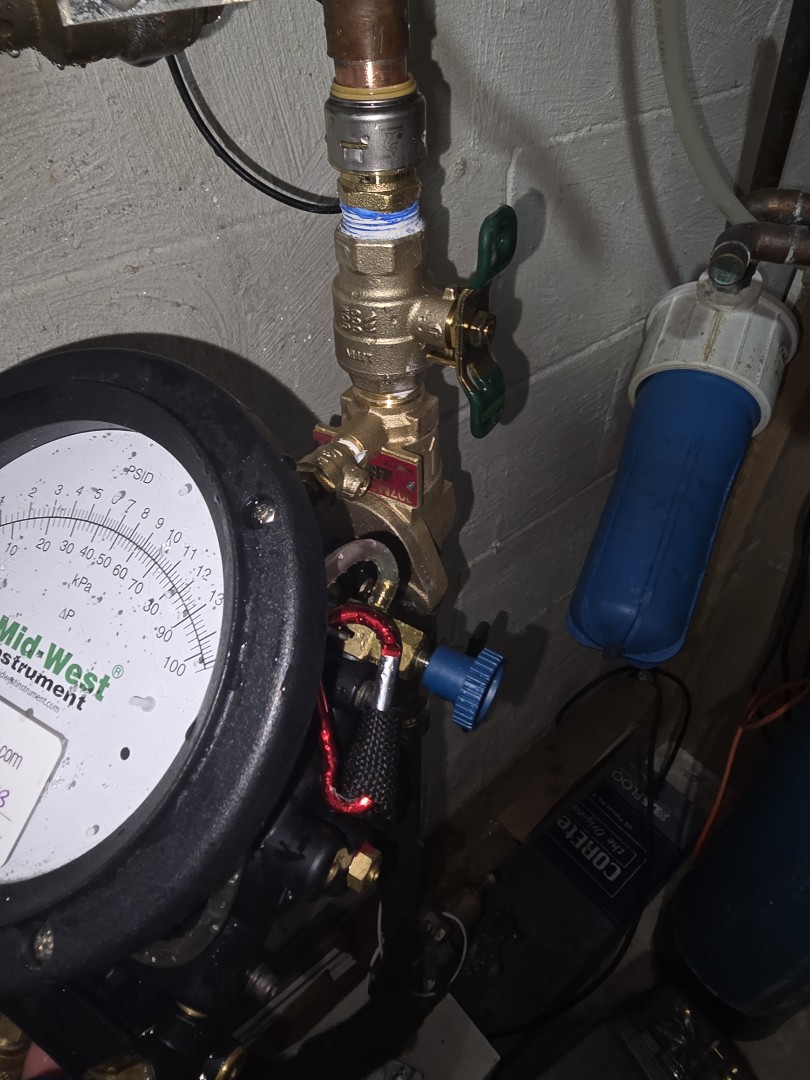
See Backflow Plumbing Work Completed by Home Rangers
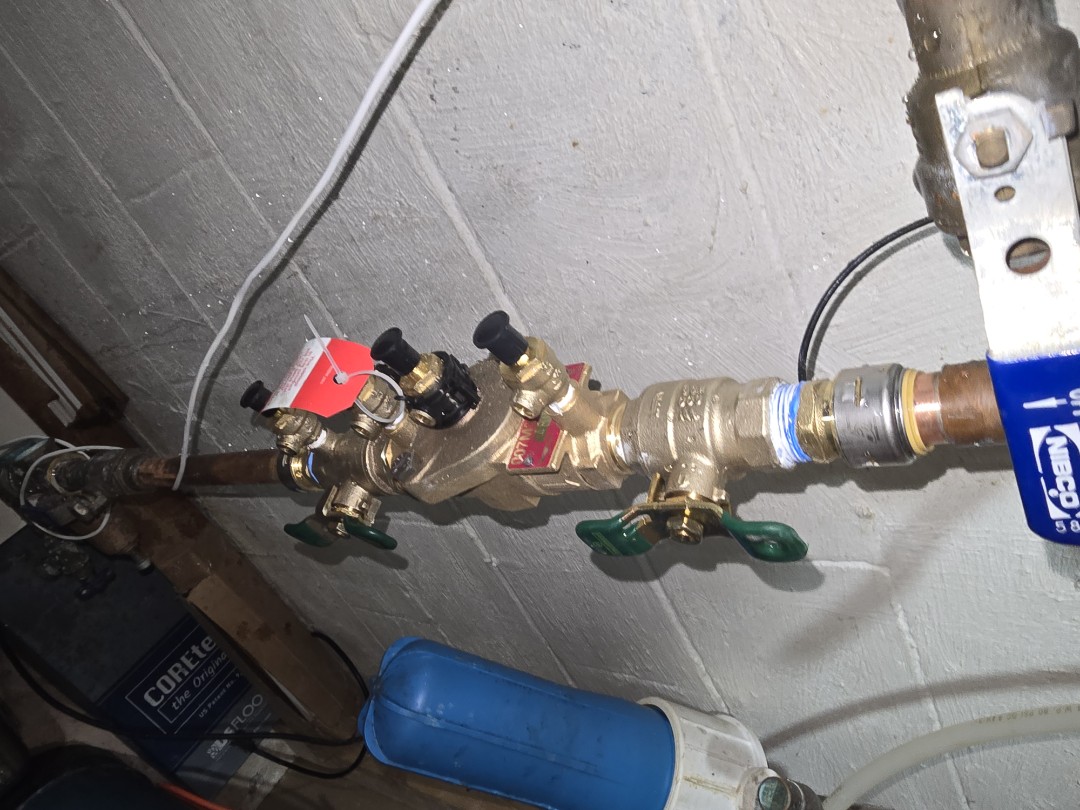
View examples of backflow prevention assemblies and related plumbing work from Home Rangers. These photos show device installations and service access; they do not document a passing test result.
Local Jobs
Recent Jobs and Reviews
Explore Home Rangers job updates tagged for backflow. Individual entries describe the work performed; testing, repair and installation are separate service activities.
Recent Jobs and Reviews
Related Services
Backflow Services, Repair & Prevention
Explore the broader backflow service hub, repair and installation options, or related water treatment and plumbing services.
Practical Questions
Backflow Testing FAQs
Plan for access, water interruptions and the correct type of service before your appointment.
Have your testing notice ready? Call to review the appointment.
Will my water be turned off during backflow testing?
The affected line generally needs to be isolated during the field test. The impact depends on the assembly location and plumbing layout. Mention operations or equipment that cannot tolerate an interruption when arranging the visit.
How long does a backflow test take?
The appointment length depends on the number of assemblies, accessibility, device condition and paperwork. Damaged shutoffs or inaccessible test ports can prevent completion. Ask for an appointment estimate using photos and device details.
Can I test a backflow preventer myself?
A compliance field test requires the correct equipment, procedure and credentials accepted by the water provider. A homeowner’s visual check does not replace a required test by an approved tester.
Do I need testing if the assembly looks fine and does not leak?
Yes, if your water provider requires it. An assembly can look intact while an internal component fails its performance test. Appearance alone is not proof of a passing result.
Does a passing test prove my drinking water is safe?
No. A passing result documents the assembly’s performance at the time of testing. It does not establish the chemical or microbiological quality of your water. Ask your water provider about water-quality concerns and any appropriate sampling.
Is backflow testing certification a technician training course?
That search can refer to two different needs: a property owner’s compliance test report or a technician’s qualification course. This page covers testing service for property owners; it does not offer tester training or certification courses.
What if my testing deadline has already passed?
Contact the water provider to clarify the notice and required next steps, then call with the deadline and device details. Do not assume that booking a visit extends the deadline or removes the reporting requirement.
Latest HVAC & Plumbing Guides
Helpful tips, cost guides, and expert advice from Home Rangers.
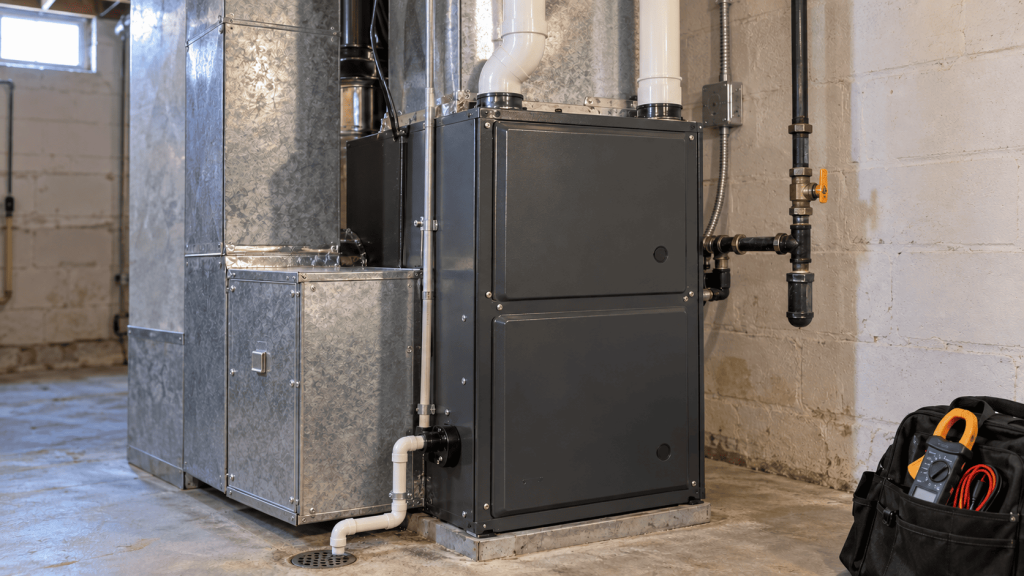
How Much Does Furnace Repair Cost in 2026?
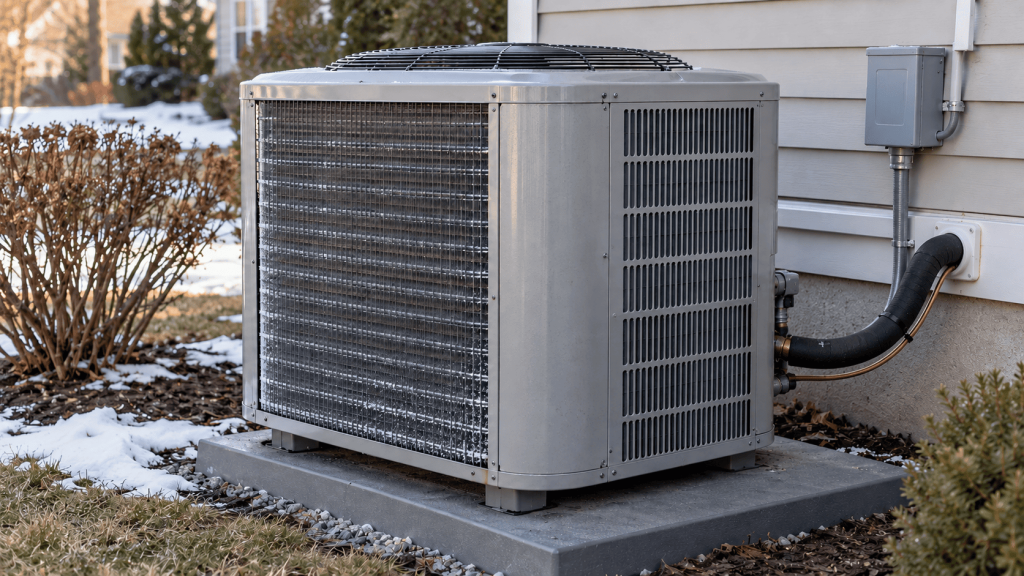
Heat Pump Not Heating or Blowing Cold Air? Causes & Fixes
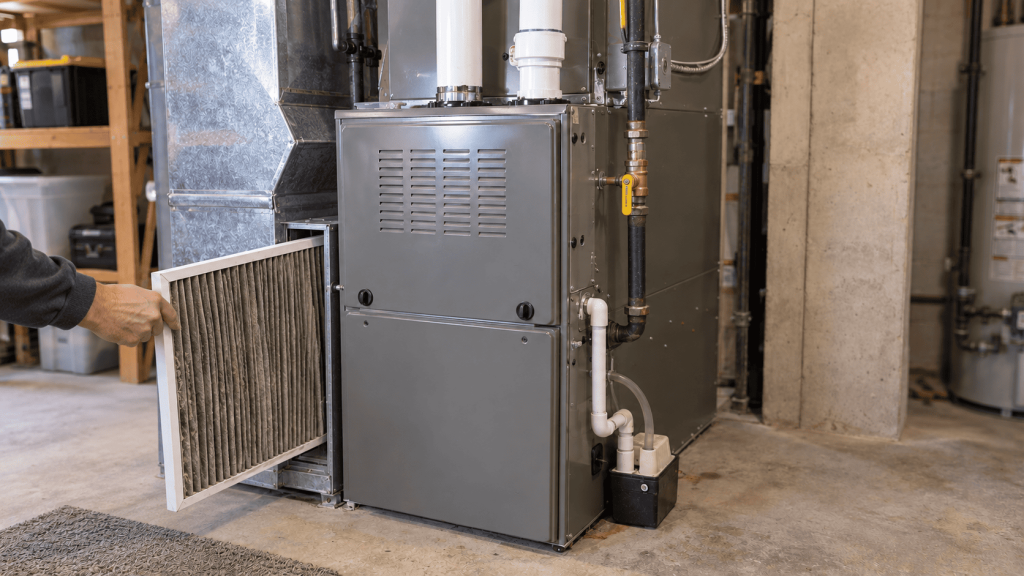
Why Is My Furnace Blowing Cold Air? Causes, Fixes & What to Check First
Current Specials
Current HVAC & Plumbing Offers
Strong offers built to help you book service faster, save on repairs, and lock in ongoing system protection without digging through the whole site.
Diagnostic Only $49
Fast HVAC or plumbing diagnostic during regular business hours. If you approve the repair, we’ll credit the diagnostic toward the work. Use code RANGERS49 when booking online.
Book Online$75 Off Any Repair Over $300
Save on qualifying HVAC or plumbing repairs when the fix goes beyond a quick minor adjustment and you want real value on a bigger repair.
Book OnlineHome Rangers System Protection Plan: First Month Free
Start your membership at $19.95/mo, get your first month free, and unlock priority scheduling, tune-ups, and repair savings.
View PlanOffer details can change by season, equipment eligibility, service area, lender approval, and program availability. Diagnostic offer is for regular-hours service only. Repair discount cannot be combined with diagnostic credit or other offers.
Lennox systems and verified dealer support
Home Rangers appears on the official Lennox dealer locator for Warminster. Ask about Lennox air conditioners, heat pumps, furnaces, and mini-split options, along with system sizing and financing options for eligible installations.
Whether your AC stopped cooling, your furnace won’t ignite, your water heater is leaking, or your drains are backing up, Home Rangers is here to help. As Warminster’s hometown HVAC and plumbing company, we treat every customer like a neighbor, because you are.
Ready for Home Service You Can Trust?
Book Nowor call us at:
(215) 454-0001