Home Rangers
Ductless Mini-Split Repair in Bucks & Montgomery County, PA
Home Rangers provides residential ductless mini-split repair in Bucks County, Montgomery County, Philadelphia, and nearby PA communities. We diagnose cooling, heating, drainage, airflow, control, and refrigerant-related problems before recommending the appropriate repair.

Family-Owned, Local HVAC & Plumbing Team
Free Estimates On Installations & Replacements
Same-Day & Emergency Service, 24/7
Master-Licensed in PA, NJ & DE
Upfront Pricing, No Surprises
Ductless Mini-Split Repair
Professional Ductless Mini-Split Repair for Cooling and Heating Problems
A ductless system can lose cooling or heating performance because of an issue with the indoor unit, outdoor unit, condensate drain, electrical components, controls, airflow, or refrigerant circuit. Home Rangers provides residential ductless mini-split repair services for systems that stop running, fail to maintain the selected temperature, leak water, display error codes, or make unusual noises.
The service visit begins with diagnosis rather than replacing parts based on symptoms alone. The technician checks system operation and accessible components to identify the source of the problem, explain the available repair options, and determine whether repair remains practical for the equipment.
Trusted Service For All Major HVAC Brands
Signs You Need Repair
Signs Your Ductless Mini-Split Needs Professional Repair
Some mini-split problems develop gradually, while others cause the system to stop working without warning. Schedule professional ductless mini-split repair if you notice reduced comfort, recurring fault codes, moisture, abnormal sounds, or other changes in system operation.
The system runs but produces weak airflow, blows air at the wrong temperature, or cannot maintain the selected setting.
Water near the indoor unit, poor condensate drainage, or ice on the coils can indicate an airflow, drainage, or refrigerant-related problem.
Rattling, grinding, buzzing, or persistent musty odors should be inspected before the problem becomes more serious.
Flashing indicators, repeated shutdowns, short cycling, or controls that stop responding may point to a sensor, wiring, or control-board issue.
A sudden increase in energy consumption may indicate that the mini-split is running longer or working harder because of reduced airflow or a system fault.
Repair Photos
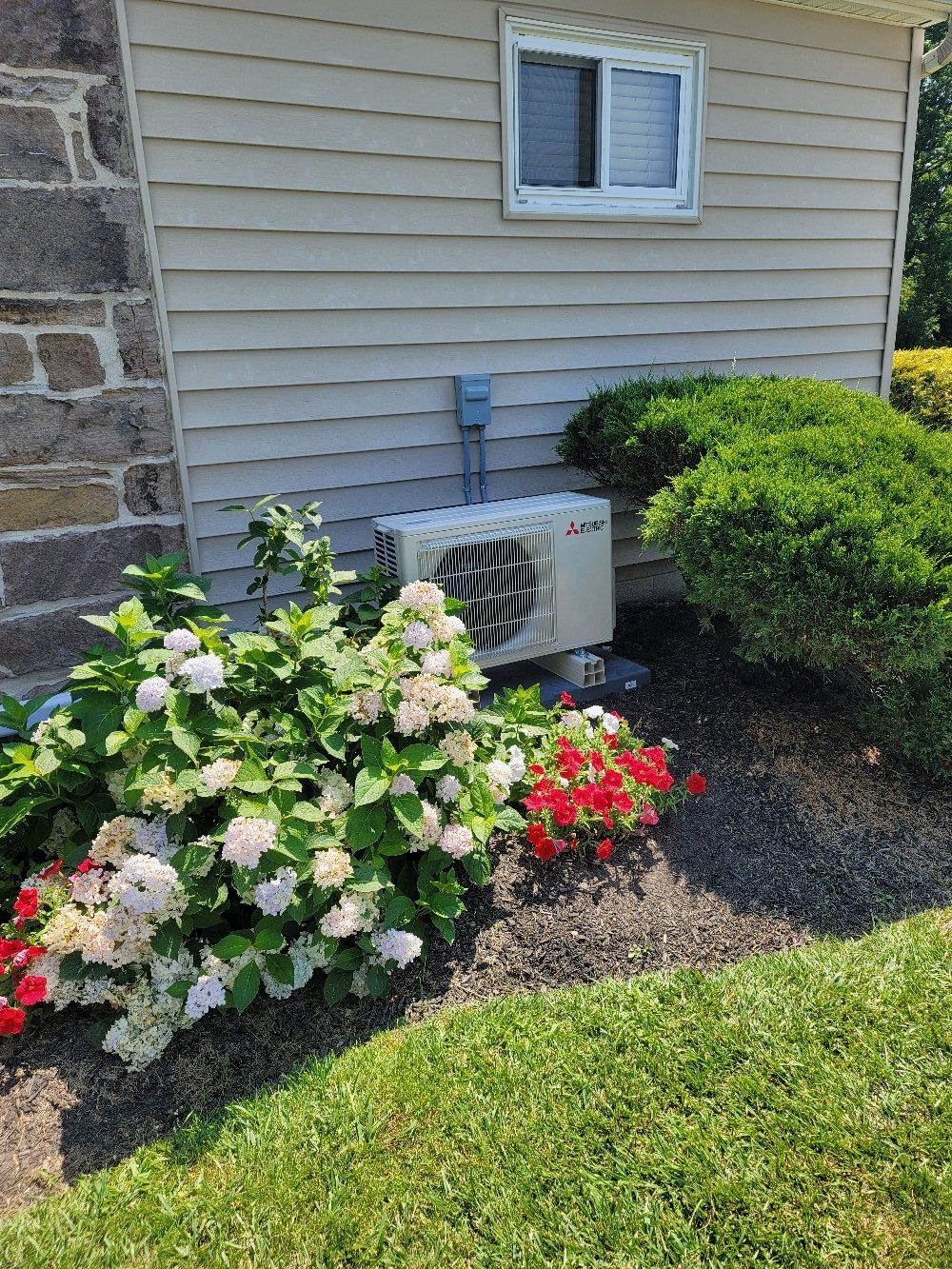
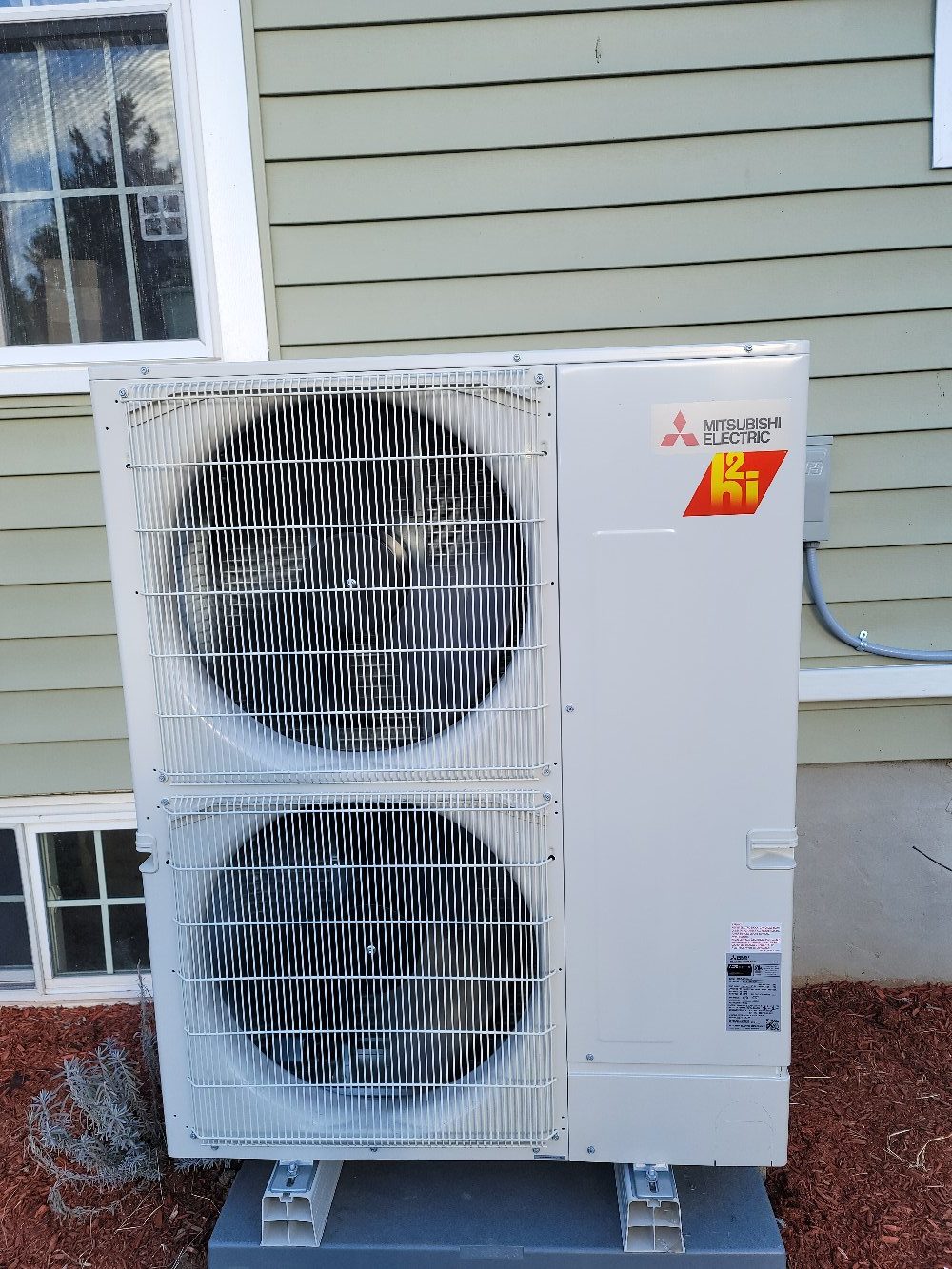
Ductless Mini-Split Repair Photos from Local Service Calls
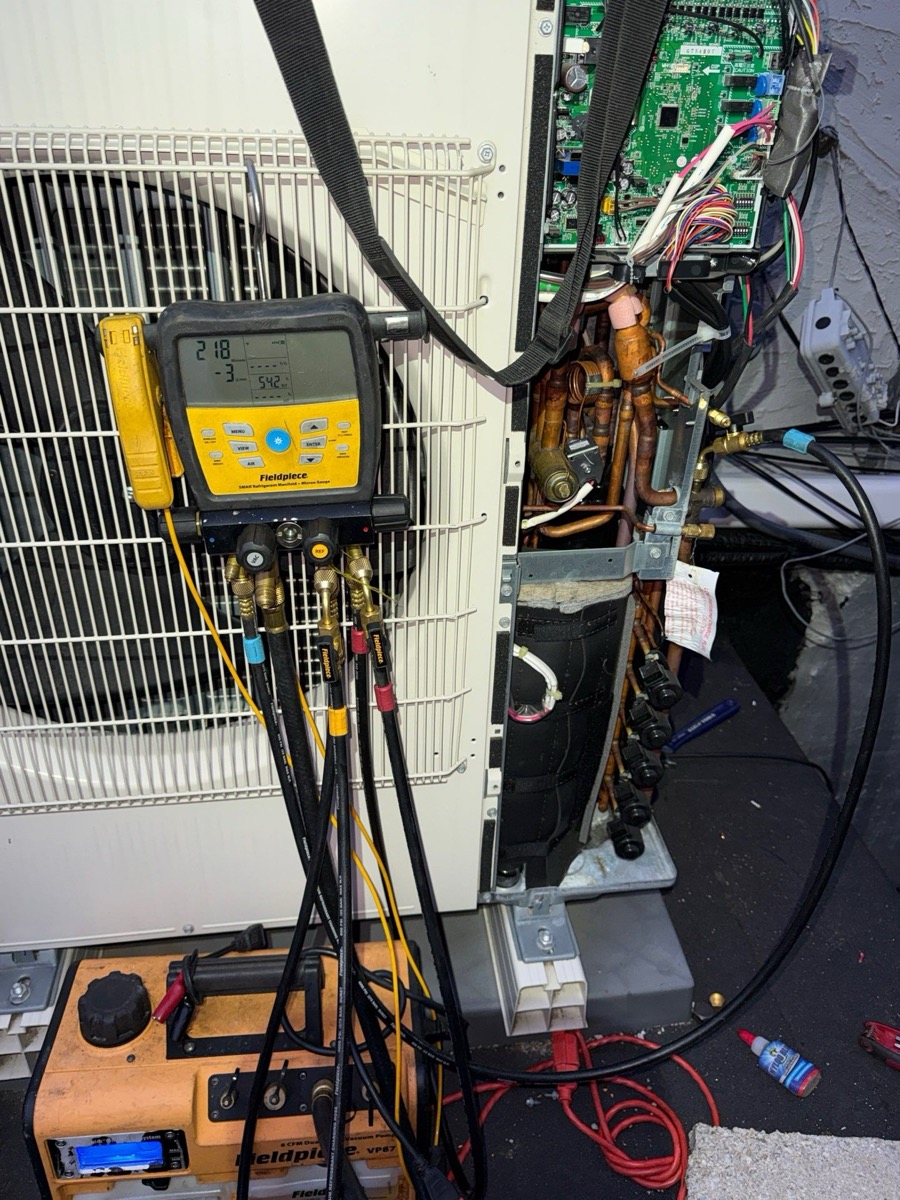
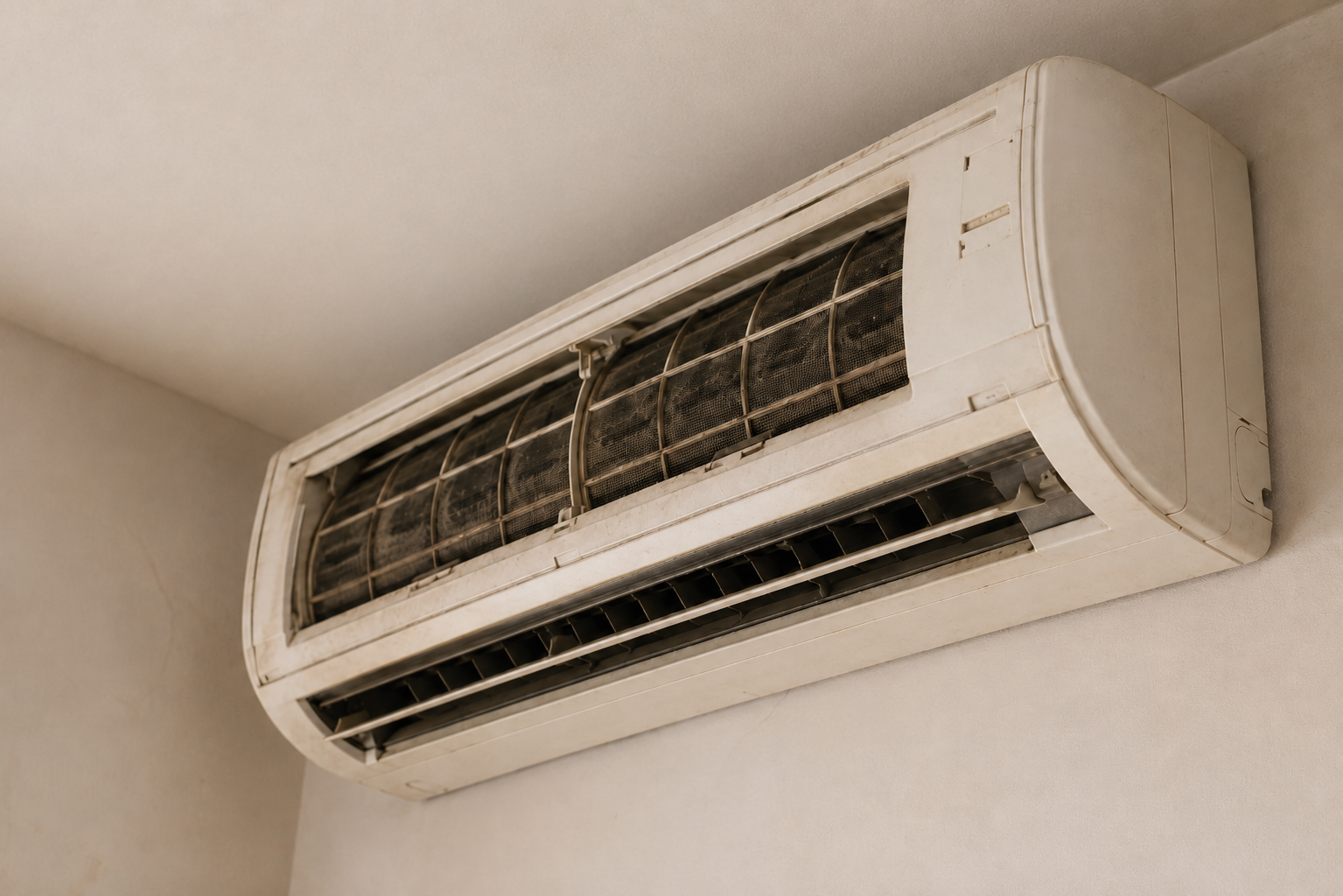
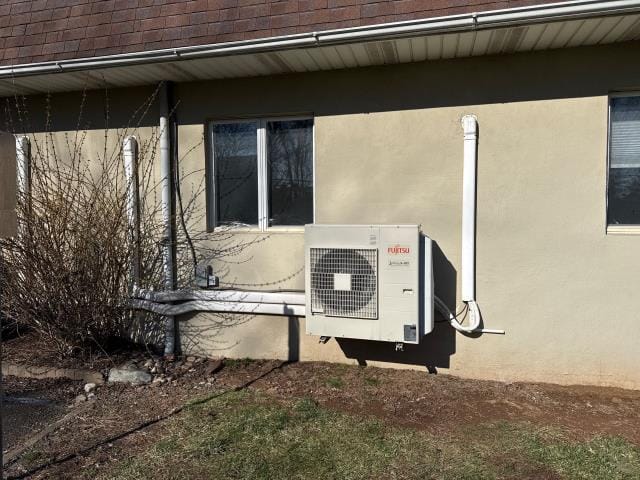
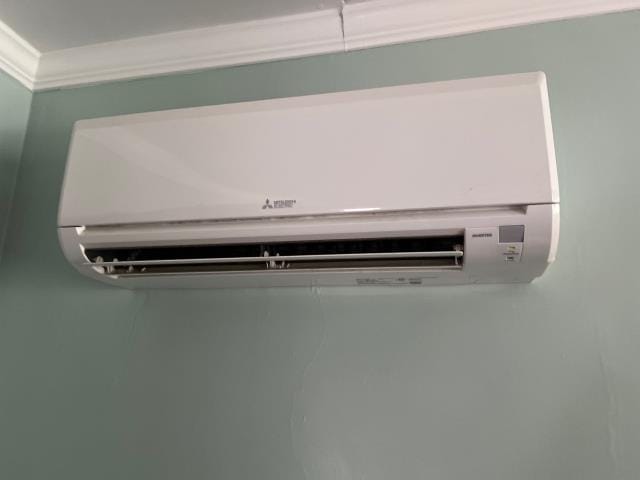
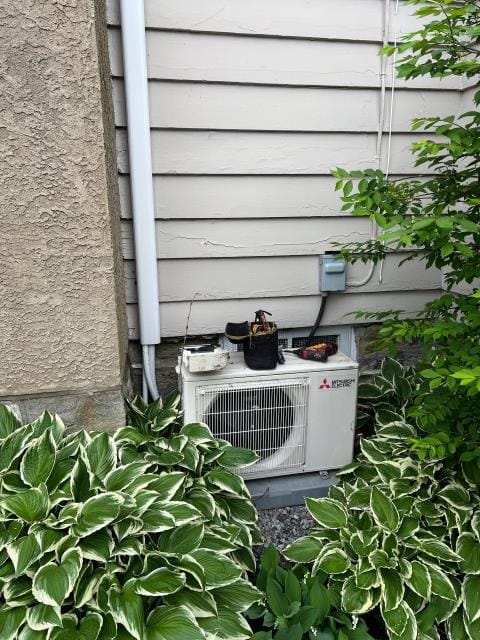
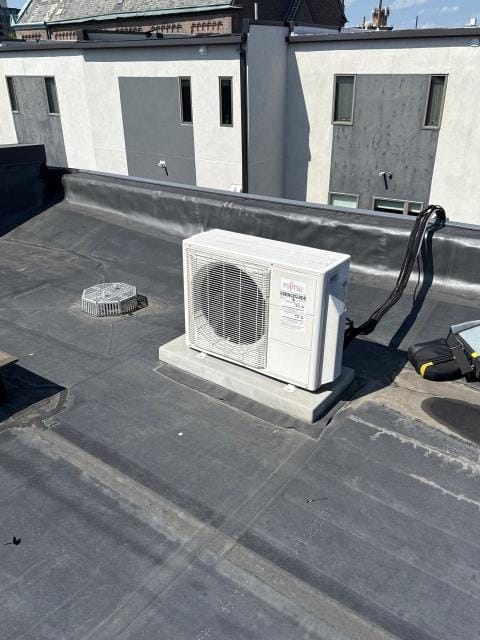
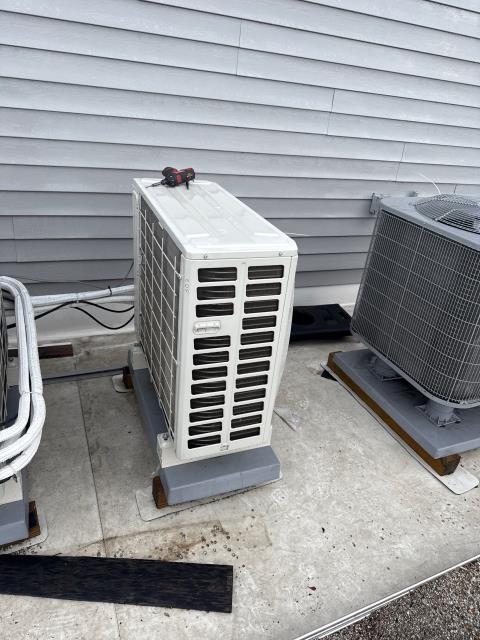
These photos show real ductless mini-split service work performed by Home Rangers, including indoor and outdoor unit inspections, drainage problems, refrigerant-line repairs, coil cleaning, electrical checks, and system testing.

Repair Process
Ductless Mini-Split Repair Process from First Call to Completion
Home Rangers follows a structured process for ductless mini-split repair across Bucks County, Montgomery County, Philadelphia, and nearby PA communities. Each visit starts with understanding the issue, diagnosing system performance, and clearly explaining repair options before any work is completed.
Contact
Share your issue, system symptoms, location, and basic equipment details when requesting service.
Diagnose
Technician evaluates indoor and outdoor units, airflow, controls, drainage, and system response.
Recommend
Based on findings, repair, maintenance, or further system evaluation is explained clearly.
Restore
Comfort is restored where possible, and next steps are provided if additional work is needed.
Diagnostic Details
What We Check During Ductless Mini-Split Service and Repair
Similar symptoms can have different causes. Weak cooling, for example, may be related to restricted airflow, dirty coils, controls, sensors, the outdoor unit, or the refrigerant circuit. A proper diagnosis helps identify the source of the problem before parts or replacement are recommended.
During a ductless mini-split service visit, the technician evaluates system operation and the components related to the reported issue. The exact checks depend on the equipment, symptoms, accessibility, and diagnostic findings.
Indoor Unit and Airflow
Filters, blower components, coils, temperature output, and airflow are checked when performance is weak or uneven.
Drainage and Moisture
The condensate drain, drain pan, connections, and visible moisture are inspected when the indoor unit leaks or does not drain correctly.
Outdoor Unit and Refrigerant Circuit
The outdoor unit, line connections, coils, and refrigerant-related symptoms are evaluated when heating or cooling performance declines.
Electrical Components and Controls
Wiring, sensors, communication, remote or thermostat response, and accessible control components are tested when the system displays errors or shuts down.
Service Area
Ductless Mini-Split Repair Across Bucks and Montgomery Counties
Home Rangers provides residential ductless mini-split repair in Bucks County, Montgomery County, nearby Philadelphia, and surrounding Pennsylvania communities. Local service is available for cooling, heating, drainage, airflow, electrical, and control-related mini-split problems.
Customer Reviews
What Local Customers Say About Home Rangers
Read verified customer reviews about Home Rangers technicians, HVAC diagnostics, repair recommendations, communication, and service experience across local Pennsylvania communities.




Recent Work
Recent Ductless Mini-Split Repair Jobs in Our Service Area
Explore recent Home Rangers service calls involving ductless mini-split diagnostics and repairs. These field reports show real work on drainage clogs, refrigerant issues, damaged lines, error codes, indoor-unit mounting, coils, electrical components, and heating or cooling performance.
Recent Jobs and Reviews
At a glance
Home Rangers Heating, Air & Plumbing has completed 8 jobs between June 2025 and December 2025.
The most recent job was on December 17, 2025.
Recent work covers Philadelphia, PA and Bensalem Township, PA.
Job Locations and Reviews
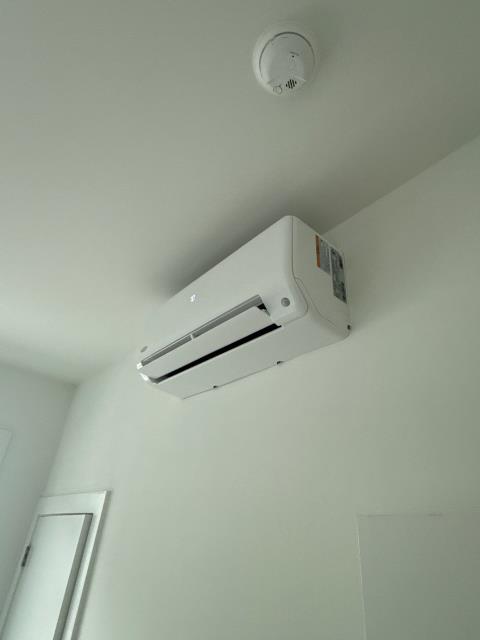

Conducted a heating system diagnostic, after the customer reported a recurring PC03 error and the heat triggered a fire alarm in the living room of a rental home. After checking system operation, we found the refrigerant may be slightly low, though the issue can also be caused by factors such as a dirty filter or the system reaching operating limits during very cold temperatures below 32°F, which can lead to a temporary lockout. At this time, the system is operating, and we advise monitoring performance, with a plan to review repair or replacement options if the issue becomes more frequent.
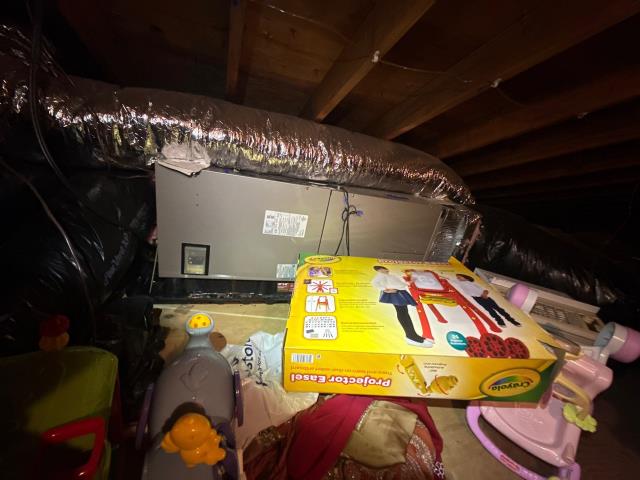
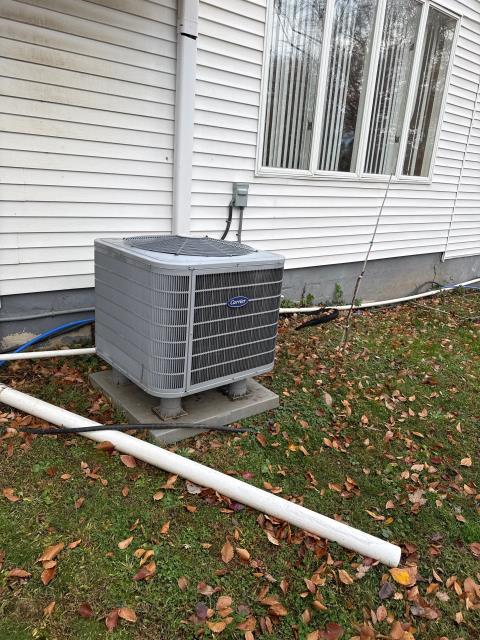
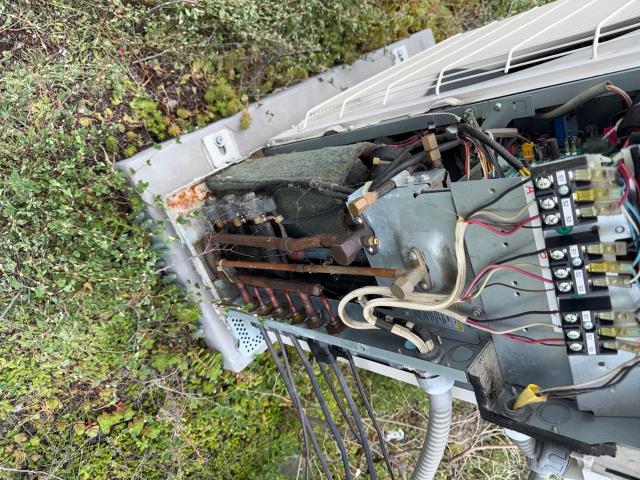
Wrapped up a diagnostic visit at a homeowner’s property to address ongoing issues with a Mitsubishi Electric indoor unit and a Carrier central air system. The Mitsubishi mini-split was found low on refrigerant, with quick-connect fittings using pipe sealant instead of proper field flaring, and the high-voltage wire run without conduit or proper support, contributing to operational issues. The Carrier heat pump’s compressor had failed and was tripping the breaker, preventing heating. Both systems are under warranty, and the homeowner was advised on repair options to restore safe and reliable heating and cooling throughout the home.
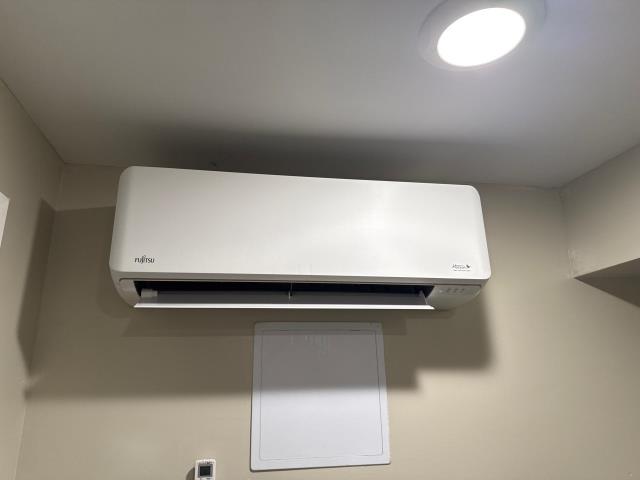
Addressed a service request, inspected a Fujitsu mini-split system, confirmed remote compatibility, and cleared a clogged drain line. The system is now fully operational, ready for occupancy.
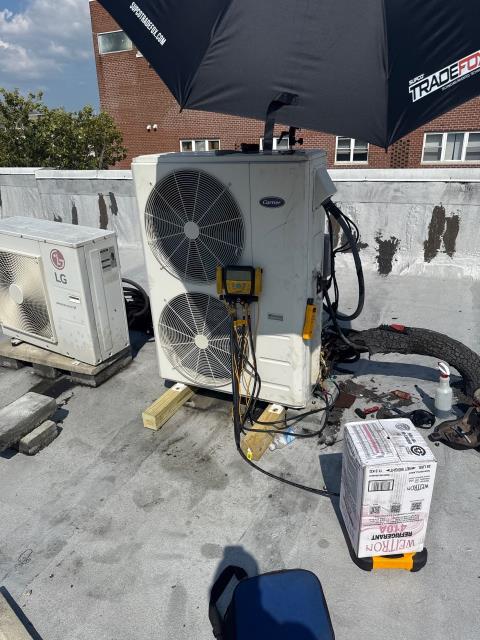
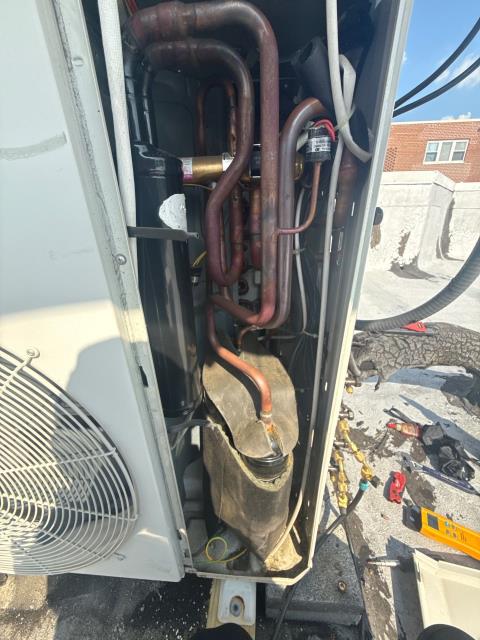
Fixed a rooftop AC by repairing a fallen Carrier mini-split. Reconnected damaged refrigerant lines, recovered and recharged refrigerant, and pressure-tested the system. Now it's cooling properly.
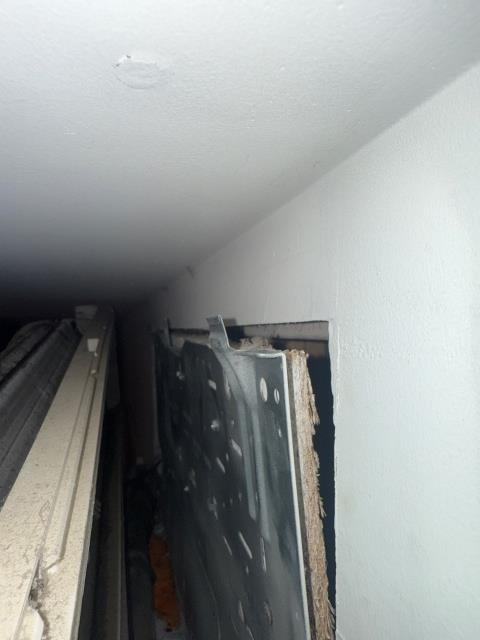
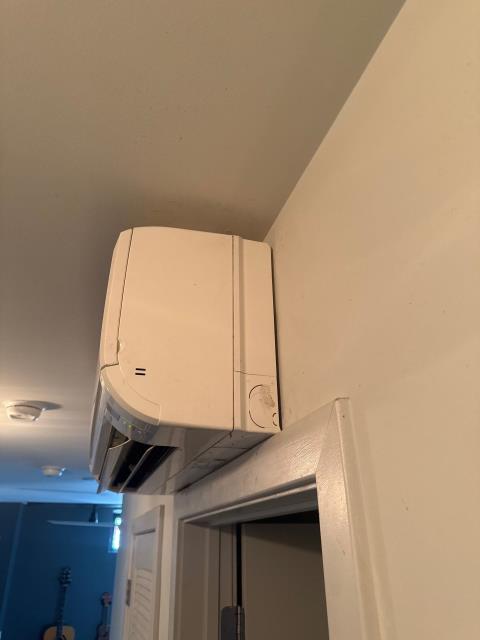
Completed a mini-split repair. The indoor unit had pulled loose from the wall and was not operating correctly. Our team re-secured the wall bracket, reinstalled the unit, and cleaned the coils for better airflow and performance. Another happy customer.
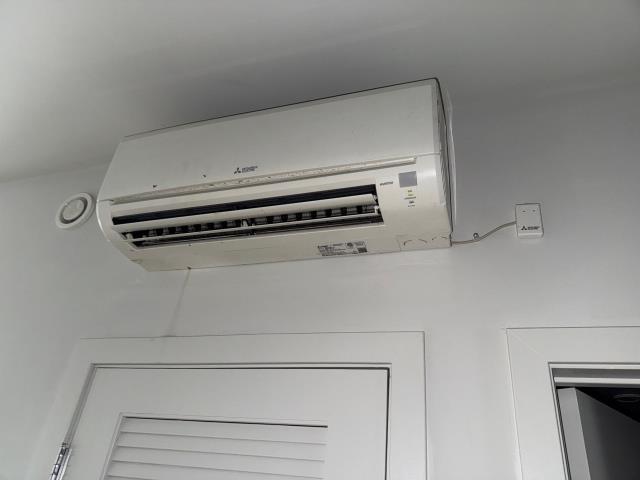
Inspected a Mitsubishi mini-split system, ensuring no water leaks. Verified normal operation and optimal cooling performance. All checks passed successfully.
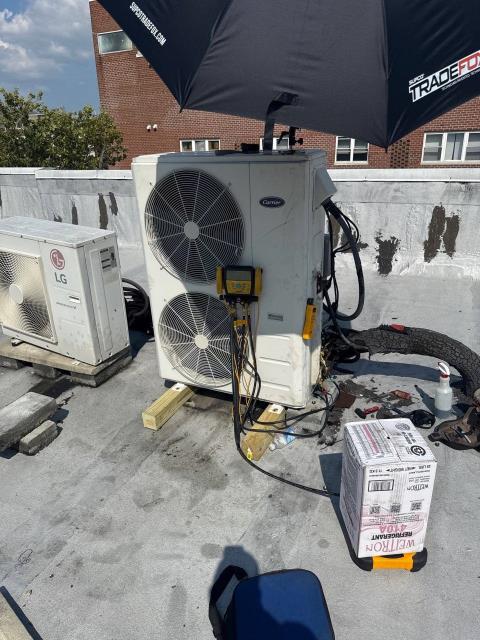
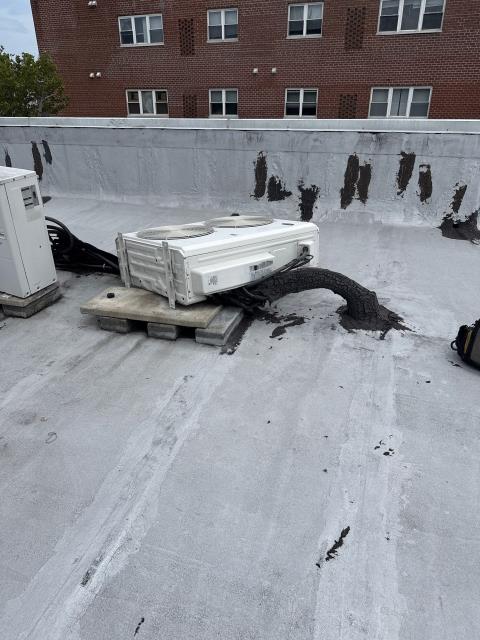
We fixed a fallen Carrier mini-split system by repositioning it, securing it, and reconnecting refrigerant lines. We vacuumed, pressurized, and recharged the system. The unit is running, but there's abnormal compressor noise.
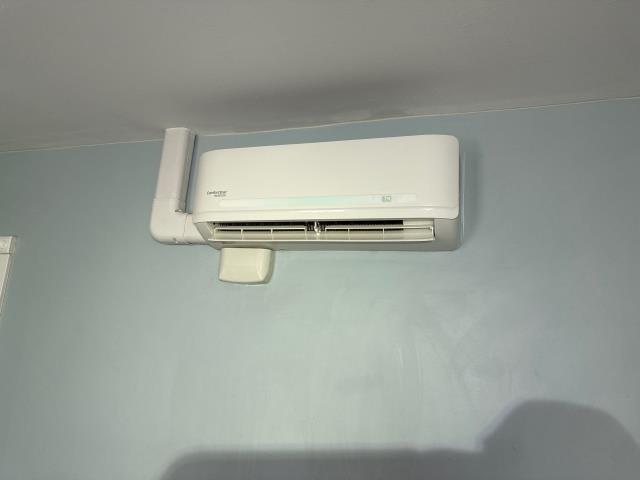
Replaced a faulty blower motor and contaminated wheel in a ductless mini-split system. Installed a new motor and wheel, ensuring smooth airflow and reliability. System tested and ready for the cooling season.
Questions
Ductless Mini-Split Repair FAQs
Answers to practical questions about repair costs, appointments, warranties, multi-zone systems, and preparing for service.
Need Ductless Mini-Split Repair?
Schedule professional ductless mini-split repair in Bucks County, Montgomery County, Philadelphia, and nearby PA communities.
How much does ductless mini-split repair cost?
The cost depends on the cause of the failure, required parts, system accessibility, equipment age, and warranty coverage. A diagnostic visit is needed before an accurate repair price can be provided.
Can one zone fail while the other mini-split zones continue working?
Yes. A problem may affect one indoor unit while other zones remain operational, or it may involve a shared outdoor unit and affect multiple zones. Note which rooms are affected before scheduling service.
Should I repair or replace an older ductless mini-split?
The decision depends on the system’s age, repair history, parts availability, warranty status, and estimated repair cost. After diagnosis, the technician can explain whether repair remains practical.
What information should I provide when booking service?
Share the equipment brand and model if available, displayed error codes, affected zones, when the problem began, and whether the issue occurs during heating, cooling, or both.
Can a mini-split repair be covered by the manufacturer’s warranty?
Coverage depends on the manufacturer, registration status, equipment age, failed component, and warranty terms. Keep the model, serial number, installation records, and previous service documents available for review.
Should I turn off a leaking or breaker-tripping mini-split?
Turn the system off if water could damage the wall or nearby electrical components. If the breaker repeatedly trips, leave the equipment off and request professional service rather than repeatedly resetting it.
How long does a ductless mini-split repair take?
Repair time depends on the diagnostic findings, system accessibility, and whether the required part is available. Some issues can be addressed during the initial visit, while component replacement may require a return appointment.
Do you service single-zone and multi-zone mini-split systems?
Home Rangers can diagnose residential single-zone and multi-zone ductless systems. With a multi-zone system, the technician determines whether the problem is limited to one indoor unit or involves shared equipment.
Current Specials
Current HVAC & Plumbing Offers
Strong offers built to help you book service faster, save on repairs, and lock in ongoing system protection without digging through the whole site.
Diagnostic Only $49
Fast HVAC or plumbing diagnostic during regular business hours. If you approve the repair, we’ll credit the diagnostic toward the work. Use code RANGERS49 when booking online.
Book Online$75 Off Any Repair Over $300
Save on qualifying HVAC or plumbing repairs when the fix goes beyond a quick minor adjustment and you want real value on a bigger repair.
Book OnlineHome Rangers System Protection Plan: First Month Free
Start your membership at $19.95/mo, get your first month free, and unlock priority scheduling, tune-ups, and repair savings.
View PlanOffer details can change by season, equipment eligibility, service area, lender approval, and program availability. Diagnostic offer is for regular-hours service only. Repair discount cannot be combined with diagnostic credit or other offers.
Lennox systems and verified dealer support
Home Rangers appears on the official Lennox dealer locator for Warminster. Ask about Lennox air conditioners, heat pumps, furnaces, and mini-split options, along with system sizing and financing options for eligible installations.
Whether your AC stopped cooling, your furnace won’t ignite, your water heater is leaking, or your drains are backing up, Home Rangers is here to help. As Warminster’s hometown HVAC and plumbing company, we treat every customer like a neighbor, because you are.
Ready for Home Service You Can Trust?
Book Nowor call us at:
(215) 454-0001