Home Rangers
Tankless Water Heater Repair in Bucks & Montgomery County, PA
Home Rangers provides professional tankless water heater repair across Bucks County, Montgomery County, Philadelphia, and nearby communities. We diagnose and repair no hot water, error codes, ignition failures, temperature fluctuations, leaks, flow problems, and other tankless water heater issues. 24/7 emergency service is available.

Family-Owned, Local HVAC & Plumbing Team
Free Estimates On Installations & Replacements
Same-Day & Emergency Service, 24/7
Master-Licensed in PA, NJ & DE
Upfront Pricing, No Surprises
Tankless Water Heater Repair
Tankless Water Heater Repair Services for Gas and Electric Units
Home Rangers provides professional tankless water heater repair services for residential gas and electric units. We diagnose no hot water, error codes, ignition failures, temperature problems, flow issues, leaks, system lockouts, and other common tankless water heater problems.
Tankless systems rely on water flow, controls, sensors, filters, electrical or gas supply, venting, valves, and the heat exchanger working together correctly. The repair approach depends on the type and model of the unit, the symptoms or error history, the source of the problem, and the condition of the affected components.
Gas Tankless Water Heater Repair
We troubleshoot ignition, gas supply, combustion, venting, flame detection, controls, and other problems that can prevent a gas tankless water heater from producing consistent hot water.Electric Tankless Water Heater Repair
We check electrical supply, breakers, wiring, heating components, sensors, controls, and water flow when an electric tankless water heater is not heating properly.Error Code and Control Diagnostics
Error codes and control-panel alerts can help narrow down the problem. We inspect the system and test the components related to the code rather than relying on the displayed code alone.Ignition and Venting Problems
For gas-fired units, ignition failures, airflow restrictions, intake or exhaust problems, and combustion-related issues can cause lockouts or prevent the water heater from operating correctly.Flow and Temperature Problems
Low flow, clogged inlet filters, sensor problems, scale buildup, plumbing conditions, or changes in hot water demand can contribute to weak hot water or inconsistent temperatures.Tankless Water Heater Leak Repair
We locate leaks around valves, piping, service connections, condensate components, pressure-related components, and the water heater itself to determine where the water is coming from and what repair is appropriate.Symptoms
Signs You May Need Tankless Water Heater Repair
Tankless water heater problems can appear as changes in hot water temperature, flow, or system operation before the unit stops working completely. Error codes, repeated shutdowns, ignition trouble, or visible leaks are also good reasons to have the system professionally diagnosed.
No Hot Water
If the tankless water heater does not produce hot water at any fixture, the problem may involve water flow detection, power or gas supply, ignition, controls, sensors, or another component preventing the unit from operating.
Error Codes or Warning Lights
An error code or warning indicator means the system has detected an operating condition that needs attention. The code can help guide diagnosis, but the underlying cause still needs to be identified.
Inconsistent Water Temperature
Hot water that suddenly turns cold, fluctuates during use, or does not reach the expected temperature can be related to flow, sensors, controls, scale buildup, or heating performance.
Reduced Hot Water Flow
If water flow drops noticeably only when using hot water, the tankless system may have a restricted inlet filter, scale buildup, a flow-related problem, or another restriction that needs to be checked.
Ignition Problems or Repeated Shutdowns
A gas tankless water heater that fails to ignite, loses the flame, or repeatedly shuts down may have an issue involving ignition components, gas supply, combustion, venting, sensors, or controls.
Water Leaking Around the Unit
Dripping or visible moisture around a tankless water heater should be inspected to determine whether the source is a pipe, valve, service connection, condensate component, internal component, or another part of the plumbing system.
Diagnosis
How We Diagnose Tankless Water Heater Problems
A proper tankless water heater repair starts with identifying what is causing the problem rather than treating an error code or symptom by itself. Our technicians review how the unit is operating and inspect the components and conditions relevant to the specific gas or electric tankless system.
Review the Problem and Error History
We start with the symptoms you are experiencing, when the problem occurs, any error codes or warning lights, and whether the issue affects all hot water fixtures or only certain uses.
Inspect the Tankless System
The technician checks the unit and relevant components, which may include water flow, inlet filters, valves, electrical or gas supply, venting, connections, sensors, controls, and the condition of the system around the water heater.
Identify the Cause
Testing and inspection help determine whether the problem is related to a serviceable component, mineral buildup or restriction, the plumbing or utility supply, venting, installation conditions, or the tankless water heater itself.
Explain the Repair Options
We explain what was found and the appropriate next step. Depending on the diagnosis and condition of the system, that may involve repair, cleaning or descaling, maintenance, or replacement when continued repair is no longer practical.
Tankless Water Heater Brands We Service
Repair and diagnostics for major residential tankless water heater brands.
Customer Proof
What Local Homeowners Say About Home Rangers
See what homeowners in Bucks County, Montgomery County, Philadelphia, and nearby communities say about their experience with Home Rangers, including communication, diagnostics, workmanship, and plumbing and water heater service.




Repair Decisions
Should You Repair or Replace Your Tankless Water Heater?
Many tankless water heater problems can be repaired when the failure is limited to a serviceable component and the rest of the system is in good condition. The right decision depends on the cause of the problem, the condition of the unit, its repair history, parts availability, and the expected reliability after the repair.
Replacement may be more practical when major components are deteriorated, repairs have become frequent, replacement parts are no longer readily available, or the cost and scope of the repair no longer make sense for the existing system.
Repairable Component
Problems involving ignition components, sensors, valves, controls, filters, fans, or other serviceable parts may make repair the practical option when the rest of the system is in good condition.
Heat Exchanger and Major Components
The condition of the heat exchanger and other major components can significantly affect the repair decision. A major failure may require comparing the scope and cost of the repair with replacement of the existing unit.
Age and Overall Condition
Age matters, but it should be considered together with maintenance history, scale buildup, corrosion, component condition, and how reliably the tankless water heater has been operating.
Repeat Breakdowns
If the system has developed multiple problems or required repeated repairs, another repair may provide less value than replacing an increasingly unreliable unit.
Repair Cost
The cost of the required repair should be considered alongside the condition of the existing unit, the expected result of the repair, and the cost of replacement.
Hot Water Needs
If the existing tankless water heater is undersized or no longer meets the household’s hot water demand, replacement can also be an opportunity to select equipment better matched to the home.
Local Service Area
Tankless Water Heater Repair Across Bucks County, Montgomery County & Philadelphia
Home Rangers provides local tankless water heater repair throughout Bucks County, Montgomery County, Philadelphia, and nearby communities. We service residential gas and electric tankless water heaters for homeowners across the areas below.
Tankless Water Heater Repair Photos
See Our Tankless Water Heater Repair Work
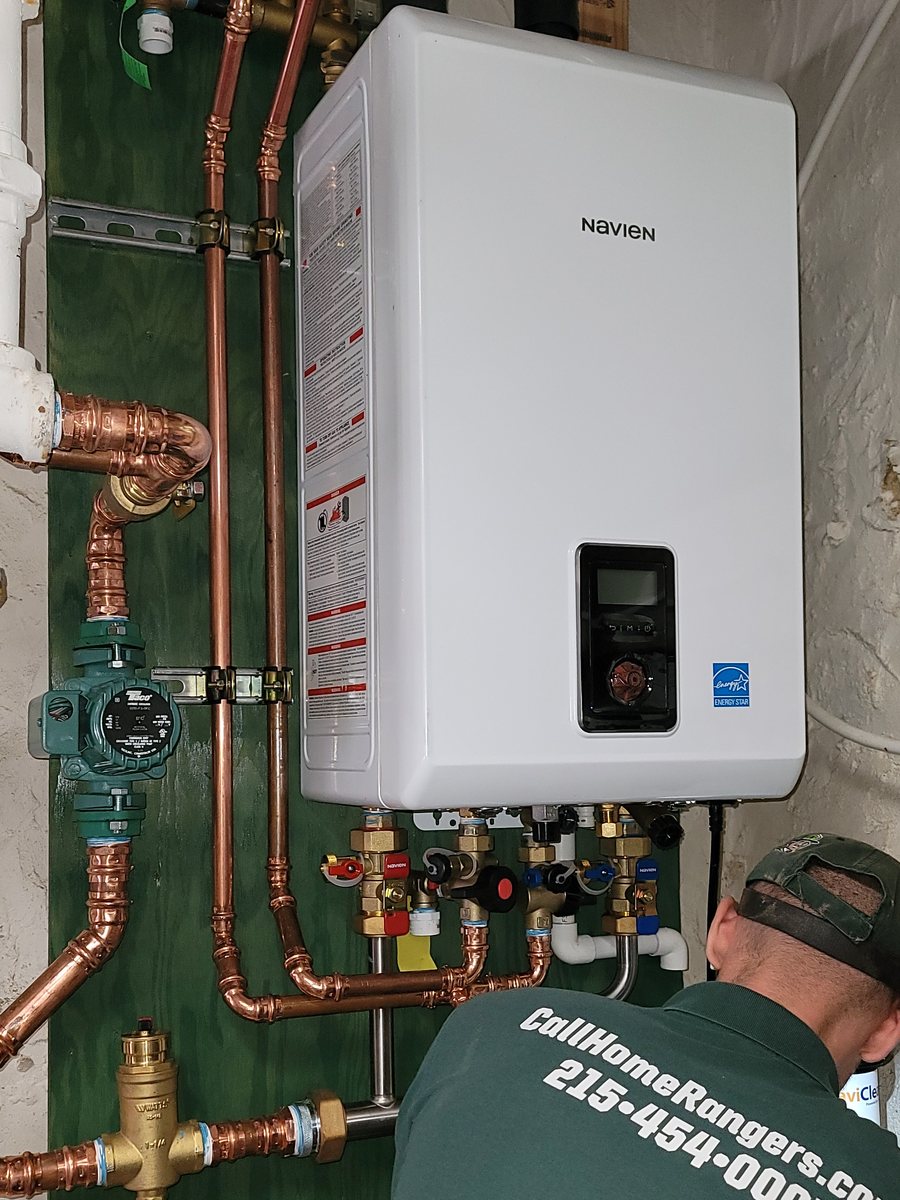
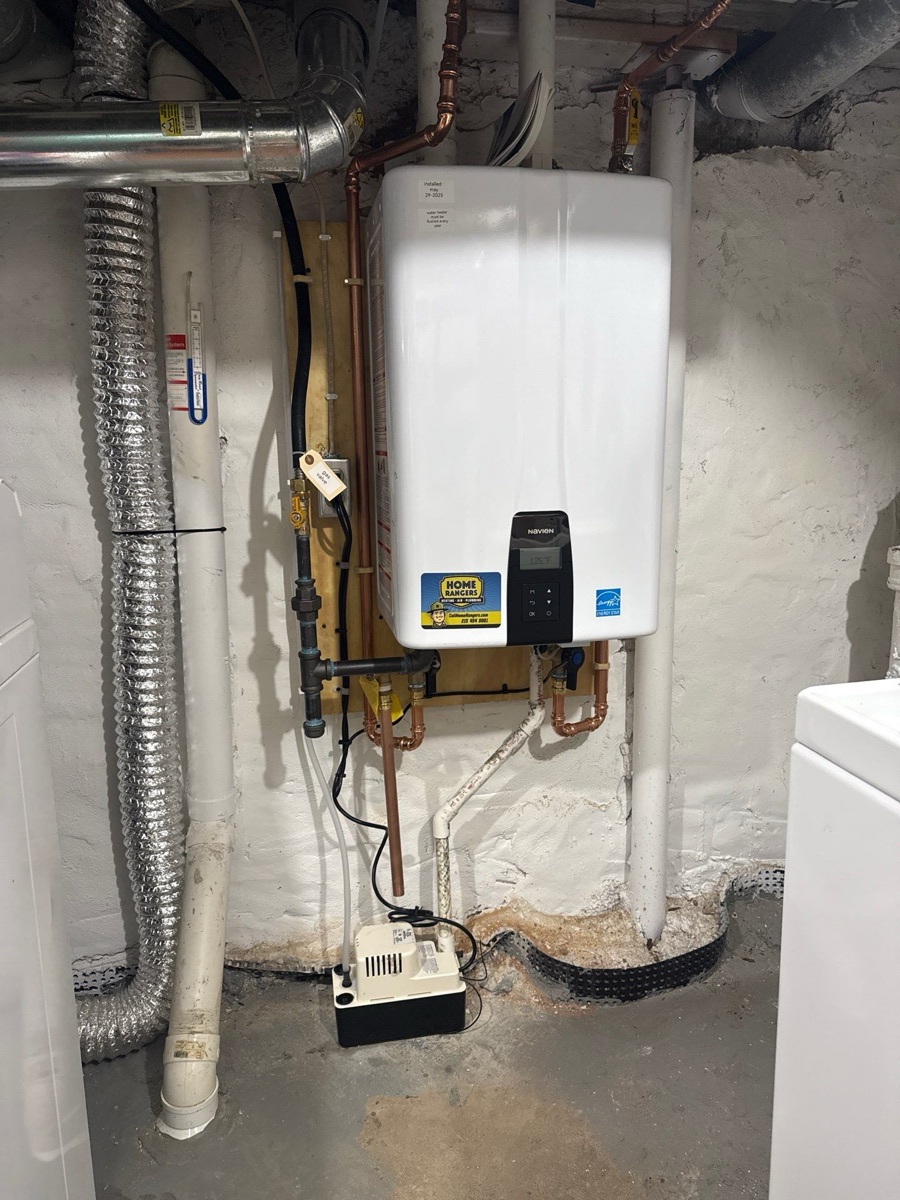
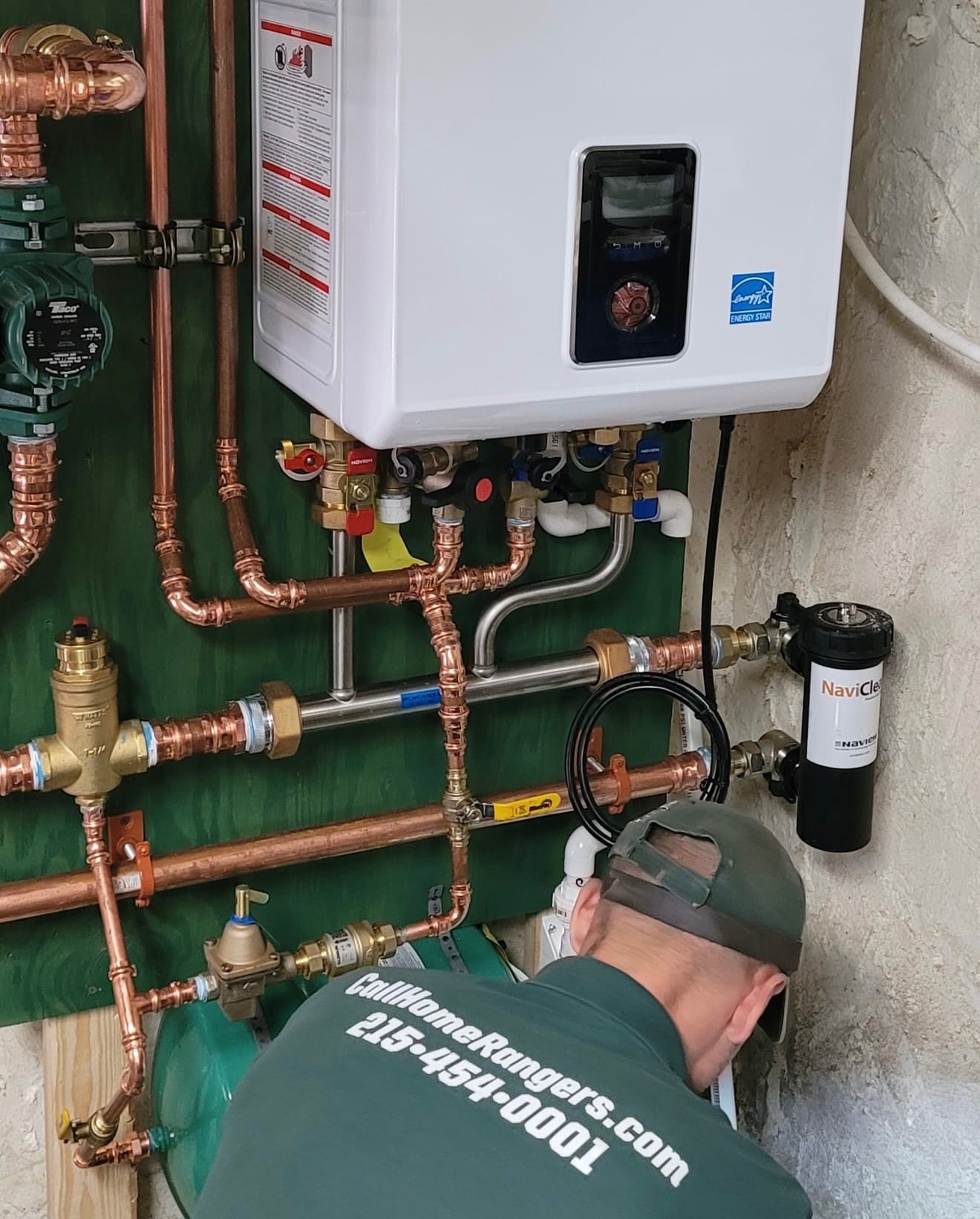
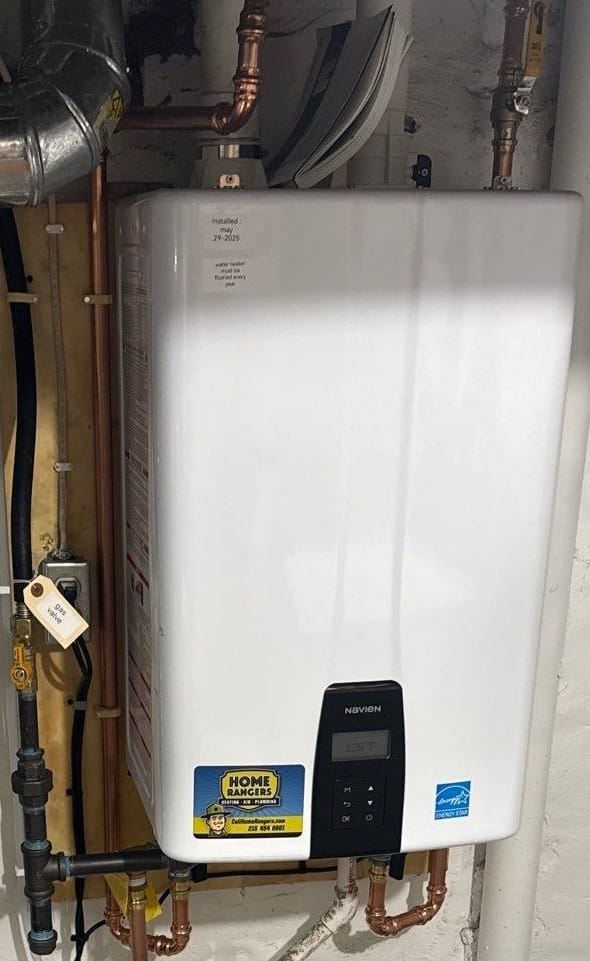
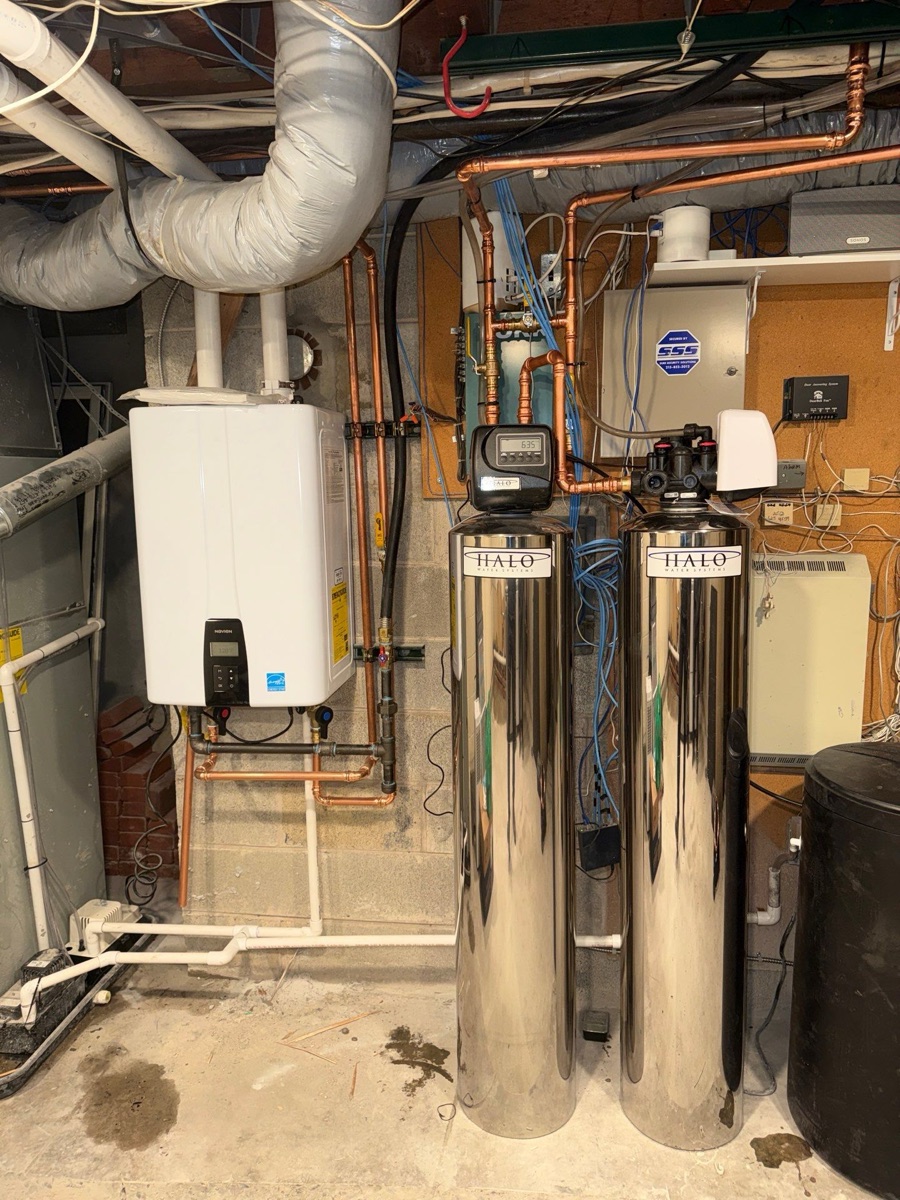
See examples of tankless water heater diagnostics, service, components, plumbing connections, and repair work completed by Home Rangers technicians.
Recent Local Work
Recent Tankless Water Heater Service in Your Area
See recent Home Rangers service activity from communities across Bucks County, Montgomery County, Philadelphia, and nearby areas. These local updates show where our technicians have recently completed tankless water heater diagnostics, repair, maintenance, and related plumbing service.
Recent Jobs and Reviews
At a glance
Home Rangers Heating, Air & Plumbing has completed 1 job on February 7, 2026.
Recent work covers Philadelphia, PA.
Job Locations and Reviews
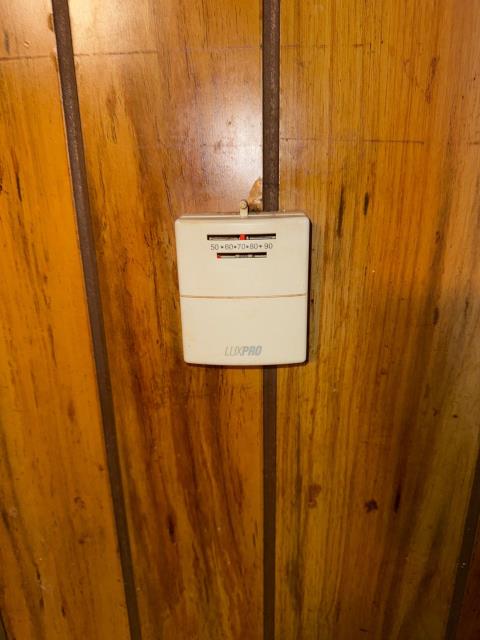
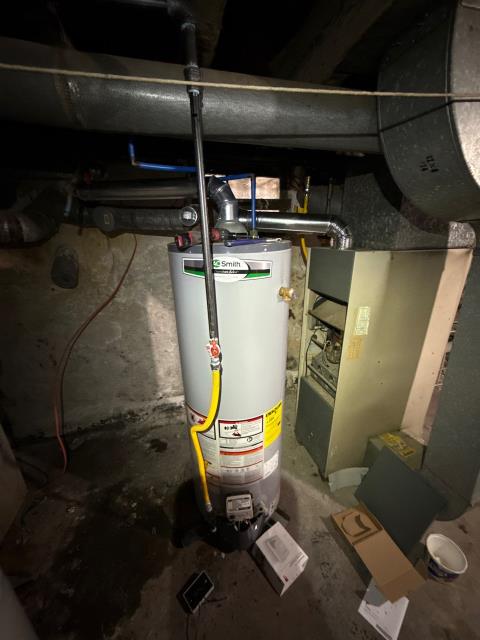

Tackled a no-heat issue at a rental property, fixing gas supply configuration problems. Reconfigured piping, replaced a failed thermocouple, and conducted leak tests and safety checks. Heating and hot water were restored, ensuring comfort during winter.
Related Services
Related Tankless Water Heater and Plumbing Services
Depending on the condition of your tankless water heater and the cause of the problem, repair may not be the only service you need. Explore related Home Rangers services for tankless installation, conventional water heaters, water quality, and other plumbing needs.
Questions
Tankless Water Heater Repair FAQs
Answers to common questions about scheduling tankless water heater repair, preparing for service, troubleshooting fixture-specific problems, maintenance, and situations that may require immediate attention.
Ready to Schedule Tankless Water Heater Repair?
What information should I provide when scheduling tankless water heater repair?
If available, provide the manufacturer, model number, whether the unit is gas or electric, the symptoms you are experiencing, and any error code shown on the display. It is also helpful to mention whether the problem affects the entire home or only certain fixtures.
Can a tankless water heater be repaired in one visit?
Some tankless water heater repairs can be completed during the initial service visit, while others may require a model-specific replacement part or additional work. Repair timing depends on the diagnosis, accessibility of the unit, and parts availability.
What if only one faucet or shower is having a hot water problem?
If other fixtures receive normal hot water, the problem may be at the affected faucet or shower rather than the tankless water heater. A mixing valve, cartridge, flow restriction, or nearby plumbing issue can sometimes produce symptoms that resemble a water heater problem.
Can low water flow keep a tankless water heater from turning on?
Yes. Tankless water heaters require sufficient water flow to activate and continue heating. A restricted fixture, clogged filter, plumbing restriction, or another flow-related condition can prevent proper operation.
Does a tankless water heater need to be flushed or descaled?
Tankless water heaters may require periodic flushing or descaling to remove mineral buildup from the water side of the system. How often this is needed depends in part on water quality, usage, the equipment, and manufacturer recommendations.
When is a tankless water heater problem an emergency?
A gas odor, active water leak that could damage the home, signs of overheating, or another condition that appears unsafe should be treated promptly. If you smell gas, leave the area and contact the gas utility or emergency services from a safe location before arranging water heater service.
Current Specials
Current HVAC & Plumbing Offers
Strong offers built to help you book service faster, save on repairs, and lock in ongoing system protection without digging through the whole site.
Diagnostic Only $49
Fast HVAC or plumbing diagnostic during regular business hours. If you approve the repair, we’ll credit the diagnostic toward the work. Use code RANGERS49 when booking online.
Book Online$75 Off Any Repair Over $300
Save on qualifying HVAC or plumbing repairs when the fix goes beyond a quick minor adjustment and you want real value on a bigger repair.
Book OnlineHome Rangers System Protection Plan: First Month Free
Start your membership at $19.95/mo, get your first month free, and unlock priority scheduling, tune-ups, and repair savings.
View PlanOffer details can change by season, equipment eligibility, service area, lender approval, and program availability. Diagnostic offer is for regular-hours service only. Repair discount cannot be combined with diagnostic credit or other offers.
Lennox systems and verified dealer support
Home Rangers appears on the official Lennox dealer locator for Warminster. Ask about Lennox air conditioners, heat pumps, furnaces, and mini-split options, along with system sizing and financing options for eligible installations.
Whether your AC stopped cooling, your furnace won’t ignite, your water heater is leaking, or your drains are backing up, Home Rangers is here to help. As Warminster’s hometown HVAC and plumbing company, we treat every customer like a neighbor, because you are.
Ready for Home Service You Can Trust?
Book Nowor call us at:
(215) 454-0001