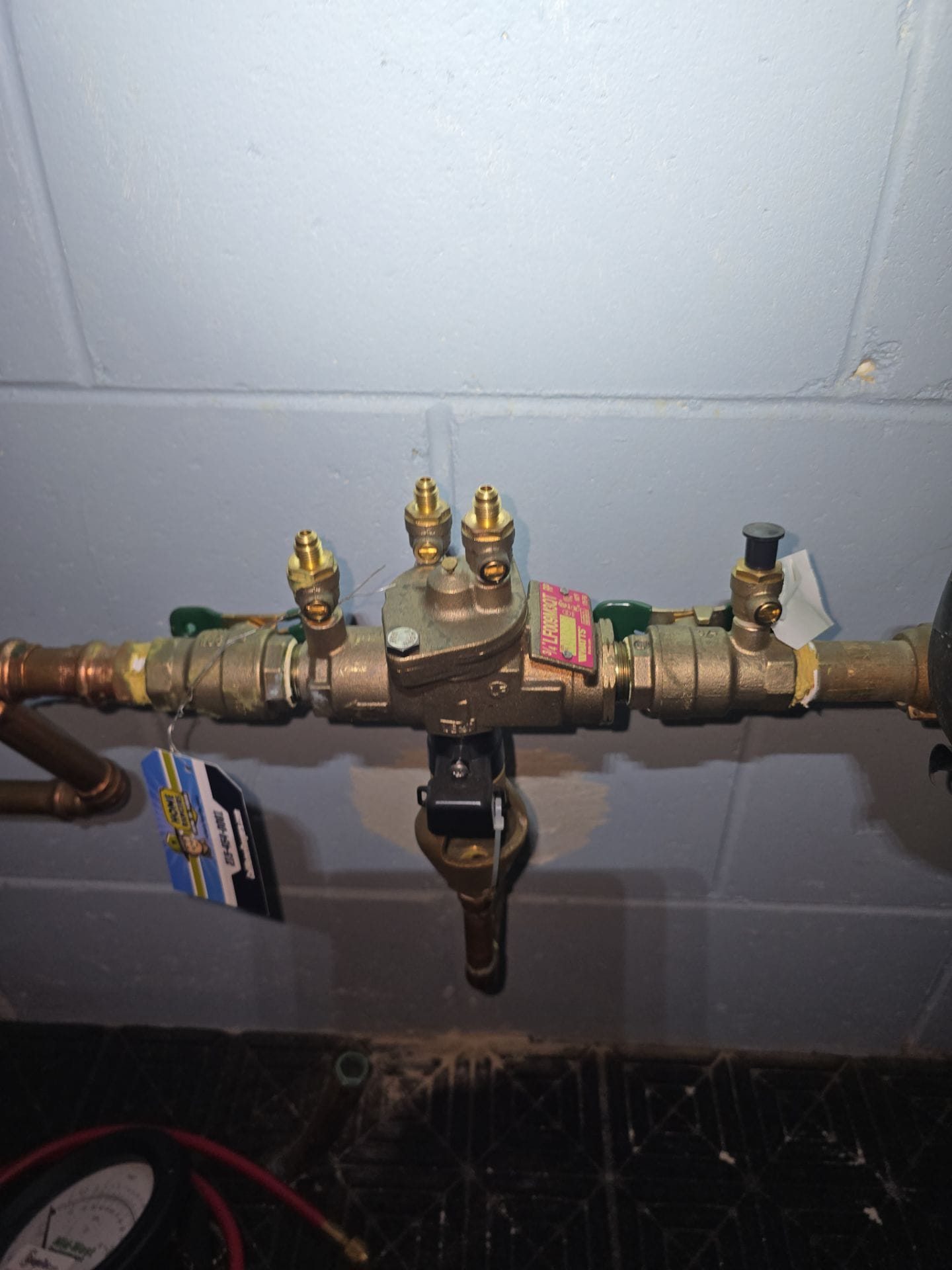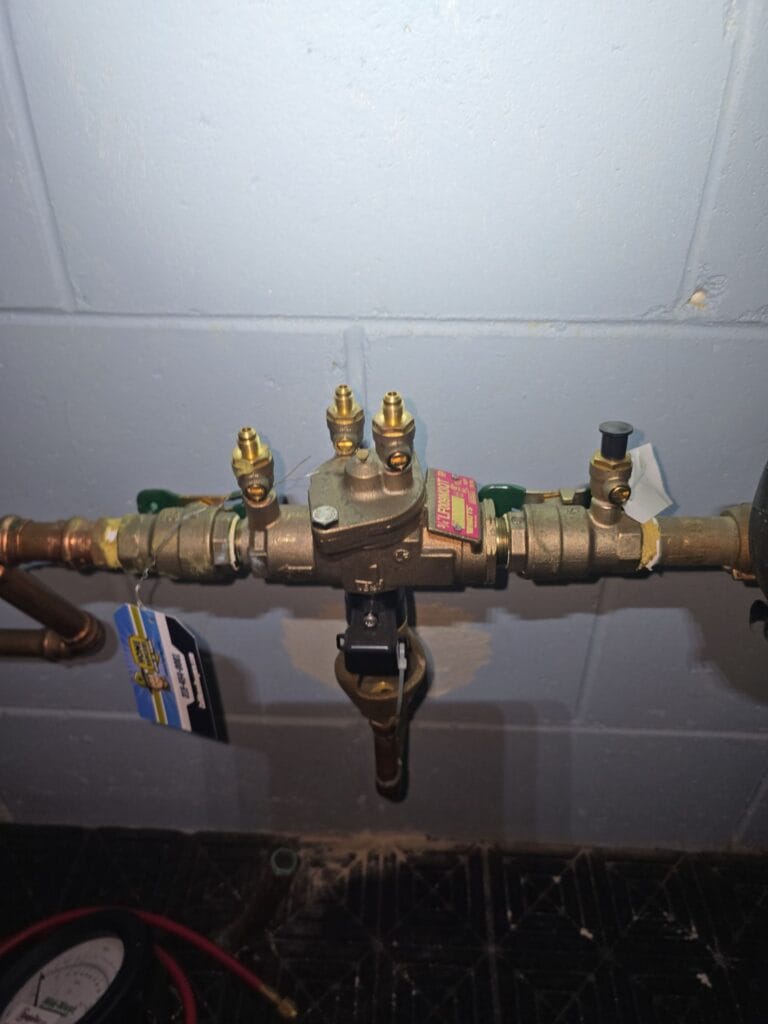
Backflow Prevention Installation in Bucks County & Montgomery County, PA
Backflow prevention isn’t optional—it’s a critical safeguard that protects drinking water from contamination. Whether you’re installing an irrigation system, adding fire sprinklers, connecting commercial equipment, or responding to a requirement from your water authority, proper backflow prevention installation ensures your property is protected and compliant.
At Home Rangers LLC, we install backflow prevention devices throughout Bucks County, Montgomery County, and the Philadelphia area. We help property owners select the right type of backflow preventer for their specific application, install it according to code requirements, and test it to verify proper function. From residential irrigation systems to commercial high-hazard applications, we have the expertise to get your backflow protection installed correctly.
As a family-owned company based in Warminster, we understand that backflow requirements can be confusing. We’ll help you understand what type of protection you need, where it should be installed, and what ongoing testing requirements apply. Our goal is to get you compliant and protected—without overcomplicating things.
Why Backflow Prevention Is Required
Backflow prevention protects the public water supply from contamination. Understanding why it’s required helps you appreciate its importance:
The Contamination Risk
Under normal conditions, water pressure keeps water flowing from the municipal supply into your property. But pressure can reverse—during water main breaks, heavy firefighting demand, or equipment malfunctions—potentially drawing contaminated water backward into the public supply.
Irrigation Systems
Underground sprinklers can draw pesticides, fertilizers, and soil bacteria back into the water supply if pressure drops while the system is charged. This is one of the most common residential backflow risks.
Fire Suppression Systems
Stagnant water in fire sprinkler piping can contain bacteria and sediment. Without backflow protection, this water could contaminate fresh supply during pressure fluctuations.
Commercial Equipment
Commercial and industrial processes often use chemicals, coolants, or other substances that could be catastrophic if they entered the water supply. Backflow protection is essential.
Boiler Systems
Boilers with automatic makeup water connections contain treated water with chemicals that shouldn’t enter the potable supply. Backflow prevention isolates these systems.
It’s Not Just About Your Property
Backflow contamination doesn’t stay contained—it can spread through the municipal water system, affecting your neighbors and community. That’s why water authorities take backflow prevention seriously and require it for properties that pose contamination risks. Compliance protects everyone.
Types of Backflow Preventers We Install
Different situations require different levels of backflow protection. We install all common types of backflow preventers and help you select the right one for your application:
Pressure Vacuum Breaker (PVB)
The most common residential backflow preventer, typically used for irrigation systems. PVBs protect against back-siphonage (but not back-pressure) and must be installed at least 12 inches above the highest sprinkler head. Cost-effective for appropriate applications.
Common uses: Residential irrigation systems, hose bib connections, outdoor water features
Spill-Resistant Vacuum Breaker (SVB)
Similar to PVB but designed to minimize water spillage during normal operation. Used where standard PVB water discharge would be problematic—near walkways, above finished areas, or in cold climates where dripping creates ice hazards.
Common uses: Irrigation in sensitive locations, areas prone to freezing
Double Check Valve Assembly (DCVA)
Uses two independent check valves in series, protecting against both back-siphonage and back-pressure. Suitable for low to medium hazard situations. Can be installed below ground in vaults, making it popular for irrigation where above-ground installation isn’t practical.
Common uses: Commercial irrigation, fire sprinkler connections, medium-hazard commercial applications
Reduced Pressure Zone (RPZ) Assembly
The highest level of mechanical backflow protection. Uses two check valves with a relief valve that opens to atmosphere if either check fails. Required for high-hazard situations where contamination could cause serious health effects. Must be installed above ground.
Common uses: Commercial/industrial with chemical hazards, medical facilities, car washes, boiler connections, food processing
What Type Do You Need?
Your water authority typically specifies the level of protection required based on the hazard classification of your application. We can help you understand requirements and ensure you install the appropriate device. Installing a higher level of protection than required is always acceptable; installing less is not.
When Backflow Prevention Installation Is Required
There are several situations when you may need to install backflow prevention:
New Installations Requiring Protection
Irrigation System Installation
Most municipalities require backflow prevention when installing underground irrigation systems. This is typically required before the irrigation contractor can complete the installation and is your responsibility as the property owner.
Swimming Pool or Hot Tub
Pool and spa fill lines connected to potable water often require backflow protection to prevent chemically treated water from entering the drinking water supply.
Fire Sprinkler Systems
Residential and commercial fire suppression systems require backflow prevention at the point of connection to isolate the sprinkler piping from the potable supply.
Commercial Equipment
Commercial and industrial equipment using water—particularly equipment involving chemicals, processing, or cooling—typically requires backflow protection appropriate to the hazard level.
Boiler Systems
Boilers and hydronic heating systems with automatic makeup water connections often require backflow prevention, especially for larger systems or those using chemical treatment.
Medical and Dental Facilities
Healthcare facilities have numerous potential contamination sources and typically require comprehensive backflow protection at multiple points.
Other Situations Requiring Installation
Water Authority Requirement
Your water authority may determine during a survey that your property requires backflow protection that doesn’t currently exist. Compliance within a specified timeframe is typically required.
Failed Device Replacement
When an existing backflow preventer has failed beyond repair, replacement with a new device is necessary to maintain protection and compliance.
Upgrade Requirements
Sometimes regulations change or hazard assessments are revised, requiring upgraded protection. A device that was compliant when installed may need to be replaced with a higher level of protection.
Property Purchase
When purchasing a property with existing systems that require backflow protection, you may need to install devices that should have been installed previously but weren’t.
Backflow Preventer Installation Requirements
Proper installation is essential for backflow preventers to function correctly. Here are the key requirements we follow:
Location Requirements
Accessibility for Testing
Backflow preventers must be accessible for annual testing. This means adequate clearance around the device and access without special equipment or confined space entry. Poor accessibility makes testing difficult and expensive.
Height Requirements
PVBs and SVBs must be installed at least 12 inches above the highest downstream outlet (like the highest sprinkler head). RPZ assemblies must be above grade and typically 12-36 inches above ground. DCVAs may be installed underground in vaults.
Relief Valve Drainage (RPZ)
RPZ assemblies discharge water when the relief valve operates. They must be installed where this discharge won’t cause problems—not over electrical equipment, in flood-prone areas, or where freezing could create hazards.
Protection from Damage
Devices must be protected from physical damage, vandalism, and environmental hazards. This may mean bollards near driveways, enclosures in public areas, or weather protection in exposed locations.
Freeze Protection
Pennsylvania winters create freeze risks for backflow preventers, especially those installed above ground. We address this through:
Insulated Enclosures
Insulated covers or enclosures protect exposed devices from freezing while maintaining accessibility. Various enclosure types are available for different climates and device sizes.
Heat Trace
For high-risk installations or devices that must remain operational year-round, electric heat trace can prevent freezing inside the enclosure.
Winterization
Irrigation system backflow preventers can be drained and winterized if the system is shut down seasonally. Proper winterization prevents freeze damage that would require expensive repairs.
Indoor Installation
When possible, installing backflow preventers in heated spaces—basements, mechanical rooms—eliminates freeze concerns entirely.
Our Backflow Prevention Installation Process
We handle backflow preventer installation professionally, ensuring your device is installed correctly, meets code requirements, and functions properly from day one:
Step 1: Assessment and Consultation
We evaluate your situation—what you’re protecting against, your water authority’s requirements, and the physical layout of your property. We identify the best location for installation considering accessibility, freeze protection, and practical use.
Step 2: Device Selection
Based on your hazard classification and requirements, we recommend the appropriate type and size of backflow preventer. We explain your options and help you understand why a particular device is recommended for your application.
Step 3: Clear Quote
We provide a detailed quote covering the device, installation labor, any additional materials needed (enclosures, freeze protection, piping modifications), and initial testing. You know exactly what you’re getting before we begin.
Step 4: Professional Installation
Our licensed plumbers install your backflow preventer according to manufacturer specifications and local codes. This includes proper piping connections, test ports, shutoff valves for isolation, and any required supports or protection.
Step 5: Initial Testing
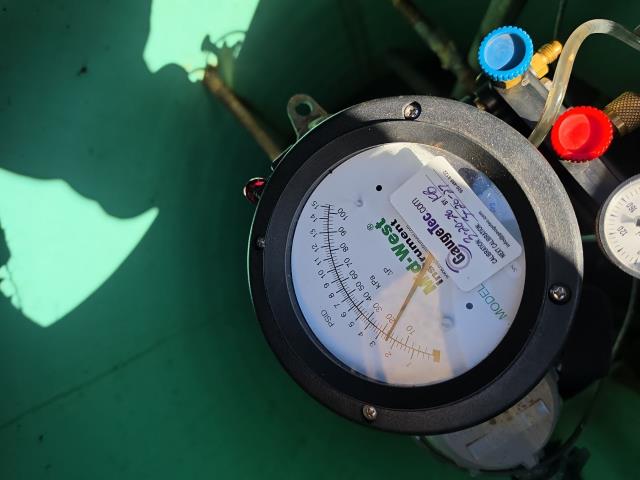
After installation, we test the device to verify it’s functioning properly. This initial test confirms correct installation and establishes a baseline. Test results are documented for your records and for compliance.
Step 6: Documentation and Registration
We complete all required documentation and submit the installation and initial test results to your water authority. This registers your device in their tracking system for ongoing compliance monitoring.
Step 7: Owner Education
We show you where the device is installed, explain its basic function, and review annual testing requirements. You’ll know what to expect going forward and how to maintain compliance.
Residential Backflow Prevention
For most homeowners, backflow prevention needs arise from specific systems or requirements. Here are the most common residential installations:
Irrigation Systems
Underground irrigation is the most common reason homeowners need backflow prevention. The requirements are straightforward but important:
Typical Requirements
Most municipalities require a pressure vacuum breaker (PVB) or equivalent protection for irrigation systems. The device must be installed on the supply line to the irrigation system, typically near the house where the irrigation line originates.
Coordination with Irrigation Contractor
If you’re having a new irrigation system installed, we can coordinate with your irrigation contractor. They install the irrigation system; we install the backflow preventer. Timing coordination ensures efficient completion.
Winterization
Irrigation backflow preventers should be winterized along with the rest of the system. We can show you the procedure or include winterization in seasonal service.
Other Residential Applications
Swimming Pools and Hot Tubs
Pool fill lines connected to potable water need backflow protection. Requirements vary by municipality—some require it for all pools, others focus on permanent fill connections.
Fire Sprinkler Systems
Homes with fire suppression systems typically need backflow protection at the sprinkler connection. Requirements depend on the type of sprinkler system and local codes.
Boiler Makeup Water
Hydronic heating systems with automatic water makeup may require backflow prevention, particularly larger systems or those using chemical treatment.
Not Sure If You Need Backflow Prevention?
If you’ve received a notice from your water authority or aren’t sure whether your property requires backflow protection, give us a call. We can evaluate your situation and help you understand your requirements.
Commercial Backflow Prevention
Commercial and industrial properties typically have more complex backflow requirements based on the hazards present. We handle commercial installations throughout our service area:
Common Commercial Applications
Fire Suppression Systems
Commercial fire sprinkler systems require backflow protection at the fire service connection. The type of device depends on the sprinkler system type—wet, dry, or chemical—and the hazard classification.
Commercial Irrigation
Large irrigation systems for commercial properties typically require double check valve assemblies or higher protection, often installed in underground vaults for aesthetic reasons.
Medical and Dental Facilities
Healthcare facilities have numerous potential contamination sources—dental equipment, lab processes, sterilizers, dialysis equipment. Multiple backflow preventers may be needed at different points of use.
Food Service
Restaurants, commercial kitchens, and food processing facilities often require backflow protection on equipment connections and may need whole-building protection depending on hazard assessments.
Industrial Processes
Manufacturing, chemical processing, and industrial operations typically require RPZ assemblies for high-hazard protection. Multiple devices may be needed for different process connections.
Car Washes and Automotive
Automotive facilities use chemicals, degreasers, and wash solutions that are hazardous to water supplies. High-hazard backflow protection is typically required.
Commercial Compliance Is Serious
Commercial properties face closer scrutiny from water authorities, with more frequent inspections and stricter enforcement. Non-compliance can result in significant fines, mandatory shutoff, and business interruption. We help commercial property owners understand and meet their obligations efficiently.
After Installation: Ongoing Requirements
Installing a backflow preventer isn’t a one-time event—it comes with ongoing responsibilities:
Annual Testing
Most jurisdictions require backflow preventers to be tested annually by a certified tester. Testing verifies the device is still functioning properly and hasn’t degraded over time. We provide ongoing testing services and can keep you on a schedule so you don’t miss deadlines.
Compliance Reporting
Test results must be submitted to your water authority, typically within a specified timeframe. We handle report submission as part of our testing service, ensuring your compliance is documented properly.
Maintenance and Repairs
Backflow preventers are mechanical devices that can wear out. Internal seals and springs may need replacement over time. If your device fails testing, we can often repair it and retest during the same visit.
Winterization (Seasonal Systems)
Backflow preventers on irrigation and other seasonal systems should be properly winterized to prevent freeze damage. This typically involves draining the device and may include blowing out the entire system.
We Make Compliance Easy
After installing your backflow preventer, we can keep you on our testing schedule so you receive reminders when annual testing is due. This removes the burden of tracking compliance dates yourself. One less thing to worry about.
Quality Backflow Prevention Equipment
We install backflow preventers from reputable manufacturers known for reliability, durability, and ease of testing and maintenance:
Watts
A leading manufacturer of backflow prevention devices for residential, commercial, and industrial applications. Watts offers a complete range of device types with strong warranty support and widely available repair parts.
Wilkins (Zurn)
Known for durable, reliable backflow preventers used in demanding applications. Wilkins devices are common in commercial and industrial installations and are trusted by water authorities nationwide.
Febco
Manufactures quality backflow preventers for irrigation, fire protection, and commercial applications. Febco devices are known for consistent performance and straightforward testing procedures.
Apollo
Offers a range of backflow prevention devices with innovative features and competitive pricing. Good options for residential and light commercial applications.
We select equipment appropriate for your specific application, considering factors like hazard level, installation conditions, freeze protection needs, and long-term serviceability. Quality devices cost more upfront but provide reliable protection and easier testing for years to come.
Why Choose Home Rangers for Backflow Prevention Installation
Backflow prevention involves understanding regulations, selecting appropriate equipment, installing correctly, and ensuring ongoing compliance. Here’s why property owners trust us:
Knowledge of Requirements
We understand backflow requirements for water authorities throughout Bucks County, Montgomery County, and Philadelphia. We help you install the right device to meet your specific compliance obligations.
Proper Installation
Backflow preventers must be installed correctly to function properly and meet code. Our licensed plumbers follow manufacturer specifications and local requirements. Improper installation can cause device failure and compliance issues.
Certified Testing
We test immediately after installation and provide ongoing annual testing services. One company for installation, initial testing, and ongoing compliance—simplifies everything.
Complete Documentation
We handle all paperwork—registering your device with the water authority, submitting test results, and providing documentation for your records. Compliance without hassle.
Freeze Protection Solutions
Pennsylvania winters require attention to freeze protection. We install enclosures, insulation, and heat trace as needed to protect your investment and prevent freeze damage.
Family-Owned Accountability
We’re your neighbors in Warminster, not a franchise. Our reputation depends on every installation we do. We stand behind our work and support you for ongoing testing and service.
Licensed & Insured
Fully licensed Pennsylvania plumbing contractor with comprehensive liability coverage for your protection.
Certified Backflow Testers
Installation includes initial testing by certified testers with credentials recognized by local water authorities.
Code-Compliant Installation
Every installation meets local codes and water authority requirements for proper backflow protection.
Family-Owned Since Day One
Not a franchise. A real local family business with roots in Bucks County and a reputation to protect.
Backflow Prevention Installation Across Bucks County, Montgomery County & Philadelphia
From our home base in Warminster, we install backflow prevention devices throughout the region. Whether you need protection for a new irrigation system, commercial equipment, or to satisfy a water authority requirement, we can help.
Communities We Serve:
Recent Jobs and Reviews
Our Local Reviews by City
- Ambler, PA (1)
- Bensalem, PA (4)
- Delran, NJ (1)
- Doylestown, PA (2)
- Feasterville-Trevose, PA (1)
- Glen Mills, PA (1)
- King of Prussia, PA (1)
- Lansdale, PA (1)
- Lansdowne, PA (1)
- Levittown, PA (1)
- Morrisville, PA (3)
- Newtown, PA (2)
- Philadelphia, PA (19)
- Southampton, PA (4)
- Upper Southampton Township, PA (1)
- Warrington, PA (1)
- Wyndmoor, PA (1)
- Yardley, PA (1)
Don’t see your town listed? We likely serve your area too. Give us a call to discuss your backflow prevention installation needs.
Frequently Asked Questions: Backflow Prevention Installation
What type of backflow preventer do I need for my irrigation system?
Most residential irrigation systems require a pressure vacuum breaker (PVB), which protects against back-siphonage. Your water authority may specify requirements. PVBs must be installed at least 12 inches above the highest sprinkler head. In some cases, a double check valve assembly (DCVA) may be required or preferred.
How much does backflow preventer installation cost?
Cost depends on the type of device, installation location, and any additional work needed (piping modifications, freeze protection, enclosures). A basic residential irrigation PVB installation costs less than a commercial RPZ assembly installation. We provide detailed quotes after evaluating your specific situation.
Do I need a permit for backflow preventer installation?
Permit requirements vary by municipality. Many jurisdictions require permits for plumbing work including backflow installation. We handle permit requirements as part of our service and ensure installations are properly inspected where required.
I’m getting an irrigation system installed. Do I need to arrange the backflow preventer separately?
Often yes. Many irrigation contractors don’t install backflow preventers—that’s plumbing work requiring a licensed plumber. We can coordinate with your irrigation contractor to ensure the backflow preventer is installed at the right time in the project.
What about freeze protection?
Above-ground backflow preventers need freeze protection in Pennsylvania winters. Options include insulated enclosures, heat trace, or winterization for seasonal systems. We address freeze protection as part of every installation based on your specific situation and needs.
Will you test the device after installation?
Yes. Every installation includes initial testing to verify the device is functioning properly. This test is documented and submitted to your water authority to register the device and establish your compliance record.
How often does the device need to be tested after installation?
Most jurisdictions require annual testing by a certified tester. We can keep you on our testing schedule so you receive reminders when testing is due. This makes ongoing compliance simple and automatic.
I received a notice from my water company requiring backflow installation. What do I do?
Contact us to schedule an evaluation. We’ll review the notice, assess your situation, recommend the appropriate device, and install it within your compliance deadline. Don’t ignore these notices—they can escalate to service disconnection.
What’s the difference between a PVB and an RPZ?
A pressure vacuum breaker (PVB) protects against back-siphonage only and is appropriate for low-hazard situations like irrigation. A reduced pressure zone (RPZ) assembly provides higher protection against both back-siphonage and back-pressure, required for high-hazard situations. RPZs are larger, more expensive, and must be installed above ground.
Can you replace my old backflow preventer?
Yes. If your existing device has failed beyond repair or needs to be replaced for any reason, we can remove it and install a new one. We’ll test the new device and update your registration with the water authority.