Home Rangers
Indoor Air Quality Solutions in Bucks & Montgomery County, PA
Dust, dry air, odors, humidity problems, or poor airflow can make a comfortable home feel off. Home Rangers provides indoor air quality solutions across Bucks County, Montgomery County, nearby Philadelphia, and surrounding communities.

Family-Owned, Local HVAC & Plumbing Team
Free Estimates On Installations & Replacements
Same-Day & Emergency Service, 24/7
Master-Licensed in PA, NJ & DE
Upfront Pricing, No Surprises
Indoor Air Quality Testing
Indoor air quality testing Montgomery County homes can pair with HVAC solutions
Indoor air quality testing starts with what you notice: dust, odors, allergens, moisture swings, stale rooms, or health symptoms that seem worse indoors. Home Rangers reviews HVAC airflow, filtration, ventilation, duct conditions, and comfort concerns so the next step is practical.
Air quality testing can mean different things. We offer HVAC-related indoor air quality services, and we point homeowners to the right specialist when mold, asbestos, radon gas, VOC, chemical emissions, or building materials require laboratory testing outside our scope.
Testing Concerns
Air quality testing signs, pollutants, and comfort concerns
Indoor air quality testing may be useful when a house has repeating odors, visible dust, allergy or asthma triggers, moisture, stale indoor spaces, or questions after remodeling. Some pollutants come from outdoor air; others come from pets, cleaning products, fuel-burning equipment, or hidden moisture.
We can inspect HVAC moisture clues and explain when proper mold testing or remediation resources are needed.
Asbestos, radon gas, and real estate transactions need qualified testing providers, not guesswork.
VOC compounds, formaldehyde, and strong odors may require targeted indoor air quality testing information.
Air filters, duct leaks, return areas, and maintenance can affect allergens, clean airflow, and indoor air pollution.
Carbon monoxide is urgent. Leave, call emergency help, then address the heating equipment after the area is safe.
Too much or too little moisture can affect comfort, health risks, wood, and the way rooms feel.
Field Photos
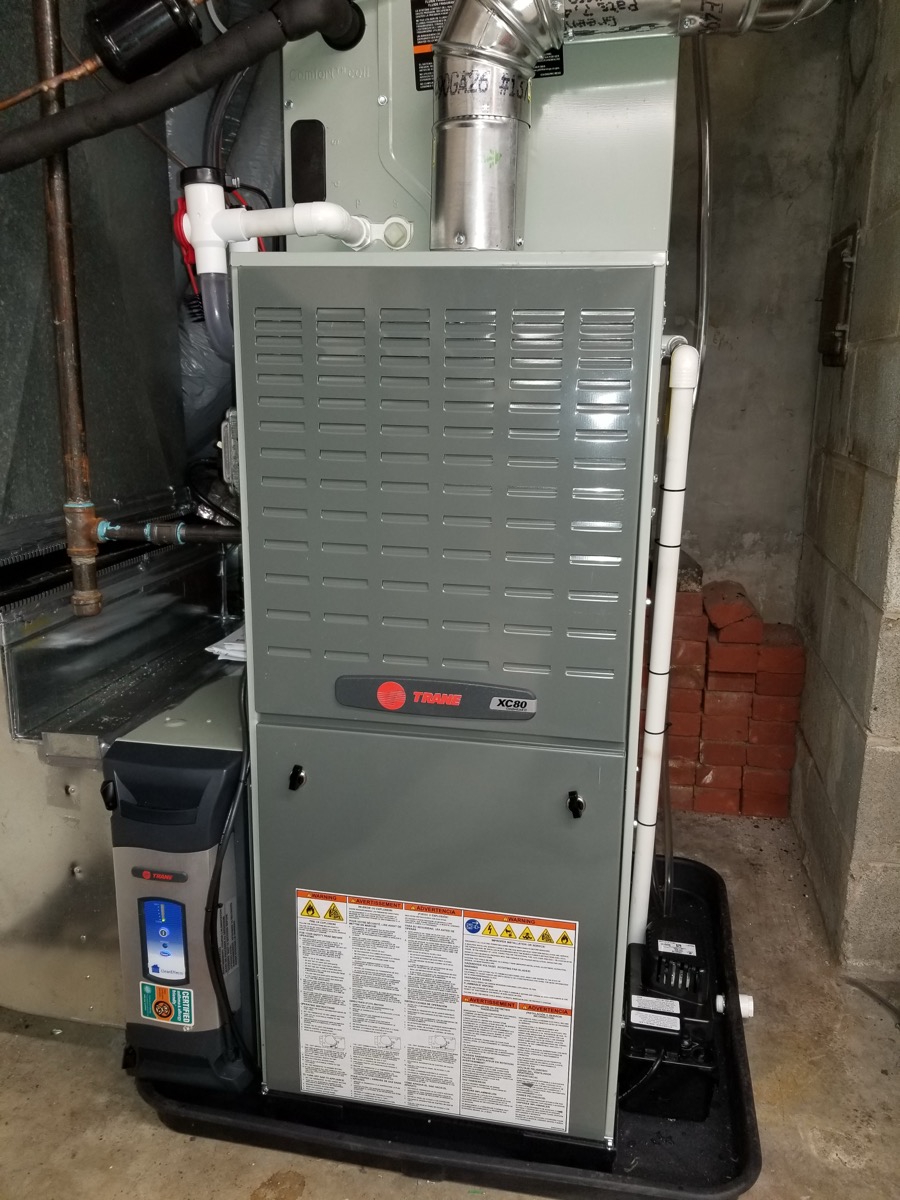
Indoor air quality services and HVAC equipment examples
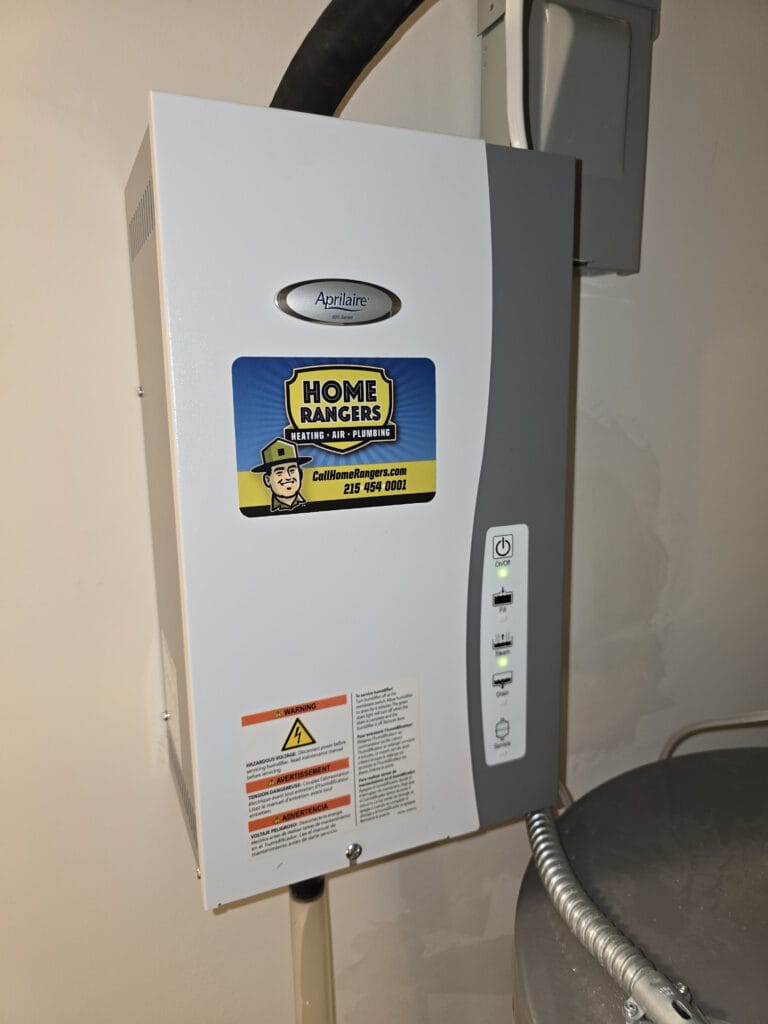
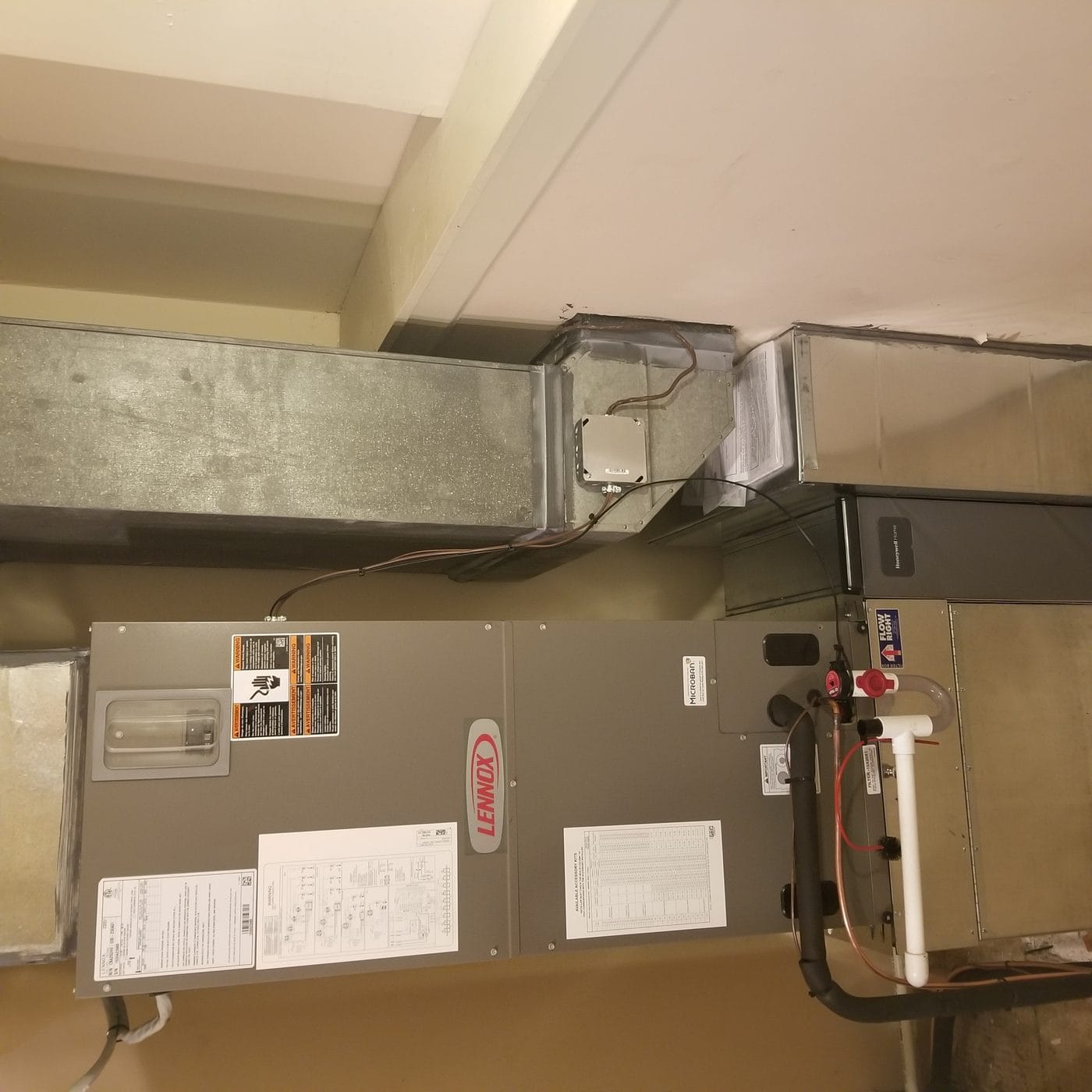
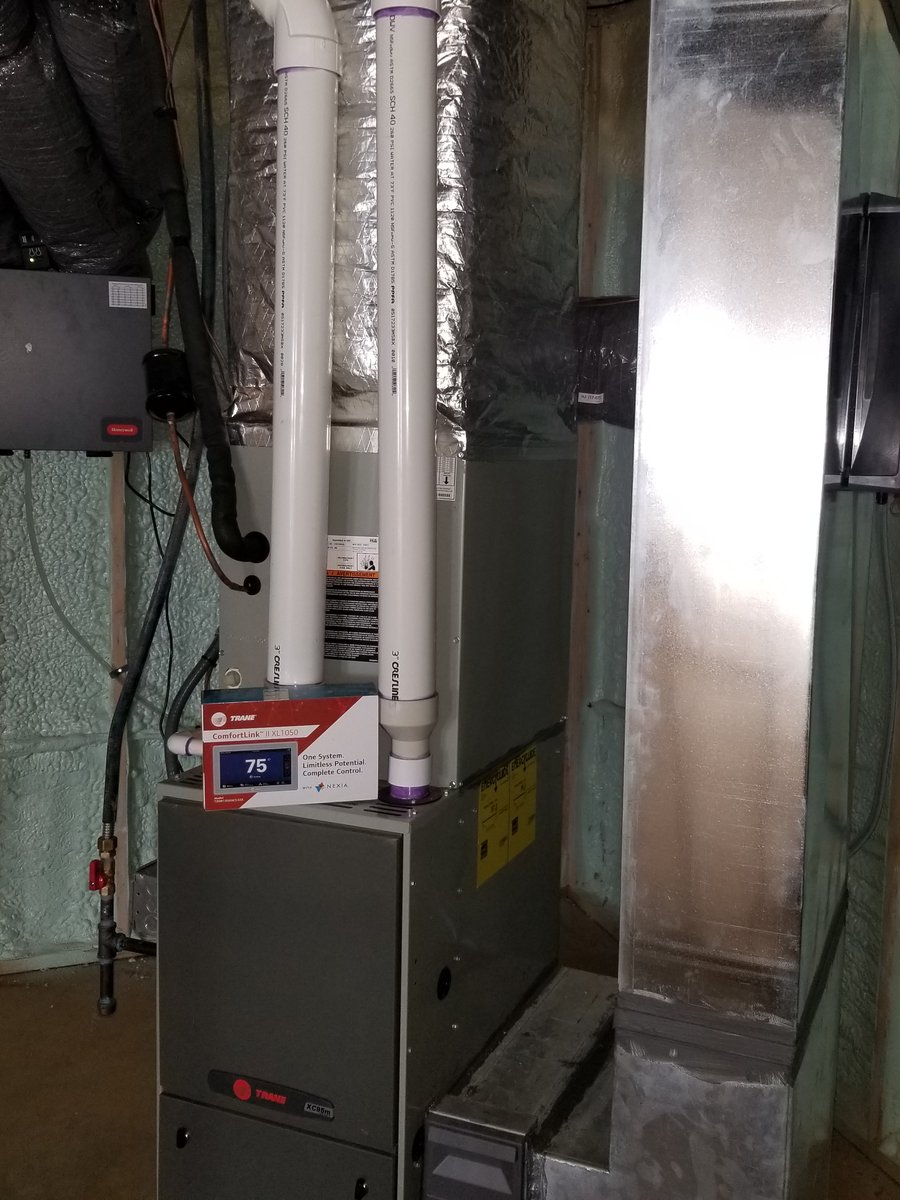
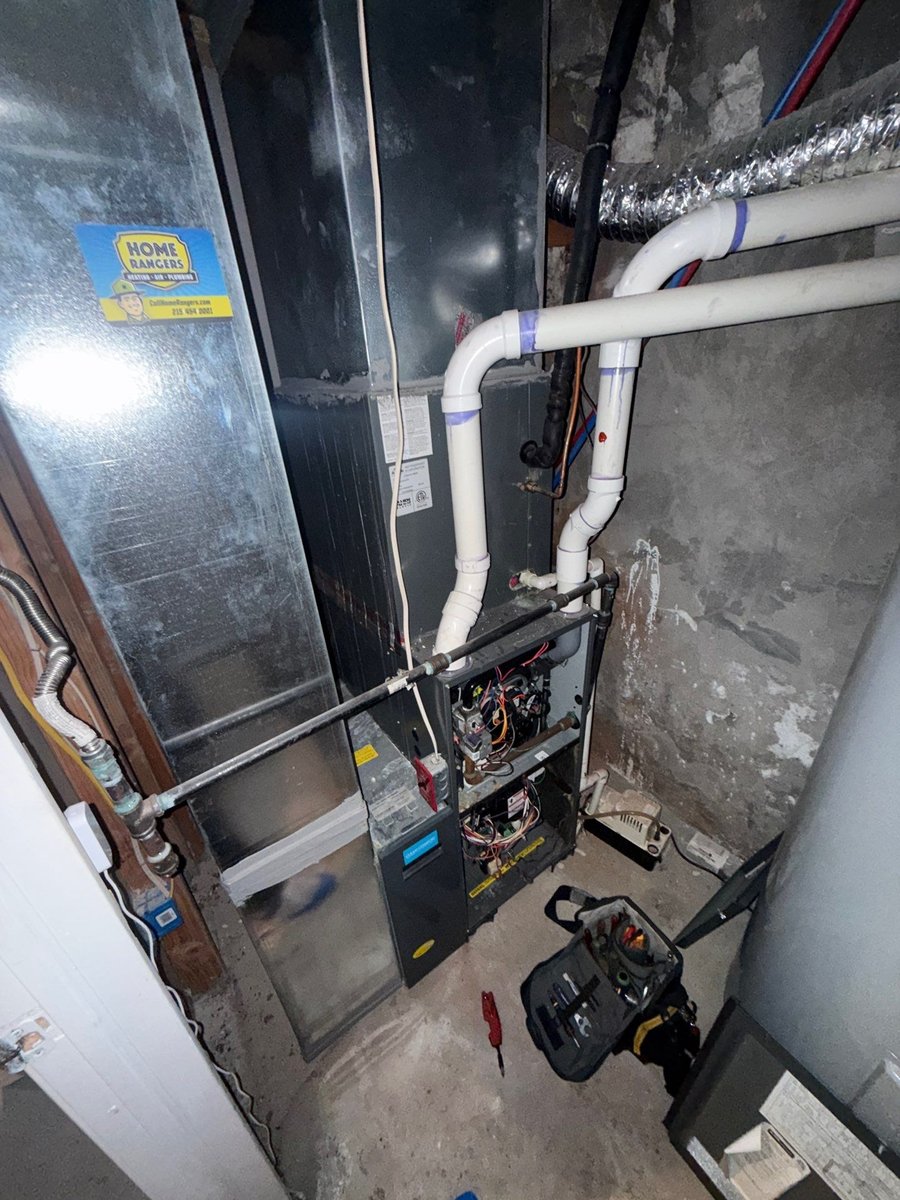
These photos show indoor air quality services, filtration, humidifier, ventilation, and HVAC areas that may affect air quality testing results.
Service Process
How an indoor air quality testing appointment works
We ask about the situation, affected areas, timing, symptoms, recent work, and whether the concern changes by season or week. Then we inspect the HVAC system, perform basic airflow and filter checks, and determine which services are reasonable for the home. The job is to make inspection, installation, schedule, and maintenance decisions clear over time for each Montgomery County home.
At that time, the technician can recommend a good path for the home, whether the system needs cleaning, a humidity-control discussion, or a referral for testing beyond HVAC service.
Inspect
Returns, filters, ducts, drainage, and visible moisture are reviewed in the home.
Explain
We provide clear information about what HVAC work can and cannot fix, so the home has a practical path instead of a confusing list of products.
Offer options
We offer air cleaners, cleaning, or outside testing direction when appropriate.
Schedule
Approved work is scheduled at a reasonable cost after the inspection.
Practical IAQ Planning
Protect your home’s indoor air quality and family’s health
Indoor air quality testing is most helpful when it leads to a clear home plan. The inspection should separate HVAC system problems from building materials, moisture, cleaning habits, pets, and outdoor air entering the house.
Good indoor air quality services protect the system as well as the home. Installing a filter cabinet or air cleaner should improve comfort without making the system struggle. A clean filter path, clean coil area, clean return, and enough airflow matter before adding another device.
If a mold concern, property transaction, or unusual health concern needs specialized testing, we can explain the reason and help you choose the right next step. For HVAC-related problems, contact Home Rangers and we can inspect the areas we service, provide simple information, and offer the installation or maintenance work that fits the home.
Customer Proof
Home Rangers reviews from local homeowners
Reviews help homeowners see how Home Rangers explains HVAC services and indoor comfort options.




Recent Work
Recent indoor air quality check-ins
Recent check-ins can show air quality testing support, filter work, humidifier service, and related HVAC services.
Recent Jobs and Reviews
At a glance
Home Rangers Heating, Air & Plumbing has completed 1 job on December 11, 2025.
Recent work covers Morrisville, PA.
Job Locations and Reviews
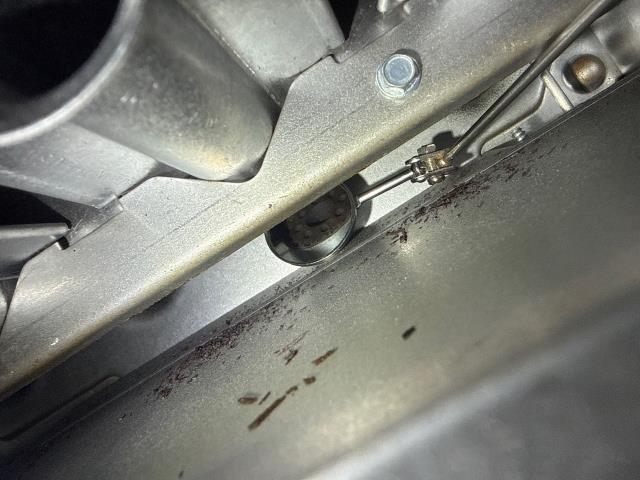

Performed a full HVAC and plumbing service today, including the professional installation of an AprilAire 620M bypass-style whole-home humidifier in our loyal customer's home. The unit was mounted to the ductwork, connected via a bypass collar and flexible duct, wired with a new 24V control line, and supplied with a properly installed water feed line. The drain was connected to an approved location, airflow balanced, and the humidistat set, with homeowner training provided on seasonal operation and maintenance. In addition, we flushed the water heater to remove sediment buildup and performed a complete heating system tune-up, inspecting and testing all components for safe, efficient operation. The homeowner now has improved indoor air comfort, reduced dry air effects, and a fully maintained heating system ready for the winter season.
Questions
Indoor air quality testing FAQs
Call us today if you need IAQ guidance, HVAC services, or help choosing the next safe step.
Need indoor air quality help?
Does Home Rangers perform indoor air quality testing?
We review HVAC-related indoor air quality issues and may suggest outside lab testing for mold, asbestos, radon gas, VOC, formaldehyde, or other specialized pollutants when needed.
Can indoor air quality services help my family’s health?
They can support healthier indoor environments by improving filtration, moisture control, and ventilation, but they are not a medical treatment.
What areas do you serve?
We serve Montgomery County, Bucks County, nearby Philadelphia, and surrounding areas.
Current Specials
Current HVAC & Plumbing Offers
Strong offers built to help you book service faster, save on repairs, and lock in ongoing system protection without digging through the whole site.
Diagnostic Only $49
Fast HVAC or plumbing diagnostic during regular business hours. If you approve the repair, we’ll credit the diagnostic toward the work. Use code RANGERS49 when booking online.
Book Online$75 Off Any Repair Over $300
Save on qualifying HVAC or plumbing repairs when the fix goes beyond a quick minor adjustment and you want real value on a bigger repair.
Book OnlineHome Rangers System Protection Plan: First Month Free
Start your membership at $19.95/mo, get your first month free, and unlock priority scheduling, tune-ups, and repair savings.
View PlanOffer details can change by season, equipment eligibility, service area, lender approval, and program availability. Diagnostic offer is for regular-hours service only. Repair discount cannot be combined with diagnostic credit or other offers.
Lennox systems and verified dealer support
Home Rangers appears on the official Lennox dealer locator for Warminster. Ask about Lennox air conditioners, heat pumps, furnaces, and mini-split options, along with system sizing and financing options for eligible installations.
Whether your AC stopped cooling, your furnace won’t ignite, your water heater is leaking, or your drains are backing up, Home Rangers is here to help. As Warminster’s hometown HVAC and plumbing company, we treat every customer like a neighbor, because you are.
Ready for Home Service You Can Trust?
Book Nowor call us at:
(215) 454-0001