

Owning a heat pump is different from owning a furnace and cooling system as two separate pieces of equipment. A heat pump can provide heating and cooling for the house, so the same system may run through summer, shoulder seasons, and much of winter.
For homeowners in Bucks County, Montgomery County, Philadelphia, and nearby areas, ownership works best when the system is sized correctly, the controls are understood, and regular maintenance is not skipped. The goal is steady heating and cooling, not just installing a new box outside.
Heat Pump Ownership Basics
Owning a heat pump means learning how one system moves heat instead of relying only on traditional heating systems that burn fuel to create heat. Heat pumps work as heating systems and cooling equipment, but they still need good airflow, clean filters, proper refrigerant charge, and sensible thermostat settings.
A heat pump is not magic and it is not identical in every house. Insulation, duct condition, electrical capacity, outdoor air temperature, and auxiliary heat planning all affect comfort. A system installed in a tight, well-insulated house can feel very different from the same equipment in a drafty house.
How A Heat Pump Works
Heat pumps work by using refrigerant, a compressor, coils, and a reversing valve to transfer heat. In cooling mode, the system pulls heat from indoor air and releases it outdoors. In heating mode, the system reverses the process and pulls heat energy from outside air to bring warm air inside.
Because the heat pump moves heat, it does not generate heat the same way a traditional furnace, boiler, or electric resistance heater does. A heat pump works by using refrigerant for transferring heat, and even cold air can contain usable heat energy that can be moved to a higher temperature inside the home.
When a heat pump works correctly, the process is steady rather than dramatic. It may not blast hot air like a gas furnace, but it can provide heating while using less energy than some older heating system setups.
The refrigerant changes from a liquid state to a vapor and back again as pressure changes inside the heat pump system. That pressure change is part of how the compressor helps the system transfer heat efficiently.
Air Source Heat Pumps And Ground Source Heat Pumps
Most residential ownership questions involve air source heat pumps. Air source heat pumps use outside air as the heat source and can replace or support an older air conditioner while also providing heating and cooling. Air source heat pumps should be matched to the house, not chosen by outdoor unit size alone.
Ground source heat pumps, also called geothermal heat pumps, use the ground as the heat source. A ground source heat pump may use a buried ground loop to exchange heat with the earth. Geothermal heat pumps can be efficient, but the project scope is very different from air source heat pumps because of excavation, loop design, and site conditions.
Some homes also use hot water, radiators, larger radiators, underfloor heating, a gas boiler, gas furnaces, natural gas, propane, or fuel oil. Comparing those heating systems to a heat pump should include comfort, fuel availability, electrical work, and the way the house already distributes air or hot water.
Hot water distribution can feel different from moving heat through air ducts, so comfort expectations should be discussed before replacing older cooling systems or heating equipment.
Key Parts Of A Heat Pump System
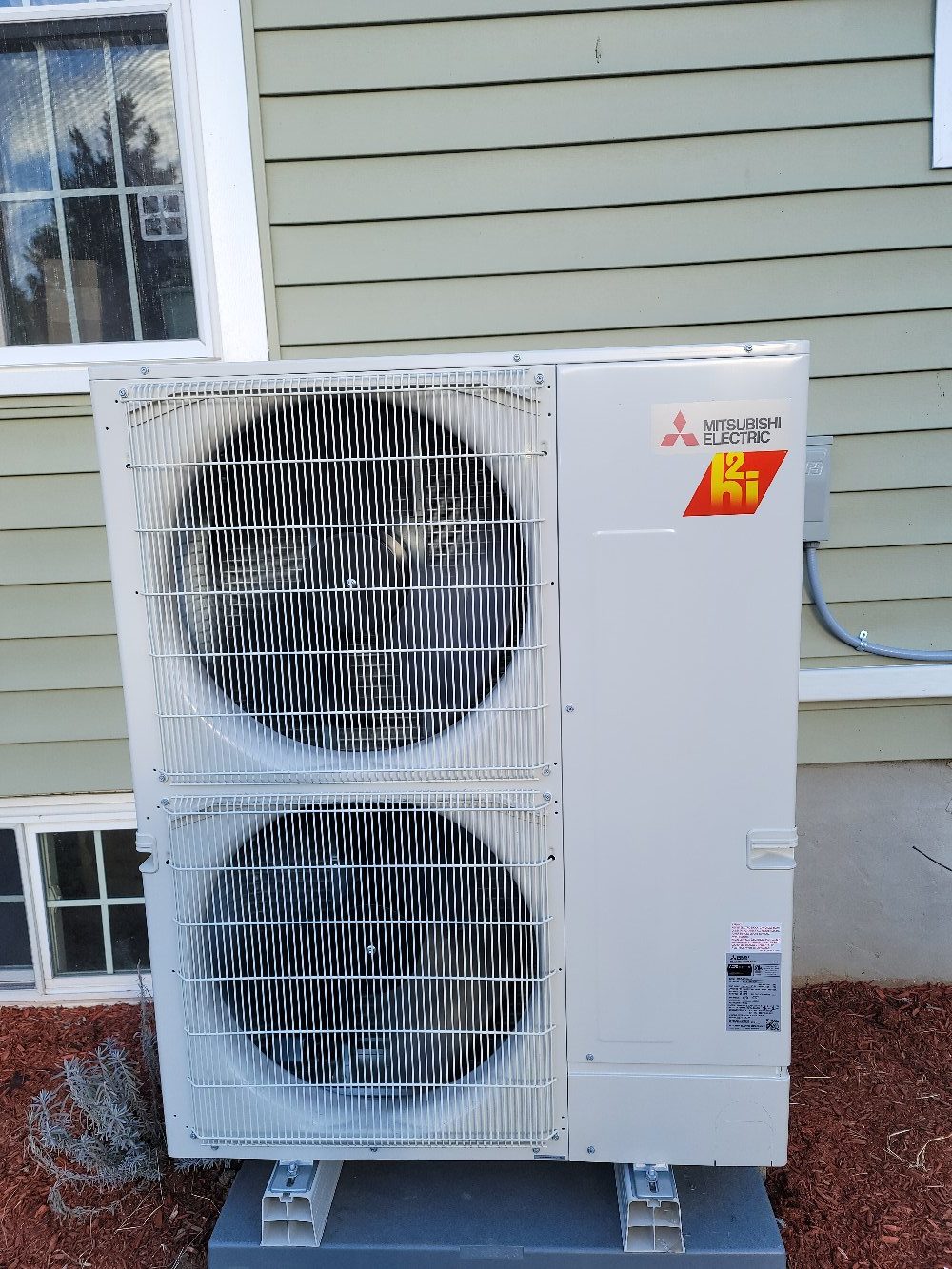
A typical air source heat pump system has an outdoor unit, indoor coil or air handler, refrigerant lines, controls, and ducted systems or ductless indoor units. The outdoor unit contains the compressor and outdoor coil. The indoor side moves conditioned air through the house.
The controls matter because they decide when the system runs, when auxiliary heat is used, and how the system switches between heating mode and cooling mode. If the controls are set incorrectly, the equipment can appear to blow cold air even when the outdoor unit is not the real problem.
Cooling Mode, Heating Mode, And Cold Air
In cooling mode, a heat pump works much like an air conditioner. It removes indoor heat and humidity, then sends that heat outdoors. Cooling capacity depends on unit size, airflow, outdoor temperature, refrigerant condition, and duct design.
During heating operation, the system collects heat from outdoor air. Heat pumps work best when the heat pump installation, ductwork, airflow, and control setup match the house. The system may run longer than a furnace because it often delivers heat more gradually.
Cold air complaints can happen when the fan runs before the coil warms up, when auxiliary heat is locked out, when airflow is poor, or when the system has a refrigerant, defrost, or control issue. If the system is blowing cold air for more than a short transition period, it should be checked.
Cold Climate Heat Pumps, Auxiliary Heat, And Dual Fuel
Cold climate heat pumps are built to keep providing heat as temperatures drop. High efficiency heat pumps can still work harder on the coldest days, so backup heat planning is part of responsible ownership.
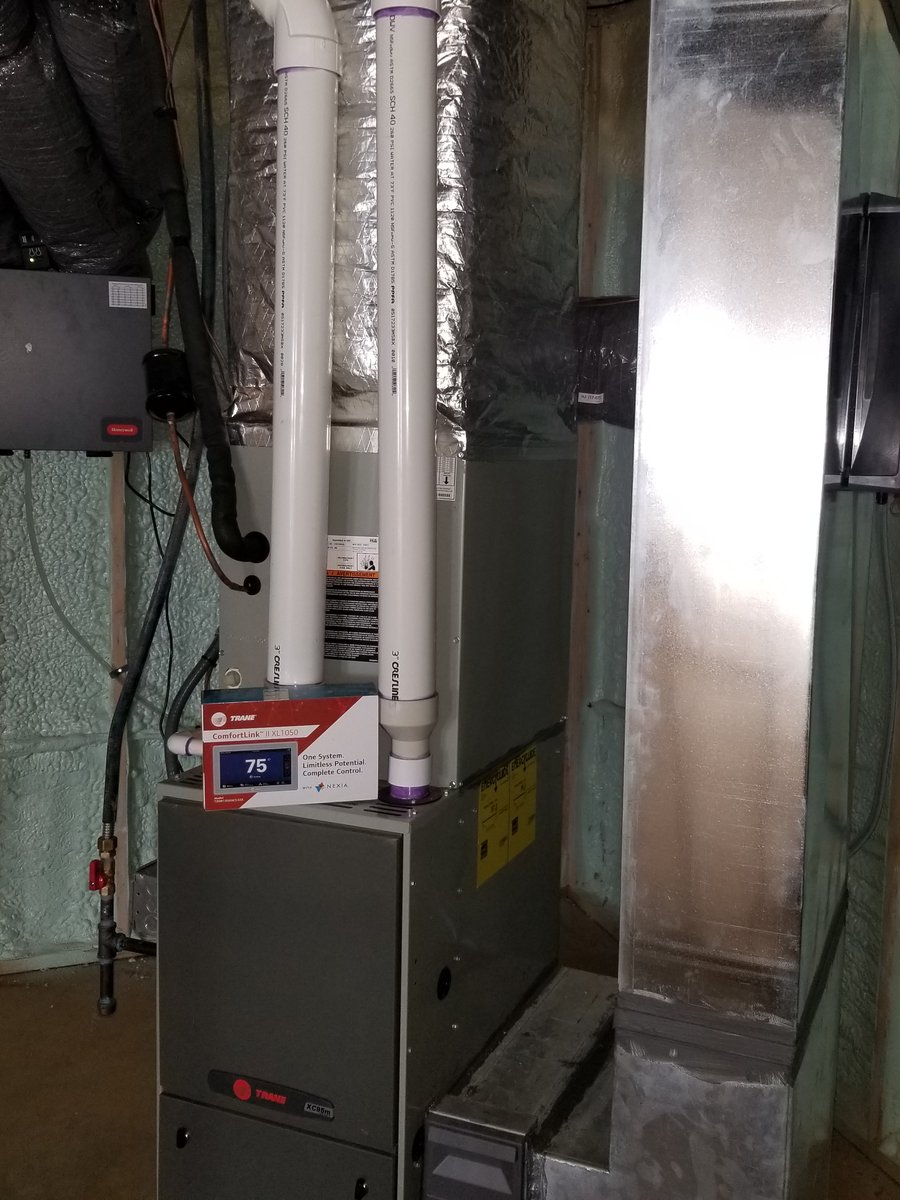
Backup heat may be electric auxiliary heat, a gas furnace, or another heat source. In a dual fuel setup, the equipment handles milder weather and a furnace may take over when outdoor air gets too cold for the selected system to heat efficiently.
That combination can make sense in colder regions or houses that already have gas equipment, but it should be configured carefully. A poor setup can raise energy usage, affect the electric bill, or make the house feel inconsistent.
Existing Ductwork, Ducted Systems, And Mini Splits
Some installation projects use existing ductwork. Existing ductwork should be checked for size, leakage, return air, insulation, and room balance before equipment is selected. A good system can still disappoint if the ducted systems cannot move enough air.
Ductless mini split heat pumps are another path. They can serve rooms without ducts, additions, offices, finished spaces, or areas where the main system struggles. Mini split heat pumps still need correct sizing, line routing, condensate planning, and maintenance access.
Energy Efficient Operation And Energy Costs
An energy efficient heat pump can reduce energy use compared with some older heating systems, but the result depends on the house, fuel prices, installation quality, and control habits. Energy efficiency should be judged over the full year, not only by a label on the outdoor unit.
Energy efficiency also depends on how well the system can transfer heat through the home. Leaky ducts, clogged filters, poor insulation, or oversized equipment can reduce efficiency even when the rating looks good.
Energy costs can also change when a home shifts from gas, propane, or fuel oil to electricity. The system may use less total energy while the electric bill changes. Homeowners should compare comfort, operating cost, energy efficient options, and equipment condition before deciding to replace a furnace or older air conditioner.
Incentives are another question. Programs connected to many states, the Inflation Reduction Act, or a federal tax credit can change, and not every heat pump installation qualifies. Treat incentive information as something to verify at the time of planning.
Rebates, Tax Credits, Solar, And Energy Savings
Energy savings should be treated as an estimate, not a promise. The money side of a project includes installation cost, utility rates, maintenance, the heating season, and how much electricity the system uses compared with oil, gas, or propane.
Some homeowners ask about rebates, tax credits, solar, and other home upgrades at the same time. Rebates can be helpful, but rebates are usually tied to eligibility rules, paperwork, equipment ratings, income limits, utility programs, or regional program funding.
Before planning around rebates, confirm the current rebate program in writing. Tax credits and rebates can change, and solar production, utility rates, and local climate all affect whether a project may save energy over time. Rebates should be documented before purchase, because rebates are not the same as final approval.
A contractor should explain load calculation, different types of air source heat pump options, different types of ducted or ductless layouts, expected performance in cold climates, and whether the system is suited for the house before they sell a specific unit. Customers get a clearer account of price and resources.
The goal is to save energy where the house supports it, use less energy when possible, and compare the money required for installation with expected performance. Transferring heat in cold climates can save energy, but only when the design fits the home.
Regular Maintenance For A Heat Pump
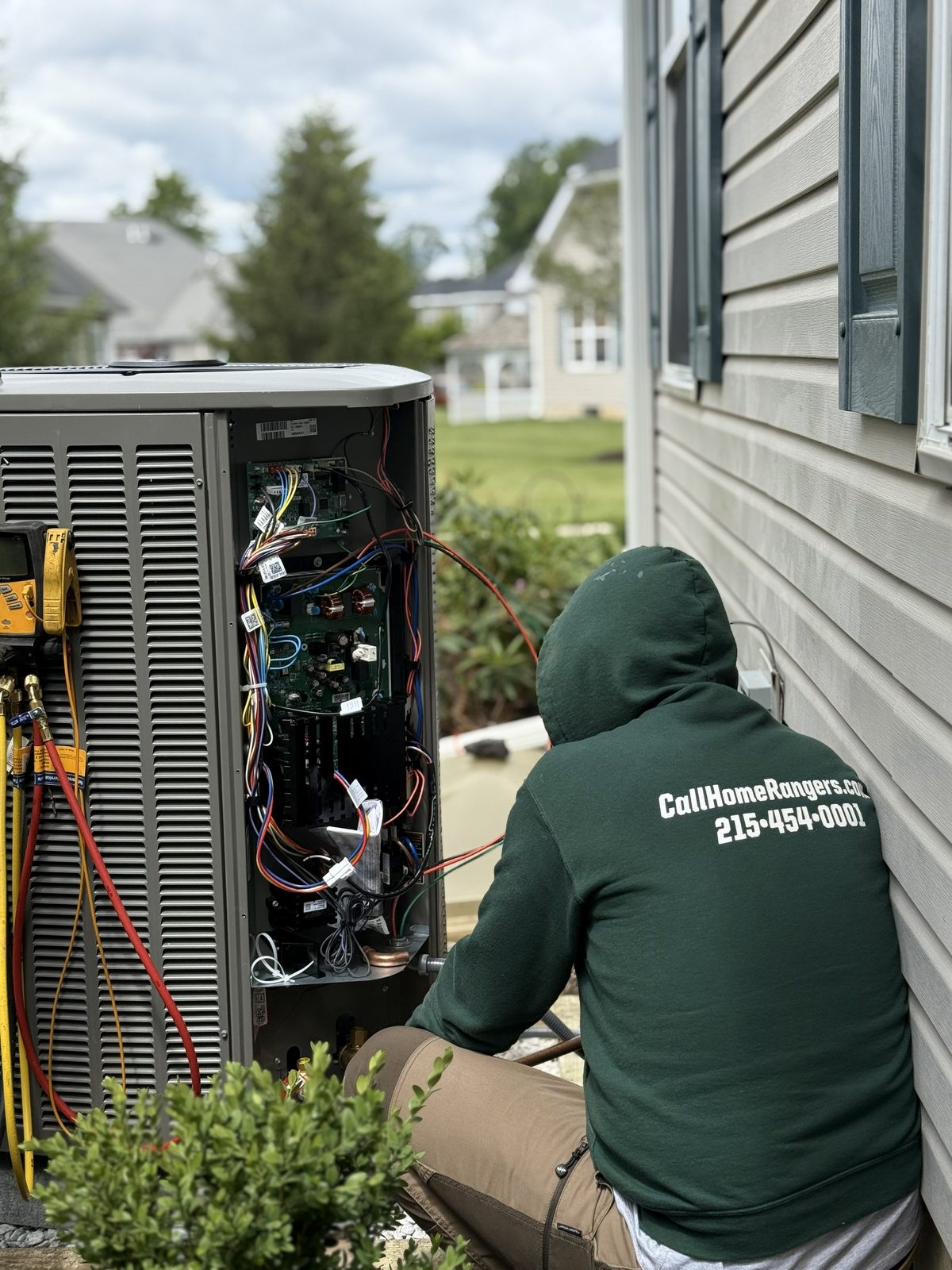
Regular maintenance is important because heat pumps work in both heating and cooling seasons. Filter changes, airflow checks, coil cleaning, refrigerant testing, electrical checks, control review, defrost operation, and condensate drainage all affect heating and cooling performance.
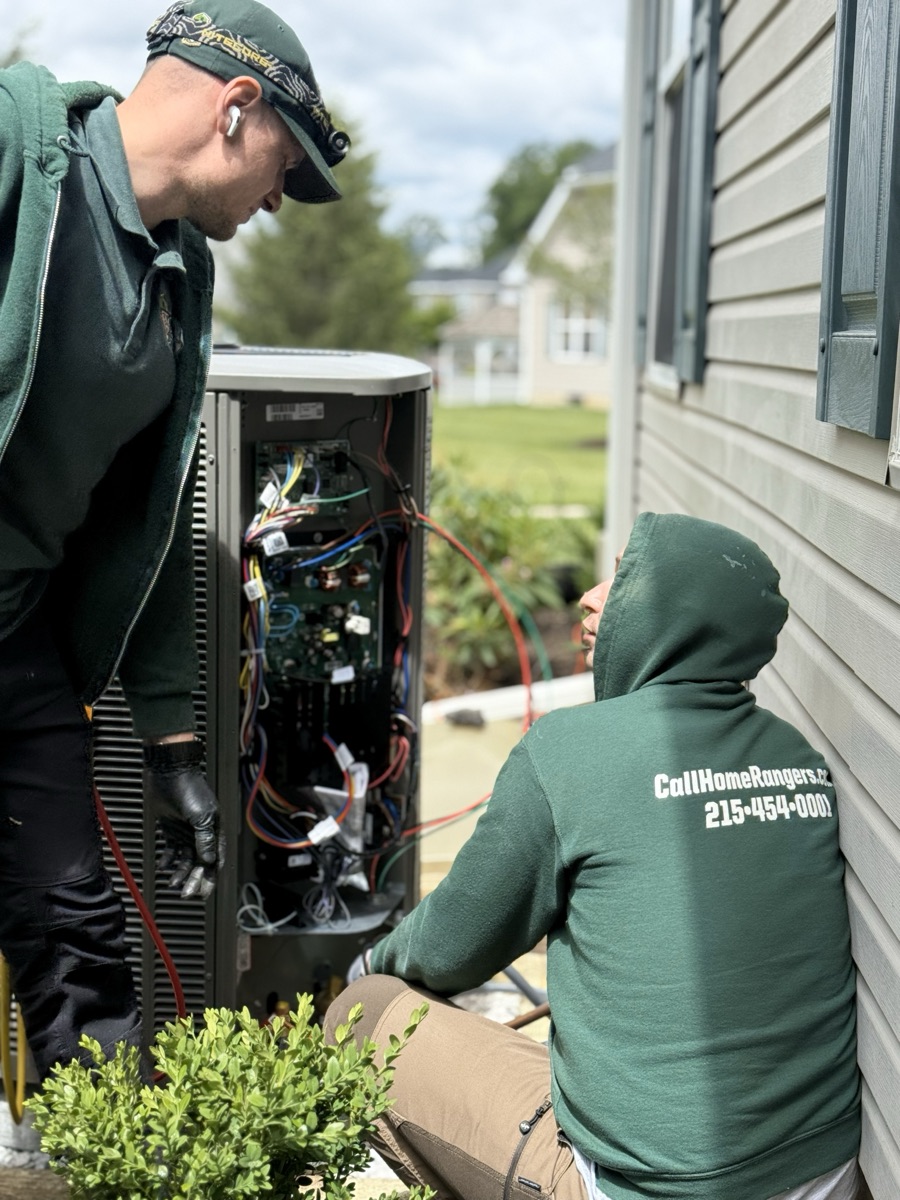
Homeowners can replace filters, keep outdoor equipment clear, and watch for blocked vents. A service visit can check compressor operation, refrigerant pressure, temperature split, electrical parts, control signals, and signs of freezing. Skipping maintenance can make the system work harder and shorten useful equipment life.
Warning Signs A Heat Pump Needs Service
Call for heat pump repair when the system short cycles, trips breakers, freezes repeatedly, makes new noise, has weak airflow, struggles in heating mode, or cannot maintain comfortable temperatures. Also pay attention if the system switches to auxiliary heat too often or if the outdoor unit stays covered in ice after the defrost process should have cleared it.
The unit can fail because of control problems, low refrigerant, dirty coils, failed sensors, compressor issues, airflow restrictions, or electrical faults. Quick diagnosis matters because one small issue can create a bigger heating and cooling problem if the system keeps operating under stress.
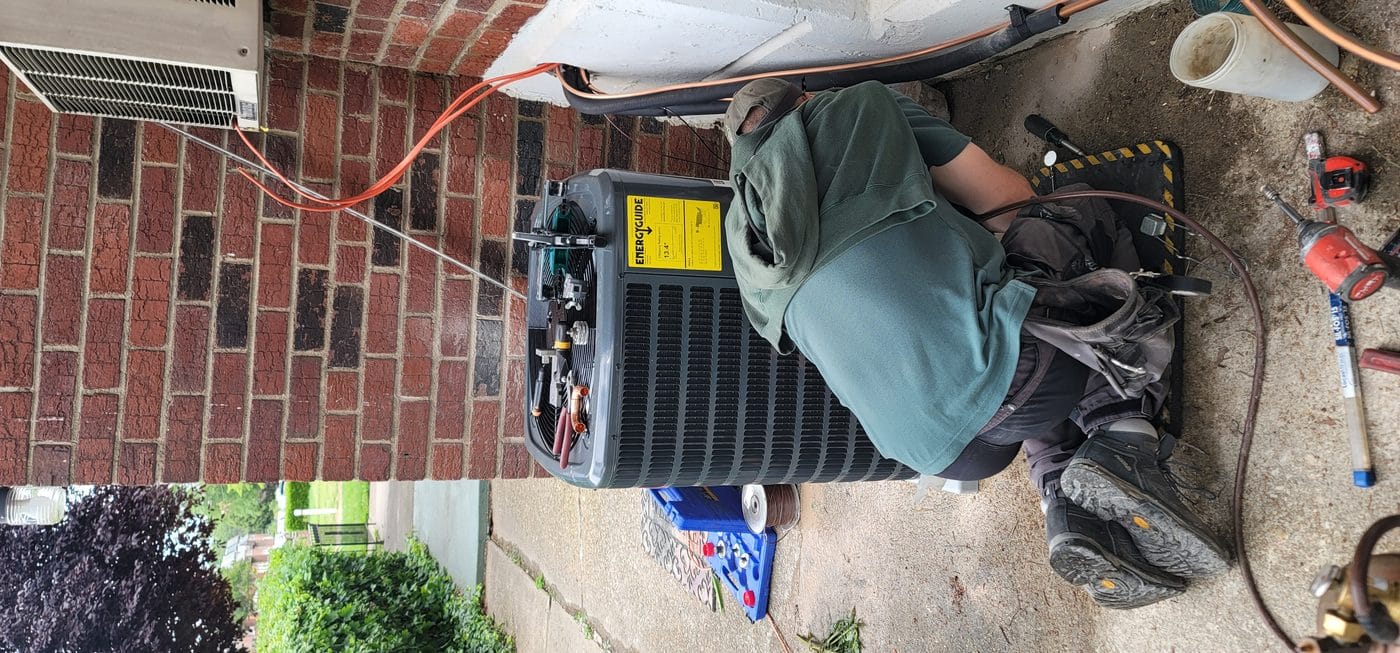
Heat Pump Service Photos


Frequently Asked Questions
Do heat pumps work in cold weather?
Yes, heat pumps work in cold weather when the equipment is selected and installed for the home. Cold climate heat pumps are designed for lower outdoor air temperatures, while some homes also use auxiliary heat or dual fuel controls for the coldest days.
Is a heat pump the same as an air conditioner?
A heat pump and an air conditioner are similar in cooling mode, but a heat pump can reverse operation to provide heating. That reversing valve is what allows one system to provide both heating and cooling.
How often does a heat pump need maintenance?
A heat pump should be checked regularly because it operates in both summer and winter. Filters may need more frequent attention, while professional maintenance can review refrigerant, airflow, coils, controls, defrost operation, and safety items.
Should I replace a furnace with a heat pump?
It depends on the house, heating needs, duct layout, electric service, fuel type, comfort expectations, and the condition of the current furnace. Some homes use an all-electric heat pump system, while others use dual fuel with a furnace as the backup.
Good ownership is a comfort plan, not just an equipment choice. The right answer depends on the house, the climate, the existing system, and how the family uses the space.
Need Help With Heat Pump Planning?
Home Rangers can review heat pump repair, installation planning, ductless mini split options, control setup, auxiliary heat, and comfort concerns in Bucks County, Montgomery County, Philadelphia, and nearby areas. License records include PA HIC #PA163523, Philadelphia Contractor #057677, NJ Master HVACR #19HC00033500, and DE Master HVACR #HM-0011370.
Ask About Heat Pump Service