

Sewer line trouble usually starts as a pattern, not one dramatic failure. One clogged drain can be ordinary. Several drains backing up, sewer odor, wet soil, or gurgling fixtures can mean the main sewer line needs attention.
The most important warning signs are the ones that repeat. If the same sewer line problem comes back after drain cleaning, or if several fixtures act up together, schedule a camera inspection before the damage turns into a sewage backup.
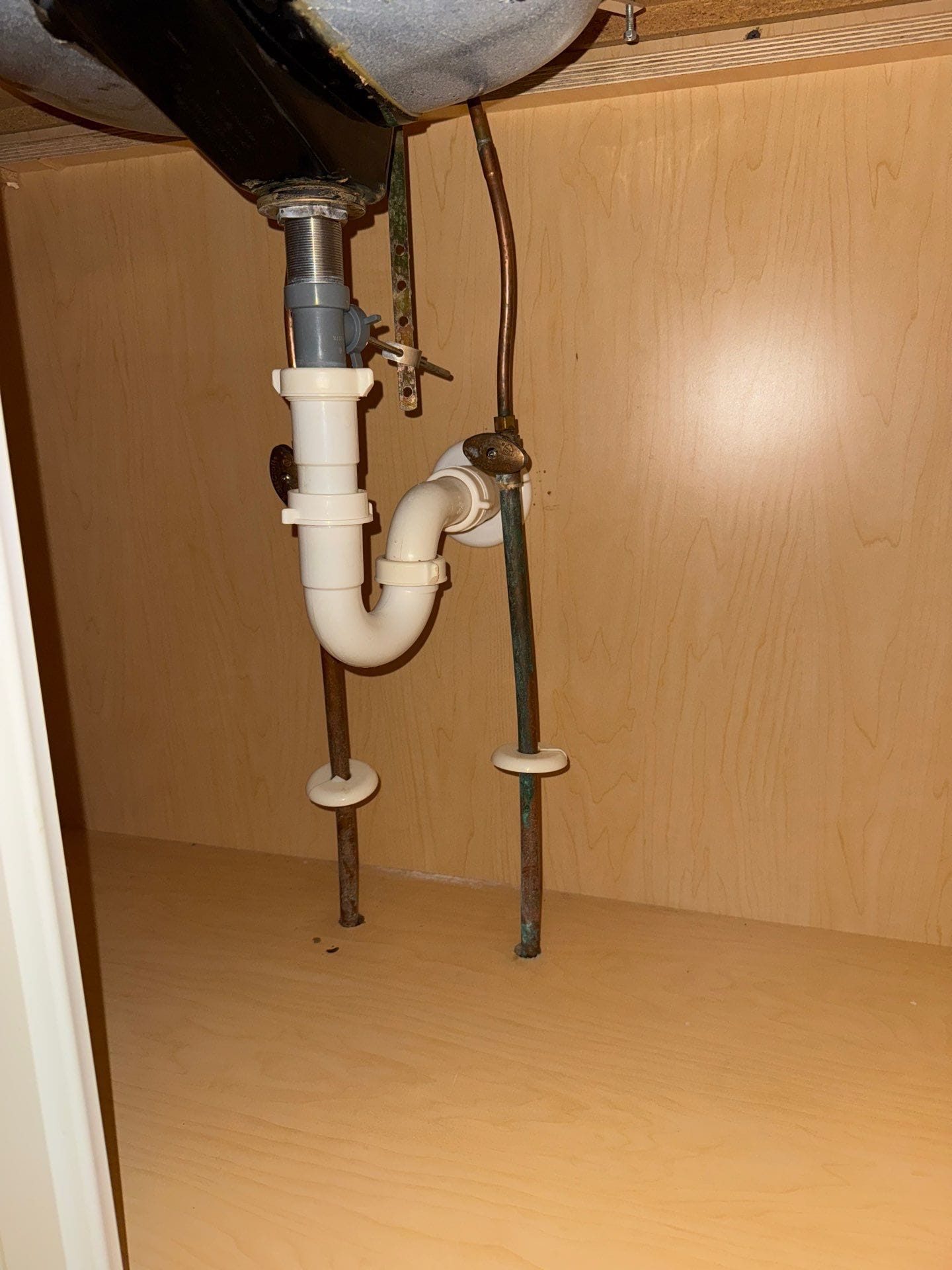
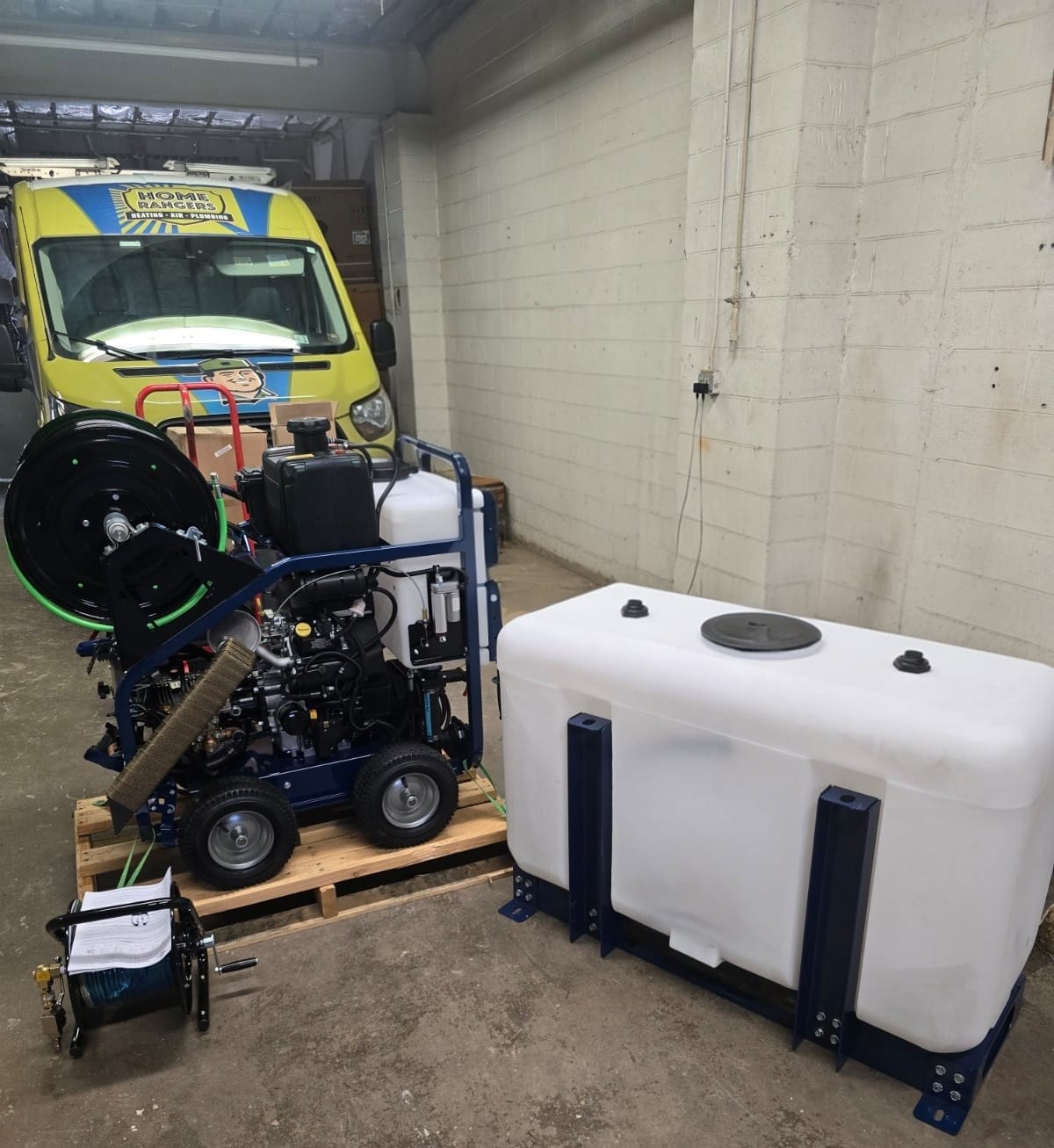

Home Sewer Line Signs Sewer Line Repair May Be Needed
These common signs do not prove the exact repair by themselves, but they do show when a home sewer line should be checked. A camera inspection can separate a local clog from a cracked sewer line, broken pipe, or collapsed section.
Watch for slow drains, sewage backup, sewer odor, wet patches in the yard, gurgling noises, and repeated clogs. Those warning signs can point to sewer line damage inside the pipe wall or in the surrounding soil.
If signs your sewer line is in trouble are showing up at the same time, the main sewer line and sewer system should be checked together. That is the safest way to protect the plumbing system before backups spread.
A professional plumber can compare multiple fixtures, cleanout behavior, basement drains, and the home’s plumbing system. That review helps separate a local plumbing issues list from a true sewer problem.
More Than One Drain Is Slow Or Backing Up
Several drains acting up is one of the clearest warnings your sewer line may be involved. Slow draining sinks, tubs, showers, floor drains, and toilets that back up together can point to the sewer route instead of one fixture trap.
All the drains in a home ultimately depend on the same sewer system. When the pipe is blocked, broken, or sagging, multiple drains can start draining slowly because wastewater cannot move through the line.
Slow Drains That Keep Coming Back
Slow flow after a large meal, a hair clog, or a single bathroom sink issue may be local. Slow drains that return soon after cleaning can be an early warning sign of a sewer line problem farther downstream.
Grease in the line, root intrusion, pipe cracks, a belly in the ground beneath the pipe, or a damaged sewer line can keep catching waste. Repeated drain trouble is a reason to inspect sewer pipes instead of clearing the same clog again.
Gurgling Noises From Plumbing Fixtures
Hear gurgling sounds after a toilet flush, shower drain, or washing machine discharge? Air can be moving backward through the plumbing system because the sewer line is partially blocked.
Gurgling noises may also relate to vent stacks, but paired with sluggish drains or sewer odor they become stronger signs of a broken sewer line. Do not ignore gurgling that appears in several fixtures.
Sewer Gas, Sewer Odor, Or Sewage Backup
Sewer gas inside the home or near the yard is not normal. Odor near a floor drain, basement, crawl space, or home’s foundation can mean a sewer line leak, dry trap, vent issue, or damaged sewer line.
Wastewater, a sewage leak, or sewer gas can create a health hazard and should be handled carefully. Stop using the affected fixtures if wastewater is entering the home.
Wet Soil, Mold Growth, Or Sinking Ground
A broken sewer pipe can leak into the surrounding soil before it backs up indoors. Watch for soggy grass, settling soil, musty basement moisture, mold growth, or one strip of lawn that stays greener than nearby areas.
Those yard signs matter because wastewater can move under patios, sidewalks, driveways, and the home’s foundation. A sewer line inspection can locate the line and show whether the pipe is cracked, offset, or failing.
Recurring Drain Cleaning Does Not Hold
Cleaning can clear soft blockages, but it does not repair broken pipes. If the same sewer line problem returns after cable cleaning, jetting, or root cutting, pipe type and pipe condition need to be reviewed.
A blockage that returns may be caused by tree roots, cast iron corrosion, Orangeburg pipes, a cracked pipe, poor installation, or a sagging section. The next step is inspection, not guesswork.
Signs Of A Broken Sewer Line And Pipe Failure
Common signs of a broken sewer line include odor, slow drains, floor drains backing up, sewage backup, wet soil, and gurgling noises. Pipe failure can also include hidden leaks and serious damage below finished surfaces.
Signs of a broken sewer line should be checked before the repair path is chosen. A broken sewer line may need a spot repair, replacement, or a trenchless option depending on pipe depth, access, and material.
Collapsed Sewer Line And Main Sewer Line Damage
A collapsed sewer line is more serious than a soft clog because the pipe can no longer carry wastewater normally. A collapsed pipe may cause repeated backups, standing water in the line, or sudden failure after years of corrosion.
A collapsed sewer line can also look like frequent clogs if only part of the pipe has settled. A camera view helps confirm whether a collapsed sewer line is actually present.
Main sewer line damage can come from tree roots, shifting soil, cracked sewer pipe sections, deteriorated metal pipe, or poor installation. The camera view helps confirm whether the broken sewer line is open, bellied, offset, or collapsed.
What Sewer Pipes Can Tell You During Inspection
Sewer pipes show different problems depending on their age and pipe material. Cast iron can corrode, clay sewer pipes can separate at joints, Orangeburg pipes can deform, and PVC can be affected by settling or bad slope.
A professional inspection can show pipe cracks, root intrusion, grease buildup, offset joints, bellies, and collapsed sections. That footage makes sewer repair decisions more practical and can help avoid repairs based on the wrong assumption.
Camera Inspection Before Repair
A sewer camera inspection is usually the first step when warning signs point beyond one fixture. Camera inspection helps locate the sewer line problem, measure distance, document pipe wall condition, and decide whether repair is practical.
A camera inspection can also show whether hydro jetting may restore flow or whether repair is safer. The goal is to match the repair to the actual condition of the sewer pipes.
When To Schedule Sewer Line Repair
Schedule sewer line repair review when sewage enters the home, more than one drain backs up, gas odor is present, or backups keep returning. These are warning signs that should not be handled with repeated temporary clearing alone.
Home Rangers can inspect the sewer system, review sewer line issues, and explain repair options after the line is evaluated. Call (215) 454-0001 or book a sewer camera inspection online.
Raw sewage, sewer backup, or water coming from a floor drain should be treated as a priority. The sewer line needs inspection before anyone can know whether cleaning, spot repair, or replacement is appropriate.
When sewer line needs are unclear, do not guess from symptoms alone. A home with older sewer pipes, nearby roots, or repeated backups needs the plumbing system reviewed before a repair choice is made.
How To Avoid Costly Repairs
To avoid costly repairs, do not keep running water into a known backup. Keep people away from sewage, avoid opening cleanouts without the right equipment, and do not rely on chemical drain products for a sewer issue.
Early warning signs matter because a small leak or cracked sewer line can become a larger broken sewer line. Finding the problem early can protect the plumbing system and reduce unnecessary digging.
Repair Options After Diagnosis
Sewer repair can involve cleaning, spot repair, trenchless repair, or sewer line replacement. The right line repair depends on location, depth, length of damage, and whether the damaged sewer line can support a trenchless method.
Some sewer line issues are repairable in one section. Other damage affects long runs of sewer pipes and may require replacement. The inspection should guide the plan before work begins.
Frequent Backups And Sewer Problems
Frequent backups are different from an occasional minor clog. If backups return after cleaning, the main sewer line may have a slope, root, or damaged pipe problem.
Sewer problems often build slowly. A sewer line leak, odor, and slow drainage may appear before a larger failure or full replacement becomes necessary.
Regular inspections are useful for older sewer pipes, nearby trees, and homes with previous root intrusion. They help document pipe damage before emergency digging is the only option.
Video inspection can also show whether damaged sewer lines have minor cracks, open joints, or sections where joints separate. That detail matters before choosing repairs.
Foundation Cracks And Sewer Line Failure
Foundation cracks do not automatically mean sewer line failure, but wet soil near the foundation should be taken seriously when sewer odor or backups are also present.
A cracked drainpipe below a slab, driveway, or basement floor can create hidden leaks. Minor cracks can still let roots enter and turn into larger pipe damage.
Tree root intrusion can start through a small opening and expand over time. Root intrusion may catch paper, grease, and debris until the sewer line needs cleaning or repair.
Cast iron pipes can shed scale into the flow path. When rough pipe walls catch debris, the waste line can slow down even before a full collapse occurs.
If symptoms appear near the same area of the property, note the location. That helps compare surface clues with camera distance measurements.
The safest repair plan starts with the actual condition of the main sewer line. It should not be based only on surface symptoms or one backup event.
When the sewer line needs replacement, the plan should explain access, depth, pipe route, and restoration concerns before work begins.
Quick Questions About Sewer Line Issues
Can one blocked drain mean sewer repair?
One blocked drain may be local. Multiple drains, repeated backups, or sewer backup makes a main line problem more likely.
What are common signs of a broken sewer line?
Common signs of a broken sewer line include odor, gas from drains, gurgling noises, wet soil, slow drainage, floor drains backing up, and wastewater near living areas.
Can tree roots damage sewer pipes?
Yes. Tree roots can enter small openings in sewer pipes, grow inside the line, catch debris, and create a pipe break or recurring blockage.
Is sewer gas always from a sewer line issue?
No. Gas odors can come from a dry trap or vent problem, but sewer gas with slow flow or sewage odor should be checked quickly.
Why not repair before inspection?
Inspection shows whether the issue is a clog, crack, broken line, collapsed section, or damaged sewer line. That prevents the wrong repair.