Home Rangers
Smart Thermostat Installation in Bucks & Montgomery County, PA
Ready to upgrade comfort control? Home Rangers installs smart thermostats across Bucks County, Montgomery County, nearby Philadelphia, and surrounding communities.

Family-Owned, Local HVAC & Plumbing Team
Free Estimates On Installations & Replacements
Same-Day & Emergency Service, 24/7
Master-Licensed in PA, NJ & DE
Upfront Pricing, No Surprises
Smart Thermostat Installation
Comfort controls installed around the HVAC system you actually have
A smart thermostat can make heating and cooling easier to manage, but the installation needs to match the equipment, wiring, staging, and control setup in the home. Compatibility matters just as much as the thermostat brand.
Home Rangers installs smart thermostats across Bucks County, Montgomery County, nearby Philadelphia, and surrounding communities. We check the existing wiring, equipment type, C wire needs, heat pump or auxiliary heat settings, Wi Fi setup, app control, and basic homeowner settings before leaving the system in service.
Installation Checks
Check compatibility before smart thermostat installation
Smart thermostats are not all wired or configured the same way. A professional installation looks at the control side of the HVAC system before the new thermostat is mounted, the old thermostat is removed, or thermostat wires are moved to new terminals.
The old thermostat, old thermostat base plate, and thermostat wires are photographed before any wires are disconnected. Labeled wires help the technician see which lines connect to heating, cooling, fan, common, and accessory terminals.
Many smart thermostats require a C wire or common wire to provide power. If no C wire is present, the options may include an unused wire, compatible adapter, or power extender kit.
The new thermostat’s backplate or base plate needs a level wall location, clean screw holes, and wall anchors when the old holes do not line up.
The new thermostat, new smart thermostat, and new faceplate must match the HVAC system, heat pump logic, stages, accessory controls, and temperature settings.
Heat pumps, auxiliary heat, emergency heat, reversing valve settings, and compressor protection can affect comfort, energy use, and cooling costs if the thermostat setup is wrong.
Wi Fi strength, Wi Fi password access, smart home settings, and the companion smartphone app matter after the new smart thermostat powers up.
Setup Process
Smart thermostat installation process, step by step
The installation process is more than getting the screen to turn on. The thermostat needs to call the right equipment, use the right modes, reconnect the right wires, and be understandable for the homeowner.
Turn off power at the breaker panel
The HVAC technician checks safety first, then may shut off one or multiple breakers. If line-voltage electrical work is involved, an electrician may be needed before thermostat wires are touched.
Remove the old thermostat and label wires
The technician can unscrew the old thermostat cover, pull the wires forward, mark or label wires, and keep the wires from falling into the wall before the old thermostat base plate is removed.
Mount the base plate and connect terminals
A screwdriver, small screws, drill holes, screw holes, and wall anchors may be used to mount the thermostat’s backplate. The wires then connect to the corresponding terminals.
Restore power and test the new faceplate
After the new thermostat and new faceplate snap into place, power is restored, temperature settings are checked, the companion smartphone app can be opened, and the system is tested.
Customer Proof
Home Rangers reviews from local homeowners
Reviews help homeowners understand how Home Rangers communicates, explains HVAC work, and handles comfort-control service before they schedule thermostat installation.




Choosing A Thermostat
Nest, Ecobee, Honeywell, Sensi, Trane, Lennox, and other controls
The best thermostat depends on more than brand preference. Homeowners should choose based on compatibility, ease of use, room sensor needs, heat pump support, accessories, and how much app control they actually want.
Home Rangers can install homeowner-supplied thermostats or discuss options before installation when the existing system needs a more careful compatibility review.
Remote control, basic schedules, and alerts may be enough for many homes.
Some thermostats use remote sensors to help manage hot and cold rooms.
Heat pump and auxiliary heat setup should be reviewed before buying a thermostat.
Two-stage, variable, or communicating equipment may need specific controls.
Humidity, ventilation, and air-quality accessories can affect thermostat selection.
The best control is one the household will actually understand and use.
Service Photos
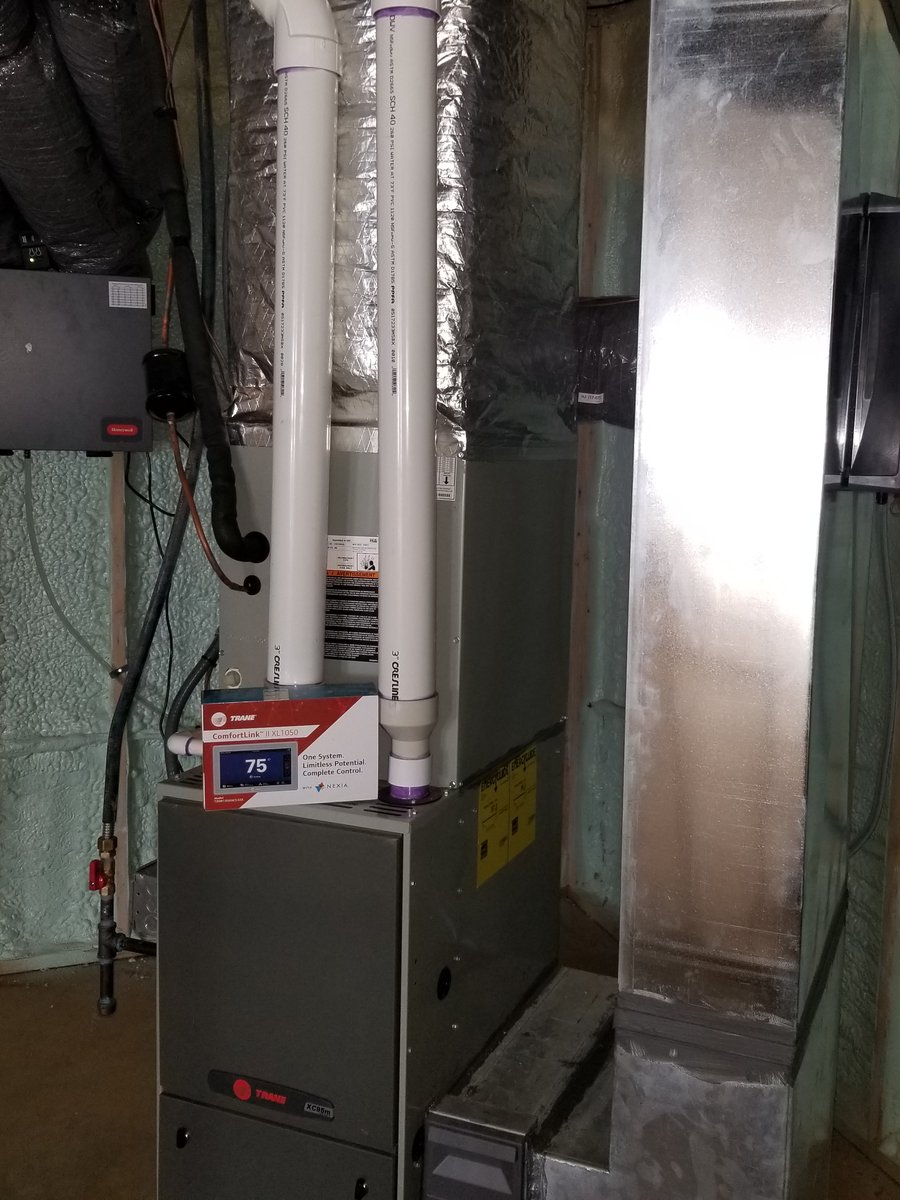
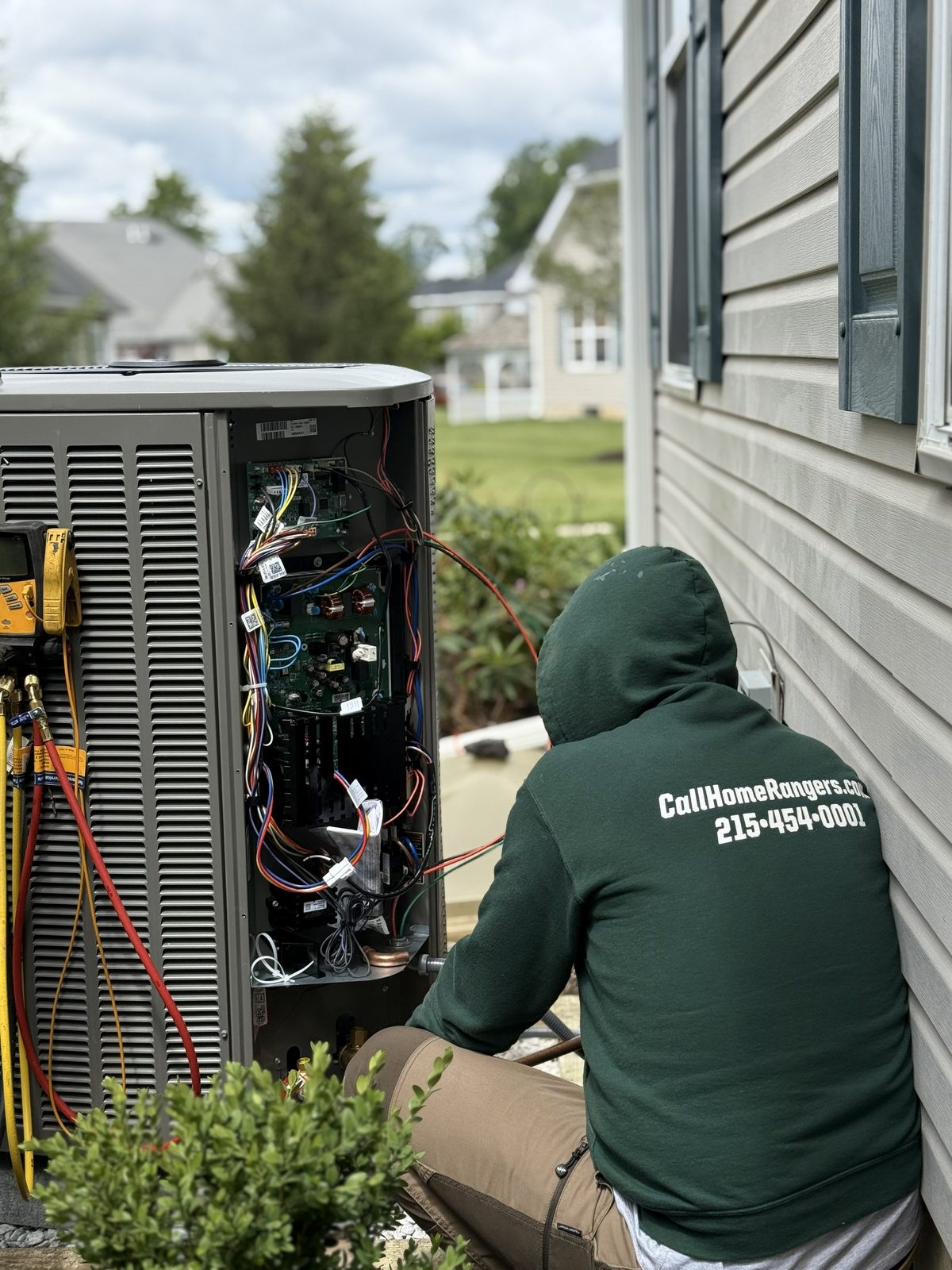
Smart thermostat, wiring, and HVAC system photos
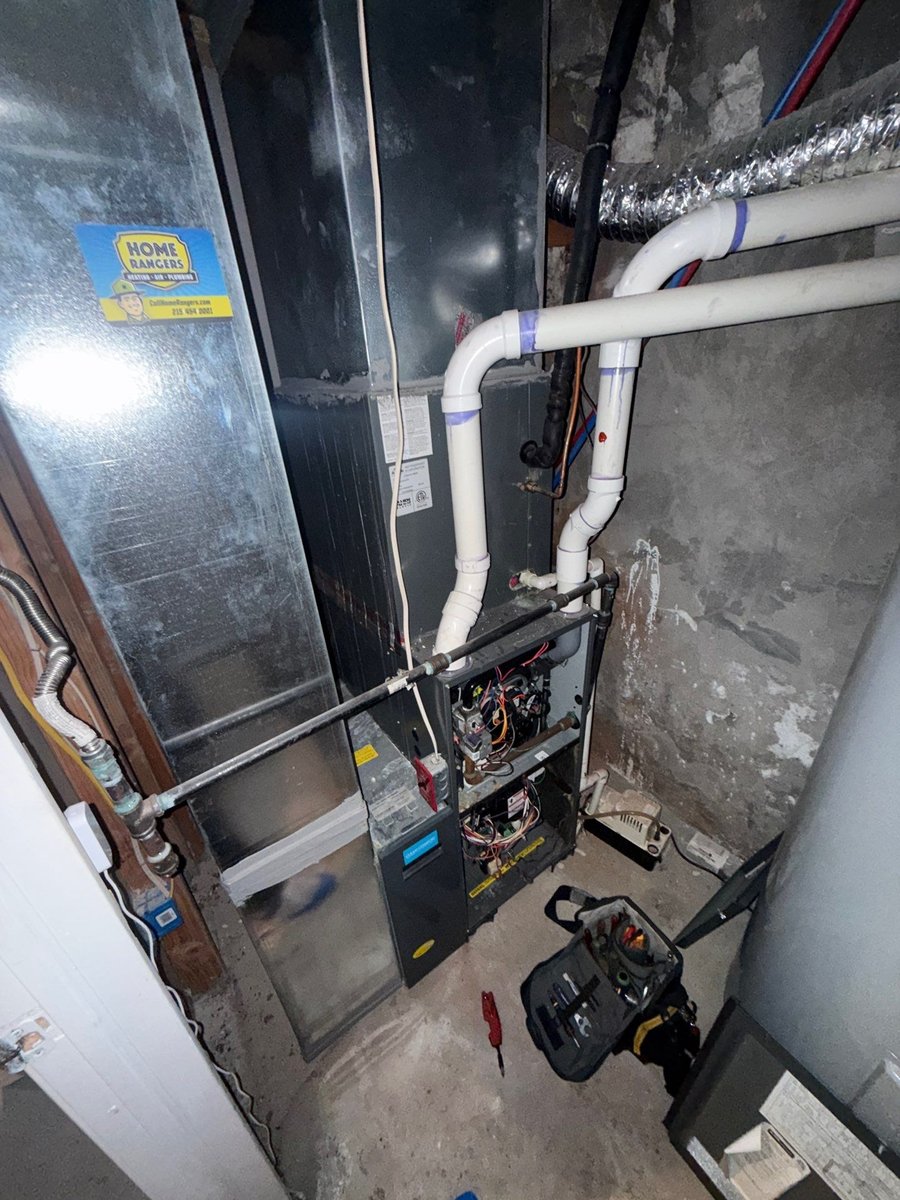
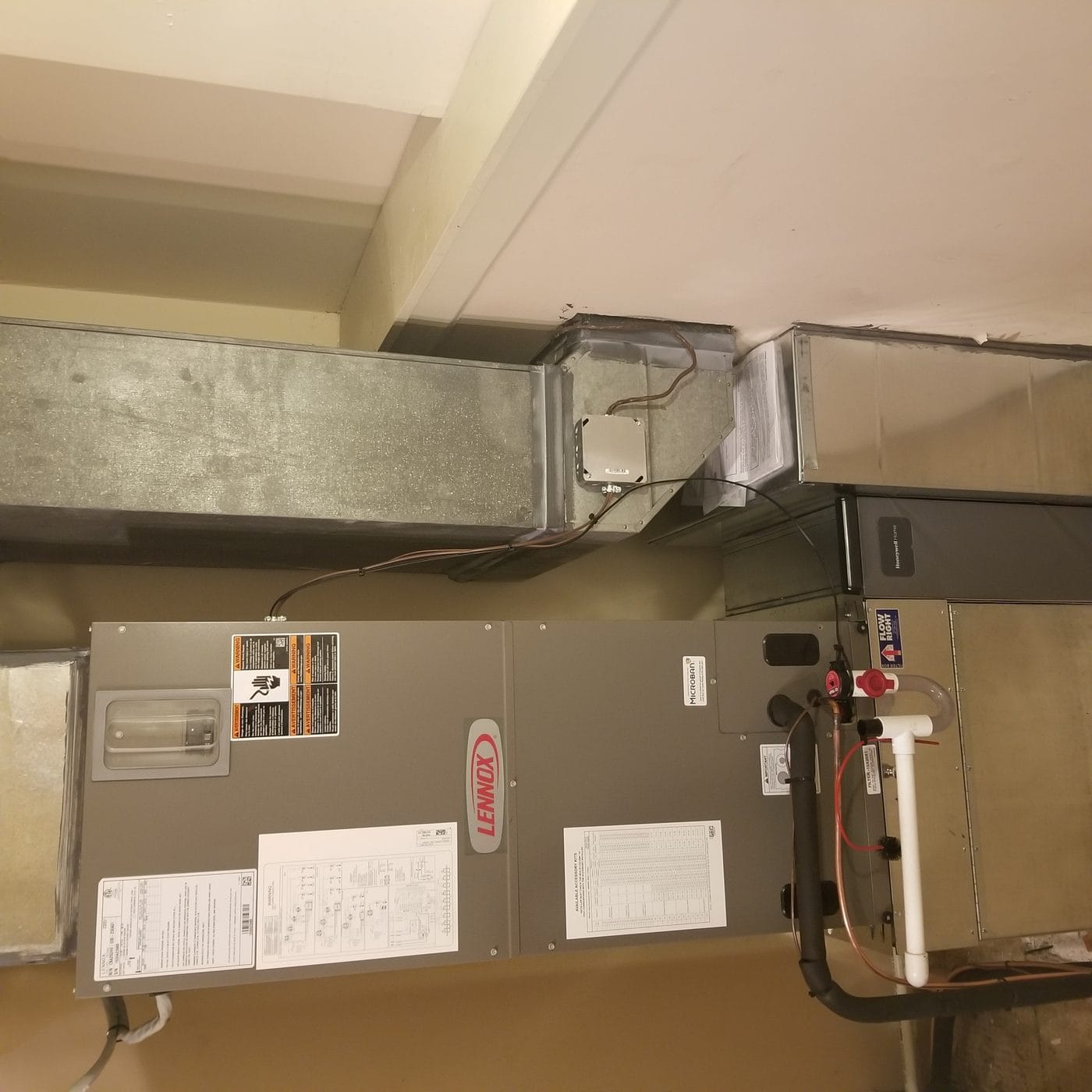
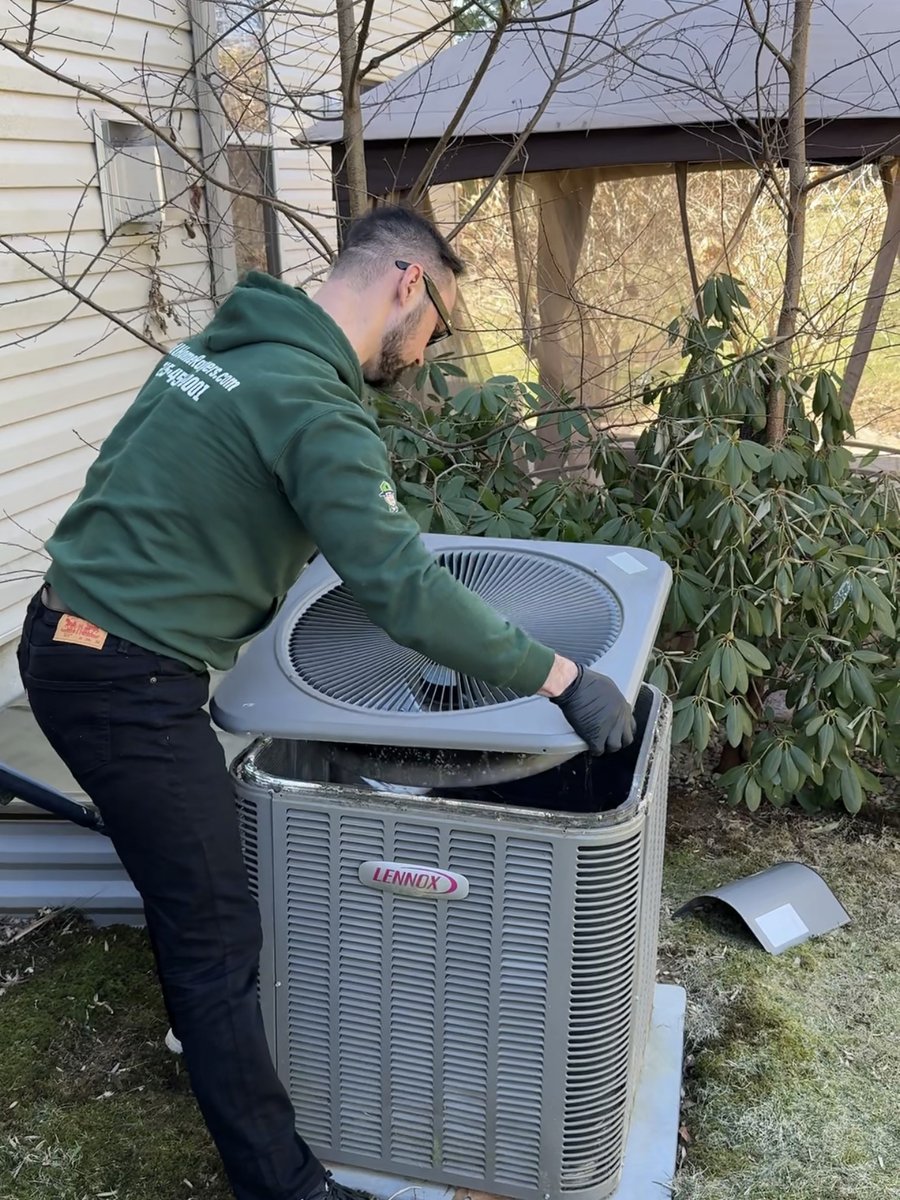
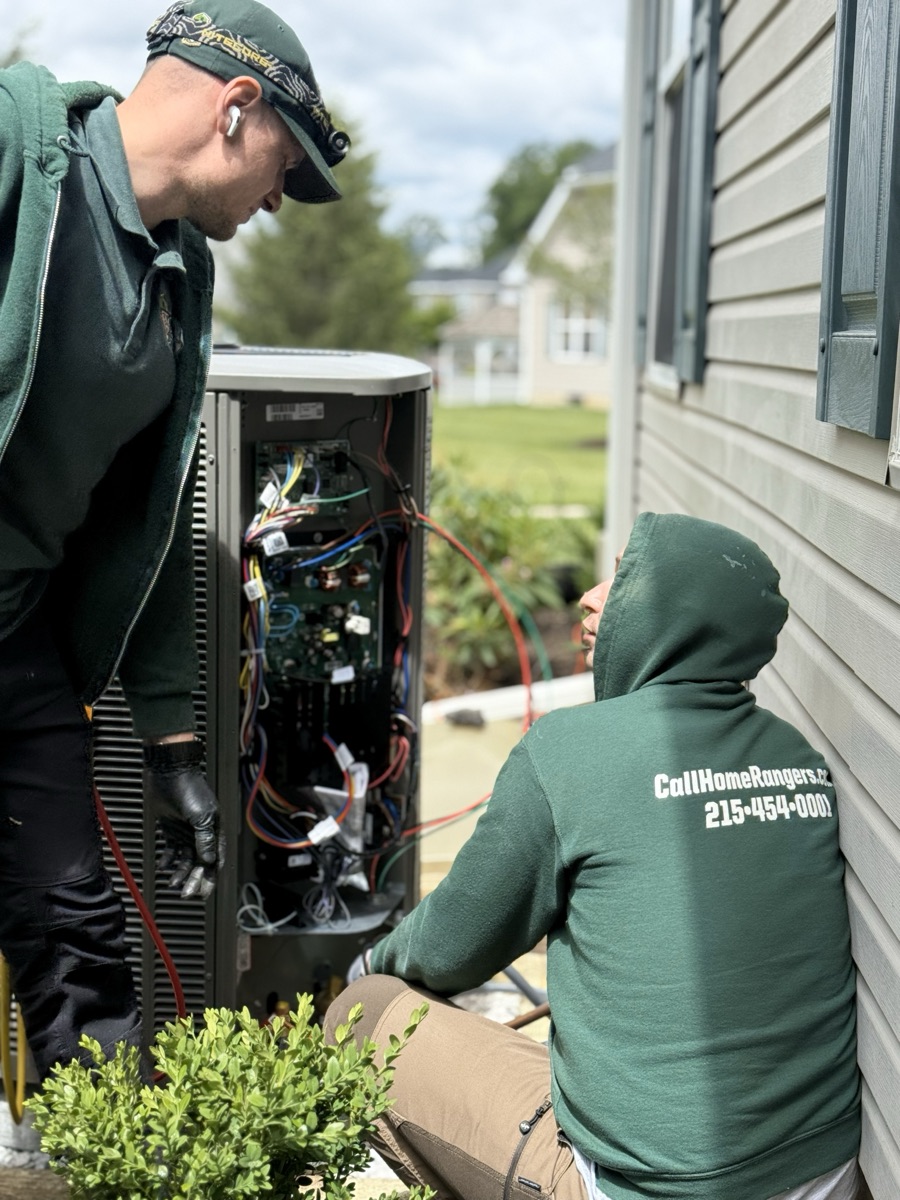
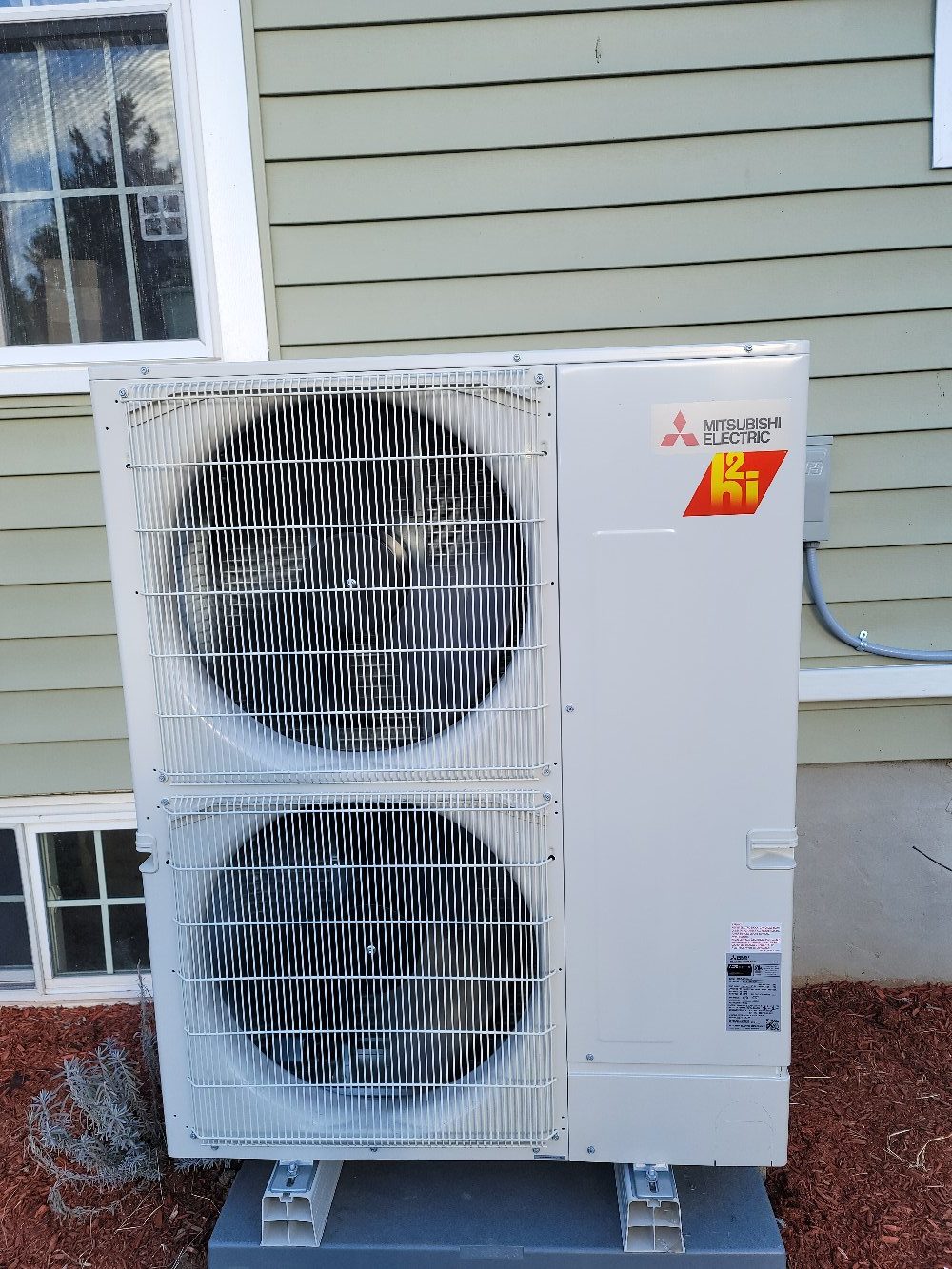
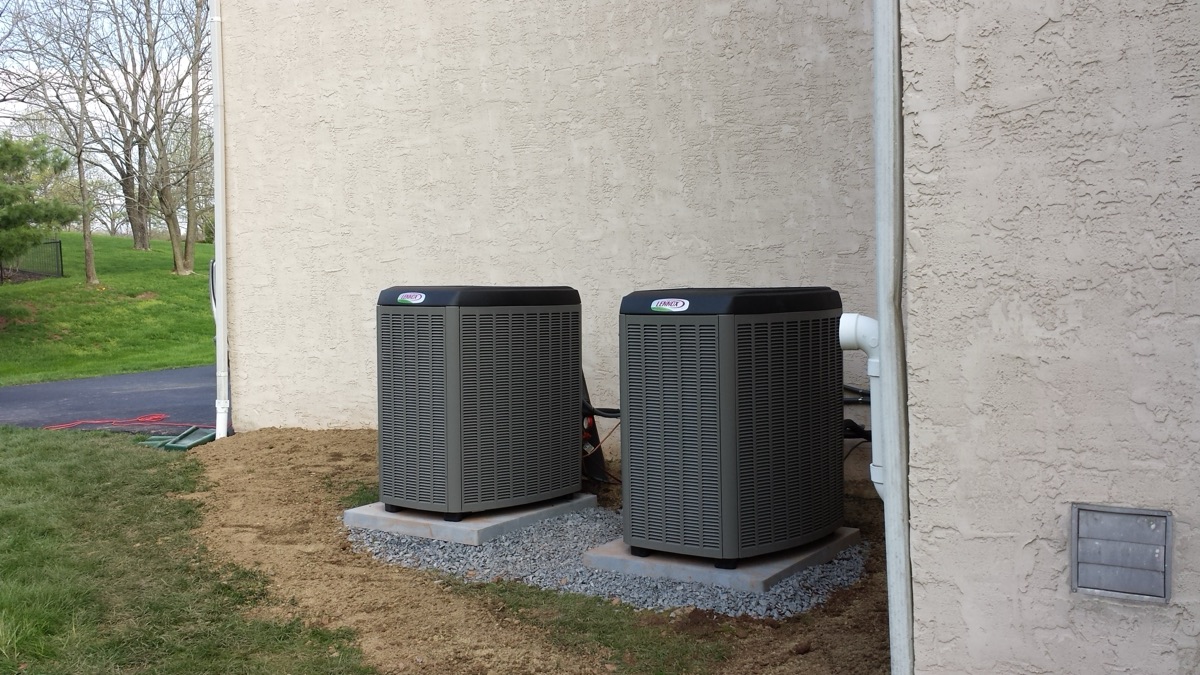
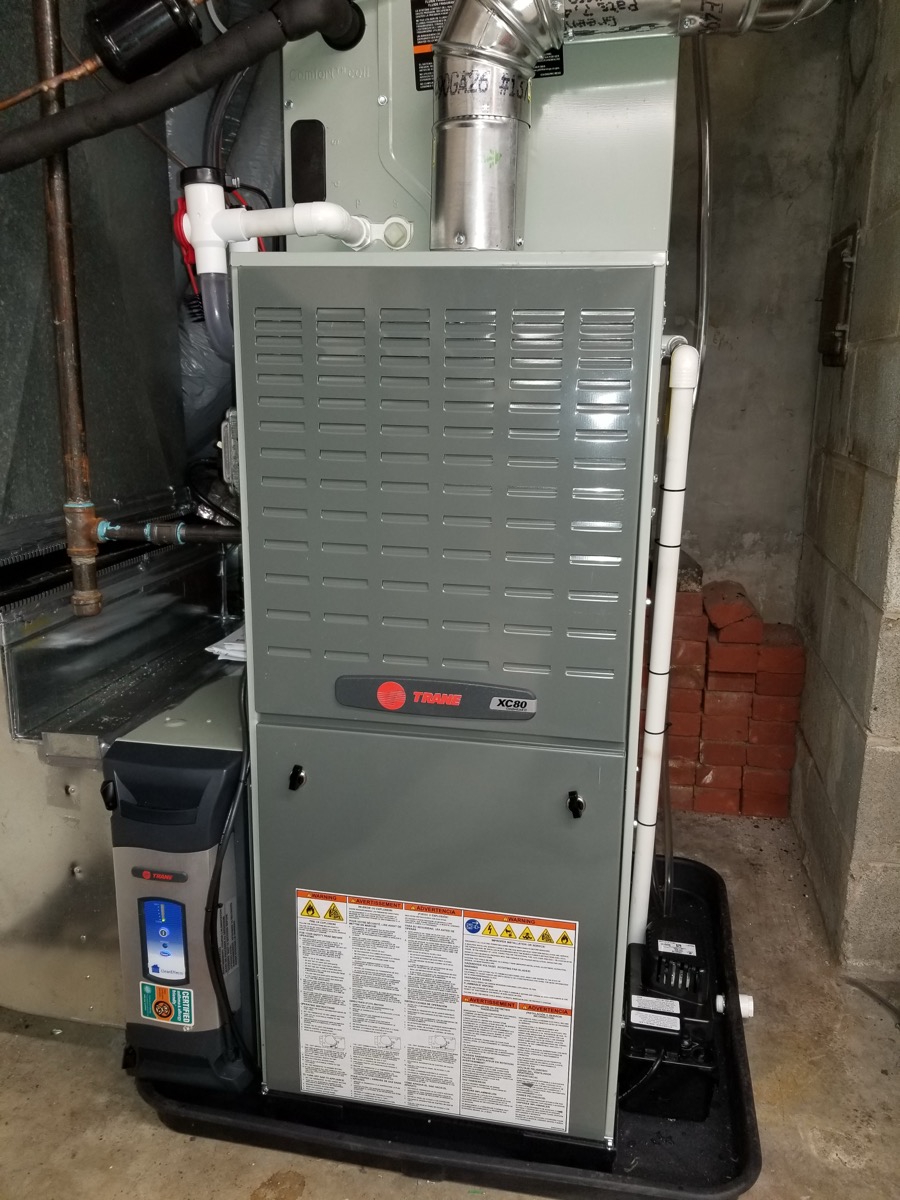
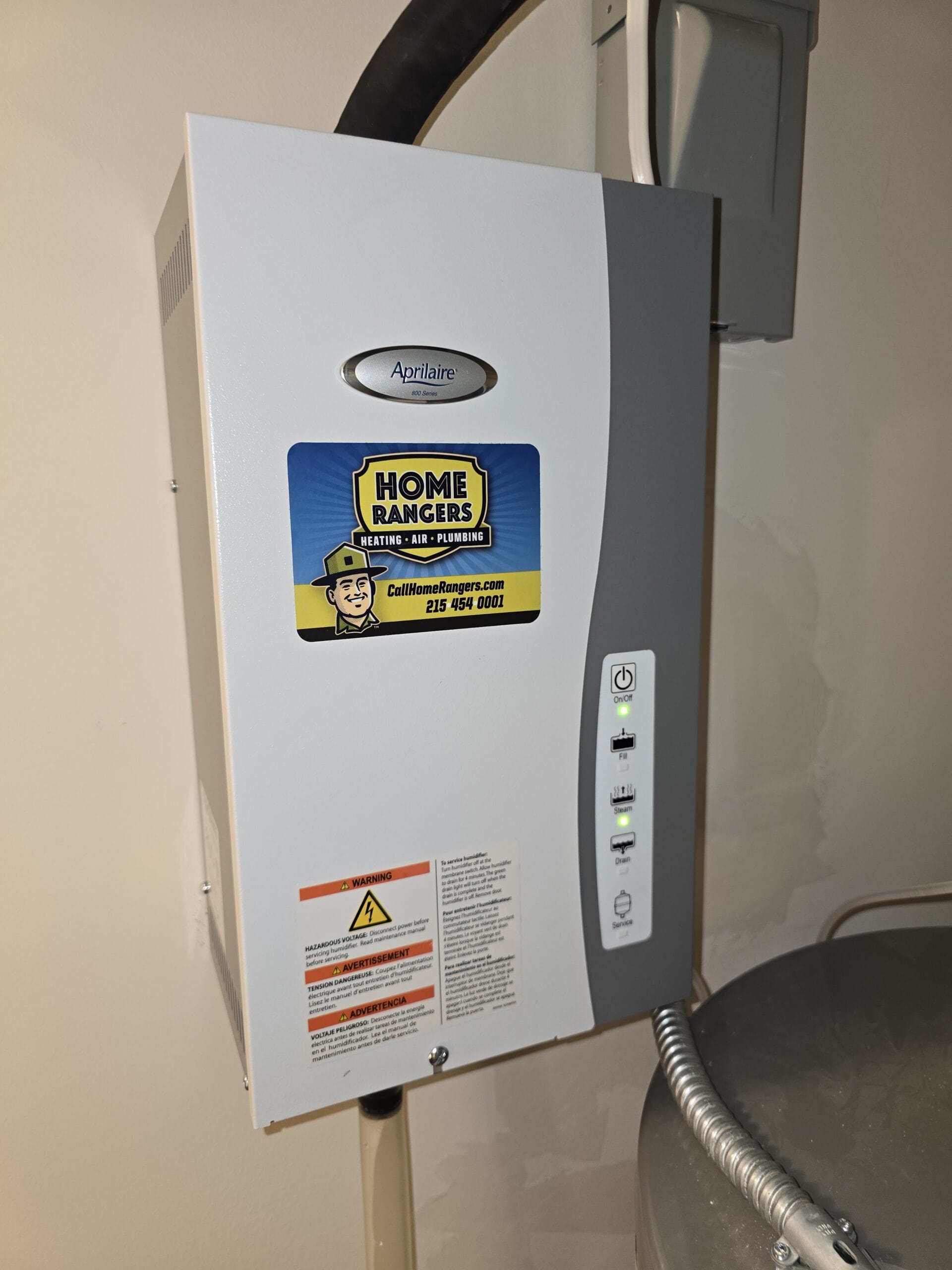
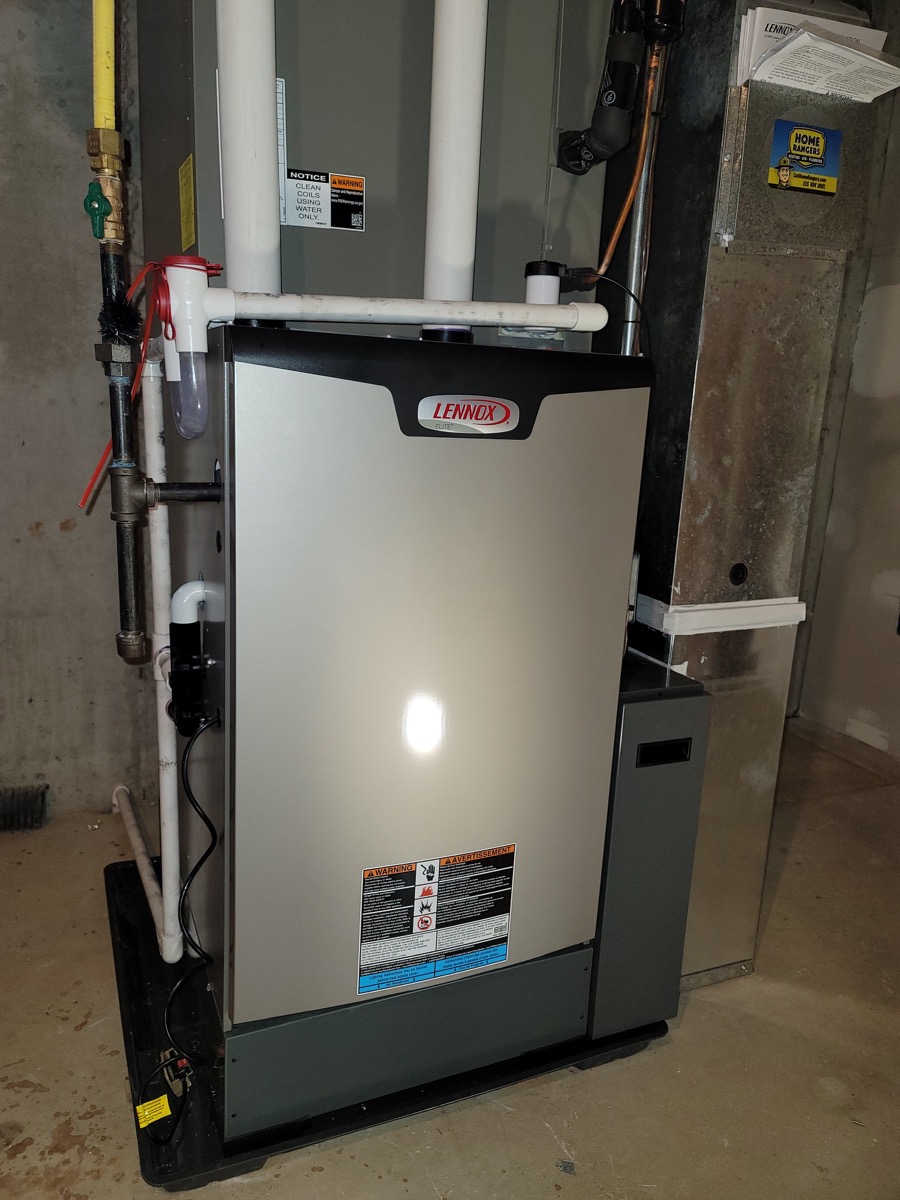
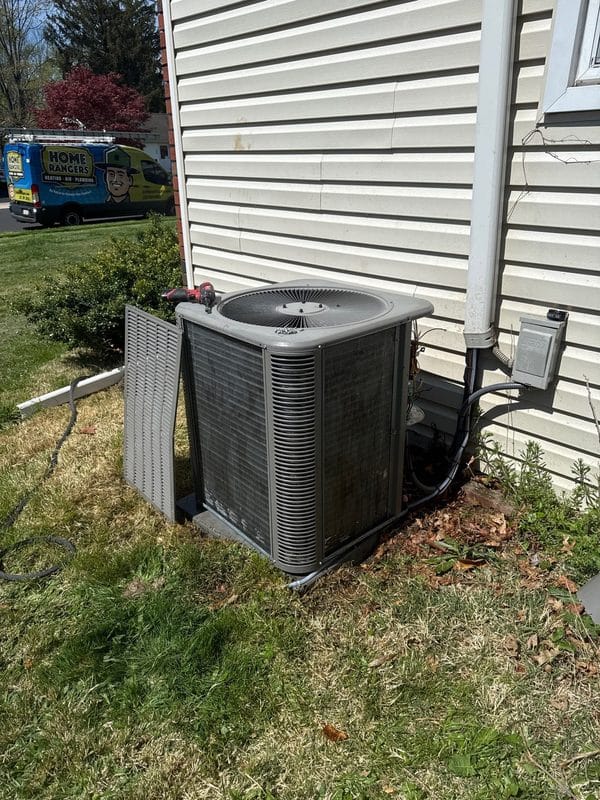
These photos show smart thermostat installation context: thermostat controls, HVAC system wiring areas, heat pumps, furnace controls, air conditioning equipment, and comfort accessories that can affect setup.

Recent Work
Recent smart thermostat installation check-ins
These NearbyNow check-ins are filtered by the smart thermostat installation label, so the work shown here stays focused on thermostat and comfort-control visits.
Recent Jobs and Reviews
Related HVAC Services
Other comfort services that may help
Thermostat installation can overlap with AC maintenance, HVAC diagnostics, heat pump setup, zoning, and indoor air quality controls. These related pages help homeowners choose the right next step.
Service Area
Smart thermostat installation across Bucks County, Montgomery County, nearby Philadelphia, and surrounding communities
Home Rangers installs smart thermostats and comfort controls across Bucks County, Montgomery County, nearby Philadelphia, and surrounding service areas. Use the city links below to visit the local hub pages for the communities we serve.
Wiring Details
C wire, old thermostat, and new smart thermostat details
A new smart thermostat can be a good upgrade, but most homeowners should check compatibility before purchase. The important details are the old thermostat, old thermostat wires, the wall location, whether the C wire or common wire is present, and whether the HVAC system can provide power without nuisance shutdowns.
The support team may ask for a photo of the old thermostat with the cover removed, a photo after the wires are labeled, the model of the new thermostat, and whether the new thermostat’s backplate matches the old screw holes. That information helps avoid spending money on a thermostat that cannot control the equipment.
If the C wire is missing, a power extender kit, adapter, or spare wire may be discussed. Smart thermostats require stable power, so wires should not be guessed or forced into terminals.
Direct sunlight, drafty walls, nearby supply vents, or a poor mounting location can affect temperature readings. The plate, backplate, faceplate, screw holes, and wall anchors should fit cleanly.
Thermostat wires are low-voltage control wires. If the visit uncovers line-voltage controls, damaged wiring, or electrical work outside thermostat setup, an electrician may be needed before the installation process continues.
After the new thermostat boots, the phone setup, Wi Fi password, companion smartphone app, heating test, cooling test, and fan call are checked before the visit is complete.
Questions
Smart thermostat installation FAQs
These answers cover professional installation, compatibility, C wire checks, heat pumps, room sensors, energy use, Wi Fi setup, and local thermostat installation service areas.
Ready to install a smart thermostat?
Do I need a professional to install a smart thermostat?
Professional installation is recommended when wiring is unclear, the system uses multiple stages, heat pumps, dual fuel, zoning, humidifiers, dehumidifiers, or there is no clear C wire. Incorrect wires, unlabeled wires, or wrong terminals can damage controls or leave the HVAC system operating incorrectly.
What smart thermostat brands can Home Rangers install?
Home Rangers can help with many common smart thermostat options, including Nest, Ecobee, Honeywell Home, Sensi, Lennox, Trane, and other compatible controls. The right choice depends on wiring, equipment type, comfort goals, and app preferences.
Will a smart thermostat work with my existing HVAC system?
Many systems can use a smart thermostat, but compatibility depends on thermostat wires, voltage, staging, heat pump setup, auxiliary heat, zoning, and equipment controls. Home Rangers checks compatibility before recommending installation.
What is a C wire and why does it matter?
A C wire provides continuous power to many smart thermostats. Some homes already have one, some have an unused wire available, and some need a wiring solution, common wire, compatible adapter, or power extender kit. The right approach depends on the system.
Can a smart thermostat help lower energy use?
A smart thermostat can help reduce wasted heating and cooling by improving schedules, remote control, setpoint habits, and system visibility. Energy use and cost depend on the home, equipment, settings, and how the thermostat is used.
Can smart thermostats work with heat pumps?
Yes, but heat pump setup must be configured correctly. Reversing valve settings, auxiliary heat, emergency heat, balance points, and staging can affect comfort and energy use, so heat pump thermostats should be installed carefully.
Can smart thermostats help with uneven temperatures?
Some smart thermostats offer remote sensors or room sensors that can help manage hot and cold spots. Severe uneven comfort may still require airflow, zoning, ductwork, insulation, or equipment evaluation.
Does Home Rangers install smart thermostats across Bucks County and Montgomery County?
Yes. Home Rangers installs smart thermostats across Bucks County, Montgomery County, nearby Philadelphia, and surrounding communities including Warminster, Ambler, Doylestown, Newtown, Southampton, Warrington, Bensalem, and Langhorne.
Current Specials
Current HVAC & Plumbing Offers
Strong offers built to help you book service faster, save on repairs, and lock in ongoing system protection without digging through the whole site.
Diagnostic Only $49
Fast HVAC or plumbing diagnostic during regular business hours. If you approve the repair, we’ll credit the diagnostic toward the work. Use code RANGERS49 when booking online.
Book Online$75 Off Any Repair Over $300
Save on qualifying HVAC or plumbing repairs when the fix goes beyond a quick minor adjustment and you want real value on a bigger repair.
Book OnlineHome Rangers System Protection Plan: First Month Free
Start your membership at $19.95/mo, get your first month free, and unlock priority scheduling, tune-ups, and repair savings.
View PlanOffer details can change by season, equipment eligibility, service area, lender approval, and program availability. Diagnostic offer is for regular-hours service only. Repair discount cannot be combined with diagnostic credit or other offers.
Lennox systems and verified dealer support
Home Rangers appears on the official Lennox dealer locator for Warminster. Ask about Lennox air conditioners, heat pumps, furnaces, and mini-split options, along with system sizing and financing options for eligible installations.
Whether your AC stopped cooling, your furnace won’t ignite, your water heater is leaking, or your drains are backing up, Home Rangers is here to help. As Warminster’s hometown HVAC and plumbing company, we treat every customer like a neighbor, because you are.
Ready for Home Service You Can Trust?
Book Nowor call us at:
(215) 454-0001