Home Rangers
AC Tune-Up Services in Bucks & Montgomery County, PA
Looking for a reliable AC tune-up before the heat sets in? Home Rangers provides full AC tune-up and inspection services for central air conditioning systems across Bucks County, Montgomery County, nearby Philadelphia, and surrounding communities – with upfront pricing and no guesswork about what’s included.

Family-Owned, Local HVAC & Plumbing Team
Free Estimates On Installations & Replacements
Same-Day & Emergency Service, 24/7
Master-Licensed in PA, NJ & DE
Upfront Pricing, No Surprises
AC Tune-Up Service
What an AC tune-up service checks before summer heat hits
An AC tune-up service is more than a quick filter reminder. A thorough visit checks the parts of the ac system that affect comfort, efficiency, reliability, and water safety before long summer run times expose a weak component in the unit.
Home Rangers provides residential AC tune-up and inspection services across Bucks County, Montgomery County, nearby Philadelphia, and surrounding communities. We inspect cooling performance, airflow, electrical components, coils, condensate drainage, thermostat operation, and the general condition of the ac unit so homeowners know what is working and what needs attention.
Trusted Service For All Major HVAC Brands
AC Tune-Up Checklist
AC tune-up checklist: what Home Rangers checks during the tune-up visit
A useful air conditioning tune-up should test the system, not just look at it. Here is what our checklist covers on a home AC tune-up, so you know what a technician actually does during the visit and why each step matters.
Temperature split, system operation, thermostat calls, and cooling behavior help show whether the system is performing normally.
Weak capacitors, worn contactors, loose connections, motor concerns, and control issues are common causes of AC breakdowns.
The condenser coil, fan operation, cabinet condition, and outdoor airflow affect how well the system rejects heat.
Filters, blower condition, coil condition, duct restrictions, and airflow problems can reduce comfort and efficiency.
Drain lines, float switches, pans, and safety shutoffs help prevent water damage and nuisance shutdowns.
Age, wear, refrigerant performance, noise, vibration, and repair history help guide practical maintenance recommendations.
AC Tune-Up Cost
What affects AC tune-up cost
There is no single flat rate that fits every home AC tune up — the cost of an AC tune-up depends on the system itself and what the inspection finds, not a generic number quoted over the phone. Home Rangers provides a clear price before any work begins, so homeowners know the cost of an AC tune-up for their specific system upfront.
Central air conditioning systems, ductless mini-splits, and larger multi-zone setups each take a different amount of time to inspect and service.
An older AC unit or one that has gone without maintenance may need more attention during the visit than a newer, well-maintained system.
Equipment that is easy to reach typically services faster than units in tight crawlspaces, attics, or hard-to-access areas.
A tune-up covers inspection, cleaning, and testing. If the technician finds a failed part, that repair is quoted separately before any work begins — the tune-up price itself does not change.
Ask about current AC tune-up specials when you call or book online. Home Rangers also offers a System Protection Plan that includes tune-ups, starting at $19.95/mo with your first month free, plus a $49 diagnostic special (code RANGERS49) for homeowners who want a system check first.
Maintenance Value
Why an annual AC tune-up matters
The best time to find a weak part is before the AC is running for long stretches every day. An annual AC tune-up helps homeowners make decisions early instead of reacting during the busiest part of summer, when repairs take longer to schedule and cost more to fix under pressure.
Reduce avoidable breakdowns
Finding weak electrical parts, airflow restrictions, and drainage issues early can lower the chance of preventable no-cooling calls.
Protect efficiency
Dirty coils, low airflow, and poor heat transfer can make the system work harder and run longer than it should.
Catch water risks
Clogged drains and safety switch problems can shut down the system or create water damage if they are ignored.
Plan ahead
When a system is aging, maintenance gives homeowners a clearer picture of repair risk and replacement timing.
Customer Proof
What homeowners say about AC tune-up service with Home Rangers
Reviews help homeowners understand how Home Rangers communicates, explains findings during an AC tune-up, and handles service visits before they schedule maintenance for their own home ac unit.




When To Schedule
When to schedule an AC tune-up: spring, summer, and warning signs
A spring or early-summer AC tune-up works best before the system is struggling under heavy load. If the AC is already not cooling, leaking, short cycling, or making new noises, the better next step is an AC repair diagnostic, not routine maintenance.
Home Rangers can also talk through comfort plan options for homeowners who want a simpler way to stay ahead of seasonal HVAC maintenance.
A spring AC tune-up is ideal because the system can be checked before heavy cooling demand arrives. A summer AC tune-up is still worth booking if spring gets missed — it is better to catch a problem than to run a struggling system through peak heat.
Older equipment benefits from a clearer repair-risk conversation before peak summer operation.
Homes with long run times, pets, allergies, or high humidity may need closer filter and airflow attention.
No cooling, warm air, water leaks, breaker trips, or loud noises usually call for AC repair diagnostics.
Ask about current AC tune-up specials and how the price is determined before scheduling.
Maintenance plans can make seasonal heating and cooling service easier to remember and schedule.
AC Tune-Up Photos
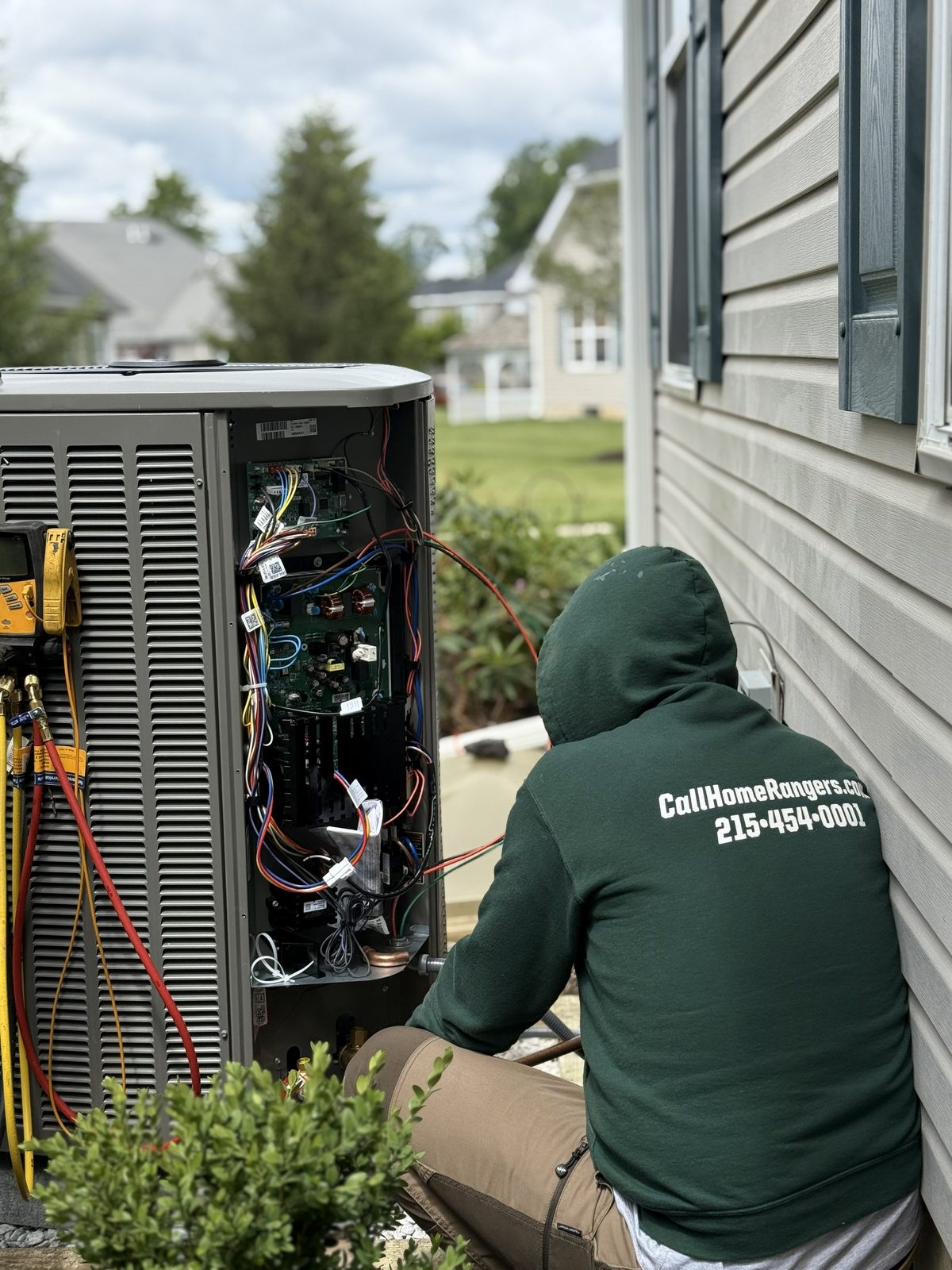
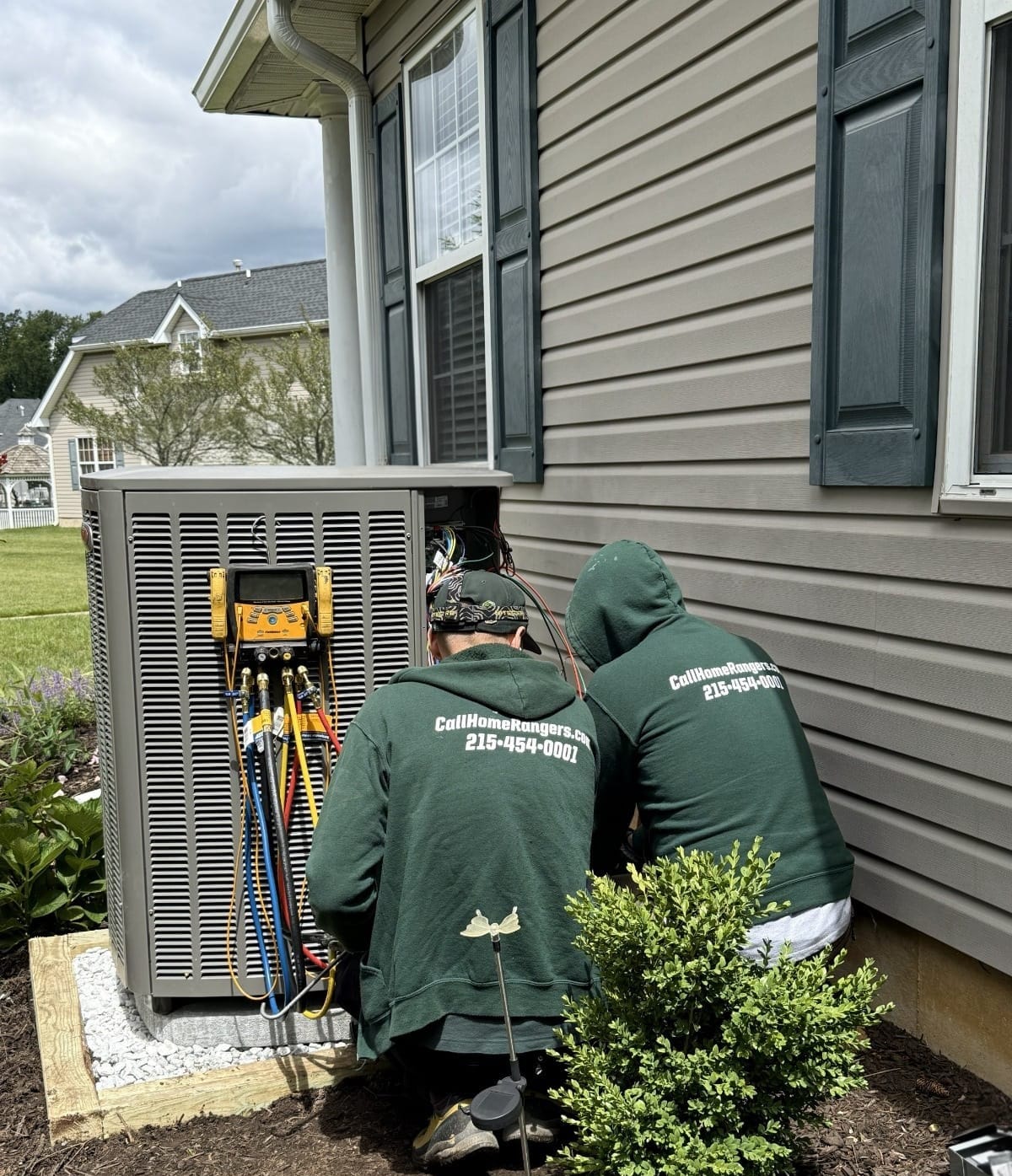
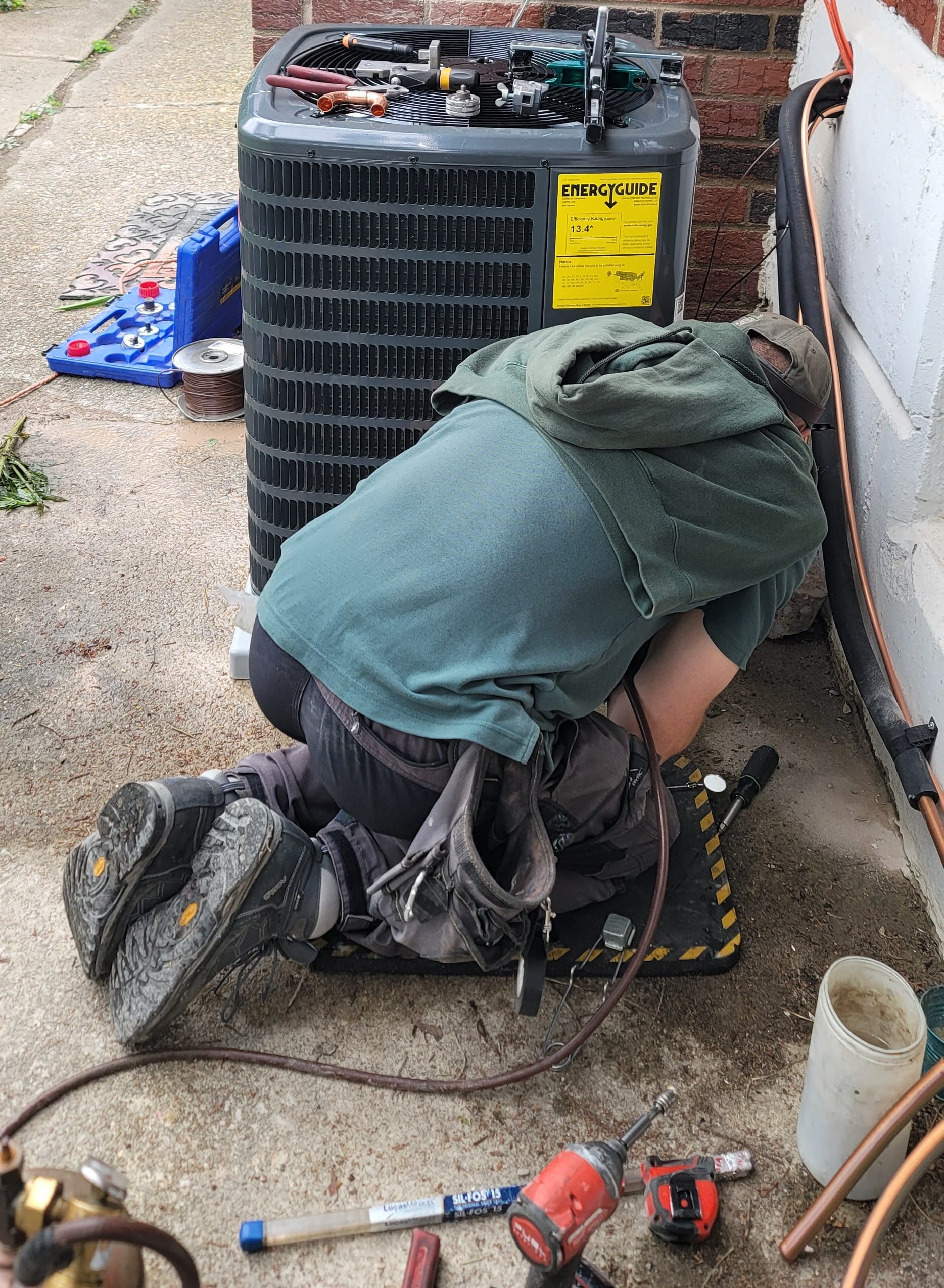
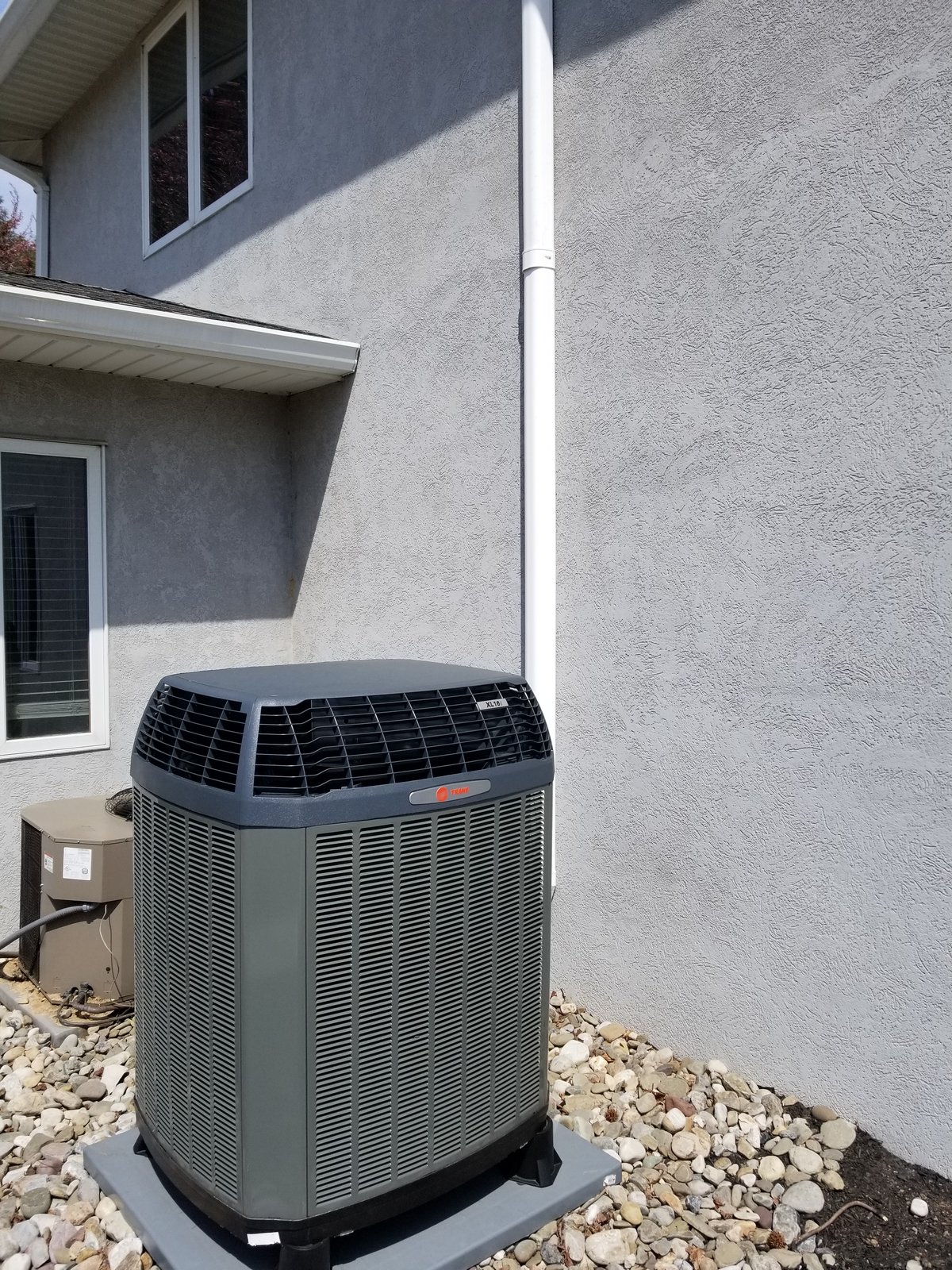
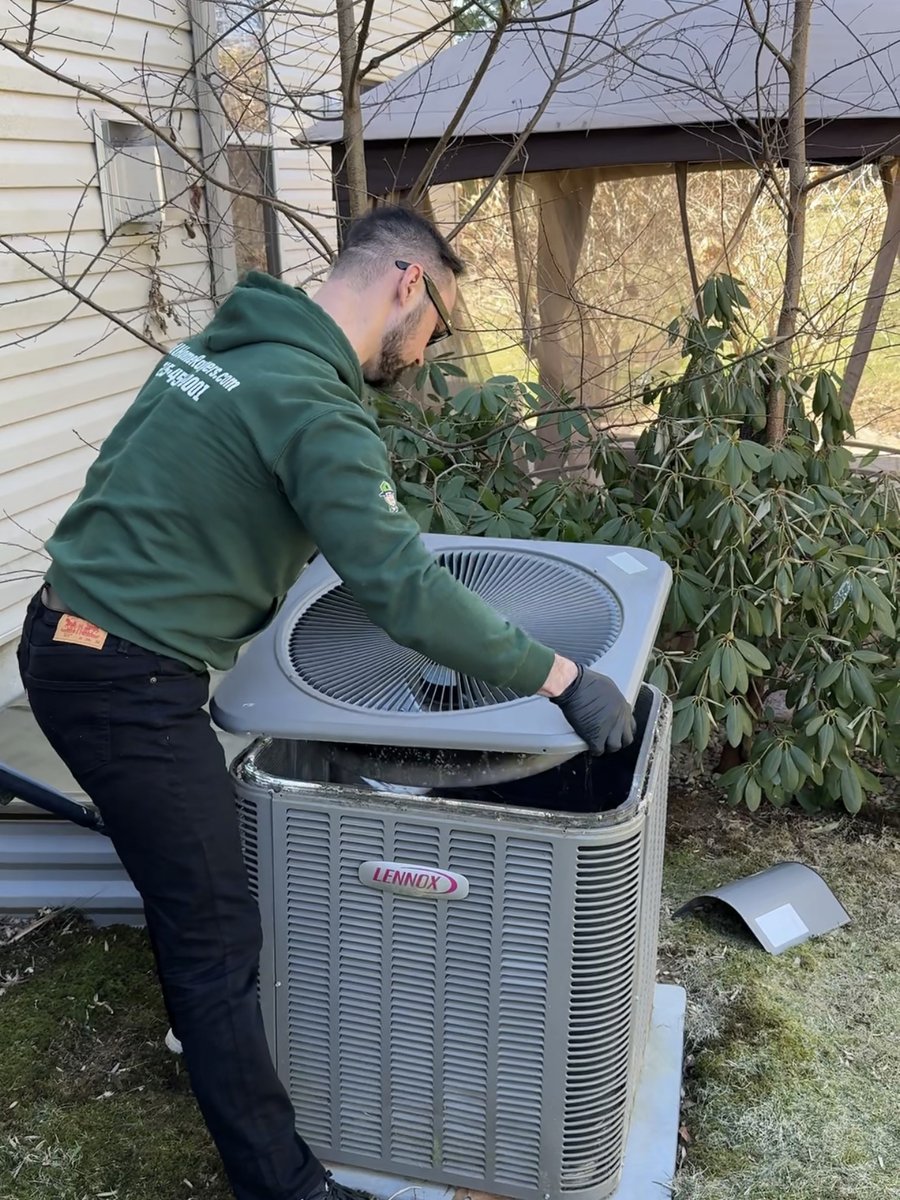
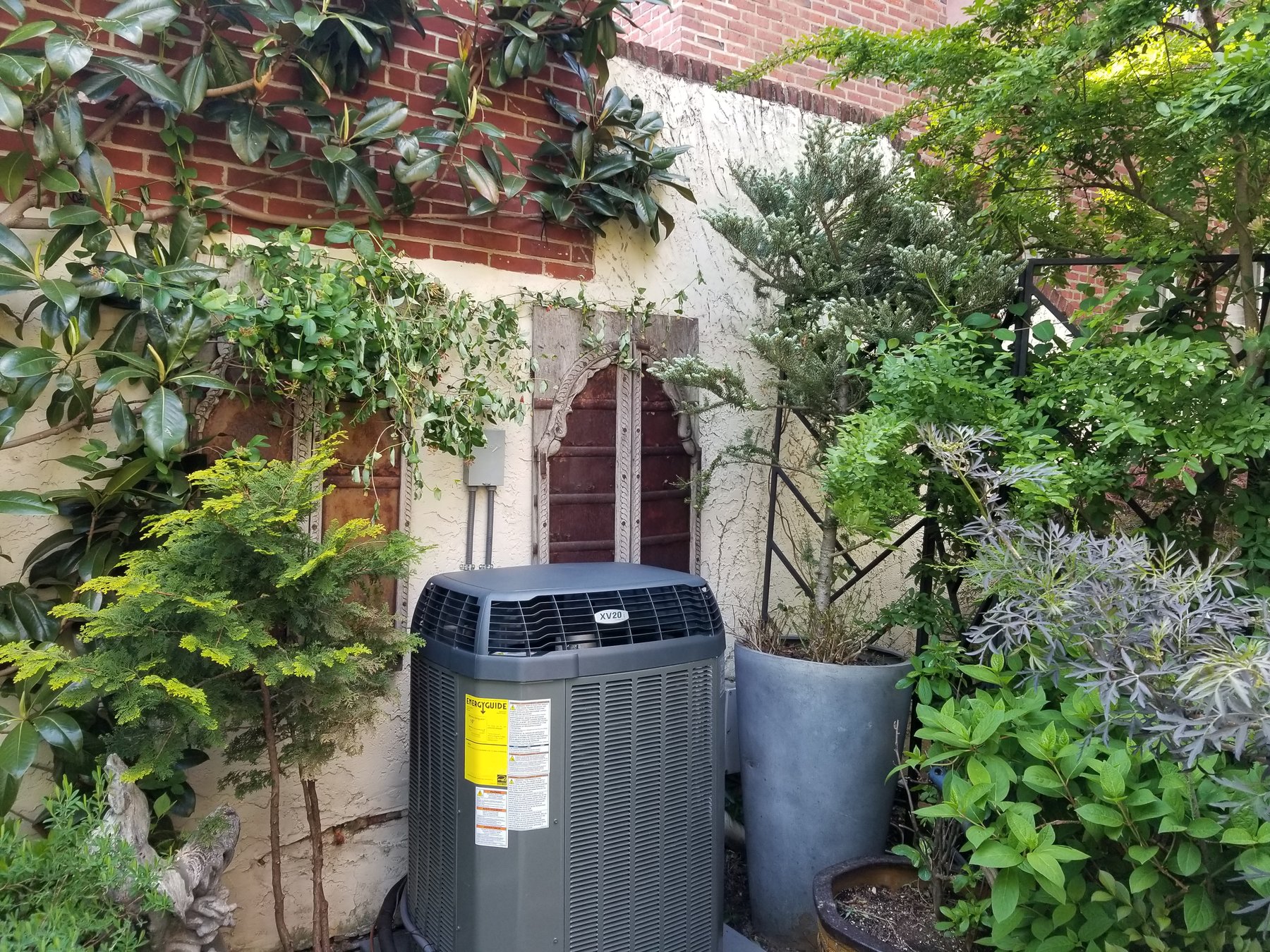
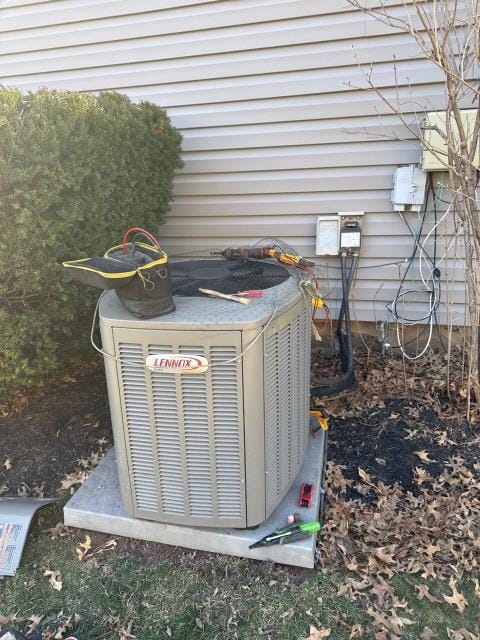
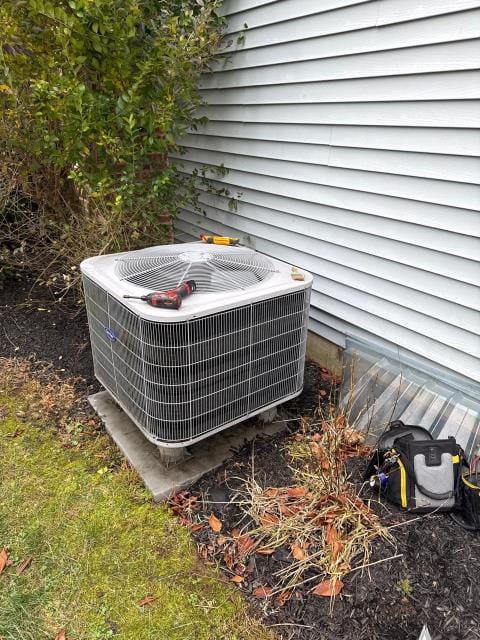
AC tune-up photo examples from Home Rangers service calls
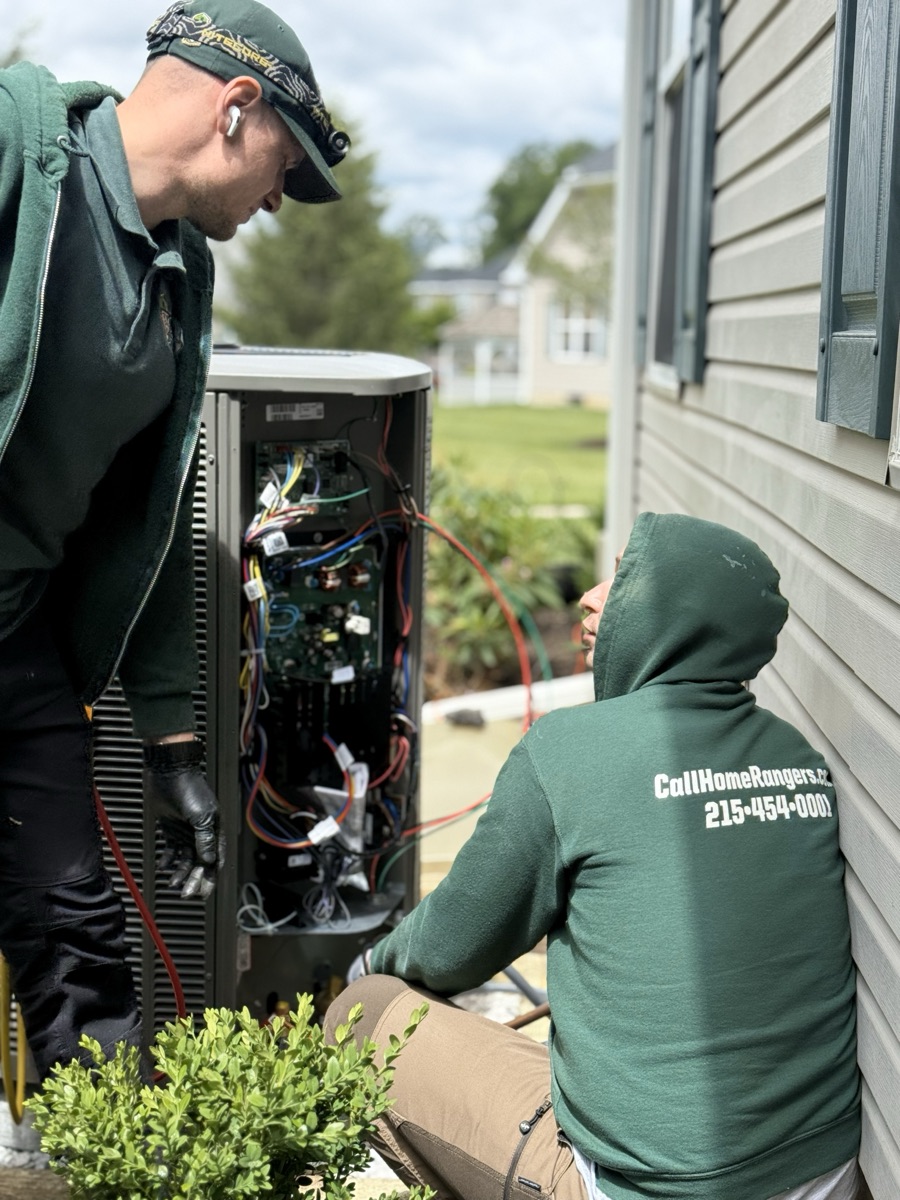
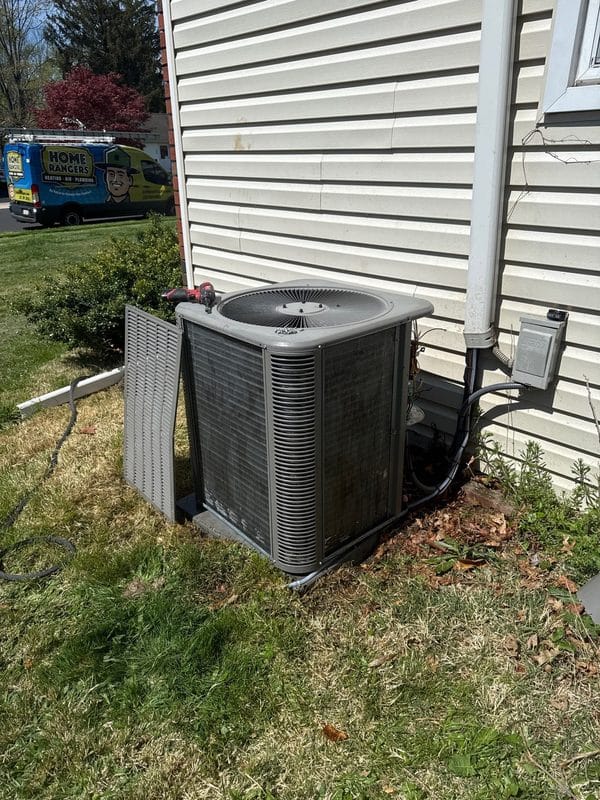
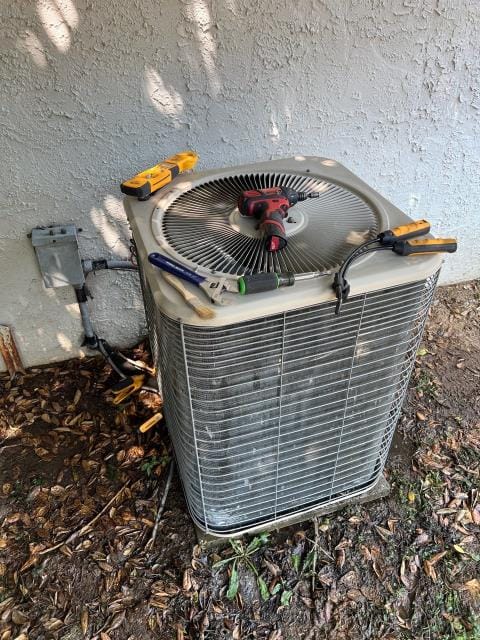
The photos below show real details our team checks during an AC tune-up, including outdoor condenser units, airflow, electrical components, condensate drains, coil condition, and other parts of a routine cooling system inspection. These examples help homeowners see what is typically involved during a local AC tune-up before scheduling service.
Recent Work
Recent AC tune-up jobs near you
These NearbyNow check-ins are filtered by the AC tune-up label, so the work shown here stays focused on AC tune-up visits completed for homeowners across Bucks and Montgomery County.
Recent Jobs and Reviews
At a glance
Home Rangers Heating, Air & Plumbing has completed 10 jobs in June 2026.
The most recent job was on June 29, 2026.
Recent work covers Philadelphia, PA, Elkins Park, PA, Lower Moreland Township, PA, Newtown, PA and Upper Southampton Township, PA.
Job Locations and Reviews
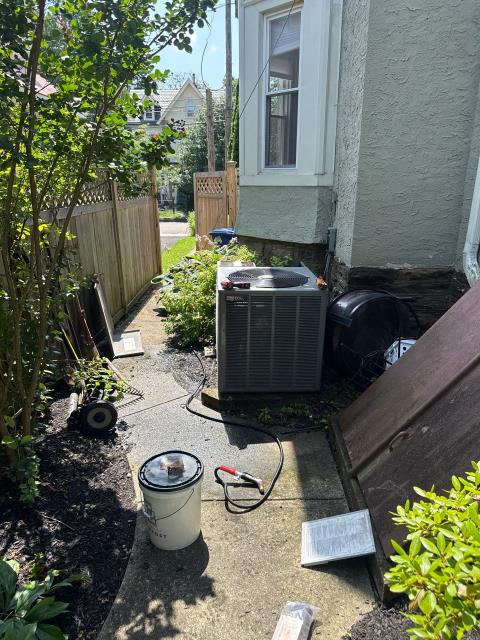
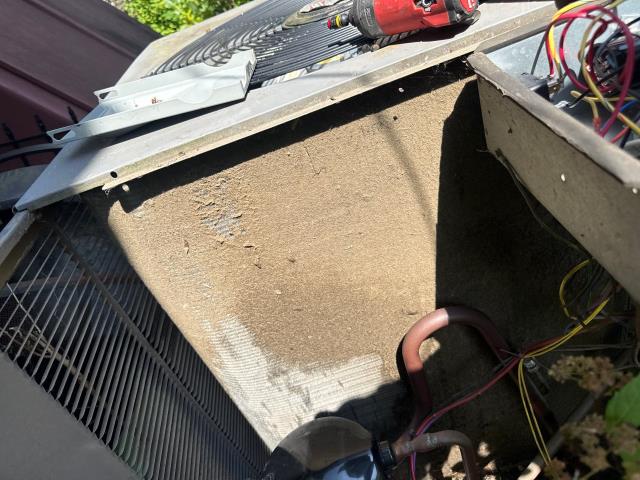

We cleaned the outdoor AC coil, installed a compressor saver, and verified system operation. Our efforts ensured dependable comfort for a satisfied customer.
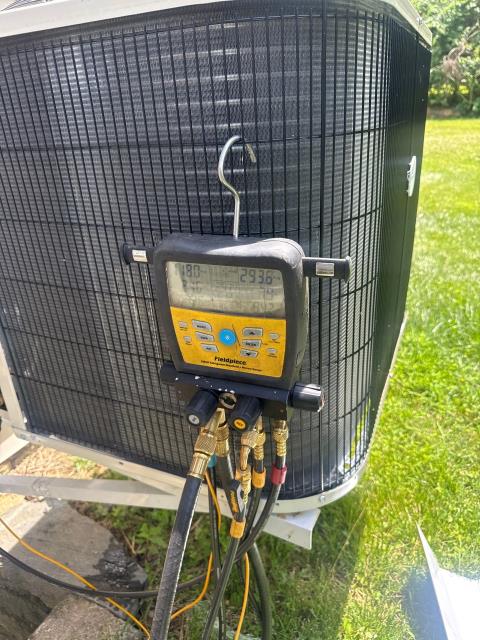
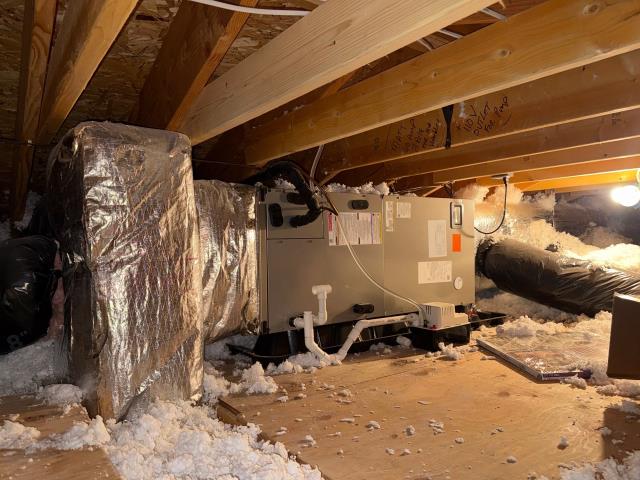
We inspected and cleaned three residential HVAC systems, checked filters, and tested operations. All systems were in good condition, ready for the cooling season.
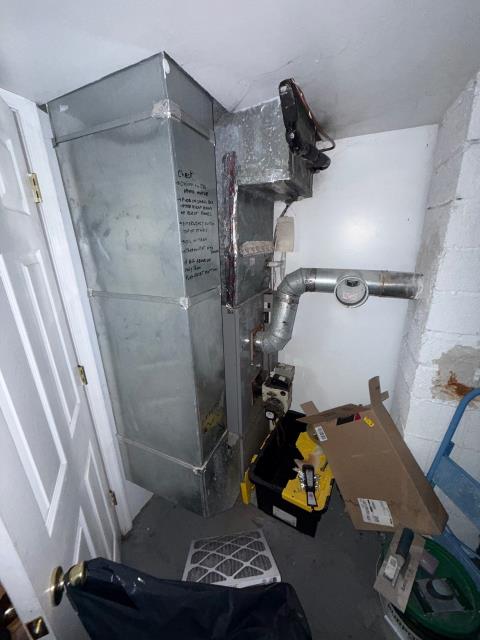
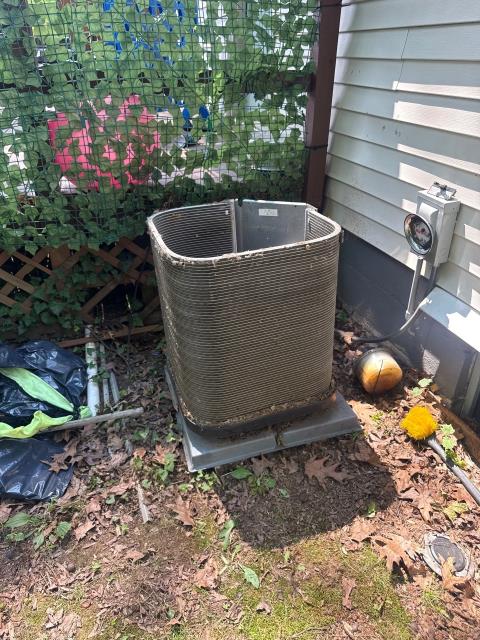
We fixed a residential AC issue by cleaning the condenser coil and replacing a faulty electrical part. After testing, the system cooled perfectly, leaving the homeowner satisfied.
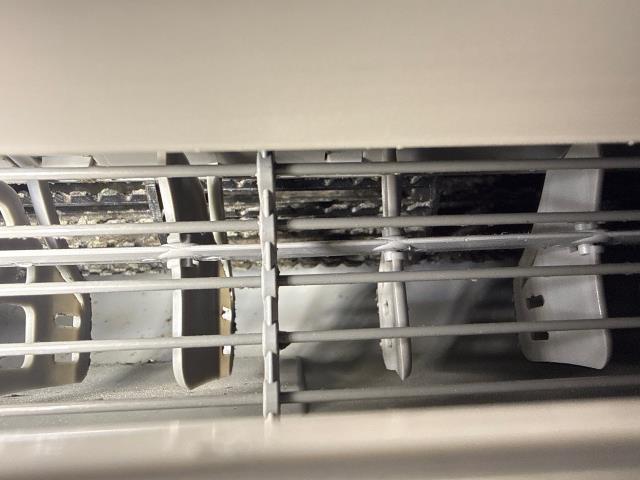
I inspected, cleaned, and checked the Daikin mini-split system, verified refrigerant, and tested heating, cooling, and airflow. The system is now ready for the cooling season, ensuring efficiency and peace of mind.
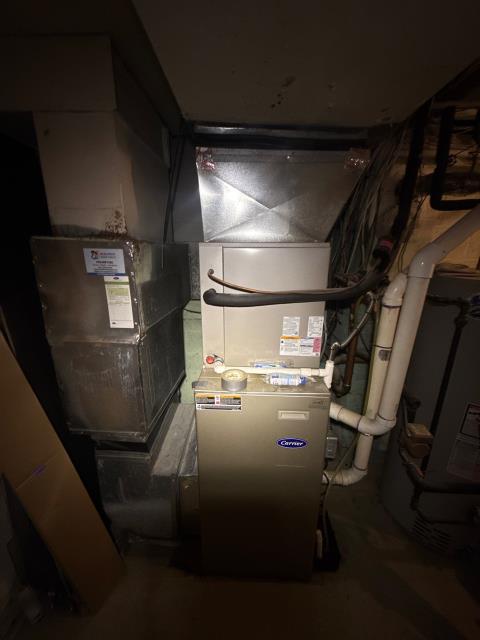
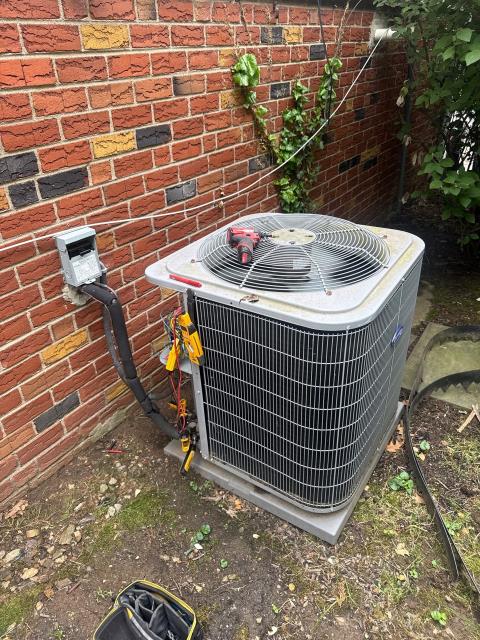
We performed thorough AC maintenance, checked both systems, recharged R-410A refrigerant, and assessed whole-house fan options. Our goal was to ensure smooth operation and optimize cooling efficiency.
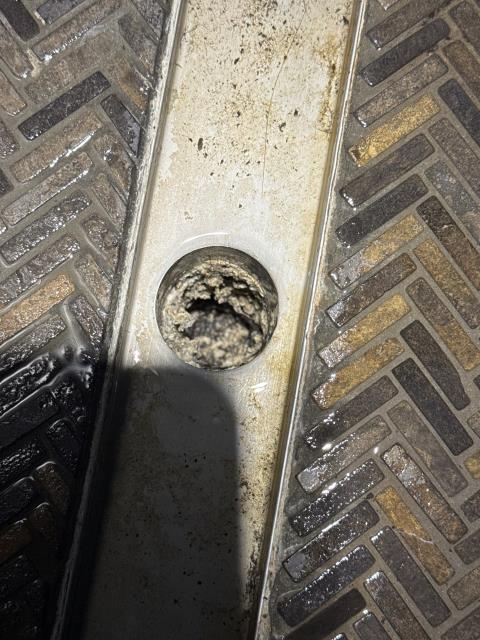
We performed spring maintenance on the HVAC system, ensuring it's ready for the season. We also fixed a slow-draining shower, cleared the drain line, and taught the tenant how to clean the strainer to prevent future issues. All systems are now operating normally.
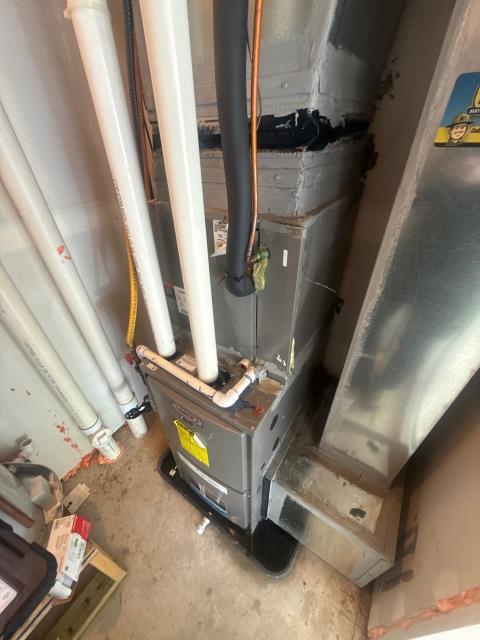
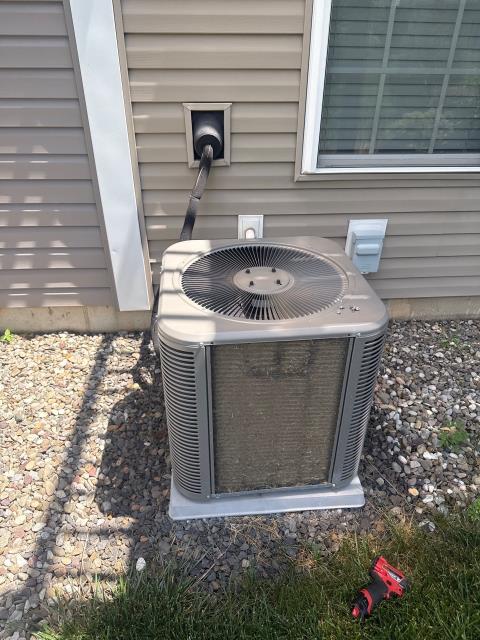
We addressed a recurring AC issue by clearing a clogged condensate line. We restored proper drainage, cleaned the outdoor condenser, replaced the air filter, and ensured the system operates safely and efficiently.
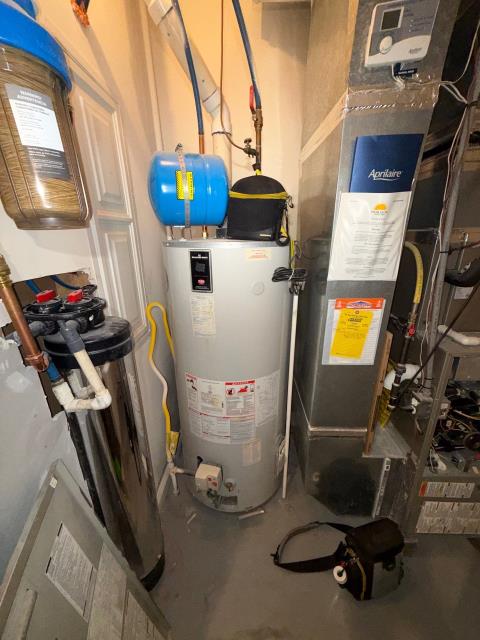
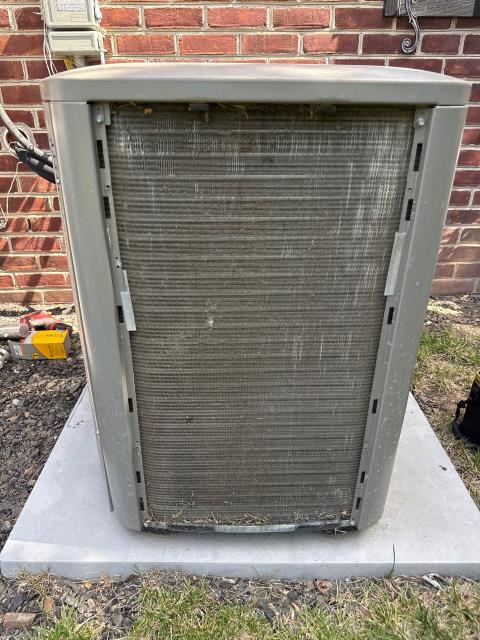
We performed a comprehensive AC tune-up for a new homeowner's 2008 systems, ensuring safe electrical operation and peak performance. We also inspected the water softener system and will prepare a proposal for recommended repairs.
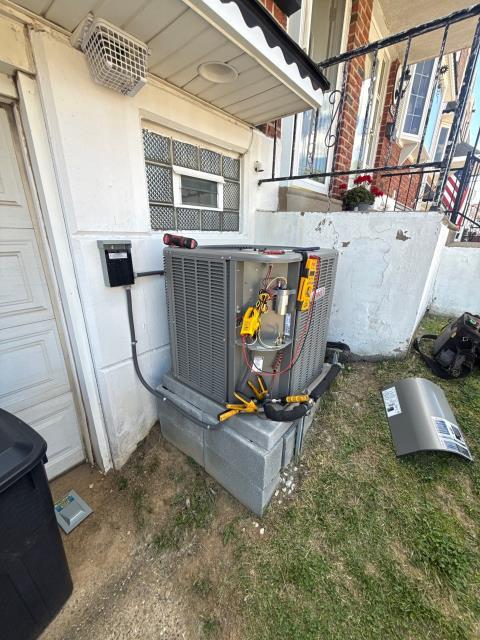
Conducted a thorough spring maintenance check, inspecting and optimizing the HVAC system. Verified refrigerant levels, electrical components, and overall performance for reliable summer cooling.
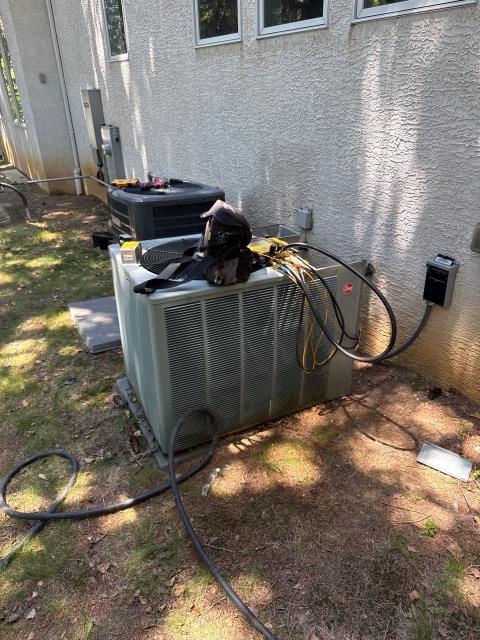
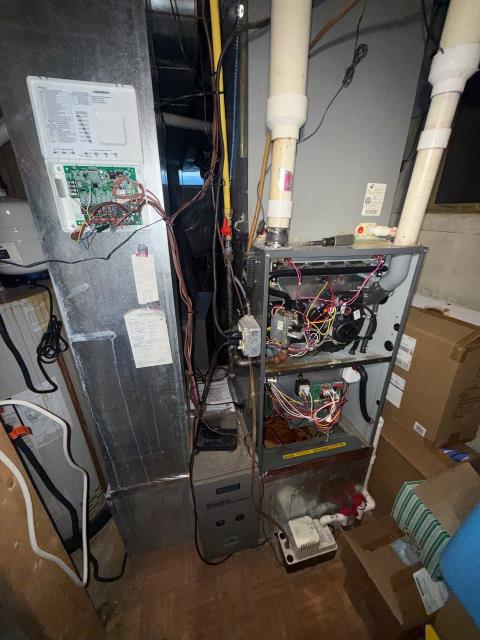
I serviced two cooling systems for a returning customer. The second-floor unit got a condenser cleaning, filter swap, and capacitor replacement. The first-floor system had a faulty compressor, so I reviewed the diagnosis and discussed repair options.
Related HVAC Services
Other cooling and HVAC tune-up services that may help
An AC tune-up is one part of keeping a system healthy — it also connects to ongoing maintenance, repair, replacement planning, and thermostat upgrades. These related pages help homeowners choose the right next step.
Service Area
AC tune-up services across Bucks County, Montgomery County, and nearby Philadelphia
Home Rangers provides AC tune-up services across Bucks County, Montgomery County, nearby Philadelphia, and surrounding service areas. Use the city links below to visit the local hub pages for the communities we serve.
Questions
AC tune-up FAQs
These answers cover what an AC tune-up actually is, what to expect during the visit, and how to tell if your system needs one – without repeating the checklist, cost, and scheduling details covered above.
Ready to schedule AC maintenance?
What is an AC tune-up?
An AC tune-up is a scheduled maintenance visit where a technician inspects, tests, cleans, and adjusts the working parts of the air conditioning system, rather than waiting for something to fail. The goal is to catch a weak part while it is still a minor fix, not after it turns into a no-cooling call.
How often should I schedule an AC tune-up?
Most homes should schedule an AC tune-up once a year, ideally in spring before the cooling season. Systems that are older, run for long stretches each day, or have never been serviced can benefit from being checked more closely than a system that gets routine annual care.
How long does an AC tune-up take?
A tune-up for a single central air conditioning system typically takes about one to two hours, depending on the system’s size, age, and how easy the equipment is to access. Homes with multiple systems or ductless mini-splits should expect more time.
Is an AC tune-up worth it?
Yes, for most homeowners. A tune-up costs far less than an emergency repair call in the middle of a heat wave, and catching a weak capacitor, dirty coil, or clogged drain during a routine visit is almost always cheaper than waiting for it to cause a breakdown.
Can an AC tune-up prevent every breakdown?
No. A tune-up reduces the risk of common failure points like weak capacitors, dirty coils, clogged drains, and loose electrical connections, but it cannot guarantee that every part will last through the summer. Some failures happen suddenly and could not have been caught during an earlier visit.
Do I need maintenance if my AC seems to be working fine?
Yes. Many AC problems start before comfort noticeably changes. A system can still cool the house while running with dirty coils, a weak electrical part, restricted airflow, or a drain issue quietly building toward a shutdown.
Can I do an AC tune-up myself, or do I need a professional?
Homeowners can handle basic upkeep between visits, such as changing the air filter and clearing debris away from the outdoor unit. Testing electrical components, checking refrigerant performance, and inspecting the condensate safety switch involve equipment and safety risks that call for a licensed technician.
What is the difference between an AC tune-up and AC repair?
An AC tune-up is planned maintenance for a system that is largely working. AC repair is a diagnostic visit for an active problem, such as no cooling, warm air, short cycling, water leaks, or a system that will not turn on at all.
Current Specials
Current HVAC & Plumbing Offers
Strong offers built to help you book service faster, save on repairs, and lock in ongoing system protection without digging through the whole site.
Diagnostic Only $49
Fast HVAC or plumbing diagnostic during regular business hours. If you approve the repair, we’ll credit the diagnostic toward the work. Use code RANGERS49 when booking online.
Book Online$75 Off Any Repair Over $300
Save on qualifying HVAC or plumbing repairs when the fix goes beyond a quick minor adjustment and you want real value on a bigger repair.
Book OnlineHome Rangers System Protection Plan: First Month Free
Start your membership at $19.95/mo, get your first month free, and unlock priority scheduling, tune-ups, and repair savings.
View PlanOffer details can change by season, equipment eligibility, service area, lender approval, and program availability. Diagnostic offer is for regular-hours service only. Repair discount cannot be combined with diagnostic credit or other offers.
Lennox systems and verified dealer support
Home Rangers appears on the official Lennox dealer locator for Warminster. Ask about Lennox air conditioners, heat pumps, furnaces, and mini-split options, along with system sizing and financing options for eligible installations.
Whether your AC stopped cooling, your furnace won’t ignite, your water heater is leaking, or your drains are backing up, Home Rangers is here to help. As Warminster’s hometown HVAC and plumbing company, we treat every customer like a neighbor, because you are.
Ready for Home Service You Can Trust?
Book Nowor call us at:
(215) 454-0001