
It’s the middle of a scorching summer day when your AC suddenly stops cooling — and the diagnosis comes back: failed compressor. That’s the moment every homeowner dreads, because the compressor is the heart of your air conditioning system and one of the most expensive parts to replace. In 2026, the average cost to replace an AC compressor in the United States is $1,600, with most homeowners paying between $850 and $2,400 depending on the specifics of the job.
Your final bill will be shaped by a number of factors, including:
- The type and tonnage of your AC system (central vs. ductless, heat pump, etc.)
- Whether the compressor is covered under a manufacturer or home warranty
- Labor rates in your area and the complexity of the installation
This 2026 cost guide will walk you through every variable that impacts the price, show you how to confirm a compressor failure versus a simpler problem, and help you decide whether a repair or a full system replacement makes more financial sense. With the information ahead, you’ll be equipped to talk to any HVAC contractor with confidence — and keep more money in your pocket.
What Is an AC Compressor and Why Does It Cost So Much to Replace?
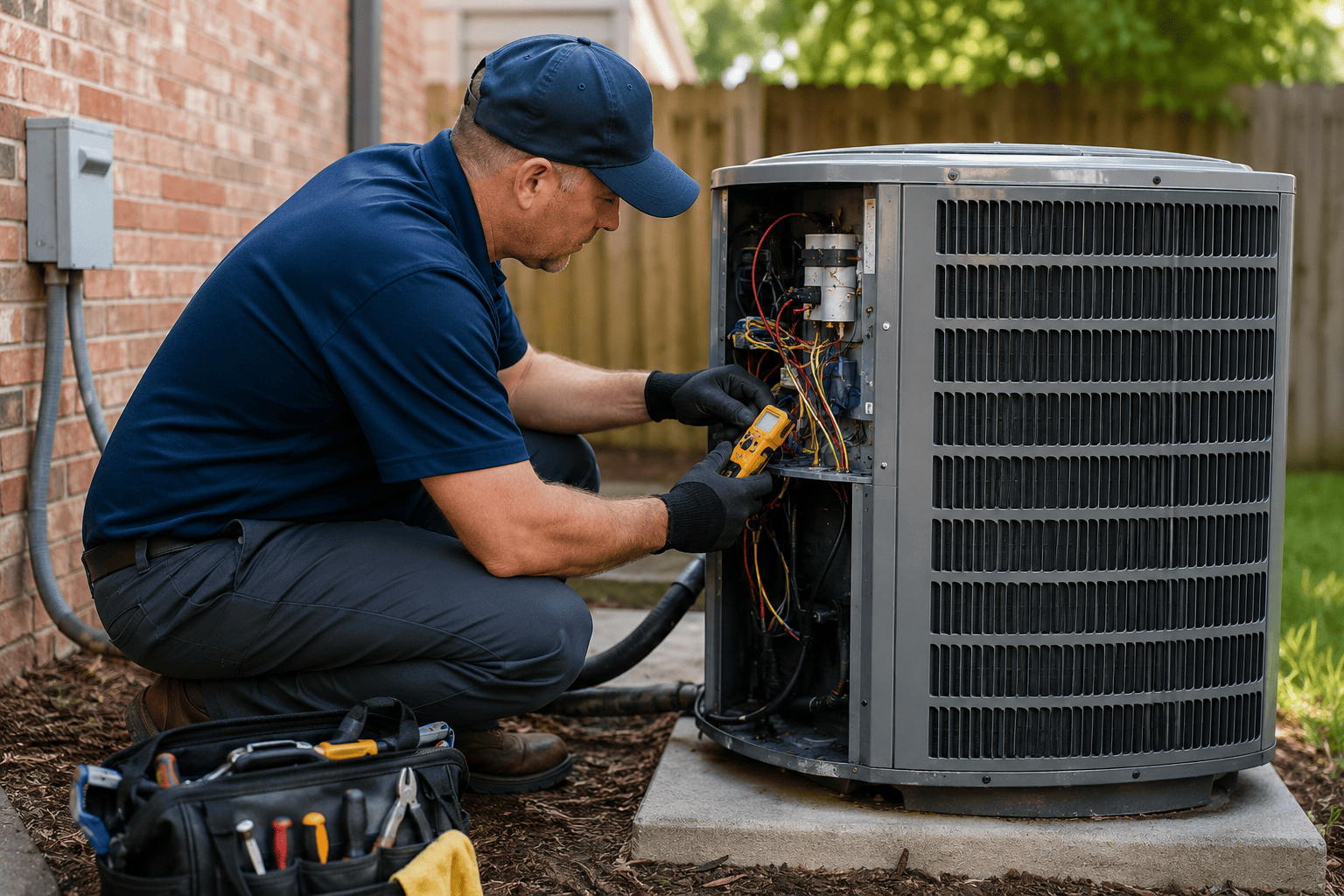
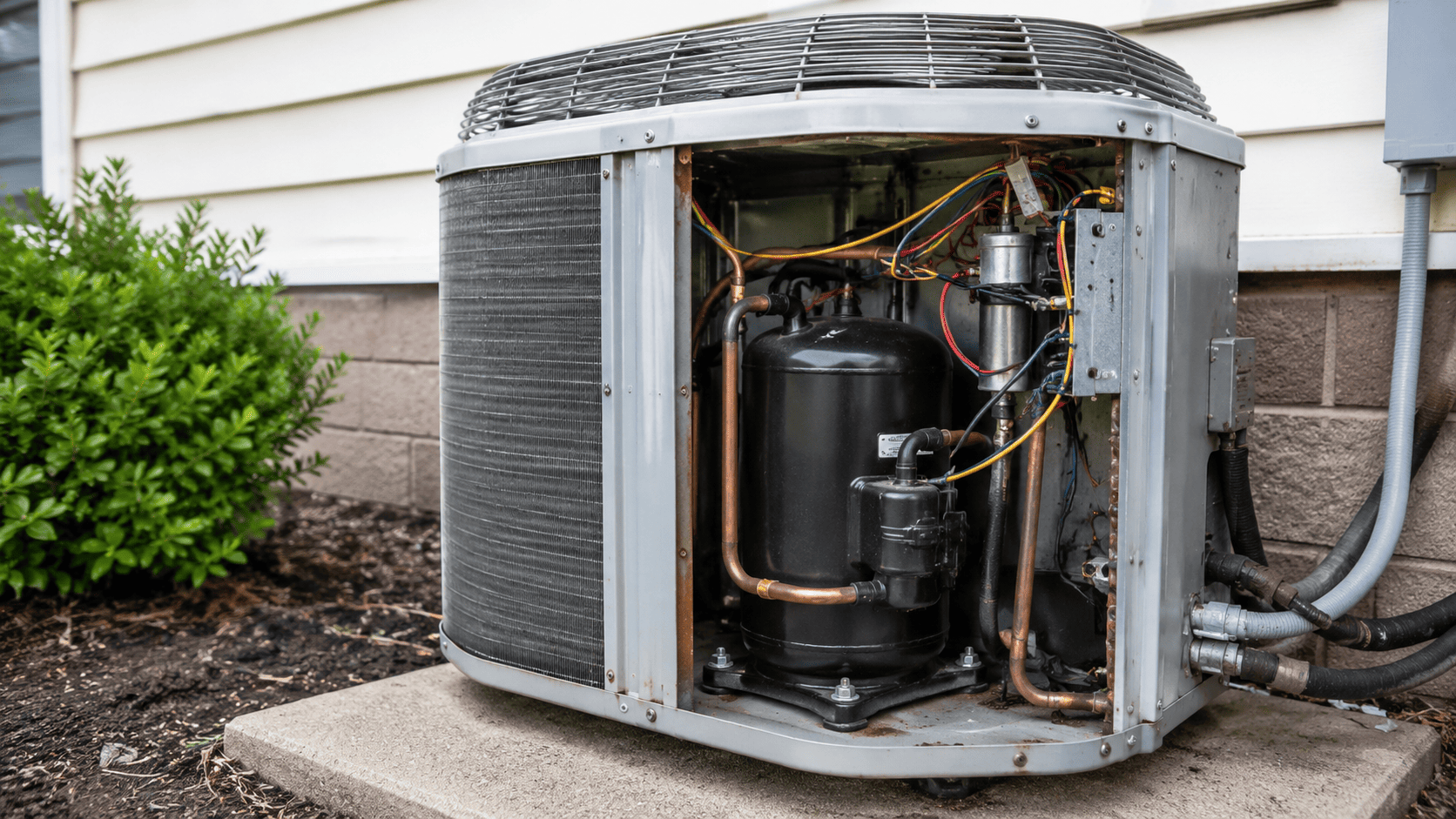
Before diving into dollar amounts, it helps to understand what the compressor does and why it commands such a high price. The compressor is often called the heart of your air conditioner. It sits in the outdoor condensing unit and circulates refrigerant between the indoor evaporator coil and the outdoor condenser coil. By compressing low-pressure refrigerant gas into a high-pressure, high-temperature gas, it enables the entire heat-exchange cycle that cools your home.
A compressor is a precision-engineered component with tight tolerances and multiple moving parts. It’s not a simple swap — replacing one involves:
- Recovering all existing refrigerant from the system
- Removing the old compressor, which is often hard-connected with brazed copper lines
- Flushing the lines to remove contaminants and acid from the failed compressor
- Installing a new filter drier and often an accumulator or expansion device
- Brazing in the new compressor, pressure-testing with nitrogen, evacuating the system, and recharging with the correct amount of refrigerant
This is a labor-intensive job that takes a skilled HVAC technician several hours. The compressor itself can cost $400 to $1,800 just for the part, depending on the type and brand. Add in labor, refrigerant, and auxiliary parts, and you see why the total bill lands between $850 and $2,400 in 2026.
2026 Update: With the ongoing transition to low-GWP refrigerants such as R-454B and R-32 in new equipment, compressors designed for these mildly flammable (A2L) refrigerants are slightly more expensive due to updated safety features. If your system still uses R-410A, the refrigerant itself is also rising in cost as production phases down, making recharges pricier.
AC Compressor Replacement Cost by System Type (2026 Prices)
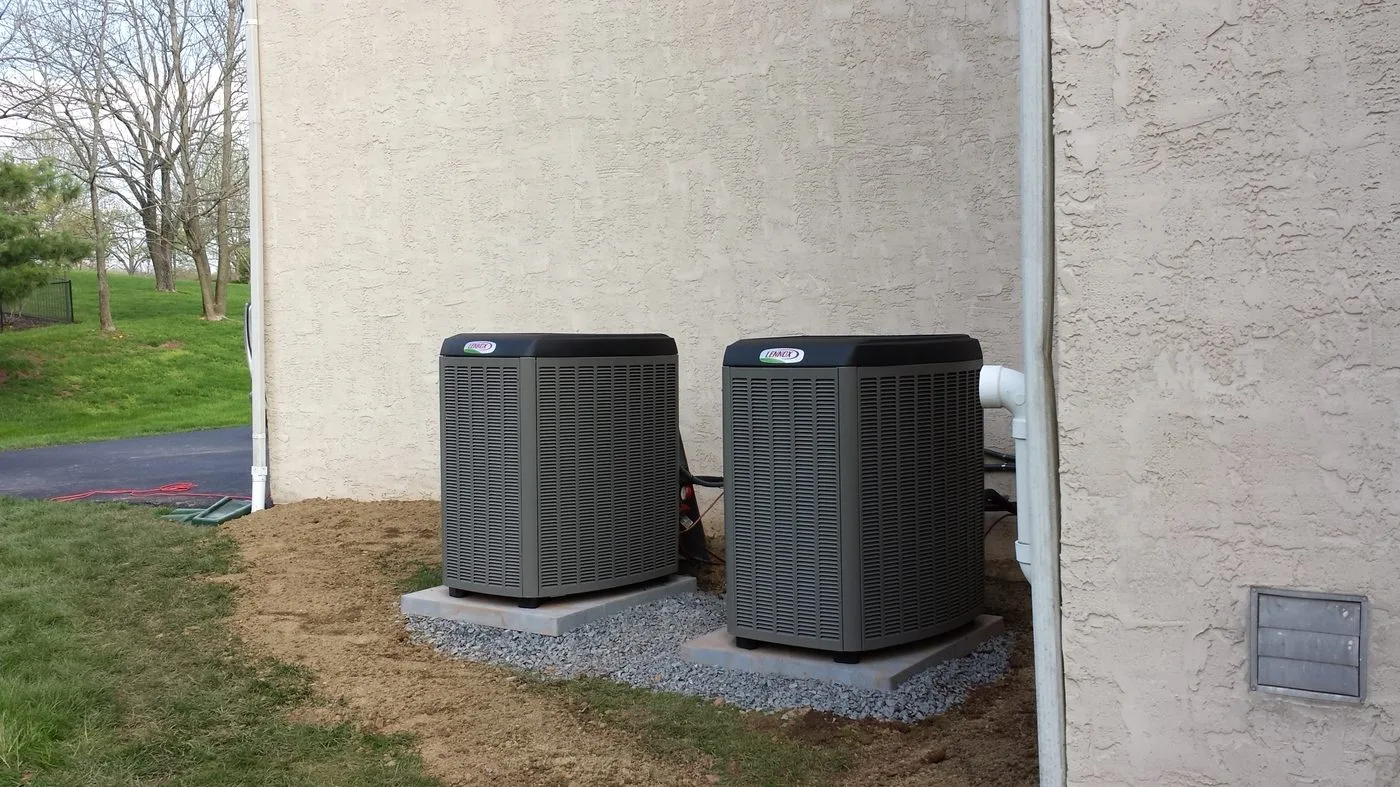
The type of air conditioning system you have is the single biggest factor in your final bill. A compressor for a basic central air unit costs less than one for a high-efficiency heat pump. Here’s how the numbers break down in 2026.
| System Type | Average Replacement Cost (Parts & Labor) | Notes |
|---|---|---|
| Central AC (Split System) | $900 – $2,400 | Most common. Cost driven by tonnage (1.5 to 5 tons) and SEER2 rating. |
| Heat Pump | $1,200 – $3,200 | Compressors for heat pumps are bidirectional and typically cost 20–40% more. |
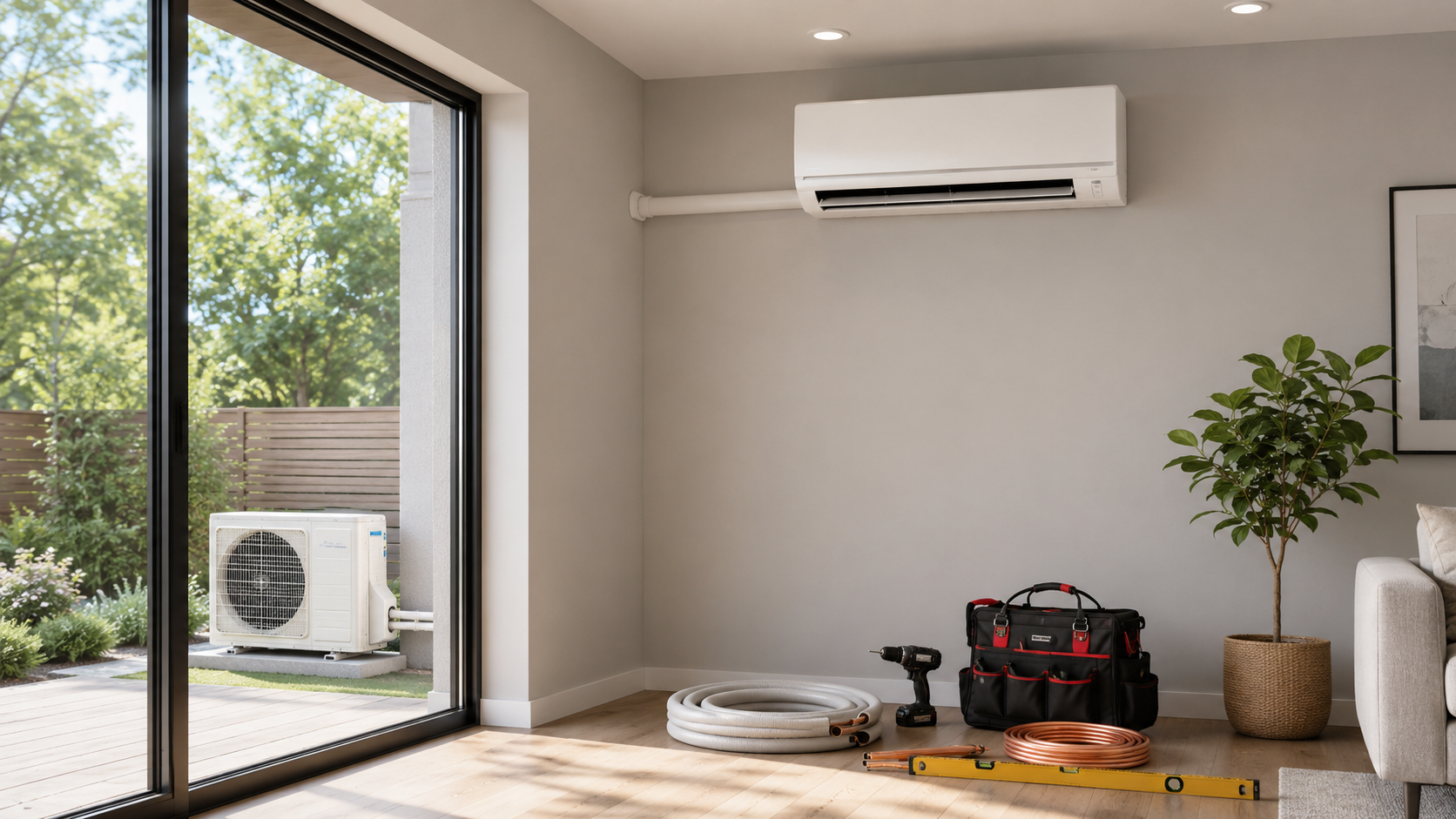
| Ductless Mini-Split | $1,000 – $2,500 | Often involves replacing the entire outdoor unit. Inverter-driven compressors are pricier. |
| Packaged Unit (Rooftop) | $1,100 – $2,800 | All-in-one units. Compressor replacement may require extra disassembly and labor. |
| Window / Portable AC | Not worth replacing | Cost of compressor and labor exceeds the price of a new unit. Replace the entire appliance. |
How System Tonnage Affects Compressor Cost
Compressor cost scales with cooling capacity (tons). A 1.5-ton compressor for a small apartment might run $400–$700 for the part alone, while a 5-ton compressor for a large home can push past $1,800. Labor also increases for larger systems due to refrigerant volume and heavier components.
Single-Stage vs. Two-Stage vs. Variable-Speed Compressors
- Single-stage compressors — Least expensive, simple on/off operation. Part cost: $400–$900.
- Two-stage compressors — More efficient, run at low and high speed. Part cost: $600–$1,400.
- Variable-speed (inverter) compressors — Premium efficiency, continuously adjust output. Part cost: $800–$1,800+. Common in high-SEER2 and ductless systems.
2026 Insight: The federal minimum efficiency standard increased to 15.0 SEER2 for new units in many regions, pushing more manufacturers toward two-stage and variable-speed designs. This trend lifts the average compressor replacement cost slightly, as simpler single-stage parts become less common.
Labor Costs and Factors That Affect Installation Price
The compressor itself is a major line item, but in many cases labor equals or exceeds the part cost. In 2026, HVAC labor rates range from $75 to $200 per hour depending on your location and the company you hire. Compressor replacement is a complex, multi-step job that typically takes 4 to 8 hours, putting average labor charges between $400 and $1,200 for the full installation.
Why the Job Takes Time
Replacing an AC compressor is not a quick swap. A proper installation includes:
- Refrigerant recovery: Safely removing all remaining refrigerant from the system before cutting lines.
- Old compressor removal: Cutting brazed copper connections, unbolting the compressor, and removing it from the outdoor unit.
- System flush: Flushing refrigerant lines with a solvent to remove acid, debris, and burnt oil from the failed compressor.
- Component replacement: Installing a new filter drier, and often a new accumulator, expansion valve, or contactor — these are mandatory for warranty compliance on the new compressor.
- Installation: Brazing in the new compressor, pressure-testing with dry nitrogen to detect leaks, evacuating the system with a vacuum pump to below 500 microns, and charging with fresh refrigerant.
- Testing: Running the system, checking superheat and subcooling values, verifying proper airflow and temperature differential.
Key Factors That Change the Labor Bill
- Geographic location: Labor rates in major metropolitan areas (New York City, San Francisco, Chicago) are at the top end of the scale. Rural areas and smaller cities tend to be lower. Always compare quotes from multiple local contractors.
- Accessibility: If the outdoor unit is in a tight space, on a roof, or surrounded by landscaping that must be cleared, the job takes longer.
- System age and condition: Older units (10+ years) may have corroded bolts, seized connections, or contaminated lines. Cleaning up a burnout from a grounded compressor adds extra labor hours.
- Emergency or after-hours service: A compressor failure at 8 p.m. on a July weekend will cost significantly more — expect a 50–100% premium on labor.
- Warranty factors: If the compressor is under a manufacturer’s parts warranty, your labor costs remain, but the part cost is eliminated, often bringing the total bill down to $600–$1,200.
- Refrigerant type: As R-410A production phases down in 2026, its price per pound is climbing. A full recharge can add $150–$400 to the job, depending on system size and local refrigerant pricing.
Bottom line: When you get a quote, ask for a breakdown separating part, labor, refrigerant, and ancillary components. This transparency lets you see what you’re really paying for and helps you compare bids accurately.
Compressor Replacement vs. Full AC Replacement: How to Decide
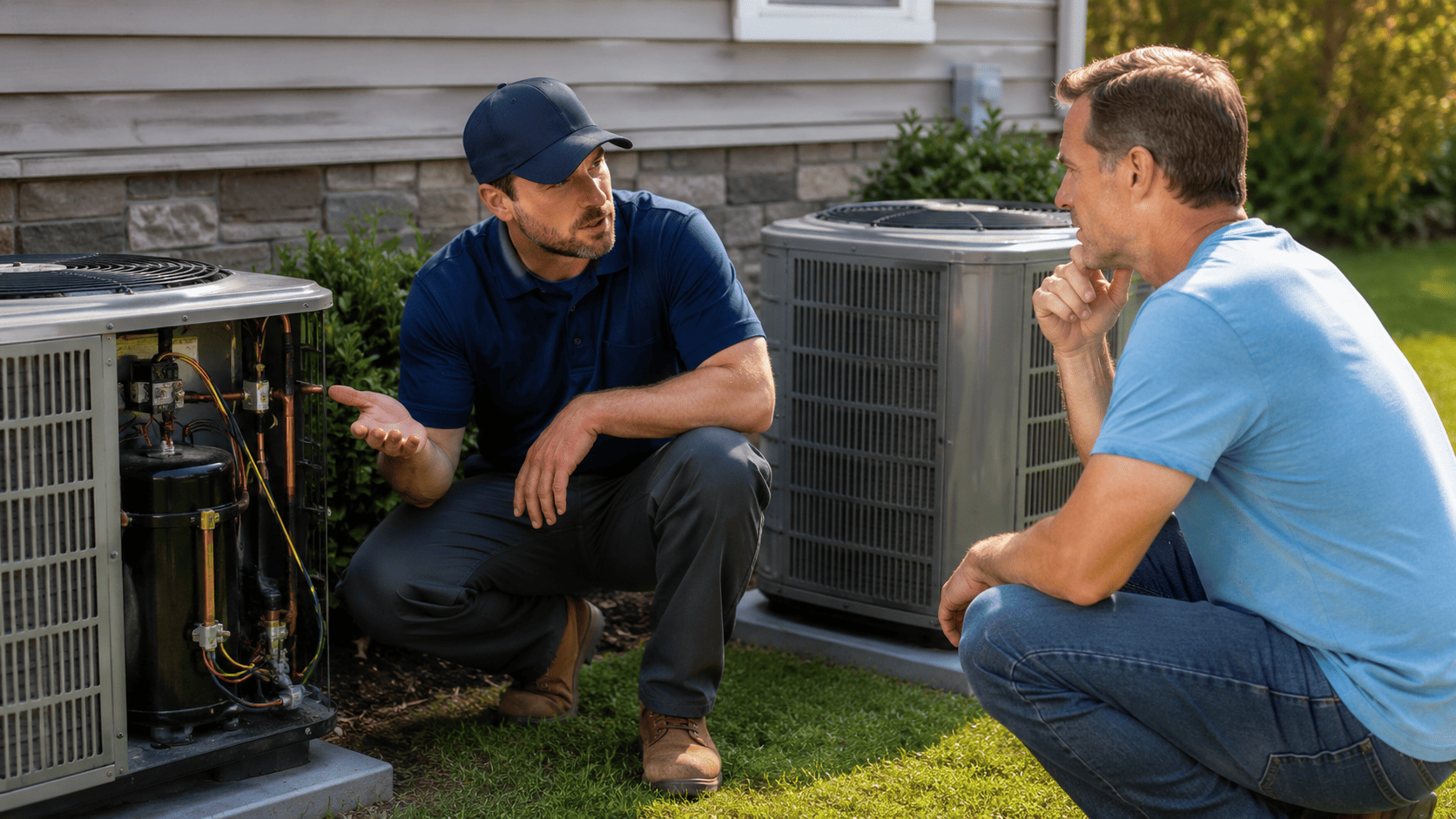
This is the toughest call for most homeowners. You’ve just heard the compressor failed, and you’re staring at a quote that might reach $2,400 for repair — or $5,000 to $12,000+ for a new system. How do you decide which route makes more financial sense in 2026?
When Replacing Just the Compressor Makes Sense
- The compressor is under warranty: If the manufacturer’s parts warranty (typically 10 years) is still active, you only pay labor, refrigerant, and incidentals. This can bring the total down to $600–$1,200 — a far better deal than a new system.
- The rest of the system is in good condition: If your AC is less than 8 years old, the evaporator coil, condenser coil, blower motor, and electrical components still have life left, a compressor swap can keep a good system running for years.
- Your budget is tight: Even at $1,500–$2,400 out of pocket, replacing the compressor is less than half the cost of a new installation.
When a Full AC Replacement Is the Smarter Choice
- The system is 10+ years old: After a decade, other major components are nearing the end of their lifespan. You risk spending thousands on a compressor only to face an evaporator coil leak or a failed blower motor next summer.
- The compressor failure caused contamination: A burnout sends acidic sludge through the entire system. Even with a flush, residue can damage a new compressor. Manufacturers often void warranties if a compressor is installed in a system that wasn’t thoroughly cleaned — and some contamination is impossible to fully remove.
- Your system uses R-410A refrigerant: With R-410A production being phased down, refrigerant costs will keep climbing. A new system using R-454B or R-32 will be cheaper to service over its lifetime.
- You want better efficiency: Compressor replacement doesn’t change your system’s SEER2 rating. A new system meeting 2026 minimum standards (15.0 SEER2 in most regions, higher in the South) will cut energy bills significantly — often 20–40% compared to a decade-old unit.
| Factor | Replace Compressor | Replace Entire AC System |
|---|---|---|
| Upfront Cost | $850 – $2,400 | $5,000 – $12,000+ |
| System Age Limit | Best under 8 years old | Strongly recommended for 10+ year old units |
| Energy Efficiency Gain | None (same SEER2) | 20–40% lower cooling bills with modern SEER2 |
| Warranty Coverage | Compressor part only (if under warranty) | Full system warranty (10+ years parts, often 2+ years labor) |
| Future Repair Risk | Other components may fail soon | Very low for 5–10 years |
| Refrigerant Type | Likely R-410A (rising cost) | R-454B or R-32 (stable cost, future-proof) |
The “Halfway Rule” for 2026
A practical way to decide: Multiply the compressor replacement quote by 2. If that number exceeds the cost of a new system, replacement usually wins. For example, a $2,200 compressor job × 2 = $4,400, but a full system might be $5,500 — the math favors the compressor. But if your quote is $2,400 × 2 = $4,800, and a high-efficiency replacement is $5,200 with a full warranty, spending the extra $400 now saves you from another major repair in a few years.
Still unsure? A trusted HVAC technician can inspect your system’s overall condition and give you an honest recommendation. At Call Home Rangers, we always evaluate the entire system before advising a compressor-only repair — because we believe the right answer depends on your specific situation, not a one-size-fits-all sales pitch.
Still unsure whether to replace the compressor or the whole AC? We’ll help you decide — honestly.
At Call Home Rangers, we never upsell you on equipment you don’t need. If a compressor replacement is the right call, we won’t push a full system on you. If a new unit truly protects your budget long‑term, we’ll explain exactly why with clear numbers — no pressure, just straight answers.
Signs Your AC Compressor Is Failing (Before You Call a Pro)
A compressor rarely fails without warning. Spotting the symptoms early can mean the difference between a manageable repair and a catastrophic burnout that contaminates your whole system. Here are the most common signs that your compressor is in trouble — and what they mean for your wallet.
7 Warning Signs of a Bad AC Compressor
- Blowing warm or room-temperature air: This is the most obvious red flag. If the outdoor unit runs but the air from the vents isn’t cold, the compressor may not be pumping refrigerant properly — or at all.
- Loud banging, screeching, or rattling sounds: Healthy compressors hum quietly. A failing one may produce clanking (loose internal parts), screeching (high-pressure lockup), or rattling (mounts breaking loose). Turn the system off immediately if you hear these.
- Hard starting and tripped circuit breakers: When a compressor struggles to start, it draws massive electrical current. If your outside unit trips the breaker repeatedly, the compressor may be on its way to a locked rotor or internal short.
- Humming sound but fan not spinning, or unit not starting: A loud hum followed by silence often indicates a seized compressor. The motor is trying to run but can’t overcome internal resistance.
- Short cycling (turning on and off frequently): A compressor that overheats will shut down on thermal overload, cool off, then try again. Constant short cycling dramatically shortens its lifespan.
- Visible refrigerant leaks or oil stains around the unit: The compressor is a sealed component. Oily residue or bright green/yellow dye near the compressor connections means refrigerant is escaping — and a leak often leads to compressor failure.
- Burnout smell or acid odor: If you catch a sharp, acidic smell near the outdoor unit, the compressor motor windings may have burned up internally. This is a serious failure that contaminates the entire system.
When It’s NOT the Compressor: 5 Problems That Mimic Compressor Failure
Many service calls for a “bad compressor” end up being something far less expensive. Before you brace for a $2,000 bill, rule out these common lookalikes:
- Failed capacitor: A weak or dead run/start capacitor ($10–$30 part, $150–$250 installed) can prevent the compressor from starting, mimicking a seized unit.
- Bad contactor: This electrical relay switch ($25–$50 part) can fail due to pitting or insect damage, cutting power to the compressor and outdoor fan.
- Dirty condenser coil or clogged air filter: Restricted airflow causes the compressor to overheat and cycle on its internal overload. A simple coil cleaning or filter change can fix the problem.
- Low refrigerant charge: A leak elsewhere in the system (evaporator coil, line set) can drop pressure enough to prevent the compressor from engaging. Fixing the leak and recharging may restore operation without touching the compressor.
- Thermostat or control board issue: A miswired thermostat, dead batteries, or a failed control board can interrupt the signal that tells the compressor to run.
The takeaway: Always get a professional diagnosis before agreeing to a compressor replacement. A thorough technician will check capacitors, electrical connections, refrigerant pressures, and coil condition — in that order. If a contractor immediately jumps to “you need a new compressor” without these steps, get a second opinion.
At Call Home Rangers, our diagnostic process covers the simple fixes first. We’ve seen hundreds of cases where a $200 capacitor swap saved a homeowner from a $2,000 compressor bill — and we’ll never recommend a major repair without showing you the evidence.
Don’t leave your AC compressor diagnosis to guesswork. Online cost guides are a great starting point, but they can’t inspect your system’s age, refrigerant levels, or electrical components. At Call Home Rangers, we provide a free, no-obligation in-home assessment with a transparent, line-by-line repair quote. We’ll verify the exact cause — whether it’s truly the compressor or a simpler fix like a capacitor — and give you honest advice before you spend a dime.
How to Save Money on AC Compressor Replacement in 2026
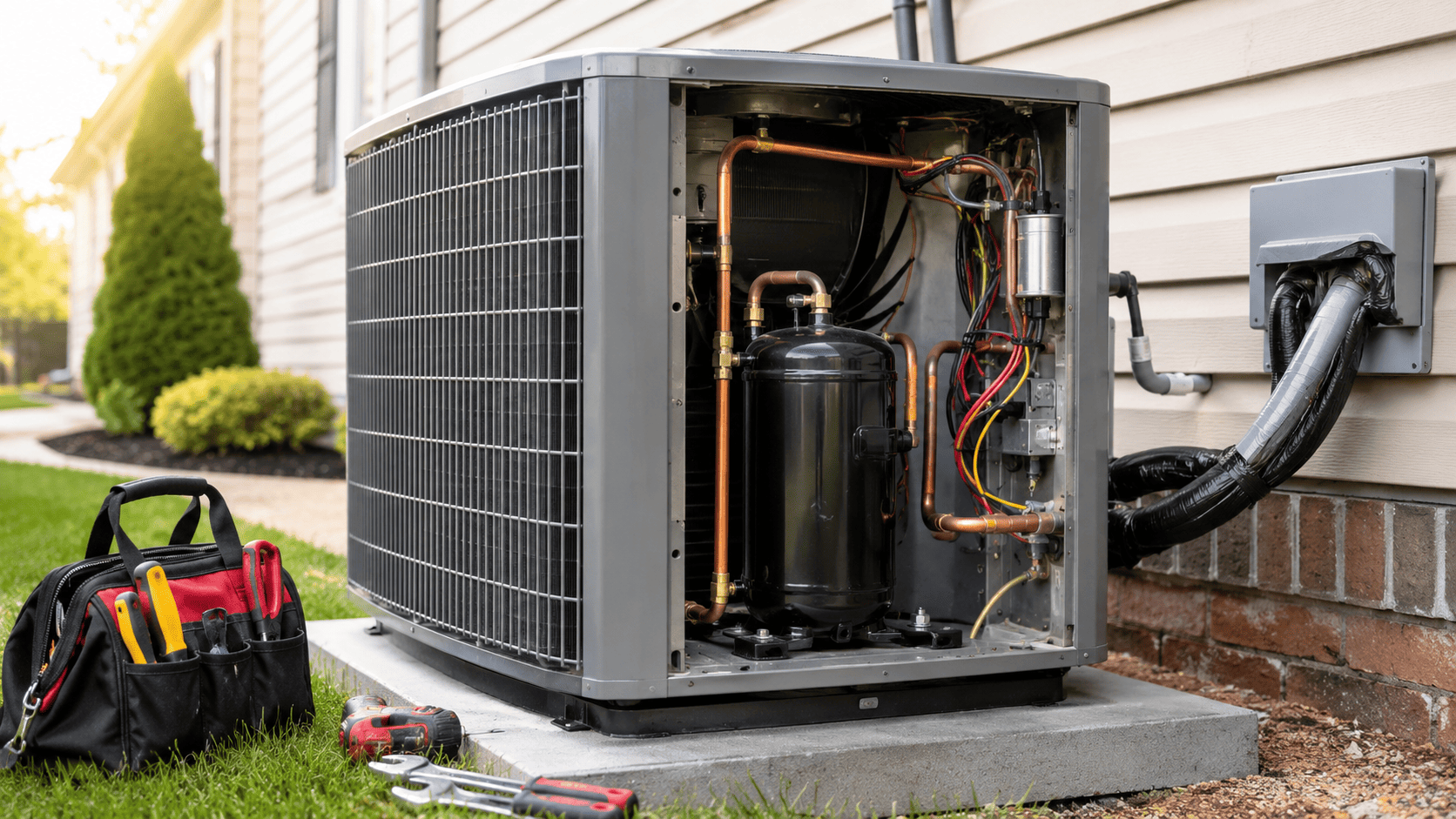
A compressor replacement is never a small expense, but there are several ways to significantly reduce the final bill — sometimes by 50% or more. Smart homeowners use every tool available, from warranty claims to tax incentives. Here’s exactly how to keep more money in your pocket.
Check Your Manufacturer’s Parts Warranty
This is the single biggest potential savings. Most major AC brands offer a 10-year parts warranty on compressors when the system is registered within 60–90 days of installation. If your unit is less than 10 years old and was properly registered, the compressor itself could cost you $0. You’ll still pay labor, refrigerant, and incidentals ($600–$1,200), but that’s far better than the full price. Even if you’re not the original owner, some brands offer a 5-year base warranty. Always check before paying out of pocket.
Home Warranty Coverage
If you have a home warranty policy that includes HVAC coverage, a compressor failure may be covered. Be aware: home warranty companies typically choose their own contractor, may use aftermarket or remanufactured compressors, and can take days to approve and schedule the work. Some homeowners prefer the speed and control of hiring their own technician. Still, it’s worth reviewing your policy before making a decision.
Energy Efficiency Tax Credits and Rebates (2026)
If you decide on a full system replacement instead of just a compressor, 2026 brings continued federal incentives. Under the Inflation Reduction Act’s 25C tax credit, qualifying high-efficiency systems (meeting ENERGY STAR requirements) are eligible for a tax credit of up to $600 for air conditioners and up to $2,000 for heat pumps. This is a dollar-for-dollar reduction on your tax bill. Additionally, many local utilities and state programs offer rebates of $100–$1,000+ for installing efficient equipment. These incentives can substantially narrow the gap between a compressor-only repair and a complete system upgrade.
Get Multiple Quotes — and Compare Them Correctly
Never accept the first quote without checking. We recommend getting three written estimates from licensed, insured HVAC contractors. But don’t just look at the bottom line. Ask each contractor to break down:
- Compressor part cost (brand, model, new vs. remanufactured)
- Labor hours and rate
- Refrigerant type, amount, and price per pound
- Auxiliary parts included (filter drier, contactor, capacitor, etc.)
- Warranty on the new compressor and on labor
A cheaper quote that uses a remanufactured compressor and skips the system flush will cost more in the long run. Compare apples to apples.
Off-Season Timing and Planned Replacement
If you’re lucky enough to catch the problem early — or the compressor is weakening but still running — scheduling replacement during the spring or fall shoulder seasons can save money. HVAC companies are less busy, and some offer off-peak discounts. Emergency replacements during a July heatwave will always command top dollar.
Avoid Unnecessary Upsells, but Don’t Skip Essentials
When replacing a compressor, certain add-ons are mandatory for reliability: a new filter drier, a system flush, and often a new contactor and capacitor. A contractor who skips these to offer a low price is setting you up for a second failure. However, services like duct cleaning or air purification systems are optional and can be deferred if your budget is tight.
Pro tip from Call Home Rangers: If your compressor is under warranty but your labor costs feel high, ask about combining the repair with a seasonal maintenance plan. Many companies — including ours — offer discounts on repair labor for annual maintenance agreement customers. It’s a way to save immediately and keep your system in peak condition year-round.
Why Compressor Replacement Costs Have Changed in 2026: Refrigerant and Regulatory Updates
If you replaced a compressor in 2020 and are shocked by quotes in 2026, you’re not imagining things. Several regulatory shifts and market changes have pushed costs higher — and understanding them helps you see where your money is going.
The R-410A Phase-Down and Rising Refrigerant Prices
The biggest single factor affecting AC repair costs in 2026 is the ongoing phase-down of R-410A refrigerant under the AIM Act. Starting in 2025, the EPA mandated a significant reduction in R-410A production and import, with a target of an 85% cut by 2036. In practical terms, a 30-pound cylinder of R-410A that cost $90–$150 a few years ago is now frequently priced between $250 and $500+. For a compressor replacement that requires a full system recharge (typically 4–10 pounds), refrigerant alone can add $150 to $500+ to your bill — double or triple what it cost just a few years ago.
New Low-GWP Refrigerants: R-454B and R-32
All new residential AC systems manufactured in 2025 and beyond use mildly flammable (A2L) refrigerants — primarily R-454B or R-32. Compressors in these new systems are built with additional safety features, including leak detection sensors and reinforced electrical connections. This makes the parts themselves 5–15% more expensive than their R-410A counterparts. If you’re replacing a compressor in a post-2024 system, expect the part cost to be slightly higher than historical averages.
Updated Efficiency Standards (SEER2)
The Department of Energy’s 2023 efficiency standards raised the minimum SEER2 rating to 15.0 in the South and 14.0 in the North. While this primarily affects new system sales, it also means replacement compressors must meet tighter specifications, especially for variable-speed and two-stage units. The supply chain for these more advanced compressors carries higher manufacturing costs, which get passed through to the consumer.
Labor Market and Material Costs
Like many skilled trades, HVAC faces an ongoing technician shortage. Fewer qualified technicians means higher wages, and those costs are reflected in service rates. In 2026, labor rates for a licensed HVAC technician range from $95 to $200 per hour depending on your region — up 15–25% from pre-pandemic levels. Beyond labor, copper prices, brazing materials, and key components like filter driers and capacitors have all trended upward due to inflation and supply chain adjustments.
What These Changes Mean for Homeowners
If you’ve delayed a compressor repair, the cost landscape in 2026 likely won’t get cheaper. However, the shift to more efficient, future-proof equipment also means a full system replacement today positions you to avoid rising R-410A costs for the next 15–20 years. This is a key factor when weighing repair vs. replacement.
At Call Home Rangers, we stay ahead of industry changes so our pricing is transparent and fair. We’ll walk you through exactly how refrigerant costs, part availability, and labor rates affect your specific quote — no surprises, no hidden markups.
Frequently Asked Questions About AC Compressor Replacement
How much does an AC compressor replacement cost in 2026?
The average cost to replace an AC compressor in 2026 ranges from $850 to $2,400, with a national midpoint around $1,600. The total depends on the system type, compressor type, warranty coverage, labor rates, and refrigerant costs. If the compressor is under a manufacturer’s parts warranty, you may only pay $600–$1,200 for labor and refrigerant.
Is it worth replacing the compressor, or should I buy a new AC unit?
If your AC is under 8 years old, the compressor is covered by warranty, and the rest of the system is in good condition, replacing the compressor is usually worthwhile. For systems 10 years or older, especially those using R-410A refrigerant, a full replacement is often the smarter long-term investment. A new system brings higher efficiency, lower operating costs, and a full warranty.
How long does it take to replace an AC compressor?
A professional compressor replacement typically takes 4 to 8 hours. The process includes recovering refrigerant, removing the failed compressor, flushing the lines, replacing the filter drier and related components, brazing in the new compressor, pressure-testing, evacuating the system, and recharging with refrigerant. Complex jobs or poor access can extend the timeline.
Can I replace an AC compressor myself?
No. Compressor replacement requires EPA Section 608 certification to handle refrigerant, specialized tools (recovery machine, vacuum pump, nitrogen regulator, oxy-acetylene torch, manifold gauges), and extensive HVAC knowledge. Improper installation can cause system failure, safety hazards, and void all warranties. This is not a DIY project.
What causes an AC compressor to fail?
Common causes include refrigerant leaks leading to low charge and overheating, dirty condenser coils restricting heat rejection, electrical problems (bad capacitors, contactors, or wiring), lubricant breakdown, and normal wear over 10–15 years. A system that’s oversized or has poor airflow is also prone to early compressor failure.
Will a home warranty cover AC compressor replacement?
Many home warranty policies cover compressor replacement if the HVAC system is included in the plan. However, the warranty company typically selects the contractor and may specify a remanufactured compressor. Approval and scheduling can take days. Read your policy carefully and be prepared for potential service call fees and coverage limits.
Does a new AC compressor come with a warranty?
Yes. A new OEM compressor installed by a licensed contractor typically includes a 1-year manufacturer’s part warranty by default. If you replace the entire outdoor unit or the compressor is part of a new system, the warranty usually extends to 10 years for parts when the equipment is registered. Reputable contractors also provide a labor warranty — often 1–2 years on a compressor replacement.
Why is the cost of AC compressor replacement going up in 2026?
Several factors are driving costs higher: the phase-down of R-410A refrigerant is raising prices sharply, new A2L refrigerants like R-454B require compressors with enhanced safety features, skilled HVAC labor is in short supply, and material costs (copper, components) have risen. Together, these trends mean compressor work costs more than it did a few years ago.
Get an Honest Assessment and a Fair Price for Your AC Compressor
Replacing an AC compressor is a significant expense — and one of the most stressful repair decisions a homeowner faces. But armed with the right information, you can approach it with clarity. Here’s what matters most:
- Know your system’s age, refrigerant type, and warranty status before you get quotes.
- Get at least three estimates, and insist on a line-by-line breakdown of parts, labor, refrigerant, and incidentals.
- For systems under 8 years old, a compressor-only repair often makes sense. For units 10+ years old or with R-410A, a full upgrade may protect your wallet in the long run.
- Always verify the diagnosis: a capacitor, contactor, or refrigerant leak can mimic compressor failure and cost a fraction of the price to fix.
At Call Home Rangers, we’ve built our reputation on transparent pricing, thorough diagnostics, and treating every home like our own. Our certified technicians will never push a compressor replacement unless it’s truly necessary — and we’ll show you the evidence before any work begins. We also provide detailed, no-pressure quotes that spell out every dollar, so you can make an informed decision with confidence.
Don’t let a failed compressor ruin your comfort. Contact Call Home Rangers today to schedule a comprehensive AC inspection. Whether it’s a simple fix or a system overhaul, we’ll guide you to the solution that fits your home and your budget.
Your AC Compressor Solution Starts Here
Join hundreds of homeowners who trust us for honest diagnostics and fair compressor replacement pricing — no upsells, no surprises.
Or call us directly at (215) 454-0001