
Air filter maintenance is a simple task, but it has a real effect on indoor air quality, airflow, and HVAC system performance. A clean air filter helps the heating and cooling system move air without forcing the blower motor to work harder.
For most homes, the best approach is not complicated: find the right filter type, check the air filter regularly, and replace or clean the filter before dirt and debris block the filter material.
Air Filter Maintenance Basics
An air filter sits in the return air path, at the furnace, air handler, or another air intake location. Its job is to capture dust, pollen, pet hair, allergens, mold particulates, and other contaminants before air moves through the HVAC system.
A dirty air filter can create reduced airflow, longer run time, uneven comfort, and avoidable repair issues. Conversely, a filter that is too restrictive for the unit can hurt the system’s performance even when the filter looks clean.
Use the same air filter size printed on the old air filter unless a technician has recommended a different air filter. A loose air filter can let dirt pass around the frame, while an air filter pushed in backward can reduce airflow. Keep one spare air filter nearby so replacement is not delayed.
Air Filter Replacement Schedule
Many one-inch filters need replacement every 30 to 90 days. The exact time can depend on pets, allergies, dust, filter type, cooling system runtime, heating use, and whether the house has construction dust or other pollutants.
Thicker media filters may last longer, but they still need checks. Follow the owner’s manual and manufacturer’s directions for size, MERV range, and replacement timing, because every system is designed differently.
Clean air filters are especially important when the HVAC system runs daily. Replacing an air filter on time is easier than waiting for dust buildup to affect airflow, comfort, or repair risk.
How To Check A Dirty Air Filter
Turn the system off before checking the filter. Remove the cover or grille, note the airflow arrow, and slide the air filter out without shaking trapped particles into the duct opening.
Look for gray dirt, matted dust, debris, water damage, mold, bent cardboard, or gaps around the edge. If the filter is clogged, the blower may pull less air, which can lead to frozen coils in cooling season or heat-related shutdowns in heating season.
Clean An Air Filter Or Replace It?
Disposable fiberglass, pleated paper, and many media filters should be replaced, not washed. Trying to wash a disposable filter can damage the filter material and let contaminants pass through.
Reusable or washable filters are different. If the filter is labeled washable, rinse it gently at a faucet, avoid harsh cleaner, shake off extra water, and let it dry fully before reinstalling. Never put a damp filter back in the unit.
Some specialty oiled filter products require re oiling after thorough cleaning, but most home HVAC filters are not oiled filters. If you see instructions for a car engine air filter, refer to that owner’s manual instead of using those steps on a home HVAC filter.
Clean Air And Indoor Air Quality
Clean air filters can help reduce dust, pollen, allergens, bacteria attached to particulates, and other airborne contaminants that circulate through occupied rooms. Filter maintenance is one part of indoor air quality, along with ventilation, humidity control, source control, and duct condition.
A higher MERV filter is not always the best choice. Dense filter material can reduce airflow if the system was not designed for it, so choose a filter that protects clean air while letting the equipment breathe.
Air Filter Maintenance Tips
| Task | Why it matters |
|---|---|
| Check the air filter regularly | Early checks catch dirt, damage, and clogged filter problems before they affect performance. |
| Match size and direction | The filter should fit the line or slot tightly with the arrow pointing toward airflow. |
| Keep reminders | Calendar reminders help you maintain the schedule during busy seasons. |
| Watch for signs | Dusty vents, weak airflow, odors, or a noisy return can indicate filter or air intake issues. |
Signs The Filter Is Affecting Performance
Filter problems often show up as comfort complaints before anyone opens the return grille. You may notice weak airflow, longer run time, more dust on furniture, warmer rooms during cooling, or a furnace that seems to turn on and off more than usual.
A clogged filter can also affect power use because the motor has to pull against extra resistance. In fuel-burning equipment, airflow problems may also interfere with safe temperature rise, so a dirty filter should not be ignored during heating season.
If a new filter becomes dirty again quickly, the reason may be pets, remodeling dust, open windows, leaky return ductwork, or an air intake located near a high-dust area. The result is not always a broken unit; sometimes the house simply needs a better maintenance routine.
When Filter Maintenance Needs Service
Call for HVAC help when the filter slot is hard to access, the filter does not fit tightly, airflow stays weak after replacing the filter, or the system keeps showing ice, odors, noise, or repeated shutdowns. Those signs can point beyond the filter itself.
A service visit can check the blower motor, return-air path, duct leakage, coil condition, and whether the recommended filter is compatible with the system. That guidance helps avoid a filter choice that looks good on paper but makes the equipment work harder.
For washable and reusable filters, ask whether the filter should be washed, vacuumed, or replaced. Some products need a careful wash and full dry time, while others only need light vacuum cleaning. Waiting until the filter is completely dry helps protect the unit and the air path.
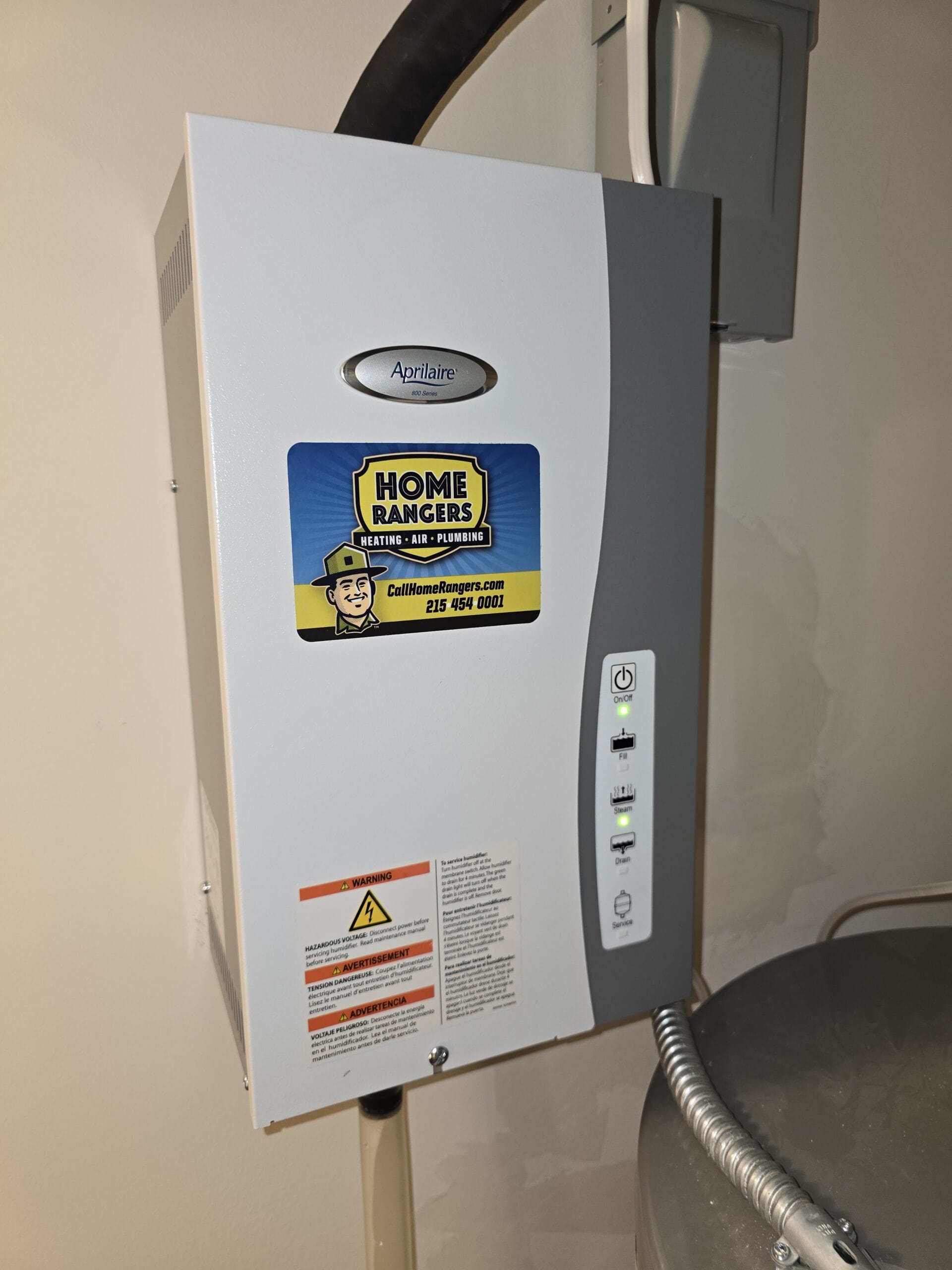
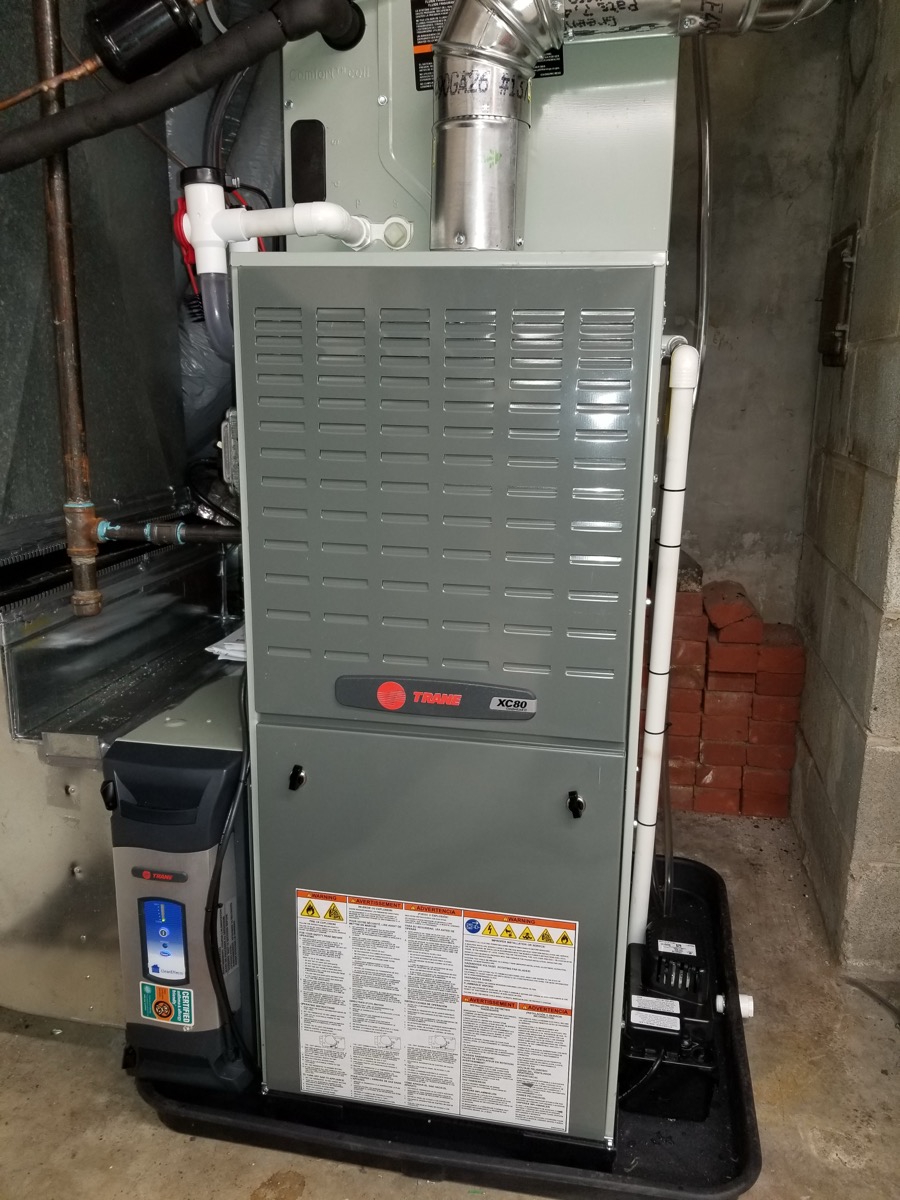
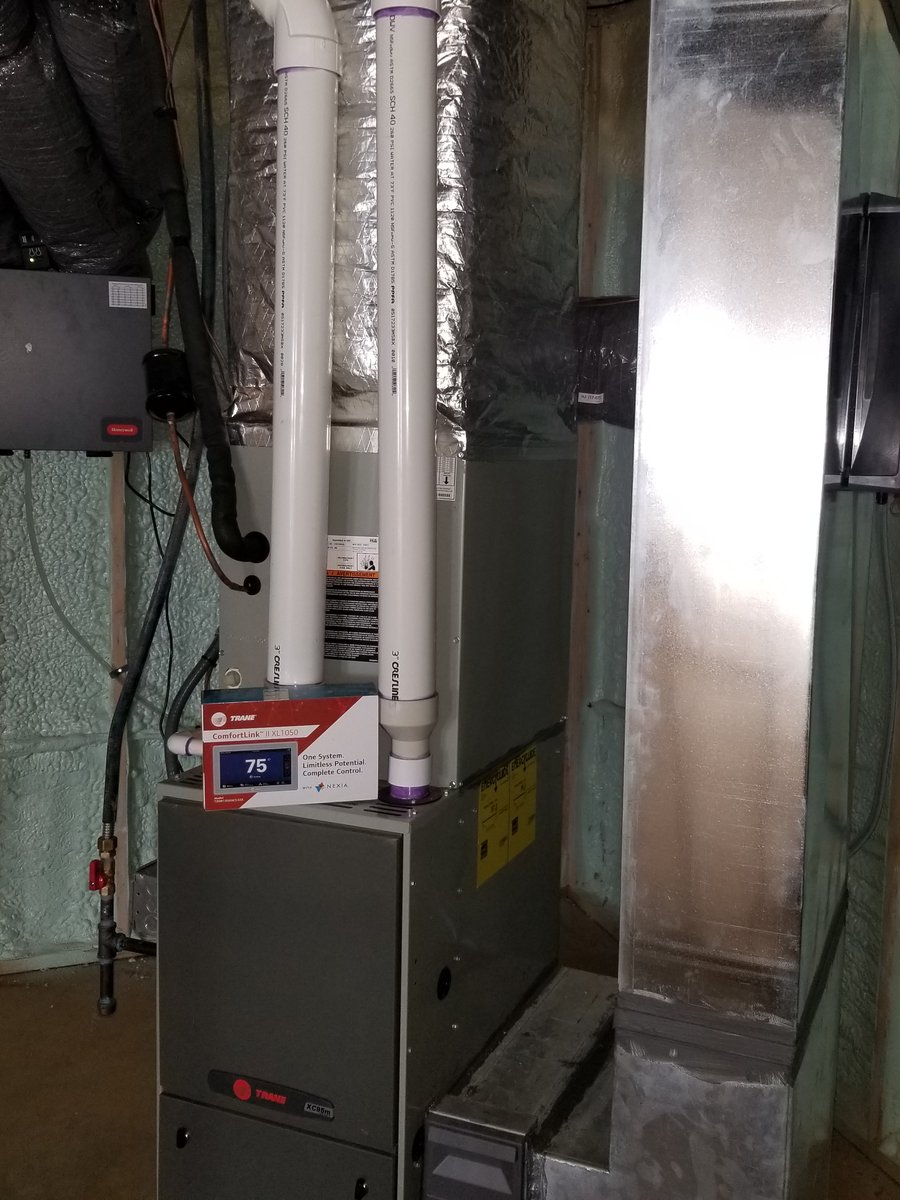
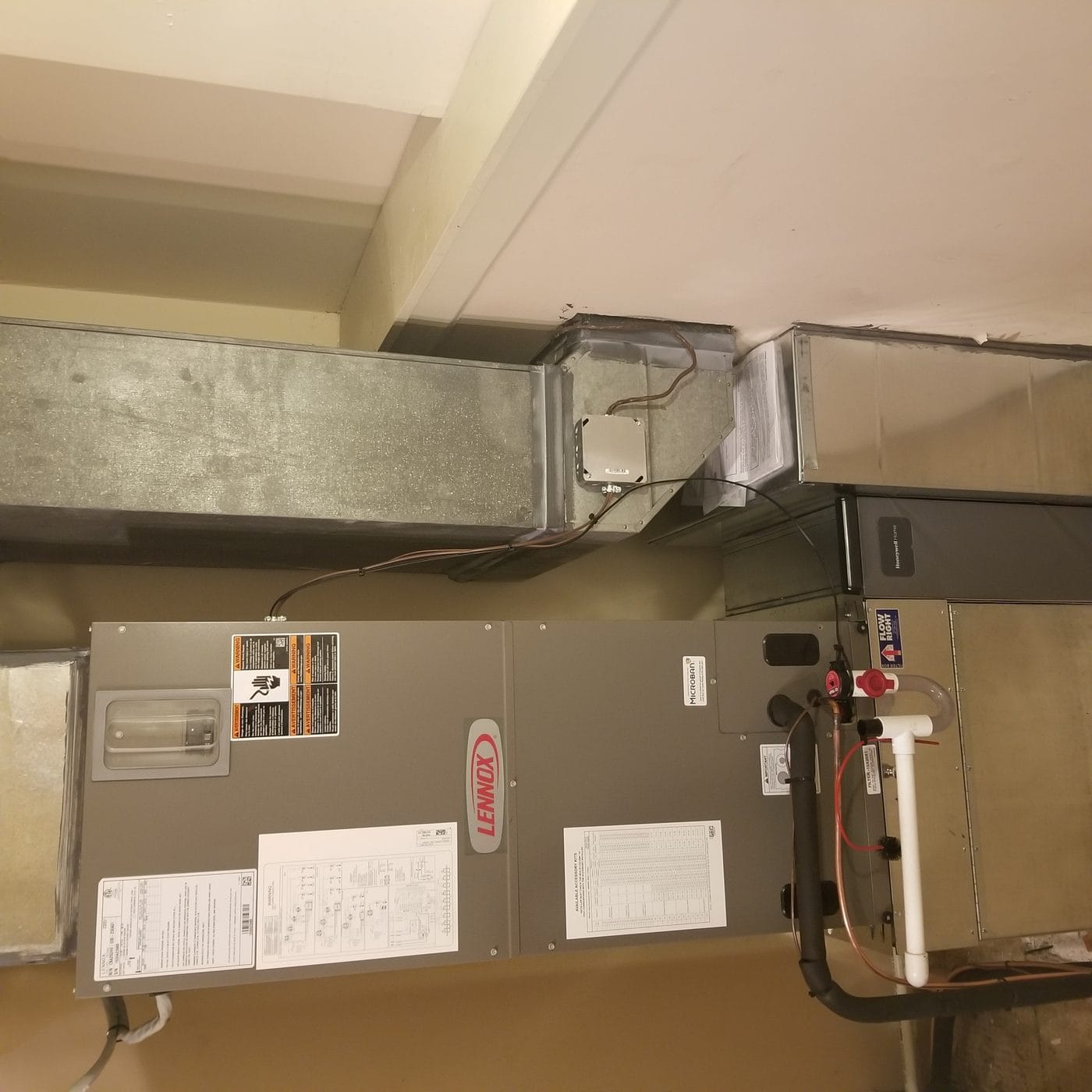
Air Filter Maintenance Photos
These photos show common indoor HVAC areas tied to air filter replacement, filter maintenance, air-cleaning equipment, controls, and maintenance review.

Frequently Asked Questions
How often should I replace an air filter?
Most standard filters are checked monthly and replaced every 30 to 90 days. Pets, allergies, heavy dust, long system runtime, and filter type can change that schedule.
Can a dirty air filter damage my HVAC system?
Yes. A dirty air filter can restrict airflow, make the motor work harder, reduce cooling system performance, and contribute to premature failure if the issue is ignored for too long.
Can I clean an air filter instead of replacing it?
Only if the filter is designed as washable or reusable. Disposable filters should be replaced. Washable filters need enough dry time before they go back into the unit.
Where is my air filter located?
Common locations include a return grille, furnace cabinet, air handler, or filter rack near the indoor unit. If more than one return exists, check whether the system uses more than one filter.
Good filter maintenance depends on the right filter, correct installation, and a reminder routine you can actually follow.
Need Help With Filter Maintenance?
Home Rangers can review filter size, air intake location, airflow, maintenance reminders, and HVAC repair concerns in Bucks County, Montgomery County, Philadelphia, and nearby areas. License records include PA HIC #PA163523, Philadelphia Contractor #057677, NJ Master HVACR #19HC00033500, and DE Master HVACR #HM-0011370.
Ask About HVAC Maintenance