

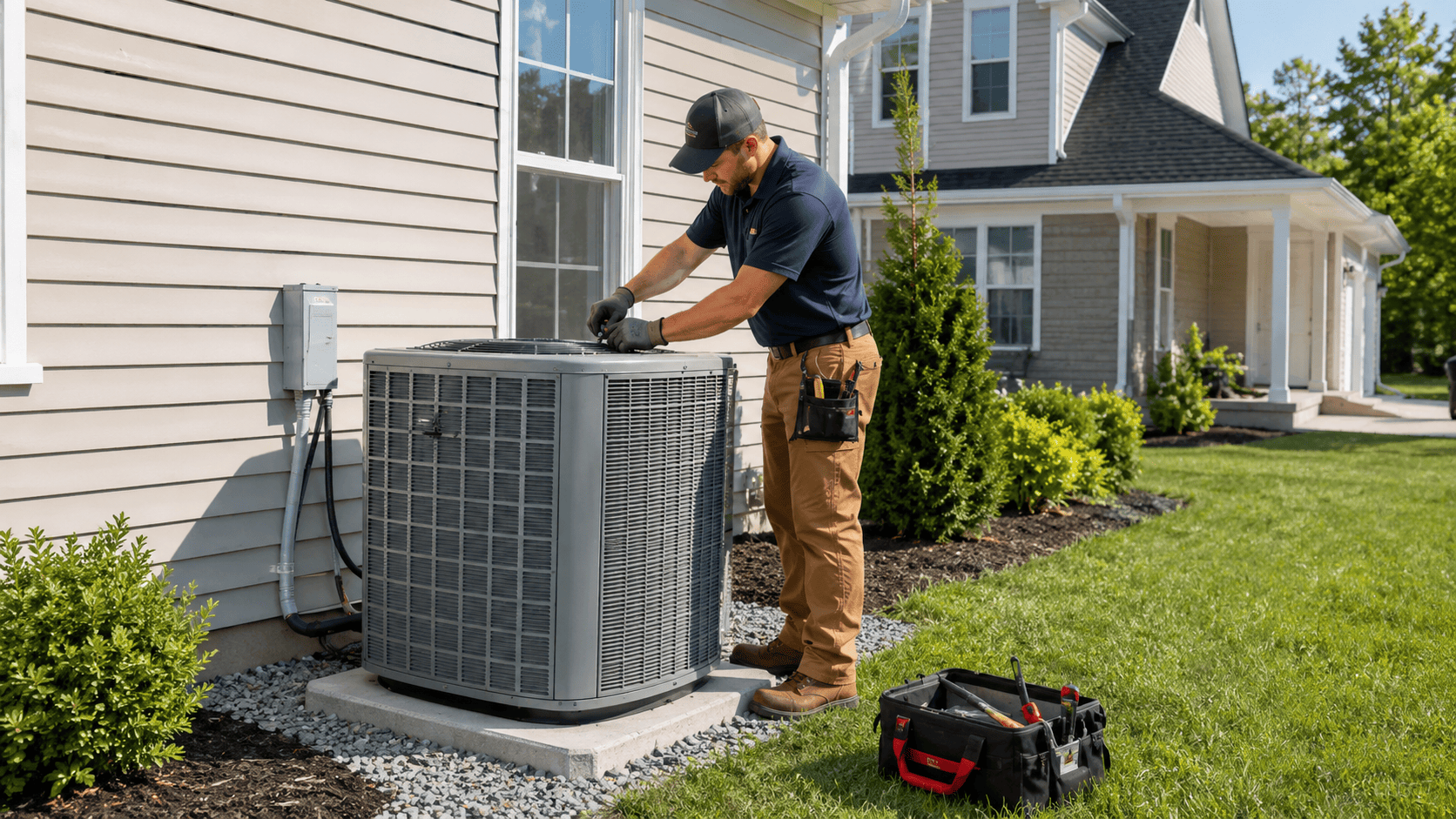
Let’s face it: asking “how much is air conditioning installation” is a lot like asking “how much does a car cost.” The answer can range from a few hundred dollars for a simple window unit to well over $20,000 for a high-efficiency, whole-home system with extensive ductwork. In 2026, for a typical single-family home, you can expect to invest anywhere from $5,500 to $16,000 for a complete central air conditioning installation, with a national average hovering around $7,500.
Why Such a Wide Price Range?
The final price tag isn’t determined by a single factor. It’s a complex equation that includes:
- The type of AC system you choose (central, ductless mini-split, or heat pump).
- The size of your home and its cooling needs (measured in tons or BTUs).
- The unit’s energy efficiency (SEER2 rating), which affects long-term operating costs.
- The complexity of the installation itself, including the state of your existing ductwork and electrical panel.
Unlike a simple online purchase, installing a new air conditioner is a significant home improvement project. Getting it wrong can lead to years of discomfort, high energy bills, and costly repairs. That’s why we’ve created this comprehensive 2026 guide. We’ll move beyond generic numbers and give you the detailed knowledge you need to make a confident, informed decision. We’ll break down every cost component, reveal the hidden fees that catch homeowners off guard, and arm you with expert saving strategies—so you don’t end up paying a penny more than necessary for your perfect home comfort.
The 7 Key Factors That Dictate Your AC Installation Price
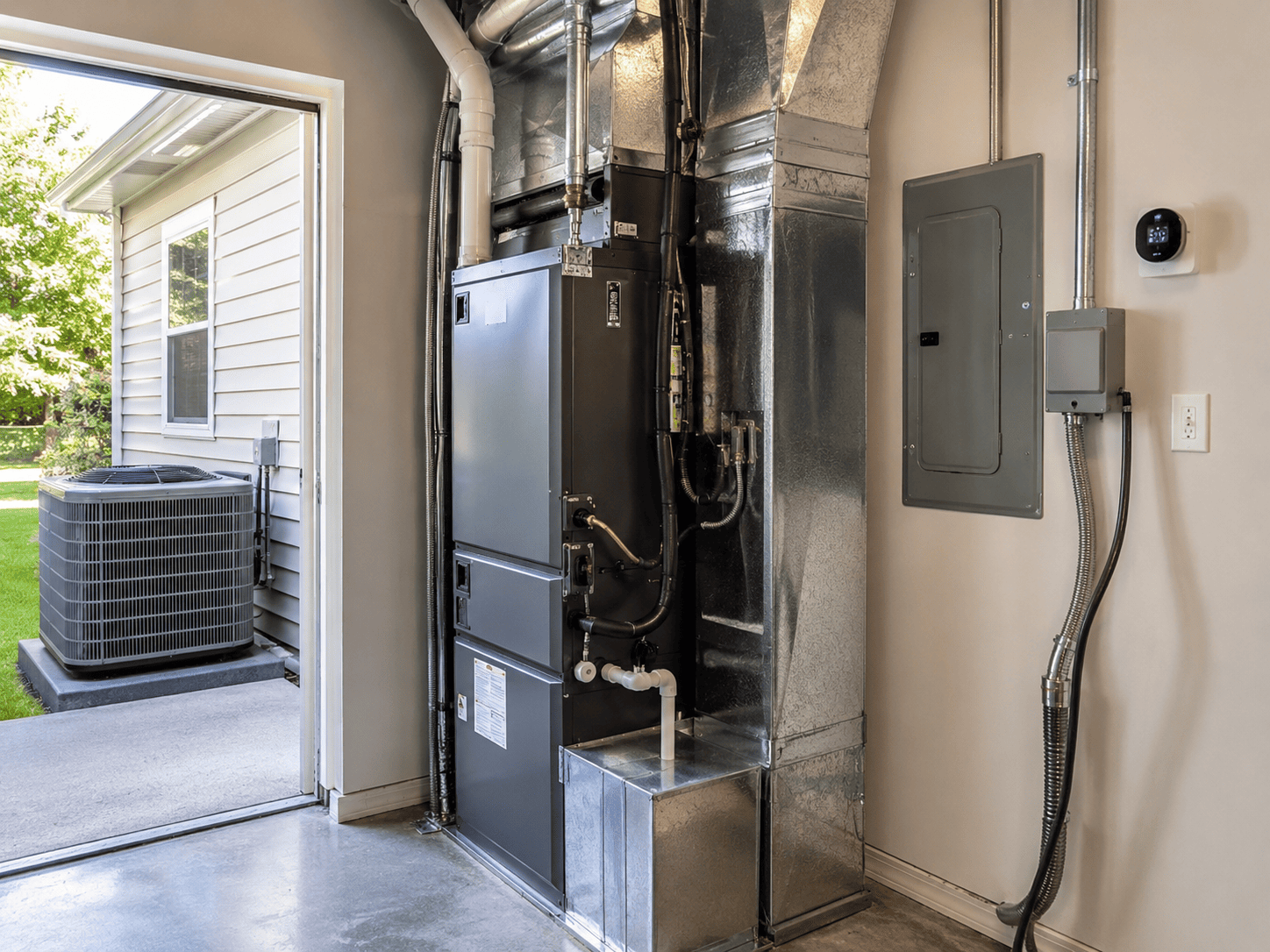
Getting an accurate estimate for your air conditioning installation means understanding what goes into the final number. The $7,500 national average is a helpful benchmark, but your specific price will be shaped by a unique combination of the seven critical drivers below. No single factor works in isolation.
1. Type of Air Conditioning System
This is the single most powerful lever on cost. The system you choose determines the equipment price, the complexity of labor, and the required supporting infrastructure.
- Central Air Conditioner (Split System): The most common choice for homes with existing forced-air ductwork. Average installed cost: $5,500 – $13,000.
- Ductless Mini-Split (Single Zone): Ideal for homes without ducts, additions, or targeted cooling. No ductwork needed, but each indoor unit adds cost. Average installed cost: $3,000 – $8,000 per zone.
- Heat Pump (Air-Source): A versatile system that provides both heating and cooling. In moderate climates, it can replace both an AC and a furnace. Average installed cost: $6,000 – $15,000.
- Window/Portable Units: A quick DIY fix for single rooms. We won’t focus on these here, as a whole-home solution requires a different level of investment. Cost: $200 – $800.
2. Home Size and Cooling Capacity (Tonnage & BTUs)
A system that’s too small won’t cool your home on the hottest day; one that’s too large will cycle on and off inefficiently, leaving you with humidity problems. Proper sizing (Manual J calculation) is not an option—it’s a necessity. Here’s a general guide to how square footage translates to required cooling tons and a typical equipment-only price range (before labor).
| Home Square Footage | Required Cooling Capacity (Tons) | Approximate System Cost (Equipment Only) |
|---|---|---|
| 600 – 1,000 sq. ft. | 1.5 – 2 tons | $1,800 – $3,500 |
| 1,000 – 1,500 sq. ft. | 2.5 tons | $2,500 – $4,500 |
| 1,500 – 2,000 sq. ft. | 3 tons | $3,000 – $5,500 |
| 2,000 – 2,500 sq. ft. | 3.5 – 4 tons | $3,800 – $7,000 |
| 2,500+ sq. ft. | 5 tons | $4,500 – $9,000+ |
Note: Labor and additional materials can double or even triple the equipment cost. A full installation estimate will always combine equipment + labor.
3. Energy Efficiency: SEER2 Rating
SEER2 (Seasonal Energy Efficiency Ratio) measures cooling output over a typical season divided by energy input. The higher the number, the more efficient the unit—and the lower your long-term energy bills. Since January 1, 2023, the minimum standard in the southern U.S. is 15.0 SEER2, and in the northern U.S., it’s 14.0 SEER2. High-efficiency models (18+ SEER2) can cut cooling costs by 20-40% compared to a minimum-efficiency unit but come with a premium upfront.
- 14-15 SEER2 (Minimum Efficiency): Base cost. Best for short-term budgets.
- 16-18 SEER2 (Mid-Range): A strong balance of upfront investment and operating savings. Eligible for many utility rebates.
- 19-26 SEER2 (High Efficiency): Premium features like variable-speed compressors. Quietest operation and maximum energy savings. Qualifies for federal tax credits and top-tier rebates.
Price difference example: A 3-ton, 14 SEER2 unit might cost $3,200, while its 20 SEER2 counterpart could be $5,800—before factoring in potential $600–$2,000 in rebates.
4. Condition and Configuration of Your Ductwork
Your new high-efficiency AC is only as good as the network delivering the cool air. If your ducts are leaky, undersized, or full of debris, you’ll lose up to 30% of your conditioned air. This often means additional work is non-negotiable:
- Ductwork modifications (to fit a new system): $500 – $1,500
- Complete ductwork replacement: $3,000 – $8,000+ for an average home
- Aeroseal duct sealing: $1,500 – $3,000
5. Installation Complexity and Labor
Not every home is a straightforward swap-out. Complexity drives labor hours, and labor typically accounts for 40-60% of your total bill.
- Accessibility: Installing an outdoor condenser unit on a steep hill, in a tight urban space, or on a rooftop adds significant time and safety equipment.
- Electrical Upgrades: Older homes often need a new circuit, disconnect switch, or even a main panel upgrade ($1,500 – $4,000) to safely power a modern AC.
- Permits and Inspections: Required by most municipalities to ensure code compliance. Budget $150 – $500.
6. Brand and Equipment Tier
Like cars, HVAC brands are tiered by reliability, features, and warranty. The same capacity unit can vary dramatically in price.
- Budget-Friendly: Goodman, AirQuest, Ameristar. Known for affordability and solid basic warranties.
- Mid-Range (Value Leaders): Rheem, Ruud, Amana, Heil. Offer a great balance of price, efficiency, and warranty protection.
- Premium: Carrier, Trane, Lennox. Command top dollar for quiet operation, smart-home integration, and top-tier dealer support. A premium brand can add 20-40% to the cost of a comparable budget unit.
A pro tip from our team: A flawless installation of a well-built mid-range brand will often outperform and outlast a premium unit installed with shortcuts. The installer is the biggest factor in reliability.
7. Geographic Location and Seasonal Timing
Installation costs follow local labor rates and demand curves.
- Regional Labor Rates: Metropolitan areas with a high cost of living (e.g., New York City, San Francisco) will be 20-50% more expensive than rural areas in the South.
- Climate Zone: Homes in scorching climates (Arizona, Florida) may require a larger tonnage and a more durable, corrosion-resistant unit, which raises the baseline cost.
- Time of Year: The busiest season is late spring through summer. Scheduling an installation in the “shoulder seasons” (early spring or fall) can sometimes unlock a 5-10% discount, as companies are looking to keep their crews busy.
Hidden Costs & Additional Work to Budget For
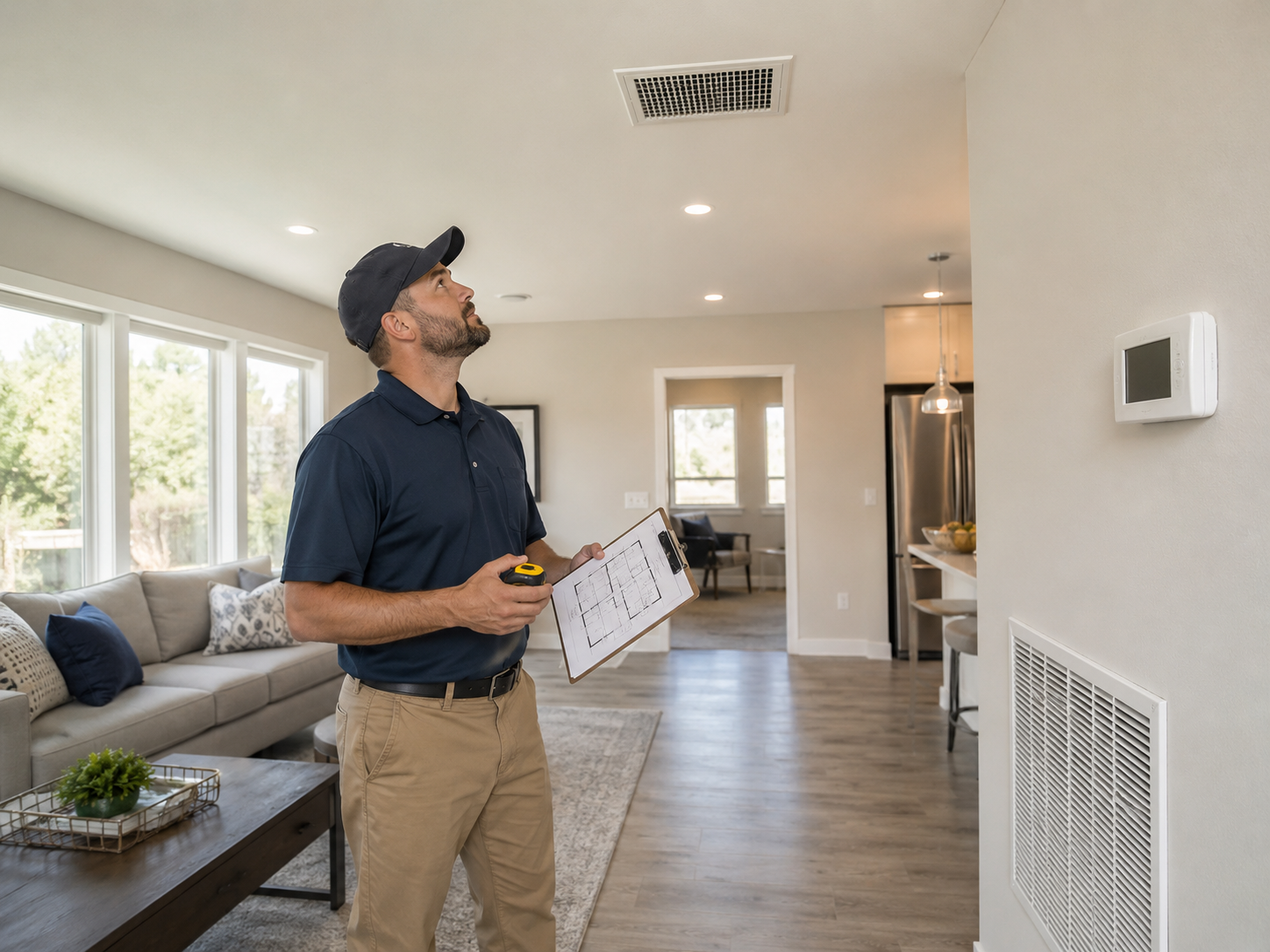
The sticker price of a new air conditioner is just the starting point. A professional installation is a custom project, and any unforeseen issues with your home’s existing infrastructure will add to the final invoice. Smart homeowners don’t just budget for the unit—they budget for a successful, code-compliant installation that won’t cause headaches later. Here are the six most common (and costly) line items that can inflate your quote.
1. Electrical Panel and Wiring Upgrades
Modern, high-efficiency AC systems require a dedicated circuit and a specific amperage. If your home’s electrical panel is older, full, or underpowered, a simple swap-out becomes impossible without an upgrade.
- Dedicated circuit installation: $200 – $600
- Panel upgrade (from 100-amp to 200-amp service): $1,500 – $3,500
- Full rewiring or new disconnect box: $300 – $800
Warning: Skipping a required panel upgrade is not an option—it’s a code violation and a major fire hazard.
2. Smart Thermostat Installation and Wiring
Your new AC is likely incompatible with a 20-year-old mercury thermostat. At minimum, you’ll need a digital programmable model. If you want Wi-Fi control and smart home integration, you’ll also need a “C-wire” (common wire) run to the unit. Many older homes lack this wire.
- Basic digital thermostat: $80 – $200 installed
- Smart thermostat (e.g., Ecobee, Nest) with C-wire installation: $300 – $600
- Running new thermostat wire (if C-wire missing): $150 – $400
3. Refrigerant Line Set Replacement
The copper lines that carry refrigerant between your indoor and outdoor units degrade over time, develop pinhole leaks, or may be incompatible with the new R-454B or R-32 refrigerants required in 2026 units. Many installers will mandate a full line set replacement for warranty validity.
- Average cost for new line set (25-50 feet): $400 – $1,000
4. Condensate Drain Line and Pump
ACs remove gallons of moisture from the air daily. If the condensate drain line is cracked, clogged, or poorly sloped, water damage to ceilings and walls is inevitable. In attics or basements without a gravity drain, a condensate pump is needed.
- New drain line or pan installation: $150 – $500
- Condensate pump: $200 – $450 installed
5. Asbestos Abatement or Duct Remediation
This is a hidden cost that can blindside homeowners in houses built before the 1980s. If your old ductwork or pipe insulation contains asbestos, disturbing it during an AC replacement triggers mandatory, certified abatement. This must be factored in before any work begins.
- Asbestos testing: $200 – $400
- Abatement (per linear foot or sq.ft.): $500 – $2,500+ total, depending on scope
6. Permit Fees and Code Compliance Corrections
A legitimate contractor will always pull a permit for a central AC installation. This protects you, the homeowner, by ensuring the work passes a municipal safety inspection. In some cases, the inspector may flag a pre-existing code issue (like improper venting or a gas line too close to the unit) that must be fixed on the spot.
- Mechanical permit: $100 – $350
- Unforeseen code corrections: $250 – $1,500 (highly variable)
A Proactive Approach from Call Home Rangers: We believe there should be no surprises. During our in-home estimate, we perform a thorough 30-point inspection of your electrical panel, ductwork, line set, and local code requirements. Our detailed, line-by-line quote includes all necessary infrastructure work, so you can compare bids apples-to-apples—not be hit with a costly addendum on installation day.
How to Estimate Your Own AC Installation Cost
While only an in-home assessment can give you a guaranteed price, you can build a realistic estimate yourself by following a simple formula. We’ve broken down the core variables into a step-by-step guide. Grab a notepad, answer the questions below, and you’ll arrive at a personalized budget range—no guesswork required.
Step 1: Start with a Baseline for Your Home Size
This is your starting point, assuming a standard central AC installation with no hidden complications. It already includes basic equipment and professional labor.
| Home Square Footage | Baseline Installed Cost Range |
|---|---|
| 600 – 1,000 sq. ft. | $4,500 – $6,500 |
| 1,000 – 1,500 sq. ft. | $5,500 – $8,000 |
| 1,500 – 2,000 sq. ft. | $6,500 – $10,000 |
| 2,000 – 2,500 sq. ft. | $7,500 – $12,000 |
| 2,500+ sq. ft. | $9,000 – $16,000+ |
Step 2: Add or Subtract Based on System Type
Not all systems are created equal. If you’re choosing something other than a standard split-system central AC, adjust your baseline range:
- Heat Pump (cooling + heating): Add $1,500 – $3,000
- Ductless Mini-Split (per zone): Subtract $1,000 – $2,000 from the baseline, but multiply by the number of zones if multiple indoor units are needed.
Step 3: Factor in Efficiency Ambitions
Your choice of SEER2 rating directly impacts the equipment price. Apply these adjustments to the baseline:
- Minimum efficiency (14-15 SEER2): No adjustment. Already included in baseline.
- Mid-range efficiency (16-18 SEER2): Add $1,200 – $2,500
- High efficiency (19+ SEER2, variable-speed): Add $3,500 – $6,000
Step 4: Account for Infrastructure Upgrades
This is where most estimates fail. Be honest with yourself about your home’s hidden needs. Add these amounts to your running total only if they apply:
- Ductwork modifications or repairs: +$1,000 – $3,000
- Full ductwork replacement: +$4,000 – $8,000
- Electrical panel upgrade (100-amp to 200-amp): +$1,500 – $3,500
- Asbestos abatement (older homes): +$500 – $2,500
- Smart thermostat + C-wire installation: +$300 – $600
Step 5: Apply a Regional and Seasonal Multiplier
The baseline above assumes a moderate cost-of-living area and off-peak season. If you’re in a high-cost metro (New York, Los Angeles, Seattle), multiply your final range by 1.15 to 1.30. If you’re installing during the summer rush, add another 5-10%. Conversely, a rural area in the off-season might shave off 5%.
Your Personal Estimation Worksheet
Let’s run a real-world example. For a 1,800 sq. ft. home in a suburban area, mid-range efficiency, heat pump, minor ductwork repairs, and a panel upgrade, the math looks like this:
| Baseline (1,500-2,000 sq ft) | $6,500 – $10,000 |
| Heat pump upgrade | +$2,000 |
| Mid-range efficiency | +$1,800 |
| Minor ductwork repair | +$1,500 |
| Electrical panel upgrade | +$2,500 |
| Estimated Total Range | $14,300 – $17,800 |
Now, plug your own numbers into the same logic. The worksheet above moves you from a vague national average to a customized, educated expectation.
Don’t trust your calculations to chance. A self-estimate is a great starting point, but it can’t replace a trained eye. At Call Home Rangers, we provide a free, zero-commitment in-home assessment with a transparent, line-by-line quote. We’ll validate every line item above and uncover any issues you might have missed—before you spend a dime.
Repair vs. Replace: How to Make the Right Decision
When your air conditioner breaks down, the first question isn’t always “how much does a new one cost?” — it’s “should I just fix it again?” It’s a high-stakes decision. Put too much money into an aging system, and you’re throwing cash into a pit. Replace too early, and you leave years of useful life on the table.
Here’s a proven, three-step framework to make the right call with confidence.
The “5,000 Rule”: A Simple, Powerful Formula
The industry-standard shortcut for this decision is the “5,000 Rule”. Multiply the age of your unit (in years) by the cost of the repair. If the result is greater than $5,000, replacement is the smarter financial choice.
| Age of AC Unit | Repair Quote | Calculation (Age × Repair Cost) | Verdict |
|---|---|---|---|
| 8 years | $400 | 8 × $400 = $3,200 | Repair (under $5,000) |
| 12 years | $500 | 12 × $500 = $6,000 | Replace (over $5,000) |
| 15 years | $250 | 15 × $250 = $3,750 | Repair — but start planning for replacement soon |
| 20 years | $200 | 20 × $200 = $4,000 | Replace — age is a major risk factor regardless of cost |
Note: Once a system passes 15 years old, replacement becomes the better long-term move even for modest repairs, as the risk of a catastrophic failure rises sharply.
Beyond the Math: 5 Warning Signs You Need a Replacement
The 5,000 Rule handles the financial logic, but some problems are so fundamental that replacement is the only sensible answer, no matter what the calculation says.
- Your AC uses R-22 (Freon) refrigerant. R-22 has been phased out of production since 2020. If you have a refrigerant leak, the remaining stock is astronomically priced—often $150–$300 per pound. A full recharge can cost more than a down payment on a new unit.
- The compressor has failed. The compressor is the heart of your system. A replacement typically costs $1,800–$3,500, and on a unit older than 10 years, it rarely makes sense to perform open-heart surgery.
- Your energy bills are climbing every summer. A 10-SEER unit from 2005 costs nearly twice as much to operate as a modern 16-SEER2 system. Those monthly savings add up fast and can offset a significant portion of the installation cost.
- Uneven temperatures or humidity issues persist. If some rooms are hot while others are freezing, or your home feels clammy even when the AC runs, the system has lost its ability to manage airflow and latent heat—issues a single repair can’t solve.
- You’re facing your second major repair in two years. One expensive fix is a fluke. Two is a pattern. Your system is telling you it’s on borrowed time. Don’t wait for the third failure to happen on the hottest day of the year.
The “Line in the Sand” Checklist
Still unsure? Run through this quick checklist. If you answer “Yes” to three or more of these, start shopping for a new AC today.
- My AC is more than 12 years old.
- The current repair estimate exceeds $600.
- I paid for another major repair within the last 24 months.
- My system uses the old R-22 refrigerant.
- My summer electricity bills have increased noticeably year over year.
- Some rooms are consistently too hot or too cold.
Still on the fence? We’ll help you decide—honestly. At Call Home Rangers, we never push a replacement when a repair is the better call. If your system still has life in it, we’ll fix it and tell you exactly how much time you have left to plan. If it’s time to move on, we’ll show you the long-term savings that make a new, high-efficiency system a smart investment, not an expense.
5 Proven Strategies to Save Money on Your New AC
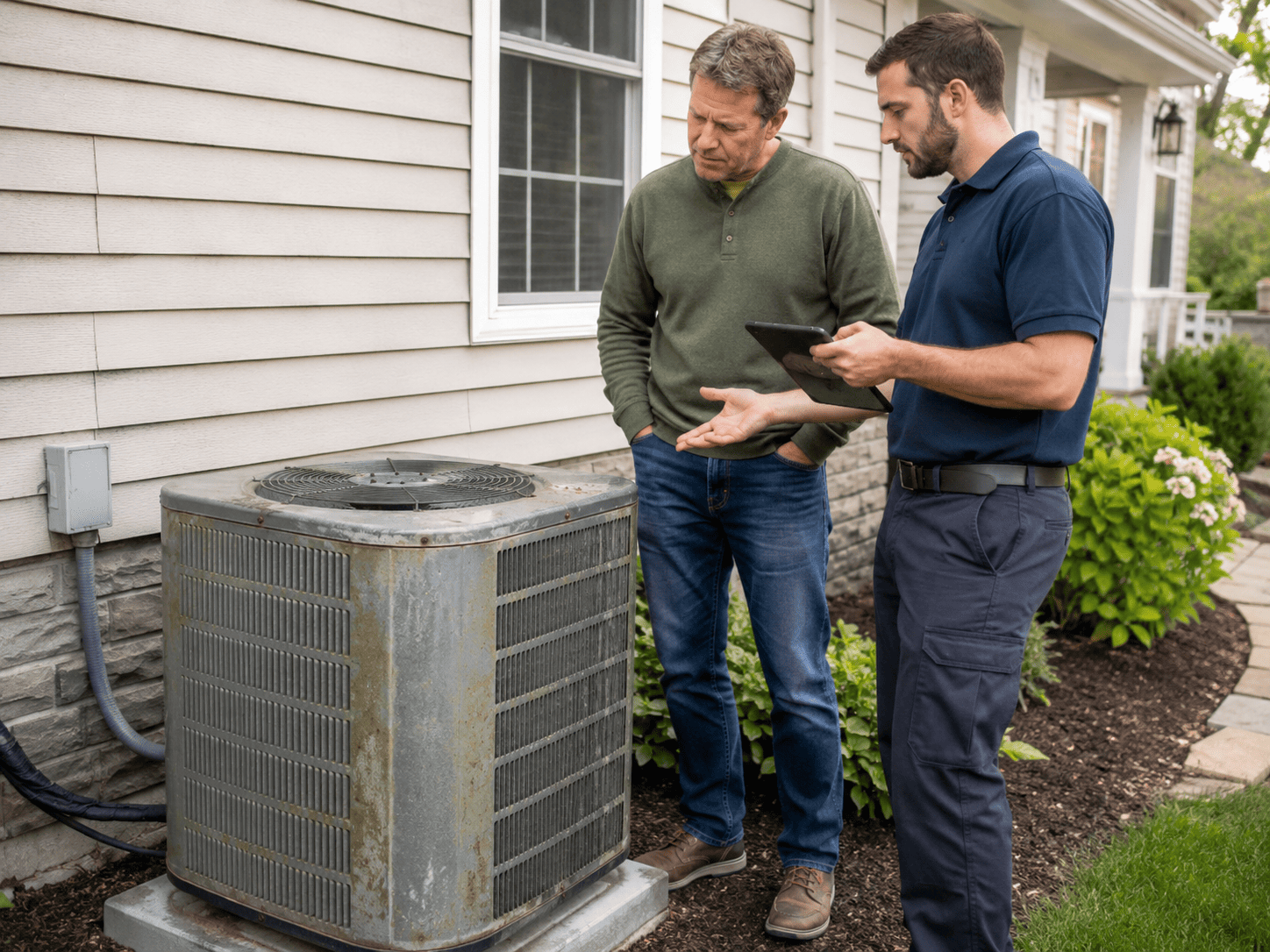
A new air conditioning system is a significant investment, but smart homeowners rarely pay the full sticker price. The government, utility companies, and manufacturers all offer incentives to upgrade to energy-efficient equipment. Combined with strategic timing and negotiation, you can slash thousands off your final bill. Here’s exactly where to find those savings.
1. Claim the Federal 25C Tax Credit (Up to $600)
The Inflation Reduction Act extended and enhanced the Energy Efficient Home Improvement Credit (25C) through 2032. For air conditioners, you can claim a tax credit worth 30% of the total system cost, up to a maximum of $600.
To qualify, your new AC must meet these requirements:
- Be an air-source heat pump or a central air conditioner.
- Meet or exceed the Consortium for Energy Efficiency (CEE) highest efficiency tier for your region (generally 16 SEER2 or higher for split systems).
- Be installed in your primary residence (new construction and rentals do not qualify).
This is a tax credit, not a deduction—it directly reduces the amount of tax you owe, dollar for dollar. If your tax liability is less than the credit, the remainder does not roll over. Always consult a tax professional.
2. Stack State and Local Utility Rebates ($300 – $2,000+)
Your local electric or gas utility company likely has a rebate program for high-efficiency ACs and heat pumps. These can often be stacked with the federal credit, doubling your savings. The amounts vary wildly by state and provider.
- Typical rebate range: $300 for a 16 SEER2 unit to $1,500+ for a 20+ SEER2 heat pump.
- How to find them: Search for “[your utility company name] + AC rebate” or visit the DSIRE database (Database of State Incentives for Renewables & Efficiency).
We recommend asking your installer to provide the required AHRI certificate and rebate application form as part of the installation package. A reputable contractor will handle this paperwork for you.
3. Schedule Your Installation in the Off-Season
Demand for HVAC services skyrockets during the first heat wave of summer. During these peak months, contractors command premium prices and have less flexibility for negotiation. By scheduling your installation in the “shoulder seasons”—early spring (March–April) or early fall (September–October)—you unlock several advantages:
- Contractors are less busy and may offer off-peak discounts of 5-10%.
- You have more leverage to negotiate add-ons (like a free smart thermostat or extended labor warranty).
- Install dates are flexible, and crews are not rushed, which often improves installation quality.
4. Compare Financing Options, Not Just Price Tags
A low upfront price can be deceptive if it comes with a high-interest loan. Many HVAC companies offer promotional financing (0% APR for 12–60 months) through partnerships with lenders like Wells Fargo or Synchrony. However, these are often “deferred interest” plans—if you miss a payment or don’t pay in full by the end of the promotional period, you’ll be charged retroactive interest from day one.
Better alternatives to evaluate:
- Home Equity Line of Credit (HELOC): Typically lower interest rates than unsecured loans, and the interest may be tax-deductible (consult a CPA).
- PACE (Property Assessed Clean Energy) Financing: Available in some states, allows you to repay the cost through a special assessment on your property tax bill. Be cautious—PACE loans can complicate refinancing or selling your home.
- Manufacturer rebates for financing: Brands like Carrier and Trane sometimes offer cash-back when you finance through their preferred lenders.
5. Get Three Quotes and Use This Negotiation Script
This is the single most effective way to save $1,000 or more. Don’t just collect three estimates—let the contractors know you’re comparing. Competition creates leverage. When you receive a quote you like, use this exact script to negotiate a better deal or added value:
“I’ve received two other quotes for a comparable [X SEER2] system from reputable companies. Your quote is in the ballpark, but if you can include the first-year maintenance plan and a smart thermostat at no additional cost, I’m ready to sign today.”
Most contractors will throw in a high-value, low-hard-cost item like a thermostat, an extended labor warranty, or a free duct cleaning to close the deal immediately. You get more value without cutting into their core labor and equipment margins.
Savings Stacking Example: A Realistic Scenario
Let’s say you’re quoted $10,000 for a qualifying 18 SEER2 heat pump. Here’s how the savings stack:
| Starting Quote | $10,000 |
| Federal 25C Tax Credit (30%, capped at $600) | – $600 |
| Local Utility Rebate (example: $800 for 18 SEER2) | – $800 |
| Off-Season Negotiated Discount (5%) | – $500 |
| Net Out-of-Pocket Cost | $8,100 |
That’s a $1,900 reduction—nearly 20% off the initial price—for a system that will also lower your monthly energy bills by hundreds per year.
We do the paperwork, you keep the savings. Every Call Home Rangers installation quote includes a complimentary incentive analysis. We identify every federal credit, state rebate, and manufacturer promotion you qualify for, and we prepare all necessary documentation so you don’t leave money on the table.
Why Homeowners Trust Call Home Rangers for Their AC Installation
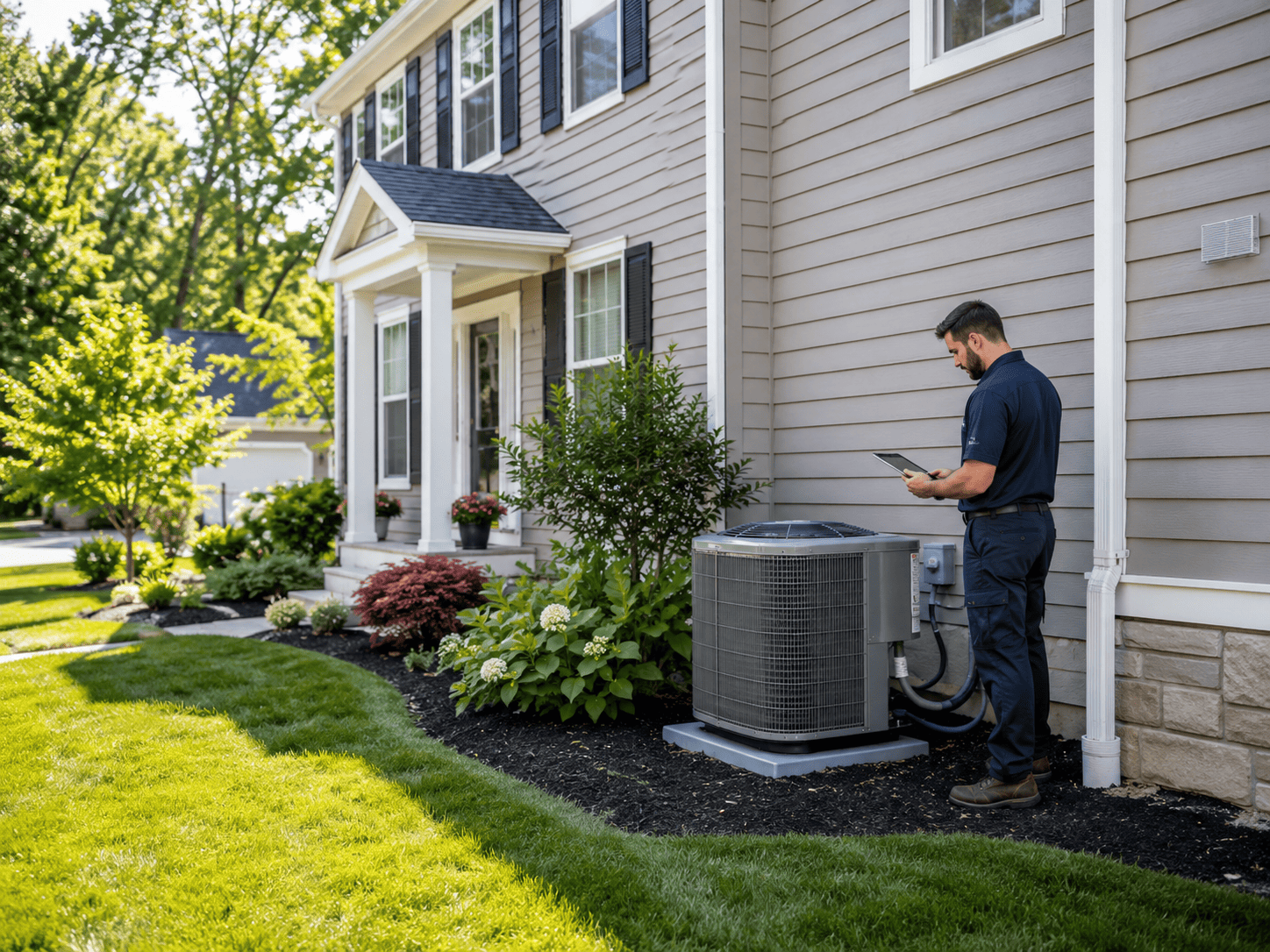
By now, you understand that a successful AC installation isn’t about finding the cheapest quote—it’s about finding the right partner. The quality of the installation directly determines your system’s efficiency, longevity, and your family’s comfort for the next 15-20 years. At Call Home Rangers, we’ve built our reputation on a few simple, non-negotiable principles that protect you and your investment.
1. Transparent, Line-by-Line Pricing—No Surprises
Remember those “hidden costs” we warned you about? We eliminate them. During our free in-home assessment, our comfort specialist performs a 30-point inspection of your home’s electrical panel, ductwork, and code compliance. The result is a detailed, written quote that includes every line item before you sign. If it’s not on the quote, you won’t pay for it. Period.
2. We’ll Tell You When You Don’t Need a New AC
We apply the “5,000 Rule” and our professional judgment on every call. If your existing system can be reliably repaired and has years of life left, we’ll fix it and give you a realistic timeline for replacement. We never push a sale when a repair is in your best interest. Our business grows through referrals, not pressure tactics.
3. We Maximize Your Rebates and Tax Credits
Navigating federal tax credits, state incentives, and utility rebates is confusing. We handle it for you. After you select your system, we provide a complimentary incentive analysis that identifies every dollar you qualify for. We prepare the AHRI certificates, rebate applications, and documentation required—so you simply collect the savings.
4. Installation Excellence, Guaranteed
Our technicians are factory-trained, NATE-certified, and committed to a single standard: the system leaves our hands only when it’s performing to manufacturer specifications. We back every installation with a 100% satisfaction guarantee and a minimum one-year labor warranty, on top of the manufacturer’s parts warranty. Your comfort has a name on it—ours.
Ready for a stress-free AC installation?
Get your free, no-obligation in-home assessment and a detailed, all-inclusive quote today. No pressure, just honest answers.
Or call us directly at (215) 454-0001
Frequently Asked Questions About Air Conditioning Installation
How much is air conditioning installation for a 1,500 sq. ft. house?
For a standard 1,500 sq. ft. home, a new central air conditioning system installation typically costs between $5,500 and $9,000. This assumes a 2.5-ton unit with minimum-to-mid-range efficiency and no major ductwork or electrical upgrades. The final price can push past $12,000 if you opt for a high-efficiency heat pump, need a new electrical panel, or have hard-to-access ductwork.
What is the cheapest way to install air conditioning in my home?
The least expensive whole-home solution is often a single-zone ductless mini-split system for a smaller home or open-concept area. Installed costs can start as low as $3,000. For larger homes with existing ductwork, the cheapest central AC route is to select a minimum-efficiency unit from a budget-friendly brand, install it during the off-season, and claim all available rebates and tax credits. Avoid cutting corners on labor quality—a cheap, poorly installed system will cost far more in repairs and energy bills over time.
How long does AC installation take?
A straightforward central AC or heat pump replacement, where the ductwork and electrical are in good condition, typically takes one full business day (6–10 hours) for a crew of two to three technicians. A complete system change-out involving new ductwork, a mini-split multi-zone setup, or a panel upgrade can take 2 to 5 days. Your contractor will give you a firm timeline during the in-home estimate.
Are there any 2026 tax credits for new air conditioner installation?
Yes. The Energy Efficient Home Improvement Credit (Section 25C) is active through 2032. For qualifying air conditioners and heat pumps installed in 2026, you can claim a tax credit equal to 30% of the total system cost, up to a maximum of $600. The unit must meet the highest CEE efficiency tier for your region (typically 16 SEER2 or higher). Always verify current requirements with your installer and tax professional, as program details can be updated annually.
Should I replace my 20-year-old AC if it still works?
Almost certainly yes, even if it’s still running. A 20-year-old unit likely operates at 8–10 SEER, meaning it consumes 40–60% more electricity than a modern 16 SEER2 system. It also uses outdated, expensive refrigerant (R-22), and the risk of a catastrophic compressor or coil failure is very high. Replacing it before it fails lets you plan the upgrade on your terms, during the off-season, with full access to rebates—rather than in an emergency during a July heat wave at peak prices.
Do I need a permit to install a new air conditioner?
In nearly all U.S. municipalities, yes, a mechanical permit is required for central AC, heat pump, and ductwork installations. The permit ensures the work is inspected for safety and code compliance. A reputable contractor will pull the permit on your behalf and include the fee ($100–$350) in the quote. Beware of any installer who suggests skipping the permit to save money—this can void your homeowner’s insurance, create issues when selling your home, and conceal dangerous code violations.
Is it worth paying more for a high SEER2 rating?
It depends on your climate and how long you plan to stay in your home. In a hot southern climate where the AC runs 2,000+ hours per year, the energy savings from a 20 SEER2 unit over a 15 SEER2 unit can pay back the upfront premium in 5–7 years, and the rest is pure savings. In a mild northern climate with only 400 cooling hours per year, the payback period stretches beyond a decade, and a mid-range unit may be the wiser financial choice.
The Bottom Line: Your Comfort, Your Investment
Asking “how much is air conditioning installation” is the right question—but the honest answer is that it’s a custom figure, not a one-size-fits-all price tag. Throughout this guide, we’ve armed you with the knowledge to understand every variable that shapes that figure:
- Your home’s size, layout, and existing infrastructure set the baseline.
- Your choice of system type, efficiency, and brand dials the price up or down.
- Hidden factors like electrical work and ducting can significantly shift the final bill—unless they’re caught early.
- And smart strategies like rebates, tax credits, and off-season scheduling can put meaningful money back in your pocket.
The most important takeaway is this: a high-quality installation performed by a certified, transparent contractor is the single biggest determinant of your system’s performance, lifespan, and long-term value. A cheap, rushed job will cost you more in repairs, energy waste, and discomfort than the premium you’d pay for a job done right the first time.
At Call Home Rangers, we don’t sell air conditioners—we deliver years of reliable comfort, backed by honest advice, meticulous work, and a promise to treat your home like our own. Whether you’re ready to upgrade today or simply want a professional opinion on your current system, we’re here to help, with zero pressure and 100% transparency.
Take the next step: schedule your free, no-obligation in-home assessment and receive a line-by-line, all-inclusive quote tailored exactly to your home—not a generic guess.
Your perfect AC installation is just one conversation away.
Join hundreds of satisfied homeowners who chose comfort with confidence.
Or call us directly at (215) 454-0001