
Home Rangers
Copper Repiping in Bucks & Montgomery County, PA
Home Rangers replaces existing hot and cold water lines with copper piping in homes across Bucks County, Montgomery County, and nearby Philadelphia. We assess your plumbing, explain partial and whole-house replacement options, and provide a clear plan and estimate.

Family-Owned, Local HVAC & Plumbing Team
Free Estimates On Installations & Replacements
Same-Day & Emergency Service, 24/7
Master-Licensed in PA, NJ & DE
Upfront Pricing, No Surprises
Residential Copper Repiping
Replace aging water supply lines with new copper piping
Copper repiping replaces existing domestic hot and cold water lines with new copper tubing and compatible fittings. A whole-house copper repipe covers the agreed supply network; a partial replacement addresses a defined branch or area.
Home Rangers provides copper repiping in Bucks County, Montgomery County, and nearby Philadelphia. We assess your existing pipes, discuss whether copper suits the home, and provide an estimate with clear replacement boundaries, connection details, access requirements, and restoration responsibilities.
Assess the Need
When should you consider copper repiping?
Repeated failures or widespread deterioration can justify replacing water supply lines. Symptoms should be investigated before deciding how much piping to replace and which material to use.
Repeated pipe or joint failures can make a wider replacement worth comparing with ongoing spot repairs.
A restricted supply line can reduce usable flow. Valves, a pressure regulator, fixtures, and the incoming supply should also be considered.
Visible deterioration and previous patches can indicate a need to examine surrounding lines. The scope should follow findings rather than the home’s age alone.
Water color changes can have several causes, including piping, a water heater, or the incoming supply. Appearance alone does not establish the source or the right remedy.
An inspection finding or open walls during remodeling can prompt a review of aging supply lines and future replacement needs.
Previous repairs can leave a mixed system. Trace accessible branches and transitions to identify what still needs attention.
For material-neutral planning and replacement options, see our repiping services.
Choose the Scope
Repair, partial copper replacement, or a whole-house repipe?
A local fault does not automatically require a whole-house replacement. Compare the affected pipe condition, repair history, suitable connection points, and the remaining supply network.
Repair an isolated fault when the surrounding pipe is serviceable. A local repair does not renew deteriorated lines elsewhere.
Replace an agreed branch or area with copper. Identify transitions and old sections left in use, including any upstream restrictions.
Renew the agreed hot and cold water network serving bathrooms, kitchen, laundry, and included equipment. List any retained lines, valves, or fixture connections.
For problems involving existing galvanized water pipes or polybutylene plumbing, the dedicated pages explain those replacement considerations.
Benefits and Limitations
Why choose copper, and what are its downsides?
Copper is an established water distribution material. Its suitability depends on the design, installation, operating conditions, and the home rather than a promise that every copper system will last the same number of years.
Copper can suit homeowners who prefer metal supply piping and orderly exposed runs. The specified tubing still needs appropriate support and protection.
Tube markings, fittings, and joint specifications allow the proposed installation to be clearly documented.
Copper can be recovered for recycling when removed. Recycling is one consideration alongside installation needs and project cost.
Copper and its joint work can make a repipe more expensive than some alternatives. Access and restoration can also change the comparison.
Copper can develop corrosion or pinhole leaks under unfavorable conditions. Replacing failed copper with new copper should include consideration of the cause.
Rigid runs can require access at joints and changes of direction. Copper lines still need appropriate protection where freezing is possible.
Material Specification
Type L vs. Type M copper for repiping
Type L and Type M identify copper water tube wall thicknesses. Type L has a thicker wall than Type M at the same nominal size. These designations are different from whether tubing is supplied in a hard or soft temper.
Ask which tube type is proposed for each part of the project. The application, applicable local requirements, and design determine suitability.
Tube thickness alone does not determine service life. Sizing, fittings, joints, support, water conditions, and operating conditions also matter.
The estimate should identify tubing, fittings, included valves, and equipment connections so you can compare equivalent proposals.
Technical reference: Copper Development Association water tube types and standards.
Installation Details
Connections, sizing, and existing water conditions
A copper repipe needs a suitable design and installation method. If existing copper has failed, reviewing contributing conditions matters as much as choosing the new tubing.
Soldered joints or approved press-connect systems may be appropriate for a particular application. Discuss the proposed method, access, and associated work-area protection.
Fixture demand, available supply, route length, fittings, temperature, and recirculation can affect the design. New pipe alone does not resolve every flow problem.
Review connections to remaining steel, plastic piping, shutoffs, and equipment. Use transitions suited to the actual materials and application.
Water conditions can contribute to copper corrosion. If recurring copper failures suggest a wider issue, discuss whether further water or system evaluation is appropriate before choosing the replacement. A softener or filter should not be assumed to solve every corrosion problem.
Technical background: Copper Development Association design and installation guidance.
Compare the Options
Copper vs. PEX repiping: which suits your home?
Both materials can be appropriate for residential water distribution. Compare the complete system, access, water conditions, project cost, and your preferences.
Copper provides structured metal runs. PEX flexibility can help with some existing concealed routes. Compare actual access openings and connection work for your layout.
Each material has application and installation requirements. Discuss water conditions, operating temperatures, retained equipment, and the proposed fittings.
Compare material, labor, access, restoration, and product and workmanship terms for the same replacement scope. Neither material guarantees a universal lifespan.
Our PEX repiping service explains the alternative in more detail. The assessment helps determine a suitable option rather than assuming copper or PEX is best for every home.
Cost and Financing
How much does copper repiping cost?
Copper repiping cost depends on the included supply lines, fixture count, routes, access, tube and fitting specifications, and restoration. A per-foot figure or square footage alone does not describe a whole-house replacement. Home Rangers provides an estimate after reviewing the home and defining the scope.
One branch, several rooms, and a whole-house copper repipe involve different pipe lengths, connection work, and labor.
Finished ceilings, cabinets, tile, crawlspaces, and concealed connections can change the route and amount of work.
Compare specified tubing, joint method, shutoffs, transitions, and included equipment connections.
Deteriorated transition points or hidden findings may extend the replacement. Clarify how additional work is approved and priced.
Confirm permits and inspections where required, testing, coordination responsibilities, and included charges.
Agree on patching, painting, tile, cleanup, and repairs to existing water damage. These may be separate scopes.
Arrange an assessment and estimate for your copper repipe.
Our Process
How a copper repipe is planned and completed
The work should follow an agreed plan from assessment through installation, testing, and handover.
Assess the supply system
Review accessible materials, symptoms, repair history, fixtures, and routes. Discuss repair, partial replacement, and whole-house options.
Agree on the installation
Confirm materials, connections, price, access, water interruptions, and permit responsibilities. Prepare the agreed work areas.
Install the new copper
Isolate affected lines, install the specified piping, and connect included fixtures and equipment. Remove or disconnect replaced lines as agreed.
Test and review the work
Test the new installation, check fixture operation, and complete applicable inspection steps. Review documentation, finish work, and warranty terms.
Plan the Disruption
How long does copper repiping take?
The timeline depends on fixture count, floors, access, connection work, and inspection requirements. Pipe installation and finish restoration may be separate stages.
Water must be off during parts of installation and changeover. Confirm affected fixtures and the expected sequence for restoring service.
Concealed lines and joint locations may need access openings. Discuss likely routes and openings before installation.
Define what will be removed, disconnected, or retained. Discuss working hours, bathroom access, pets, and children.
Confirm who handles drywall, paint, tile, and cleanup. Inspection availability and separately arranged finish work can affect the final completion date.
Your Local Plumbing Team
Copper repiping by Home Rangers
Home Rangers is a family-owned company based in Warminster, serving Bucks County, Montgomery County, and nearby Philadelphia. We help homeowners plan water supply replacement alongside other residential plumbing services.
Review the affected pipes and practical alternatives before choosing the replacement scope or material.
Discuss the specified copper system, retained components, access, water shutoffs, estimate, and restoration.
See our team and published credentials, read customer feedback, and review applicable written product and workmanship terms.
Plumbing Photos
Copper piping and related water supply connections
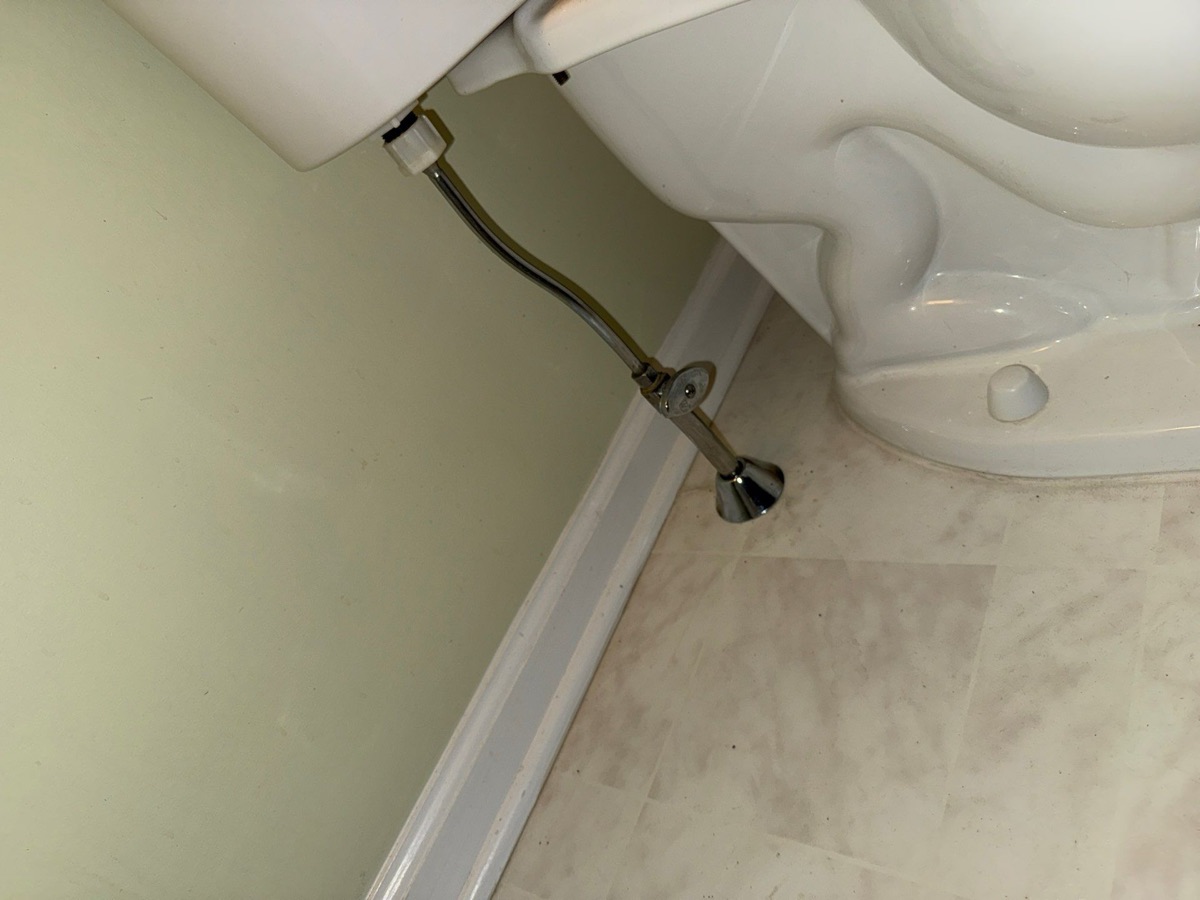
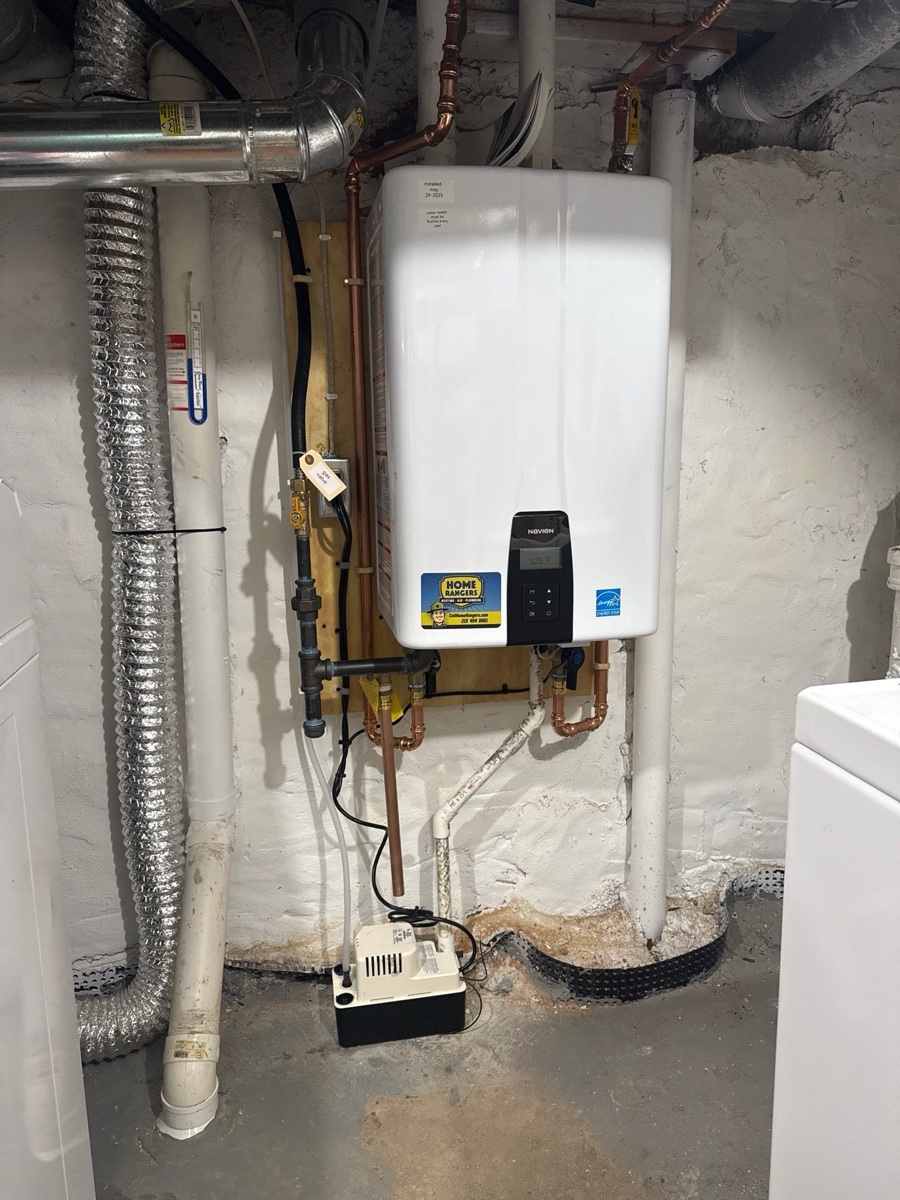
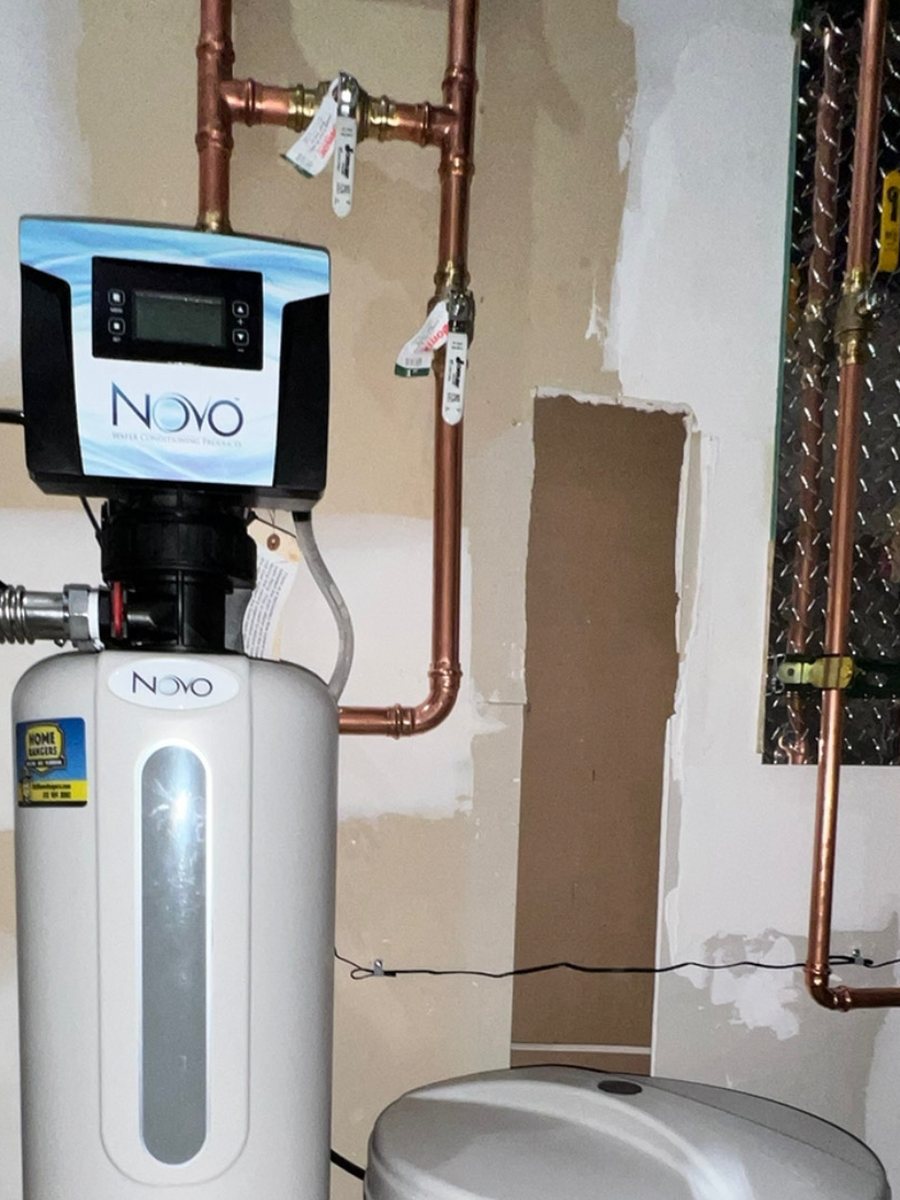
Examples of Home Rangers work at fixture shutoffs, copper water heater piping, and water treatment connections. These are related installation details rather than a documented whole-house copper repipe case study.
Customer Proof
Home Rangers reviews from local homeowners
Read feedback from local homeowners about Home Rangers service, communication, and workmanship. These reviews cover the company’s services.


Service Area
Copper repiping in Bucks County, Montgomery County, and nearby Philadelphia
Home Rangers is based at 667 Mary St, Warminster, PA 18974. Call with your address to confirm copper repiping coverage and appointment availability in your community.
Questions
Copper repiping FAQs
Answers about costs, material choice, tube types, connections, project timing, access, and warranty terms.
Discuss your water supply lines and a suitable replacement plan. Call or book online to arrange an assessment.
What is copper repiping?
Copper repiping replaces existing domestic hot and cold water supply lines with new copper tubing and compatible fittings. The work may cover a defined branch or an agreed whole-house supply network. Drains, sewer, gas, heating, and incoming underground water service work require a separate scope.
Is copper still used for home plumbing?
Yes. Copper remains an established material for residential water distribution. Its suitability depends on the application, water conditions, design, installation, and applicable local requirements. It is one option to compare with other appropriate materials.
Should I repair a leaking pipe or repipe the whole house?
An isolated fault may be repairable when surrounding piping is serviceable. Recurring failures or widespread deterioration can justify comparing partial or whole-house replacement. The recommendation should follow an assessment rather than pipe age or one symptom alone.
How much does a whole-house copper repipe cost?
Cost depends on the included branches, fixture count, floors, access, tube and fitting specifications, and restoration. The estimate should identify retained piping, included connections, testing, permits where applicable, and exclusions. Home Rangers provides a project-specific estimate after assessment.
Can copper repiping be priced accurately per foot?
A per-foot figure alone does not account for fittings, valves, fixtures, concealed access, connection labor, inspections, or restoration. Compare complete estimates for the same replacement boundaries and specified system.
Is copper or PEX better for repiping?
Both can suit residential water supply work. Copper provides metal piping; PEX offers flexibility that can help with some existing routes. Water conditions, access, installation requirements, total cost, and preferences should guide the choice for your home.
What are the downsides of copper plumbing?
Copper can cost more to install than some alternatives, rigid routes can require access at joints, and unfavorable water or operating conditions can contribute to corrosion. Copper also needs protection where freezing is possible. A suitable design and installation matter.
Is Type L copper better than Type M?
Type L has a thicker wall than Type M at the same nominal size, but that does not settle every specification decision. Application, local requirements, design, water conditions, and installation matter. Ask which tube type is proposed and why it suits the work.
Does copper repiping use soldered joints or press fittings?
The proposed installation may use soldered joints or an approved press-connect system where suitable. Confirm the method, products, access, and work-area protection in the project plan. Compatibility and installation requirements must be checked for the actual system.
How long does copper repiping take?
Timing depends on the number of fixtures, floors, routes, access, existing connections, and inspection requirements. Installation and finish restoration may be separate stages. Confirm both the pipe work schedule and the expected final completion date.
Will you need to open walls, and is patching included?
Concealed lines and connection points may require targeted wall or ceiling openings. The estimate should specify whether drywall patching, painting, tile repair, cleanup, and existing damage restoration are included or arranged separately.
Will my water be off during a copper repipe?
The affected supply must be off during parts of installation and changeover. Confirm which fixtures will be unavailable, the expected restoration sequence, and whether the home can remain occupied during the project.
Will new copper pipes improve water pressure?
Replacing restricted lines can improve usable flow when those lines are the cause. New copper will not resolve every pressure problem. A regulator, valve, fixture, water heater, or incoming supply issue may need separate attention.
Can new copper pipes corrode or develop pinhole leaks?
Yes. Copper is not immune to corrosion. Water conditions, flow, temperature, design, and installation can contribute to problems. If existing copper has recurring failures, consider the cause before selecting new copper as the replacement.
How long does copper repiping last, and what warranty applies?
Service life varies with the products, installation, water conditions, and use. A broad lifespan claim is not a warranty. Review the written product and workmanship coverage, exclusions, and any requirements that apply to the proposed installation.
Latest HVAC & Plumbing Guides
Helpful tips, cost guides, and expert advice from Home Rangers.
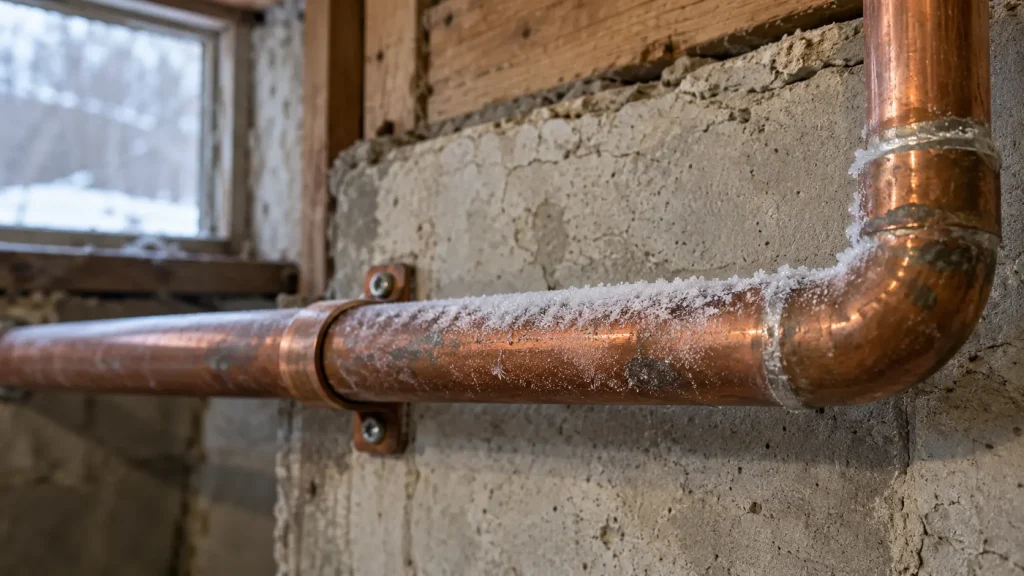
Frozen Pipes: What to Do, How to Thaw Them, and Prevention Tips
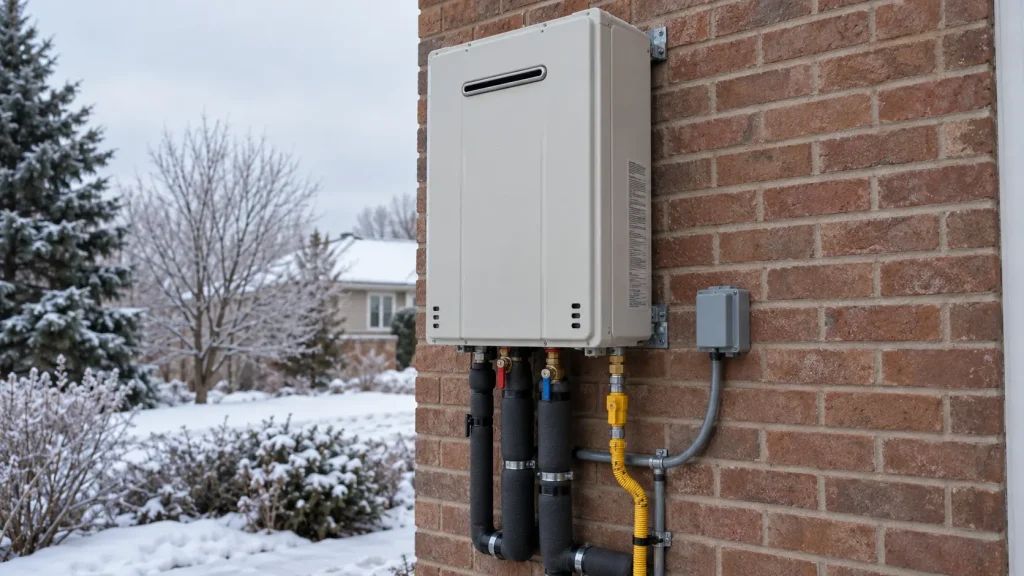
How to Keep a Tankless Water Heater From Freezing-and What to Do if It Freezes
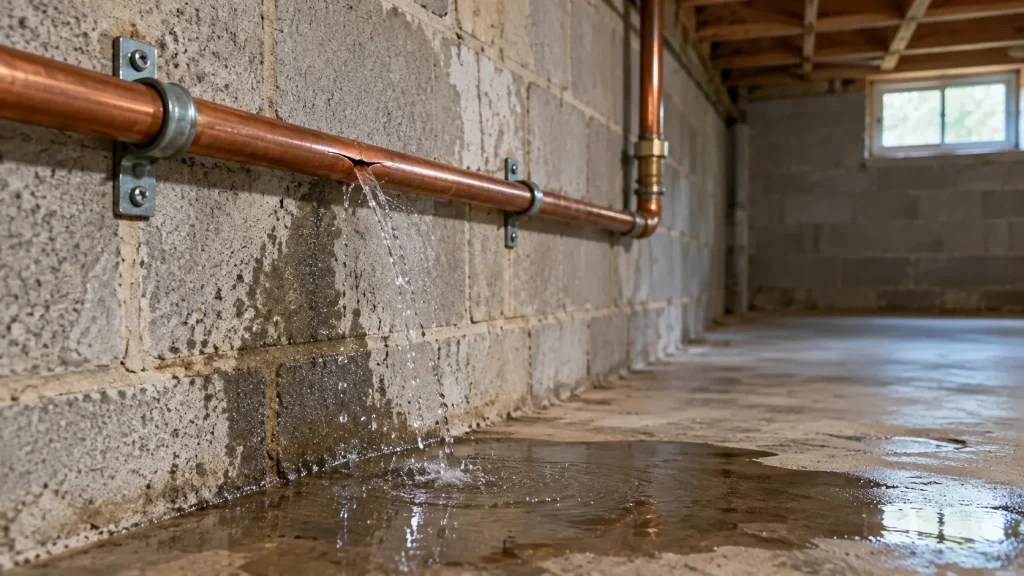
Burst Pipe in Your House? Signs and What to Do Next
Current Specials
Current HVAC & Plumbing Offers
Strong offers built to help you book service faster, save on repairs, and lock in ongoing system protection without digging through the whole site.
Diagnostic Only $49
Fast HVAC or plumbing diagnostic during regular business hours. If you approve the repair, we’ll credit the diagnostic toward the work. Use code RANGERS49 when booking online.
Book Online$75 Off Any Repair Over $300
Save on qualifying HVAC or plumbing repairs when the fix goes beyond a quick minor adjustment and you want real value on a bigger repair.
Book OnlineHome Rangers System Protection Plan: First Month Free
Start your membership at $19.95/mo, get your first month free, and unlock priority scheduling, tune-ups, and repair savings.
View PlanOffer details can change by season, equipment eligibility, service area, lender approval, and program availability. Diagnostic offer is for regular-hours service only. Repair discount cannot be combined with diagnostic credit or other offers.
Lennox systems and verified dealer support
Home Rangers appears on the official Lennox dealer locator for Warminster. Ask about Lennox air conditioners, heat pumps, furnaces, and mini-split options, along with system sizing and financing options for eligible installations.
Whether your AC stopped cooling, your furnace won’t ignite, your water heater is leaking, or your drains are backing up, Home Rangers is here to help. As Warminster’s hometown HVAC and plumbing company, we treat every customer like a neighbor, because you are.
Ready for Home Service You Can Trust?
Book Nowor call us at:
(215) 454-0001