

A high summer electric bill usually has more than one cause. Long AC run times, direct sunlight, air leaks, hot attics, laundry, cooking, water heating, and thermostat habits can all push energy usage higher during the summer months.
If you are trying to lower a summer electric bill, start with changes that reduce heat coming into the house and help the cooling system run more efficiently. The goal is to make every hour of cooling count.
1. How To Lower Electric Bill In Summer With Your Air Conditioner And Air Conditioning Schedule
Your air conditioner is often the biggest driver of the energy bill in hot weather. If the system is dirty, short cycling, low on airflow, or running all afternoon, it can use extra energy while still leaving living areas warm.
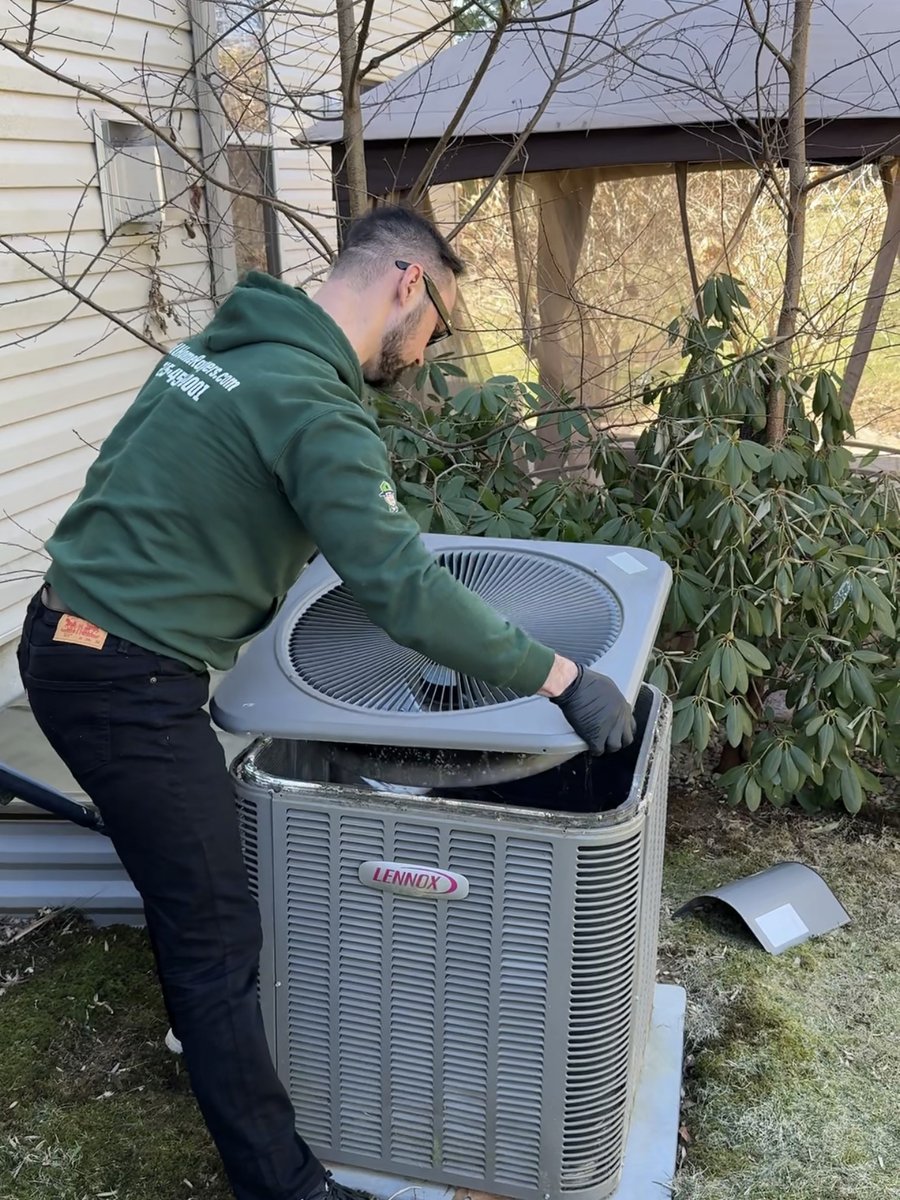
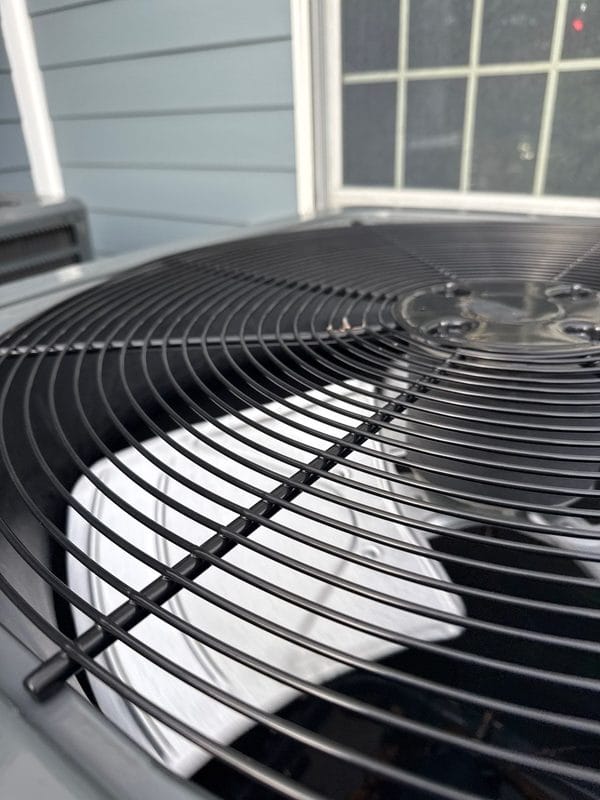
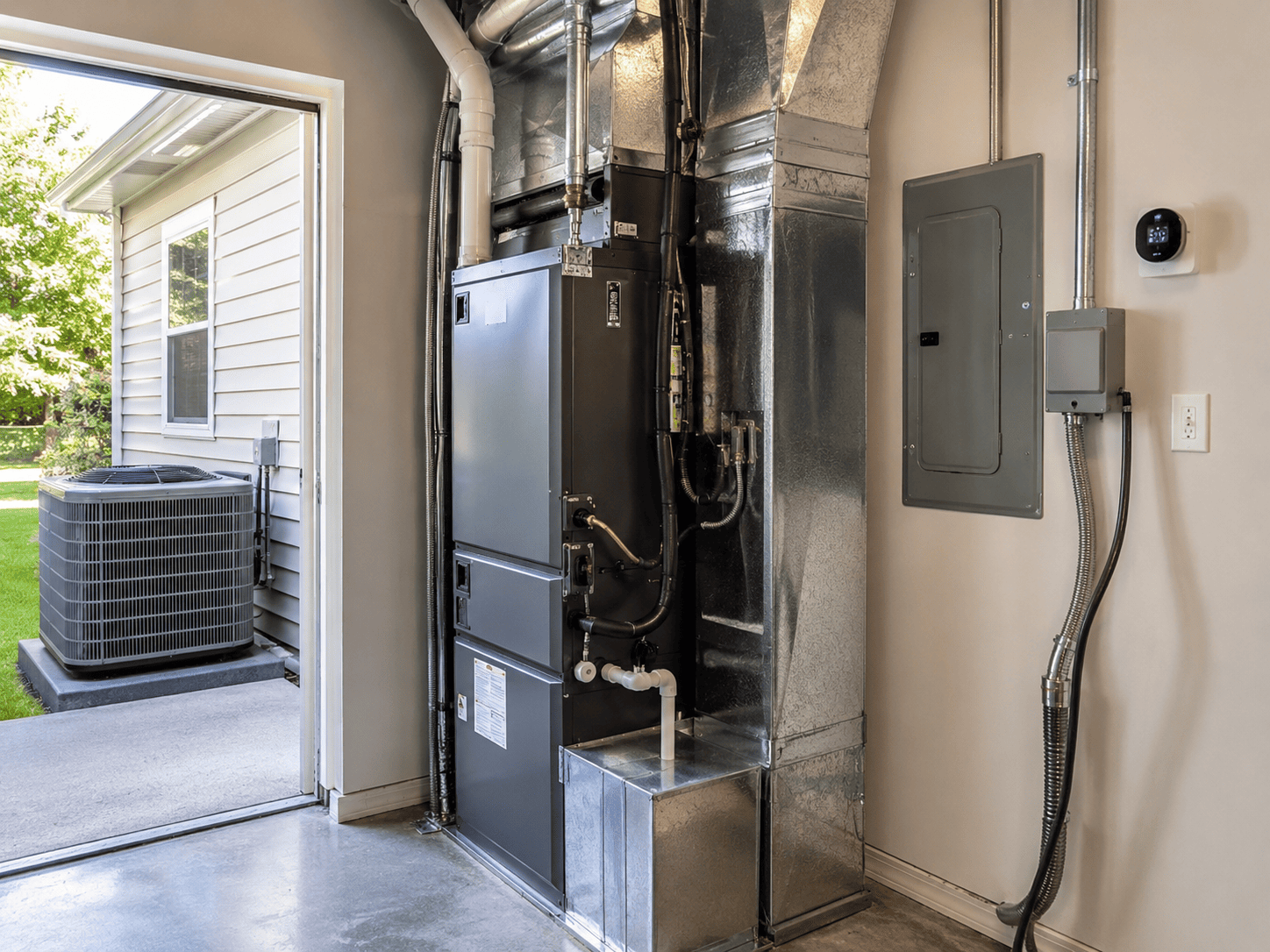
Schedule regular maintenance before the heaviest heat arrives. A cooling visit should include the filter, coil condition, outdoor unit clearance, refrigerant symptoms, electrical components, control operation, and basic airflow checks.
2. Set The Thermostat So The Cooling System Runs Efficiently
A thermostat set a few degrees higher can make a big difference because the cooling system gets more rest between cycles. If your home is empty during the day, raise the temperature while you are away and bring it back down before everyone returns.
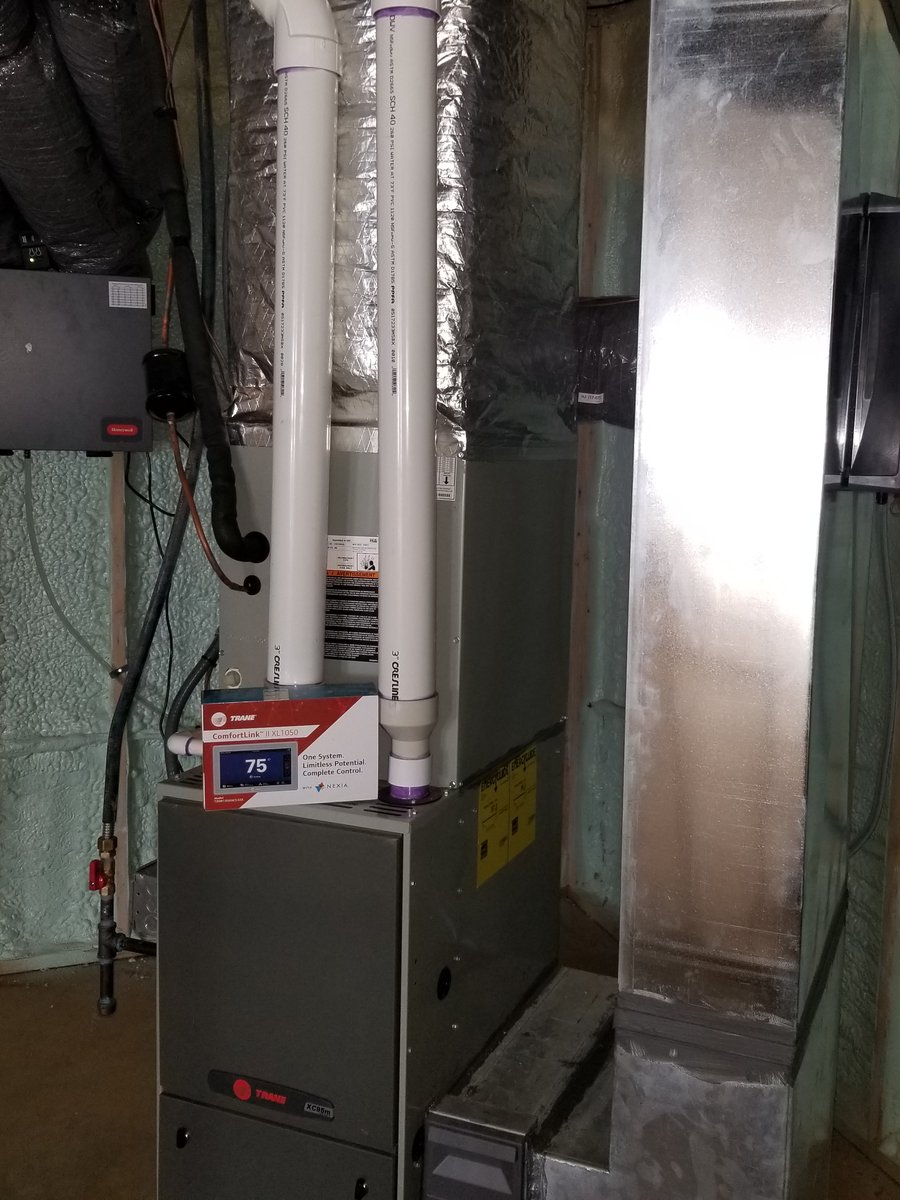
A smart thermostat or programmable thermostat can help you save energy by following a schedule instead of cooling an empty home. Keep the schedule realistic so the equipment is not forced into a long recovery during peak hours.
For many summer days, the simple win is consistency. A smart thermostat can save energy and save money when it avoids deep temperature swings, trims unnecessary run time, and keeps summer cooling costs tied to the hours when people are actually home.
3. Change The Filter Before It Blocks Flow
A clogged air filter makes the blower work harder and can reduce cool air at the supply vents. During cooling season, check the filter every month and replace it when dust starts to restrict airflow.
Use the filter type your hvac system can handle safely. A very dense filter is not always more energy efficient if it restricts flow and makes the system run longer.


4. Use Ceiling Fans To Feel Cooler Without Lowering The Electric Bill Settings
Ceiling fans help you stay cool because the moving breeze feels better on your skin. Fans cool people, not empty spaces, so turn them off when the space is empty.
Use fans in occupied areas and try setting the thermostat slightly higher than usual. Ceiling fans can help you save money when they let the AC run less, but they waste electricity when they run all day in empty space.
5. Block Direct Sunlight Before It Turns Into Hot Air
Windows can add heat quickly, especially on the south and west sides of the house. Close blinds, blackout curtains, or shades before direct sunlight hits the glass.
This reduces heat gain before the cooling system has to remove it. If one room always feels hotter, check windows, attic insulation, supply vents, and return airflow before lowering the thermostat for the whole house.
In older homes, windows and attic heat can quietly raise summer electricity costs. Shading glass early, closing storm windows where they are used, and keeping heat out are practical ways to save before the cooling system starts another long cycle.
6. Close Doors Carefully And Keep Flow Moving
Close doors to areas that add heat, such as a laundry area, sun space, or garage entry. Keep interior doors open when your system needs return airflow from sleeping areas back to the main return.
Do not close too many supply vents. A ducted system is designed for a certain amount of movement, and blocked vents can make the blower work harder.
7. Shift Appliances To Off Peak Hours
The oven, dryer, dishwasher, lights, and other major appliances all add heat sources inside the home. Run full loads in the early morning or at night when the house is easier to cool.
If your electric company uses peak hours or off peak hours, moving laundry and dishwashing can reduce electricity usage during expensive demand windows. Cold water laundry can also reduce water heating costs for many loads.
These are small ways to save, but they matter during a long summer billing cycle. Using less energy during the hottest part of the day can save money, reduce indoor heat, and help the air conditioning system work more efficiently.
8. Watch Water Heating Accounts On The Electricity Bill
Water heating accounts for part of the electricity bill in many homes, especially when showers, laundry, and dishwashing increase. Lower-temperature laundry, shorter hot water draws, and full loads can reduce energy consumed without changing comfort.
A water heater that is leaking, slow to recover, or constantly running is not just a plumbing issue. It can also affect summer energy costs because the equipment may be using more energy than necessary.
9. Find Air Leaks, Attic Heat, And Rooms That Stay Hot
Air leaks around windows, attic doors, basement rim joists, and exterior gaps let hot air in and cool air out. Sealing obvious gaps can help your home cool more evenly.
Many factors can make one room uncomfortable: duct leaks, weak airflow, poor insulation, blocked returns, oversized windows, or cooling equipment that needs service. Solving the comfort problem often helps the whole energy bill more than just lowering the thermostat.
10. Compare Energy Bills And Electricity Bills To Comfort
Do not look at the electric bill alone. Compare the bill, outdoor temperature, thermostat schedule, run time, comfort, and any recent changes in appliances or family routine.
The Energy Department and Environmental Protection Agency publish energy saving tips, but the right plan depends on your equipment and home. A practical checklist with energy saving tips can help you save without chasing every possible efficiency upgrade at once.
Additional Tips For Energy Efficiency And Summer Energy Costs
Switch incandescent bulbs to cooler-running efficient lights. Unplug electronic devices that add standby power, and keep lamps and electronics away from the thermostat so they do not raise the sensed temperature.
Energy bills and electricity bills are easier to understand when you separate cooling from other appliances. Energy efficient appliances, LED bulbs, smart power strips, and off-peak habits can reduce energy waste without changing comfort.
If summer electric bills jump after a water heater problem, include water heating costs in the review. A constantly running water heater, long hot water draws, or rising energy consumption can affect utility bills and make it harder to save money.
To prevent heat gain, seal air leaks around attic hatches, basement rim joists, and weatherstripping gaps. This helps keep the home cool, limits excessive cooling, and lets ceiling fans provide a wind chill effect without turning the thermostat down.
Solar panels can affect carbon footprint and future energy bills, but they do not fix an AC unit, dirty coil, or leaky ducts. The most cost effective first step is to save energy by correcting existing waste.
If a household qualifies for a low income assistance program, ask the electric company what documentation is needed. Assistance does not fix energy use, but it may help while you work through the larger causes of a high energy bill.
Keep notes for two summer bills so you can see which changes save the most. Track thermostat settings, electricity use, outdoor temperature, and comfort complaints; that pattern is often more useful than guessing where the money went. Those notes also make the next energy decision clearer: adjust the schedule, improve efficiency, or ask whether electricity costs point to an energy problem. They also improve energy efficiency across energy bills, especially when the air conditioner is the main load.
When AC Unit Service Can Reduce Summer Costs
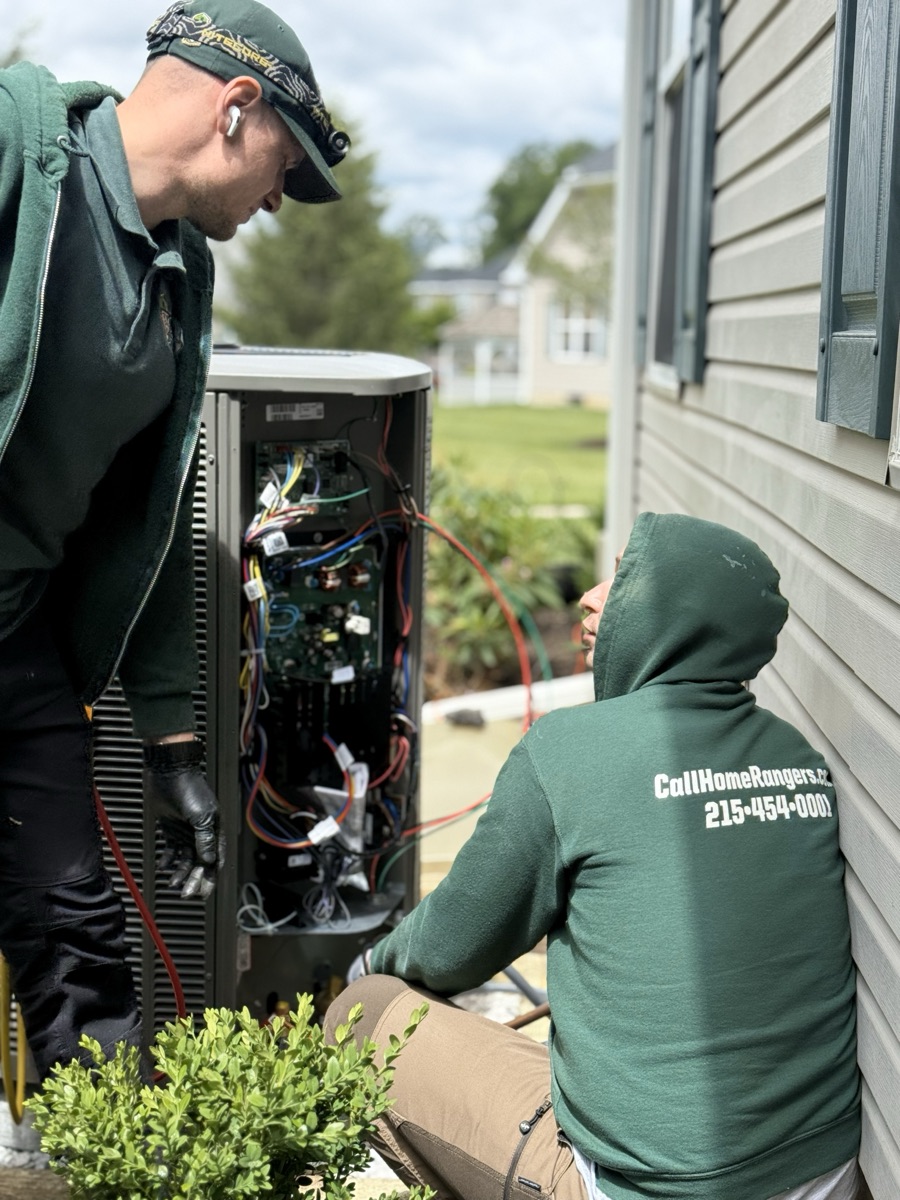
Call for cooling service when the system runs constantly, blows warm air, trips breakers, leaks water, makes new noises, or leaves some areas much hotter than others. Those symptoms can make the AC work harder and may point to repair or maintenance needs.
Home Rangers can check the air conditioning system, thermostat, filter, outdoor unit, and airflow path. Call (215) 454-0001 or book online if your cooling system needs attention in Bucks County, Montgomery County, Philadelphia, or Delaware County.
Quick Questions About The Summer Electric Bill
Does setting the thermostat lower cool the house faster?
No. Most residential systems cool at their normal rate. A very low setting usually makes the AC run longer, which can increase energy use.
Should I use fans all day?
Use fans when people are in the space. Turn ceiling fans off when spaces are empty because they do not lower the room temperature by themselves.
What should I check before scheduling AC service?
Check the filter, thermostat schedule, outdoor unit clearance, closed vents, and whether the AC is running normally or struggling through long cycles.