
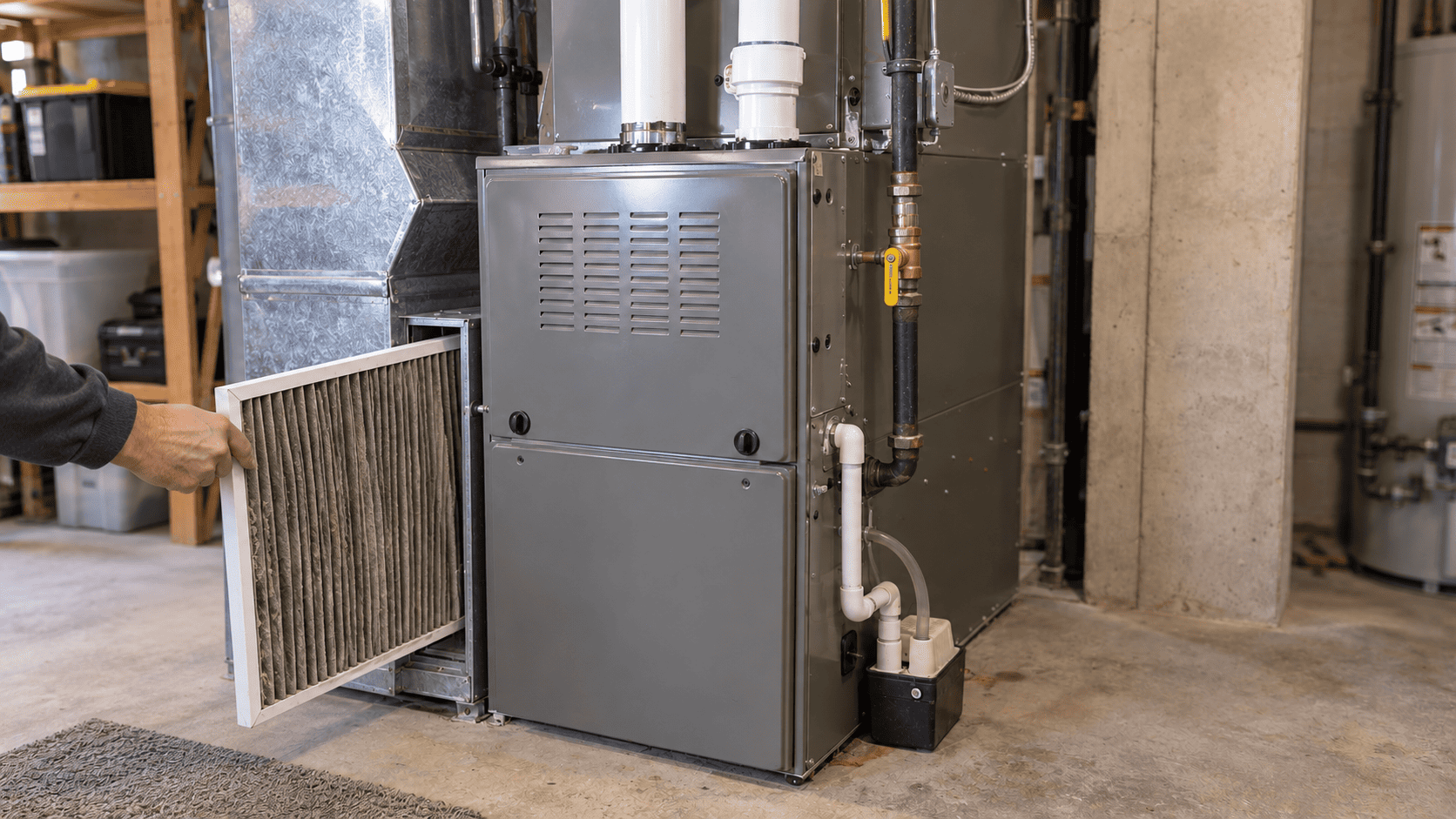
If your furnace is blowing cold air when the heat is on, start with the simple possibilities: the thermostat may be set incorrectly, the fan may be set to ON instead of AUTO, the furnace may still be warming up, or a dirty air filter may be restricting airflow. If those checks do not solve the problem, the cause may involve the ignition system, flame sensor, fuel supply, electrical components, or a furnace safety control.
A furnace that is running but not heating does not necessarily have a failed blower. The blower can continue moving air even when the burners or electric heating elements are not producing heat. Paying attention to when the air turns cold can help narrow down the problem before any parts are replaced.
Furnace Blowing Cold Air? Check These Things First
Before opening the furnace or attempting a repair, go through these safe homeowner checks:
- Set the thermostat to HEAT. Make sure the target temperature is higher than the current indoor temperature.
- Set the fan to AUTO. If the fan is set to ON, the blower can circulate room-temperature air between heating cycles, making it seem like the furnace is blowing cold air.
- Give the furnace a moment to warm up. A brief period of cooler air at the beginning or end of a heating cycle can be normal. Air that stays cold throughout the cycle is not.
- Check the furnace filter. A heavily clogged filter can restrict airflow, cause the furnace to overheat, and trigger a safety shutdown that turns off the heat while the blower continues running.
- Check supply vents and return grilles. Make sure they are open and not blocked by furniture, rugs, or other objects.
- Check furnace power. Confirm that the furnace switch is on and the circuit breaker has not tripped. Do not repeatedly reset a breaker that continues to trip.
If the thermostat, filter, vents, and power supply all look normal but the furnace still blows cold air or cannot heat the home to the set temperature, the problem likely requires deeper diagnosis. Home Rangers provides furnace repair for ignition problems, airflow issues, safety shutdowns, blower problems, and other no-heat conditions.
Safety warning: Stop troubleshooting if you smell gas, a carbon monoxide alarm sounds, you see soot or scorching around the furnace, or the system repeatedly attempts to ignite and shuts down. Leave the home if necessary and contact the gas utility or an appropriate emergency service from a safe location. Do not bypass furnace safety switches or repeatedly force the system to restart.
Why Is My Furnace Blowing Cold Air? Common Causes
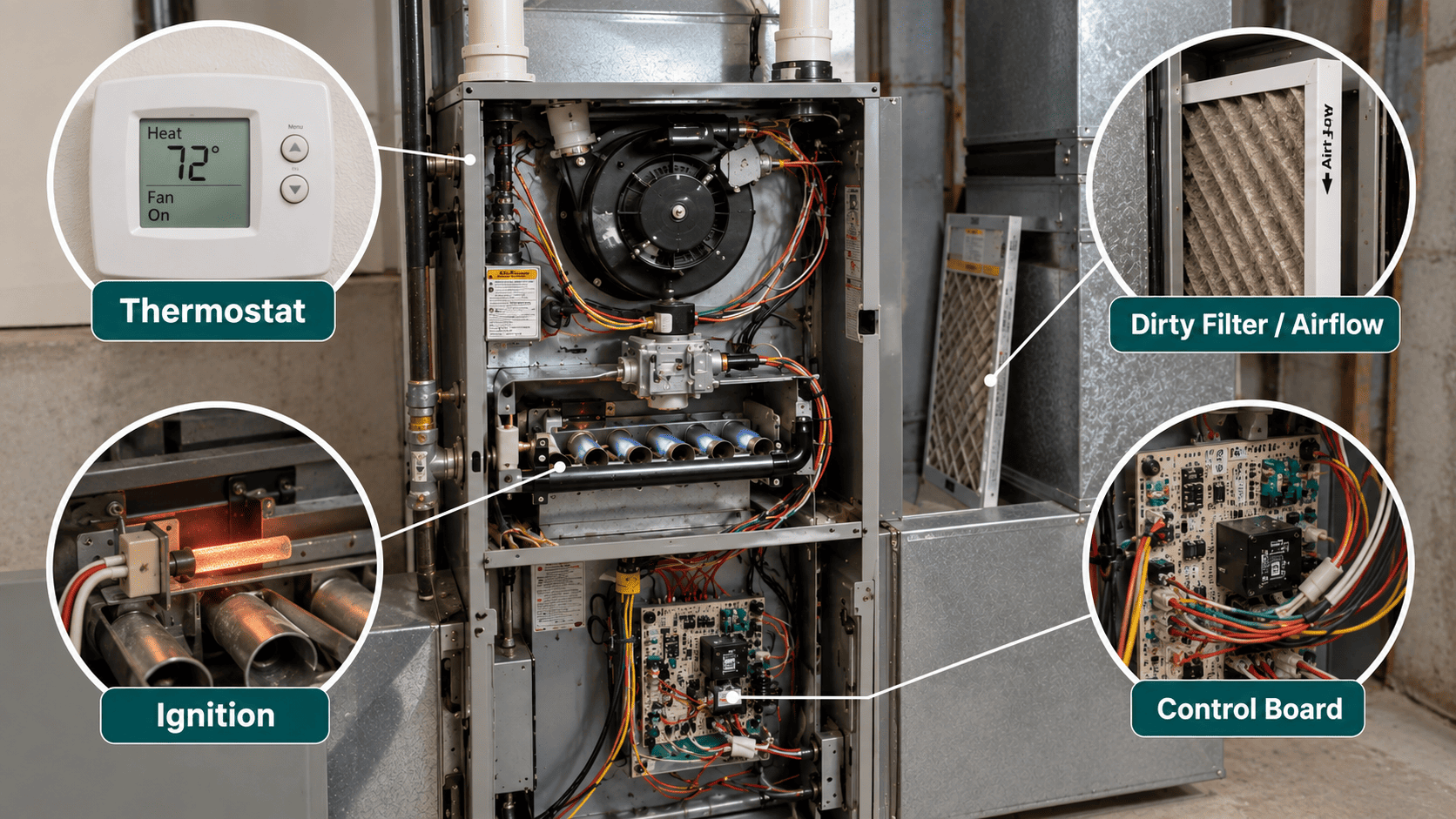
If the basic thermostat, filter, and power checks did not solve the problem, the next step is to look at how the furnace behaves during a heating cycle. A furnace that starts normally and then begins blowing cold air can have a different problem from one that never produces heat at all.
1. The Thermostat Fan Is Set to ON
When the thermostat fan is set to ON, the blower can run continuously even when the furnace is not actively heating. Between heating cycles, it simply circulates room-temperature air through the vents, which may feel cold.
Set the fan to AUTO. This normally allows the blower to operate only when the heating system calls for it. If cold air continues throughout an active heating cycle, another issue is likely responsible.
2. A Dirty Filter Is Restricting Airflow
A clogged furnace filter does more than reduce airflow. If insufficient air moves across the heat exchanger, the furnace can become too hot. A high-limit safety control may then shut off the burners while allowing the blower to continue running to cool the furnace.
This can create a repeating pattern: the furnace heats briefly, the burners shut off, and cooler air continues coming from the vents. Replace a visibly dirty filter with the correct type and size specified for your system. If the problem returns, restricted airflow or another overheating condition should be professionally diagnosed.
3. The Furnace Is Not Igniting Properly
If a gas furnace is blowing cold air when the heat is on, the blower may be operating even though the burners never ignite. Modern gas furnaces commonly use electronic ignition systems, while some older equipment uses a standing pilot.
An ignition failure can involve the igniter, pilot system, gas valve, controls, or another part of the startup sequence. If the burners do not ignite, repeatedly restarting the furnace is not a substitute for diagnosing the underlying problem.
4. The Flame Starts but Shuts Off Quickly
Another common scenario is a furnace that ignites but loses heat shortly afterward. A furnace uses safety controls to verify that combustion is occurring correctly. If the system cannot confirm a stable flame, it can shut off the burners while the blower continues moving air.
A dirty or malfunctioning flame sensor is one possible cause on a gas furnace. You may notice the burners ignite and then shut down within a short period, followed by cooler air from the vents. Components associated with combustion and gas delivery are best inspected by a qualified HVAC technician.
5. The Furnace Is Overheating and Shutting the Burners Off
A furnace that keeps running and blowing cold air may actually be protecting itself from excessive temperature. Restricted airflow from a dirty filter, blocked return grille, closed supply vents, or another airflow problem can contribute to overheating.
When a high-limit safety control is triggered, the burners can stop while the blower remains on to remove excess heat from the equipment. If changing the filter and opening blocked vents does not resolve repeated shutdowns, do not bypass the limit switch. The cause of the overheating needs to be identified.
6. The Furnace Is Not Receiving Fuel
A gas, propane, or oil furnace cannot produce heat without an adequate fuel supply. If other gas appliances are also not working, there may be a utility or supply issue. With propane or oil systems, check the available fuel level if it is safe and practical to do so.
If fuel is available but the furnace still does not ignite, the problem could involve a valve, burner, ignition component, or safety control. Do not attempt to disassemble or repair fuel-system components yourself.
7. An Electrical or Control Problem Is Preventing Heat
The fact that the blower is running does not mean every part of the furnace is receiving power or operating correctly. A failed relay, control board, igniter, electric heating component, sensor, or related electrical fault can allow the fan to operate while preventing the system from producing heat.
This is especially relevant when the furnace appears to start in an unusual sequence, repeatedly resets, displays a diagnostic fault code, or continues blowing cold air despite correct thermostat settings and unrestricted airflow.
Checked the thermostat and filter but your furnace is still blowing cold air? Ignition failures, overheating, flame-sensing problems, and control faults can all leave the blower running without producing reliable heat. Home Rangers can diagnose the cause, restore safe operation, and explain whether your furnace needs a targeted repair or a more extensive solution.
What to Do When Your Furnace Is Running but Not Heating
If your furnace turns on and the blower runs but the house is not getting warm, focus on whether the system is actually producing heat and whether that heat is reaching the rooms. The problem may be with heat generation, airflow, thermostat control, or repeated safety shutdowns.
Check Whether the Air Ever Becomes Warm
Let the furnace complete a normal startup cycle and check the air coming from a nearby supply vent. A short burst of cooler air at startup can be normal, but the air should become noticeably warmer once the furnace begins heating.
If the airflow stays cold throughout the cycle, the furnace may not be igniting or activating its heating components. If the air becomes warm and then turns cold, an overheating condition, flame-sensing issue, or another safety shutdown may be interrupting the heating cycle.
If the Furnace Is Not Heating to the Set Temperature
A furnace that produces some heat but cannot bring the home up to the thermostat setting may have a different problem from a furnace producing no heat at all. Check that the thermostat is located away from drafts or direct heat sources and confirm that the filter and return-air grilles are not restricting airflow.
Also look for rooms with closed or blocked supply vents. Closing too many vents does not necessarily send more useful heat to other rooms and can interfere with proper system airflow.
If the furnace runs for long periods but the indoor temperature remains below the thermostat setting, the cause may involve reduced heating output, duct leakage, airflow problems, thermostat issues, equipment sizing, or a furnace that is repeatedly shutting down before completing a full heating cycle.
Why Is My Gas Furnace Blowing Cold Air?
When a gas furnace blows cold air, the blower is often working while the combustion side of the furnace is not producing sustained heat. Common possibilities include an ignition failure, flame-sensor problem, interrupted gas supply, overheating shutdown, or another safety-control issue.
Watch the furnace only from a safe position and do not remove combustion components. If the burners ignite and quickly shut off, or if the furnace repeatedly attempts to start without producing heat, professional diagnosis is appropriate.
If you smell gas, do not continue troubleshooting or operate electrical switches near the suspected leak. Follow your gas utility’s emergency instructions and move to a safe location.
Why Is My Electric Furnace Blowing Cold Air?
An electric furnace can also run its blower without producing enough heat. The thermostat and fan settings should still be checked first, but an electric system may have a failed heating element, electrical control problem, sequencer or relay issue, or a power problem affecting the heating components while the blower continues to operate.
A tripped breaker can sometimes indicate an electrical fault rather than a one-time nuisance. If a furnace breaker trips again after being reset, leave it off and have the system inspected instead of repeatedly resetting it.
What About Oil or Propane Furnaces?
Oil and propane furnaces can produce the same basic symptom: the blower runs, but the home receives little or no heat. Before assuming the furnace itself has failed, verify that fuel is available. If the tank has adequate fuel and the system still does not heat, the problem may involve ignition, fuel delivery, controls, or another furnace component.
Do not attempt to bleed oil lines, adjust burners, bypass safety devices, or disassemble fuel-system components unless you are properly trained to service that equipment.
Can You Fix a Furnace That Is Blowing Cold Air Yourself?
Some furnace problems can be corrected without opening the equipment. Others involve combustion, electrical components, safety controls, or fuel delivery and should be handled by a trained HVAC technician.
Safe Things You Can Check Yourself
- Confirm the thermostat is set to HEAT and the temperature setting is above the current room temperature.
- Set the thermostat fan to AUTO instead of ON.
- Replace a dirty air filter with the correct size and type for the system.
- Make sure supply vents and return-air grilles are open and unobstructed.
- Check that the furnace power switch is on.
- Check the circuit breaker once if the furnace has lost power.
- For oil or propane systems, verify that the fuel supply has not run out.
- Check the furnace display or control board for a visible diagnostic code if your owner’s manual explains how to read it safely.
After making a simple correction, allow the furnace to run through a full heating cycle. If it begins producing steady warm air and reaches the thermostat setting normally, the issue may have been limited to the thermostat, airflow, power, or fuel supply.
When to Stop Troubleshooting and Call an HVAC Technician
Professional diagnosis is appropriate when the furnace continues blowing cold air after the basic checks, repeatedly starts and stops, cannot reach the thermostat setting, or produces heat only briefly before shutting down.
You should also schedule service if you notice any of the following:
- Burners that ignite and quickly shut off
- Repeated ignition attempts without sustained heat
- A breaker that continues to trip
- Unusual electrical, burning, or overheating odors
- Visible soot or scorching around the furnace
- Persistent fault codes
- Unusual banging, buzzing, or rattling during startup
- The furnace runs for long periods but the home remains cold
These symptoms can involve the ignition system, flame sensor, high-limit control, blower components, electrical controls, fuel delivery, or other parts that require proper testing rather than trial-and-error replacement.
Real Furnace Service Work by Home Rangers
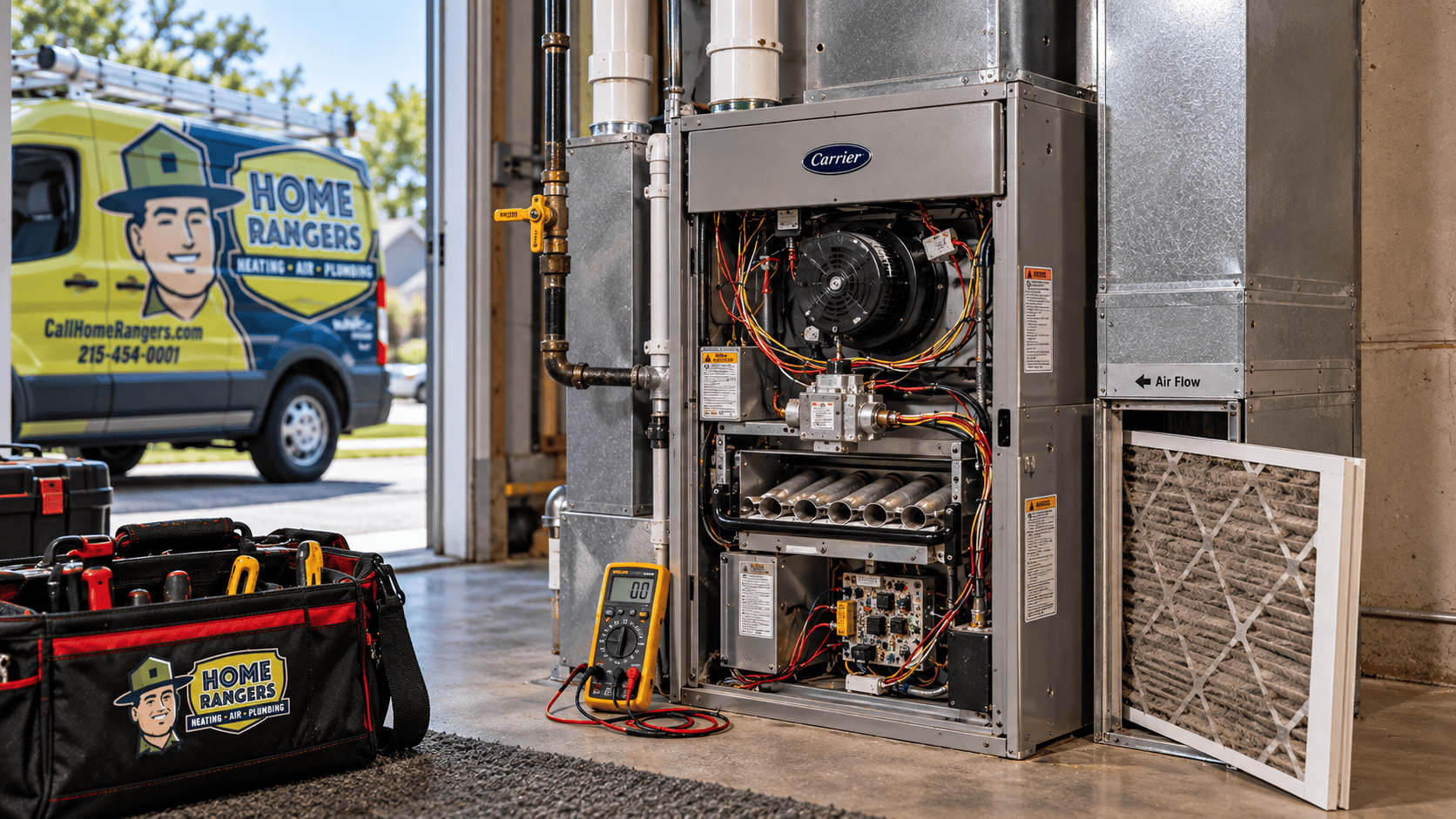
These are real examples of residential furnace service and installation work completed by the Home Rangers team.
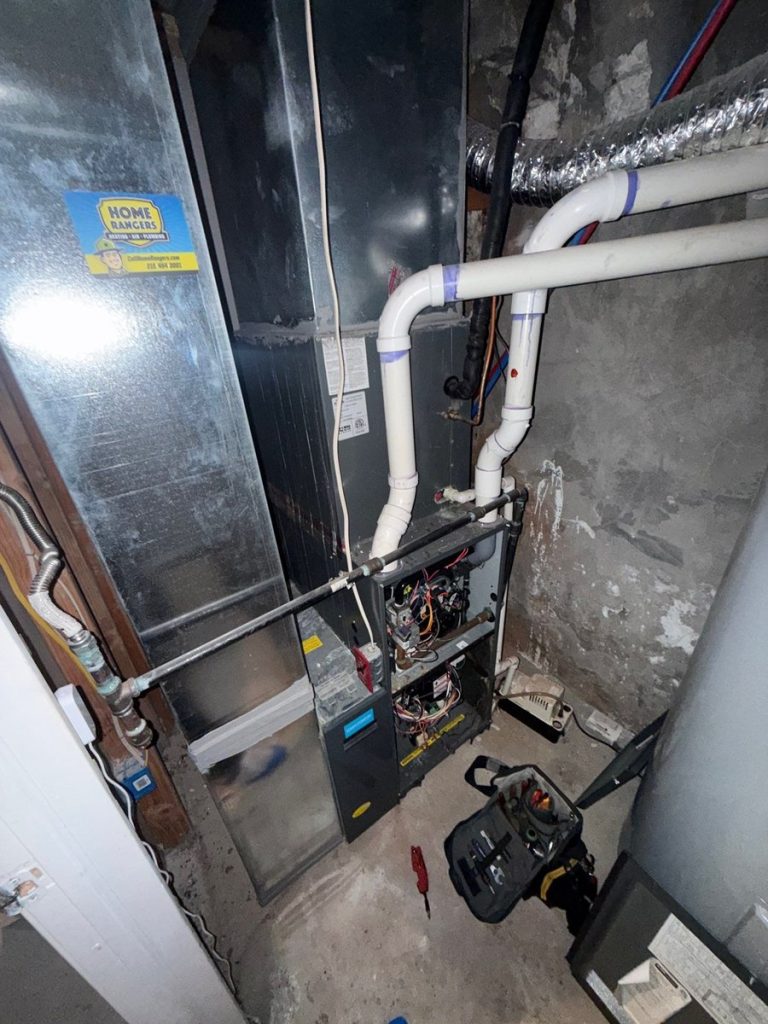
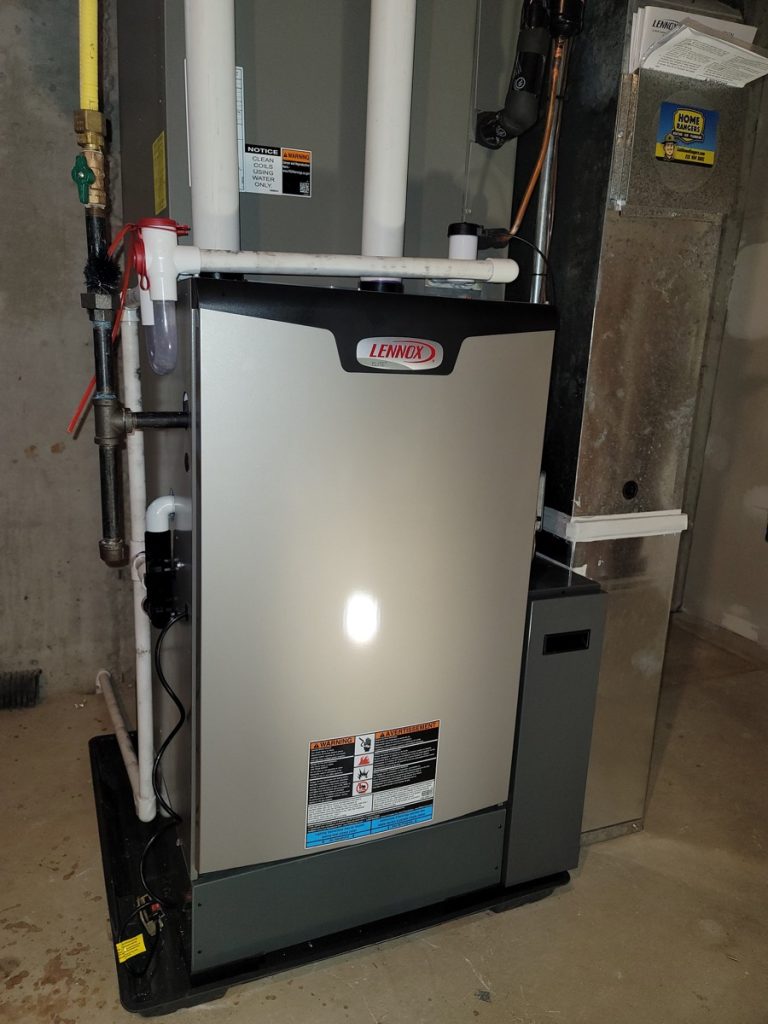
Homeowners in the Home Rangers service area can learn more about our heating services, including furnace diagnostics, repairs, maintenance, and replacement options when a system can no longer provide reliable heat.
Still getting cold air from the vents after the basic checks? A furnace that keeps running without reliable heat may have an ignition, airflow, electrical, or safety-control problem that needs professional testing. Home Rangers provides local furnace diagnostics with upfront pricing so you can understand the problem before deciding on the repair.
Is It Ever Normal for a Furnace to Blow Cold Air?
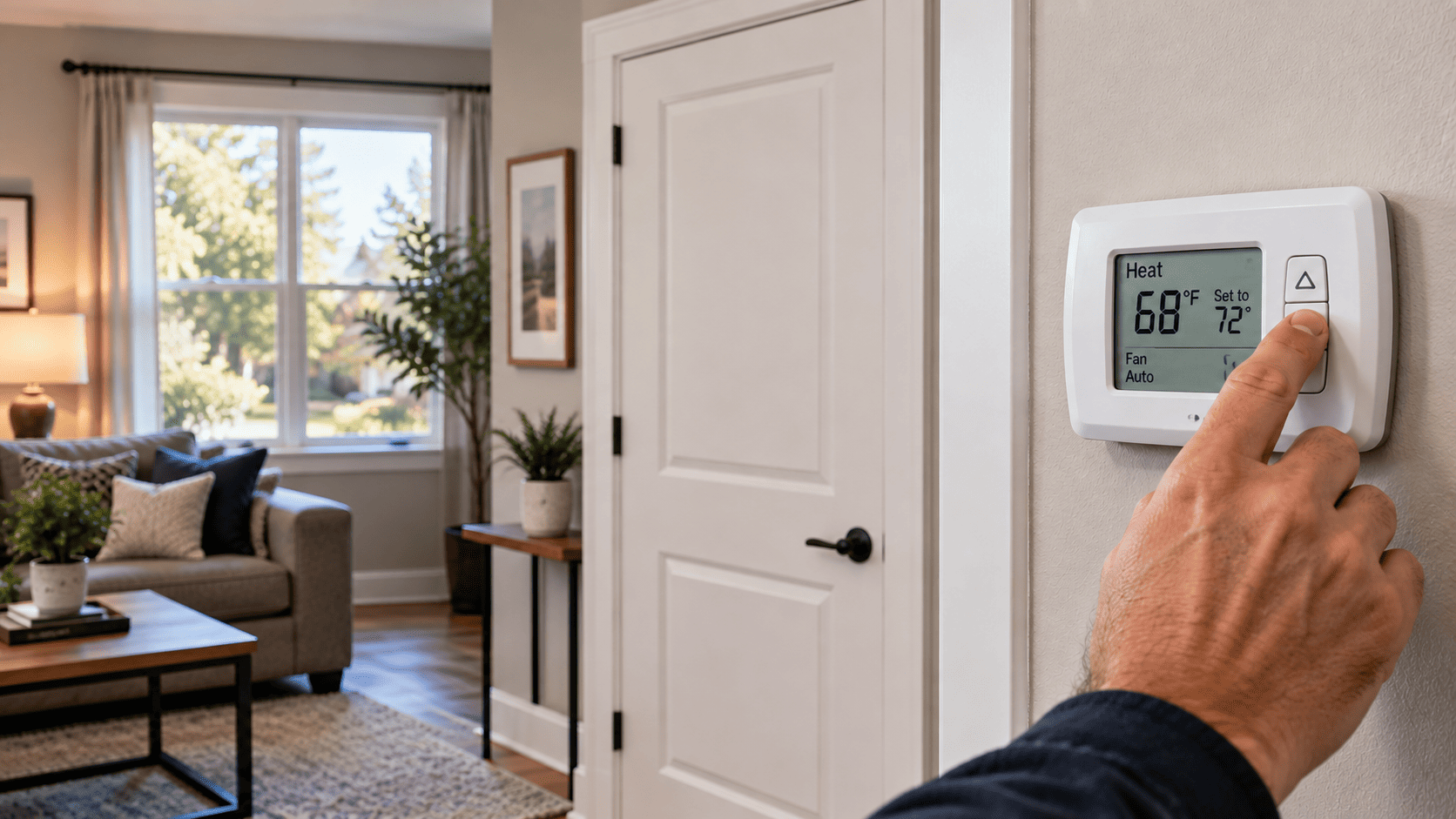
Yes. A brief period of cool or room-temperature air does not always mean the furnace is malfunctioning. What matters is when the cold air appears and how long it lasts.
Cold Air at the Beginning of a Heating Cycle
When the thermostat first calls for heat, there may still be cool air sitting inside the ductwork. Depending on the system, you may feel that air briefly before heated air reaches the vents.
If the air becomes warm shortly afterward and the furnace heats the home normally, this is generally not the same symptom as a furnace that continuously blows cold air.
Cooler Air at the End of a Heating Cycle
The blower may continue running briefly after the burners or heating elements shut off. This allows the system to move remaining heat out of the furnace and ductwork. As that heat is depleted, the last air coming from the vents may feel cooler.
Continuous Cold Air Is Different
If the furnace is actively calling for heat but the air never becomes warm, or if it repeatedly switches from warm to cold before the thermostat reaches the set temperature, the system should be investigated.
The same applies if your furnace keeps running and blowing cold air for an extended period. That pattern is more consistent with a thermostat setting, ignition failure, overheating shutdown, airflow restriction, electrical problem, or another heating-system fault than with normal operation.
A useful rule of thumb: brief cool airflow before or after an otherwise normal heating cycle can be expected. Cold air throughout the heating cycle or a home that cannot reach the thermostat setting is not something to ignore.
Frequently Asked Questions About a Furnace Blowing Cold Air
Why does my furnace keep blowing cold air?
If your furnace repeatedly blows cold air, first check that the thermostat fan is set to AUTO and the air filter is clean. Persistent cold airflow can also result from ignition failure, overheating, a flame-sensor issue, restricted airflow, or an electrical or control problem.
Why is my furnace blowing cold air when the heat is on?
The blower can run even when the furnace is not successfully producing heat. Common causes include an incorrect thermostat setting, clogged filter, failed ignition sequence, interrupted fuel supply, overheating shutdown, or a malfunctioning heating component.
Why is my furnace running but not heating my house?
If the blower runs but the house does not warm up, determine whether the vents ever produce warm air. No heat at all can indicate an ignition, fuel, electrical, or heating-component problem, while brief heat followed by cold air may point to an overheating or safety shutdown.
Why is my furnace not heating to the set temperature?
A furnace that produces heat but cannot reach the thermostat setting may have restricted airflow, duct leakage, thermostat problems, reduced heating output, or repeated shutdowns before completing a full cycle. Extremely cold weather and equipment sizing can also affect how quickly a home reaches the requested temperature.
Why is my furnace blowing cold air even when the heat is off?
Check the thermostat fan setting first. If it is set to ON, the blower can continue circulating air even when there is no call for heat. If the fan is set to AUTO but continues running for an unusually long time, the system may have a control or safety-related issue that needs diagnosis.
Why is my new furnace blowing cold air?
A new furnace may briefly move cooler air at the beginning or end of a normal heating cycle. Continuous cold air, however, can indicate a thermostat configuration issue, installation problem, airflow restriction, wiring fault, fuel-supply problem, or another commissioning issue. Contact the installer if a newly installed furnace cannot maintain normal heat.
Why is my Trane furnace blowing cold air?
The troubleshooting process is similar regardless of brand: check the thermostat mode and fan setting, filter, vents, power, and any diagnostic code shown by the furnace. Brand-specific fault codes and service procedures should be interpreted using the correct model documentation or by a qualified HVAC technician.
Should I turn my furnace off if it is blowing cold air?
If the furnace continuously blows cold air and basic thermostat and filter checks do not resolve the problem, turning the heating system off until it can be inspected can prevent repeated unsuccessful heating cycles. Shut the system down immediately and follow appropriate emergency procedures if you smell gas, see smoke or scorching, or a carbon monoxide alarm activates.
Get Your Furnace Heating Properly Again
A furnace blowing cold air does not always mean the entire system has failed. Start with the thermostat, fan setting, filter, vents, power, and fuel supply. If the furnace still cannot produce steady heat, repeatedly shuts down, or fails to reach the thermostat setting, the problem may involve ignition, airflow, electrical controls, or a furnace safety system.
Home Rangers provides residential heating and HVAC service throughout Bucks County, Montgomery County, Philadelphia, and surrounding communities. Visit Home Rangers Heating, Air & Plumbing to learn more about our local home comfort services.
Get reliable heat back in your home.
If your furnace keeps blowing cold air, runs without heating the house, or repeatedly shuts down before reaching the set temperature, Home Rangers can diagnose the problem and explain the right repair options. Schedule professional furnace service and get your heating system working safely and reliably again.
Book My Furnace Service Appointment →
Or call us directly at (215) 454-0001