
A furnace blowing cold air usually points to one of a few common heating issues: control setup, a dirty air filter, ignition trouble, fuel interruption, or a safety shutdown. Others involve gas, flame, electrical parts, or the heat exchanger and should be handled carefully.
If the heater blowing cold air is tied to a gas smell, repeated shutdowns, burning odors, or unusual noise, stop troubleshooting and call the gas utility or a licensed HVAC contractor. Do not bypass safety switches, force a pilot light, or keep resetting a gas furnace that keeps failing.
Furnace Blowing Cold Air: Quick Checks First
Before assuming a major furnace repair, start with the safe items. A furnace blowing cold air can happen when the thermostat is set wrong, the blower fan is set to run continuously, or the furnace is between cycles and moving room-temperature air.
These quick checks can explain cold air without opening the furnace cabinet. They can also help you describe the problem clearly if a service visit is needed.
| What to check | What it may mean | Safe homeowner action |
|---|---|---|
| Thermostat setup | Incorrect thermostat settings can make the system blow cool air. | Set mode to Heat and fan setting to Auto. |
| Air filter | A dirty filter can restrict airflow and make the furnace overheat. | Replace the furnace filter if it is dirty or clogged. |
| Circuit breaker | A tripped breaker can interrupt part of the heating process. | Reset once only; repeated trips need service. |
| Vents and returns | Blocked ductwork can reduce heated air delivery. | Open supply vents and clear return grilles. |
Why Cold Air Comes From The Vents
Cold air does not always mean the furnace is making cold air. Sometimes the furnace fan starts before the burners produce hot air. Sometimes the blower fan keeps running after the heating cycle stops. If the fan setting is On instead of Auto, the unit’s fan can run continuously and move cool air between heating cycles.
If the cold air continues for more than a few minutes, or the furnace blowing cold pattern repeats, move through the checks below.
1. Incorrect Thermostat Settings
Incorrect thermostat settings are one of the simplest reasons for blowing cold air. Confirm the thermostat is set to Heat, the temperature setting is above room temperature, and the fan setting is Auto. If the display is blank, replace batteries if your thermostat uses them.
Smart thermostats can also cause a heater blowing cold air when a schedule, away mode, or wiring setup is wrong. If the setup looks correct but cold air keeps coming, the thermostat or low-voltage wiring may need review.
2. Dirty Air Filter Or Restricted Airflow
A dirty air filter can block proper airflow across the furnace. When airflow drops, the furnace overheats, safety switches can open, and the burners may shut off while the blower keeps moving cold air or room-temperature air through the air ducts.
Replace a clogged filter with the correct size and direction. Do not run the furnace without a filter except for a brief diagnostic moment if a technician directs it. Routine maintenance helps keep the furnace cleaner before trouble starts.
Air Filter Warning Signs
Common signs include weak airflow, short cycling, dust around vents, a furnace that starts blowing cold air after a few minutes, or a dirty filter that bends or whistles. A high-efficiency filter can also restrict airflow if the heating system was not designed for it.
3. Pilot Light, Flame Sensor, Or Ignition Problem
Older furnaces may rely on a pilot light. If the pilot light will not stay lit, the gas burner cannot produce warm air. A faulty thermocouple, pilot light assembly issue, or low gas supply can cause the pilot light to go out.
Most modern furnaces use electronic ignition and a flame sensor instead of a standing pilot light. A dirty flame sensor can make the gas furnace light briefly and shut down. Flame sensor issues often create a furnace blowing cold air because the burners stop while the blower keeps moving air.
Ignition parts, the gas valve, and gas burner should not be forced. If you suspect a faulty gas valve, low gas pressure, or gas leaks, stop and get help. Gas leaks are a safety concern, not a DIY repairs project.
4. Heat Exchanger Or Safety Shutdown
The heat exchanger separates combustion gases from household air. A cracked heat exchanger is a serious safety concern. Warning signs can include unusual burner flame, repeated safety shutdowns, soot, odors, or carbon monoxide alarm activity.
Do not ignore a cracked heat exchanger concern. The furnace may start blowing cold air because a safety mechanism stops the heating process. A qualified professional can inspect the heat-exchanger area, safety switches, condensate lines, and fault codes.
5. Gas Supply, Gas Valve, Or Furnace Blower Issue
A heater blowing cold air can also come from gas-pressure problems, a faulty gas valve, a blower fan issue, or control-board trouble. Flashing lights on the furnace door may point to a specific system failure or safety precaution.
Write down the blink pattern before turning power off. That code can help the HVAC technician understand furnace issues faster. If the furnace blower runs but no heated air arrives, the heating element or burner sequence may not be completing.
High Efficiency Systems And Condensate Lines
High efficiency systems can shut down when condensate lines freeze, clog, or back up. The furnace is blowing cold in that case because the safety system is preventing heat until water can drain properly.
Check for obvious water near the furnace, but do not bypass a drain switch. A blocked drain can damage equipment, create water problems, and stop the furnace from producing hot air.
Air Ducts And Room Temperature Air
Leaky air ducts can pull cold basement, attic, garage, or crawlspace air into the supply path. That can make warm air feel cooler by the time it reaches distant rooms.
If one room gets cool air while other rooms get heated air, the problem may be duct leakage, a closed damper, blocked return air, or a zoning issue instead of the gas furnace itself.
What Not To Reset Again And Again
One reset after a power interruption is reasonable. Repeated resets are different. If the furnace blowing cold air returns after each reset, the unit is telling you that a safety switch, ignition part, gas valve, or airflow problem still needs attention.
Do not tape switches, bypass doors, remove panels for normal operation, or keep relighting a pilot light that will not stay lit. Those steps can turn a simple fix into a safety risk.
When Blowing Cold Air Needs Service
Call for furnace repair when cold air continues after checking the thermostat, filter, vents, and the circuit breaker. Also call if the furnace blowing cold air comes with short cycling, gas odors, pilot light problems, dirty flame sensor symptoms, or repeated safety shutdowns.
It is especially important to schedule service when the furnace is blowing cold and the home is losing heat during freezing weather. A professional technician can test gas pressure, flame signal, safeties, airflow, combustion, and controls without bypassing the manufacturer’s instructions.
An HVAC professional may also check the blower fan speed, return-air path, ducts, furnace clean condition, gas pressure, and temperature rise. Those checks show whether the furnace can move enough heated air without overheating.
What To Tell The HVAC Professional
Tell the HVAC professional when the cold air starts, how long it lasts, whether hot air ever comes through the vents, and whether the system shows flashing lights. Share any recent thermostat changes, filter changes, power outages, or unusual odors.
Also mention whether the heater blowing cold air happens every cycle or only after the system runs for a while. That timing helps separate thermostat problems, airflow restrictions, flame sensor issues, and safety shutdowns.
Maintenance That Reduces Cold Air Problems
Routine maintenance can reduce heating issues by catching dirty burners, weak ignition, clogged filter problems, worn electrical parts, and airflow restrictions before they create a no-heat call.
Maintenance cannot prevent every failure or complete replacement decision, but it can keep the heating system cleaner and make a simple fix easier to identify before cold weather. Good notes can shorten troubleshooting during the visit when blowing cold air returns.
Electric Furnace, Heat Pump, And Control Board Clues
Not every home heater uses the same heat source. An electric furnace can move unheated air when a heating element, relay, sequencer, limit switch, or control board malfunction interrupts the warm cycle. A heat pump can also feel cool during defrost, cooling mode, or when backup heating is not switching on. If air conditioning and heat pump controls share a thermostat, check that the system is not set incorrectly for cooling. If the furnace is blowing cold but the thermostat calls for heat, these clues matter.
The first step is to notice what is happening before anyone opens the cabinet: does the unit run constantly, are error codes present, do return registers stay unobstructed, or does the blower motor run while burners or elements fail to ignite? Those symptoms help a qualified HVAC technician determine the exact repair path and whether parts are working properly.
If you smell rotten eggs, suspect fuel supply trouble, see fire rollout, or notice cracks around the cabinet, contact the gas utility and evacuate immediately. For less urgent complex issues, Home Rangers can inspect ductwork gaps, duct leaks, control board connections, limit switch triggers, restricted returns, and other mechanical components.
Homeowners should not panic or wait through winter when the fix is unclear. Good notes lead to assistance: they help a professional perform tests, diagnose quickly, find what is causing the malfunction, ensure damaged ductwork is handled correctly, and prevent blockages from causing the same result. If a cooling command is causing the problem, correction or repair solutions may be needed.
Furnace Blowing Cold Air Photos
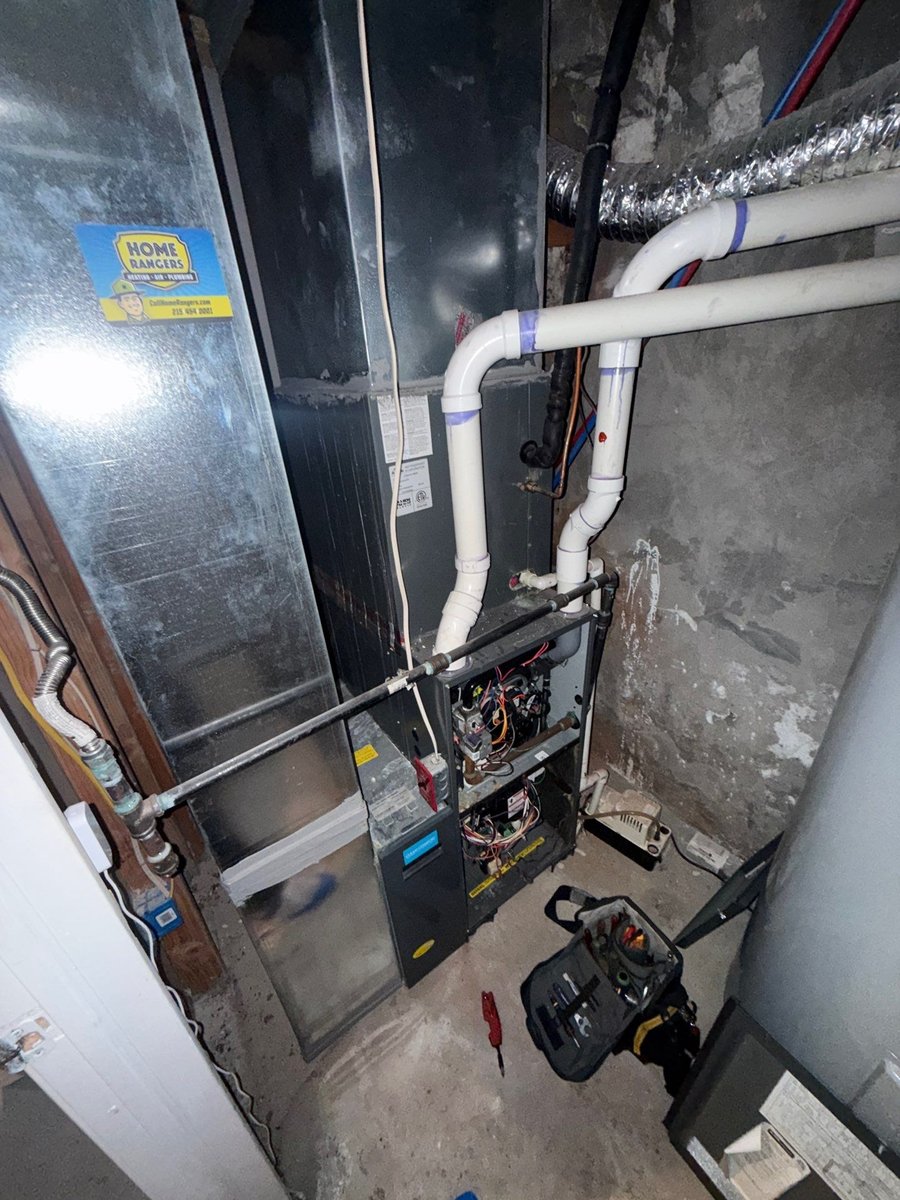
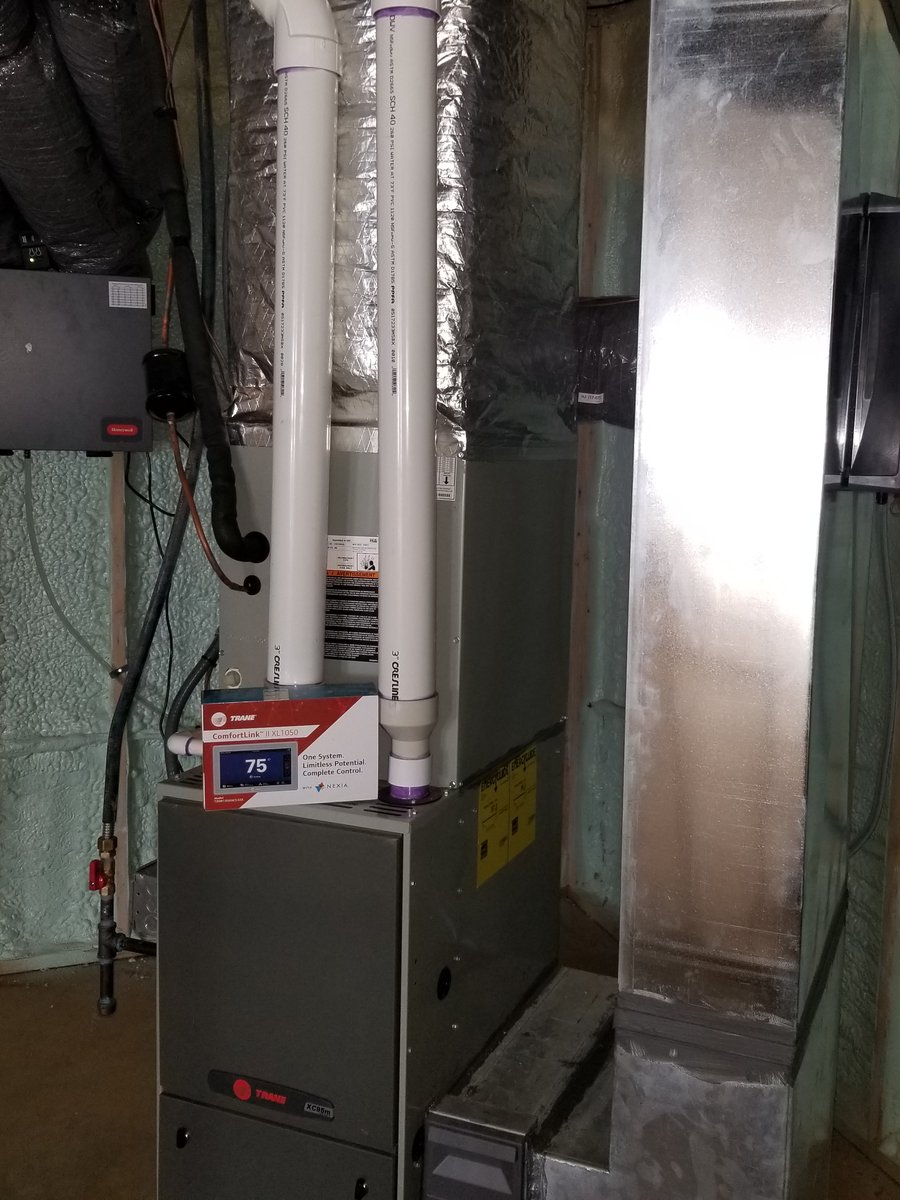
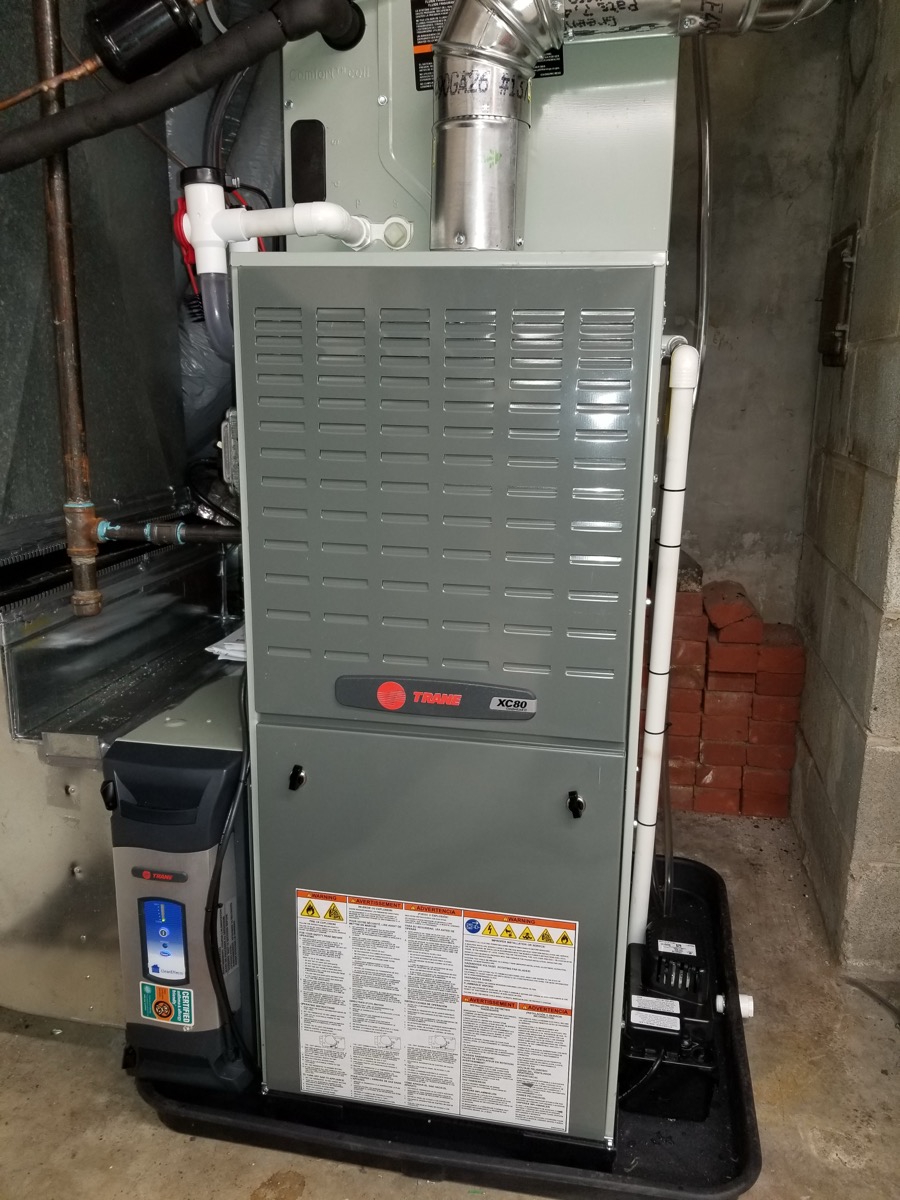
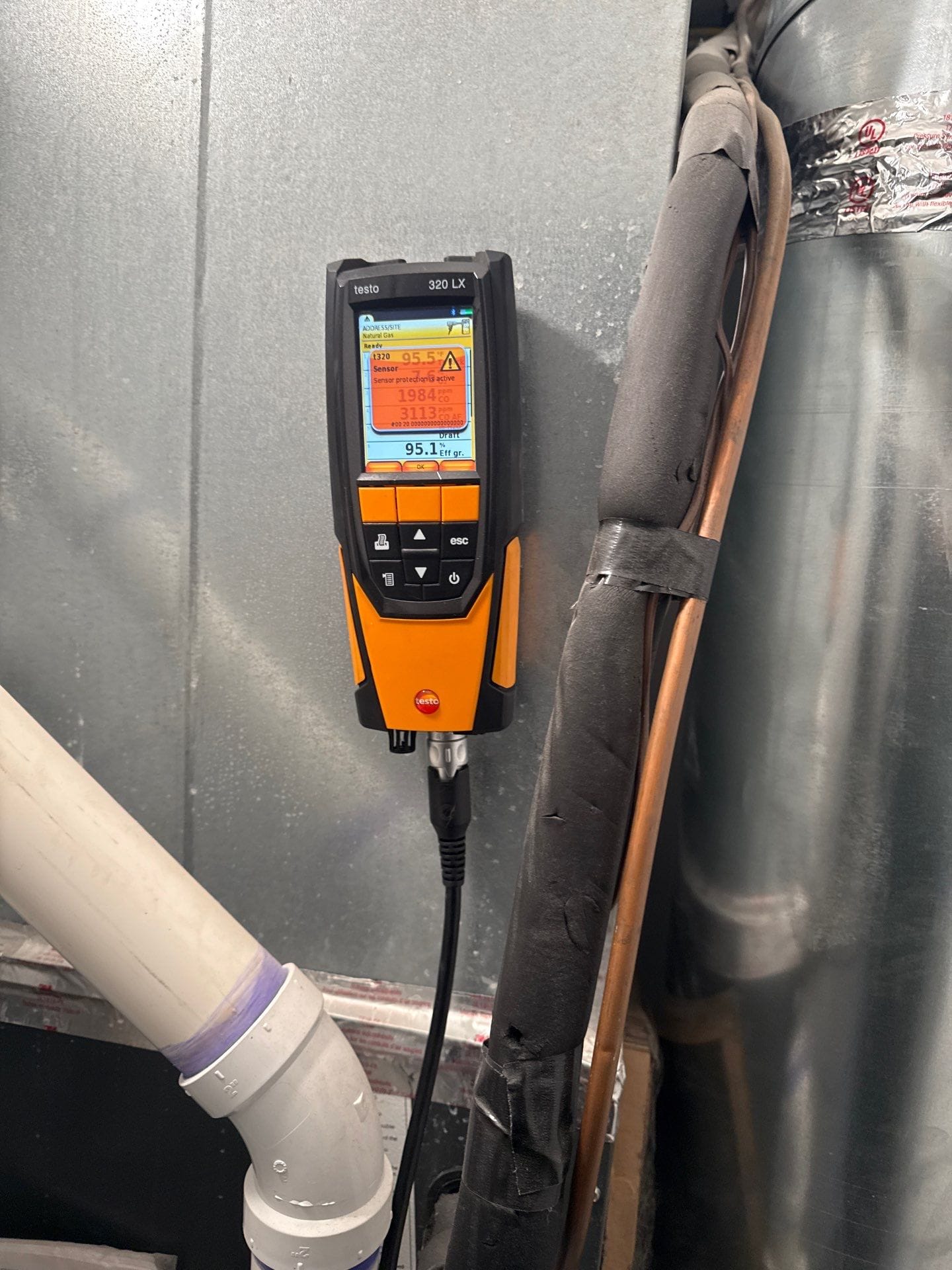
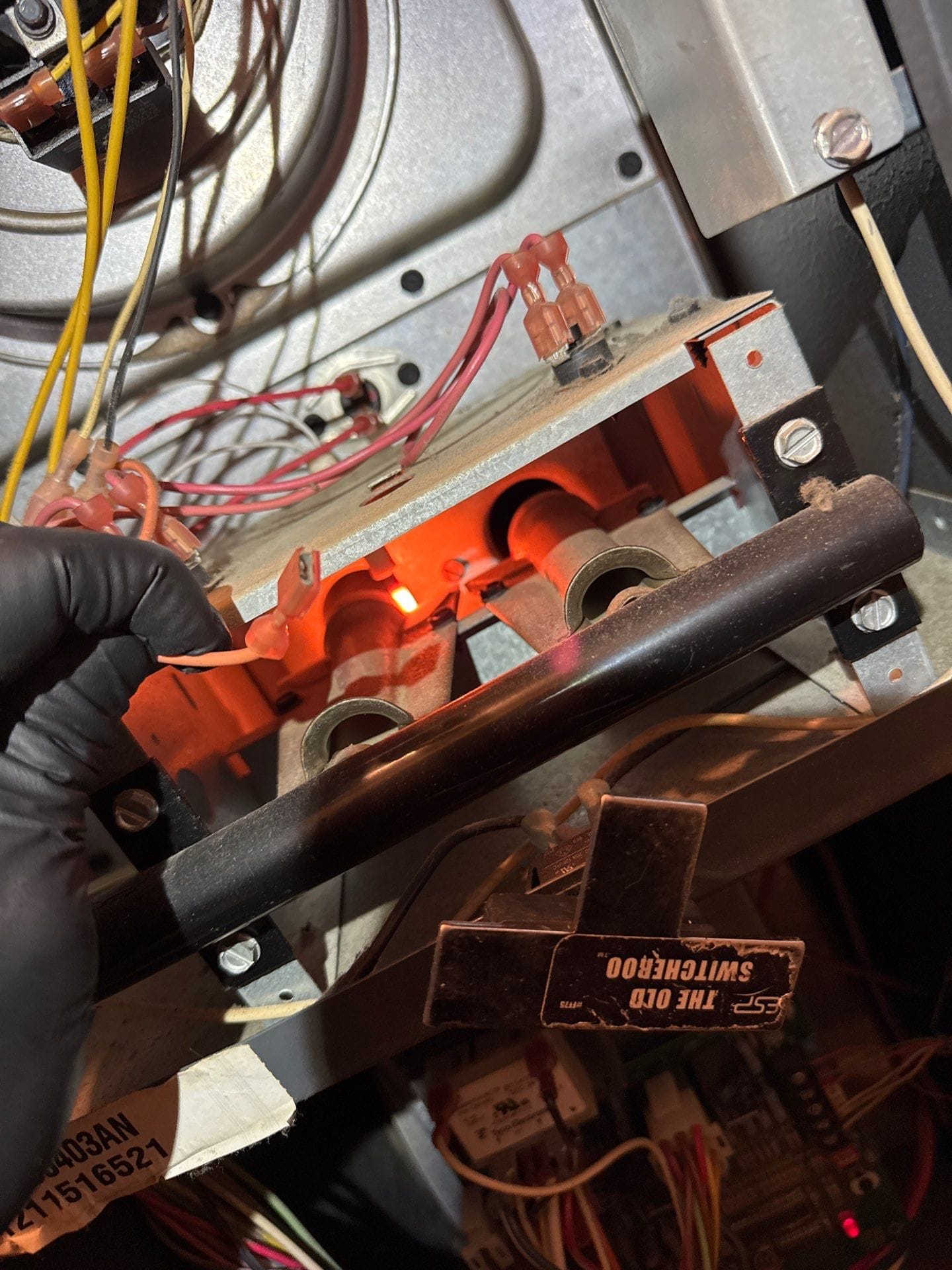
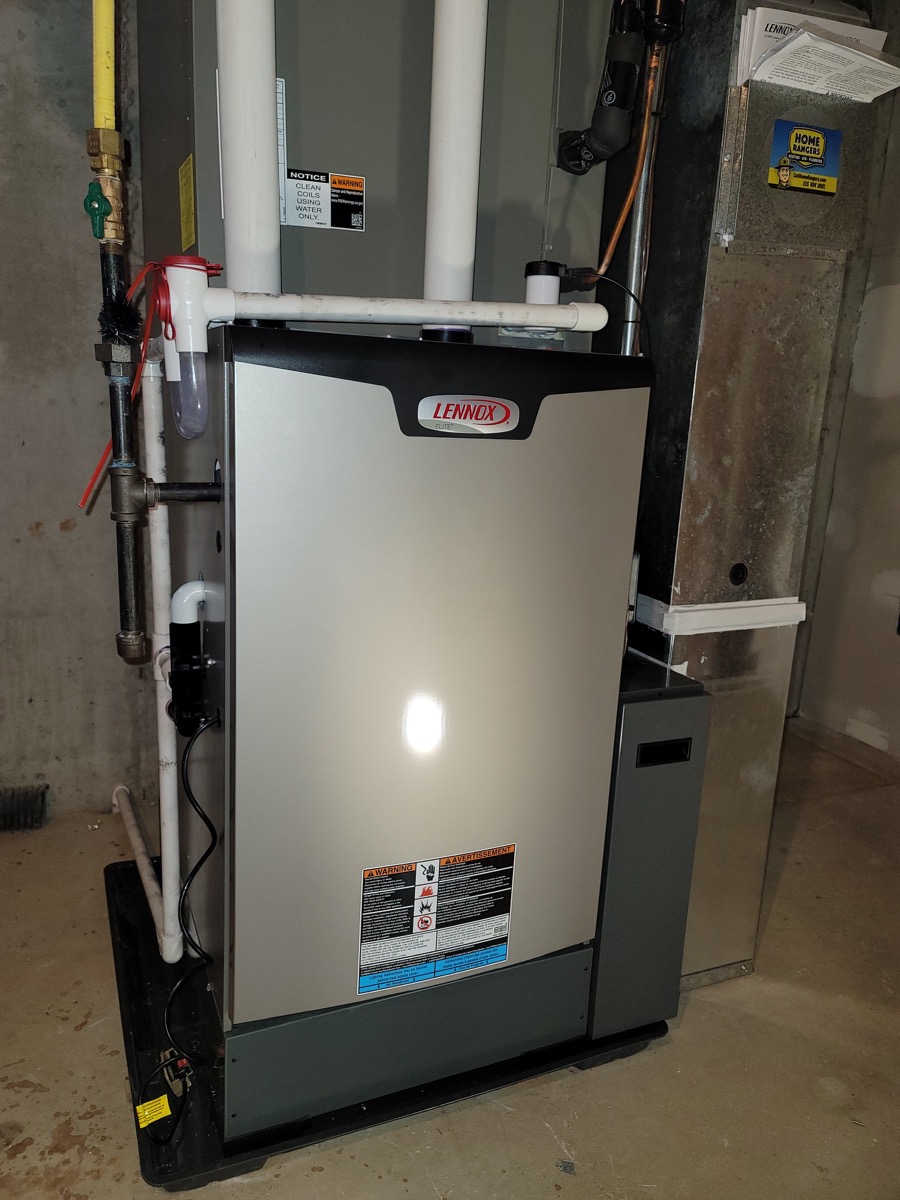
The photos below show common areas involved in blowing cold air problems, especially when blowing cold air appears suddenly: thermostat controls, air filter and airflow paths, gas furnace components, burner inspection, combustion testing, and heating system review.


Frequently Asked Questions
Why is my furnace blowing cold air when the thermostat is on heat?
The most common causes are incorrect thermostat settings, fan set to On, a dirty air filter, ignition failure, gas supply trouble, or a safety switch stopping the burners. Start with safe thermostat and filter checks.
Can a dirty air filter make a furnace blow cold air?
Yes. A dirty air filter can restrict airflow, make the furnace overheat, and trigger a safety shutdown. The blower fan may keep running, which makes cold air come from the vents.
What does a dirty flame sensor do?
A dirty flame sensor may fail to confirm flame. The furnace can light briefly, shut the gas burner off, and then start blowing cold air. Flame sensor work should be handled with care.
Is a cracked heat exchanger dangerous?
A cracked heat exchanger can be dangerous because combustion gases may enter the air stream. Turn the system off if carbon monoxide alarms sound or you suspect a heat exchanger problem.
Need Help With A Furnace Blowing Cold?
Home Rangers can review furnace blowing cold air problems, thermostat setup, air filter condition, pilot light issues, flame-signal issues, fuel concerns, airflow, and furnace repair needs in Bucks County, Montgomery County, and nearby Philadelphia. License records include PA HIC #PA163523, Philadelphia Contractor #057677, NJ Master HVACR #19HC00033500, and DE Master HVACR #HM-0011370.
Request Heating Help