
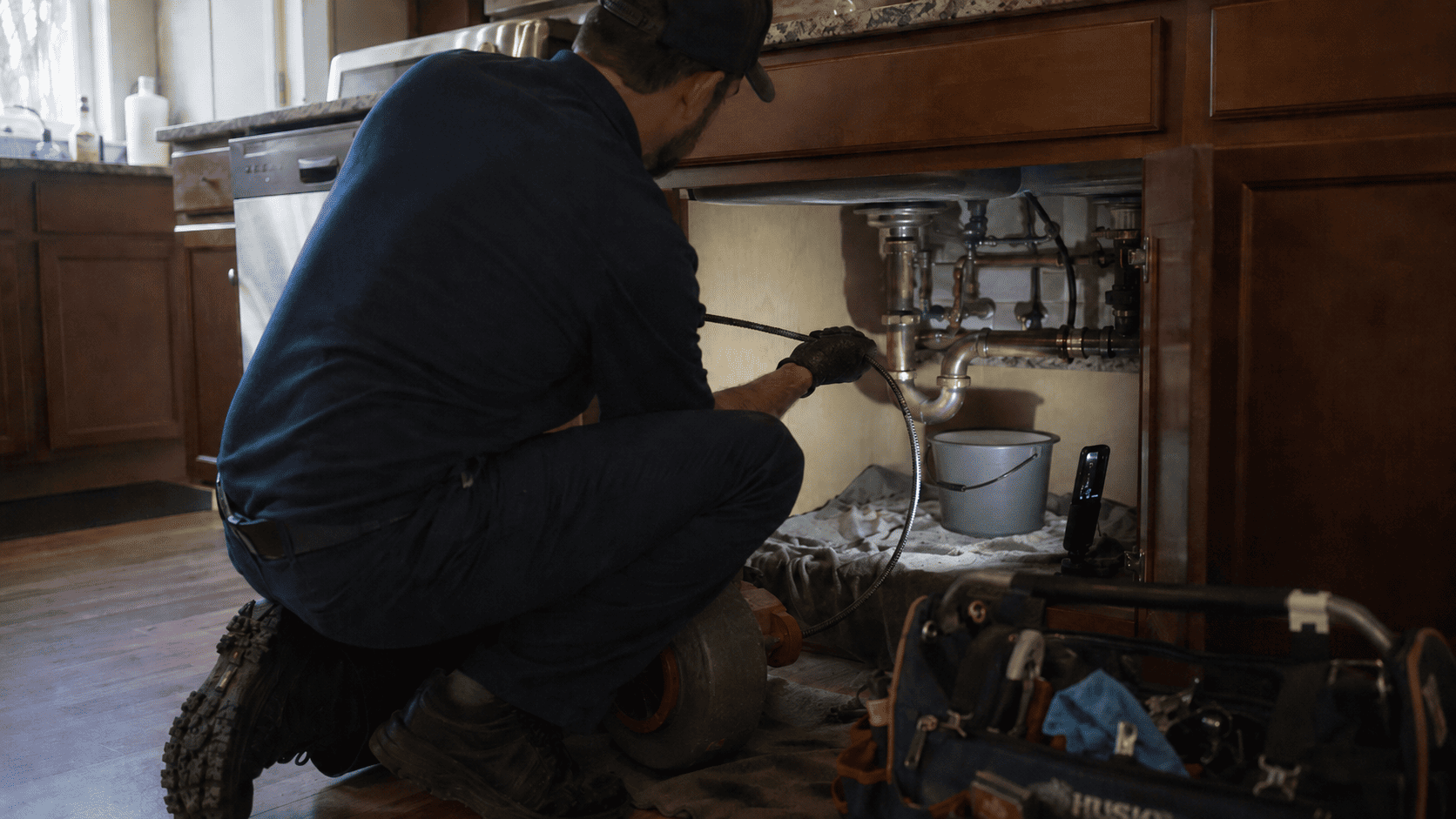
Professional drain cleaning costs $150 to $450 for most homes, with a national average of about $246. Simple sink and tub clogs sit at the low end, while a main sewer line blockage can run $800 or more. Industry cost data from Angi and HomeAdvisor puts the typical range at $147 to $352, and prices climb from there when the clog is deep in the line, needs hydro jetting, or turns out to be a damaged pipe rather than a blockage.
The problem for homeowners is that “drain cleaning” covers everything from a five-minute snake job at a bathroom sink to a two-hour sewer main clearing with a camera inspection. Those are not the same service, and they should not carry the same price. This guide breaks down what you should actually expect to pay in 2026 — by drain type, by cleaning method, and by the factors that quietly push a $180 job to $600.
Drain Cleaning Cost at a Glance
| Service | Typical Cost | What It Covers |
|---|---|---|
| Basic drain snaking (sink, tub, toilet) | $110–$275 | Accessible clog cleared with a powered auger |
| National average, all drain cleaning jobs | $246 | Most jobs fall between $147 and $352 |
| Main sewer line clearing | $200–$800 | Clog past the point where all fixtures join |
| Hydro jetting | $350–$900 | High-pressure scouring for grease and roots |
| Camera inspection | $250–$900 | Video diagnosis when clogs keep returning |
| Emergency or after-hours service | +$100–$350 | Nights, weekends, holidays, active backups |
One number matters more than the average: the diagnostic fee. Most plumbers charge $59 to $150 just to come out and look, and many apply it toward the repair if you approve the work. At Home Rangers, that visit is $49 during regular business hours and credited toward the repair — so you are not paying to find out what is wrong before you decide anything.
Drain Cleaning Cost by Drain Type
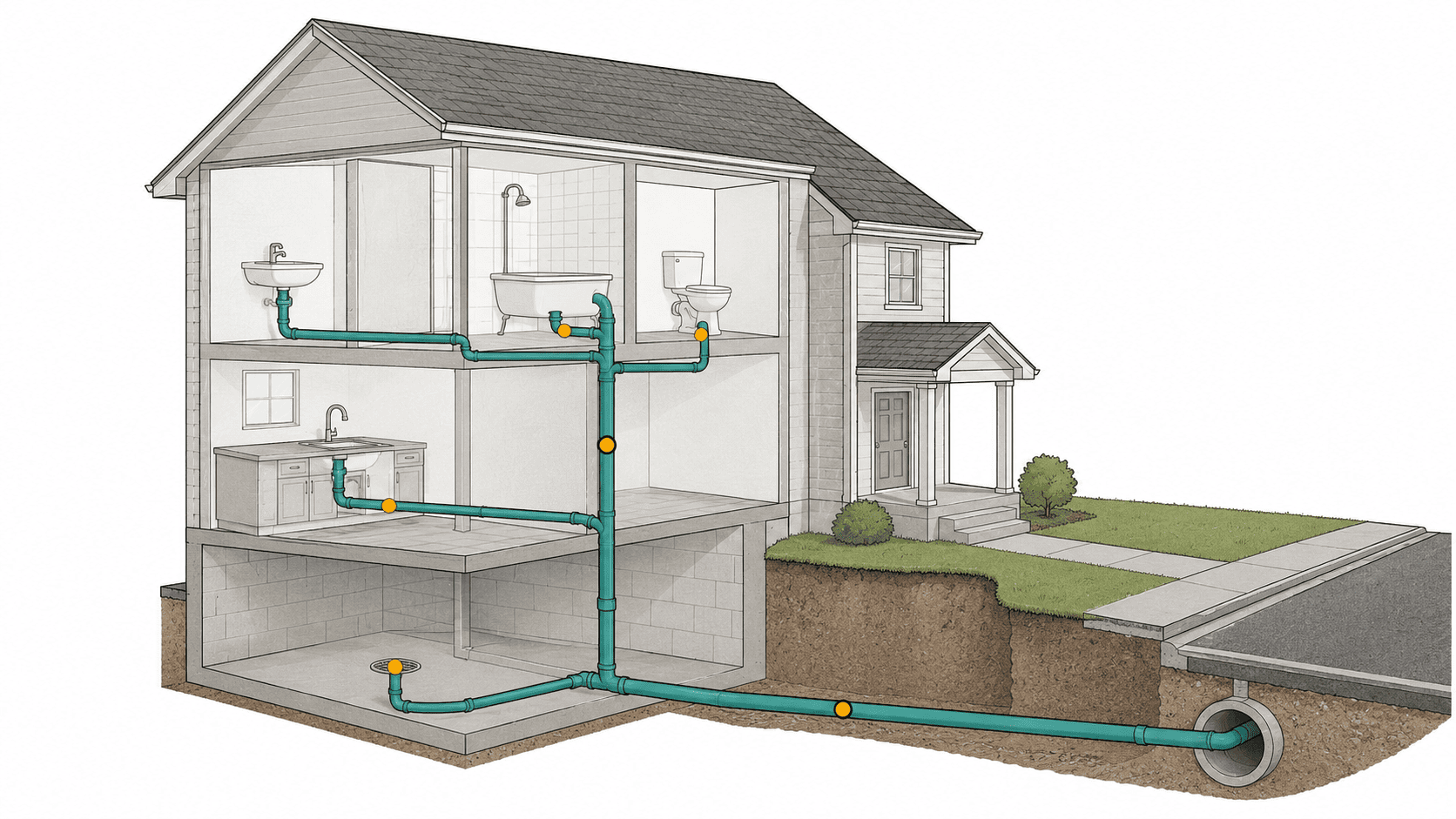
Where the clog sits is the single biggest driver of price. A blockage two feet down from a sink trap is a different job — different tools, different time, different bill — than one sitting forty feet out under the front yard.
| Drain | Typical Cost | Common Cause |
|---|---|---|
| Kitchen sink / garbage disposal | $110–$215 | Grease, food scraps, soap buildup |
| Bathroom sink | $110–$225 | Hair, toothpaste, soap scum |
| Bathtub or shower | $200–$275 | Hair and soap binding into a plug |
| Toilet | $110–$275 | Wipes, hygiene products, foreign objects |
| Basement floor drain | $150–$400 | Sediment, laundry lint, sump discharge issues |
| Main sewer line | $200–$800 | Tree roots, grease, collapsed or bellied pipe |
Kitchen and Bathroom Fixtures: The Cheapest Calls
Individual fixture drains are the low end of the range because access is easy and the clog is usually within a few feet of the opening. A tech pulls the trap or feeds a small auger through the cleanout and the job is done in under an hour. If your garbage disposal is the actual culprit rather than the pipe, budget $60 to $300 in parts plus labor for a replacement unit.
Tubs and Showers Cost More Than They Look
Shower drains average around $225 — higher than a sink, even though the clog is usually just hair. The reason is access: tub and shower lines often run through a P-trap under the floor with no cleanout nearby, so the tech works through the drain opening or an overflow plate. That takes longer.
Main Sewer Line: Where Costs Jump
If more than one fixture is backing up, water rises in the shower when you flush, or you hear gurgling from a drain you are not using, the problem is not that fixture — it is the main line. Clearing it runs $200 to $800 depending on how far out the blockage sits and whether roots are involved. This is also the point where professional sewer line cleaning stops being optional maintenance and becomes urgent: a fully blocked main puts raw wastewater back into your lowest fixtures, which is a same-day call for an emergency plumber rather than a scheduled appointment.
Recurring Clogs Cost the Most of All
Paying $200 three times a year to clear the same drain is $600 spent on a symptom. When a line clogs on a predictable schedule, something structural is behind it — a sag in the pipe, a root intrusion, or a section that has lost its slope. Clearing it again buys a few months; a targeted drain repair or replacement fixes the cause. The math usually favors the repair by the second or third callback.
Not sure if your slow drain needs a professional fix? If water is backing up in more than one fixture, your drains gurgle when you run the washing machine, or the same sink clogs every few months, these are not isolated problems. Home Rangers can quickly identify whether you are dealing with a simple blockage or a deeper line issue, clear it properly, and help you decide whether a cleaning or a lasting repair makes the most sense for your home.
Drain Cleaning Cost by Method
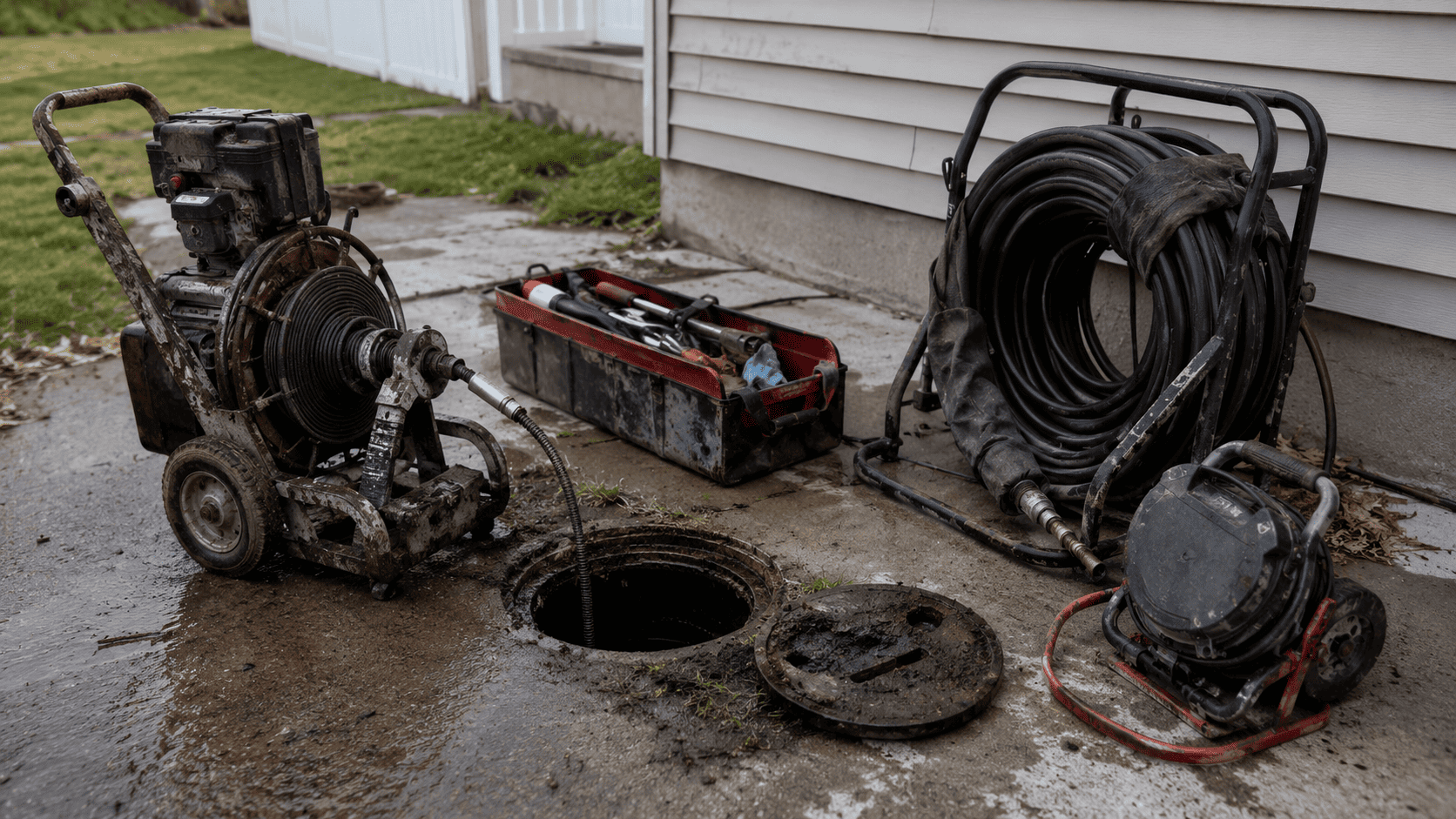
Two plumbers can quote very different numbers for the same clogged line because they are proposing different work. Knowing which method your drain actually needs is the fastest way to tell a fair quote from an inflated one.
| Method | Typical Cost | Best For |
|---|---|---|
| Drain snaking / augering | $110–$300 | Hair, soap, food waste, single fixture clogs |
| Heavy-duty sewer machine | $200–$500 | Main line clogs, root cutting, long runs |
| Hydro jetting | $350–$900 | Grease buildup, scale, recurring blockages |
| Camera inspection | $250–$900 | Diagnosing why a line keeps clogging |
| Store-bought chemical cleaner | $8–$25 | Very little — see below |
Snaking: The Default First Move
A powered auger feeds a rotating cable down the line and either breaks the clog apart or pulls it out. It is fast, it handles the large majority of household clogs, and it is why most drain calls land in the $150–$300 range. Its limitation is that it punches a hole through the blockage rather than cleaning the pipe wall — so if grease coats the inside of your kitchen line, snaking restores flow but leaves the buildup behind.
Hydro Jetting: More Expensive, Longer Lasting
A jetter pushes water through the line at up to 4,000 PSI, scouring the pipe back to bare wall. Expect $350 to $900, roughly double a standard snaking. It costs more because the equipment is larger, setup takes longer, and the line usually needs a camera check first to confirm the pipe can handle the pressure. For a restaurant-grade grease problem or a line that keeps closing up every six months, hydro jetting is often cheaper over two years than three separate snaking visits.
Camera Inspection: When It Is Worth Paying For
A sewer camera inspection costs $250 to $900 as a standalone service, and it is the one line item homeowners most often skip and later regret. It is worth it when clogs keep coming back, when you are buying a home with mature trees near the sewer lateral, or when a plumber recommends a major repair and you want to see the evidence yourself. It is not worth it for a first-time hair clog in a shower.
Chemical Drain Cleaners: The Costly “Cheap” Option
A $12 bottle of caustic cleaner is the most expensive thing you can pour down a drain. These products generate heat, damage older metal and some plastic pipes, rarely clear a full blockage, and leave a caustic slurry sitting in the line that a plumber then has to work around safely. If hot water and a plunger have not worked, the next step is mechanical removal — not a second bottle.
Stuck with a backed-up drain and need fast, local help? When wastewater is coming up through a floor drain or a tub, waiting days for an appointment is not an option. Home Rangers provides rapid emergency drain and sewer service with completely upfront pricing. Our local, licensed plumbers are dispatched quickly to locate the blockage, clear it safely, and get your home back in working order today.
What Actually Drives Your Final Bill
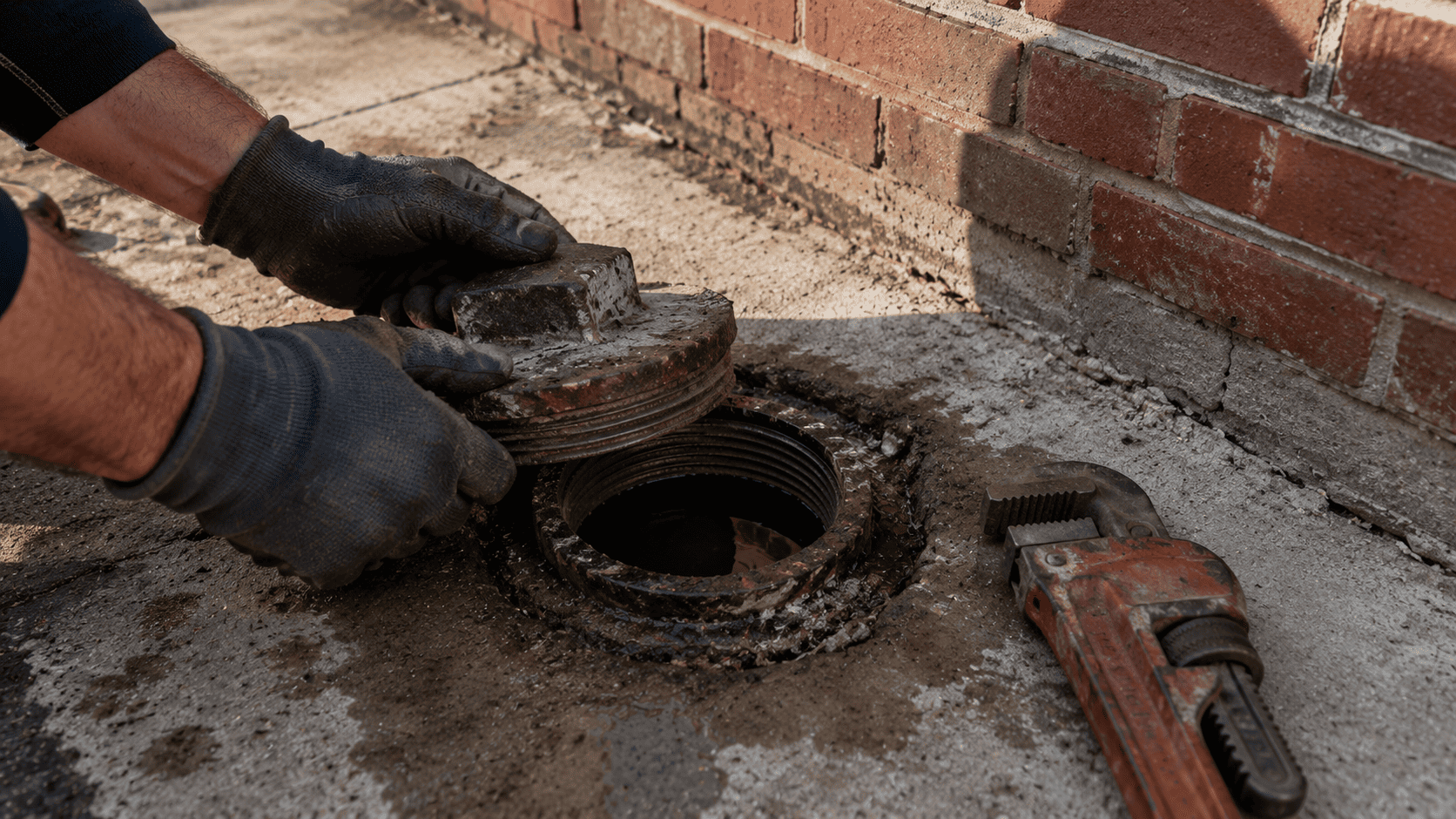
Two homes on the same street can pay $180 and $560 for what sounds like the same clogged kitchen line. These are the variables that explain the gap.
Flat Rate vs. Hourly Billing
Most established companies quote a flat rate per drain: you know the number before work starts, and a difficult clog does not inflate it. Hourly plumbers typically charge $75 to $200 per hour plus a trip charge, which is cheaper on a five-minute job and considerably more expensive on a stubborn one. Ask which model you are being quoted under before the tech starts working — this single question prevents most billing surprises.
Cleanout Access
A home with an accessible exterior or basement cleanout gets a straightforward job. A home without one means the plumber has to pull a toilet, work through a roof vent, or open a wall to reach the line — adding one to two hours of labor and often $100 to $250 to the total. If your house has no cleanout, having one installed during a repair visit pays for itself the next time anything backs up.
Time of the Call
Nights, weekends, and holidays carry a premium of roughly $100 to $350 over standard rates. A slow drain can wait until Monday morning. Wastewater rising in a floor drain cannot. Knowing which category you are in is worth a few hundred dollars.
Pipe Age and Material
Homes across Bucks County built before the 1970s often run cast iron or clay drain lines. Cast iron corrodes and develops a rough interior that catches debris; clay joints separate and invite tree roots. Both take longer to clear and both call for a gentler approach, since aggressive cabling can crack a brittle line. Newer PVC systems clear faster and cost less to service.
How Long You Waited
A drain that has been slow for three weeks is a different job than one that stopped yesterday. Partial blockages compact over time, and the standing water behind them accelerates corrosion and buildup. Calling at the first gurgle usually keeps you in the $150–$250 range; calling once the fixture stops entirely often does not.
Location and Company Type
National franchises tend to price 20% to 40% above independent local plumbers for identical work, largely to cover advertising and franchise fees. Regional rates matter too — the Philadelphia metro area, including Bucks and Montgomery County, runs modestly above the national average on labor. What matters more than the logo on the truck is whether the company is licensed, insured, and willing to put the price in writing first.
Get an accurate, itemized cost estimate for your drain work. Avoid the guesswork of an open-ended plumbing bill. Home Rangers locates the blockage, confirms whether the line needs clearing or repair, and reviews access and labor needs so you get a clear, transparent total before any work begins. If the pipe itself turns out to be the problem, we will show you the camera footage and walk through your repair options — including financing on larger jobs.
When Drain Cleaning Isn’t the Fix
Sometimes a camera reveals that the line is not blocked so much as broken. Clearing it will restore flow for a while, but the clog is a symptom, not the problem. These are the repair costs that sit on the other side of that diagnosis.
| Repair | Typical Cost |
|---|---|
| Tree root removal from sewer line | $100–$1,000 |
| Drain pipe replacement (section) | $200–$1,200 |
| Sewer trap replacement | $200–$325 |
| Cracked or broken sewer line repair | $1,300–$5,000 |
| Bellied (sagging) pipe repair | $1,500–$3,000 |
| Collapsed line, per linear foot | $50–$250 |
The number that catches people off guard is trenching — $400 to $1,200 for a standard-depth line, and up to $24 per linear foot for deep or utility-crowded runs. That is the excavation alone, before any pipe work. It is also the reason to ask specifically about trenchless pipe repair, which rehabilitates the line through existing access points and skips most of the digging, the driveway restoration, and the landscaping bill that follows a full excavation.
If the damage runs the length of the lateral rather than one section, full sewer line replacement becomes the more economical path. A good plumber will show you the footage and explain why — not just hand you the larger number.
How to Spend Less on Drains
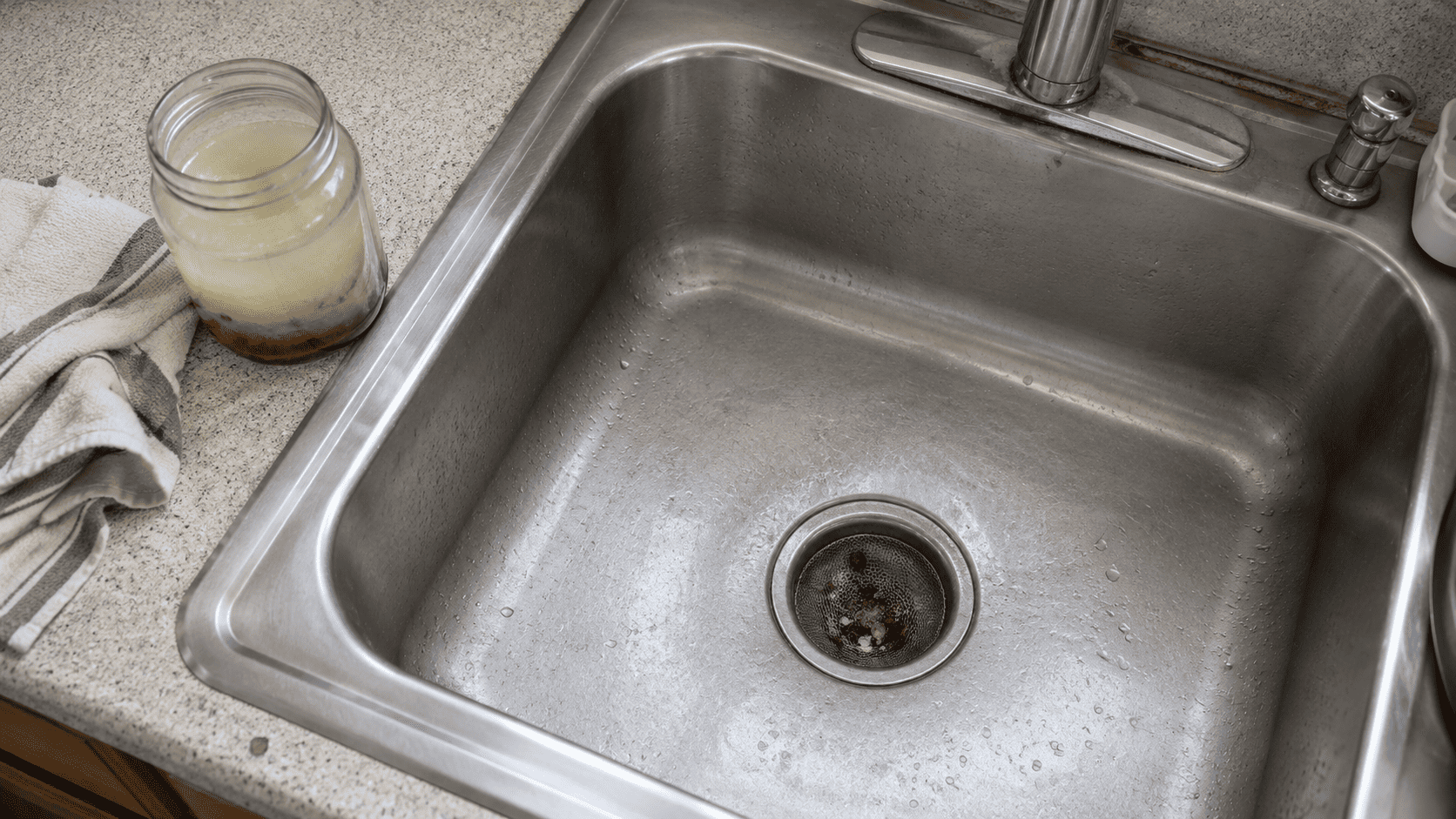
Most of what keeps drain costs down is unglamorous and free.
- Screen every drain. A $5 mesh strainer in each shower and sink stops the hair and food debris responsible for the majority of fixture clogs.
- Never pour grease down a sink. It liquefies going in and solidifies twenty feet down the line, where it becomes the most expensive kind of clog to clear.
- Flush only toilet paper. “Flushable” wipes do not break down and are one of the leading causes of main line blockages.
- Run hot — not boiling — water weekly. Keep it under 140°F if you have PVC lines.
- Call at the first slow drain. Early intervention keeps you in the low end of every price range in this guide.
- Schedule preventive service if you have mature trees or pre-1970s pipes. An annual line cleaning costs a fraction of an emergency backup and the water damage that comes with it.
For homes with a known history of recurring clogs, a maintenance plan covers scheduled inspections and priority scheduling, which is usually cheaper than paying emergency rates once or twice a year. And if you are weighing drain work alongside other aging systems, it is worth reviewing your whole home plumbing setup at once rather than solving one pipe at a time.
Frequently Asked Questions
How much do plumbers charge for drain cleaning?
Most plumbers charge $150 to $450 per drain, with a national average around $246. Companies that bill hourly typically charge $75 to $200 per hour plus a trip or diagnostic fee. Flat-rate pricing is generally safer for the homeowner, since a difficult clog does not change the number you were quoted.
What is the average cost of drain cleaning?
The national average is about $246, with most jobs landing between $147 and $352 according to 2026 cost data from Angi and HomeAdvisor. Simple fixture clogs come in below that average; main sewer line work comes in above it.
Is professional drain cleaning worth the cost?
For a single hair clog in a shower, a plunger and a drain screen may be enough. For anything recurring, anything affecting multiple fixtures, or anything in the main line, a professional visit is worth it — mainly because a plumber can tell you whether you have a blockage or a broken pipe. Clearing a damaged line repeatedly costs far more over two years than diagnosing it once.
How long does drain cleaning take?
A simple, accessible clog often clears in five to thirty minutes. Main line work typically runs one to two hours, and longer if a camera inspection is needed to confirm the line is clear afterward.
Why is hydro jetting more expensive than snaking?
Snaking punches through a clog; hydro jetting scours the entire pipe wall clean. Jetting requires larger equipment, more setup time, and usually a camera check first to confirm the pipe can safely handle the pressure. It costs roughly double, but on grease-heavy or root-prone lines it holds up much longer between visits.
Do plumbers charge just to come out and look?
Most do — typically $59 to $150 — and many credit that fee toward the repair if you approve the work. Always confirm whether the diagnostic is credited before booking, since that detail alone can change the effective price of the visit by over $100.
Does homeowners insurance cover drain cleaning?
Standard policies do not cover routine drain cleaning or the cost of clearing a clog, since those fall under maintenance. Some policies cover resulting water damage from a sudden backup, and separate sewer backup endorsements exist. Check your specific policy language, and keep documentation of any professional service if you plan to file a claim.
Why does my drain keep clogging after it was cleaned?
Recurring clogs in the same line almost always point to a structural cause: a sagging section that holds standing water, root intrusion at a joint, corroded cast iron with a rough interior, or a pipe laid at the wrong slope. A camera inspection identifies which one, and that determines whether you need a repair or simply better habits at the sink.
Get your drains flowing again with expert local service.
Stop guessing what a clogged drain will cost you. Schedule a professional drain diagnostic with Home Rangers today to find the real cause of the blockage, get a written price before any work starts, and keep a slow drain from turning into a backup that damages your home.
Book My Drain Cleaning Appointment →
Or call us directly at (215) 454-0001