
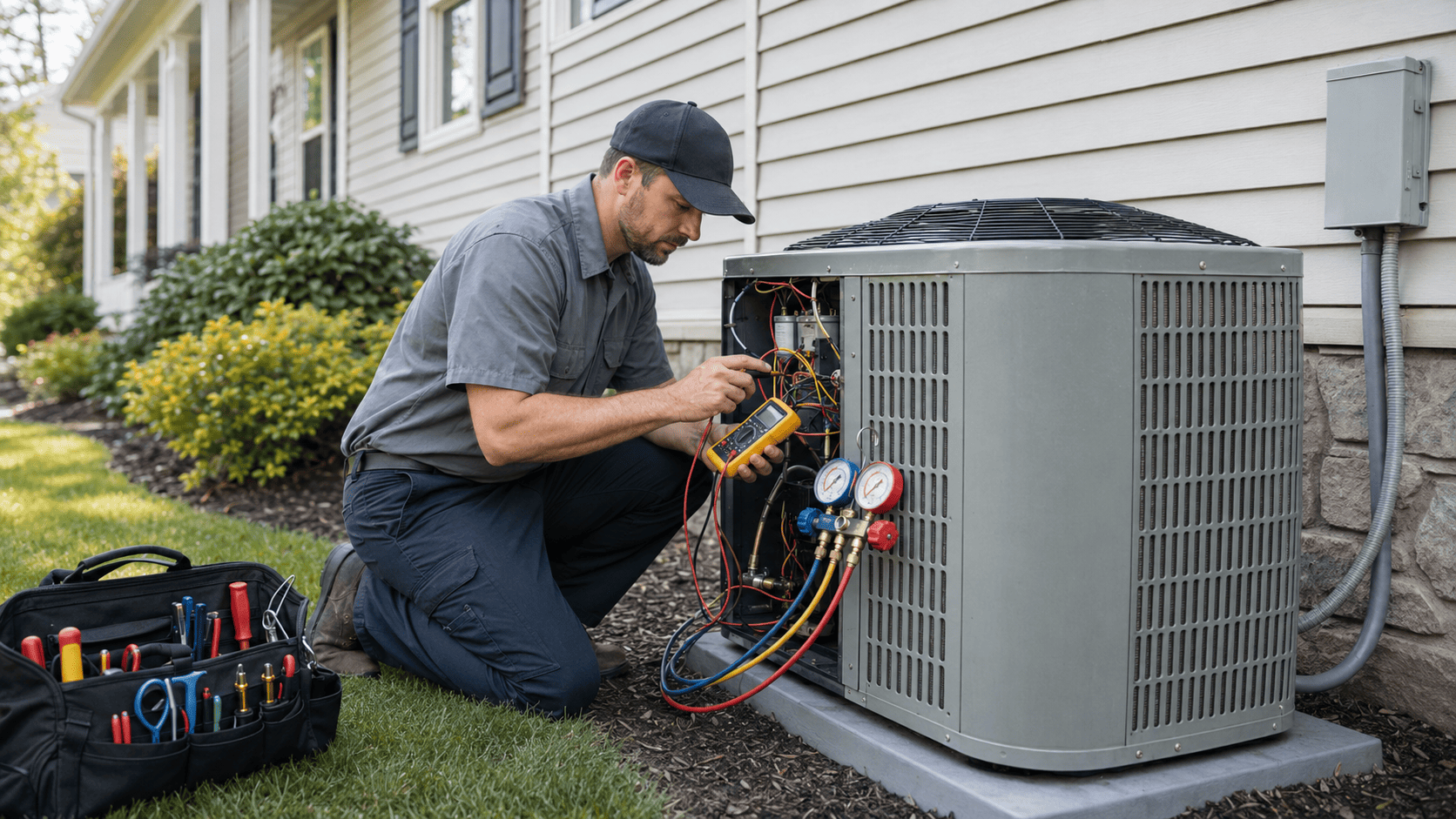
HVAC repair costs about $350 on average in the United States, while most service calls fall between $130 and $2,000. A simple drain-line cleaning or electrical fix may cost under $250, while replacing a compressor, coil, or heat exchanger can raise the bill to $1,000-$3,000 or more. Your actual price depends on the failed component, system type, equipment age, warranty coverage, local labor rates, and whether you need regular or same-day emergency service.
Average HVAC Repair Cost at a Glance
- Typical average: about $350
- Common overall range: $130-$2,000
- Minor repair: $100-$300
- Major repair: $1,000-$3,000+
- Refrigerant leak repair: $250-$1,600
These figures are national planning ranges, not fixed quotes. An HVAC technician must diagnose the system before confirming the repair price because the same symptom can have several causes. For example, an air conditioner that will not start may need an inexpensive capacitor, a control-board repair, or a costly compressor replacement.
This guide explains what homeowners usually pay to repair central air conditioners, furnaces, heat pumps, thermostats, ductwork, and refrigerant leaks. It also shows what affects the estimate, why HVAC repair can be expensive, when replacement may provide better value, and how maintenance can reduce the likelihood of avoidable breakdowns.
HVAC Repair Cost by Problem or Part
The cost to repair an HVAC system varies more by the failed component than by the symptom you notice. The estimates below include common parts and professional labor, but diagnostic charges, equipment accessibility, brand-specific components, and regional pricing may change the final total.
| HVAC repair | Typical cost range |
|---|---|
| Thermostat replacement | $150-$350 |
| Capacitor replacement | $100-$250 |
| Contactor, fuse, or relay replacement | $100-$300 |
| Ignitor replacement | $150-$300 |
| Flame sensor cleaning or replacement | $80-$250 |
| Circuit or control board replacement | $200-$650 |
| Condensate drain-line cleaning | $75-$250 |
| Blower or fan motor replacement | $200-$900 |
| Inducer motor replacement | $400-$1,100 |
| Refrigerant leak detection and repair | $250-$1,600 |
| Evaporator or condenser coil replacement | $600-$2,800+ |
| Compressor replacement | $800-$3,000+ |
| Heat exchanger repair or replacement | $500-$3,000 |
| Ductwork repair | $500-$2,000 |
A low-cost repair generally involves a small accessible part and limited diagnostic time. A higher invoice often involves an expensive component, refrigerant recovery and recharge, difficult access, extensive testing, or several related failures. Prices may also be higher for variable-speed, communicating, geothermal, or older systems that require specialized or difficult-to-source parts.
Why the Same Symptom Can Produce Different Repair Bills
If the furnace runs but does not heat, the cause could be a dirty flame sensor, failed ignitor, gas-valve problem, control-board fault, or damaged heat exchanger. Likewise, weak airflow could result from a clogged filter, failing blower motor, dirty coil, leaking duct, or an incorrectly operating zone control. A price given before diagnosis therefore represents only a rough range.
Ask whether an estimate includes the service call, diagnostic testing, parts, labor, refrigerant, disposal, permit fees, and applicable warranties. An itemized quote makes it easier to compare proposals and prevents a low initial figure from being confused with the complete repair cost.
Not sure which HVAC repair your system needs? The same symptom can point to a minor electrical issue, an airflow problem, or a major component failure. Home Rangers can inspect your equipment, identify the actual cause, and explain the recommended repair and its cost before work begins.
Average HVAC Repair Cost by System Type
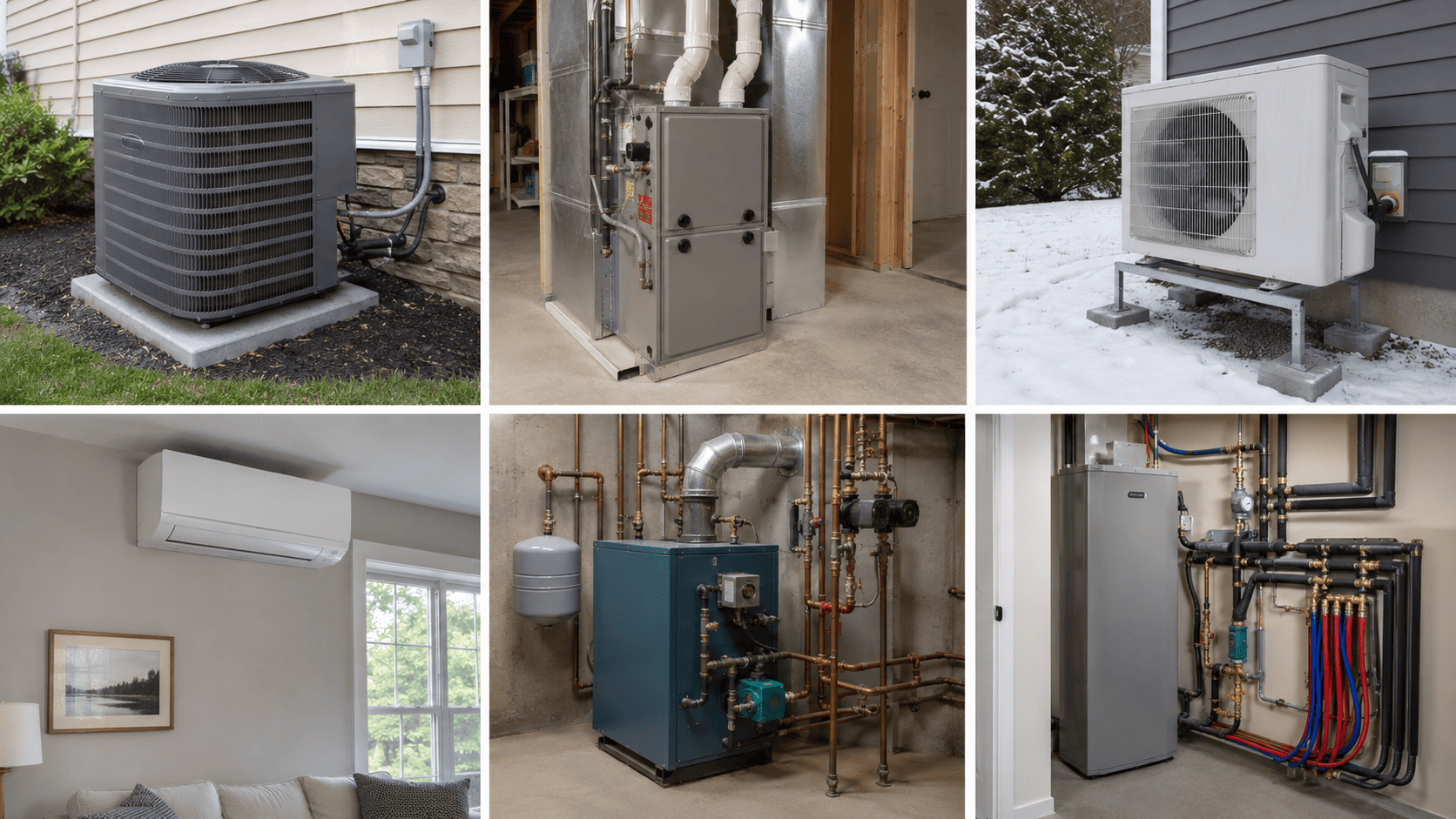
HVAC is a broad category that includes cooling, heating, ventilation, and combination systems. Repair costs differ because each system uses different components, fuel sources, and diagnostic procedures.
| System type | Typical repair cost |
|---|---|
| Central air conditioner | $150-$650 for common repairs |
| Gas or electric furnace | $130-$500 for common repairs |
| Heat pump | $150-$1,000 |
| Ductless mini-split | $200-$1,500 |
| Boiler | $200-$1,000 |
| Geothermal system | $300-$2,000+ |
These ranges represent common service situations rather than every possible failure. Replacing a major component can exceed the upper figure shown.
Air Conditioner Repair
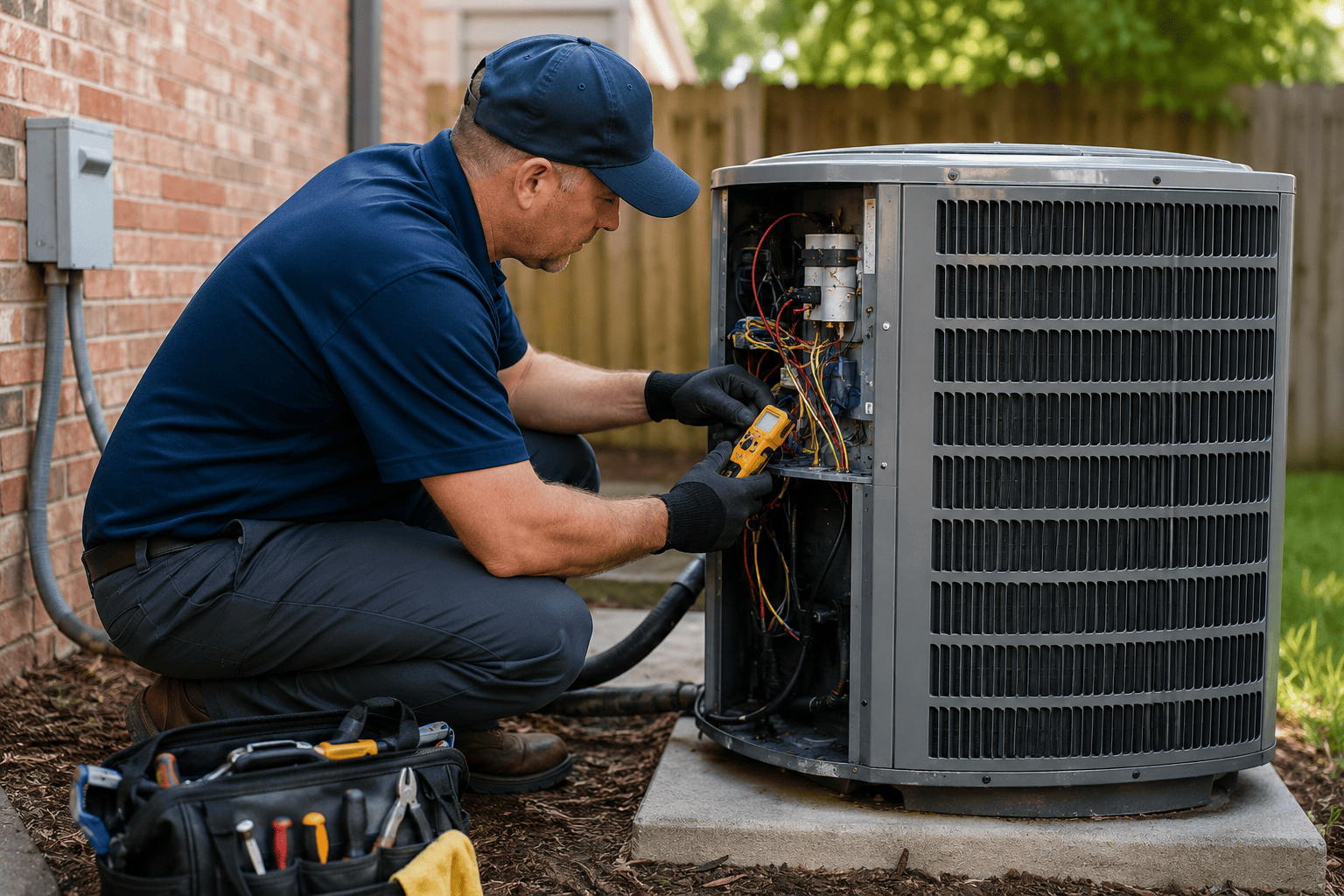
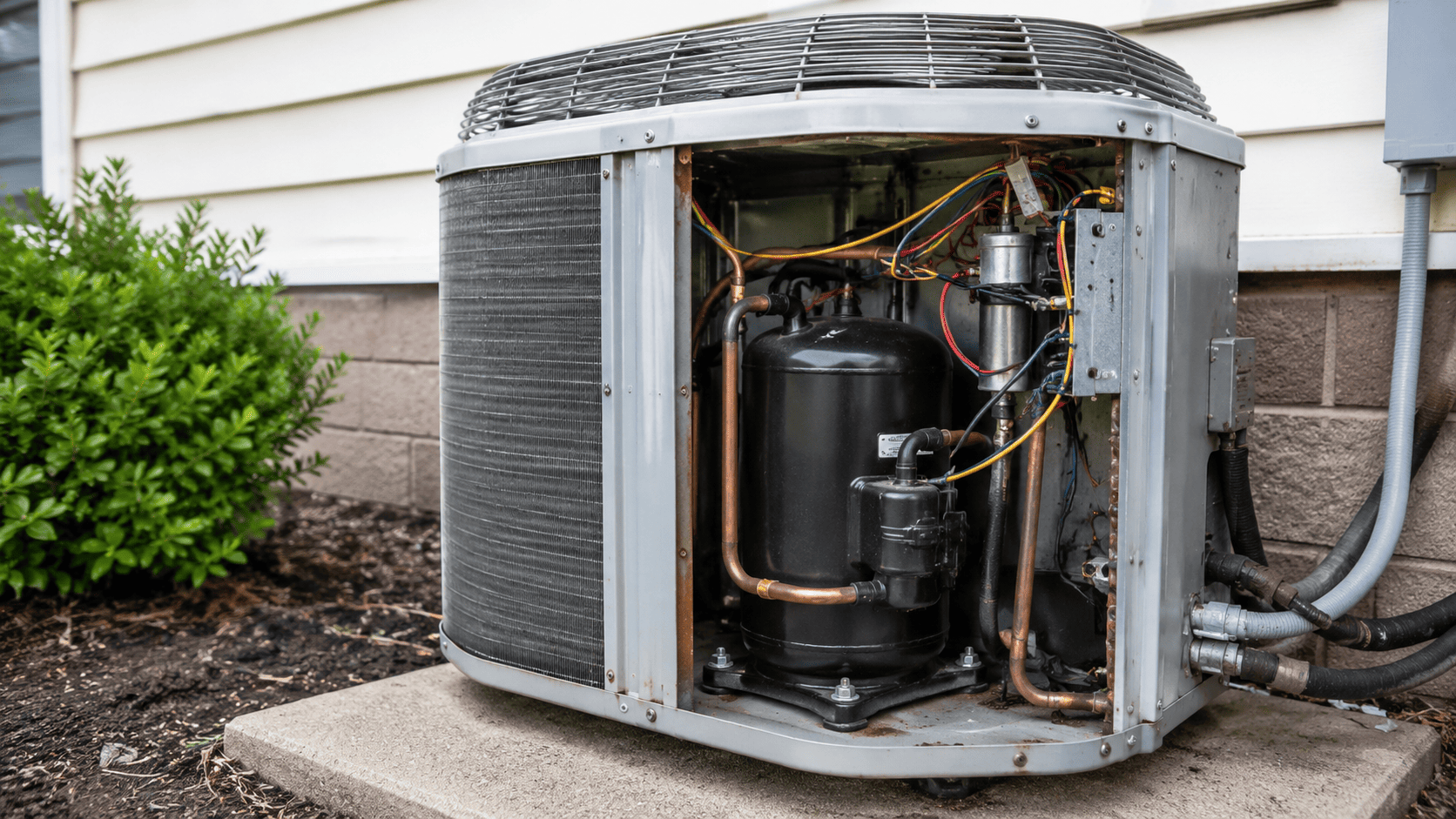
Common central AC repairs include replacing capacitors, contactors, fan motors, control boards, condensate pumps, and clogged drain lines. Most straightforward jobs remain below $650. Compressor or coil replacement, extensive refrigerant work, and repairs involving inaccessible equipment can cost well over $1,000.
Furnace Repair
Minor furnace problems often involve the ignitor, flame sensor, pressure switch, thermostat, or limit switch. Repairing a blower assembly, inducer motor, gas valve, control board, or heat exchanger generally costs more. Fuel-burning furnaces also require safety testing to rule out combustion, venting, and carbon monoxide hazards.
Heat Pump and Mini-Split Repair
Heat pumps provide both heating and cooling, so troubleshooting may involve refrigerant components, reversing valves, defrost controls, electrical parts, or the indoor air handler. Ductless mini-splits can require brand-specific electronic boards and sensors. Multiple indoor heads add diagnostic time because the technician may need to test each zone.
Boiler and Geothermal Repair
Boiler costs depend on whether the problem involves pumps, valves, controls, ignition, pressure, or a leaking component. Geothermal repairs can become more expensive when the issue involves underground loops, water flow, or specialized equipment. A thermostat or accessible control fault costs far less than excavation or major loop work.
Service Call, Labor, and Same-Day HVAC Repair Costs
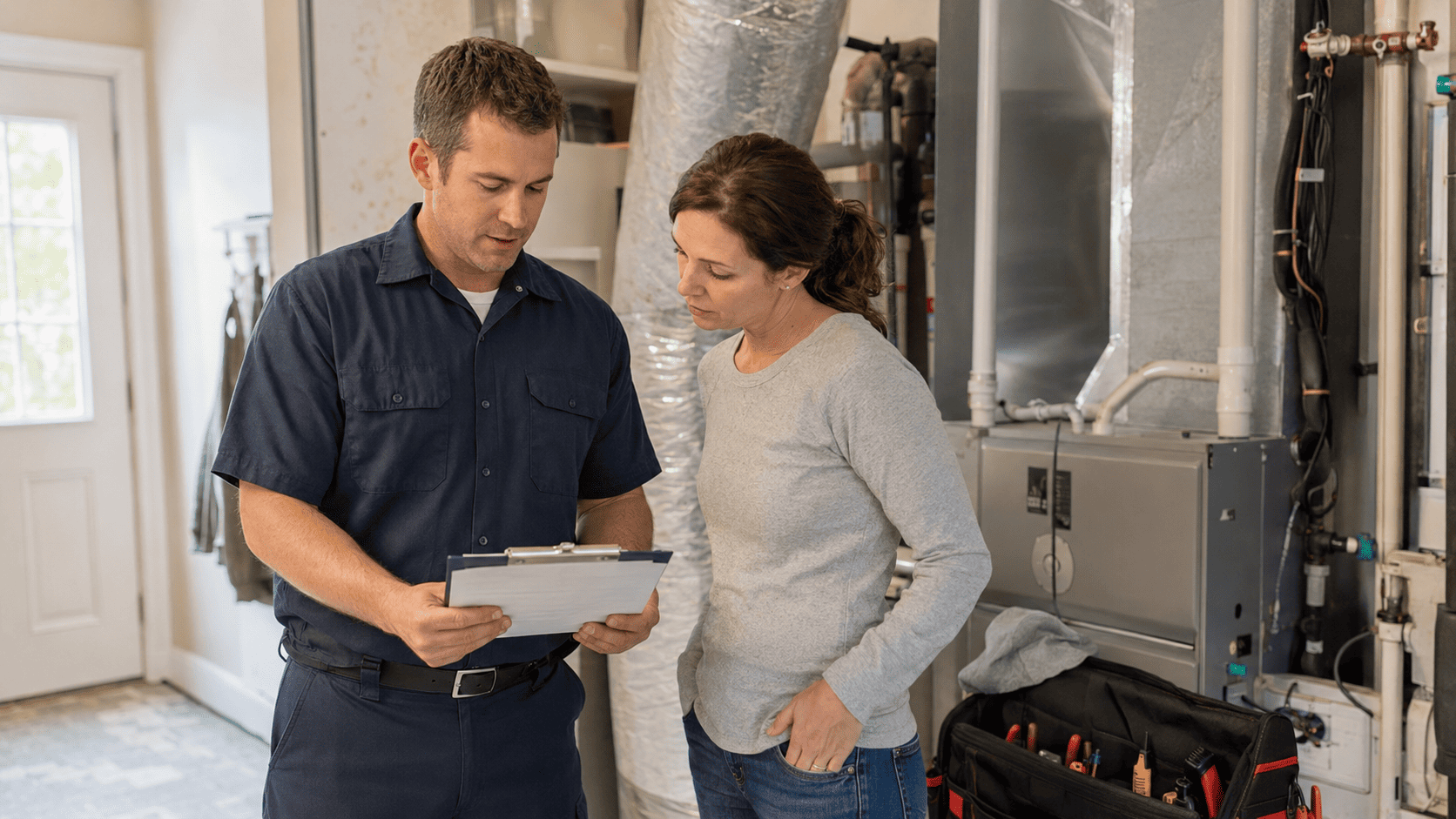
An HVAC repair bill usually combines a diagnostic or service-call charge with the cost of parts and labor. Some contractors quote labor separately, while others use flat-rate pricing based on the diagnosed repair. Always ask how the company structures its estimate before authorizing work.
Diagnostic and Labor Charges
A standard HVAC service call commonly costs about $75-$200. This pays for the technician’s travel, initial inspection, testing, and identification of the problem; it does not necessarily include the repair. Some companies apply the diagnostic fee toward approved work, while others charge it separately.
When labor is billed by time, rates commonly fall between $75 and $150 per hour, although specialized work and higher-cost markets may exceed that range. The time spent on a job includes more than installing a part. The technician may need to test electrical circuits, measure airflow and refrigerant performance, verify combustion safety, find the underlying cause, and confirm correct operation after the repair.
How Much Is Same-Day HVAC Repair?
Same-day HVAC repair does not have one universal surcharge. During normal business hours, you may pay the regular service-call and repair rate if a technician and the required part are available. After-hours, weekend, holiday, or emergency visits may add approximately $75-$250 or use a higher dispatch and labor rate.
The total same-day price therefore depends on two separate questions: how quickly a technician can arrive and what is actually wrong with the system. An urgent capacitor replacement may remain a few hundred dollars, while an emergency compressor or coil failure can still cost several thousand dollars.
Questions to Ask Before Booking
- What is the diagnostic or dispatch fee?
- Is that fee credited toward an approved repair?
- Is there an after-hours or same-day surcharge?
- Will I receive the complete price before work begins?
- Are parts and labor covered by a repair warranty?
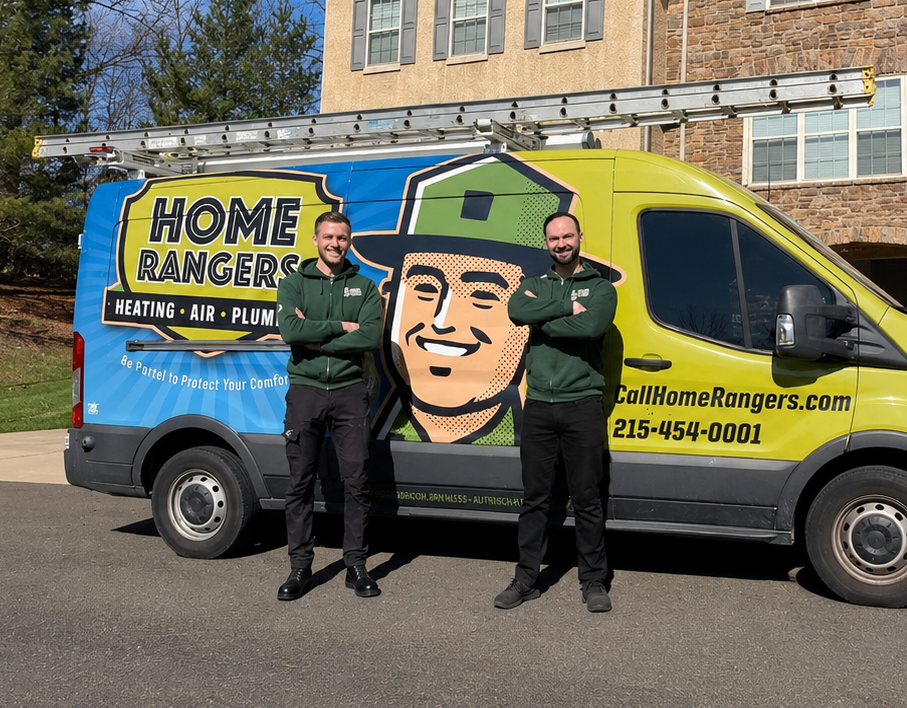
Need same-day help with an HVAC breakdown? Home Rangers diagnoses AC, furnace, heat pump, thermostat, airflow, and control problems throughout Bucks County, Montgomery County, and nearby communities. Our technicians identify the failure and explain the available repair options before authorized work begins.
How Much Does HVAC Leak Repair Usually Cost?
An HVAC leak repair typically costs $250-$1,600 when refrigerant is escaping from an air conditioner or heat pump. The average complete job is often around $800, but the final price depends on where the leak is located, how difficult it is to find, whether a coil or line must be replaced, and how much refrigerant the system needs afterward.
| Leak-related service | Typical cost range |
|---|---|
| Refrigerant leak detection only | $100-$330 |
| Accessible refrigerant-line repair and recharge | $250-$750 |
| General refrigerant leak repair | $250-$1,600 |
| Evaporator or condenser coil replacement | $600-$2,800+ |
| Condensate drain clearing | $75-$250 |
| Drain pan or condensate pump repair | $100-$400 |
What Is Included in Refrigerant Leak Repair?
A proper repair may include electronic leak detection or pressure testing, access to the damaged area, sealing or replacing the leaking component, evacuation, refrigerant recharge, and performance testing. Adding refrigerant without locating the leak is not a complete repair. A sealed HVAC system should not routinely lose refrigerant, so repeated recharging indicates an unresolved problem.
A small accessible line leak may be repairable at the lower end of the range. If the leak is inside an evaporator coil, condenser coil, or other major component, replacement may be necessary. Refrigerant type also matters: phased-out or less readily available refrigerants can be more expensive, and systems cannot simply be filled with a different refrigerant without an approved conversion or compatible equipment.
Water Leaks Cost Less in Many Cases
Water near an indoor unit does not automatically mean refrigerant is leaking. Common causes include a clogged condensate drain, cracked drain pan, failed condensate pump, frozen evaporator coil, or improper drainage. Clearing a drain is relatively inexpensive, but water damage or a failed coil can make the overall project considerably more costly. Turn the system off if water is reaching electrical components or damaging the home, then arrange professional diagnosis.
What Factors Affect the Cost of HVAC Repair?
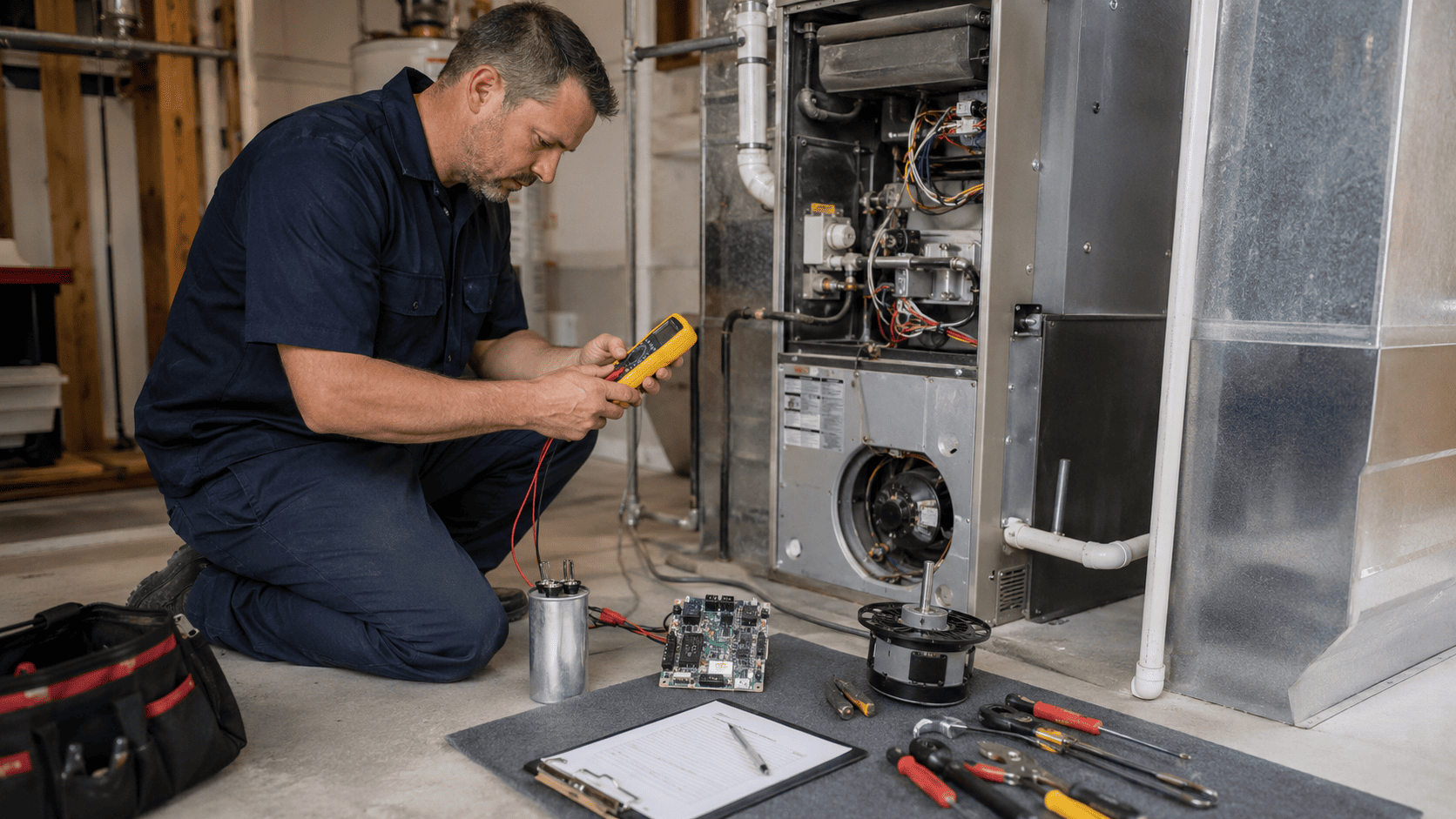
The failed part is usually the largest cost factor, but it is not the only one. A reliable estimate accounts for the equipment, the home, the timing of the visit, and the work required to restore safe operation.
- Type and complexity of the repair. Cleaning a sensor or replacing a capacitor requires less time and material than replacing a compressor, coil, heat exchanger, or variable-speed motor.
- System type. Standard furnaces and central air conditioners often use familiar components. Boilers, geothermal systems, ductless equipment, communicating systems, and high-efficiency units may require specialized testing or parts.
- Equipment age and condition. Older systems may have discontinued components, corrosion, previous modifications, or several worn parts. Additional work may be necessary to make the completed repair reliable.
- Brand and parts availability. Original equipment manufacturer components, proprietary controls, and special-order parts can cost more and take longer to obtain than widely available replacements.
- Warranty coverage. A manufacturer warranty may cover an eligible replacement part but not diagnostics, shipping, refrigerant, or labor. Labor warranties and maintenance requirements vary, so confirm the terms before assuming the repair is free.
- Accessibility. Equipment in a cramped attic, crawl space, roof location, finished enclosure, or difficult mechanical room can require more labor than an easily reached unit.
- Refrigerant type and quantity. Leak repairs may include detection, recovery, component repair, evacuation, and recharge. The system’s refrigerant and required charge directly affect material costs.
- Local labor and permit requirements. Technician rates differ by market. Certain electrical, gas, duct, or equipment changes may also require permits or inspections under local rules.
- Timing and urgency. Nights, weekends, holidays, and extreme-weather demand can increase dispatch or labor charges. A regular appointment during business hours usually provides more predictable pricing.
The home’s square footage alone does not determine repair cost. System capacity can affect refrigerant quantity and component pricing, but technicians must first identify the failed part and the work required. The most useful estimate is therefore written, itemized, and based on an on-site diagnosis rather than a price offered from symptoms alone.
Why Is HVAC Repair So Expensive?
HVAC repair pricing reflects more than the visible replacement part. Licensed technicians work with high-voltage electricity, pressurized refrigerant, gas combustion, drainage, airflow, and controls. The service price supports training, diagnostic instruments, insurance, vehicles, stocked parts, travel, code compliance, and the time required to verify that the system operates safely after the repair.
A small component can also require extensive troubleshooting. Replacing the first part associated with a symptom may not solve the underlying failure. Accurate electrical measurements, refrigerant tests, combustion analysis, and airflow checks reduce the risk of repeat breakdowns or damage to a new component.
Should You Repair or Replace the HVAC System?
Repair is generally easier to justify when the system has been reliable, the failed part is available, warranty coverage remains, efficiency is acceptable, and the repair cost is modest compared with replacement. Replacement deserves consideration when equipment is near the end of its expected service life, requires frequent repairs, uses expensive or obsolete components, operates inefficiently, or has a major failure outside warranty.
Do not base the decision on age alone. Compare the current repair estimate with the installed cost of appropriate replacement equipment and consider recent repair spending, energy use, comfort problems, warranty terms, and the condition of the remaining system. If only one component is being replaced, confirm that it will be compatible with the equipment that remains.
Request Both Options When the Repair Is Major
For a failed compressor, leaking coil, damaged heat exchanger, or another repair costing thousands of dollars, ask for a written repair proposal and a separate replacement proposal. Each should identify included labor, parts or equipment, warranty coverage, permits, and additional work. This provides a meaningful comparison of total cost instead of relying on a sales rule or a single headline price.
How Can You Lower HVAC Repair Costs?
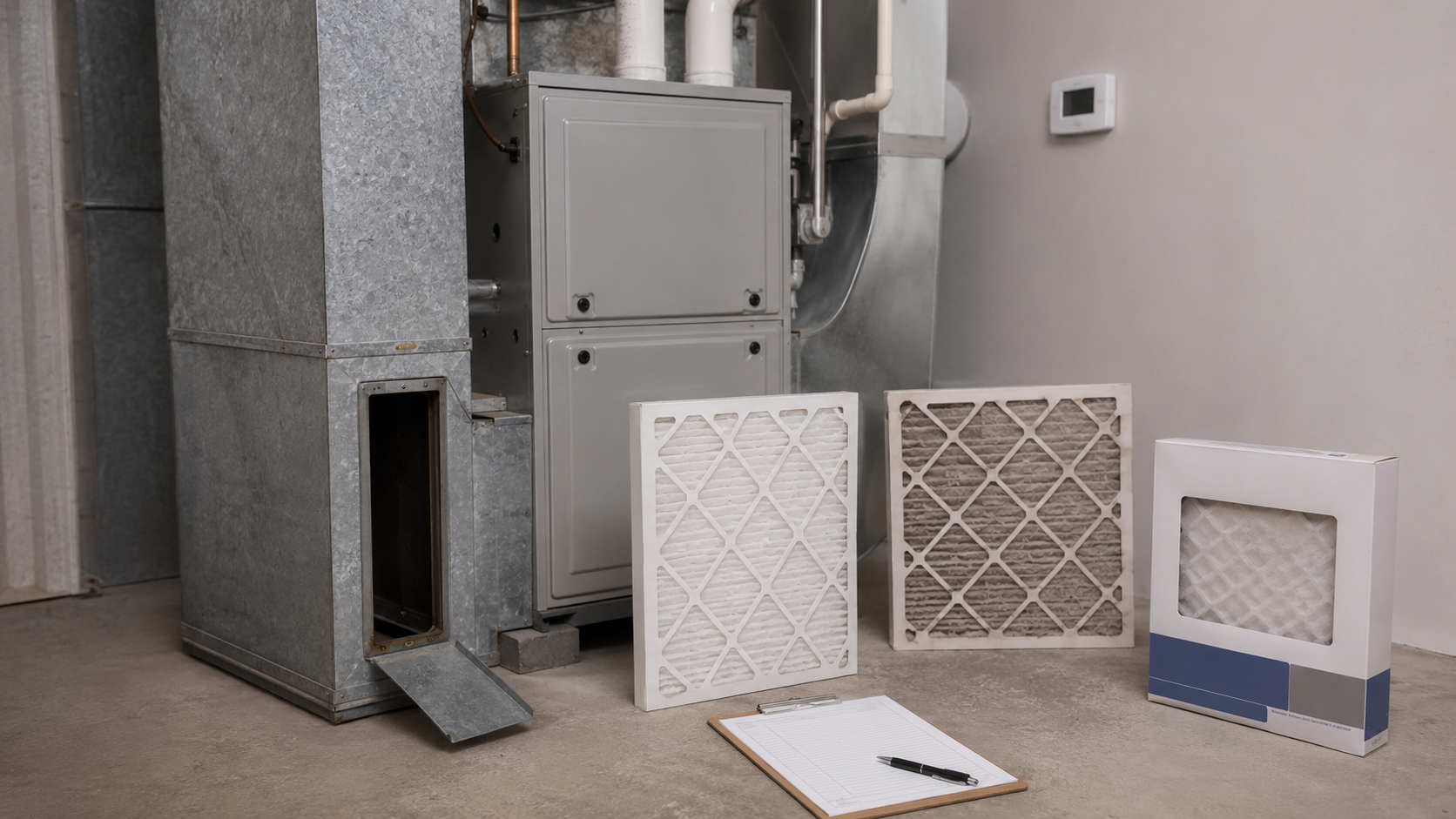
- Respond to warning signs early. Unusual sounds, short cycling, weak airflow, water, burning odors, and declining performance can develop into more expensive failures when ignored.
- Check warranty coverage. Before approving a major part replacement, locate the equipment model, serial number, installation records, and warranty terms.
- Request an itemized estimate. Confirm what is included for diagnostics, parts, labor, refrigerant, permits, and warranties. Compare the same scope of work when reviewing quotes.
- Avoid parts swapping without diagnosis. The cheapest proposed repair is poor value if it addresses a symptom instead of the cause.
- Keep equipment accessible. Remove stored items and vegetation around service areas without opening panels or touching electrical components.
Get a clear estimate before approving your HVAC repair. Home Rangers evaluates the system, identifies the failed component, and explains the recommended work so you can understand what is included in the price. If the repair is substantial, we can also help you compare repair and replacement options.
How HVAC Maintenance Can Save on Repair Costs
Maintenance cannot prevent every component failure, but it can identify developing problems before they cause a shutdown or damage other parts. A professional visit may include inspecting electrical connections, testing operating performance and safety controls, checking drainage, evaluating airflow, cleaning appropriate components, and identifying abnormal wear.
Homeowners can support the system by replacing or cleaning filters according to the equipment and filter instructions, keeping outdoor units clear of debris, leaving supply and return vents unobstructed, and monitoring changes in comfort or energy use. Do not open electrical or refrigerant circuits yourself.
Routine service also creates a documented history that helps distinguish a new problem from a recurring one. Schedule maintenance before peak heating and cooling seasons when possible, and arrange diagnosis promptly if the system begins operating differently.
HVAC Repair Cost FAQ
How Much Does an Average HVAC Repair Cost?
The national average is about $350. Many common repairs cost between $130 and $650, while major component replacements can reach $1,000-$3,000 or more. Diagnosis is necessary for an accurate price.
Does the Service-Call Fee Include the Repair?
Usually, the service-call or diagnostic fee covers the visit and troubleshooting. Parts and repair labor may be additional. Some contractors credit the fee toward approved work, so ask before scheduling.
Can a Technician Quote HVAC Repair by Phone?
A company can provide a planning range, but a firm quote normally requires on-site testing. Similar symptoms can result from different electrical, airflow, refrigerant, fuel, or control problems.
Is HVAC Repair Covered by Homeowners Insurance?
Coverage depends on the policy and cause of damage. Sudden damage from a covered event may qualify, while wear, poor maintenance, and age-related failure generally do not. Review your policy and contact the insurer before assuming coverage.
Get a Clear HVAC Repair Estimate
Home Rangers provides HVAC diagnosis and repair throughout Bucks County, Montgomery County, Philadelphia, and surrounding Pennsylvania communities. Our technicians evaluate the symptom, explain the findings, and present repair options before work begins. For AC, furnace, heat pump, thermostat, airflow, or control problems, schedule service online or call (215) 454-0001.
Schedule HVAC Repair Service →
Or call us directly at (215) 454-0001