

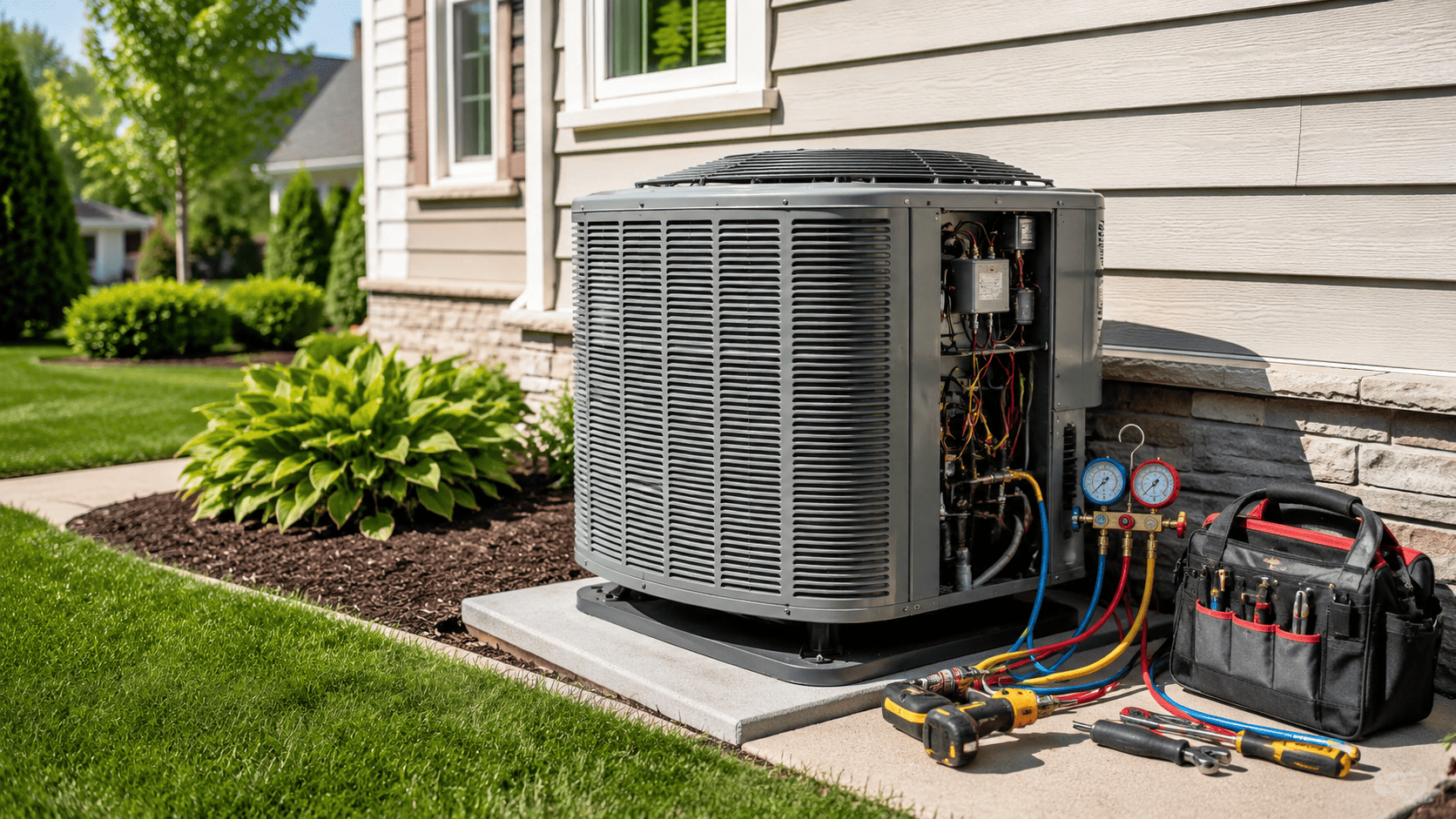
If you are asking, “how much is an AC tune-up?”, the typical cost for a standard home AC tune-up is usually $75 to $200. A more detailed service visit may cost $200 to $350+, especially if your system is older, hard to access, has not been maintained in a while, or needs deeper cleaning, diagnostics, or minor repairs.
For most homeowners, an AC tune-up is a planned maintenance visit, not an emergency repair call. The goal is to check how the cooling system is running before hot weather puts it under heavy stress. During a proper tune-up, an HVAC technician should inspect cooling performance, airflow, electrical components, thermostat operation, condenser condition, drain safety, refrigerant performance, and the general condition of the system.
The final price depends on several factors: your AC type, system age, size, location, accessibility, service level, seasonal demand, and whether the technician finds repair needs during the appointment. A basic tune-up for a central air conditioner usually costs less than servicing a ductless mini-split with multiple indoor heads or an older system that needs more time and testing.
This guide explains how much an AC tune-up costs, what is normally included, what may cost extra, how to avoid overpaying, and when it makes sense to schedule maintenance. It is written for homeowners who want a clear answer before booking service, comparing quotes, or deciding whether annual AC maintenance is worth it.
For homeowners in Bucks County, Montgomery County, nearby Philadelphia, and surrounding communities, scheduling AC maintenance before peak summer heat can help reduce surprise breakdowns, improve comfort, and give you a clearer picture of your system’s condition before it has to run every day.
How Much Does an AC Tune-Up Cost?
The average AC tune-up cost for a residential cooling system is usually between $75 and $200 for a standard maintenance visit. If the system needs a more detailed inspection, deeper cleaning, refrigerant diagnostics, or extra time because of age or poor condition, the price may reach $200 to $350 or more.
So, how much is an AC tune-up for most homeowners? In many cases, a basic visit includes checking system operation, cleaning accessible components, inspecting electrical parts, testing airflow, reviewing thermostat performance, and looking for signs of wear before they turn into larger repair issues.
The price can change depending on the type of air conditioner, the size of the system, how easy it is to access the equipment, and whether the service is scheduled during peak cooling season. A single central AC system is usually less expensive to tune up than a larger home comfort system with multiple zones, ductless mini-splits, or older equipment that needs additional testing.
| AC Tune-Up Type | Estimated Cost | What It Usually Includes |
|---|---|---|
| Basic AC Tune-Up | $75–$150 | General system inspection, thermostat check, filter check, basic cleaning, and performance review. |
| Standard AC Maintenance Visit | $150–$200 | More complete inspection of electrical components, condenser condition, airflow, drain line, refrigerant performance, and cooling operation. |
| Detailed AC Service Visit | $200–$350+ | Recommended for older systems, neglected units, hard-to-access equipment, or systems showing cooling, noise, drainage, or airflow problems. |
| AC Tune-Up With Minor Repairs | $200–$500+ | Includes maintenance plus small repair items such as replacing a capacitor, clearing a drain issue, correcting loose wiring, or addressing worn parts. |
It is important to separate the tune-up cost from repair costs. A tune-up is mainly preventive maintenance. If the technician finds a failing capacitor, clogged condensate drain, weak contactor, damaged wiring, refrigerant issue, or blower problem, those repairs are usually priced separately. A good HVAC company should explain the issue, show what was found, and give you a clear quote before doing additional work.
If you are comparing quotes, do not look only at the lowest number. A very cheap AC tune-up may be limited to a quick visual inspection and basic system check. A more complete visit should include enough time to inspect, test, clean, and explain the condition of the equipment. The better question is not only “how much is a home AC tune-up?” but also “what is included in the tune-up?”
What Is Included in an AC Tune-Up?
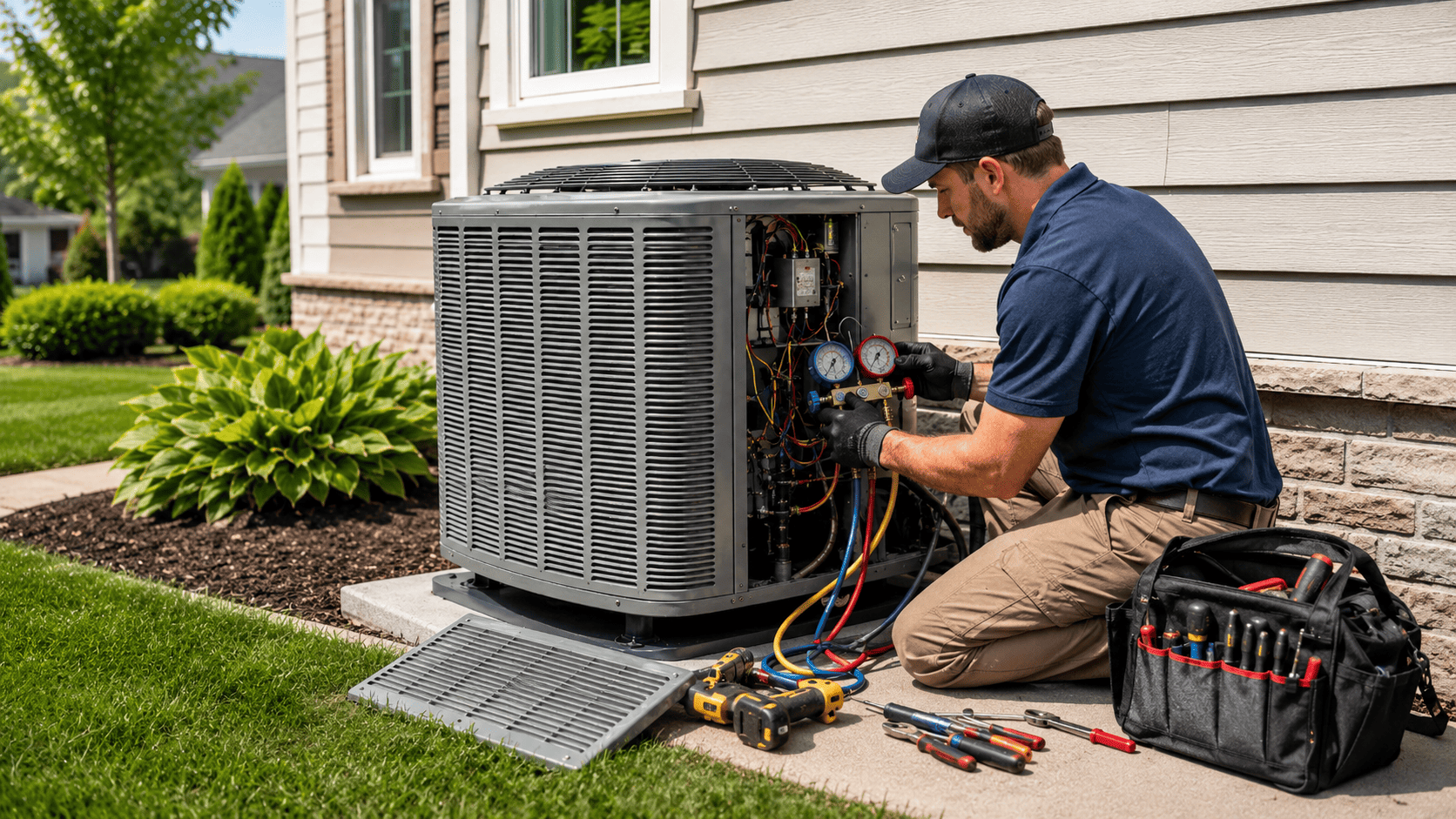
An AC tune-up is a preventive maintenance service designed to check the condition, safety, and performance of your cooling system before it has to work hard during hot weather. When homeowners ask “how much does an AC tune-up cost?”, the answer depends partly on what the service includes.
A proper AC tune-up should be more than a quick look at the outdoor unit. The technician should inspect key parts of the system, test cooling performance, clean accessible components, look for early warning signs, and explain whether the air conditioner is running normally or needs attention.
Common AC Tune-Up Checklist
- Thermostat check: the technician checks whether the thermostat is reading correctly, responding properly, and communicating with the AC system.
- Air filter inspection: a dirty or clogged filter can reduce airflow, increase energy use, and make the system work harder than necessary.
- Outdoor condenser inspection: the outdoor unit is checked for dirt, debris, blocked airflow, bent fins, corrosion, or signs of physical damage.
- Condenser coil cleaning: accessible dirt and debris may be removed from the outdoor coil to help the system release heat more efficiently.
- Electrical component inspection: the technician checks wiring, capacitors, contactors, relays, and connections for wear, overheating, or loose parts.
- Refrigerant performance check: the system is checked for signs of low refrigerant, poor cooling performance, or possible refrigerant-related issues.
- Condensate drain inspection: the drain line and drain pan are checked for clogs, moisture problems, algae buildup, or overflow risk.
- Blower and airflow review: airflow is checked to make sure the system can move cooled air properly through the home.
- Temperature split test: the technician may compare supply and return air temperatures to evaluate cooling performance.
- System cycling test: the AC is tested while running to see whether it starts, cools, cycles, and shuts off properly.
- Safety and condition review: the technician looks for signs of worn parts, abnormal noises, vibration, leaks, or other issues that may require repair.
What May Not Be Included in a Basic AC Tune-Up
Not every service visit includes the same level of work. Some companies advertise a low AC tune-up price, but the service may only include a basic inspection and a short performance check. Other companies include a more complete maintenance checklist with cleaning, testing, and a written system review.
Before booking, ask what is included in the tune-up price. The following items may cost extra depending on the company and the condition of the system:
- replacing capacitors, contactors, motors, or other electrical parts;
- adding refrigerant or repairing refrigerant leaks;
- deep evaporator coil cleaning;
- clearing a severely clogged condensate drain line;
- ductwork repairs or airflow balancing;
- replacing a thermostat;
- repairing damaged wiring;
- fixing a noisy blower, fan motor, or compressor issue.
This is why the cheapest quote is not always the best value. If one company charges less but only performs a short visual inspection, and another company includes a full diagnostic checklist, the higher price may give you a better understanding of your AC system’s condition.
Know exactly what your AC tune-up includes. A proper maintenance visit should be more than a quick look at the outdoor unit. Home Rangers checks key system components, airflow, electrical parts, thermostat operation, drainage, and cooling performance so you understand the real condition of your air conditioner before peak summer heat.
What Affects the Cost of an AC Tune-Up?
The cost of an AC tune-up is not the same for every home. One homeowner may pay for a simple seasonal maintenance visit, while another may need a more detailed inspection because the system is older, dirty, noisy, or showing signs of poor cooling. This is why the answer to “how much does an AC tune-up cost?” usually comes as a price range rather than one fixed number.
Type of Cooling System
The type of air conditioning system in your home plays a major role in the final cost. A standard central air conditioner with one outdoor condenser and one indoor air handler is usually straightforward to inspect and maintain. A ductless mini-split system, heat pump, or multi-zone cooling setup may take more time because there are more components to check.
Age of the AC System
Older air conditioners often require a more careful inspection. As an AC system ages, electrical parts can weaken, coils can become dirtier, motors may show wear, and refrigerant performance may become less stable. A technician may need more time to test the system, check for warning signs, and explain whether repair or replacement should be considered.
System Condition
The current condition of the air conditioner can also change the tune-up price. A clean, accessible, well-maintained system is usually easier to service. A system with a dirty condenser coil, clogged drain line, damaged wiring, weak capacitor, or poor airflow may need extra diagnostic time or additional service recommendations.
Number of AC Units
Homes with more than one cooling system usually pay more for maintenance. If your home has two central AC units, separate systems for different floors, or a combination of central air and ductless equipment, each system needs its own inspection and performance check.
Accessibility of the Equipment
Easy access can make an AC tune-up faster. If the outdoor condenser is clear, the indoor equipment is easy to reach, and the system is installed in a normal mechanical space, the visit is usually more straightforward. Tight attics, crawl spaces, rooftop equipment, crowded mechanical rooms, or difficult outdoor access may add labor time.
Seasonal Demand
AC tune-up prices and appointment availability can also be affected by the season. Spring is usually the best time to schedule maintenance because HVAC companies are not yet overloaded with emergency no-cooling calls. During the hottest weeks of summer, demand increases, and it may be harder to get a convenient appointment.
Maintenance Plan or One-Time Visit
Many HVAC companies offer maintenance plans that include annual or seasonal tune-ups. A maintenance plan may lower the cost of each visit and may include benefits such as priority scheduling, repair discounts, reminders, or multiple system checks per year.
Repairs Found During the Tune-Up
The tune-up price covers maintenance and inspection, but it does not always cover repairs. If the technician finds a failing capacitor, clogged drain, refrigerant issue, damaged contactor, worn fan motor, thermostat problem, or electrical concern, the cost can increase if you approve the repair.
A trustworthy HVAC technician should explain what was found, why it matters, and whether the repair is urgent or can be planned. You should receive a clear price before any additional work is completed.
Is an AC Tune-Up Worth It?
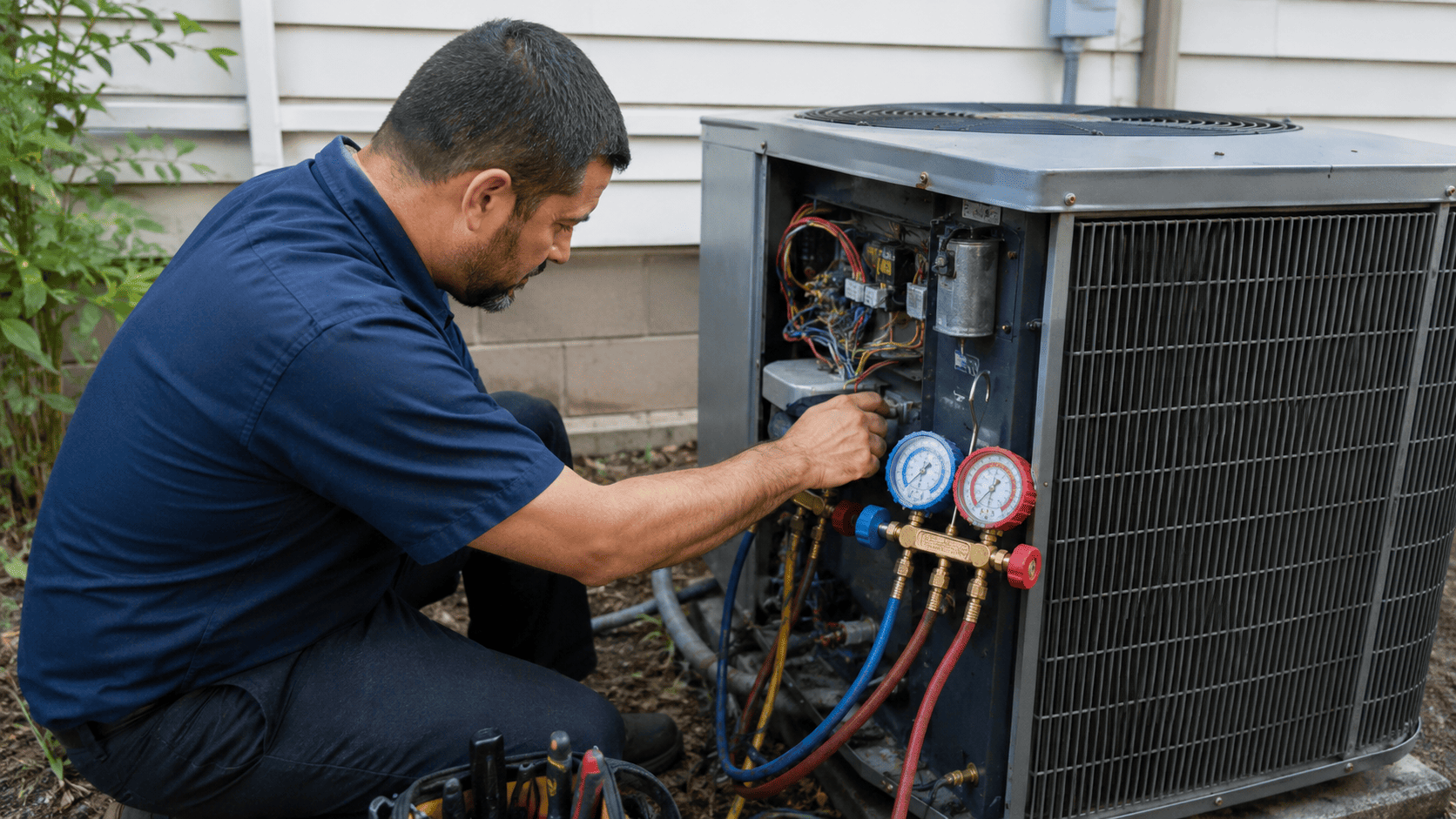
For most homeowners, an AC tune-up is worth it because it helps find small problems before they turn into expensive repairs. A tune-up will not make an old air conditioner brand new, but it can help the system run more reliably, cool more evenly, and avoid unnecessary strain during hot weather.
The main value of an AC tune-up is prevention. During the visit, a technician can spot issues such as a weak capacitor, dirty condenser coil, clogged drain line, loose electrical connection, poor airflow, or early signs of component wear. These problems are often easier and less expensive to handle before the system stops cooling completely.
How an AC Tune-Up Can Help
- Lower the risk of summer breakdowns: the system is checked before it has to run heavily during peak heat.
- Improve cooling performance: cleaning and testing can help the AC move air and remove heat more effectively.
- Catch repair issues early: worn electrical parts, clogged drains, and airflow problems can be found before they cause larger damage.
- Support better energy efficiency: a clean, properly checked system usually does not have to work as hard to cool the home.
- Protect system lifespan: regular maintenance can reduce unnecessary stress on major components.
- Give homeowners better planning: if the system is aging, you can plan for repair or replacement instead of being surprised by an emergency failure.
How Often Should You Schedule an AC Tune-Up?
Most central air conditioning systems should be tuned up once a year. The best time is usually in spring, before the first long period of hot weather. This gives you time to fix small issues before the system is needed every day.
If your home has a heat pump, maintenance may be needed twice a year: once before cooling season and once before heating season. A heat pump works in both summer and winter, so it usually runs more months of the year than a standard central AC system.
You may also want to schedule service sooner if your AC is older, has not been maintained in several years, runs for long cycles, makes unusual noises, struggles to cool the home, or causes higher-than-normal energy bills.
Best Time to Schedule AC Maintenance
The best time to schedule an AC tune-up is before peak summer demand. In areas such as Warminster, Bucks County, Montgomery County, and nearby Philadelphia communities, spring maintenance helps homeowners prepare before the busiest cooling season begins.
Waiting until the hottest part of summer can make scheduling harder. HVAC companies are often handling emergency no-cool calls during heat waves, and small maintenance problems can become more stressful when the system is already under heavy load.
Not sure if your AC is due for maintenance? If your system has not been checked in the last 12 months, now is a good time to schedule an AC tune-up. Home Rangers can inspect your system, check performance, and help you understand whether your air conditioner is ready for the cooling season.
AC Tune-Up Cost vs. AC Repair Cost
An AC tune-up and an AC repair are not the same service. A tune-up is preventive maintenance. It is designed to inspect, clean, test, and adjust the system before a serious problem occurs. An AC repair is needed when something is already broken, failing, leaking, clogged, or preventing the system from cooling properly.
This is why the cost can change after the technician inspects the system. The tune-up itself may cost $75 to $200, but if the technician finds a damaged part or a performance issue, the repair is usually priced separately. A reliable HVAC company should explain the problem and give you a clear repair quote before doing any additional work.
| Service Type | Typical Cost Range | When You Need It |
|---|---|---|
| AC Tune-Up | $75–$200 | For seasonal maintenance, system inspection, cleaning, testing, and performance review. |
| Detailed AC Maintenance | $200–$350+ | For older systems, neglected units, hard-to-access equipment, or systems that need more diagnostic time. |
| Minor AC Repair | $150–$600+ | For issues such as a weak capacitor, clogged drain line, faulty contactor, thermostat problem, or loose wiring. |
| Major AC Repair | $600–$2,000+ | For larger problems involving motors, coils, refrigerant leaks, compressor issues, or major electrical failures. |
Common Repairs Found During an AC Tune-Up
Many AC problems start small. A tune-up gives the technician a chance to find warning signs before the system stops working during hot weather. Some issues can be corrected quickly, while others may require a separate repair appointment or replacement part.
- Weak capacitor: the AC may struggle to start, shut off unexpectedly, or put extra strain on the motor.
- Dirty condenser coil: the system may have trouble releasing heat, which can reduce cooling performance.
- Clogged condensate drain: water may back up, trigger a safety switch, or leak near the indoor unit.
- Loose electrical connection: worn or loose wiring can cause unreliable operation and safety concerns.
- Low refrigerant signs: the system may cool poorly, run longer than normal, or indicate a possible leak.
- Faulty thermostat: the AC may not respond correctly, cycle too often, or fail to maintain the set temperature.
- Worn fan motor: airflow may become weaker, and the outdoor or indoor unit may make unusual noises.
When a Tune-Up Is Not Enough
An AC tune-up can help improve performance and identify problems, but it cannot fix every issue. If your air conditioner is already blowing warm air, leaking water, making loud noises, tripping breakers, freezing up, or failing to turn on, you may need AC repair instead of a routine maintenance visit.
A tune-up may also not be enough if the system is very old and has repeated breakdowns. In that case, the technician may recommend comparing the cost of repair with the cost of AC installation. This does not mean replacement is always necessary, but it helps you make a practical decision before spending money on a system that may continue to fail.
Signs Your AC Needs a Tune-Up
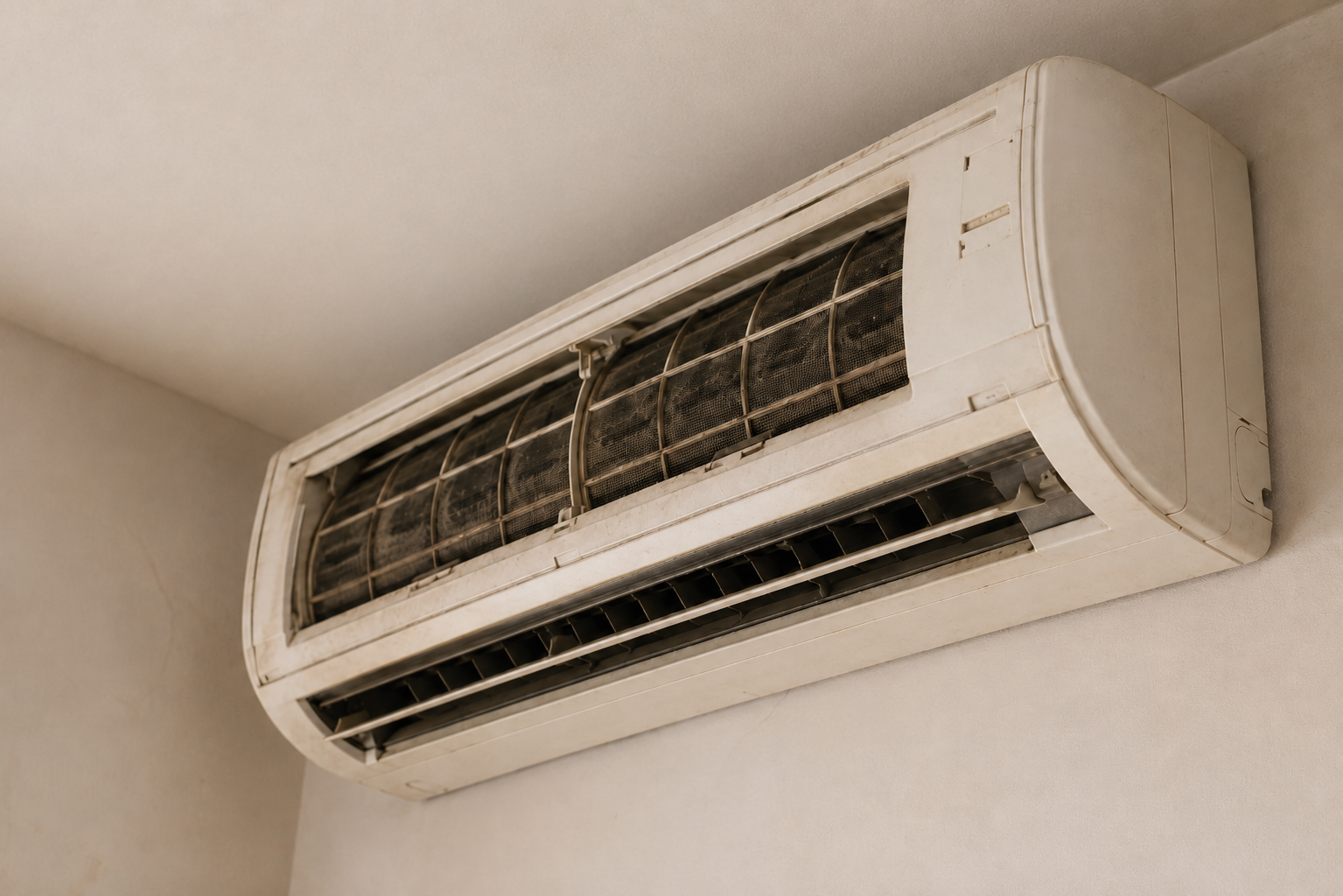
You do not always have to wait for your air conditioner to stop working before calling an HVAC technician. In many cases, the system gives warning signs before a larger problem appears. If you notice changes in cooling, airflow, noise, humidity, or energy use, it may be time to schedule an AC tune-up.
A tune-up is especially useful when the AC still works but does not feel as reliable as it used to. The technician can check whether the problem is caused by dirt, poor airflow, weak electrical parts, drainage issues, thermostat problems, or another early-stage concern.
Common Warning Signs
- Weak airflow: if less air is coming from the vents, the system may have a dirty filter, blower issue, duct problem, or restricted airflow.
- Warm air from vents: if the AC is running but the air is not cold enough, the system may need performance testing.
- Long cooling cycles: if the system runs longer than usual, it may be struggling to remove heat from the home.
- Short cycling: if the AC turns on and off too often, it may have an electrical, thermostat, airflow, or refrigerant-related issue.
- Higher energy bills: rising cooling costs can be a sign that the system is working harder than necessary.
- Unusual noises: buzzing, rattling, humming, grinding, or clicking sounds should be checked before they become worse.
- Water near the indoor unit: this may point to a clogged condensate drain, drain pan issue, or moisture problem.
- Uneven temperatures: if some rooms feel comfortable and others stay warm, airflow or system performance may need to be checked.
- Musty odors: unpleasant smells can be related to moisture, dirty components, clogged drains, or poor indoor air movement.
- No recent maintenance: if your AC has not been serviced in more than a year, a tune-up is a good idea before heavy summer use.
If your air conditioner is still running but showing one or more of these signs, a tune-up can help identify the issue early. If the system is not turning on at all, blowing only warm air, or tripping the breaker, you may need AC repair service instead of routine maintenance.
How to Save Money on an AC Tune-Up
The best way to save money on an AC tune-up is to schedule maintenance before the system breaks down. Emergency repairs during hot weather are usually more stressful and can cost much more than preventive service.
- Schedule before peak summer: spring is usually the best time to book AC maintenance before HVAC companies get busy with emergency calls.
- Replace or check your air filter: a clean filter helps protect airflow and may prevent unnecessary strain on the system.
- Keep the outdoor unit clear: remove leaves, weeds, grass clippings, and debris around the condenser so it can release heat properly.
- Do not ignore small problems: weak airflow, odd noises, and water near the unit can become more expensive if left alone.
- Ask what is included: compare tune-up checklists, not only prices. A cheaper visit may include fewer inspection and testing steps.
- Consider a maintenance plan: if you want yearly service, a plan may include lower tune-up pricing, reminders, priority scheduling, or repair discounts.
It is also smart to ask whether the tune-up price includes cleaning, electrical testing, thermostat checks, drain inspection, and a performance review. A clear checklist helps you understand the value of the service before the appointment.
When comparing AC tune-up prices, avoid choosing based only on the lowest advertised number. A good tune-up should help you understand the condition of your cooling system, reduce the risk of surprise repairs, and prepare your home for the hottest part of the year.
Small maintenance steps can help you avoid bigger repair costs. Scheduling your AC tune-up before peak summer, replacing filters on time, and keeping the outdoor unit clear can reduce system strain and help prevent expensive emergency service when temperatures rise.
Schedule an AC Tune-Up Before the Summer Heat
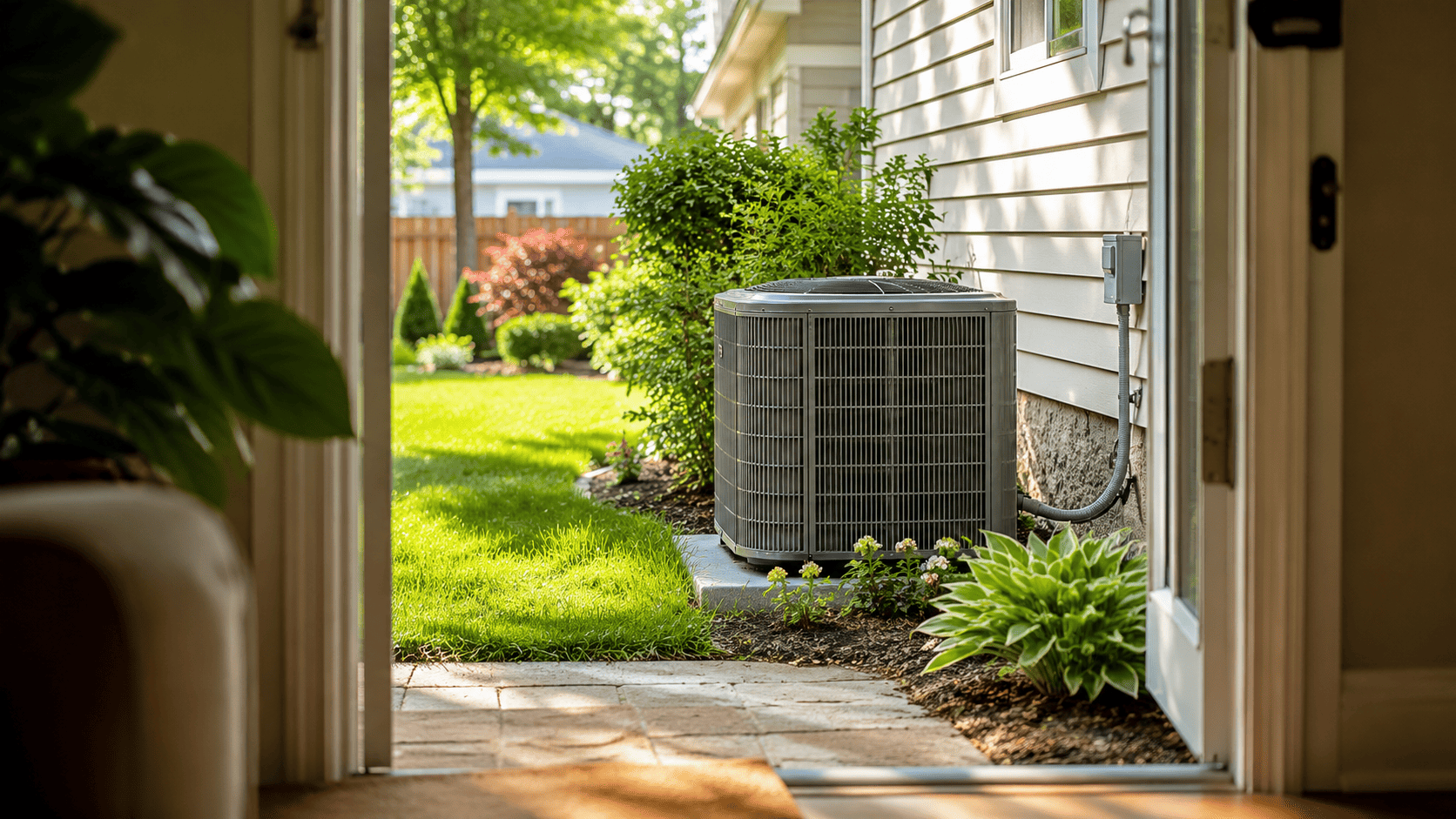
If your air conditioner has not been serviced this year, scheduling an AC tune-up before peak summer is a practical way to prepare your home for hot weather. A maintenance visit can help identify worn parts, airflow problems, drainage issues, dirty components, or performance concerns before they turn into a no-cooling emergency.
Home Rangers provides residential HVAC services for homeowners in Warminster, Bucks County, Montgomery County, Philadelphia, and nearby areas. During an AC tune-up, the technician can inspect your cooling system, check performance, review key components, and explain whether your system is ready for the season or needs additional attention.
When to Contact Home Rangers
- Your AC has not had maintenance in the last 12 months.
- The system runs longer than usual or struggles to cool the home.
- You notice weak airflow, unusual noises, water near the unit, or higher energy bills.
- You want to check the system before the hottest part of the year.
- You are not sure whether your AC needs maintenance, repair, or replacement.
If your system is still running but has not been checked recently, an AC tune-up is a good first step. If your AC is already blowing warm air, not turning on, freezing up, leaking heavily, or tripping the breaker, it may be better to schedule AC repair service instead.
Homeowners with heat pumps can also schedule heat pump repair or heat pump installation if the system is no longer heating or cooling reliably. If you are unsure which service you need, a technician can help determine whether maintenance, repair, or replacement is the right next step.
To get a clear price, ask what is included in the tune-up, whether repairs are quoted separately, and whether the technician will explain the system condition after the visit. A useful AC tune-up should give you more than a quick inspection — it should help you understand how your system is performing and what to expect during the cooling season.
AC Tune-Up Cost FAQ
How much is an AC tune-up?
A standard AC tune-up usually costs between $75 and $200. A more detailed maintenance visit may cost $200 to $350+, especially if the system is older, hard to access, or has not been serviced in several years.
How much does an AC tune-up cost for a home?
For most homes, an AC tune-up costs around $75 to $200 for one central air conditioning system. The final price may be higher if the home has multiple AC units, a ductless mini-split system, a heat pump, or equipment that needs extra inspection or cleaning.
What is included in an AC tune-up?
An AC tune-up usually includes checking the thermostat, air filter, airflow, electrical components, outdoor condenser, refrigerant performance, condensate drain, system cycling, and overall cooling operation. Some visits may also include basic cleaning of accessible components.
Does an AC tune-up include repairs?
Most AC tune-ups do not include repair parts or major repairs. The tune-up covers inspection, testing, cleaning, and maintenance. If the technician finds a failing capacitor, clogged drain, refrigerant issue, damaged wiring, or another repair need, that work is usually quoted separately.
Is an AC tune-up worth it?
Yes, an AC tune-up is worth it for most homeowners because it can help reduce the risk of summer breakdowns, improve cooling performance, catch small problems early, and help the system run with less strain during hot weather.
How often should I schedule an AC tune-up?
Most central air conditioners should be tuned up once a year, ideally in spring before the cooling season begins. Heat pumps may need maintenance twice a year because they are used for both heating and cooling.
Can an AC tune-up lower my energy bill?
An AC tune-up may help improve efficiency if the system has dirty coils, poor airflow, clogged filters, or small performance issues. It will not guarantee a specific bill reduction, but a clean and properly checked system usually does not have to work as hard to cool the home.
How long does an AC tune-up take?
A typical AC tune-up takes about 60 to 90 minutes for one system. The visit may take longer if the equipment is older, difficult to access, very dirty, or showing signs of a performance problem.
When is the best time to schedule an AC tune-up?
The best time to schedule an AC tune-up is in spring, before peak summer heat. This gives you time to find and fix small issues before the air conditioner has to run every day.
What happens if I skip AC maintenance?
If you skip AC maintenance, small issues may go unnoticed until they become more expensive repairs. Dirty coils, clogged drains, weak electrical parts, poor airflow, and worn components can make the system work harder and increase the risk of a breakdown during hot weather.
Get your AC ready before the summer heat.
Schedule an AC tune-up to check system performance, reduce the risk of breakdowns, and keep your home comfortable when temperatures rise.
Or call us directly at (215) 454-0001