
How Much Does AC Repair Cost in 2026?

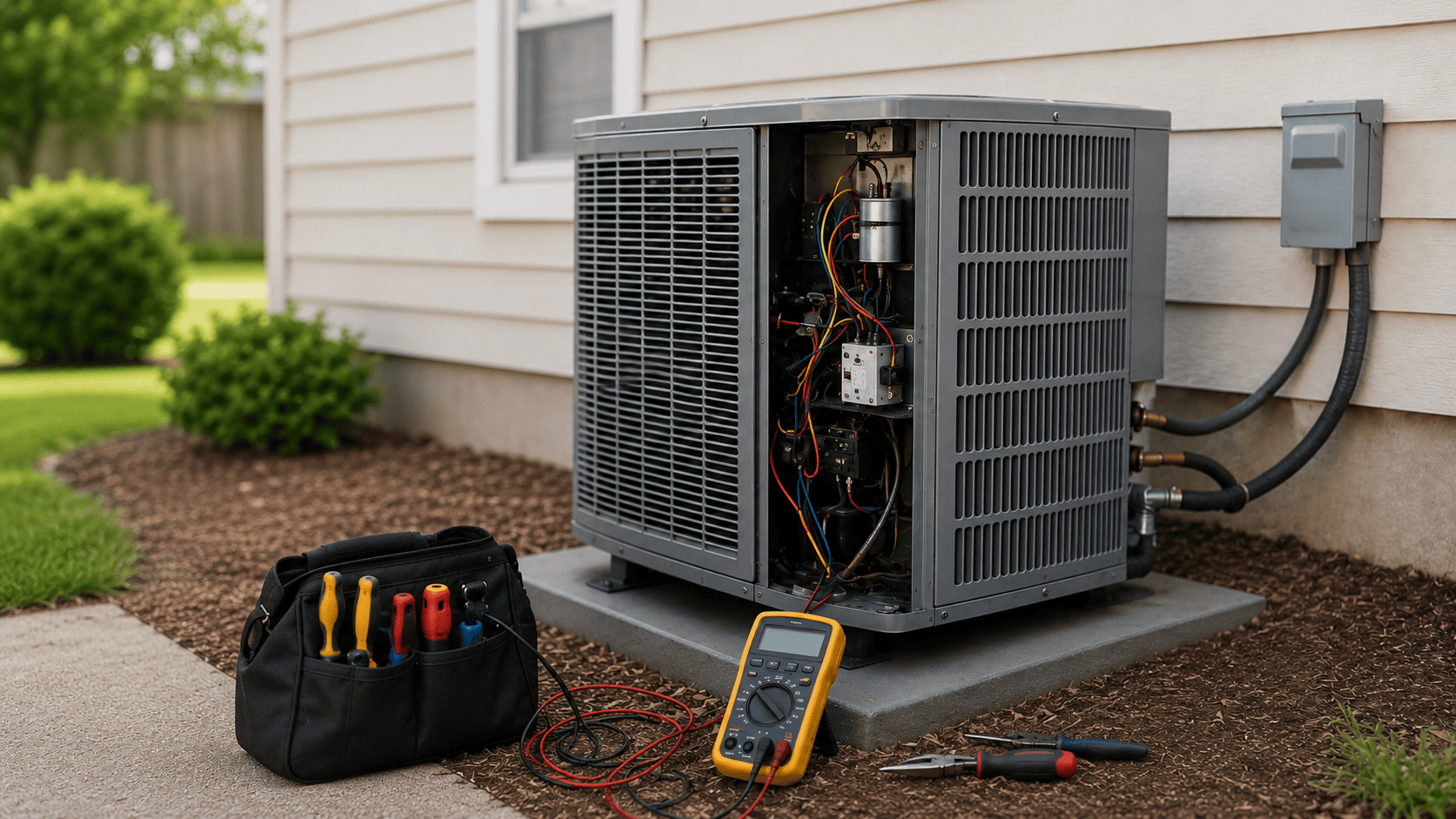
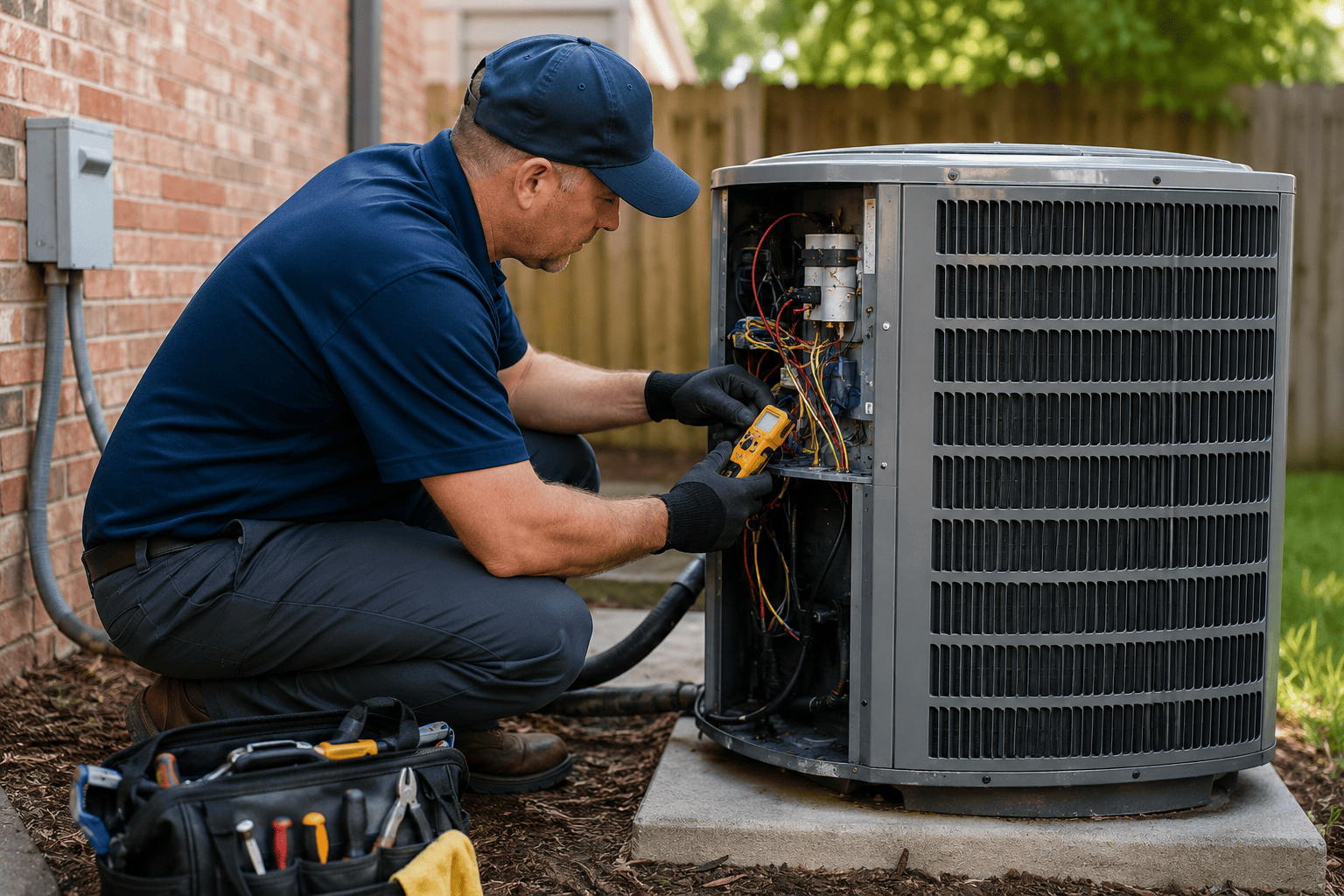
Ac repair technician checking an outdoor air conditioner condenser during hvac service

Quick Answer: Average AC Repair Cost

AC repair usually costs $150 to $1,500, but the final price depends on what failed, how old the system is, whether parts are under warranty, and whether you need regular or emergency service. Many common AC problems, such as a clogged drain line, weak capacitor, bad contactor, thermostat issue, or minor electrical repair, often fall on the lower end of the range. Larger problems, such as a refrigerant leak, failed blower motor, bad compressor, damaged coil, or major electrical failure, can cost significantly more.

For many homeowners, a practical planning range looks like this:

AC Repair TypeTypical Cost Range
Basic service call or diagnostic visit$50–$250
Minor AC repair$100–$500
Moderate AC repair$300–$900
Major AC repair$800–$3,000+
Complex coil, compressor, or refrigerant-related repair$1,000–$5,000+

In Pennsylvania, a realistic budget for many standard HVAC repairs is often around $400–$500, but the number can move up or down depending on your home, equipment, repair timing, and the part that needs attention. Homeowners in Bucks County, Montgomery County, Philadelphia, and nearby areas should also consider local labor rates, summer demand, older home layouts, and whether the system has been maintained regularly.

The most important thing to remember: AC repair cost is not based only on the part. The final price usually includes diagnosis, labor, replacement parts, refrigerant handling if needed, system testing, and the technician’s time to confirm that the unit is cooling safely and correctly after the repair.

For example, replacing a simple capacitor may be a relatively affordable repair. Replacing a compressor or evaporator coil is a much bigger decision because the repair can approach the cost of replacing an older AC system. That is why a good HVAC technician should not only tell you the price, but also explain what failed, why it failed, what options you have, and whether repair or replacement makes more sense for your system.

Home Rangers provides AC repair, HVAC diagnostics, compressor replacement, AC tune-ups, heat pump service, and ductless system support for homeowners in Warminster, Bucks County, Montgomery County, Philadelphia, and nearby service areas. Our team focuses on clear diagnostics, practical repair options, 24/7 phone support, and transparent recommendations.

AC Repair Cost by Problem

The cost of AC repair depends heavily on what is actually wrong with the system. Two homeowners may both say, “My AC is not cooling,” but the cause could be completely different. One system may only need a new capacitor or a cleaned drain line, while another may have a refrigerant leak, failed compressor, restricted airflow, or damaged evaporator coil.

Here is a practical breakdown of common AC repairs and what homeowners can usually expect to pay.

AC Problem or RepairTypical Cost RangeWhat It Usually Means
AC diagnostic visit$50–$250A technician checks the system, finds the cause of the problem, and explains repair options.
AC tune-up$75–$250Preventive maintenance, cleaning, system inspection, and performance check.
Clogged condensate drain line$75–$250Water is backing up because the drain line is blocked by dirt, algae, or debris.
Thermostat repair or replacement$100–$400The thermostat is not reading temperature correctly or is not communicating with the AC system.
Capacitor replacement$100–$350The AC struggles to start, clicks, hums, or the outdoor unit will not run properly.
Contactor replacement$150–$400The electrical switch that powers the outdoor unit is worn, burned, or failing.
Fan motor repair or replacement$250–$900The indoor or outdoor fan is not moving air correctly, causing poor cooling or system shutdowns.
Blower motor replacement$400–$1,200The indoor unit cannot move enough air through the home.
Refrigerant recharge$200–$700The system is low on refrigerant and needs testing before being recharged.
Refrigerant leak repair$300–$1,500+The technician must find and repair the leak before adding refrigerant.
Evaporator coil repair or replacement$800–$2,500+The indoor coil is leaking, frozen, corroded, or no longer transferring heat properly.
Condenser coil repair or replacement$900–$2,800+The outdoor coil is damaged, leaking, or badly restricted.
Compressor replacement$1,200–$3,500+One of the most expensive AC repairs because the compressor is the main component of the cooling system.
Circuit board or control board replacement$250–$900The system has an electrical control failure.
Ductwork repair affecting cooling$500–$2,000+The AC may be working, but damaged or leaking ducts reduce airflow and comfort.

These ranges are general estimates. The actual cost can be lower or higher depending on your AC model, system age, part availability, labor time, warranty coverage, and how difficult the repair is to access.

For example, a capacitor replacement is usually a straightforward repair when the part is available and the rest of the system is healthy. A refrigerant leak is more complicated because the technician should not simply “top off” the refrigerant without identifying the leak. If refrigerant is low, there is usually a reason. Adding refrigerant without fixing the underlying issue may only give temporary cooling and can lead to more expensive damage later.

The most expensive AC repairs usually involve major sealed-system components, such as the compressor, evaporator coil, condenser coil, or refrigerant lines. In those situations, it is especially important to compare the repair cost with the age and condition of the system. If the AC is older, inefficient, uses outdated refrigerant, or has had repeated breakdowns, replacement may be the more practical long-term choice.

What Affects the Cost of AC Repair?

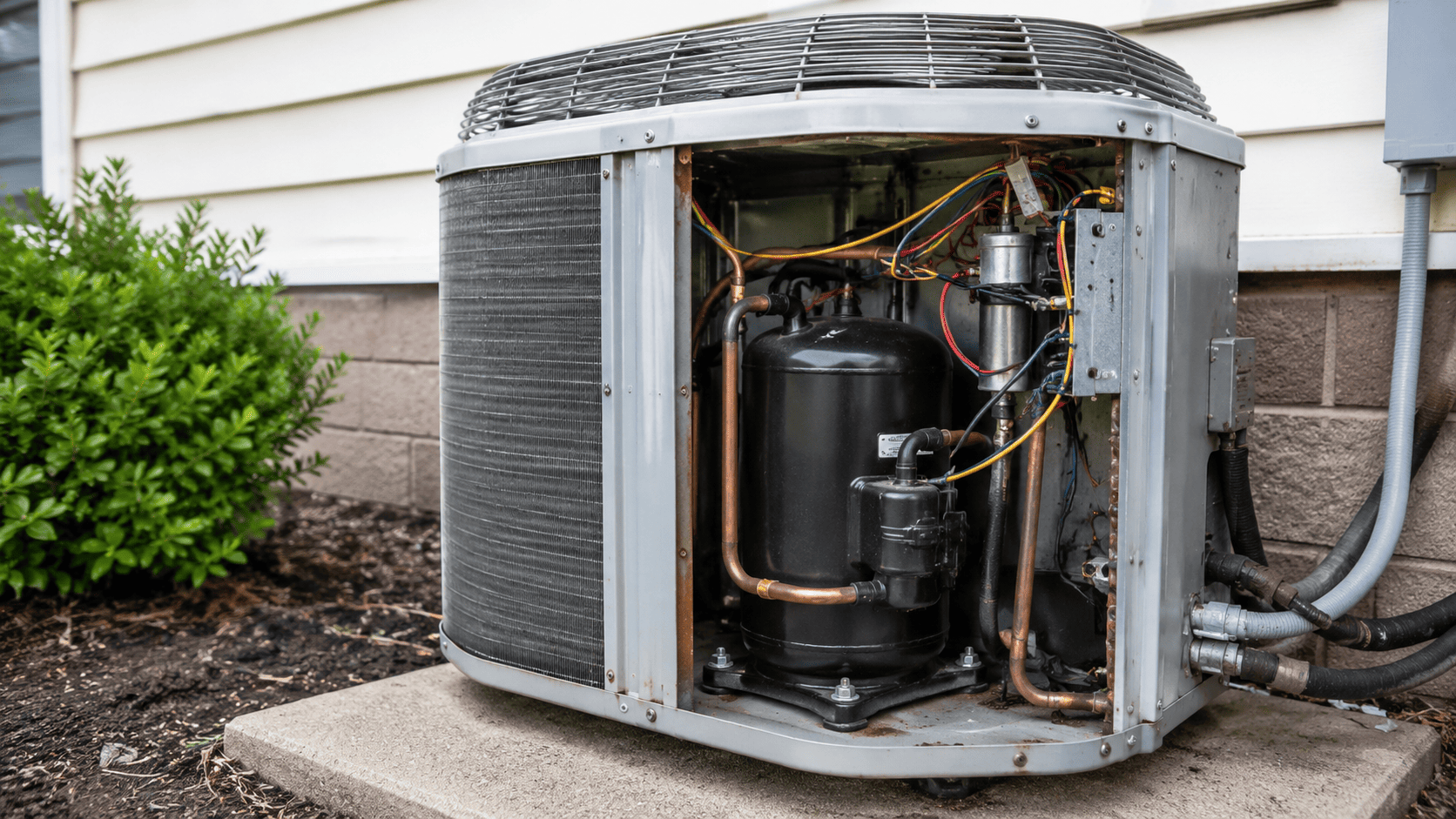
Technician checking indoor hvac components that affect ac repair cost

AC repair pricing is not the same for every home. Even if two homeowners have the same problem — for example, the AC is running but not cooling — the final repair cost can be very different. One system may need a simple electrical part, while another may have a refrigerant leak, airflow restriction, frozen coil, or failing compressor.

The biggest factors that affect AC repair cost are the type of problem, the age of the system, part availability, labor time, warranty coverage, refrigerant type, and whether the repair is scheduled during normal hours or as an emergency service call.

Cost FactorHow It Affects the Final Price
Type of repairSimple repairs like replacing a capacitor usually cost less than major repairs involving a compressor, coil, refrigerant leak, or blower motor.
System ageOlder AC systems may require harder-to-find parts, more labor, or additional repairs because several components can wear out at the same time.
Part availabilityIf the replacement part is common and available locally, the repair may be completed faster. Special-order parts can increase cost and delay the repair.
Labor timeSome repairs take less than an hour, while others require leak detection, disassembly, electrical testing, refrigerant handling, or multiple system checks.
Warranty coverageIf the part is still under manufacturer warranty, you may only pay for labor and related service fees. If the warranty has expired, you may pay for both parts and labor.
Refrigerant typeSystems using older refrigerants may be more expensive to service because refrigerant availability and handling requirements can affect the total cost.
Emergency serviceAfter-hours, weekend, or peak-season emergency repairs may cost more than scheduled service during regular business hours.
System accessibilityEquipment located in tight attics, crawl spaces, rooftops, or difficult-to-access areas can require more labor time.
Maintenance historyA well-maintained AC system is often easier to diagnose and repair. A neglected system may have dirty coils, clogged filters, blocked drains, or multiple hidden issues.

1. The Type of AC Problem

The main reason AC repair costs vary is that the same symptom can have many different causes. If your AC is blowing warm air, the issue could be a dirty filter, low refrigerant, frozen evaporator coil, bad capacitor, faulty thermostat, leaking ductwork, or compressor problem. Some of these are relatively simple repairs, while others require deeper diagnostics and more expensive parts.

That is why an accurate diagnosis matters. A technician should not only say what part failed, but also explain why the problem happened and whether the repair will solve the issue long term.

2. The Age and Condition of the AC System

Older air conditioning systems often cost more to repair because parts may be worn, outdated, or harder to find. A 3-year-old system with one failed part is usually a different situation than a 14-year-old system with weak airflow, dirty coils, low refrigerant, and repeated breakdowns.

If your AC is more than 10 to 15 years old, a technician may recommend comparing the repair cost with the cost of replacement. This does not always mean replacement is necessary, but it does mean the decision should be based on system age, efficiency, repair history, comfort issues, and expected remaining lifespan.

3. Parts, Labor, and Repair Complexity

AC repair cost includes more than the replacement part itself. The total price usually includes the service call, diagnosis, labor, part cost, system testing, and any additional work needed to make sure the unit is operating safely.

For example, replacing a capacitor may be quick when the outdoor unit is easy to access and the part is available. Repairing a refrigerant leak is more complex because the technician may need to locate the leak, repair it, pressure test the system, evacuate the system, recharge refrigerant, and confirm proper cooling performance.

4. Warranty Coverage

Warranty coverage can make a major difference in the final repair bill. Some AC parts may still be covered by the manufacturer, especially if the system is newer and was properly registered after installation. In that case, the homeowner may still need to pay for labor, diagnostics, refrigerant, shipping, or related service charges, but the covered part itself may cost less or be included.

If your system is no longer under warranty, both the part and labor are usually paid out of pocket. Before approving a major repair, it is worth checking whether the equipment is still under manufacturer warranty.

5. Timing and Emergency Service

AC repair often becomes more expensive during peak cooling season because demand is higher and appointment availability is limited. Emergency calls, after-hours service, weekend repairs, and same-day appointments can also increase the final cost.

If the AC problem is not urgent, scheduling service during regular hours may help reduce the total cost. However, if your home is extremely hot, you have young children, elderly family members, pets, or health concerns, waiting may not be the safest choice.

6. Local Conditions in Pennsylvania Homes

Homeowners in Bucks County, Montgomery County, Philadelphia, Warminster, and nearby Pennsylvania communities may also see cost differences based on local housing conditions. Older homes, finished basements, attic air handlers, additions, older ductwork, and mixed HVAC setups can make diagnosis and repair more detailed.

In some homes, the AC unit itself may be working, but comfort problems come from poor airflow, leaky ducts, insulation issues, dirty coils, or an improperly sized system. A good HVAC technician should look at the full cooling system, not just the outdoor unit.

Should You Repair or Replace Your AC?

One of the most important questions after receiving an AC repair estimate is whether the repair is actually worth it. In many cases, repairing the air conditioner is the right choice, especially if the system is relatively new, the issue is minor, and the unit has been maintained well. But if the AC is older, inefficient, or breaking down repeatedly, replacement may be the smarter long-term investment.

A simple way to think about the decision is this: compare the repair cost with the age, condition, efficiency, and expected remaining life of the system. A $300 repair on a newer AC unit usually makes sense. A $2,500 repair on a 14-year-old system may not.

Repair May Make Sense If…Replacement May Make Sense If…
Your AC system is less than 10 years old.Your AC system is 10–15+ years old.
The repair is minor, such as a capacitor, contactor, thermostat, drain line, or small electrical part.The repair involves a compressor, evaporator coil, condenser coil, or major refrigerant leak.
The unit has been reliable and has not needed frequent repairs.The system has had multiple breakdowns in the last few seasons.
The system cools your home evenly when it is working properly.You still have hot rooms, weak airflow, or humidity problems even after service.
The parts are available and the repair cost is reasonable.Parts are hard to find, expensive, or no longer supported by the manufacturer.
Your energy bills are normal for your home and usage.Your energy bills keep rising and the system struggles to keep up.
The system is still under a strong parts warranty.The warranty has expired and you are paying the full cost out of pocket.

The $5,000 Rule for AC Repair

Some homeowners use the “$5,000 rule” as a quick way to compare AC repair and replacement. Multiply the age of the system by the estimated repair cost. If the number is higher than $5,000, replacement may be worth considering.

For example, if your AC system is 12 years old and the repair estimate is $700, the calculation would be:

12 × $700 = $8,400

In that situation, it may be time to compare the repair estimate with the cost of a new AC installation. This rule is not perfect, but it gives homeowners a simple starting point before making a major decision.

When AC Repair Is Usually Worth It

AC repair is often worth it when the problem is isolated, the system is not too old, and the repair cost is modest compared with replacement. Repairs like a capacitor replacement, contactor replacement, thermostat issue, clogged drain line, loose electrical connection, or minor airflow correction are usually more practical than replacing the full system.

Repair may also be the better choice if your system is still under manufacturer warranty. Even when labor is not covered, warranty coverage on a major part can reduce the total cost enough to make repair reasonable.

When AC Replacement May Be the Better Choice

Replacement may make more sense when the repair is expensive and the system is already near the end of its expected lifespan. This is especially true for major repairs involving the compressor, evaporator coil, condenser coil, or refrigerant leaks in an older system.

Replacement may also be the better option if your AC has trouble keeping the home comfortable, runs constantly, creates uneven temperatures, or needs service every summer. In those cases, another repair may only solve the immediate breakdown without fixing the larger comfort and efficiency problem.

Do Not Decide Based on Price Alone

The cheapest option today is not always the least expensive option long term. A low-cost repair can be a smart decision when the system is healthy. But repeatedly putting money into an aging AC unit can become more expensive than replacing it with a more reliable and efficient system.

Before approving a major AC repair, ask the technician these questions:

  • What exactly failed?
  • Why did the part fail?
  • Is this an isolated problem or a sign of a larger issue?
  • How old is the system?
  • Are parts still under warranty?
  • How likely is another major repair in the near future?
  • Would you repair this system if it were in your own home?

A trustworthy HVAC company should help you compare both options clearly. The goal is not simply to sell a repair or a replacement. The goal is to help you choose the option that gives your home reliable cooling, reasonable energy use, and fewer surprise breakdowns.

What to Check Before Calling for AC Repair

Checklist of things to check before calling for ac repair

Before scheduling an AC repair visit, there are a few safe things you can check yourself. Sometimes the problem is simple, such as a thermostat setting, dirty air filter, tripped breaker, or blocked outdoor unit. These checks may help you avoid an unnecessary service call or give the technician better information when you schedule repair.

However, you should not open electrical panels, handle refrigerant, bypass safety switches, or attempt to repair major AC components yourself. Air conditioning systems include high-voltage electrical parts, pressurized refrigerant, moving components, and safety controls. If something looks unsafe, smells like burning, or keeps tripping the breaker, turn the system off and call a licensed HVAC technician.

1. Check the Thermostat

Make sure the thermostat is set to cool and the temperature is set lower than the current room temperature. If the thermostat uses batteries, replace them and see if the display responds normally. Also check whether the fan is set to auto instead of on. When the fan is set to “on,” it may keep blowing air even when the AC is not actively cooling.

2. Replace or Inspect the Air Filter

A dirty air filter can restrict airflow and make the AC work harder than it should. In some cases, poor airflow can cause the evaporator coil to freeze, which may lead to warm air, weak airflow, water leaks, or system shutdowns. If the filter is dirty, replace it and give the system time to recover.

If the indoor coil is already frozen, turn the cooling mode off and set the fan to run. Do not scrape ice off the coil. If freezing happens again, the system needs professional diagnosis.

3. Check the Circuit Breaker

If the AC is not turning on at all, check the electrical panel to see whether a breaker has tripped. If it has, you may reset it once. If the breaker trips again, do not keep resetting it. Repeated breaker trips can point to an electrical problem, compressor issue, short circuit, or overloaded component.

4. Look at the Outdoor Unit

The outdoor condenser unit needs open airflow to release heat from your home. Make sure leaves, grass, weeds, branches, or debris are not blocking the unit. As a general rule, keep the area around the condenser clear so air can move freely.

If the outdoor unit is humming but the fan is not spinning, or if it starts and stops repeatedly, turn the system off and schedule service. This could be a capacitor, motor, compressor, or electrical issue.

5. Check Vents and Airflow

Walk through the home and check whether supply vents are open and not blocked by furniture, rugs, curtains, or storage items. Weak airflow in one room may point to a closed vent or duct issue. Weak airflow throughout the entire home may suggest a dirty filter, blower problem, frozen coil, duct restriction, or failing motor.

6. Look for Water Around the Indoor Unit

Water near the indoor AC unit may come from a clogged condensate drain line, frozen coil, cracked drain pan, or drainage problem. A small amount of condensation can be normal, but standing water, ceiling stains, wet insulation, or repeated drain backups should be inspected.

7. Pay Attention to Sounds and Smells

Unusual noises can help identify the type of AC problem. Grinding, buzzing, rattling, clicking, squealing, or banging sounds may point to loose parts, electrical issues, motor problems, or compressor trouble. Burning smells, smoky odors, or strong electrical odors should be treated seriously. Turn the system off and call for service.

What You NoticePossible CauseWhat to Do
AC runs but does not coolDirty filter, low refrigerant, frozen coil, thermostat issue, compressor problemCheck thermostat and filter. If it continues, call a technician.
Weak airflowClogged filter, blower motor issue, duct restriction, frozen coilReplace the filter and check vents. Schedule service if airflow stays weak.
Outdoor unit will not startCapacitor, contactor, breaker, wiring, compressor, or control issueCheck the breaker once. If the issue returns, call for repair.
AC keeps turning on and offShort cycling, thermostat issue, dirty coil, refrigerant issue, oversized systemSchedule professional diagnosis before the problem damages the system.
Ice on the AC systemRestricted airflow, low refrigerant, dirty coil, blower problemTurn cooling off and call a technician if freezing returns.
Water around indoor unitClogged drain line, frozen coil, cracked drain pan, drainage issueTurn the system off if water is spreading and schedule service.
Breaker keeps trippingElectrical fault, compressor issue, motor issue, short circuitDo not keep resetting the breaker. Call an HVAC technician.
Burning smellElectrical overheating, motor issue, wiring problemTurn the system off immediately and request service.

When You Should Call an HVAC Technician

You should schedule AC repair if the system is not cooling after basic checks, keeps tripping the breaker, makes unusual noises, leaks water, freezes repeatedly, blows warm air, or struggles to keep the home comfortable. You should also call a technician if your energy bills suddenly increase without a clear reason.

A professional diagnostic visit can help prevent a small issue from becoming a larger repair. For example, a weak capacitor can put extra strain on the compressor. A clogged drain line can lead to water damage. Low refrigerant can reduce cooling performance and may point to a leak that needs to be repaired.

If you are in Warminster, Bucks County, Montgomery County, Philadelphia, or nearby areas, Home Rangers can inspect the system, explain what failed, review repair options, and help you decide whether repair or replacement makes the most sense.

How to Lower Your AC Repair Cost

Not every AC repair can be avoided, but many expensive breakdowns start as small problems that were missed for too long. A weak capacitor, dirty coil, clogged drain line, restricted airflow, or low refrigerant issue can put extra stress on the system and lead to a larger repair later.

The best way to lower AC repair costs is to keep the system clean, catch problems early, and avoid running the air conditioner when something clearly is not working correctly. Regular maintenance will not make an AC unit last forever, but it can reduce surprise breakdowns, improve cooling performance, and help the technician find small issues before they become expensive.

What You Can DoHow It Helps Reduce Repair Costs
Replace the air filter regularlyImproves airflow and helps prevent frozen coils, overheating motors, weak cooling, and unnecessary strain on the system.
Schedule annual AC maintenanceAllows a technician to inspect electrical parts, clean key components, test performance, and catch small problems early.
Keep the outdoor unit clearHelps the condenser release heat properly and reduces pressure on the compressor and fan motor.
Do not ignore unusual soundsBuzzing, grinding, rattling, or clicking can be early signs of electrical, motor, or mechanical problems.
Fix drainage issues earlyA clogged drain line can lead to water damage, system shutdowns, ceiling stains, or mold concerns.
Ask about warranty coverageIf a part is still under manufacturer warranty, your total out-of-pocket cost may be lower.
Use a maintenance planSome HVAC maintenance plans include priority scheduling, routine tune-ups, and discounts on repairs.
Call before the system fully failsEarly diagnosis can sometimes prevent a small repair from turning into a major component failure.

Replace the Air Filter Before It Causes Bigger Problems

A dirty air filter is one of the simplest problems to prevent, but it can create a long chain of AC issues. When airflow is restricted, the system has to work harder to move air through the home. This can lead to weak cooling, longer run times, frozen coils, higher energy bills, and extra stress on the blower motor.

Most homeowners should check the air filter every month during heavy cooling season. Some filters need to be replaced monthly, while others may last longer depending on the filter type, pets, dust, allergies, and how often the system runs.

Schedule Maintenance Before Peak Summer Heat

AC repair prices can feel more stressful during the hottest part of the year because the system is needed every day and appointment availability may be tighter. Scheduling maintenance before peak summer gives a technician time to inspect the system before it is under heavy load.

During a typical AC tune-up, the technician may check electrical connections, test capacitors, inspect the contactor, clean or inspect coils, check the condensate drain, measure system performance, look for airflow issues, and confirm that the unit is operating safely.

Do Not Keep Running an AC That Is Struggling

If your AC is making loud noises, blowing warm air, freezing, leaking water, or repeatedly shutting off, it is better to turn the system off and schedule service. Continuing to run the unit can make the damage worse, especially if the issue involves airflow, refrigerant, electrical components, or the compressor.

For example, a weak capacitor may seem like a small issue at first, but it can make the motor or compressor work harder to start. A frozen coil may seem temporary, but if the underlying cause is not fixed, the system can freeze again and again.

Be Careful With “Just Add Refrigerant” Repairs

If an AC system is low on refrigerant, there is usually a reason. Air conditioners do not normally “use up” refrigerant the way a car uses gasoline. Low refrigerant often means there may be a leak somewhere in the system.

Adding refrigerant without finding the leak may temporarily improve cooling, but it may not solve the real problem. If the refrigerant leaks out again, you may end up paying twice and the system may continue to run under poor conditions.

Ask About Maintenance Plans

A maintenance plan can help reduce long-term AC repair costs by keeping the system on a regular service schedule. Depending on the HVAC company, a plan may include seasonal tune-ups, priority scheduling, repair discounts, reminders, and system performance checks.

For homeowners in Warminster, Bucks County, Montgomery County, Philadelphia, and nearby Pennsylvania communities, a maintenance plan can be especially useful before summer heat arrives. It gives the technician a chance to catch weak components, drainage problems, airflow restrictions, and other issues before they turn into emergency repairs.

Get a Clear Diagnosis Before Approving Expensive Repairs

If the repair estimate is high, ask the technician to explain the diagnosis in plain language. You should understand what failed, why it failed, what the repair includes, whether the part is under warranty, and how long the repair is expected to last.

A good AC repair estimate should not feel vague. It should help you compare your options and decide whether a repair, maintenance plan, or replacement estimate makes the most sense for your home.

Emergency AC Repair Cost

Technician checking indoor hvac components that affect ac repair cost

Emergency AC repair usually costs more than a scheduled service visit because it may involve after-hours work, weekend service, high seasonal demand, or same-day dispatch. The final cost depends on the problem, the time of the call, the parts needed, and how urgent the situation is.

In many cases, emergency AC repair can range from $200 to $2,000+. A simple electrical repair or capacitor replacement may stay on the lower end, while a major refrigerant leak, blower motor failure, compressor issue, or repair that requires special parts can cost much more.

Emergency AC SituationPossible Cost RangeWhy It May Cost More
After-hours diagnostic visit$100–$350+The visit may include an emergency dispatch fee or higher after-hours labor rate.
AC stops working during extreme heat$200–$1,500+Same-day service may be needed, and demand is usually higher during heat waves.
Breaker keeps tripping$200–$1,200+Electrical issues require careful diagnosis and should not be ignored.
Outdoor unit will not start$200–$1,500+The cause may be a capacitor, contactor, fan motor, wiring issue, or compressor problem.
Frozen AC system$200–$1,500+The system may have airflow problems, low refrigerant, a dirty coil, or a blower issue.
Water leaking from indoor unit$150–$800+A clogged drain line, frozen coil, or cracked drain pan can cause water damage if ignored.
Burning smell or electrical odor$250–$1,500+Electrical overheating, wiring problems, or motor issues require immediate attention.
Compressor-related failure$1,200–$3,500+The compressor is one of the most expensive components in the cooling system.

When Emergency AC Repair Is Worth It

Emergency AC repair may be worth it when waiting could create safety risks, water damage, electrical hazards, or serious discomfort inside the home. This is especially true during extreme heat, when indoor temperatures can rise quickly and make the home unsafe for children, elderly family members, pets, or anyone with health concerns.

You should consider urgent service if your AC completely stops cooling, the system keeps tripping the breaker, you smell burning, water is leaking near ceilings or finished areas, the outdoor unit is making loud electrical sounds, or the indoor temperature is becoming unsafe.

When You May Be Able to Wait

Not every AC problem requires emergency service. If the system is still cooling, the home is safe, and the issue is not causing water damage or electrical concerns, you may be able to schedule a regular service appointment instead of paying for after-hours repair.

For example, a mild airflow issue, small comfort problem in one room, noisy system that is still operating normally, or routine maintenance concern may not require emergency dispatch. However, if the problem gets worse, the system shuts down, or you notice burning smells, ice, or water leaks, it is better to turn the system off and request service.

Why Emergency AC Repair Can Cost More

Emergency repair can cost more because the HVAC company may need to send a technician outside normal scheduling hours. In peak summer, demand can also be much higher, especially during long periods of hot and humid weather.

The repair itself may also take longer if the technician has to diagnose the system quickly, locate parts, work in difficult conditions, or make the system safe before completing the full repair. If a special-order part is needed, the technician may provide a temporary solution or explain the safest next step until the part is available.

What to Do Before the Technician Arrives

If you schedule emergency AC repair, there are a few simple steps you can take before the technician arrives:

  • Turn the AC off if you smell burning, see ice, notice water spreading, or hear loud electrical sounds.
  • Check whether the thermostat is set to cooling mode.
  • Replace the air filter if it is extremely dirty and easy to access.
  • Clear the area around the indoor and outdoor units.
  • Write down what happened, when the issue started, and any sounds, smells, leaks, or error codes you noticed.
  • Do not keep resetting a breaker that continues to trip.
  • Do not open electrical panels or attempt to handle refrigerant lines.

These steps can help the technician diagnose the problem faster and may reduce the chance of additional damage before the repair visit.

Emergency AC Repair in Bucks County, Montgomery County, and Philadelphia

During hot and humid Pennsylvania summers, a broken AC system can quickly become more than a comfort issue. Homes in Warminster, Bucks County, Montgomery County, Philadelphia, and nearby areas may need urgent AC service when the system stops cooling, leaks water, trips electrical breakers, or creates unsafe indoor temperatures.

Home Rangers can help homeowners diagnose urgent AC problems, explain repair options, and determine whether the system can be repaired safely or whether replacement should be considered. If the issue is not an emergency, scheduling a regular diagnostic visit may help lower the overall cost.

AC Repair Cost in Pennsylvania and Bucks County

AC repair cost can vary by location, even when the repair itself is similar. Homeowners in Pennsylvania may see different prices depending on local labor rates, seasonal demand, housing type, equipment access, system age, and how quickly service is needed.

In areas like Warminster, Bucks County, Montgomery County, Philadelphia, and nearby communities, many AC repairs fall within the same general national range of $150 to $1,500. However, older homes, attic air handlers, finished basements, tight utility spaces, aging ductwork, and peak summer demand can all affect the final price.

Why Local AC Repair Prices Can Vary

Two homes in the same county may have very different cooling systems. One home may have a newer central AC system with easy access to the indoor and outdoor units. Another may have an older system, tight attic access, long refrigerant lines, older ductwork, or comfort issues caused by additions and renovations.

These details matter because AC repair is not only about replacing a part. A technician may need to inspect airflow, electrical components, refrigerant pressure, drain lines, ductwork, thermostat operation, and system performance before giving a reliable recommendation.

Local FactorHow It Can Affect AC Repair Cost
Older homesOlder homes may have aging ductwork, limited equipment access, older electrical setups, or previous HVAC modifications that make diagnosis more detailed.
Attic or crawl space equipmentAir handlers in tight, hot, or difficult-to-access spaces can require more labor time.
Peak summer demandDuring heat waves, same-day and emergency service may cost more because appointment demand is higher.
System ageOlder AC systems may need harder-to-find parts or may have more than one worn component.
Refrigerant typeOlder refrigerant systems can be more expensive to service, especially if leak detection or refrigerant handling is required.
Airflow and duct issuesThe AC unit may be working, but leaky ducts, blocked vents, or poor airflow can create comfort problems that require additional work.
Emergency timingAfter-hours, weekend, or urgent repair calls can increase the total cost compared with a scheduled visit.

Common AC Issues in Pennsylvania Homes

Pennsylvania summers can be hot and humid, which means an air conditioner often has to manage both temperature and indoor moisture. When the system is dirty, low on refrigerant, poorly maintained, or struggling with airflow, the home may feel warm, sticky, or unevenly cooled.

Some of the most common AC problems homeowners may notice include:

  • AC running but not cooling the home well
  • Weak airflow from vents
  • Outdoor unit not turning on
  • Frozen evaporator coil
  • Water leaking around the indoor unit
  • AC short cycling or turning on and off frequently
  • Unusual buzzing, clicking, grinding, or rattling sounds
  • High humidity inside the home
  • Uneven temperatures from room to room
  • Higher energy bills during cooling season

These symptoms do not always mean the AC needs a major repair. Sometimes the cause is simple, such as a dirty filter, clogged drain line, thermostat issue, or weak capacitor. Other times, the issue may involve a refrigerant leak, blower motor, compressor, coil, or ductwork problem.

Why a Local Diagnostic Visit Matters

Online AC repair cost guides are useful for planning, but they cannot replace an in-home diagnosis. A reliable estimate depends on the actual system, the failed part, the condition of the equipment, and whether there are related issues affecting performance.

For example, if your AC is blowing warm air, the repair could be as simple as a thermostat setting or as serious as a refrigerant leak or compressor failure. If your system is leaking water, the cause could be a clogged drain line, frozen coil, cracked drain pan, or installation-related drainage issue.

A local technician can test the system, explain the cause of the problem, and give you repair options based on your home rather than a generic price range.

AC Repair Service Areas

Home Rangers provides AC repair and HVAC service for homeowners in Warminster, Bucks County, Montgomery County, Philadelphia, and nearby Pennsylvania communities. Service may include AC diagnostics, air conditioning repair, compressor replacement, AC tune-ups, ductless mini-split service, heat pump repair, and indoor comfort troubleshooting.

If your AC is not cooling, leaking water, making unusual noises, or struggling during hot weather, a local diagnostic visit can help you understand the real cost before the problem becomes more expensive.

Questions to Ask Before Approving AC Repair

Before approving an AC repair, make sure you understand what you are paying for. A good HVAC technician should be able to explain the problem in clear language, show what failed when possible, and help you compare repair options without pressure.

This is especially important when the estimate is expensive. If the repair involves a compressor, evaporator coil, condenser coil, refrigerant leak, blower motor, or major electrical component, you should ask more detailed questions before making a final decision.

1. What exactly is wrong with the AC system?

Ask the technician to explain the exact cause of the problem. “The AC is not cooling” is only a symptom. The real issue could be electrical, mechanical, airflow-related, refrigerant-related, or connected to the thermostat or ductwork.

A clear diagnosis should explain which part failed, what test confirmed the issue, and whether there are any related problems that should be addressed.

2. Why did the part fail?

Understanding why the problem happened can help you avoid paying for the same repair again. Some parts fail from normal wear and age, but others fail because of restricted airflow, dirty coils, low refrigerant, poor installation, electrical issues, or lack of maintenance.

For example, replacing a failed capacitor may solve the immediate issue. But if the outdoor unit is dirty, the motor is overheating, or the compressor is under extra strain, there may be another problem behind the failure.

3. Is this a permanent repair or a temporary fix?

Some repairs restore normal operation and may keep the system running reliably for years. Others may only be temporary, especially on older systems with major component wear.

If the repair is expensive, ask whether it is expected to solve the problem long term or whether the system may need additional work soon.

4. Are there other parts that may fail soon?

If your AC system is older, one failed part may not be the only issue. A technician may notice weak capacitors, worn contactors, dirty coils, leaking refrigerant, aging motors, or poor airflow.

This does not mean you need to replace everything at once, but it helps you understand whether the current repair is isolated or part of a larger pattern.

5. Is the part covered by warranty?

Before approving a major repair, ask whether the failed part is still covered by manufacturer warranty. Many homeowners assume their warranty has expired, but some parts may still be covered depending on the system age, registration status, and warranty terms.

Even if the part is covered, you may still need to pay for labor, diagnostics, refrigerant, shipping, or related service charges. Still, warranty coverage can make a major repair much more affordable.

6. What is included in the estimate?

Ask whether the estimate includes diagnosis, labor, parts, refrigerant, disposal, system testing, warranty processing, and any follow-up checks. This helps you avoid surprises after the work is complete.

A clear AC repair estimate should explain what work will be done, what parts will be used, and what is not included if additional issues are found.

7. Is replacement worth comparing?

If the repair is expensive or the system is more than 10 to 15 years old, ask whether it makes sense to compare repair with replacement. This is not always because replacement is required. It simply helps you avoid putting too much money into a system that may be near the end of its service life.

Replacement may be worth discussing if the AC has repeated breakdowns, poor airflow, high energy bills, refrigerant leaks, comfort problems, or major component failure.

8. How can I prevent this problem from happening again?

A good repair visit should also include prevention advice. Ask whether maintenance, filter changes, coil cleaning, drain line service, thermostat adjustments, duct repairs, or system performance checks could reduce the chance of another breakdown.

Preventive recommendations are especially helpful if the problem was caused by airflow restriction, dirty equipment, clogged drainage, or lack of seasonal maintenance.

Question to AskWhy It Matters
What exactly failed?Helps you understand whether the issue is minor, moderate, or major.
Why did it fail?Shows whether the problem was normal wear or caused by another issue.
Is this repair likely to last?Helps you avoid paying for a short-term fix on a failing system.
Is the part under warranty?May reduce your out-of-pocket cost.
What is included in the price?Helps prevent surprise charges.
Are there other problems with the system?Gives you a clearer picture of the AC unit’s overall condition.
Should I compare repair and replacement?Important for older systems or expensive repairs.
How can I prevent this from happening again?Helps reduce future repair costs.

Red Flags to Watch For

Most HVAC companies want to help homeowners make good decisions, but you should still be careful with vague estimates or high-pressure recommendations. If something feels unclear, ask for more details before approving the repair.

Be cautious if you notice any of the following:

  • The technician cannot clearly explain what failed.
  • The estimate does not list what is included.
  • You are told to replace the system without a real diagnosis.
  • You are pressured to approve the repair immediately when there is no emergency.
  • The company recommends adding refrigerant without checking for a leak.
  • The same problem keeps coming back after previous repairs.

A trustworthy technician should be willing to answer your questions, explain your options, and give you enough information to make a confident decision.

Frequently Asked Questions About AC Repair Cost

How much does it cost to fix an AC unit?

Most AC repairs cost between $150 and $1,500, depending on the problem. Minor repairs, such as a capacitor, thermostat, clogged drain line, or small electrical part, usually cost less. Major repairs, such as a compressor replacement, coil replacement, refrigerant leak repair, or blower motor replacement, can cost much more.

What is the average cost of AC repair?

A typical AC repair often falls around $300 to $700, but the final price depends on the system, labor time, replacement parts, refrigerant needs, warranty coverage, and whether the repair is scheduled during regular hours or as an emergency service call.

What is the most expensive part of an AC unit to replace?

The compressor is usually one of the most expensive AC parts to replace. Compressor replacement can often cost $1,200 to $3,500+, depending on the system type, compressor model, refrigerant, labor, and warranty coverage. Evaporator coils and condenser coils can also be expensive repairs.

Why is AC repair so expensive?

AC repair can be expensive because the final price includes more than the replacement part. It may include the diagnostic visit, technician labor, electrical testing, refrigerant handling, leak detection, system evacuation and recharge, part cost, warranty processing, and final performance testing. Major components also require more time and skill to replace safely.

Is it worth repairing an old AC unit?

Repairing an old AC unit may be worth it if the repair is minor and the system still cools the home well. However, if the system is more than 10 to 15 years old and needs an expensive repair, replacement may be a better long-term option. This is especially true if the AC has repeated breakdowns, high energy bills, poor airflow, or major compressor or coil problems.

Should I repair or replace my air conditioner?

Repair may be the better choice if your AC is newer, the repair is affordable, and the system has been reliable. Replacement may make more sense if the unit is older, inefficient, out of warranty, or needs a major repair. If the repair cost is high, compare the estimate with the age and condition of the system before making a decision.

How much does emergency AC repair cost?

Emergency AC repair can cost anywhere from $200 to $2,000+, depending on the time of the call, the problem, parts needed, and whether the repair requires after-hours service. A simple emergency repair may cost less, while compressor issues, refrigerant leaks, electrical failures, or major motor problems can cost significantly more.

Can I repair my AC myself?

Homeowners can safely check the thermostat, replace the air filter, clear debris around the outdoor unit, and make sure vents are open. However, electrical repairs, refrigerant work, compressor repairs, motor replacement, and coil repairs should be handled by a licensed HVAC technician. AC systems include high-voltage parts, pressurized refrigerant, and safety controls.

Why is my AC running but not cooling?

If your AC is running but not cooling, the cause may be a dirty air filter, frozen evaporator coil, low refrigerant, bad capacitor, thermostat issue, dirty condenser coil, leaking ductwork, or compressor problem. Start by checking the thermostat and filter. If the system still does not cool, schedule a professional diagnostic visit.

How often should an AC system be serviced?

Most AC systems should be serviced at least once a year, ideally before the cooling season. Annual maintenance can help improve performance, reduce surprise breakdowns, catch weak electrical parts, clear drainage issues, and extend the life of the system.

Does homeowners insurance cover AC repair?

Homeowners insurance usually does not cover AC repairs caused by normal wear and tear, lack of maintenance, or old age. It may cover damage from certain sudden events, depending on the policy. Manufacturer warranties, home warranties, and maintenance plans are more commonly relevant for AC repair costs.

How can I avoid expensive AC repairs?

The best way to avoid expensive AC repairs is to replace the air filter regularly, schedule annual maintenance, keep the outdoor unit clear, fix drainage issues early, and call for service when you notice weak airflow, warm air, water leaks, unusual noises, or rising energy bills.

Need AC Repair? Schedule Service With Home Rangers

If your AC is not cooling, leaking water, making unusual noises, freezing up, or turning on and off too often, the safest next step is to schedule a professional diagnostic visit. Online cost guides can help you understand possible price ranges, but the real repair cost depends on what is happening inside your system.

Home Rangers helps homeowners diagnose AC problems, understand repair options, and decide whether repair or replacement makes the most sense. Our goal is to give you a clear explanation of the issue before any work begins, so you know what failed, why it failed, and what it will take to restore reliable cooling.

Home Rangers Can Help WithCommon Signs You May Need Service
AC diagnosticsThe system runs but does not cool, short cycles, or cannot keep up with the thermostat.
Air conditioning repairWarm air, weak airflow, strange noises, water leaks, or sudden loss of cooling.
AC tune-upsThe system has not been serviced before the cooling season or seems less efficient than usual.
Compressor and electrical issuesThe outdoor unit will not start, hums, trips the breaker, or shuts down unexpectedly.
Ductless mini-split serviceA ductless unit is not cooling properly, leaking, showing an error code, or making noise.
Heat pump cooling issuesThe heat pump is not cooling, has poor airflow, or struggles during hot weather.

Local AC Repair Service in Pennsylvania

Home Rangers provides AC repair and HVAC service for homeowners in Warminster, Bucks County, Montgomery County, Philadelphia, and nearby Pennsylvania communities. Whether the issue is minor or more serious, a technician can inspect the system, explain the repair, and help you make a confident decision.

If your air conditioner is struggling during hot weather, do not wait until a small issue becomes a major breakdown. Schedule AC service with Home Rangers and get a clear answer on what your system needs.

Schedule AC Repair

Scroll to Top