

When an air conditioner fails, the hardest question is not only the repair cost. It is whether the current system still has enough useful life to make repair a smart choice.
This guide gives homeowners a practical decision framework for AC equipment, a heat pump, or a larger HVAC system. It is meant to support an informed decision before the house is uncomfortable and the choices feel rushed.
Repair Vs Replace Air Conditioner: Quick Decision Framework
The common rule is to multiply the unit’s age by the repair cost. If that number is high compared with system replacement, a new air conditioner may deserve serious consideration.
The rule is only a starting point. A five-year-old air conditioning unit with a small capacitor repair is different from a twelve-year-old cooling system with a failing compressor, rising energy bills, and repeat failures.
Use the decision as a balance of age, condition, repair history, comfort, warranty status, operating costs, and how long you expect to stay in the home.
That balance keeps the decision grounded in current, measurable system facts today.
HVAC System Age, Repair Cost, And Replacement Decision
An HVAC system often lasts many years, but older units usually become less efficient and less predictable. The system’s lifespan depends on installation quality, maintenance, runtime, airflow, refrigerant condition, and the local heat load.
Regular maintenance records also matter in the HVAC industry because they show whether failures are isolated or repeat.
Repair cost matters most when it is attached to a major part. Compressor, evaporator coil, air handler, blower motor, or control-board work can change the replacement decision more than a small electrical part.
A new HVAC system is a huge investment, so the decision should be slower than a panic purchase. It should compare repair price, replacement cost, comfort complaints, and the current unit’s condition.
When HVAC System Repair Makes Sense
HVAC system repair usually makes sense when the equipment is newer, the repair is limited, the air conditioning system has been maintained, and the rest of the system is in good shape.
Examples include a contactor, capacitor, clogged drain, thermostat issue, dirty air filters, or another repair that does not suggest deeper system damage.
Repair or replace conversations should also consider whether the HVAC repair restores normal cooling, humidity control, and indoor air quality without hiding a larger problem.
When AC Replacement Or System Replacement Makes Sense
AC replacement may make sense when older systems need repeat repairs, the quoted repair is high, the air conditioner is near the end of its expected life, or the home still misses the desired temperature.
System replacement may also be the better investment if the current system has a failing compressor, leaking coil, outdated refrigerant, poor airflow, or heating and cooling equipment that no longer matches.
If the choice is to put more money into repeat repair or replace HVAC system components as one planned project, the full replacement path may provide more value.
Air Conditioning System Performance Signs
An air conditioning system can tell you when it is struggling. Long runtimes, short cycling, warm air, weak airflow, uneven room temperatures, and loud starts all deserve attention.
Many homeowners first notice energy bills. Rising energy bills can come from weather, usage, dirty coils, duct leakage, thermostat settings, or an inefficient air conditioner.
Performance signs do not automatically mean replace. They mean an HVAC professional should inspect the system before the repair or replacement choice is made.
The same symptom can point to different problems. Warm air may come from a low refrigerant charge, dirty condenser, frozen evaporator coil, electrical failure, or an air conditioning system that has reached the end of its useful life.
Energy Bills, Energy Costs, And Energy Efficiency
Higher operating costs can make a new system look more attractive, especially when newer models offer improved SEER ratings, better efficiency, quieter operation, and better humidity control.
Energy efficient equipment may reduce energy costs in some homes, but only when sizing, ducts, refrigerant charge, and startup setup are correct. A higher efficiency unit installed poorly can still disappoint.
ENERGY STAR information and utility rebates can help with research, but program rules change. Verify current equipment requirements before counting utility rebates into the total cost.
Cooling System, Humidity Control, And Indoor Air Quality
The cooling system should remove heat and manage humidity. If rooms stay damp, sticky, or uneven, the problem may involve system size, airflow, ductwork, or the evaporator coil.
Indoor air quality equipment, filter cabinets, and air handler condition can affect the decision. A replacement project may be broader than only setting a new outdoor unit.
AC Unit Parts That Change The Math
Some AC repair costs stay small. Others are large enough that replacement becomes a smart choice to compare. Ask the service technician which part failed and why it failed.
One failed part can be normal. Frequent breakdowns across several parts suggest the air conditioner may be wearing out as a system.
Evaporator Coil, Air Handler, And Dirty Air Filters
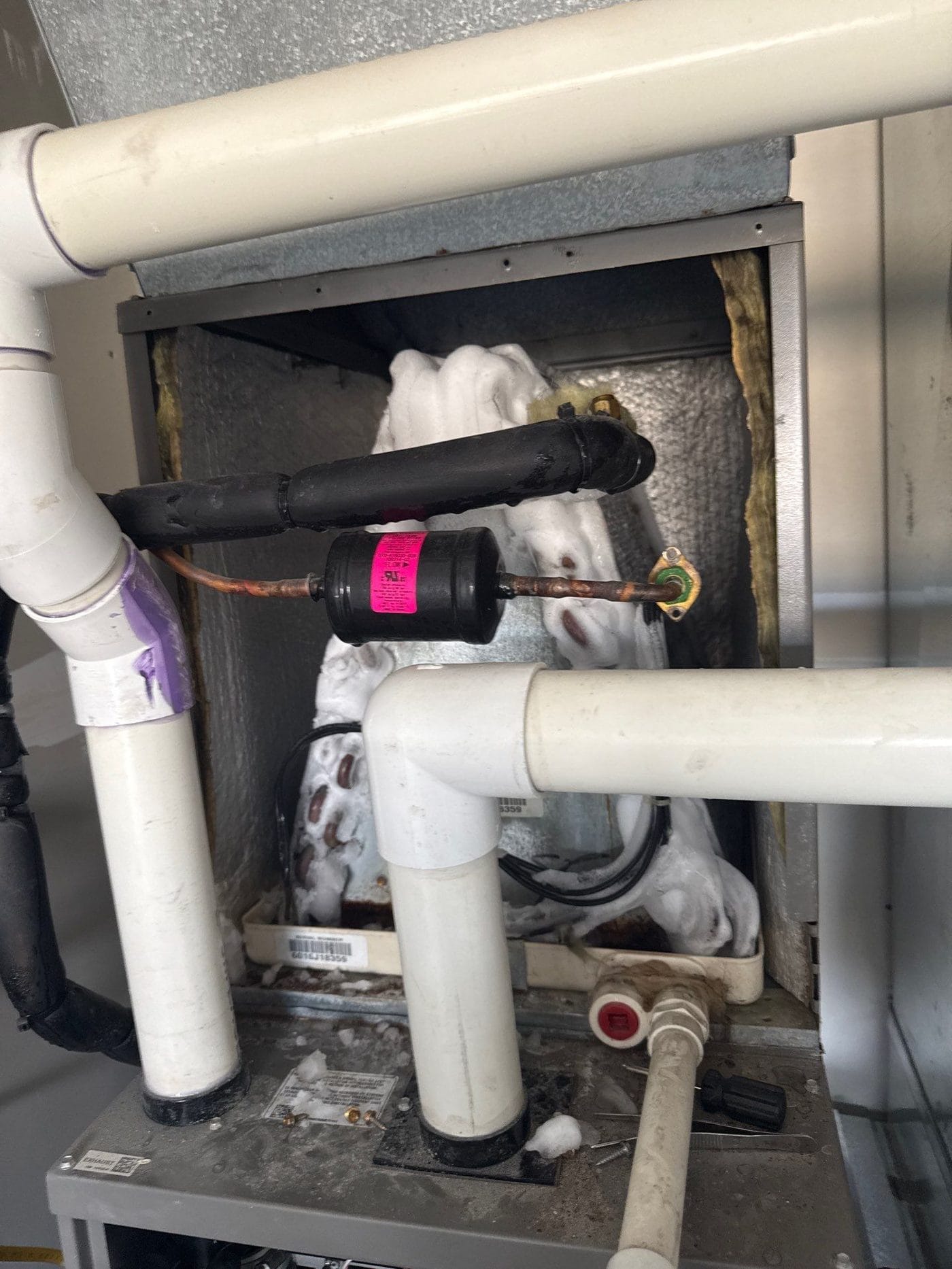
A leaking evaporator coil can be expensive because it may require refrigerant recovery, access work, and careful matching with the current system. Dirty air filters can also cause airflow problems that stress the coil.
The air handler, blower, condensate drainage, and filter setup should be considered before deciding whether repair or replace is the cost effective solution.
Heat Pump, Gas Furnaces, And Heating And Cooling Scope
A heat pump decision can be more complex because one system handles heating and cooling. Heat pump repair may affect both summer comfort and winter operation.
For homes with gas furnaces, furnace replacement timing can matter too. Replacing only the air conditioner while leaving mismatched heating equipment may not be the best option for every home.
New HVAC System Costs Vs HVAC Repair Costs
HVAC repair prices should be compared with the cost of a new unit, the cost of a replacement system, and the monthly costs of operating older models.
New HVAC pricing can include the outdoor condenser, indoor coil, air handler or furnace connection, refrigerant lines, electrical work, thermostat controls, permit details, and startup testing.
The entire process should be written clearly so the homeowner knows whether the quote is for AC repair, AC replacement, or broader HVAC replacement.
Clear written scope also helps homeowners compare price, comfort goals, and expected results.
Ask for model numbers, equipment match details, labor scope, and the price of optional work. Clear scope helps compare HVAC units without guessing what each company included.
If changing the air conditioner means changing the indoor coil, furnace cabinet, return air path, or thermostat controls, the project is closer to full equipment changeout than a simple new AC swap.
If repairing the current system, ask what could fail next. A repair that fixes one part but leaves several weak components may not be the best use of money.
Warranty, Unit’s Age, And Frequent Repairs
Check the manufacturer warranty, labor terms, registration, and model information before approving a major repair. Warranty coverage can change the math, but it does not remove every cost.
The unit’s age matters because an older unit with part coverage may still have other aging components. Repeat breakdowns after the coverage period can make replacement more practical.
Coverage paperwork should be read carefully. Some applies only to parts, some depends on registration, and some does not include diagnosis, refrigerant, or labor.
Keep copies with service records so future project comparisons are easier.
New Unit, New System, And New AC Planning
A new unit can solve a failed outdoor condenser problem. A new system may be needed when the indoor and outdoor equipment should be matched, or when the air handler and furnace are part of the same scope.
New AC planning should include size, efficiency, refrigerant type, duct condition, thermostat controls, installation access, and whether the home needs heating and cooling improvements at the same time.
Repair Or Replace Checklist
Before deciding, write down the current unit age, quoted service work, recent repair history, energy bills, comfort complaints, and any professional inspection notes.
Ask whether the HVAC company found one clear failure or several concerns. The smart choice is usually clearer when the diagnosis, cost, and expected lifespan are all on the table.
Also list the factors that matter to the household: monthly costs, noise, air quality, reliability, energy consumption, and how often the home reaches the desired temperature.
A service technician can help determine whether the service path matches the equipment condition. The decision should not rely on one number alone.
| Repair may fit when… | Replacement may fit when… |
|---|---|
| The system is newer and the repair is limited. | The AC equipment is older and needs repeated repairs. |
| Comfort and air quality were good before the failure. | Rooms stay hot, humid, noisy, or uneven after maintenance. |
| The failed part is minor and available. | The compressor, evaporator coil, or major controls are failing. |
| Warranty paperwork supports the repair. | Warranty coverage is gone and monthly costs keep rising. |
Questions For The Service Technician Or HVAC Professional
Ask what failed, what caused the failure, whether other parts are weak, and whether the repair protects the system’s lifespan. Ask for photos or readings when possible.
Also ask how the repair or replacement decision would change if you plan to move in the next few years. A better investment for a long-term homeowner may not match a short-term plan.
When the answer is close, compare two written options: the repair as proposed and the replacement scope. That makes the tradeoff easier to review later.
Air Conditioner Repair Or Replacement Photos
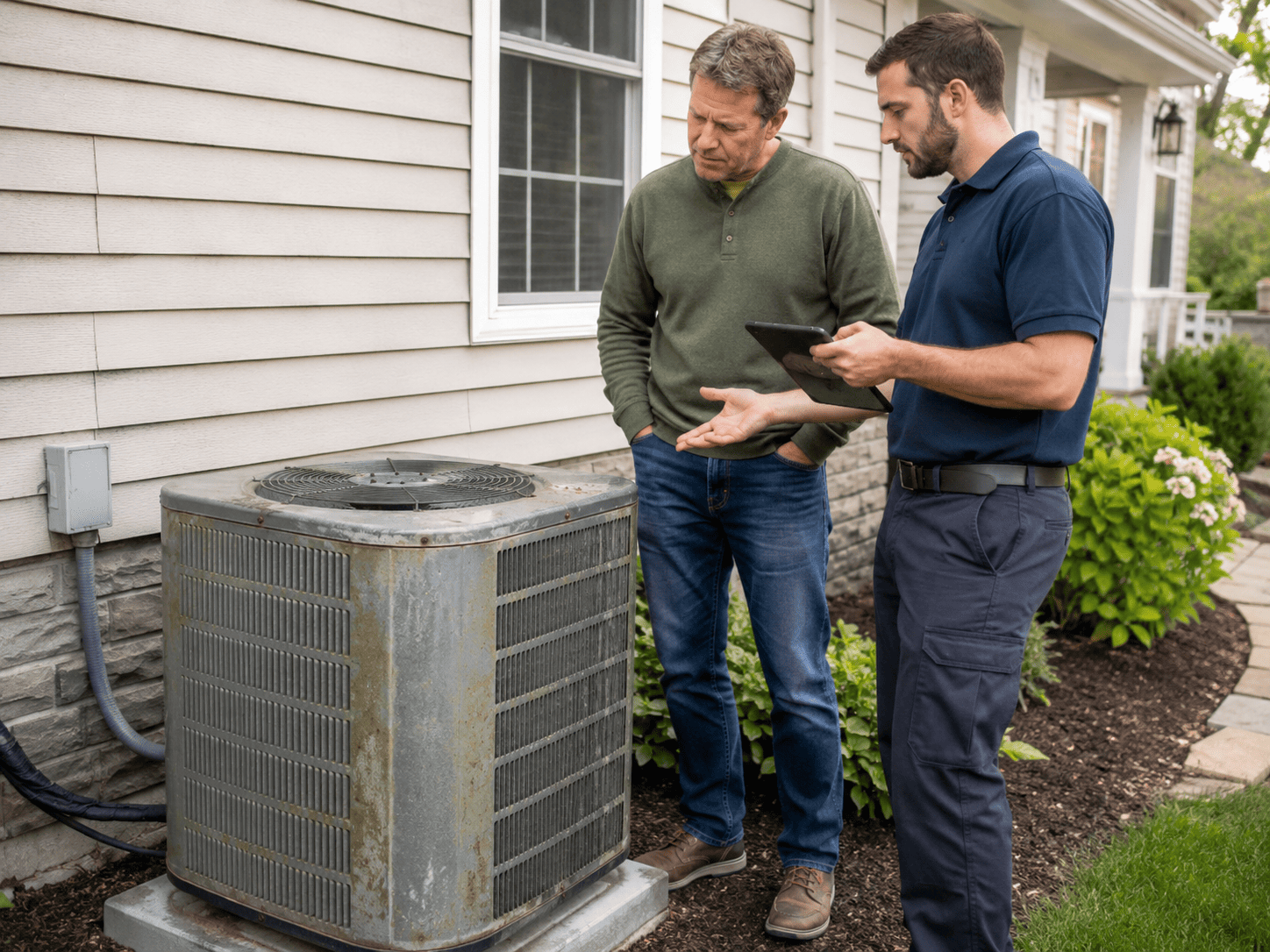
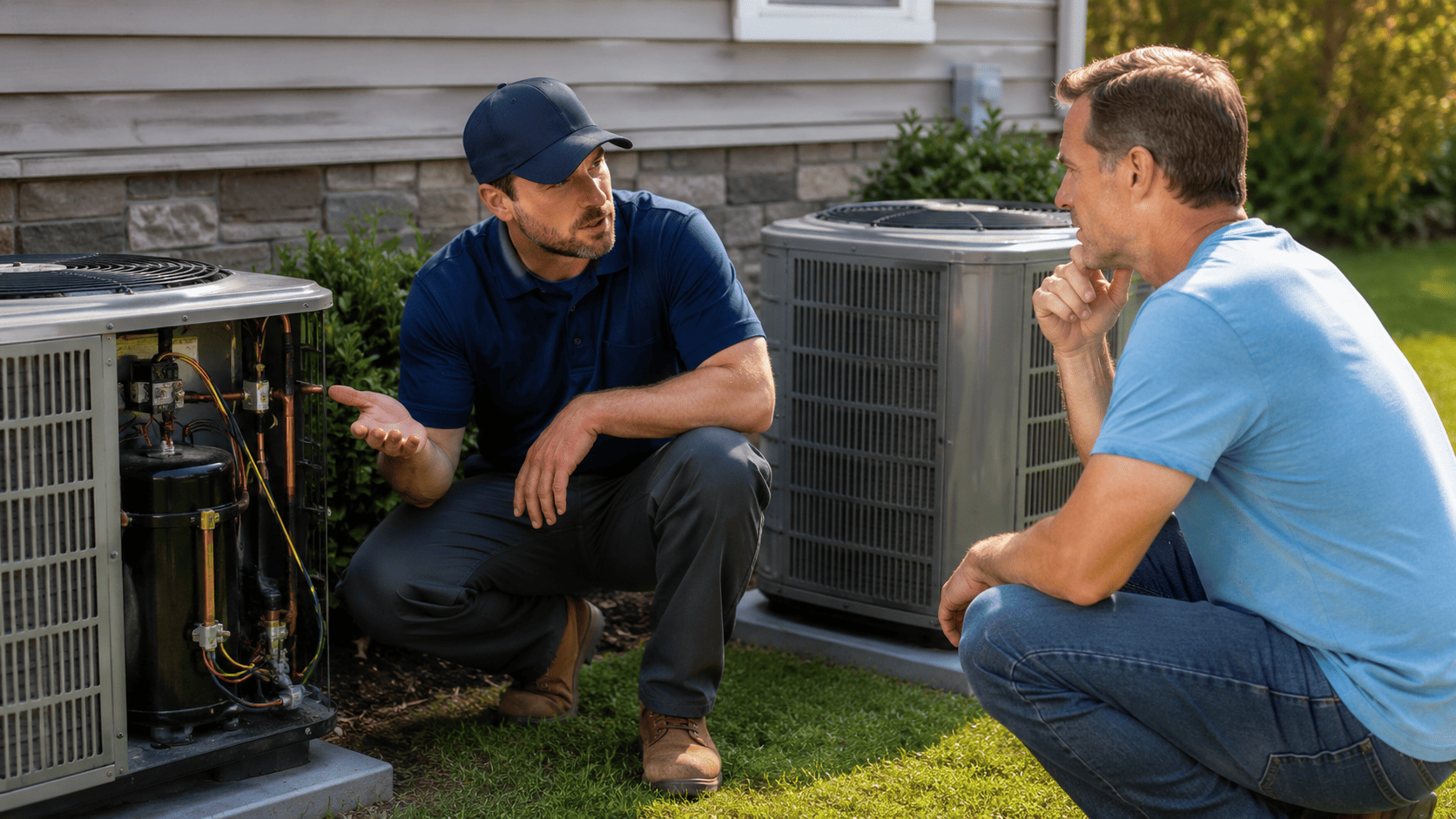
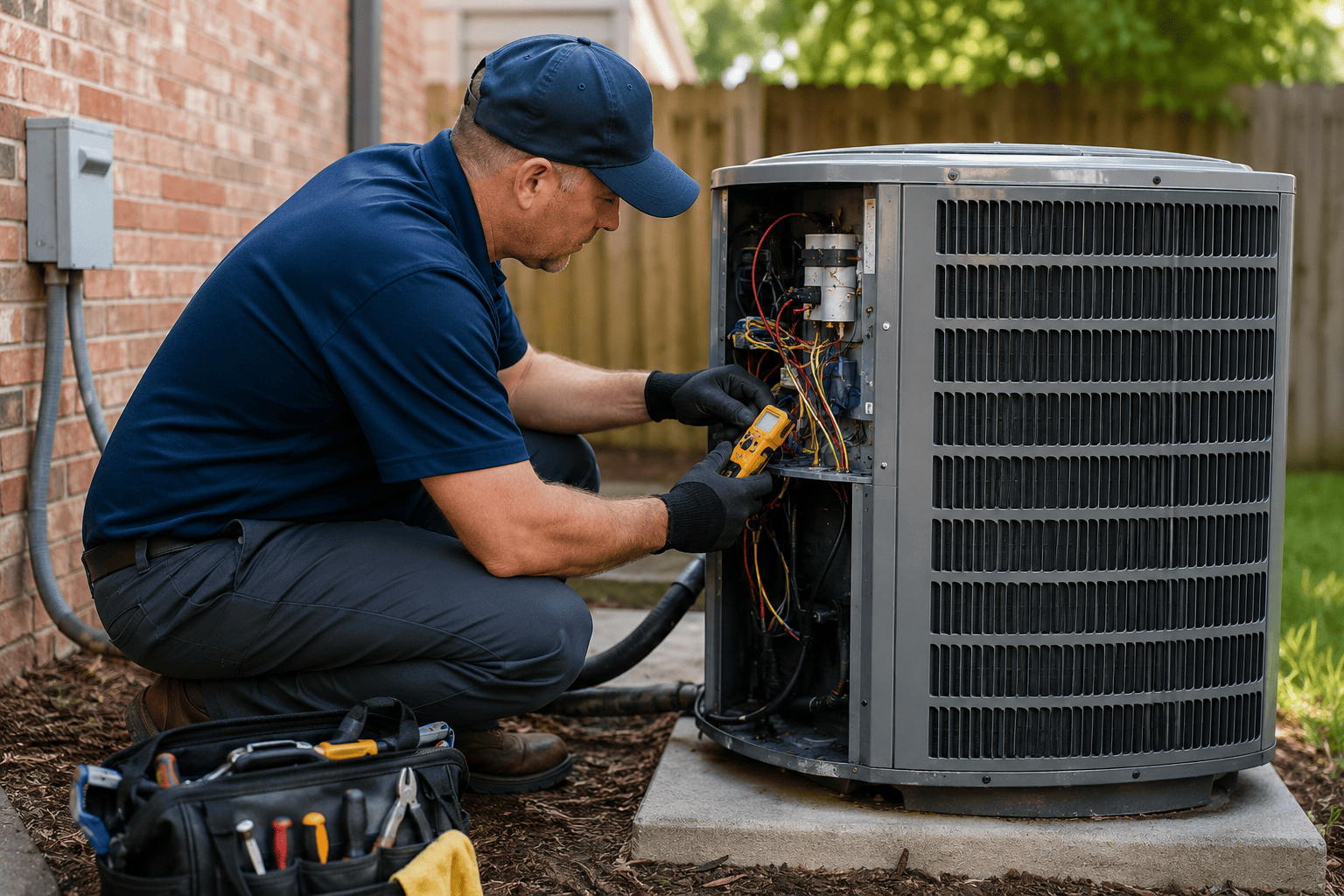
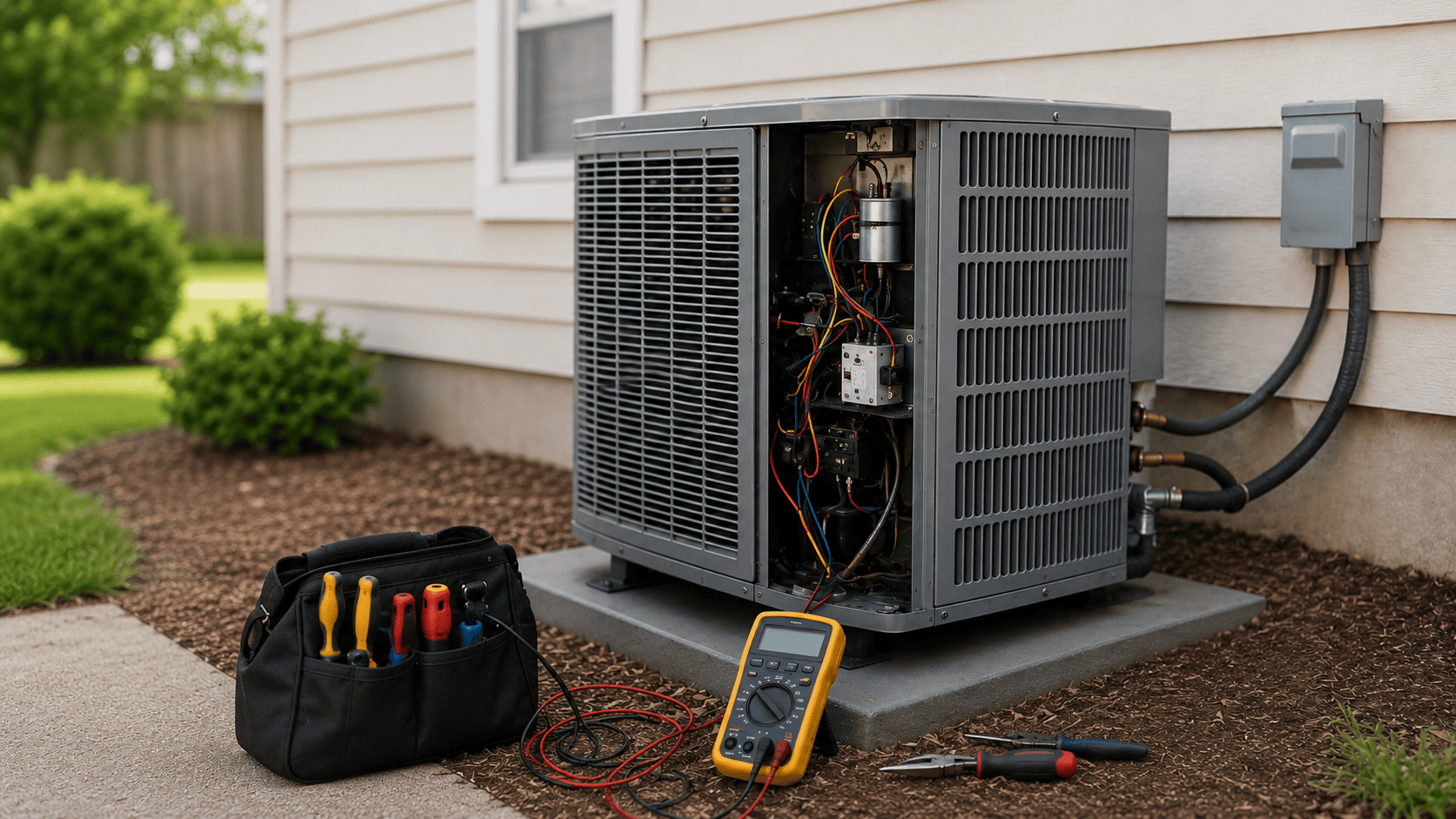
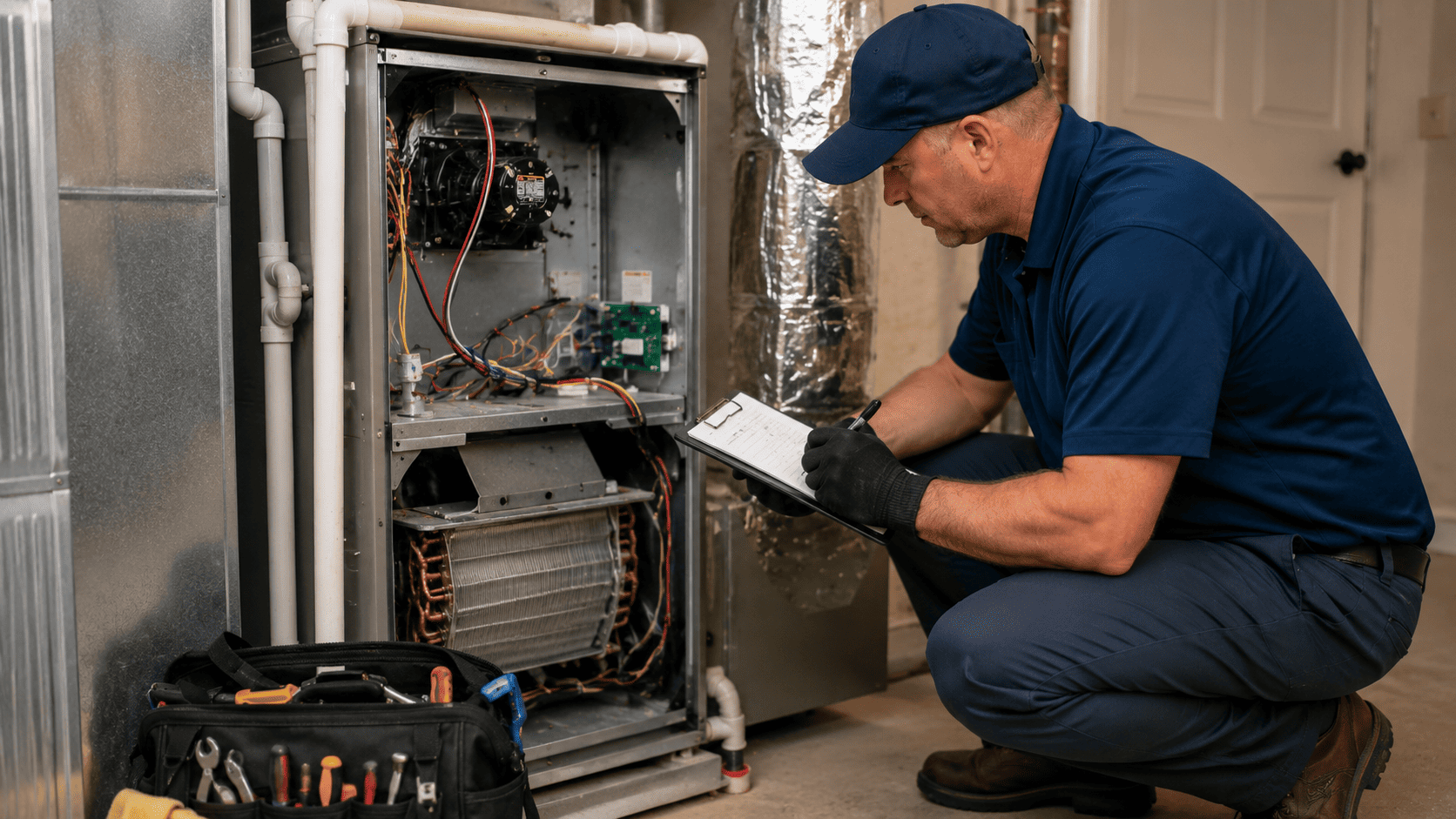
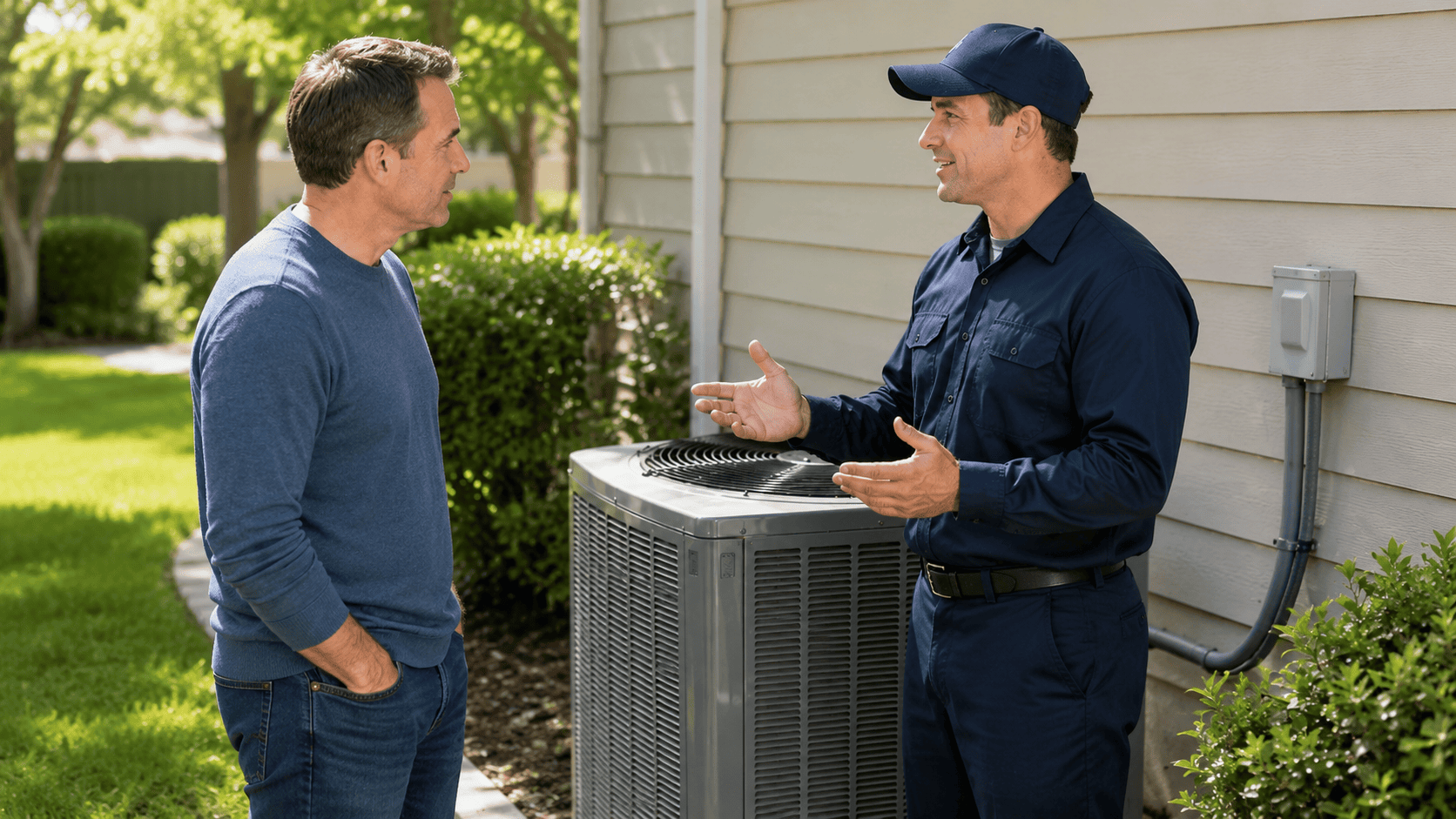
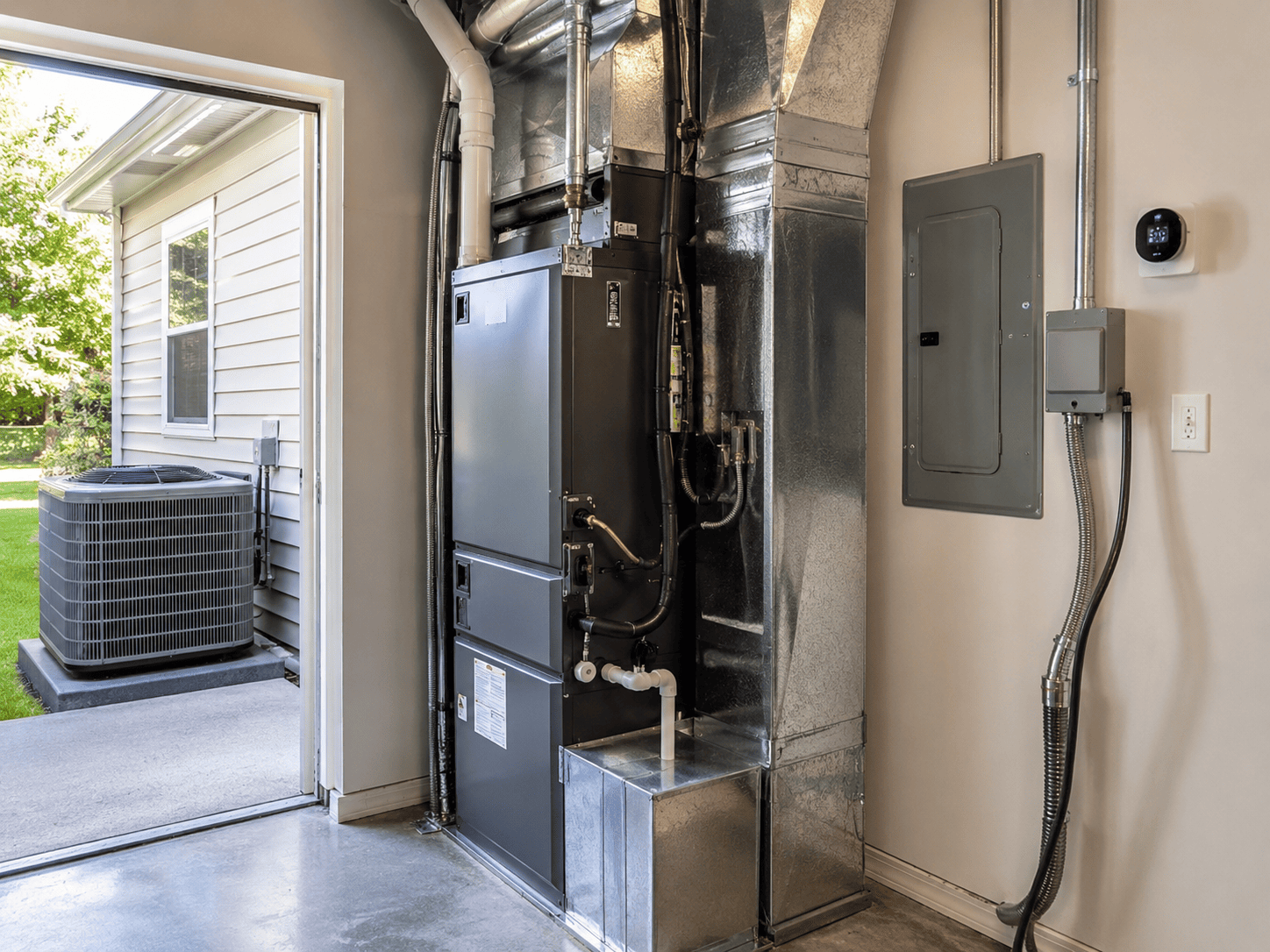
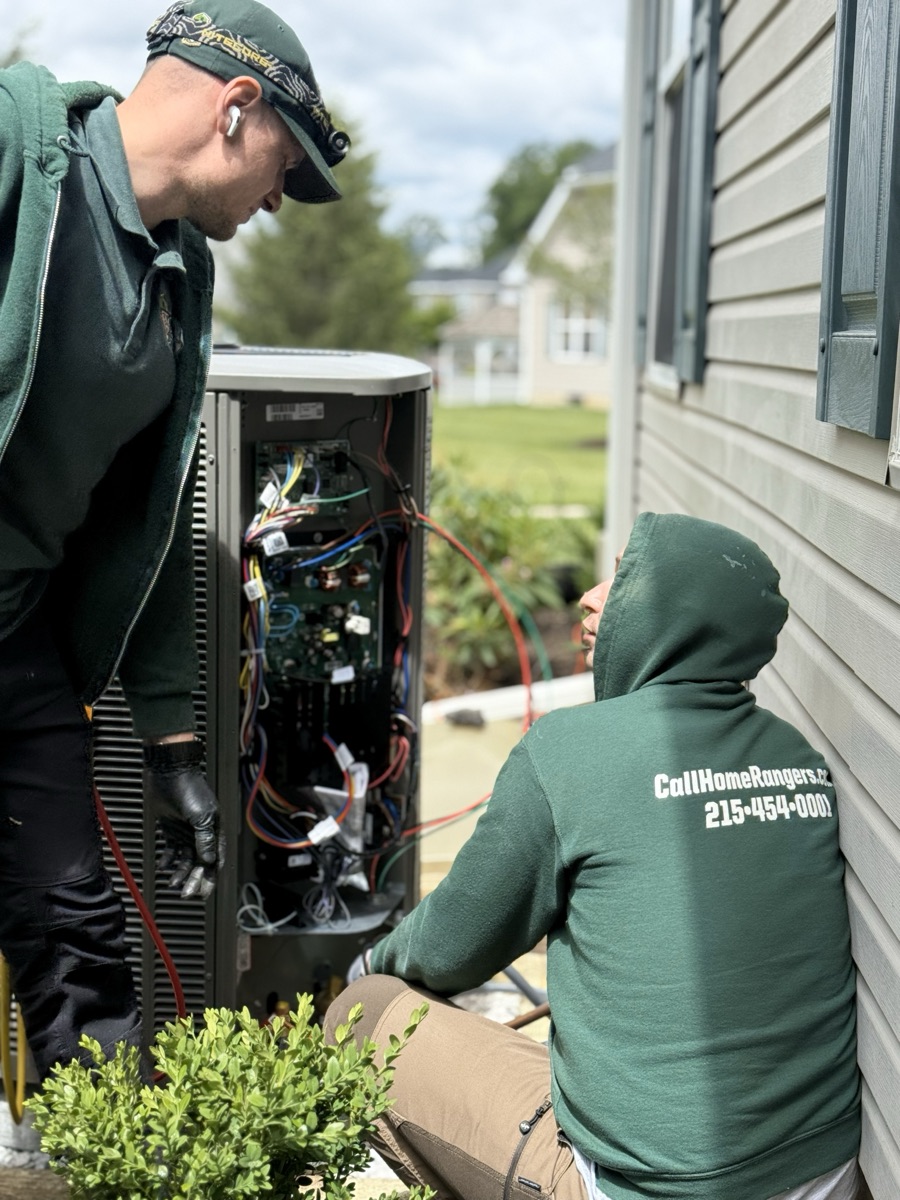
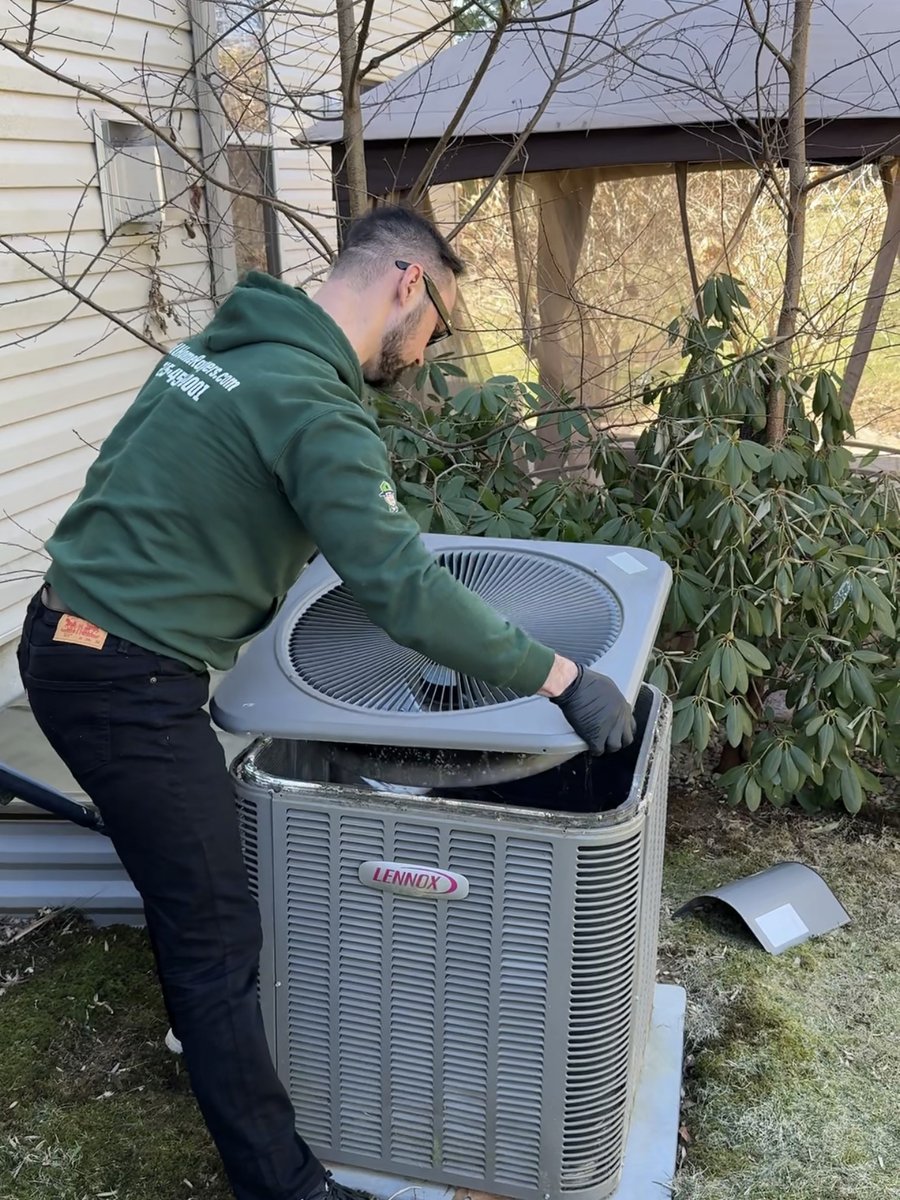
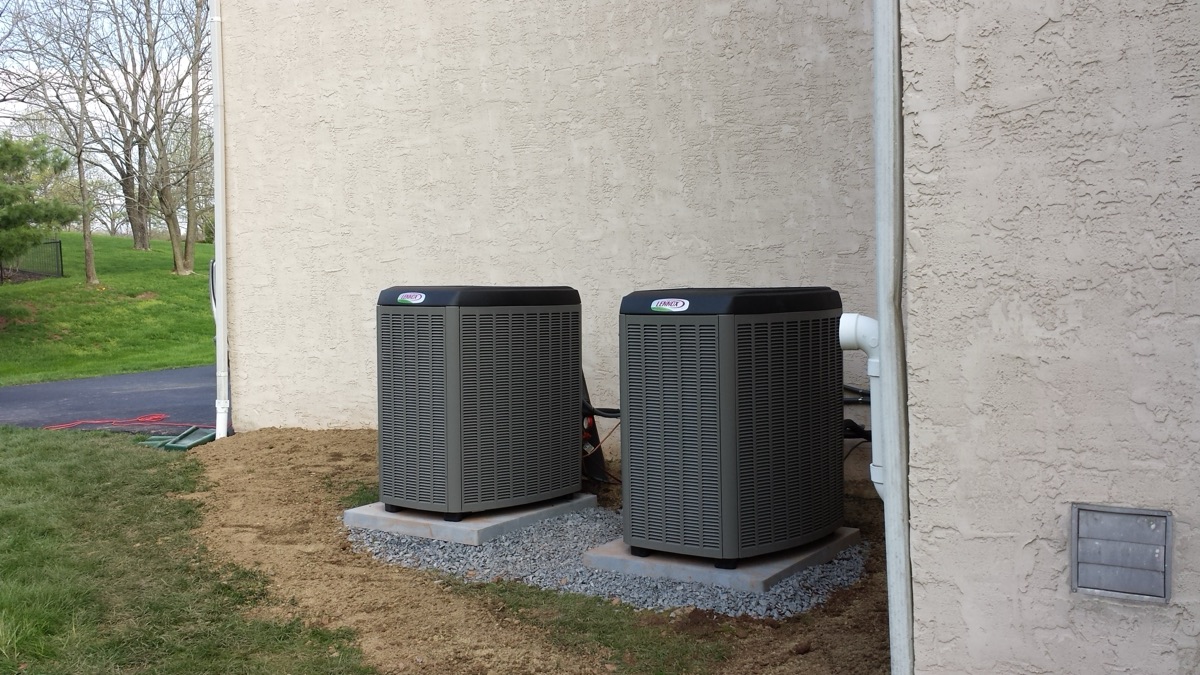
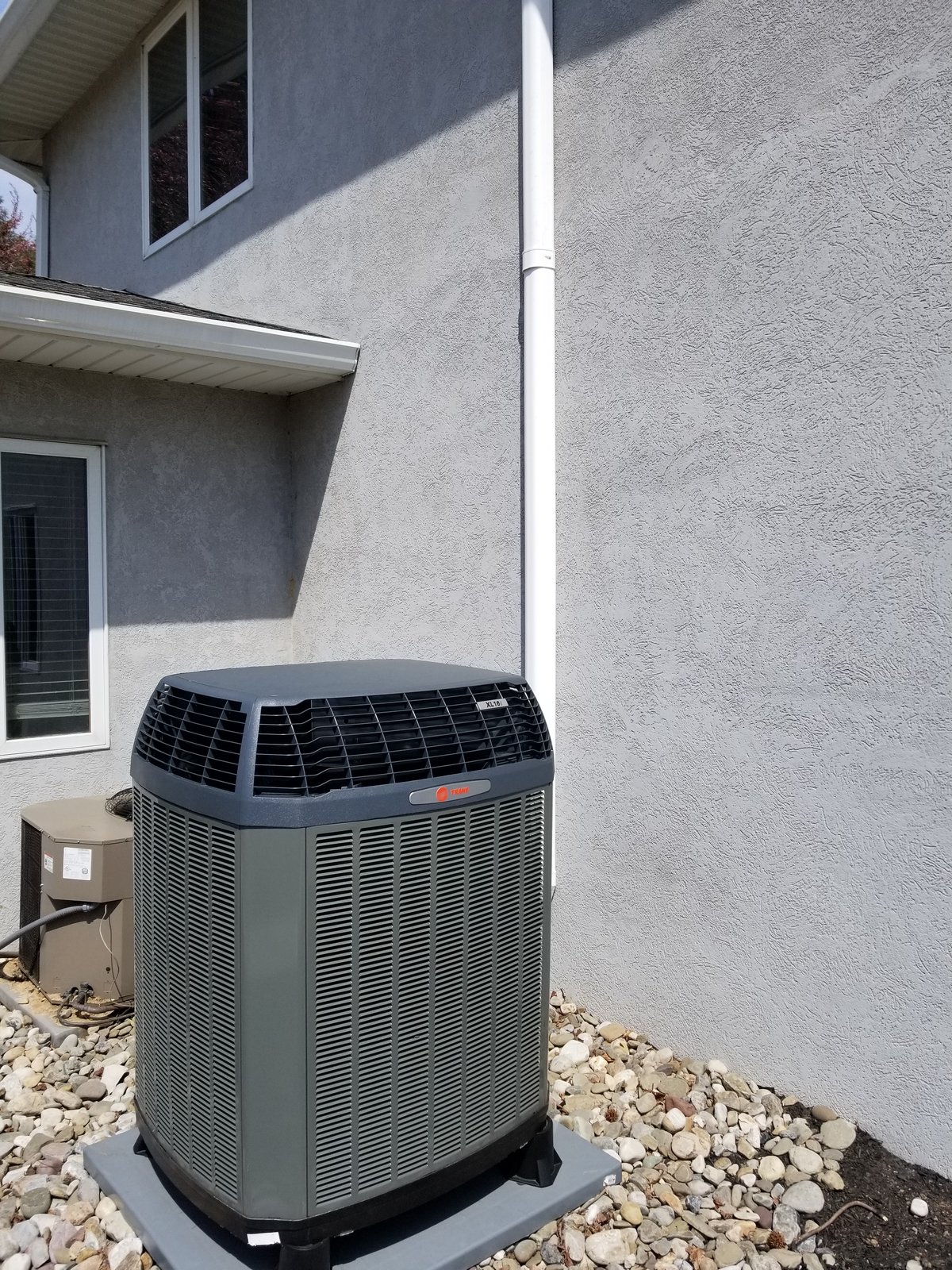
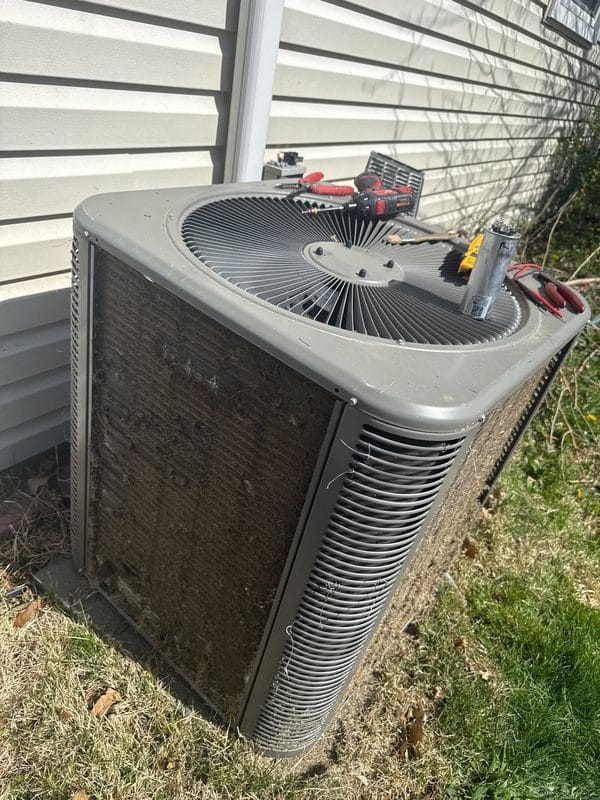
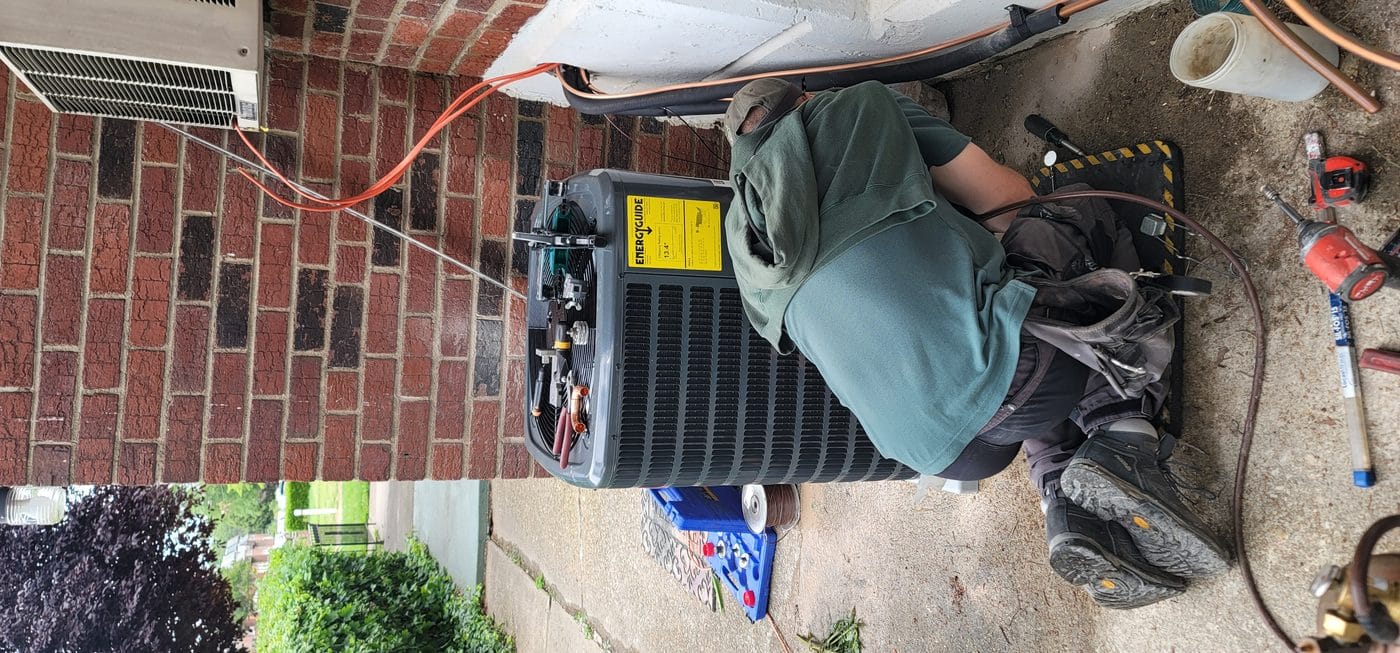
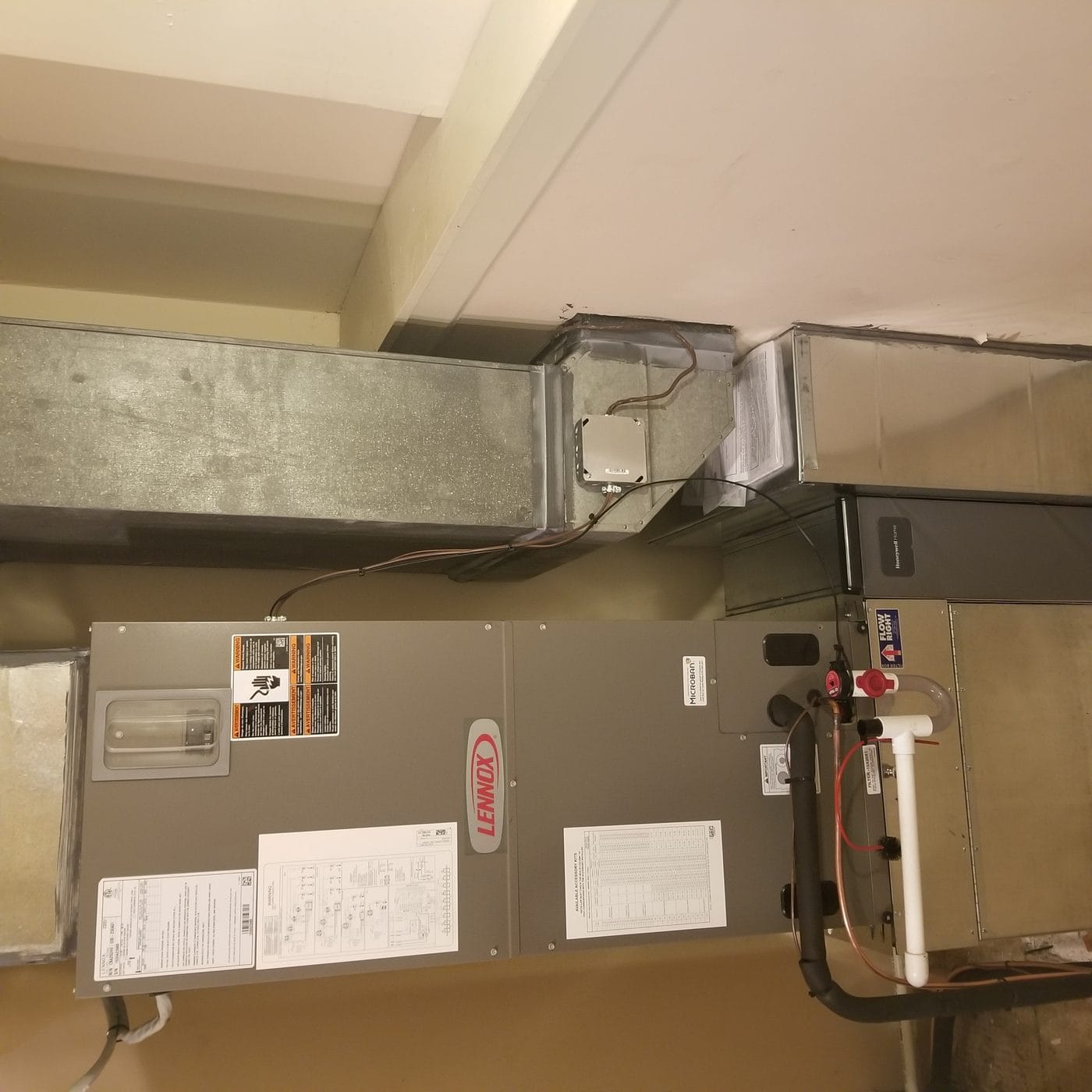
These photos show air conditioner repair, AC replacement, HVAC diagnostics, coils, air handlers, heat pump equipment, and installation factors that can affect cost and scope.




Frequently Asked Questions
How do I know what to do with an older air conditioner?
Compare the unit’s age, quoted repair, coverage status, comfort issues, energy bills, and whether the failure is isolated or part of repair history.
Is a new HVAC system always the best option?
No. A new HVAC system can be the right call for older units with major problems, but a small repair on a newer system may be more cost effective.
Can a heat pump change the replacement decision?
Yes. A heat pump handles heating and cooling, so the decision should consider both seasons, not only summer air conditioning.
Should energy efficiency decide the whole project?
No. Efficiency matters, but sizing, ductwork, installation quality, humidity control, and repair history all affect whether new equipment is the smart choice.
An AC decision should be based on diagnosis, not pressure. Good notes, model numbers, photos, and clear service details make the choice easier to compare.
Need Help With An AC Repair Or Replacement Decision?
Home Rangers can review AC repair, AC replacement, heat pump issues, air conditioning system condition, HVAC repair pricing, and system options for homes in Bucks County, Montgomery County, Philadelphia, and nearby areas. License records include PA HIC #PA163523, Philadelphia Contractor #057677, NJ Master HVACR #19HC00033500, and DE Master HVACR #HM-0011370.
Review AC Repair Options