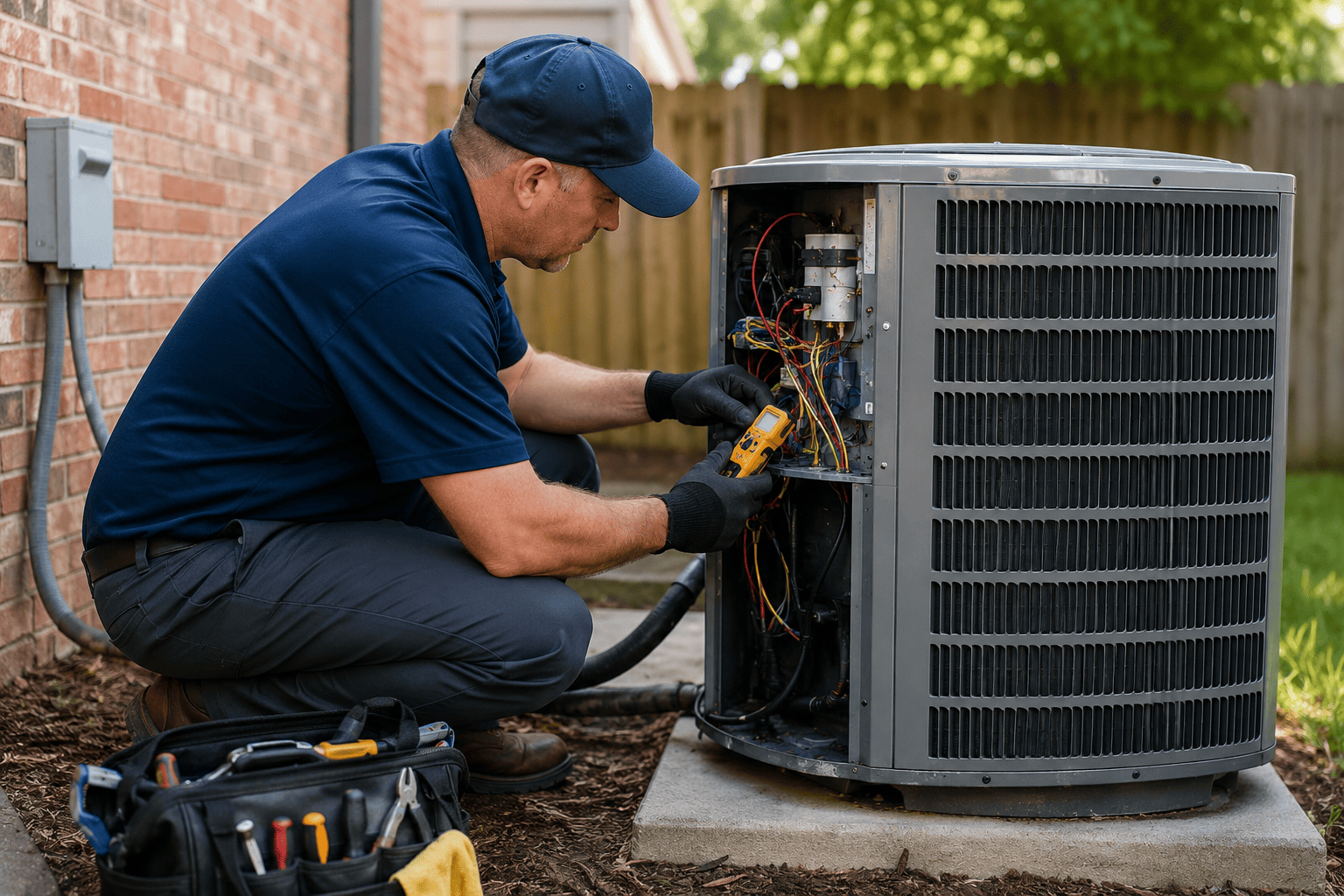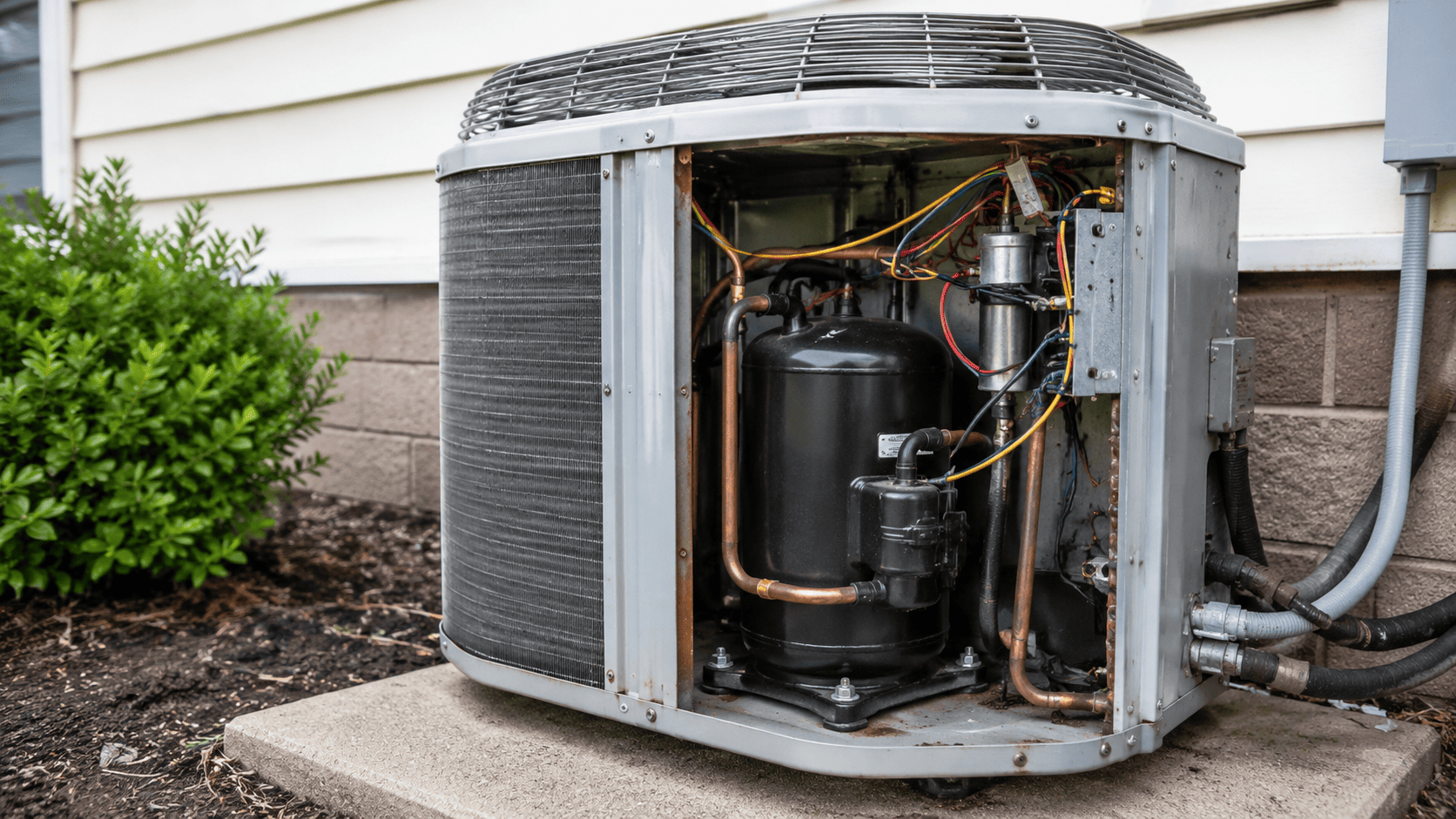

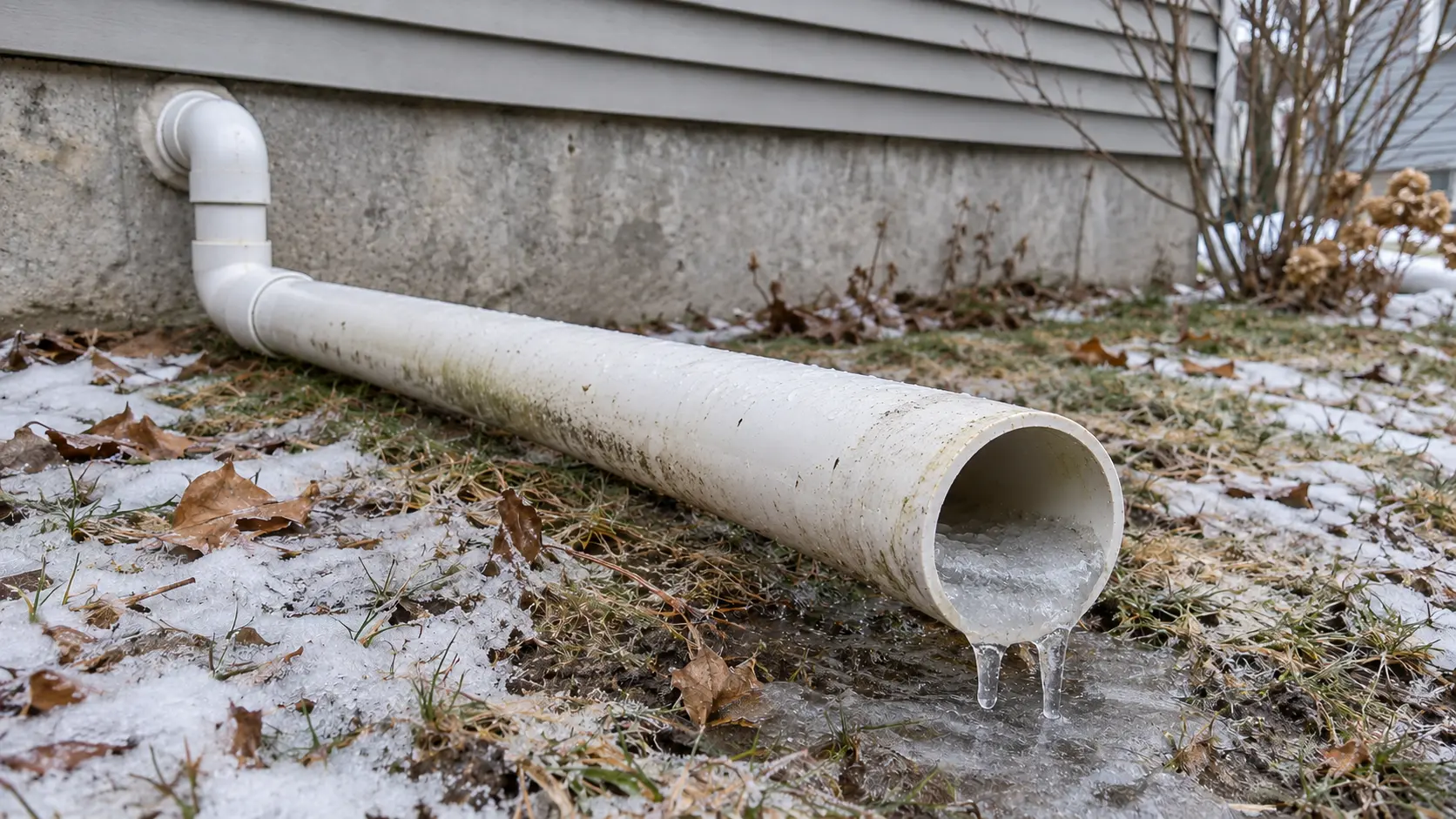
To keep sump pump discharge from freezing, help the outdoor line drain between pump cycles: correct low spots, maintain a continuous downhill route and keep the outlet clear of snow and ice. Insulation slows heat loss, while a properly selected heating cable can protect vulnerable sections. A freeze-relief fitting provides another exit if the downstream pipe becomes blocked.
Winter rain and snowmelt can still send water into your sump pit. A working pump cannot protect your basement if its discharge route is frozen shut. Here is how to prevent that blockage, choose suitable protection and respond when water stops flowing.
Why Does a Sump Pump Discharge Line Freeze?
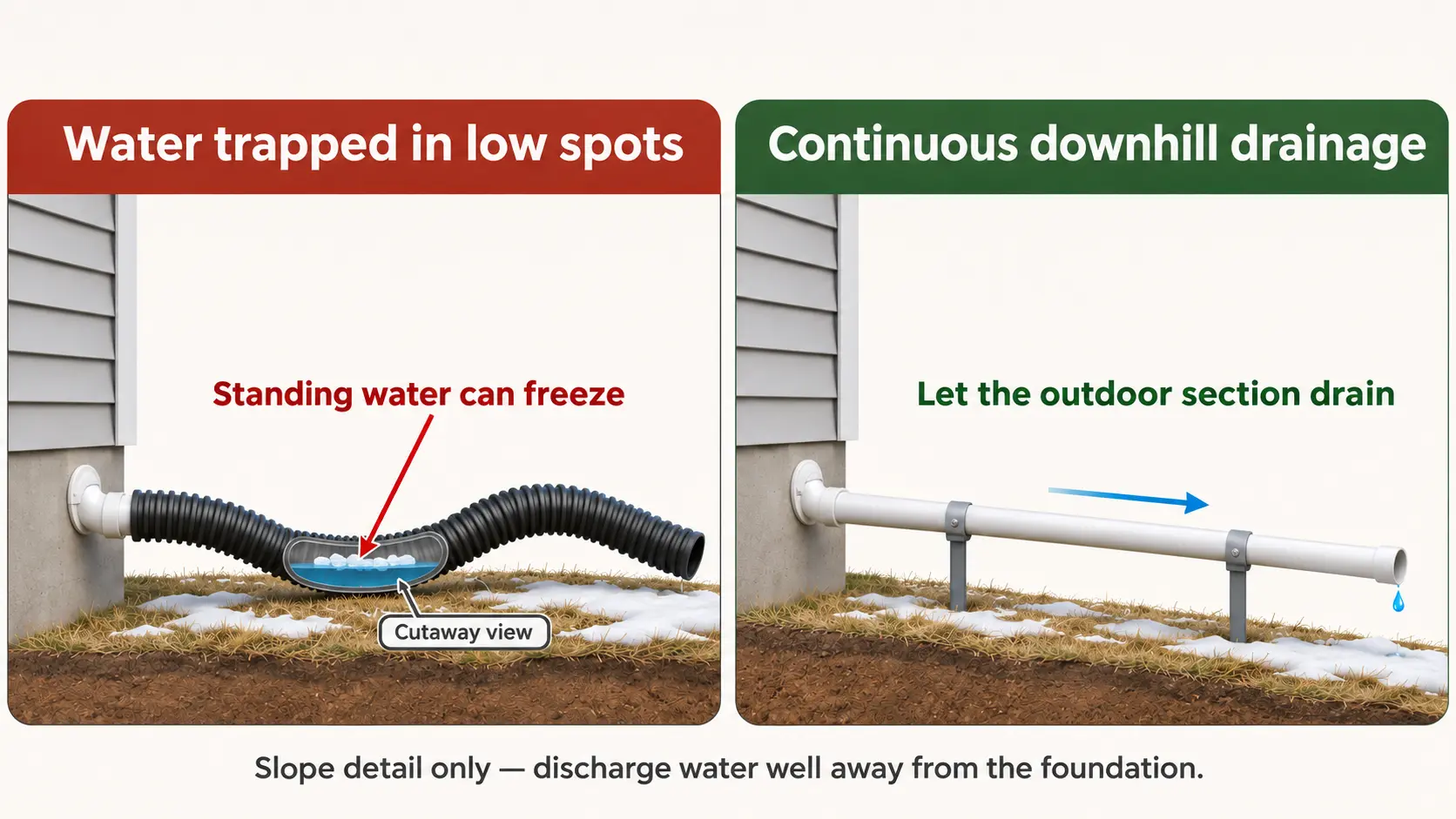
Water left in an outdoor pipe can freeze during cold weather. Common trouble spots include sagging extension hoses, uphill sections, exposed elbows and outlets buried in snow. Ice can also build up where discharged water pools and refreezes around the pipe opening.
A buried line is not automatically protected. A shallow section, trapped water or frozen receiving outlet can still block drainage. Likewise, a pump running without lowering the pit level suggests a discharge or pumping problem; ice is one possibility, not the only diagnosis.
| What you notice | What to check next |
|---|---|
| Pump runs, pit stays high, outlet has no flow | Check for a blocked discharge; stop prolonged operation and monitor the water level. |
| Pump is silent while the pit fills | Arrange checks of power, the float and the pump; a frozen outlet alone does not explain every failure. |
| Water escapes through a freeze-relief fitting | Inspect the downstream route for ice or another blockage. |
| Water returns toward the house after discharge | Review yard drainage and outlet placement before adding insulation or heating. |
How to Prevent Sump Pump Discharge From Freezing
1. Correct the Outdoor Drainage Route
Follow the line from the house to its outlet. Look for dips, unsupported hoses and sections that rise before reaching the discharge point. The outdoor gravity-drain portion should have continuous fall so water can leave instead of collecting between cycles. NDSU Extension recommends placing the discharge hose on sloped ground to help it drain and prevent freezing.
Use pipe and fittings sized for the pump and discharge layout. A larger pipe alone does not make a system freeze-proof. Have a plumber assess pipe sizing, slope and any buried sections rather than changing the pump connection or check valve yourself.
2. Address Temporary Extension Hoses
A flexible summer extension may sag or kink and retain water. Replace a troublesome extension with a supported, suitable drainage arrangement. If you remove a temporary hose for winter, first confirm the remaining outlet still carries water away from the foundation to an appropriate drainage area.
Do not disconnect the permanent discharge pipe or leave water spilling beside the basement wall. Avoid reducing the outlet to a small garden hose without checking the pump manufacturer’s requirements.
3. Keep the Outlet Open and Safely Located
Mark the discharge location so you can find it after snowfall. Remove loose snow, leaves and debris around the outlet, and watch for ice accumulating during repeated pump cycles. Keep the discharge away from walking surfaces and neighboring property.
For a buried system, the receiving drain or emitter needs attention too. Do not assume a few inches of soil or a pop-up emitter guarantees winter drainage. Ask your installer how the system handles a frozen outlet, and check local requirements before changing the discharge location.
Does your discharge line freeze every winter? Home Rangers can inspect the pump and discharge route, identify drainage problems and discuss suitable repairs before the next cold snap.
How to Insulate a Sump Pump Discharge Pipe
Insulation delays freezing; it does not generate heat. ASHRAE’s guidance on mechanical insulation explains that still water can eventually freeze in an insulated pipe during prolonged cold.
- Fix drainage first. Wrapping a water-filled low spot leaves the underlying problem in place.
- Choose insulation for the location. Match the pipe’s outside diameter and use a system suitable for outdoor exposure where needed.
- Cover vulnerable sections continuously. Fit around elbows and joints, sealing seams with the insulation manufacturer’s recommended materials.
- Protect against weather. Use the specified outdoor jacket or covering and replace damaged or waterlogged material.
- Leave outlets and relief openings unobstructed. Never wrap over a drainage opening.
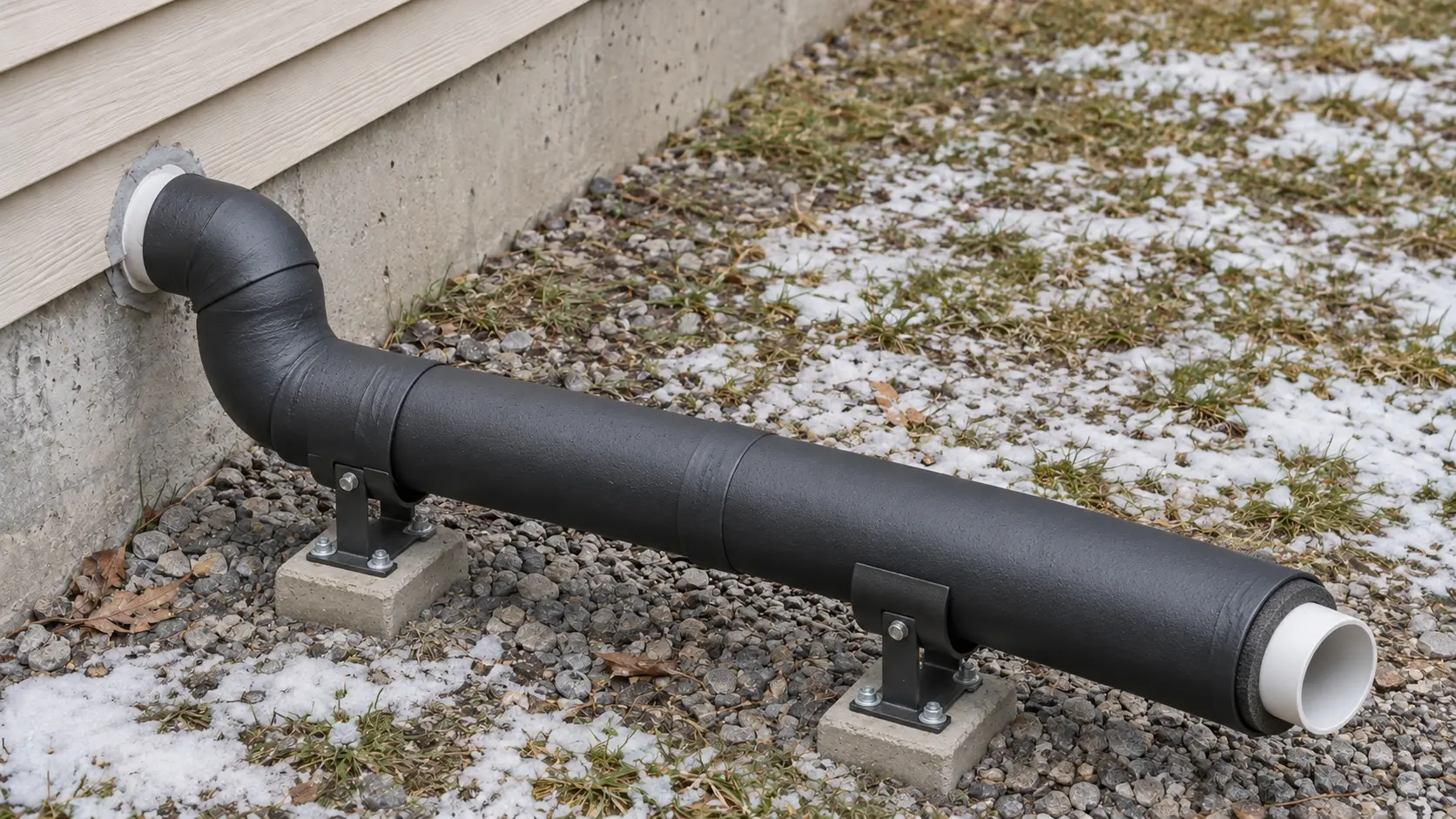
If heating cable is present, its instructions determine the insulation material and thickness. An insulated sump pump discharge hose still needs proper support, drainage and an open outlet.
Can You Use Heat Tape for a Sump Pump Discharge Pipe?
Only use a heating system explicitly approved for your discharge application. A cable intended for a continuously water-filled supply pipe may be unsuitable for an intermittently empty drain. For example, Frost King’s automatic electric heat cable instructions prohibit using that product on drain lines or hoses.
Purpose-designed options exist: Heat-Line describes heating systems for sump pump discharge lines, including external and internal configurations. Selection depends on pipe material, diameter, exposure and installation method.
Before buying heat tape or a heated sump pump discharge hose, confirm:
- Approval for sump discharge or the specific drain application, including operation when the pipe is empty.
- Compatibility with the pipe or hose material and any outdoor, wet-location or burial conditions.
- Required electrical protection, controls, insulation and installation clearances.
- Whether installation is permitted inside the pipe or only on its exterior.
Follow the exact installation manual. Do not assume a self-regulating label permits every application, or insert ordinary heat tape into the pipe. Heating also depends on power; it cannot correct an obstructed outlet or poor routing.
What Does a Sump Pump Discharge Freeze Guard Do?
A freeze-relief or ice-relief fitting gives water an alternate escape route when the downstream discharge freezes or clogs. It does not heat the pipe or melt an ice plug. Basement Systems’ IceGuard description illustrates this type of overflow protection.
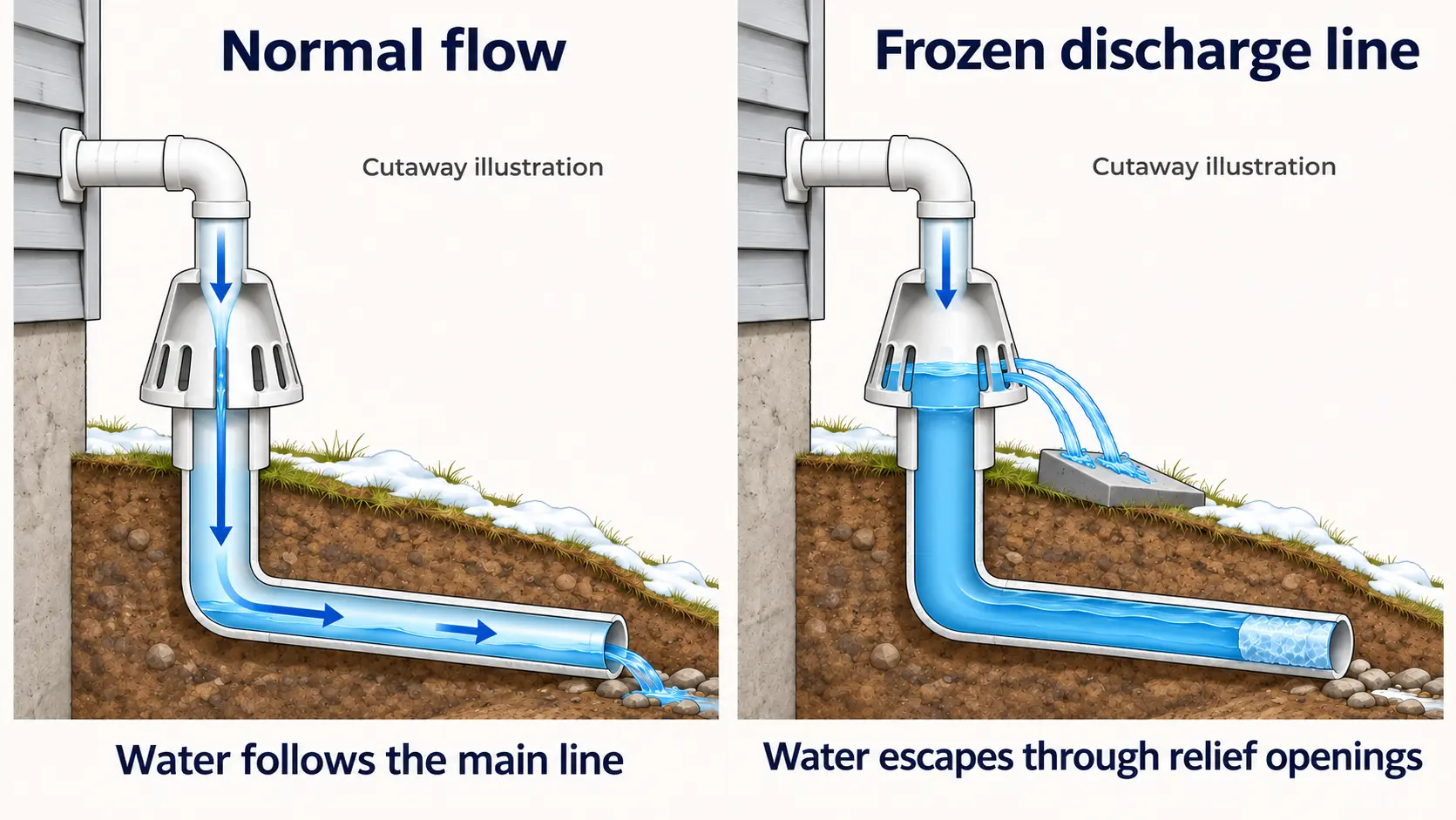
The relief openings must remain clear, and escaped water needs a safe route away from the foundation. A standard check valve serves a different purpose: it limits water flowing back toward the pit. Do not drill homemade relief holes or remove a check valve as a freeze-prevention shortcut.
How to Thaw a Frozen Sump Pump Discharge Line
Suspect a frozen sump pump discharge line when the pump runs, the pit level fails to drop and little or no water reaches the outside outlet during freezing weather. Stop repeated test cycles until you check the discharge path.
- Protect yourself and the pump. If it is running against a blockage, switch it off only from a dry, safe location. Do not enter standing water to reach a plug or electrical panel.
- Watch the pit level. A stopped pump leaves the basement without that protection. If water is rising, arrange urgent help and a suitable temporary discharge route; do not leave the system unattended.
- Inspect accessible outdoor sections. Start with the outlet, removable extension and visible low spots. Clear loose snow gently; do not strike frozen plastic.
- Warm an accessible section gradually. Towels soaked in warm water can transfer gentle heat. Keep meltwater away from electrical equipment and do not pour boiling water into the pit or pipe. Have buried or inaccessible blockages handled professionally.
- Inspect and test after clearing. Check for split pipe and leaking joints, restore a complete discharge route, then observe the pump lowering the pit level and water leaving the outlet.
The American Red Cross recommends gentle warming for accessible frozen water pipes and warns against open flames. Its guidance concerns supply plumbing; for sump discharge, keep the pump stopped during clearing and arrange help if you cannot restore drainage safely.
Is the sump pit filling while the discharge stays frozen? Contact Home Rangers for emergency plumbing assistance. Describe the water level, whether the pump runs and any visible ice so our team can assess the situation and discuss the next steps.
Winter Sump Pump Discharge Checklist
- Keep the pump available for winter rain and snowmelt.
- Check the outlet and relief openings after storms and hard freezes.
- Inspect hoses for sags and insulation for damage.
- Check installed heating equipment according to its manual.
- Before testing the pump with water, confirm the discharge is unobstructed.
- Check alarms and backup equipment. A backup pump sharing a frozen discharge cannot bypass that blockage.
Do not route sump water into a sink, floor drain or sanitary sewer as an improvised winter fix. Confirm permitted disposal arrangements locally. For homeowners in Warminster and surrounding Bucks and Montgomery County communities, Home Rangers Heating, Air & Plumbing can assess the pump and discharge arrangement together.
Frequently Asked Questions
Can I put antifreeze in my sump pump discharge?
Do not add automotive or RV antifreeze to an operating sump system. It is not a substitute for drainage or approved freeze protection, and incoming water would dilute it. Products described as sump pump discharge antifreeze devices usually refer to mechanical freeze-relief fittings, not chemicals.
Should I unplug my sump pump for winter?
No. Winter rain and snowmelt can still fill the pit. Temporarily stopping a pump that is running against a frozen blockage is different: monitor the water level and restore a safe drainage route promptly.
Will a heated discharge hose prevent all freezing?
Only the approved, correctly installed heated portions receive protection. An unheated fitting or blocked outlet can still stop drainage, and heating stops during a power loss. Check the complete system rather than relying on the hose label.
Is there a completely freeze-proof sump pump discharge setup?
No single material or accessory guarantees drainage in every condition. Proper routing, an open outlet and suitable protection work together. Repeated freezing calls for an assessment of the entire discharge path.
Will a frozen discharge line thaw on its own?
It may thaw when conditions warm, but that does not tell you whether the pit will overflow first. Monitor incoming water, arrange help if the level rises and inspect the discharge for damage before returning it to service.
Get your sump pump discharge ready for winter.
A recurring frozen discharge needs more than another thaw. Schedule a Home Rangers inspection to review your pump, outdoor drainage and suitable freeze-protection options for your home.
Book My Sump Pump Service Appointment →
Or call us directly at (215) 454-0001