

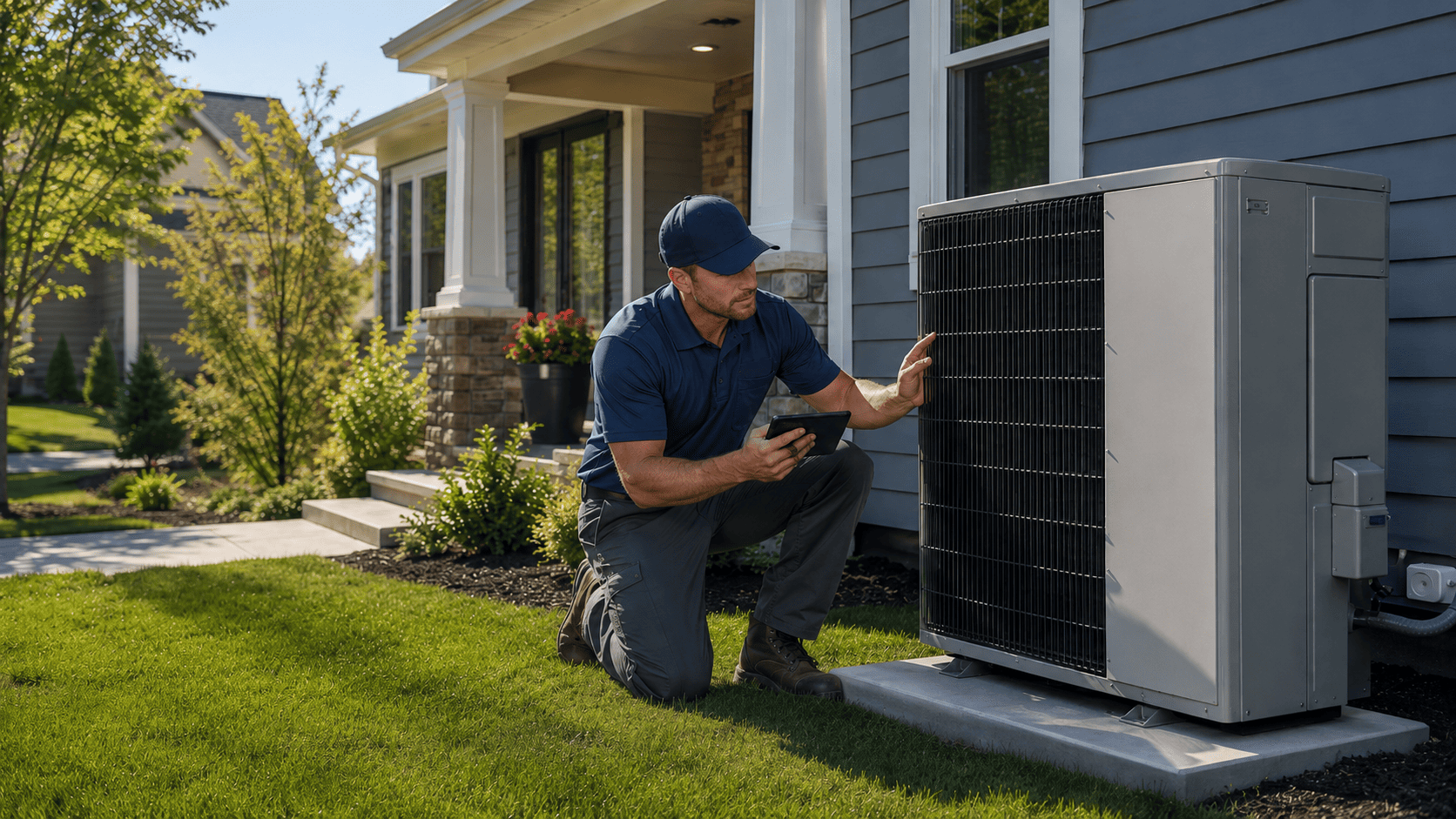
When your home’s heating and cooling system fails, it can disrupt your comfort and peace of mind. For many homeowners, a heat pump is the backbone of indoor climate control. But what happens when it stops working efficiently, or breaks down entirely? Understanding the ins and outs of system maintenance in 2026 can save you hundreds of dollars and prevent minor glitches from turning into catastrophic failures.
What is Heat Pump Repair?
If you are asking yourself what is heat pump repair, it is helpful to look at it as a comprehensive diagnostic and restorative process. In technical terms, heat pump repairs are the professional actions taken to fix components within a forced-air climate system that transfers heat between the inside of a home and the outdoor air. Unlike standard furnaces, these systems work double duty—providing both heating in the winter and cooling in the summer.
When technicians analyze what are heat pump repair requirements for a specific home, they generally categorize them into three main areas:
- Electrical Repairs: Fixing failed capacitors, replacing burnt-out wiring, swapping bad contactors, or replacing a malfunctioning thermostat.
- Mechanical Repairs: Replacing a seized fan motor, unsticking a reversing valve, or repairing broken fan blades.
- Refrigerant Repairs: Detecting and sealing leaks in the coils and recharging the refrigerant to optimal levels.
Why Choose Heat Pump Repair Over Replacement?
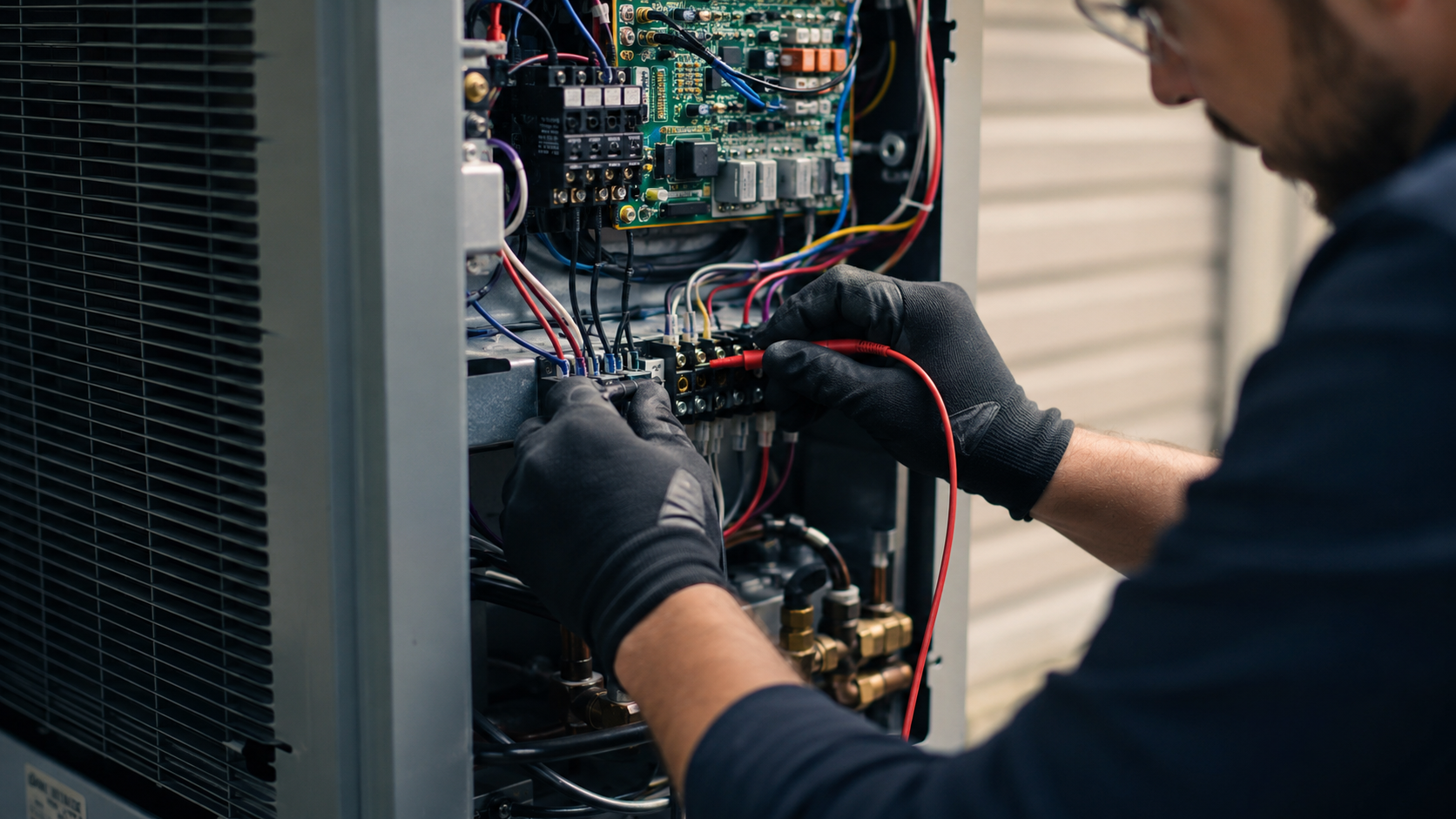
When your system acts up, you face a critical decision: should you patch it up or invest in a brand-new unit? Here is why choose heat pump repair whenever it is a viable and cost-effective option in 2026:
- Significant Cost Savings: Fixing a single component (like a $200-$300 capacitor or a $500-$800 fan motor) is significantly cheaper than spending thousands on a full system replacement.
- Extending Equipment Lifespan: High-quality, timely repairs combined with annual maintenance can help your existing heat pump reach its full potential lifespan of 12 to 15 years.
- Immediate Comfort Restoration: A standard repair job can often be completed on the same day, whereas a full installation requires scheduling, permits, and heavy labor that could leave your home uncomfortable for days.
- Energy Efficiency Recovery: A broken component often forces the system to run constantly. Repairing it restores the unit’s original SEER2 and HSPF2 ratings, lowering your monthly utility bills.
If you need to know how to get heat pump repair properly, the first step is always understanding the warning signs your system displays before it stops working completely. Let’s look at how to identify those red flags.
How Do I Know When to Call for Heat Pump Repair?
Catching a system issue early can mean the difference between a quick, affordable fix and an expensive, complicated breakdown. If you are sitting at home wondering, how do i know when to call for heat pump repair?, you should pay close attention to how your system sounds, smells, and performs. Here are the most critical warning signs that indicate your unit requires immediate professional attention:
- Short Cycling: If your heat pump turns on and off every few minutes without completing a full heating or cooling cycle, it is short-cycling. This strains the compressor and dramatically increases your energy consumption.
- Strange Noises: While heat pumps naturally make a low hum, you should never hear grinding, rattling, shrieking, or loud clicking. These sounds usually point to loose belts, failing motor bearings, or electrical contactor issues.
- Weak Airflow or Lukewarm Air: If the air blowing from your vents feels weak or fails to reach the temperature set on your thermostat, your system might have a clogged air filter, low refrigerant levels, or a malfunctioning reversing valve.
- Ice Accumulation: Finding a thick layer of ice on your outdoor unit during the summer, or a completely frozen coil in the winter, is a major red flag. This typically indicates restricted airflow or a refrigerant leak.
- Unexplained Utility Spikes: If your energy bills suddenly skyrocket in 2026 without a corresponding change in the weather, your heat pump is likely working twice as hard as it should due to an internal component failure.
Not sure if your system needs a professional fix? If your heat pump is short-cycling, making loud rattling noises, or blowing lukewarm air, ignoring these signs can lead to a total breakdown. Home Rangers can quickly diagnose the issue, restore your system’s efficiency, and help you determine whether a quick repair or a modern upgrade makes the most sense for your home.
How to Find Emergency Heat Pump Repair Near Me
When your climate control system fails during a severe winter blizzard or a scorching summer heatwave, waiting days for an appointment is not an option. Extreme indoor temperatures can pose genuine health and safety risks. If you are stuck in this situation and need to know how to find emergency heat pump repair near me, follow these tactical steps to get fast, reliable help:
- Filter for 24/7 Availability: Look specifically for HVAC contractors that explicitly advertise true emergency or round-the-clock service. Many standard companies close at 5 PM, leaving you stranded overnight.
- Verify Local Physical Presence: To ensure a fast response time, make sure the technician dispatched is actually local. True local companies can usually get a truck to your doorstep within a few hours.
- Check Real-Time Mobile Reviews: Scan recent Google Maps or Yelp reviews from the last few months of 2026. Look for keywords like “fast response,” “came out at midnight,” or “fixed it immediately.”
Stuck in an HVAC emergency and need fast, local help? When your climate control system fails during extreme weather, waiting days for an appointment is not an option. Home Rangers provides rapid emergency repairs with completely upfront pricing. Our local, NATE-certified technicians are dispatched quickly to inspect your unit and safely restore your comfort today.
Who Offers Heat Pump Repair Near Me?
As you search for who offers heat pump repair near me, you will likely be flooded with dozens of search results, national directory sites, and sponsored ads. To find a trustworthy service provider like Call Home Rangers, ensure they possess NATE (North American Technician Excellence) certification, comprehensive liability insurance, and upfront, transparent diagnostic pricing before they begin any work.
Learning how to find local heat pump repair services does not have to be a guessing game. By prioritizing locally-owned businesses over national lead-generation brokers, you secure better accountability, fair regional pricing, and technicians who thoroughly understand the specific climate challenges of your geographic area.
Understanding the Cost of Heat Pump Repair in 2026
When your climate control system suddenly stops working, the very first question on your mind is naturally: what’s the cost of heat pump repair in my area? Because pricing can fluctuate significantly based on regional labor rates, supply chain availability for parts, and inflation, having an up-to-date baseline is crucial.
On average, how much does it cost to repair a heat pump in 2026? Most homeowners find themselves spending between $175 and $600 for standard repairs. However, minor electrical issues can cost as little as $100, while catastrophic component failures can climb well over $2,000.
To give you a clear, transparent breakdown of what’s the cost to repair a broken heat pump based on specific part failures, we have compiled the market averages for this year:
| Type of Heat Pump Repair | Average Cost Range (Parts & Labor) |
|---|---|
| Diagnostic Fee / Service Call | $80 – $150 |
| Capacitor Replacement | $150 – $350 |
| Contactor Replacement | $160 – $320 |
| Blower Fan Motor Replacement | $450 – $900 |
| Reversing Valve Replacement | $600 – $1,250 |
| Refrigerant Leak Repair & Recharge | $300 – $1,500 |
| Circuit Board / Control Board Fix | $350 – $700 |
| Compressor Replacement (Out of Warranty) | $1,800 – $3,500 |
What Factors Affect Heat Pump Repair Costs?
If you notice your quote is slightly higher or lower than the averages listed above, it is because multiple variables influence the final invoice. When analyzingwhat factors affect heat pump repair costs, local technicians generally evaluate the following details:
- Warranty Status: If your system is still covered under the manufacturer’s parts warranty, you will only have to pay for the technician’s labor, drastically reducing your total out-of-pocket expenses.
- Type of Component: As shown in the table above, simple electrical controls (like capacitors) are cheap and quick to fix, while sealed system components (compressors, coils) require extensive labor, specialized licensing, and pricey materials.
- Refrigerant Type: With the ongoing environmental phase-outs in 2026, older systems running on R-22 Freon are incredibly expensive to service. Even newer systems using R-410A or R-454B carry premium material costs if a full system recharge is needed.
- Time of the Call: Requesting emergency service late on a Saturday night, during a holiday, or in the middle of a major seasonal storm will usually incur a premium “after-hours” dispatch fee.
- Accessibility: If your outdoor unit is mounted on a steep roof, tucked into a tight crawlspace, or difficult for technicians to access safely, the added labor hours will increase the overall cost.
How to Find Local Heat Pump Repair Cost Estimate
To ensure you are receiving a fair, competitive rate, you must know how to find local heat pump repair cost estimate configurations that are highly accurate. Never rely on blind over-the-phone quotes, as a true professional cannot accurately diagnose a complex HVAC issue without physical inspection.
The best practice is to request an itemized, written estimate that clearly separates the diagnostic fee, the cost of parts, and the flat-rate or hourly labor charges. Reputable local companies, like Call Home Rangers, provide upfront pricing structures so there are zero financial surprises when the job is completed.
How to Repair a Heat Pump: DIY Troubleshooting Guide
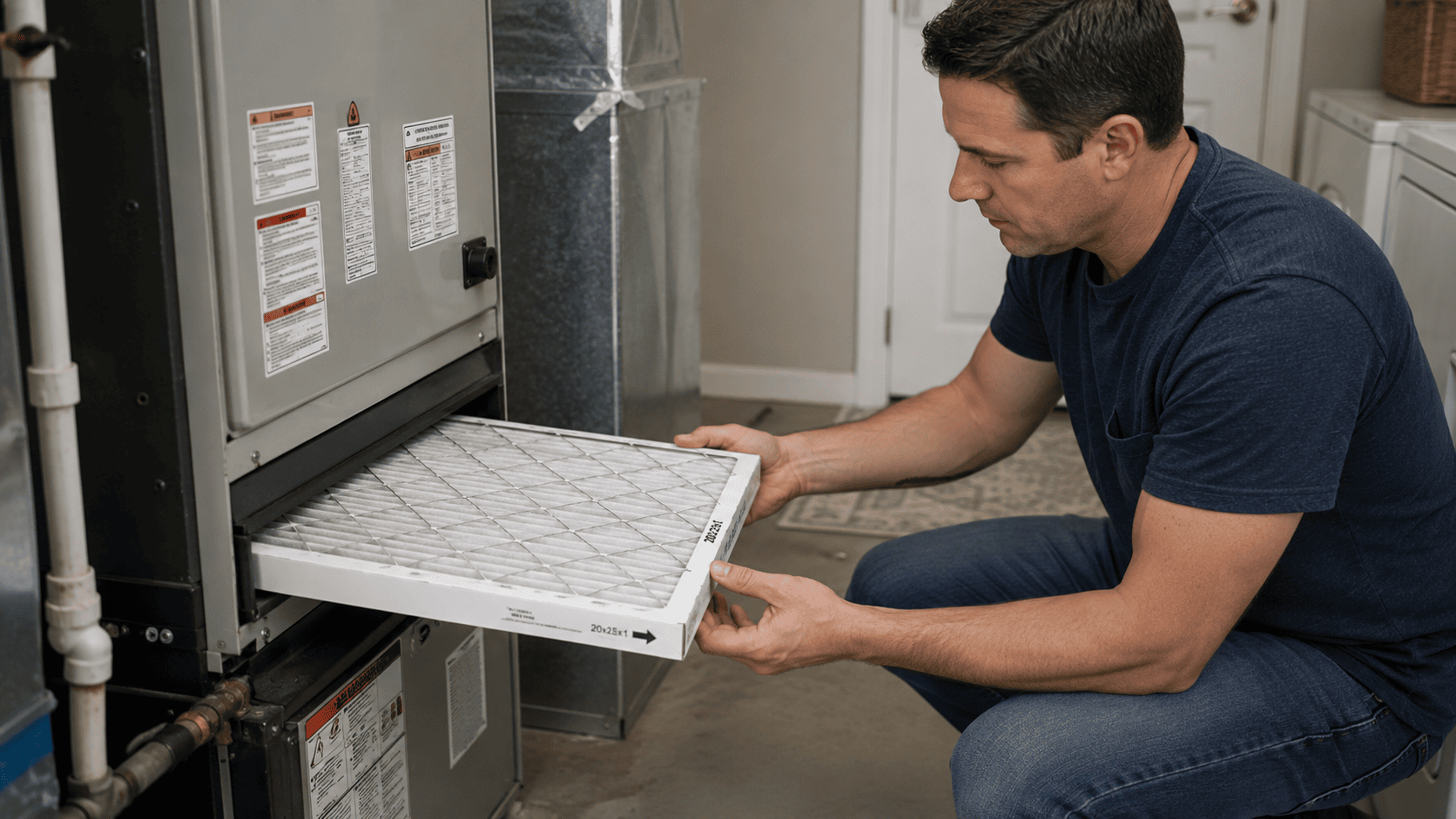
If your system is acting up, you might be tempted to search for how to repair a heat pump to try and fix the issue yourself. Before you grab your toolbox, it is vital to understand that heat pumps are highly complex appliances combining high-voltage electricity, intricate electronic control boards, and pressurized chemical refrigerants. Missteps can void your warranty, ruin the equipment, or cause severe injury.
However, before calling out a technician, there are several safe, basic troubleshooting steps on how to heat pump repair fundamentals that every homeowner can perform to see if a professional service call is even necessary:
- Check the Thermostat Settings: It sounds simple, but ensure your thermostat is actually set to “Heat” or “Cool” rather than just “Fan,” and that the target temperature is set at least 3 degrees above or below the current room temperature. Also, replace old batteries if the screen is dim.
- Inspect the Air Filters: A heavily clogged air filter completely chokes the system’s airflow. This causes the indoor coils to freeze up or forces the compressor to overheat and shut down. Replacing a dirty filter can instantly solve the problem.
- Verify the Circuit Breakers: Go to your home’s main electrical panel and check the breakers labeled for your indoor and outdoor HVAC units. If a breaker has tripped to the middle position, flip it completely off and then back on once. Note: If it trips again immediately, do not reset it; call a professional.
- Clear Outdoor Debris: Walk outside and inspect your outdoor condenser unit. Ensure that dead leaves, high weeds, snow, or lawn clippings are not blocking the aluminum fins. The system needs at least two feet of clear clearance all around it to breathe properly.
If you have gone through these steps and the unit still refuses to run properly, do not attempt to open the electrical panels or cut into refrigerant lines. Knowing how to repair heat pump systems safely means recognizing when the job requires specialized EPA (Environmental Protection Agency) certifications and advanced diagnostic tools.
Get an accurate, itemized cost estimate for your repair. Avoid the guesswork of unexpected HVAC expenses. Home Rangers evaluates your equipment’s component health, pinpoints the exact failure, and reviews labor needs so you get a clear, transparent total cost before work begins. If a costly repair doesn’t make sense, we can also check if 2026 incentives can offset a replacement.
How Long Should a Heat Pump Repair Take?
When you are waiting in an uncomfortably hot or freezing house, time is of the essence. You need to plan your day, which is why most homeowners ask: how long should a heat pump repair take?
The total duration depends entirely on the complexity of the specific part failure. On average, once a qualified technician from a service like Call Home Rangers arrives at your home, the diagnostic phase takes about 30 to 45 minutes. Here is what you can expect for actual repair timelines in 2026:
- Minor Electrical Replacements (Capacitors, Contactors, Switches): 30 to 60 minutes. These are standard parts carried on almost every service truck.
- Thermostat Replacement or Recalibration: 45 to 90 minutes, depending on whether you are upgrading to a modern smart thermostat that requires custom wiring.
- Blower Fan or Condenser Fan Motor Replacement: 1 to 2 hours. This requires unmounting the old motor, setting the fan blades, and wiring the new motor safely.
- Refrigerant Leak Detection and Repair: 2 to 4 hours. Locating a microscopic leak with electronic sniffers or UV dye, soldering the copper lines, evacuating the system, and recharging it requires meticulous, time-consuming steps.
- Compressor or Reversing Valve Replacement: 4 to 6 hours. This is a major structural surgery for your heat pump that involves reclaiming refrigerant, heavy brazing, and thorough safety testing.
Frequently Asked Questions About Heat Pump Repair
What is the most common reason a heat pump stops working?
The most frequent culprit behind a malfunctioning heat pump is a clogged or dirty air filter, followed closely by a failed capacitor. A dirty filter restricts airflow, causing the system to overheat or freeze. A failed capacitor prevents the compressor or fan motors from starting up. Both issues are relatively inexpensive to fix if addressed immediately.
Is it worth repairing a 10-year-old heat pump?
It depends on the cost of the repair and the overall condition of the unit. In 2026, the general industry rule of thumb is the “5,000 Rule.” Multiply the age of the system by the repair estimate. If the total exceeds $5,000, or if the repair costs more than 50% of a brand-new unit, replacement is usually the smarter long-term financial decision.
How can I get an accurate local heat pump repair cost estimate?
To get a highly accurate and reliable cost estimate, you should contact a licensed HVAC contractor to perform an on-site diagnostic inspection. A professional technician will use specialized gauges and meters to find the exact point of failure and provide an itemized written estimate detailing parts and labor before any repairs begin.
Can I run my heat pump if it needs repair?
It is highly recommended to turn off your system at the thermostat if you suspect it needs a repair. Running a broken heat pump can cause a domino effect—for instance, a minor electrical fault or low refrigerant levels can quickly overheat and permanently destroy the compressor, turning a $300 repair into a $3,000 replacement job.
Choose Call Home Rangers for Your Heat Pump Repairs
When your home’s comfort is on the line, you need a team that responds quickly, charges fairly, and fixes the issue correctly the first time. At Call Home Rangers, our NATE-certified technicians are fully equipped with advanced diagnostic tools to service all major makes and models. We pride ourselves on providing upfront, transparent pricing with absolutely zero hidden fees. Don’t spend another day dealing with an inefficient or broken climate control system. Contact us today to schedule your professional heat pump diagnosis and restore comfort to your home.
Restore your home’s comfort with expert heat pump repair.
Take complete control of your indoor climate and keep your heating and cooling system running at peak efficiency all year long. Schedule a professional diagnostic visit with Home Rangers today to resolve your issues, lock in upfront 2026 pricing, and ensure your property is ready for any weather.
Book My Heat Pump Service Appointment →
Or call us directly at (215) 454-0001