
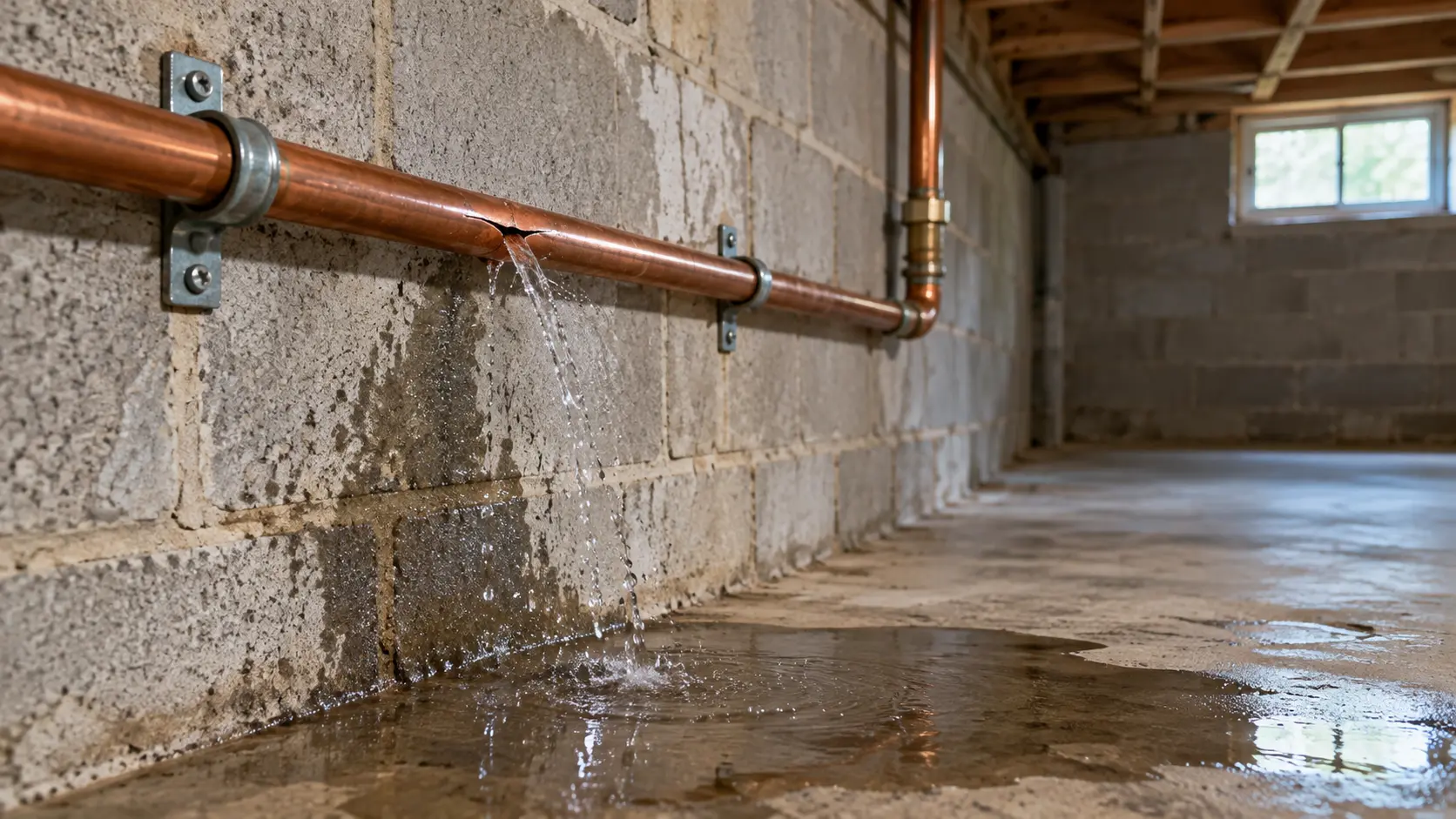
A burst pipe can release water into walls, ceilings, or floors before you see a puddle. Warning signs include unexplained running-water sounds, falling water pressure, spreading damp patches, and water flowing when every fixture is off.
If a water pipe bursts in your house, shut off the main water supply if you can reach it safely, stay away from wet electrical equipment, and call a plumber. Do not spend time locating the exact break while water continues spreading.
What to Do When a Pipe Bursts in Your House
A burst pipe emergency requires two priorities: keeping people safe and stopping the water. Follow these steps before attempting cleanup.
- Keep clear of electrical hazards. Do not enter a flooded basement, touch wet appliances, or stand beneath a sagging ceiling. If someone is in immediate danger, leave the area and call 911.
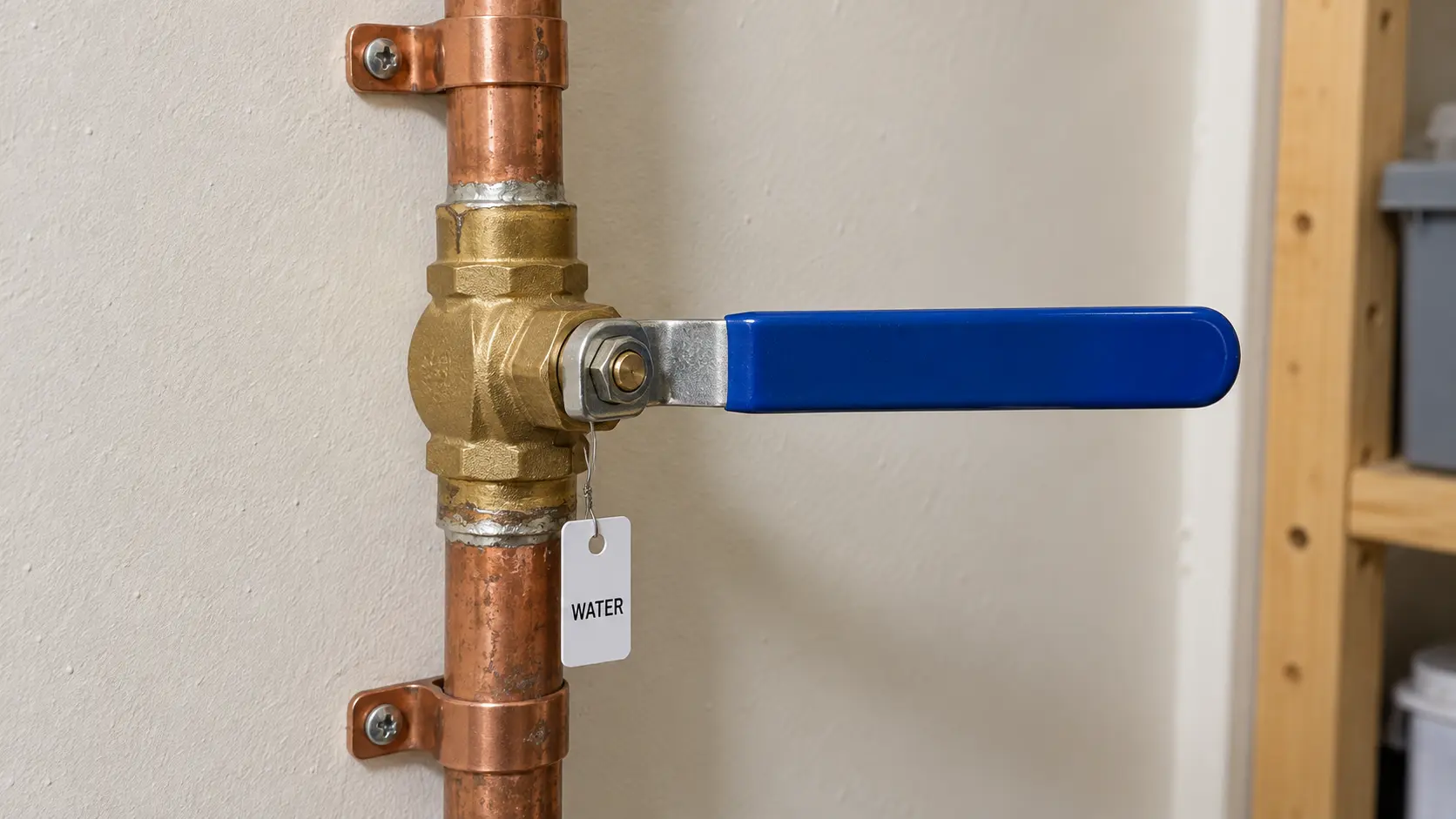
- Close the main water shutoff. Look where the supply enters the house, often near the water meter in a basement, utility room, or crawl space. A quarter-turn valve generally closes when its handle is perpendicular to the pipe; a wheel valve usually closes clockwise. Do not force a seized valve.
- Relieve remaining pressure. After shutting off the supply, open a cold-water faucet in a safe location. Residual water may continue draining briefly. If substantial flow continues, the valve may not be closing fully or may control the wrong line.
- Call for plumbing help. Describe where water is appearing, whether the main valve is closed, and whether freezing occurred. Ask for guidance about shutting down any affected water heater or heating equipment.
- Document and contain damage safely. Take photographs and move belongings only when safe. Notify your insurer and arrange water removal if floors, insulation, or wall cavities are soaked.
The CDC’s flooded-home safety guidance advises switching off power only from a dry location. If reaching the panel requires entering standing water, have an electrician handle it.
What If the Burst Water Pipe Is Outside?
If the leak appears to be on your property, close your accessible household shutoff and call a plumber. A break between the street and that valve may continue leaking after the valve is closed. Contact your water utility if water is coming from the street, meter area, or an uncertain location. Do not operate utility-owned valves or dig to investigate.
How to Tell If a Pipe Has Burst
You do not need to see a split pipe to suspect a problem. However, these signs can also indicate a smaller leak, fixture failure, or another water source. A plumber must confirm the location and cause.
- Water appearing unexpectedly: pooling beneath cabinets, dripping ceilings, or wet flooring without an obvious spill.
- A sudden pressure change: several fixtures becoming weak may indicate a supply problem, although a utility outage or closed valve can produce similar symptoms.
- Sounds with fixtures off: persistent hissing, rushing, or dripping behind a wall.
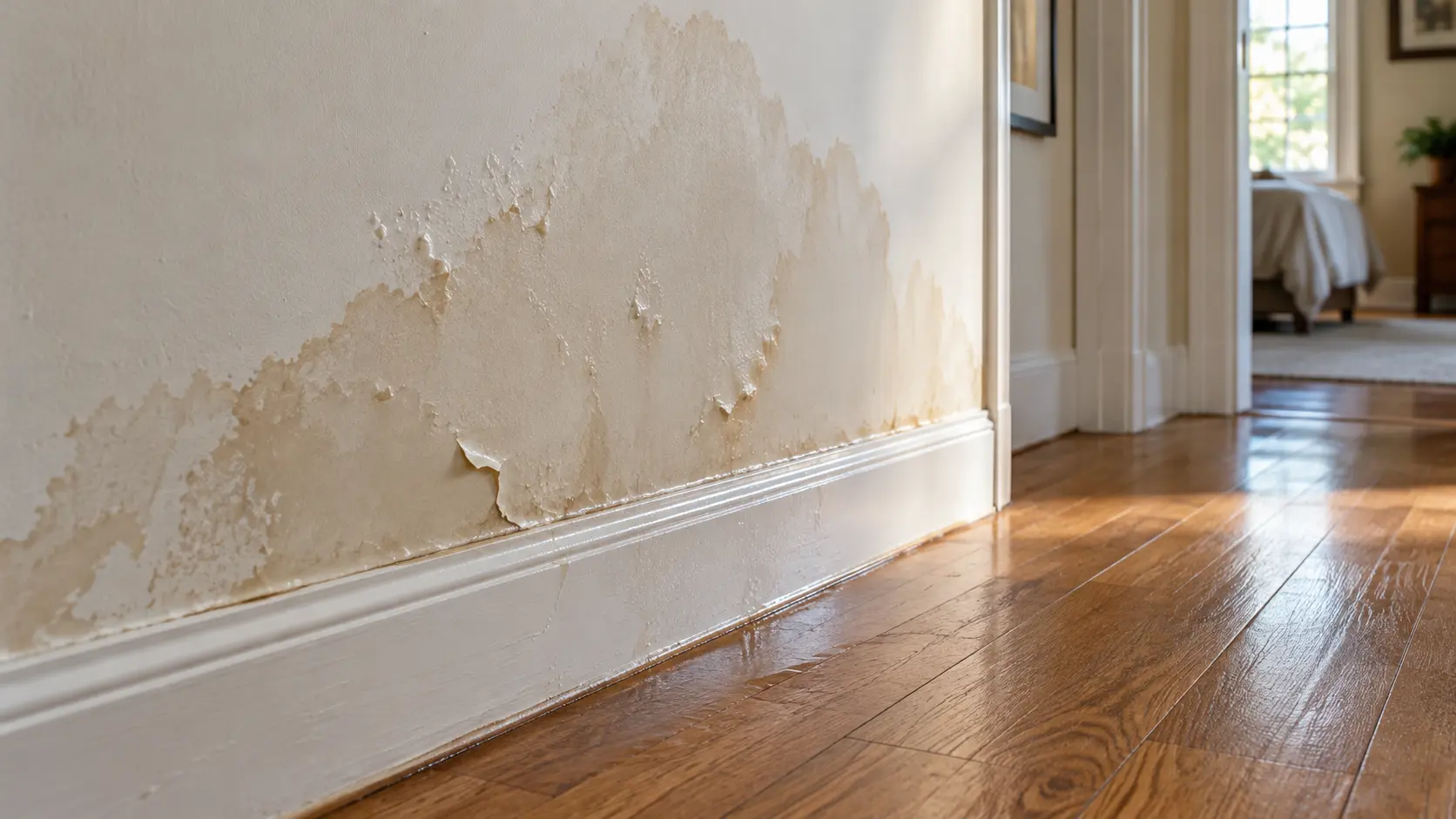
- New surface damage: expanding stains, bubbling paint, swollen trim, or buckling flooring.
- Unexplained water consumption: a moving meter when all water use has stopped or an unexpected bill increase.
What Does a Burst Pipe Sound Like?
A burst pipe may make a hiss, spray, rushing-water sound, or repeated dripping. You might hear a pop when it fails, but many breaks happen without a noticeable bang. Knocking alone can be water hammer rather than a rupture; silence does not rule out a hidden leak.
What Does a Burst Pipe Look Like?
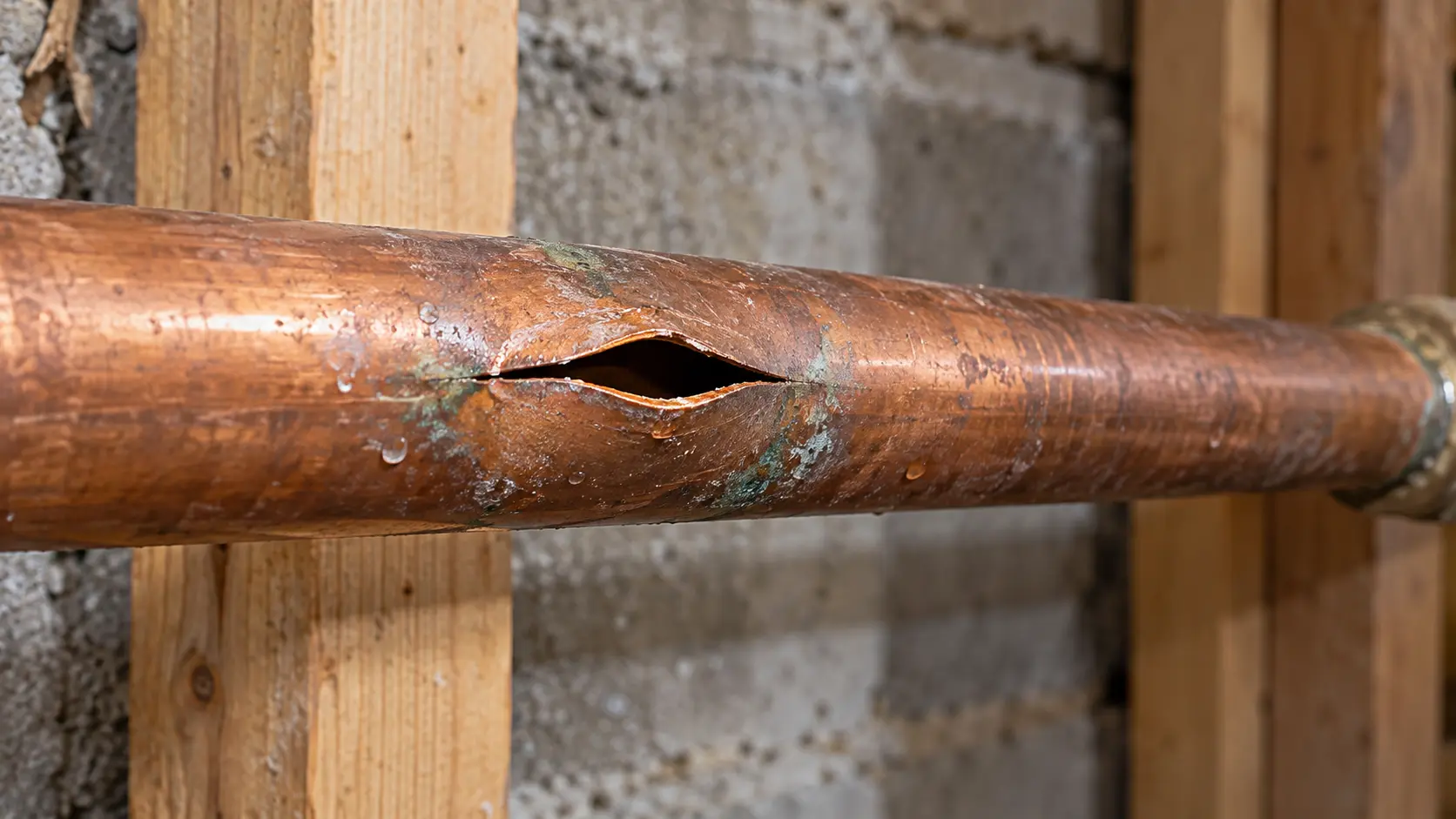
An exposed pipe may have a split, crack, or separated connection with water escaping. Hidden damage may show only as damp drywall or a growing ceiling stain. The visible wet spot is not necessarily directly beneath the break because water can travel along framing and pipes.
Hearing water behind a wall or seeing a spreading stain? Home Rangers can inspect the plumbing, locate the source, and explain the repair options. If water is actively escaping, shut off the supply safely and call rather than waiting for an online response.
Signs of a Burst Pipe in a Wall, Under the House, or Underground
| Location | Possible signs | What to avoid |
|---|---|---|
| Inside a wall | Hissing, spreading discoloration, softened drywall, or damp baseboards. | Cutting into the wall before the water is isolated and nearby wiring is assessed. |
| Under the house | Water in the crawl space, wet insulation, dripping beneath floors, or new flooring damage. | Entering standing water or an unsafe crawl space to search for the break. |
| Underground or outside | A persistent wet patch during dry weather, unexplained pooling, or pressure loss with abnormal water use. | Assuming every wet area is a supply leak; irrigation, drainage, and groundwater can look similar. |
For a suspected hidden leak without active flooding, check whether the meter’s flow indicator continues moving after faucets, toilets, irrigation, and water-using appliances have stopped. Movement suggests water use or leakage somewhere downstream; it does not identify a burst pipe by itself. Do not delay shutting off an obvious leak to perform a meter test.
Professional burst pipe detection may involve pressure testing, acoustic listening, moisture measurements, and targeted access. The method depends on the pipe material and location.
What Causes a Pipe to Burst?
A pipe fails when its wall or connection can no longer withstand the conditions acting on it. Common contributors include:
- Freezing: ice formation can create damaging pressure in trapped sections of plumbing.
- Corrosion and deterioration: weakened pipe walls or damaged fittings may eventually leak or rupture.
- Excessive pressure and pressure surges: these can stress vulnerable pipes and connections.
- Movement or physical damage: unsupported piping, ground movement, or accidental impacts can damage a line.
- Installation problems: unsuitable connections or poorly supported pipes may fail over time.
Can a Pipe Burst in the Summer?
Yes. Freezing is only one cause. Summer failures can involve corrosion, excessive pressure, damaged fittings, or ground movement around buried lines. Outdoor irrigation leaks and failed appliance hoses can also resemble a burst water pipe. Warm weather alone does not establish the cause.
How Do You Know If a Pipe Burst From Freezing?
Reduced or absent flow after freezing weather may indicate ice blockage, but it does not prove the pipe has split. Leakage may become apparent only as the ice thaws. Watch for new dripping, damp surfaces, or running-water sounds. If damage is suspected, isolate the supply and arrange an inspection before restoring water.
How Is a Burst Pipe Repaired?
A plumber isolates the damaged line, locates the failure, and determines whether a section or connection needs replacement. The repaired line is checked for leaks before normal use resumes. Access through walls or floors and subsequent drying may require additional work.
A temporary patch does not address the underlying cause. Repeated failures may justify a broader piping assessment. If your home has identified polybutylene supply lines, ask about polybutylene repiping options rather than assuming another isolated repair will resolve the problem.
Dealing with an active burst pipe emergency? Home Rangers helps homeowners in Bucks County, Montgomery County, and nearby Philadelphia address urgent plumbing problems. Tell our team whether the water is shut off and where the leak is appearing so we can discuss the next steps.
What to Do After a Burst Pipe Is Stopped
Stopping the leak does not dry materials hidden inside walls or beneath flooring. The EPA recommends drying water-damaged areas and items within 24–48 hours to help prevent mold growth. Extensive saturation, contaminated water, or inaccessible moisture calls for professional assessment and drying.
Keep photographs, repair invoices, and records of damaged belongings. Ask your insurer about documentation and coverage; repairing the failed pipe and restoring resulting damage may be treated differently.
How to Help Prevent Another Burst Pipe
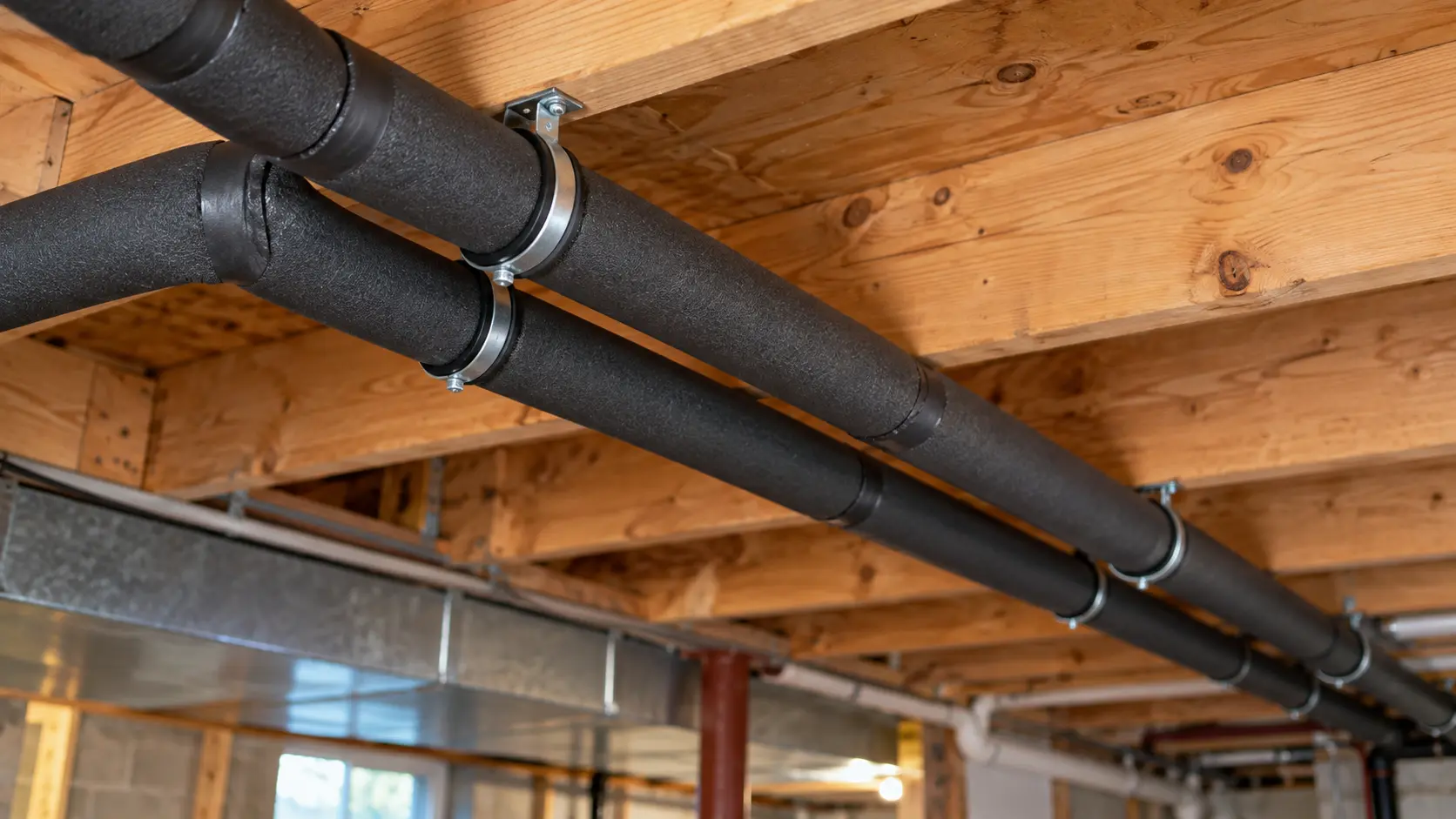
Have the cause corrected, not just the opening sealed. Know your shutoff location, address persistent leaks, and ask a plumber to investigate pressure problems or recurring banging.
The American Red Cross recommends protecting exposed pipes and keeping heat on when away during cold weather, with the thermostat no lower than 55°F. Never use an open flame to thaw frozen plumbing.
Water alarms can warn of moisture where sensors are placed. A whole-home flow monitor with automatic shutoff may help limit some leaks, but neither device guarantees that every hidden break will be detected.
Frequently Asked Questions
What is a burst pipe?
A burst pipe is a plumbing line that has ruptured or developed a significant break, allowing water to escape. It may involve a split pipe wall or failed connection, with damage visible or concealed.
Is a burst pipe an emergency?
Yes, when water is escaping or damage is developing. Shut off the supply safely and call for help. Even after the flow stops, the damaged pipe needs repair before the line returns to service.
Can a pipe burst if the water is off?
Yes. Closing the supply valve does not necessarily empty the plumbing. Water remaining in pipes can freeze, and deteriorated piping can still fail. A break may become noticeable when water is restored.
Can a clogged toilet cause a pipe to burst?
A typical toilet clog usually causes a backup or overflow rather than bursting a pressurized supply pipe. If water appears near the toilet, the drain, seal, tank, and supply connection need to be distinguished.
How long does burst pipe repair take?
It depends on access, pipe condition, and the extent of damage. An exposed connection may be simpler than a concealed or buried break. Plumbing repair, structural repairs, and drying have separate timelines.
Get help with a burst pipe before more damage spreads.
Contact Home Rangers Heating, Air & Plumbing to discuss the leak and arrange service. For active flooding or a shutoff that will not stop the water, call directly. Phone support is available 24/7.
Request a Plumbing Service Appointment →
For urgent help, call (215) 454-0001