
A boiler that is not heating the house may have a thermostat or power problem, an ignition lockout, insufficient system pressure, or a fault preventing heat from reaching the rooms. Start by checking the thermostat settings, visible boiler status, and whether every heating zone is cold. A powered display or running pump does not necessarily mean the burner is producing heat.
The useful distinction is whether your boiler cannot start, starts but cannot distribute heat, or heats only part of the home. This guide helps you separate those symptoms and identify what you can safely check before arranging service.
First, Identify What Has Stopped Working
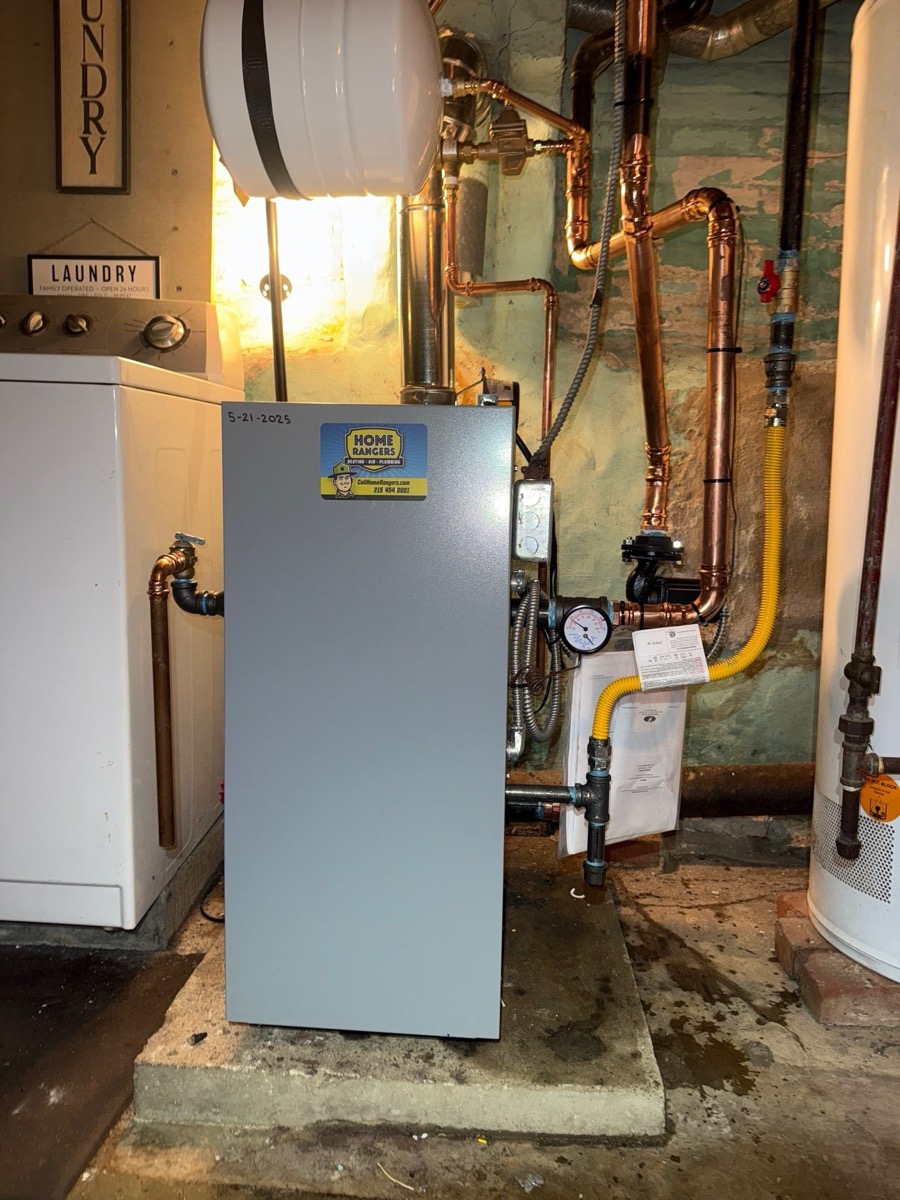
A hot-water boiler heats water that travels through radiators, baseboards, or radiant floor tubing. A steam boiler produces steam for radiators. A combi boiler also supplies domestic hot water to faucets, while other homes have a separate water heater. These arrangements require different troubleshooting.
| What you notice | What it can suggest | Your next step |
|---|---|---|
| No display and no response to the thermostat | Power interruption, switched-off equipment, or a control fault | Check normal user controls and visible power status. |
| Display is on, but the boiler will not fire | No heating request, a normal operating delay, or a safety lockout | Check the thermostat and record any status message. |
| Boiler heats, but radiators remain cold | A circulation, valve, or distribution problem | Determine whether all rooms or just one zone are affected. |
| Hot water works, but the house stays cold | A space-heating control or flow problem; possibly unrelated equipment | Identify whether both functions use the same boiler. |
| No heating and no hot water | A shared boiler fault if the boiler supplies both | Check power, operating mode, and displayed errors. |
Stop immediately if you smell gas or hear a carbon monoxide alarm. For a suspected gas leak, leave without operating switches or using a phone indoors; call your gas utility or emergency services from outside. For a CO alarm, move everyone outside and call 911. Do not return until responders say it is safe. Follow the CPSC’s carbon monoxide emergency guidance.
What to Check Before Calling for Boiler Repair
1. Confirm That the Thermostat Is Requesting Heat
Select heating mode and set the temperature a few degrees above the current room temperature. Review programmed thermostat schedules, vacation settings, and any temporary hold. Replace user-replaceable thermostat batteries if indicated. In a zoned home, check the thermostat serving the cold area rather than assuming one thermostat controls the entire house.
If the problem began after a thermostat replacement, mention that when booking service. A screen that lights up does not prove the thermostat is correctly communicating with the boiler. Leave wiring and compatibility checks to a technician.
2. Check Power and Normal Operating Controls
Gas and oil boilers still need electricity for controls and, where fitted, pumps. Check whether there has been a power outage and whether the clearly labeled boiler service switch has been turned off. Use only controls you recognize and that the owner’s manual identifies for normal operation.
Look for a tripped breaker without removing the electrical panel cover. An unexplained trip, repeated shutdown, burning smell, or wet electrical equipment needs professional attention. Do not keep restoring power to equipment that immediately trips again.
3. Record the Display and Gauge Readings
Photograph the error code or status message before resetting anything. Note the visible temperature and, on a hot-water system, pressure reading. Compare them with the instructions for your specific boiler; there is no single pressure or temperature setting suitable for every installation.
If the manual permits a homeowner reset for that particular fault, follow its instructions. If the fault returns, stop. Repeated resets can conceal a continuing problem, and repeatedly restarting an oil burner after failed ignition can create additional hazards.
Still not sure why your boiler is not heating? If the thermostat settings are correct but the house remains cold, Home Rangers can investigate the boiler, controls, and heating circuits together. A diagnostic visit helps identify whether the problem involves heat production, circulation, or an individual zone before repairs are recommended.
Why Is My Boiler Not Firing Up for Heating?
When the thermostat is requesting heat but the burner does not start, the heating request may not be reaching the boiler, or a control may be preventing operation. Possible causes include a thermostat fault, zone-control issue, fuel-supply problem, ignition failure, or a safety device responding to an unsafe condition.
For an oil or propane system, check an accessible tank gauge if you normally use it. An empty supply needs the appropriate fuel provider; restarting an oil system after running out may also require service. Do not open fuel lines, adjust gas valves, or attempt burner repairs.
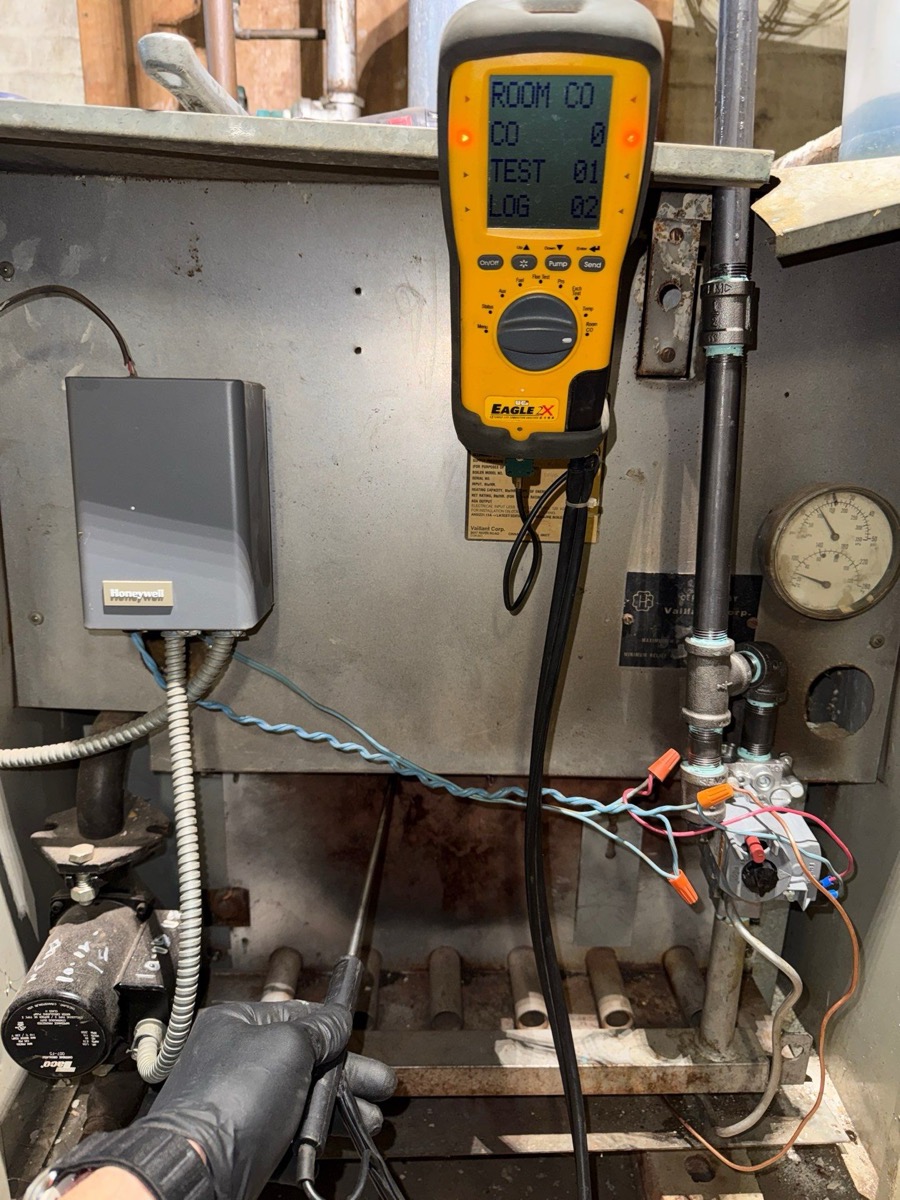
A burner also does not have to run continuously whenever the thermostat requests heat. Depending on the controls, it may pause while existing hot water circulates or while an operating limit is satisfied. The important signs are whether the home is warming and whether the display shows a fault, not simply whether the burner is audible at one moment.
Blocked Venting or Condensate Drainage
A combustion-air or exhaust obstruction can prevent a fuel-burning boiler from operating safely. Condensing boilers also need their condensate drainage system to work correctly. Look for visible damage, disconnected piping, or an accessible outdoor termination obstructed by snow or debris. Report the observation rather than dismantling the vent.
Do not insert tools into vent openings, disconnect drain tubing, or pour chemicals into a condensate line. A technician can determine whether the obstruction, drainage problem, or associated safety control explains the shutdown. These checks do not apply in the same way to an electric boiler. The Building America Solution Center explains venting and condensate requirements for gas-fired boilers.
Why Is My Boiler Running but Not Heating the House?
First establish what “running” means. You may hear a circulator or combustion fan, or see a powered display, without the boiler actually generating heat. Conversely, the boiler may be heating water normally while that heat fails to reach the occupied rooms.
Circulator or Zone-Valve Problems
In a pumped hot-water system, a circulator moves heated water through the heating circuits. A failed pump, control relay, or closed zone valve can interrupt that flow. Multiple zones may use separate circulators or share a pump with individual valves, so one cold area does not automatically mean the entire boiler has failed.
Tell the technician which thermostats are requesting heat and which areas respond. Do not remove pump covers, force motorized valves, or test live wiring. A humming component alone does not establish that water is circulating correctly.
Only One Zone or Floor Is Cold
If downstairs warms normally but upstairs stays cold, report that pattern instead of describing the whole system as dead. Check the upstairs thermostat’s settings and note whether the problem affects every room on that zone or just one radiator. The distinction helps narrow the inspection to shared zone components or a local heat emitter.
Tell the technician if the uneven heating began after a repair, radiator replacement, or system draining. Recent work can change the troubleshooting path, but it does not prove that air is the cause.
Air, Low Pressure, or Restricted Flow
Air trapped in a hydronic circuit can interfere with circulation. Low system pressure or a restriction can also leave parts of the home cold. Gurgling, uneven heating, and unusual gauge readings are useful clues, but none identifies the failed component by itself.
Look for visible leaks around accessible radiators, piping, and the boiler without touching hot surfaces. Do not repeatedly add water or bleed radiators as a general fix: the correct procedure depends on the system, and water loss needs an explanation. Never open a hot, pressurized heating circuit.
Why Is My Combi Boiler Heating Water but Not the House?
A combi boiler supplies space heating and domestic hot water through separate water circuits. If showers are hot but the central heating is not working, check that space heating is enabled and the room thermostat is requesting heat. Depending on the model and installation, a fault may involve heating controls, circulation, a flow restriction, or a valve that directs heat between functions.
Some combi boilers prioritize domestic hot water and temporarily pause space heating while a hot faucet is running. A short interruption during a shower can therefore be normal. Heating that does not resume afterward, or a house that keeps cooling, needs investigation.
If neither heating nor hot water works, start with the common checks: power, operating mode, fuel availability, and the displayed fault. If your home uses a separate water heater, working hot faucets tell you nothing conclusive about the heating boiler. Avoid diagnosing a heating fault from tap temperature alone.
No heat while the temperature inside is falling? Call Home Rangers to describe the problem and ask about the next available diagnostic visit. Share the boiler’s error code, whether all zones are cold, and whether the same equipment still produces hot water. For a gas leak or carbon monoxide alarm, leave first and contact emergency services.
What If You Have a Steam Boiler?
A steam heating system needs a different approach from a pumped hot-water system. Water level, steam controls, radiator vents or traps, and condensate return can affect whether heat reaches the rooms. Do not apply hot-water boiler pressure advice or radiator-bleeding instructions to steam equipment.
Check only the water-level indication and user controls described in your manual. If the water level is not visible where expected, the boiler locks out, or you hear severe banging, arrange service. Never bypass a low-water cutoff or add cold water to an overheated or dry boiler.
Why Is the Boiler Heating the House, but Not Enough?
Partial heating is different from a complete shutdown. Check whether furniture or closed baseboard dampers are obstructing heat delivery, and whether each thermostat is set appropriately. Report whether the problem affects one room, an entire floor, or the whole home.
Radiant floors can respond more slowly than other heat emitters. Some modern boilers also adjust heating-water temperature to outdoor conditions, so radiators do not always need to feel extremely hot. Compare room temperature with the thermostat setting rather than judging performance only by radiator temperature. Recovery after a temperature setback also depends on system design and controls, as explained in DOE’s hydronic heating case study (PDF).
If the house consistently cannot reach its setpoint, a technician can assess water temperatures, flow, controls, heat emitters, and building heat loss. A cold house does not by itself prove the boiler needs to be larger.
When Should You Call a Boiler Technician?
Arrange professional diagnosis when the basic settings are correct but the heating boiler is not working, an error returns, pressure repeatedly changes abnormally, water is leaking, or a zone remains cold. Seek prompt help if indoor temperatures keep dropping during freezing weather, particularly where occupants or pipes are vulnerable.
Have these details ready:
- The boiler brand, model, and fuel type.
- The exact error code and visible gauge readings.
- Whether every zone is cold and whether hot water still works.
- When the problem began, including any outage, fuel delivery, or recent work.
Until help arrives, never use a gas oven, outdoor heater, or generator indoors for warmth. Do not leave a persistently cold property without considering freeze protection with your service provider.
A repairable control or circulation fault does not automatically justify replacement. If inspection finds serious deterioration or repairs are no longer practical, compare boiler installation and replacement options using the actual findings and your home’s heating requirements.
Home Rangers Heating, Air & Plumbing provides boiler diagnostics for homeowners in Bucks County, Montgomery County, and nearby Philadelphia communities. Explain the symptoms when scheduling so the visit starts with the right information.
Frequently Asked Questions
Why is my boiler on but not heating the house?
The equipment may have power without receiving a heating request or producing heat. If it is heating water, a circulator, zone valve, air problem, or restriction may prevent heat from reaching the rooms. Check thermostat settings and displayed messages first.
Why is my boiler not heating up after summer?
Check that heating mode is enabled, thermostat schedules are correct, and the service switch is on. An inactive display, a returning error code, or no response to a valid heating request needs further diagnosis rather than repeated resets.
Why is there no heating or hot water from my boiler?
If the boiler supplies both, a power interruption, fuel problem, or safety lockout can affect both functions. Record its status and check normal user settings. If hot water comes from separate equipment, the two failures may need separate investigation.
Should I reset a boiler that is not heating?
Only follow a reset procedure that your owner’s manual allows for the displayed fault. Record the code first. If it returns, stop resetting and call for service. Never reset equipment with a suspected gas leak, burning smell, or other unsafe condition.
Does low boiler pressure always mean there is a leak?
No. A reading can reflect several system issues, and it needs to be interpreted for that installation. Repeated pressure loss warrants investigation of leaks, filling components, and other possible causes. Continually adding water does not resolve the underlying problem.
Get your boiler heating the house again.
Cold radiators, a boiler that will not start, or a heating zone that stays cold deserve a clear diagnosis. Schedule a visit with Home Rangers to identify the cause, review repair options, and take the next step toward restoring dependable heat in your home.
Request My Boiler Diagnostic Visit →
Or call us directly at (215) 454-0001