Home Rangers
Backflow Services in Bucks & Montgomery County, PA
Home Rangers provides professional backflow services across Bucks County, Montgomery County, Philadelphia, and nearby communities, including testing, repair, prevention, and installation for residential and commercial properties.

Family-Owned, Local HVAC & Plumbing Team
Free Estimates On Installations & Replacements
Same-Day & Emergency Service, 24/7
Master-Licensed in PA, NJ & DE
Upfront Pricing, No Surprises
Backflow Services
Backflow Services for Homes and Businesses
Home Rangers provides backflow plumbing services for residential and commercial properties across Bucks County, Montgomery County, Philadelphia, and nearby communities. We help property owners identify the service they need and connect them with the appropriate testing, repair, or prevention solution.
When to Call
When You May Need Backflow Service
Backflow problems and requirements can arise from an existing prevention device, changes to a plumbing system, irrigation connections, or a notice from a local water authority. A backflow plumber can inspect the situation and determine what type of service is appropriate.
A notice from a water authority or municipality may identify a testing, device, documentation, or plumbing requirement that needs to be addressed.
Water leaking or discharging from a backflow assembly can indicate a condition that should be inspected before deciding whether repair or replacement is appropriate.
A failed backflow test may lead to repair, replacement, or retesting depending on the condition of the assembly and the applicable requirements.
Irrigation systems, water service changes, and certain other connections may affect how backflow protection should be handled.
If you cannot identify the existing device or do not know whether the property has appropriate backflow protection, a plumbing assessment can help clarify the setup.
Older, damaged, inaccessible, or unreliable backflow assemblies may need maintenance, repair, relocation, or replacement depending on their condition.
Assessment
How We Determine the Right Backflow Service
The right backflow service depends on the existing plumbing setup, the type and condition of the backflow device, the reason for the service request, and any applicable testing or installation requirements.
Review the Situation
We start with the reason for the call, such as a backflow notice, failed test, leaking device, plumbing change, or concern about an existing assembly.
Inspect the Plumbing and Device
The technician evaluates the accessible backflow assembly, nearby piping, valves, connections, and other relevant parts of the plumbing system.
Identify the Appropriate Service
Based on the condition and purpose of the system, the next step may involve testing, repair, replacement, or installation of a backflow prevention device.
Explain the Next Step
We explain what was found and which service is appropriate before moving forward with the work.
Customer Proof
What Local Customers Say About Home Rangers
See what homeowners and property owners across our service area say about their experience with Home Rangers, including communication, plumbing diagnostics, workmanship, and service.
Backflow Basics
What Is Backflow in Plumbing?
Backflow is the unwanted reversal of water flow in a plumbing system. Instead of moving in its intended direction, water can flow backward when pressure conditions change.
This matters because reverse flow can allow water from irrigation piping, fixtures, equipment, or other connections to move toward the potable water supply. Backflow prevention is used to reduce this risk at vulnerable plumbing connections.
Backpressure
Backpressure can occur when pressure on the downstream side of a plumbing connection becomes greater than the pressure in the potable water supply.
Backsiphonage
Backsiphonage can occur when supply pressure drops and creates conditions that allow water to be drawn backward through a connection.
Cross-Connections
A cross-connection is a point where the potable water system can come into contact with another water source, system, fixture, or piece of equipment.
Potable Water Protection
Backflow protection helps prevent water from an unprotected connection from reversing direction toward the drinking water supply.
Backflow Preventers
A backflow preventer is a plumbing device or assembly designed to stop reverse flow at a protected connection.
Different Plumbing Applications
Backflow protection may be used with irrigation systems, commercial plumbing, and other connections where the plumbing configuration creates a potential cross-connection.
Local Service Area
Backflow Services Across Bucks County, Montgomery County & Philadelphia
Home Rangers provides backflow plumbing services for residential and commercial properties throughout Bucks County, Montgomery County, Philadelphia, and nearby communities. Our team can help with backflow testing, repair, prevention, and installation based on the property, plumbing system, and service needed.
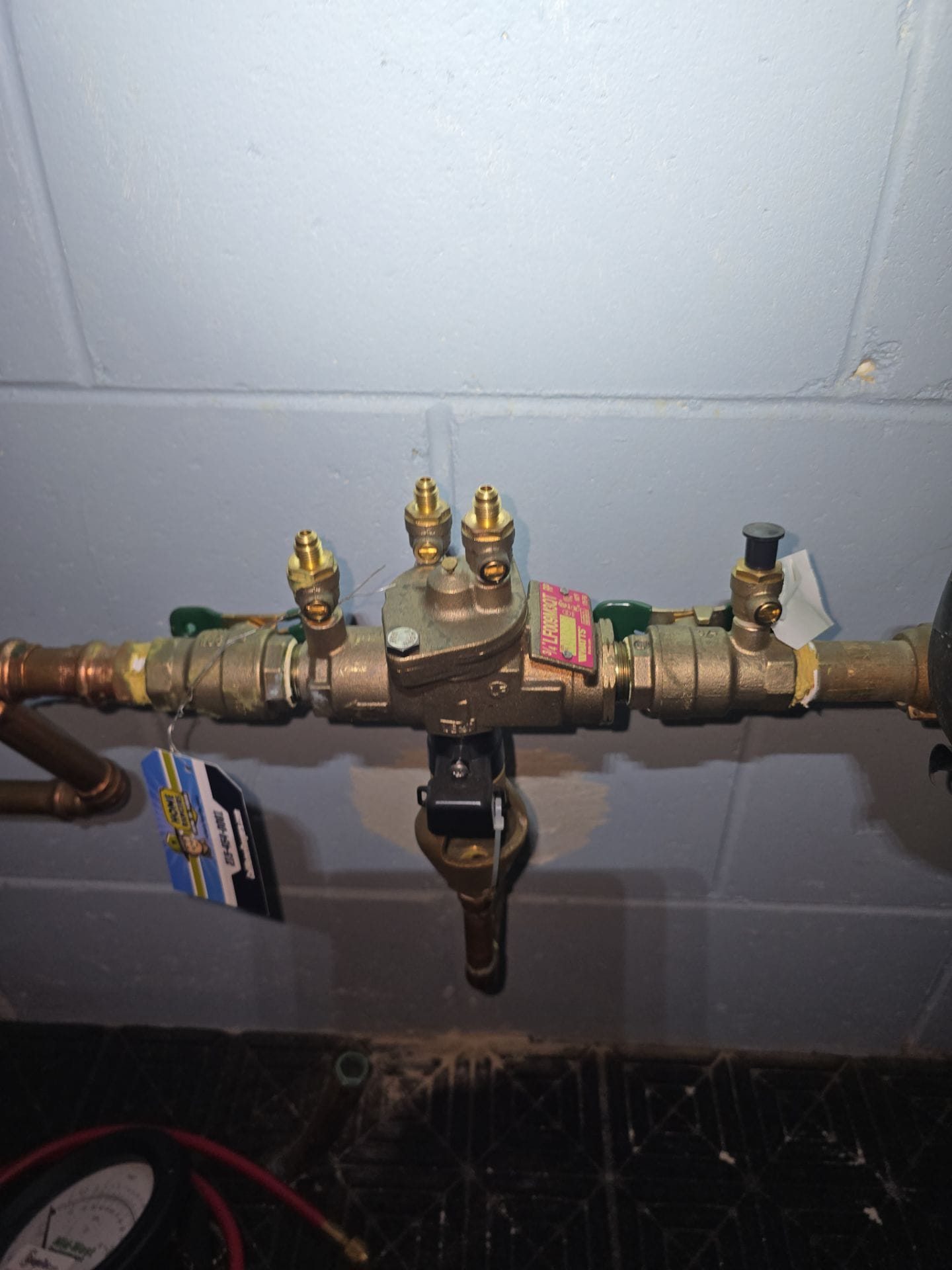
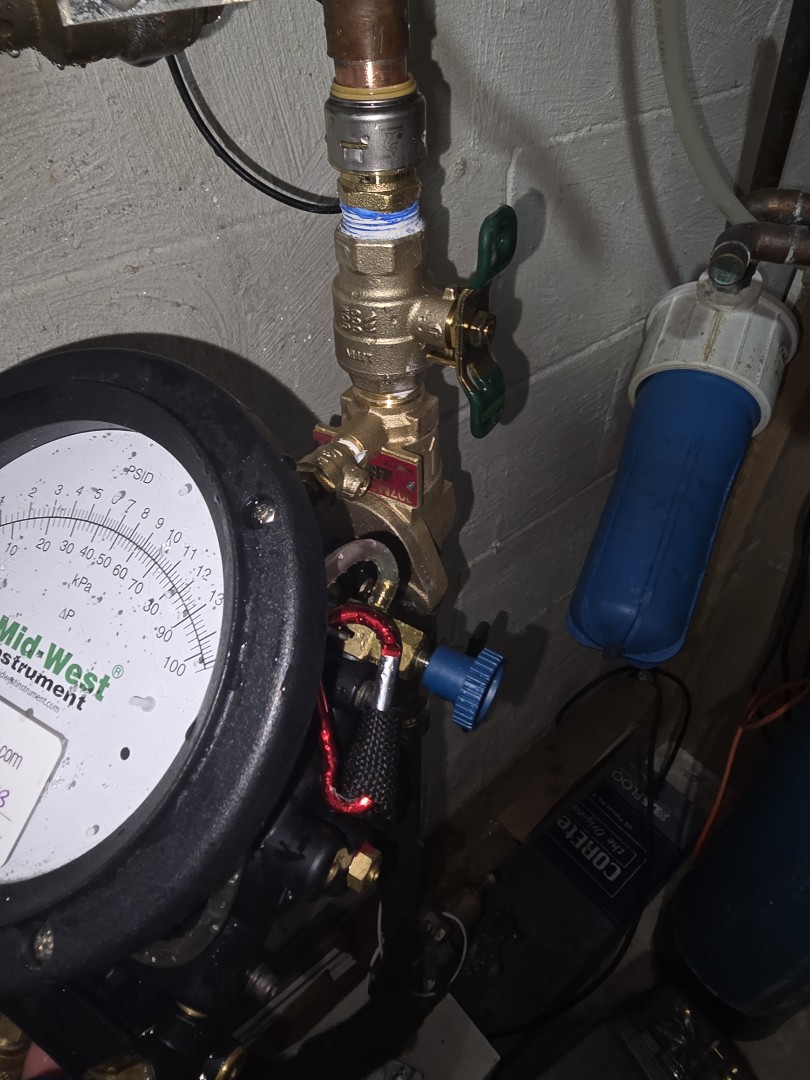
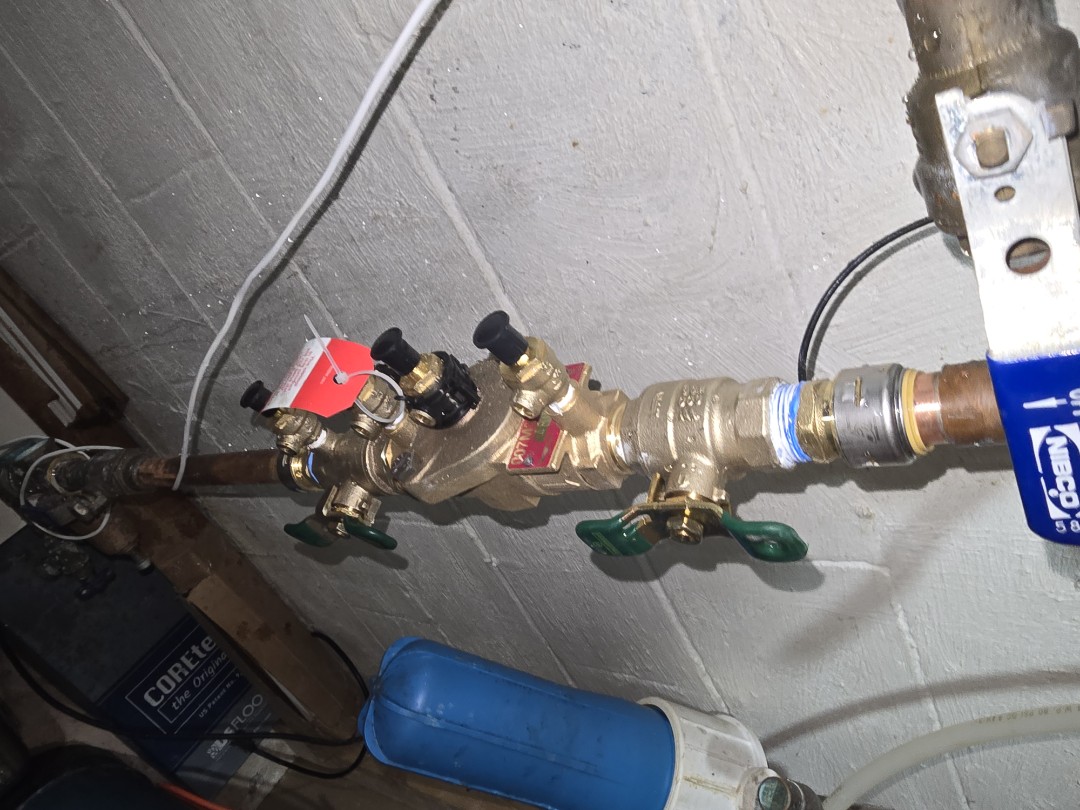
Backflow Service Photos
See Backflow Plumbing Work Completed by Home Rangers
View examples of backflow prevention devices, plumbing connections, testing setups, repairs, and installation work completed by Home Rangers technicians across our service area.
Recent Local Work
Recent Backflow Service in Your Area
See recent Home Rangers backflow and plumbing service activity across Bucks County, Montgomery County, Philadelphia, and nearby communities. These local updates show where our technicians have recently completed backflow testing, repairs, prevention work, and related plumbing service.
Recent Jobs and Reviews
Related Services
Backflow Testing, Repair & Prevention Services
Depending on the condition of the existing device and the reason for service, you may need testing, repair, replacement, or installation. Explore the Home Rangers backflow services below.
Questions
Backflow Services FAQs
Answers to common questions about backflow notices, testing requirements, failed devices, scheduling service, and other practical backflow concerns.
Ready to Schedule Backflow Service?
Who should I call if I receive a backflow notice?
A licensed plumbing or backflow service provider can review the notice, inspect the existing plumbing or device, and help determine what work may be needed. When scheduling service, have a copy or photo of the notice available if possible.
Does every backflow preventer need to be tested every year?
Not necessarily. Testing requirements can vary by device type, property, water provider, and local jurisdiction. If you received a testing notice, follow the requirements and deadline provided by the applicable authority.
What happens if a backflow device fails a test?
A failed test does not automatically mean the entire device must be replaced. Depending on the condition of the assembly, it may be possible to repair the device and test it again. Replacement may be more appropriate if the assembly is damaged, deteriorated, or not suitable for continued service.
What information should I provide when scheduling backflow service?
If available, provide the property address, the reason for service, any notice or test report you received, and photos of the existing backflow device. Information about leaks, previous repairs, or recent plumbing changes can also be helpful.
Is a leaking backflow preventer an emergency?
A leaking or discharging backflow device should be inspected rather than ignored. The urgency depends on the severity of the leak, where the water is going, and whether the device or surrounding plumbing is still operating properly.
Is backflow the same as a sewer backup?
No. Backflow refers to water reversing direction within a plumbing or water-supply system. A sewer backup involves wastewater or sewage moving backward through the drainage system. They are different plumbing problems and may require different equipment and repairs.
Does every home need a backflow prevention device?
No single answer applies to every property. The need for backflow protection depends on the plumbing configuration, cross-connections, irrigation or other connected systems, and applicable local requirements.
Can I identify what backflow device I have before scheduling service?
Sometimes. A manufacturer label, model number, and clear photos of the assembly can help identify the device. If the device cannot be identified from that information, it can be evaluated during an on-site service visit.
Current Specials
Current HVAC & Plumbing Offers
Strong offers built to help you book service faster, save on repairs, and lock in ongoing system protection without digging through the whole site.
Diagnostic Only $49
Fast HVAC or plumbing diagnostic during regular business hours. If you approve the repair, we’ll credit the diagnostic toward the work. Use code RANGERS49 when booking online.
Book Online$75 Off Any Repair Over $300
Save on qualifying HVAC or plumbing repairs when the fix goes beyond a quick minor adjustment and you want real value on a bigger repair.
Book OnlineHome Rangers System Protection Plan: First Month Free
Start your membership at $19.95/mo, get your first month free, and unlock priority scheduling, tune-ups, and repair savings.
View PlanOffer details can change by season, equipment eligibility, service area, lender approval, and program availability. Diagnostic offer is for regular-hours service only. Repair discount cannot be combined with diagnostic credit or other offers.
Lennox systems and verified dealer support
Home Rangers appears on the official Lennox dealer locator for Warminster. Ask about Lennox air conditioners, heat pumps, furnaces, and mini-split options, along with system sizing and financing options for eligible installations.
Whether your AC stopped cooling, your furnace won’t ignite, your water heater is leaking, or your drains are backing up, Home Rangers is here to help. As Warminster’s hometown HVAC and plumbing company, we treat every customer like a neighbor, because you are.
Ready for Home Service You Can Trust?
Book Nowor call us at:
(215) 454-0001