
Home Rangers
Polybutylene Repiping in Bucks & Montgomery County, PA
Polybutylene water lines can create hidden leak risk in older homes, especially when the piping is aging behind walls, ceilings, or fixtures. Home Rangers helps homeowners with polybutylene repiping across Bucks County, Montgomery County, nearby Philadelphia, and surrounding communities.

Polybutylene Repiping
Polybutylene repiping for aging PB water lines
Polybutylene pipe was installed in many homes from the late 1970s through the mid-1990s. Even when visible polybutylene pipe looks dry, the material can raise questions during inspection, resale planning, repair planning, or after a small leak appears.
Home Rangers helps homeowners plan polybutylene pipe replacement across Bucks County, Montgomery County, nearby Philadelphia, and surrounding communities. We review visible piping, fixture connections, shutoffs, water heater tie-ins, access points, and the practical process to replace old PB lines with approved modern piping.
PB Pipe Concerns
When to replace polybutylene pipes instead of patching
Homeowners ask whether to replace polybutylene pipes because they have heard about hidden leak risks, an inspection raised the issue, or one leak made them question the rest of the piping. The right answer depends on the home, visible polybutylene pipe, and routing.
Polybutylene pipe can lead to questions during inspections, real estate transactions, and repair planning conversations.
A pinhole leak can start behind walls, ceilings, cabinets, floors, or finished spaces before anyone sees water damage.
Connections, transitions, shutoffs, toilets, showers, faucets, and bathroom supplies may need attention during polybutylene pipe replacement.
Good piping work considers walls, ceilings, floors, crawlspaces, basements, holes, and finished surfaces before the job starts.
Newer piping can protect water flow, reduce leak concerns, and give homeowners a clearer plan for old pipes.
Showers, toilets, faucets, tubs, laundry valves, and water heater connections all affect pipe replacement planning.
A repipe may involve several rooms, temporary water shutoff, testing, and follow-up repair planning for finished surfaces.
Plumbers may need to connect new PEX piping or copper pipes to existing materials, fittings, and fixtures.
Repiping Process
Polybutylene pipe replacement process
Our process is built to ensure the quote matches the house. Home Rangers looks at old piping, access, fixture count, risks, and schedule before recommending whether to replace polybutylene pipes now.
Confirm the piping
We check accessible polybutylene pipe near faucets, the water heater, shutoffs, fixtures, and plumbing systems.
Map access
Walls, ceilings, cabinets, crawlspaces, and slab areas affect where plumbers route new piping.
Choose materials
Polybutylene pipe replacement may use approved PEX piping, copper pipes, or another suitable piping material.
Complete the job
The company connects fixtures, checks piping, handles testing, and reviews the end result before leaving.
Repipe Scope
Whole house polybutylene pipes and pipe replacement scope
A repipe project starts with determining the extent of the old piping. Plumbers look for polybutylene pipes near the water heater, bathroom groups, kitchen fixtures, laundry connections, basement ceilings, crawlspaces, and any place where pipes connect to copper, PEX, or shutoff valves.
The repiping process is different for every house. Some homes have polybutylene plumbing only in a few visible runs. Others have polybutylene pipes behind walls, below floors, inside a slab area, near the laundry room, or feeding showers, toilets, faucets, and hose bibs. That is why a careful inspection matters before a pipe replacement plan is written.
Home Rangers can review what materials may be used, where access openings may happen, how new piping may tie in, and what testing should be completed before the project is considered finished. The goal is to help homeowners understand the project, the wait time, the repair limits, and the cost factors before work begins.
Older homes can have hard water, chlorine exposure, galvanized transitions, slab runs, and domestic water tubing that affect how polybutylene pipes age. If pinhole leaks, slab leaks, fixture leaks, shutoff leaks, or cracked fittings occur more than once, a larger failure pattern may be starting. The best way to compare options is to see what is included in the written scope and estimate: which polybutylene pipes are removed, which polybutylene pipes stay temporarily, what pipe routes are opened, how water damage risk is reduced, and how the whole house re-piping sequence will be handled.
A careful repipe review should also explain whether the home needs a full repipe, partial pipe replacement, or staged replacement. That review can include pressure readings, shutoff locations, exposed pipe in a laundry room or basement, and any polybutylene pipes that pass through a slab before they reach fixtures.
Polybutylene pipes may be visible in a utility space but continue into walls, floors, a slab, and fixture groups.
Copper pipes, domestic water tubing, galvanized transitions, and connection methods are reviewed around the existing plumbing systems.
Drywall, cabinets, floors, and finished spaces can affect project timing, materials, and the repair plan.
Pressure testing and fixture checks help confirm the new piping is ready before the home returns to normal use.
Replacement Choices
PEX piping, copper pipes, and old polybutylene plumbing
Replacing polybutylene pipes is not only a material swap. The plan has to account for where old pipe enters the house, where it branches to fixtures, and how new piping will tie in at the water heater, kitchen, laundry, shower, and outside hose connections.
Some repiping projects use modern piping that can route cleanly through many homes. Some projects include copper pipes or copper transitions where the layout, old pipe, or existing equipment call for them. Home Rangers reviews the materials, access route, and testing process so homeowners can compare the project in plain language.
Plumbers determine whether failing polybutylene pipes are isolated, repeated, or spread through the plumbing systems.
Water is shut as needed, new piping is routed, fixtures are tied in, and open areas are protected while the project is completed.
Testing, fixture checks, cleanup, and a homeowner walkthrough help show what changed and what surface repair may still be separate.
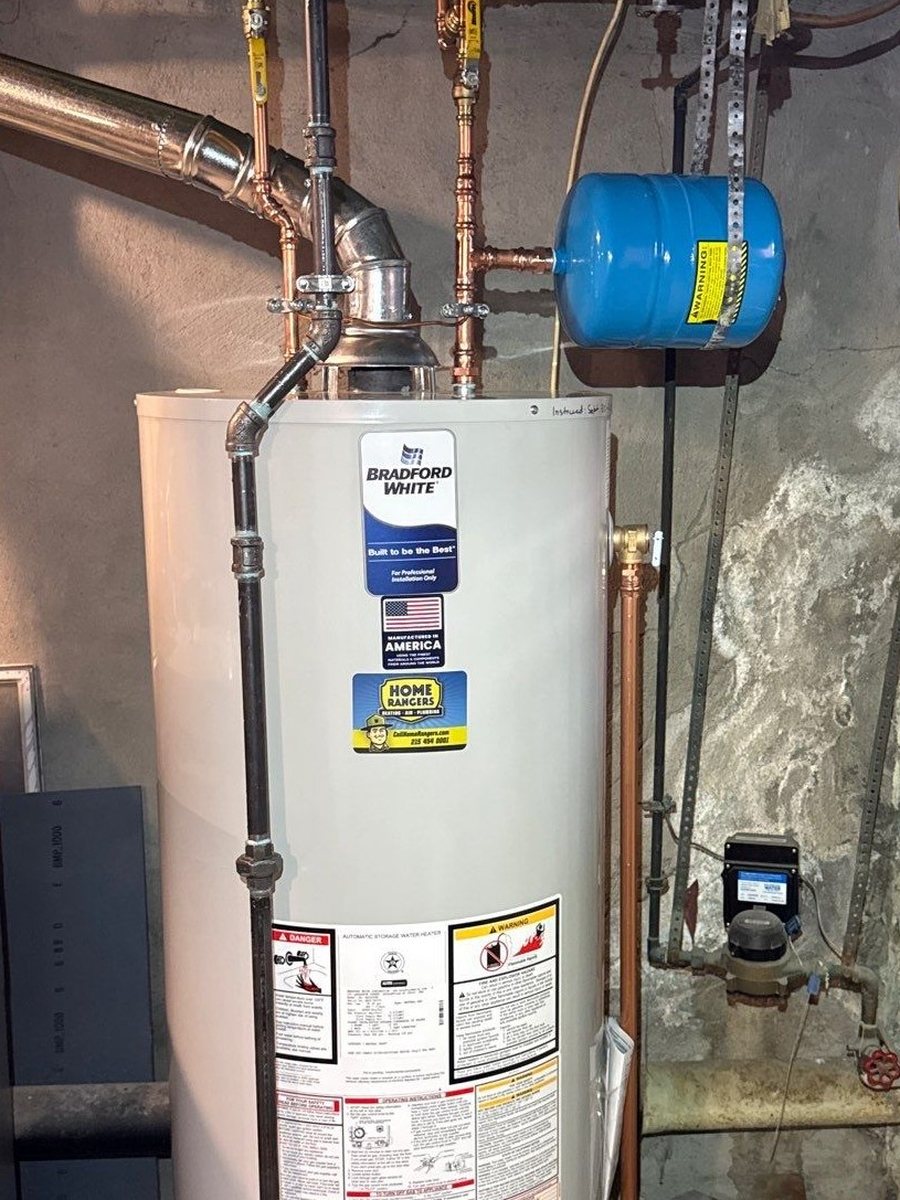
Piping Photos
Plumbing details reviewed during pipe replacement
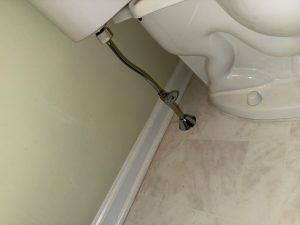
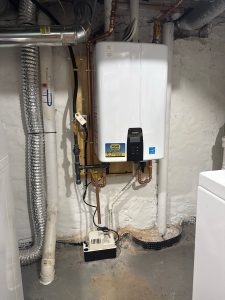
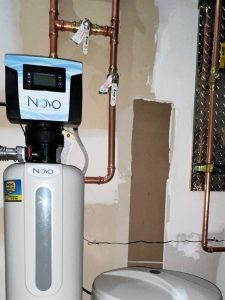
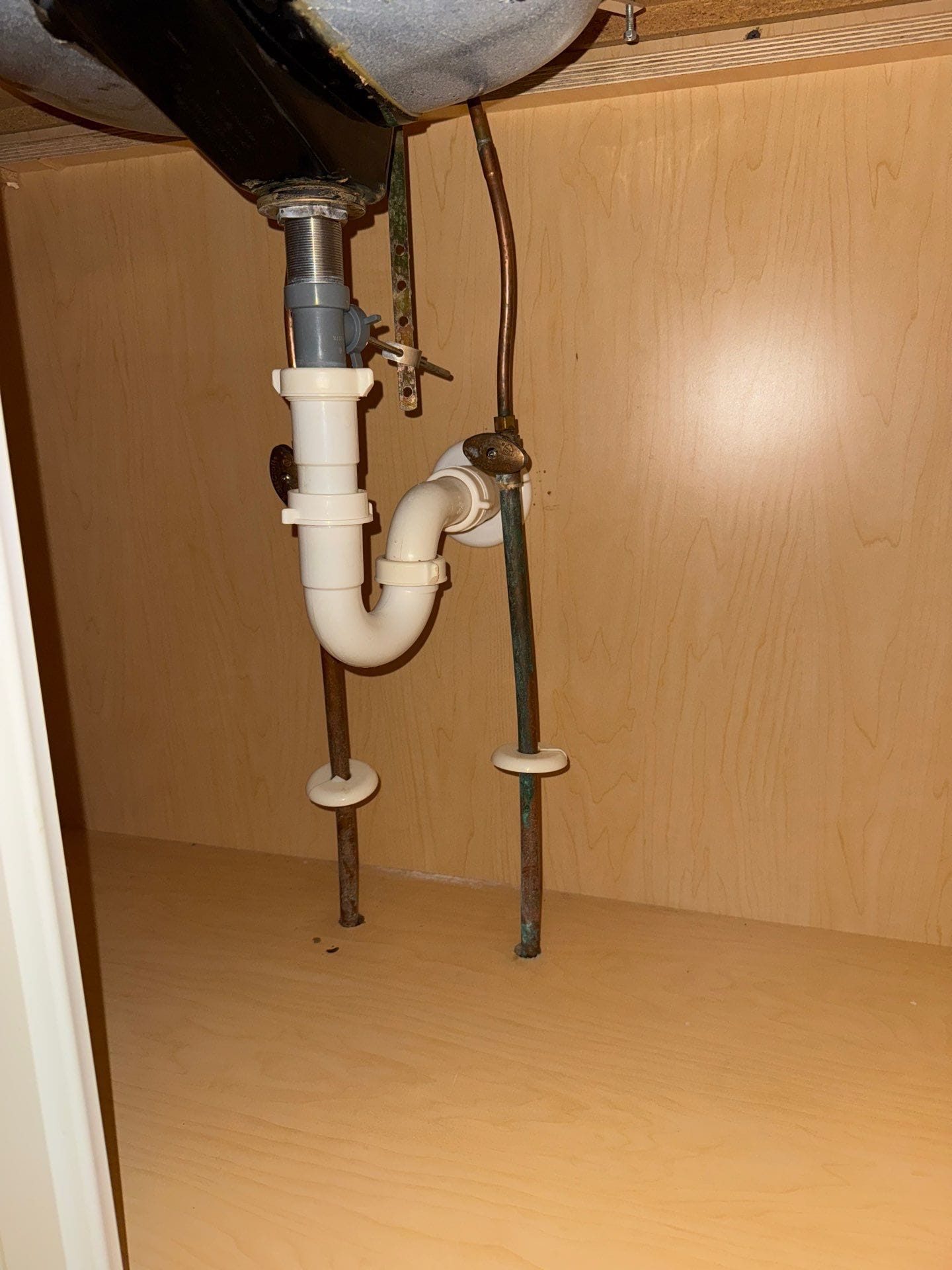
Photos help explain supply piping, shutoffs, access, and equipment connections that can affect a polybutylene pipe replacement quote.
Customer Proof
Home Rangers reviews from local homeowners
Reviews show how Home Rangers communicates and explains plumbing options inside real homes.
Planning Details
What affects the quote, schedule, and quality
A useful quote should explain the repiping process, not just give a number. Access, pipe length, fixture count, material choice, drywall openings, schedule, cleanup, and testing all affect the job.
Home Rangers keeps the conversation practical so homeowners know what is urgent, what can wait, and how the company will protect the house.
Accessible polybutylene pipe helps confirm the material and shows how piping may be routed.
Old valves and supply connections may need updates when water lines are replaced.
Finished walls, ceilings, floors, cabinets, and crawlspaces affect time, holes, and cost.
Recent Work
Recent PB pipe replacement check-ins
These NearbyNow check-ins stay focused on PB pipe review, water line replacement, and related plumbing projects.
Recent Jobs and Reviews
Related Plumbing Services
Other plumbing services that may help
Pipe replacement can overlap with water quality upgrades, plumbing fixtures, fixture shutoffs, emergency leak response, and other plumbing service work.
Service Area
Polybutylene pipe replacement across Bucks County and Montgomery County
Home Rangers provides polybutylene pipe replacement and plumbing support across Bucks County, Montgomery County, nearby Philadelphia, and surrounding service areas.
Questions
Polybutylene repiping FAQs
These answers cover polybutylene pipe identification, pipe replacement, leak risks, repipe options, materials, testing, and local service coverage.
Need PB pipe help?
What is polybutylene pipe?
Polybutylene pipe, often called PB pipe or poly-B, is a gray plastic water supply pipe used in many homes from the late 1970s through the mid-1990s.
How do I know if my home has polybutylene plumbing?
Polybutylene plumbing may be visible near water heaters, shutoff valves, basements, sinks, showers, toilets, and plumbing fixtures. A plumber can inspect accessible piping and explain what was found.
Why do homeowners replace polybutylene pipes?
Homeowners replace polybutylene pipes because pinhole leaks, cracked fittings, burst sections, repeated leaks, inspection concerns, failing materials, and hidden water damage can point to a larger pipe problem.
Does Home Rangers provide polybutylene pipe replacement locally?
Yes. Home Rangers helps with polybutylene pipe replacement across Bucks County, Montgomery County, nearby Philadelphia, and surrounding communities.
Current Specials
Current HVAC & Plumbing Offers
Strong offers built to help you book service faster, save on repairs, catch current install incentives, and lock in ongoing system protection without digging through the whole site.
Diagnostic Only $49
Fast HVAC or plumbing diagnostic during regular business hours. If you approve the repair, we’ll credit the diagnostic toward the work. Use code RANGERS49 when booking online.
Book Online$75 Off Any Repair Over $300
Save on qualifying HVAC or plumbing repairs when the fix goes beyond a quick minor adjustment and you want real value on a bigger repair.
Book OnlineLennox Rebates Up to $1,800
On qualifying new Lennox Ultimate Comfort Systems, homeowners can earn rebates up to $1,800 through June 12, 2026. Financing is also available on qualifying installs.
Book OnlineHome Rangers System Protection Plan: First Month Free
Start your membership at $19.95/mo, get your first month free, and unlock priority scheduling, tune-ups, and repair savings.
View PlanOffer details can change by season, equipment eligibility, service area, lender approval, and program availability. Diagnostic offer is for regular-hours service only. Repair discount cannot be combined with diagnostic credit or other offers. Lennox rebate requires qualifying purchase by June 12, 2026, installation by June 19, 2026, and claim submission by July 19, 2026.
Lennox systems, rebates, and verified dealer support
Home Rangers appears on the official Lennox dealer locator for Warminster and currently participates in Lennox promotions. Ask about qualifying Lennox air conditioners, heat pumps, furnaces, and mini-split options, along with financing and current manufacturer rebates when available.
Current national Lennox rebate window: qualifying new-system purchases through June 12, 2026, installation by June 19, 2026, and claim submission by July 19, 2026. Current qualifying offers include rebates up to $1,800 on eligible new systems.
Whether your AC stopped cooling, your furnace won’t ignite, your water heater is leaking, or your drains are backing up, Home Rangers is here to help. As Warminster’s hometown HVAC and plumbing company, we treat every customer like a neighbor, because you are.
Ready for Home Service You Can Trust?
Book Nowor call us at:
(215) 454-0001