Home Rangers
Water Treatment Systems for Homes in Bucks & Montgomery County, PA
Home Rangers is a licensed water treatment company serving homes on public water and private wells across Bucks County and Montgomery County, PA. We test the water first, then install, service, and repair the system that fits – water softener, whole house filtration, or reverse osmosis.

Family-Owned, Local HVAC & Plumbing Team
Free Estimates On Installations & Replacements
Same-Day & Emergency Service, 24/7
Master-Licensed in PA, NJ & DE
Upfront Pricing, No Surprises
Water Treatment Service
Water treatment near me starts with knowing what is in the water
A water treatment system should answer a specific problem. Hard water, iron staining, sulfur odor, chlorine taste, sediment, low pH, or concern about bacteria and contaminants each call for different equipment, different sizing, and different maintenance.
Home Rangers is a water treatment company serving Bucks County, Montgomery County, nearby Philadelphia, and surrounding towns. We review the water source, test results, plumbing layout, pressure, drain access, and household use before recommending a system.
Water Signs
Signs a home may need a water treatment system
These symptoms do not all point to the same equipment. They help decide whether the answer is a water softener, whole house water treatment, iron or sulfur removal, a neutralizer for acidic water, or a reverse osmosis system at the kitchen tap. Water testing confirms which one.
Hard water leaves calcium and magnesium buildup on faucets, glassware, laundry, and inside the water heater. Hard water treatment usually means softening rather than filtering.
Iron and manganese stain sinks, tubs, and laundry and can clog fixtures. Iron removal depends on the form the iron is in, which testing identifies.
Hydrogen sulfide is common in private wells. Sulfur water treatment differs from carbon filtration used for chlorine taste.
Acidic, low-pH water reacts with copper plumbing. This is a pipe protection issue, not only a cosmetic one, and is treated with pH neutralization.
Municipal supply is disinfected before it reaches the home. Carbon filtration is typically used when taste and odor are the concern.
Bacteria, nitrates, arsenic, lead, and PFAS have no taste, color, or smell. Product choice should follow the lab report and the removal claim of the equipment.
Treatment Process
How water treatment installation works, step by step
Water treatment installation should be based on test data and planned so the equipment stays serviceable for years, not only on the day it goes in.
Water testing
We look at hardness, iron, pH, odor, sediment, and any lab report you already have. For private wells, existing well records and past test results save time and guesswork.
Select and size the equipment
Results guide the choice: a water softener for hardness, iron or sulfur removal, a neutralizer for low pH, whole house filtration for sediment and chlorine, or reverse osmosis for drinking water. Sizing follows flow rate and household demand so pressure is not restricted.
Plan the install location
Placement depends on where the water enters the home, drain access for backwash and regeneration, electrical, clearance around the water heater, and whether the equipment can be reached later without moving stored items.
Set the maintenance schedule
Before installation, homeowners should know what the system treats, what it does not, filter and media replacement intervals, salt requirements, and the cost of routine service.
Project Photos
Water treatment equipment installed in local homes
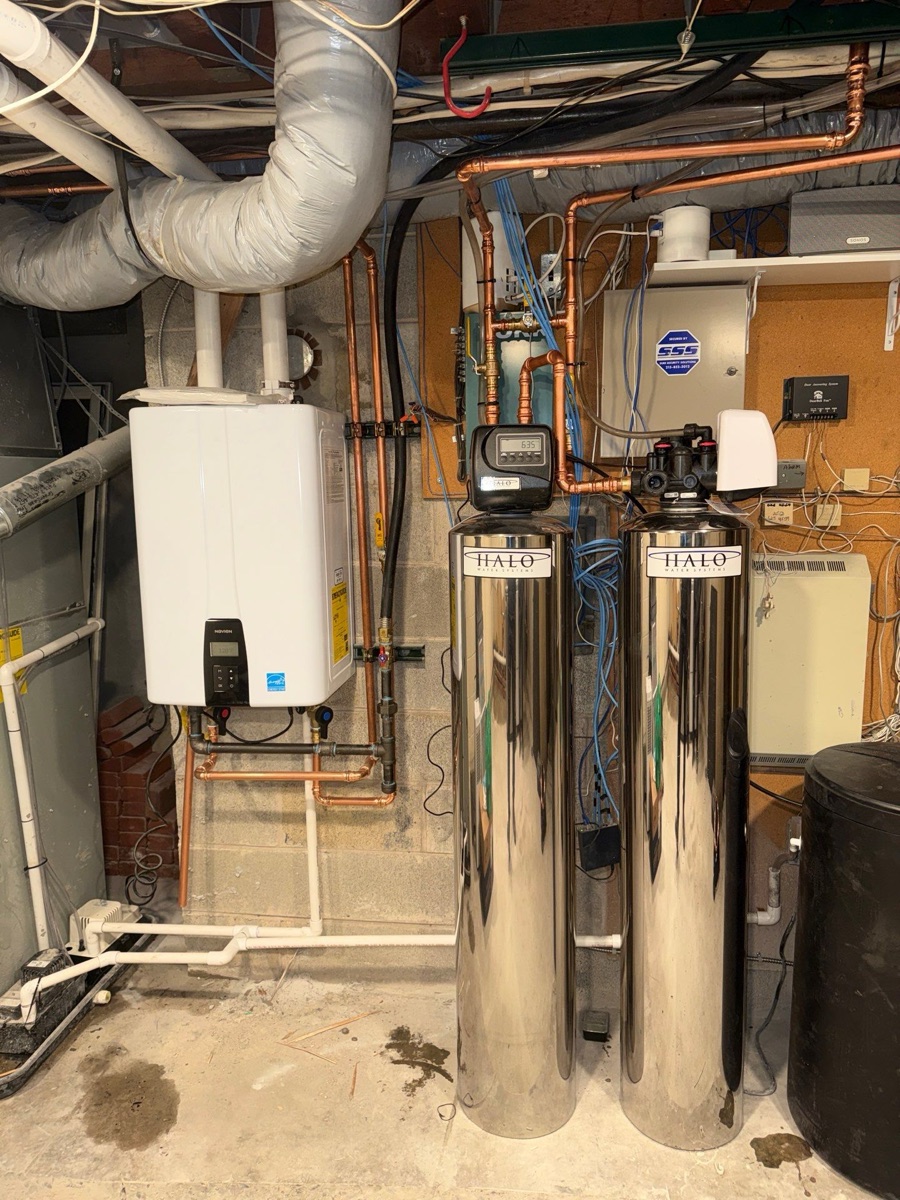
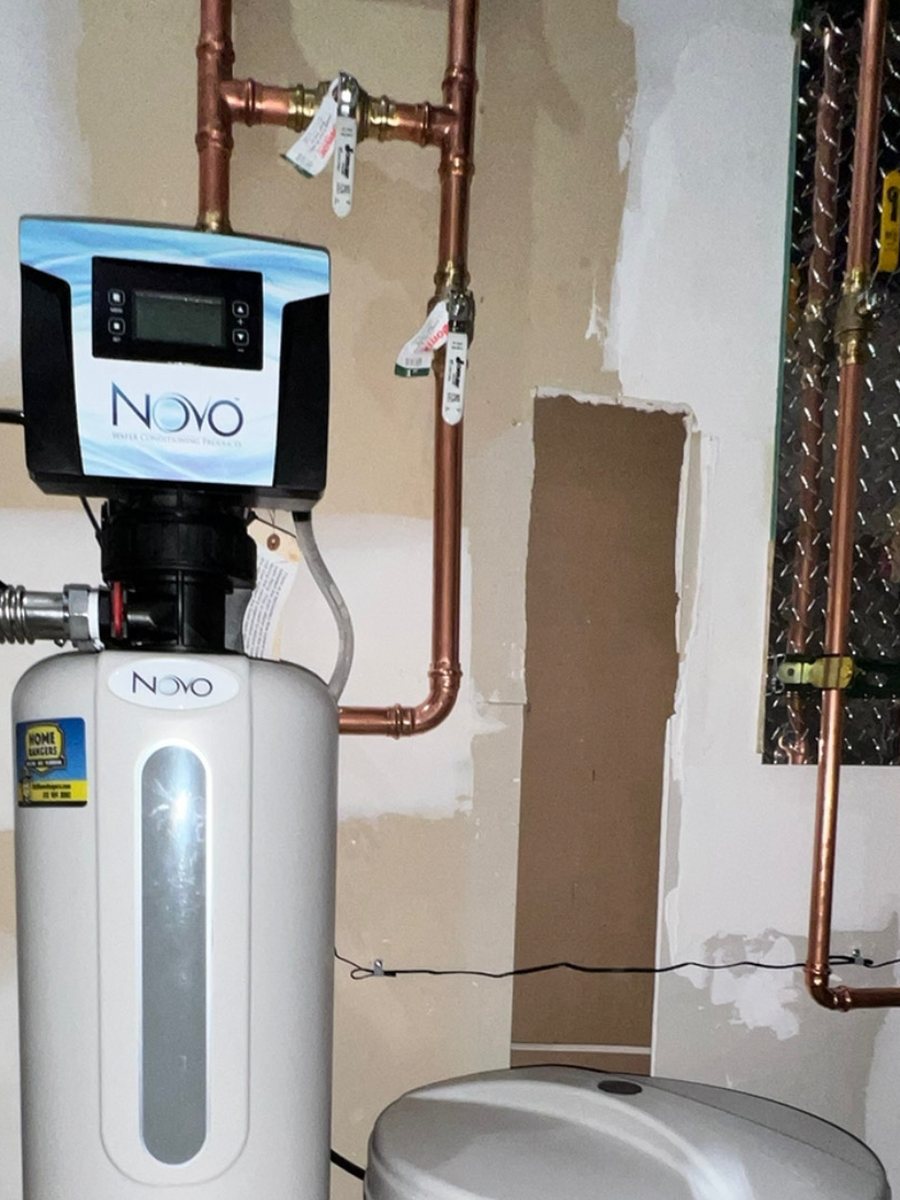
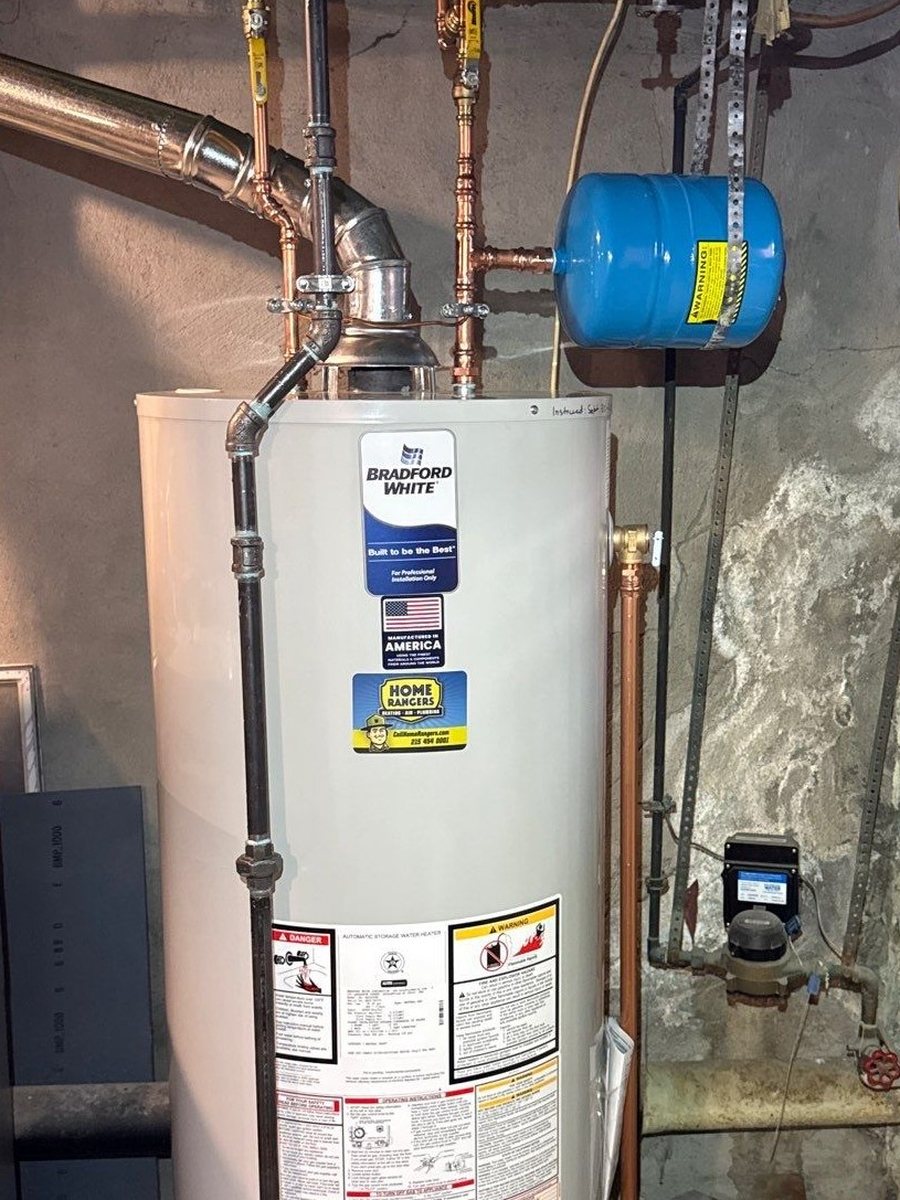
These photos show softener tanks, filtration equipment, drain routing, and water heater connections from local jobs. They are worth a look before planning an install, because they show how much clearance the equipment actually needs and why placement decides how easy maintenance will be later.
Customer Proof
Home Rangers reviews from Bucks and Montgomery County homeowners
Water treatment is a long relationship with the equipment, not a one-time sale, so it helps to see how a company explains options, prices the work, and handles service afterward. These reviews come from local homeowners across the areas we cover.




System Selection
Water softeners, whole house filtration, and reverse osmosis systems
These are three different jobs. A water softener removes calcium and magnesium, so it handles hardness and scale but not chlorine, sulfur, or most contaminants. Whole house water treatment sits where water enters the home and covers sediment, iron, and chlorine for every fixture. Reverse osmosis treats one tap for drinking water. Many homes need more than one, in sequence — on a well, sediment filtration first, then iron or sulfur removal, then softening, then reverse osmosis at the kitchen sink.
For hard water, scale, and mineral buildup. Sized to hardness level and household demand, with drain access for regeneration and ongoing salt.
For sediment, chlorine, iron, or sulfur affecting the entire home. Protects fixtures, the water heater, and appliances, not only the drinking tap.
For targeted drinking water treatment at one faucet. Requires under-sink space for the membrane, tank, and filters, and produces some waste water.
For acidic well water that corrodes copper pipes. Treats the cause of blue-green staining and pinhole leaks rather than the appearance.
Service Area
Water treatment services across Bucks County and Montgomery County, PA
Water conditions change from one township to the next, and so does the source. Neighborhoods on municipal supply and homes on private wells a few miles apart can need completely different equipment, which is why we test locally rather than assume a standard package.
If your community is not listed, contact Home Rangers to confirm drain cleaning availability in your area.
Recent Local Work
Recent water treatment check-ins near you
These Nearby Now updates come from recent water treatment, softener, and filtration visits in nearby neighborhoods. They show the kind of water issues homeowners in this area are dealing with right now, and how close the nearest completed job is to you.
Recent Jobs and Reviews
Related Services
Related plumbing services that affect water treatment
Water treatment rarely stands alone. Hardness damages water heaters, old pipes affect taste and pressure, and equipment choices depend on the plumbing already in the home. These pages cover the work most often planned alongside treatment.
Questions
Water treatment questions homeowners ask
These answers cover cost factors, service on existing equipment, testing frequency, and ownership questions that come up after a system is installed.
Need water treatment help?
What affects water treatment installation cost?
Cost depends on how many stages the water needs, tank size, whether a drain and electrical outlet already exist near the install point, and whether pipes have to be rerouted. A single softener in a basement with a nearby drain is a different job from a staged well system that needs sediment filtration, iron removal, and softening. We give the price after testing, not before.
Will you service a system another company installed?
Yes. We repair and maintain existing water treatment equipment regardless of who installed it, including softeners that stopped regenerating, filters causing pressure loss, and reverse osmosis units. If a system is beyond economical repair or was never sized correctly for the home, we will say so.
How often should water be tested?
Private wells should be tested annually for bacteria and nitrates, and after any flooding, pump work, or change in taste, color, or odor. Homes on municipal supply generally do not need routine testing, but testing is worth doing if you have concerns about lead, older plumbing, or plumbing that was recently disturbed.
Should I buy or rent a water treatment system?
Rental keeps upfront cost low and usually includes service, but over the life of the equipment it commonly costs more than purchasing. Purchasing means the maintenance schedule is yours to manage. Which makes sense depends on how long you plan to stay in the home.
How much salt does a softener use?
It depends on water hardness, household water use, and how the unit is programmed. A demand-initiated softener regenerates based on actual usage rather than a timer, which typically uses less salt and less water than an older timer-based unit.
Can a water treatment system fix low water pressure?
No, and an undersized system can make it worse. Treatment equipment adds some restriction by design. If pressure is already low, the cause — the pump, pressure tank, pipe size, or scale inside old pipes — should be identified before equipment is added, not after.
Latest HVAC & Plumbing Guides
Helpful tips, cost guides, and expert advice from Home Rangers.
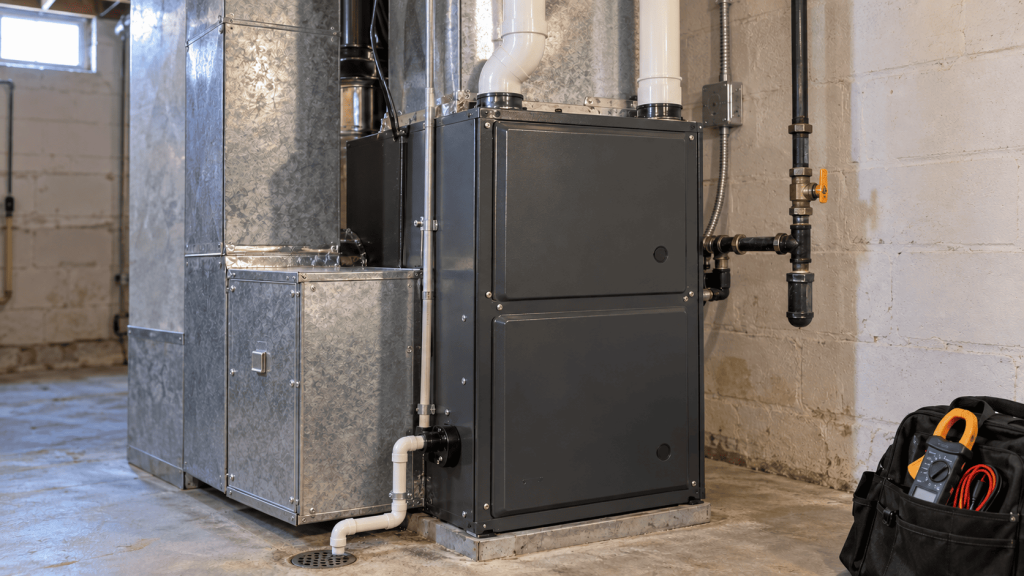
How Much Does Furnace Repair Cost in 2026?
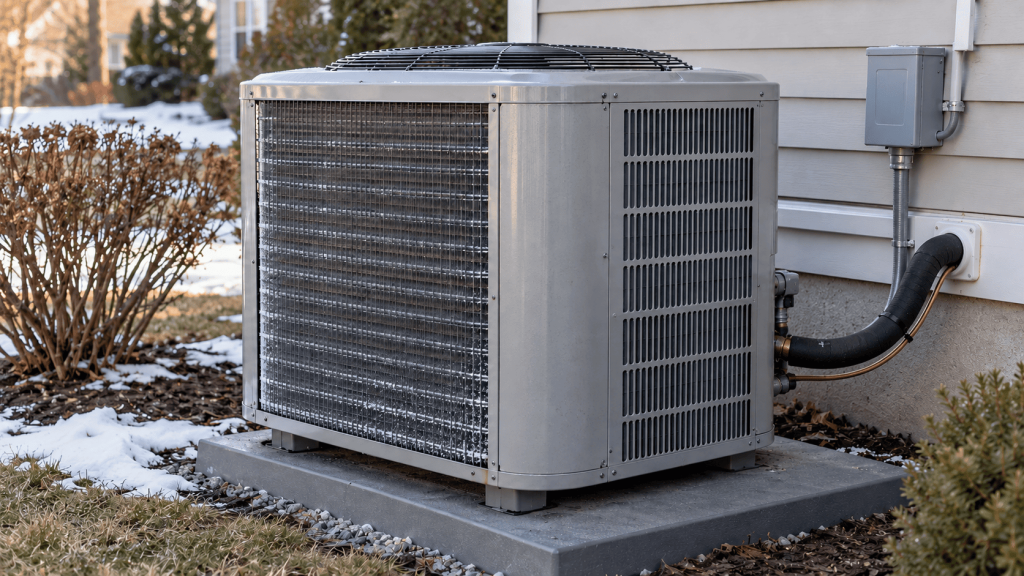
Heat Pump Not Heating or Blowing Cold Air? Causes & Fixes
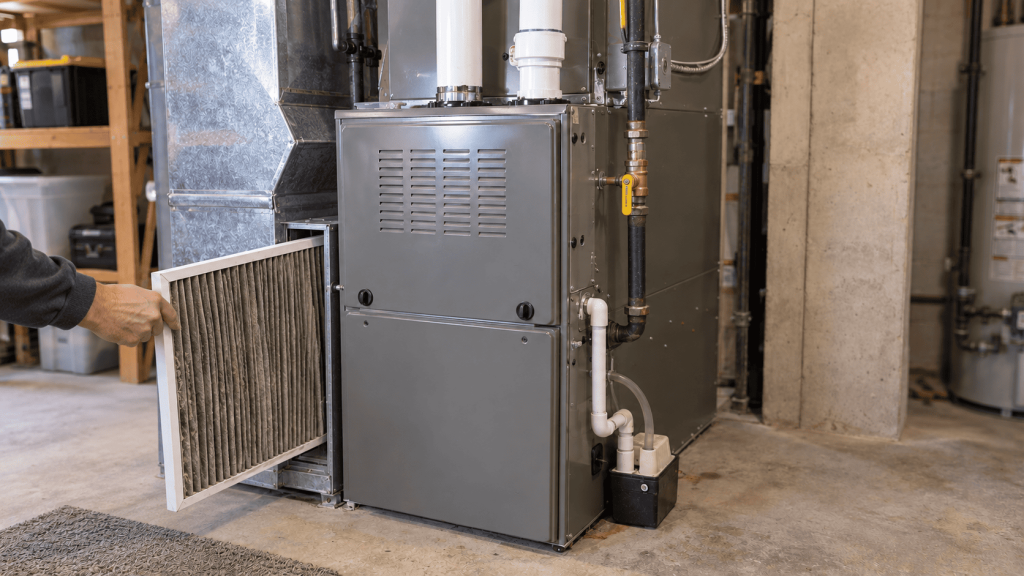
Why Is My Furnace Blowing Cold Air? Causes, Fixes & What to Check First
Current Specials
Current HVAC & Plumbing Offers
Strong offers built to help you book service faster, save on repairs, and lock in ongoing system protection without digging through the whole site.
Diagnostic Only $49
Fast HVAC or plumbing diagnostic during regular business hours. If you approve the repair, we’ll credit the diagnostic toward the work. Use code RANGERS49 when booking online.
Book Online$75 Off Any Repair Over $300
Save on qualifying HVAC or plumbing repairs when the fix goes beyond a quick minor adjustment and you want real value on a bigger repair.
Book OnlineHome Rangers System Protection Plan: First Month Free
Start your membership at $19.95/mo, get your first month free, and unlock priority scheduling, tune-ups, and repair savings.
View PlanOffer details can change by season, equipment eligibility, service area, lender approval, and program availability. Diagnostic offer is for regular-hours service only. Repair discount cannot be combined with diagnostic credit or other offers.
Lennox systems and verified dealer support
Home Rangers appears on the official Lennox dealer locator for Warminster. Ask about Lennox air conditioners, heat pumps, furnaces, and mini-split options, along with system sizing and financing options for eligible installations.
Whether your AC stopped cooling, your furnace won’t ignite, your water heater is leaking, or your drains are backing up, Home Rangers is here to help. As Warminster’s hometown HVAC and plumbing company, we treat every customer like a neighbor, because you are.
Ready for Home Service You Can Trust?
Book Nowor call us at:
(215) 454-0001