Emergency Heating Repair
Emergency heating repair for no heat, cold air, and urgent HVAC problems
Emergency heating repair matters when a home has no heat, the temperature is dropping, or a heating system is creating a safety concern. Home Rangers helps homeowners across Bucks County, Montgomery County, nearby Philadelphia, Delaware County, and surrounding communities sort out urgent heating calls, furnace repair questions, heat pump problems, boiler issues, heat loss, and cooling failures that cannot wait comfortably.
A cold house can become more than uncomfortable. Freezing temperatures can put plumbing at risk, family members may need a safer indoor temperature, and a broken furnace can point to ignition, airflow, electrical, or control problems. The first step is to explain what is happening, what you smell or hear, whether the control is calling for heat, and whether the heating unit has power.
If you suspect gas leaks or a carbon monoxide detector or alarm activates, leave the home and contact the utility provider or 911 first. After that immediate safety step, Home Rangers can review the heating system and discuss necessary repairs.
No Heat Triage
What counts as emergency heating repair?
No heat during freezing weather
No heat in freezing temperatures can create frozen pipes, cold rooms, and urgent heating risk. Emergency heating repair is usually appropriate when heat is completely out and the home is getting colder.
Furnace blowing cold air
A furnace blowing cold air can involve ignition failure, fuel supply issues, flame sensor problems, thermostat settings, airflow restrictions, or a safety lockout. Furnace repair starts with diagnosis, not guessing.
Furnace emergency symptoms
Urgent furnace service may be needed for a broken furnace, repeated shutdowns, burning odors, loud operation, weak heat, or a heating system that starts and stops before the home warms up.
Heat pump or boiler problems
A heat pump can lose heat because of controls, outdoor-unit condition, defrost behavior, backup heat, or electrical connections. Boilers can involve circulators, controls, pressure, venting, or safety devices.
Safety alarms or fuel odor
If you notice a fuel odor, see a carbon monoxide detector warning, or notice smoke or sparking, treat the issue as a safety event first. Leave the home when needed, call the proper emergency service, then schedule system review.
Cooling loss in severe heat
An AC system failure can become urgent during extreme heat, especially when vulnerable people are in the home. Emergency HVAC repair can include cooling system diagnosis, frozen coil review, or electrical checks.
Repair Visit
How an emergency service call is handled
During an emergency service call, Home Rangers gathers vital details before the visit: equipment type, age if known, control behavior, breaker status, error codes, recent noises, water around equipment, and whether the problem persists after simple checks. Those details help the technician prepare for the most likely heating issues.
The technician checks the heating system, controls, circuit breaker, filters, airflow, ignition sequence, flame sensor, pressure switch, valve behavior, blower operation, electrical connections, condensate path, and visible safety concerns. For a heat pump, the review may include outdoor-unit condition, defrost behavior, backup heat, and controls.
Clear communication is part of the repair. Home Rangers explains what was found, which repair services are practical, which associated costs are known, and what can wait until normal business hours. No customer should have to approve work they do not understand.
Emergency repairs can also create follow-up heating services, repair services, or maintenance notes after the heat is restored. Fuel-burning equipment, electrical controls, venting, and airflow should be documented clearly so the homeowner knows what was fixed and what still deserves attention.
Before approved work begins, the repair scope is reviewed with the homeowner. If emergency repairs are reasonable, the team can move forward. If system installations or larger replacement planning make more sense, that conversation should be separated from the urgent safety and comfort decision.
Common Causes
Emergency furnace repair and heating system failures
Ignition and flame problems
Ignitors, flame sensors, pilot light trouble, valve issues, and burner problems can stop a furnace from making heat. A safety inspection helps separate a repair from a hazard.
Airflow and filter restrictions
Clogged filters, blocked returns, blower faults, and duct restrictions can cause weak heat, uneven heating, overheating, short cycling, or cold air at the vents.
Electrical and control faults
Loose electrical connections, tripped breakers, control board issues, control problems, and failed switches can keep a dependable heating system from running.
Heat pump lockouts
Heat pumps can fail in heating mode because of low refrigerant behavior, defrost faults, outdoor-unit ice, sensor problems, or backup heat that does not engage.
Boiler and water issues
Some heating emergencies involve circulators, pressure, expansion tanks, valves, venting, or water leaking around boiler equipment. Water heater problems are handled separately when domestic hot water is the issue.
Cooling failures
Emergency HVAC service can also involve an AC fails call, frozen evaporator coil, failed capacitor, condenser fan issue, or cooling system fault during high heat.
Cost And Timing
Urgent heating costs depend on the diagnosis
Repair costs depend on the heating system, access, part availability, timing, and what failed. A simple control or circuit breaker issue is different from a failed blower motor, valve, control board, or heat exchanger concern. Emergency calls can also involve unexpected expenses when parts, access, or safety conditions change the scope.
The safest question is not only how fast the heat can be restored. It is whether the repair is reliable, whether further damage is likely, and whether the system should keep running after the repair. When a repair is temporary, Home Rangers can explain why and help plan the next step. An HVAC system that has repeated failures, strange noises, or rising energy bills may need a broader review after the emergency repairs are complete.
After the service visit, save the service notes, model information, heat output notes, and any heat readings that were shared. Heating services can be planned later if the immediate heat problem points to maintenance, airflow correction, or equipment planning.
If the system is old, repair costs are high, or heating problems keep returning, replacement may be worth discussing after the emergency is stabilized. Annual maintenance, regular maintenance records, filter changes, control calibration, and safety checks can reduce some heating emergencies and help the system running efficiently.
What You Can Check
Safe steps before urgent heating help arrives
Check the thermostat
Confirm heat mode, set point, batteries, schedule, and smart thermostat connection if applicable. Do not keep resetting equipment if the problem persists.
Look at power and airflow
Check the circuit breaker, furnace switch, filter, return vents, and supply vents. Blocked airflow can make heating problems worse.
Use space heaters carefully
Space heaters should stay on a flat surface away from bedding, curtains, furniture, and water. Never use an oven, grill, or outdoor heater for indoor heat.
Protect plumbing in a cold house
If heat is out and freezing temperatures are expected, open interior doors and consider a slow faucet drip where pipes are vulnerable. Call a plumber for active pipe or water concerns.
Document vital details
Photos of the controls, error lights, equipment label, leak location, and any unusual display can help the technician quickly assess the heating unit.
Fuel odor, smoke, burning electrical smells, or carbon monoxide alarm activity deserve immediate attention from the proper emergency authority before HVAC repair.
System Checks
Heating system checks before a fix is chosen
Emergency heating repair should start with the heating system in front of the technician, not with a guess. Home Rangers technicians look at the HVAC system, heating equipment, thermostat settings, circuit breakers, air movement, safety controls, visible leaks, and how the unit responds when it tries to run.
The HVAC unit might be a fuel-fired furnace, boiler, heat pump, ductless mini-split, or another heating system. Each system creates heat differently, so the fix depends on the actual failure point. Improper installation, blocked air, missing maintenance, wiring problems, gas leaks, or a failing component can all create similar symptoms.
When cooling is part of the same emergency call, air conditioning services may involve the AC system, indoor air handler, outdoor condenser, refrigerant behavior, compressor operation, or airflow. Air conditioning problems during high heat can overlap with electrical issues and ventilation concerns.
Thermostat and control review
Technicians check thermostat settings, wiring, smart controls, system mode, set point, batteries, and whether the heating system is actually receiving a call for heat.
Pilot light and ignition checks
Pilot light problems, ignition lockouts, flame-sensing trouble, and valve behavior can stop reliable heating. If the pilot light will not hold or gas odor is present, gas leaks and safety steps come first.
Circuit breakers and power
Circuit breakers, switches, condensate safeties, low-voltage controls, and electrical issues can stop the system before it makes heat. The service visit checks power without bypassing safety devices.
Airflow and ventilation
Blocked filters, closed vents, ductwork restrictions, blower problems, dirty coils, and poor ventilation can affect heating, air conditioning, system performance, and indoor temperature.
Heating issues and warning signs
Early warning signs include strange noises, weak heat, short cycling, cold air at vents, water near equipment, repeated resets, unusual smells, and a furnace or HVAC system that keeps shutting down.
Maintenance and next steps
Regular maintenance helps identify dirty components, worn parts, control problems, and performance changes. Maintenance cannot prevent every emergency, but it can reduce some winter heating issues.
Emergency services should leave the homeowner with clear next steps: what was found, what was fixed, what should be watched, and whether repair services, heating services, air conditioning services, regular maintenance, or replacement planning should be scheduled after the urgent problem is stable.
Related services can include emergency services, heating services, air conditioning services, maintenance services, diagnostic services, comfort services, repair services, and follow-up services when the HVAC system needs more than one visit. After the emergency, the plan may point to outdoor-unit services, furnace services, maintenance services, diagnostic services, repair services, or comfort services. For stable equipment, seasonal services and follow-up services can be booked later. Home Rangers technicians can explain which heating system issue was addressed, which heating system notes matter, and which services can wait.
Project Photos
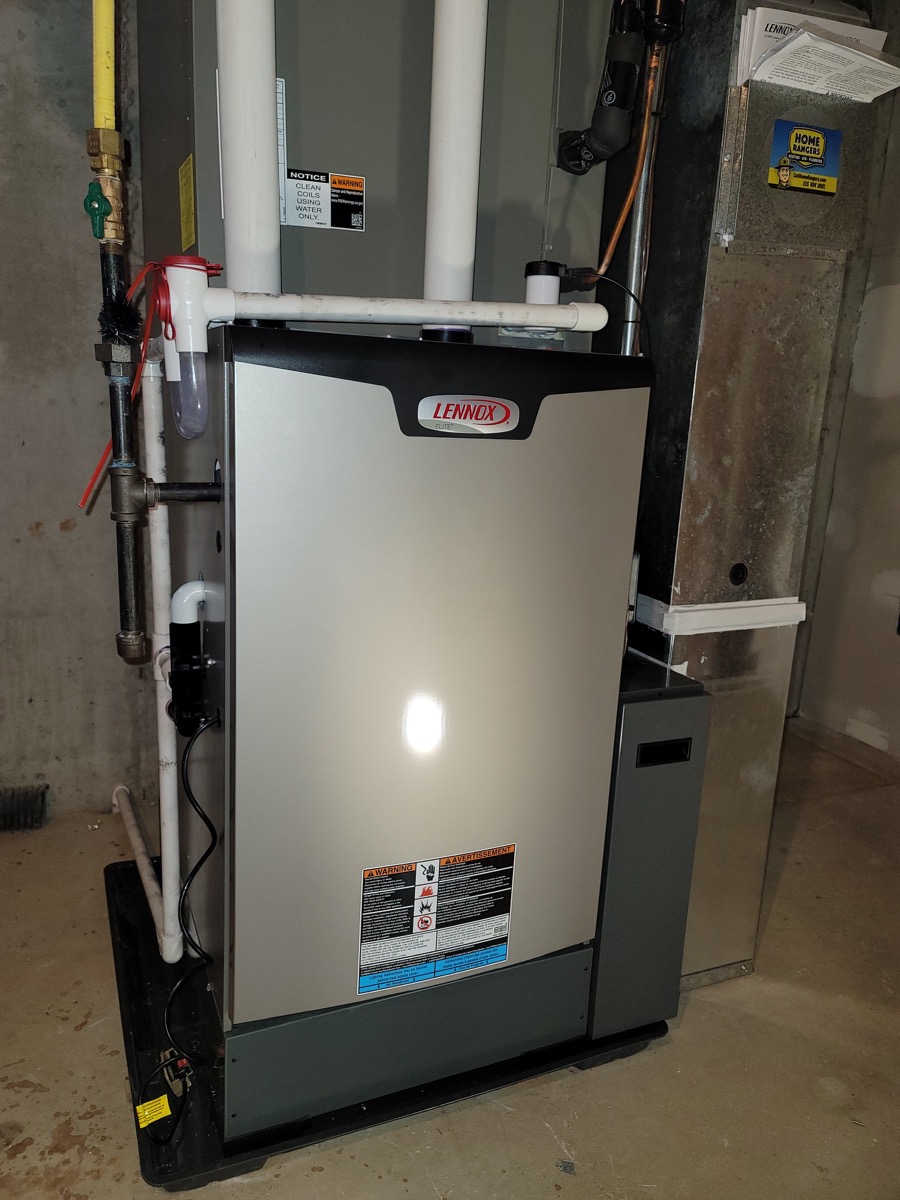
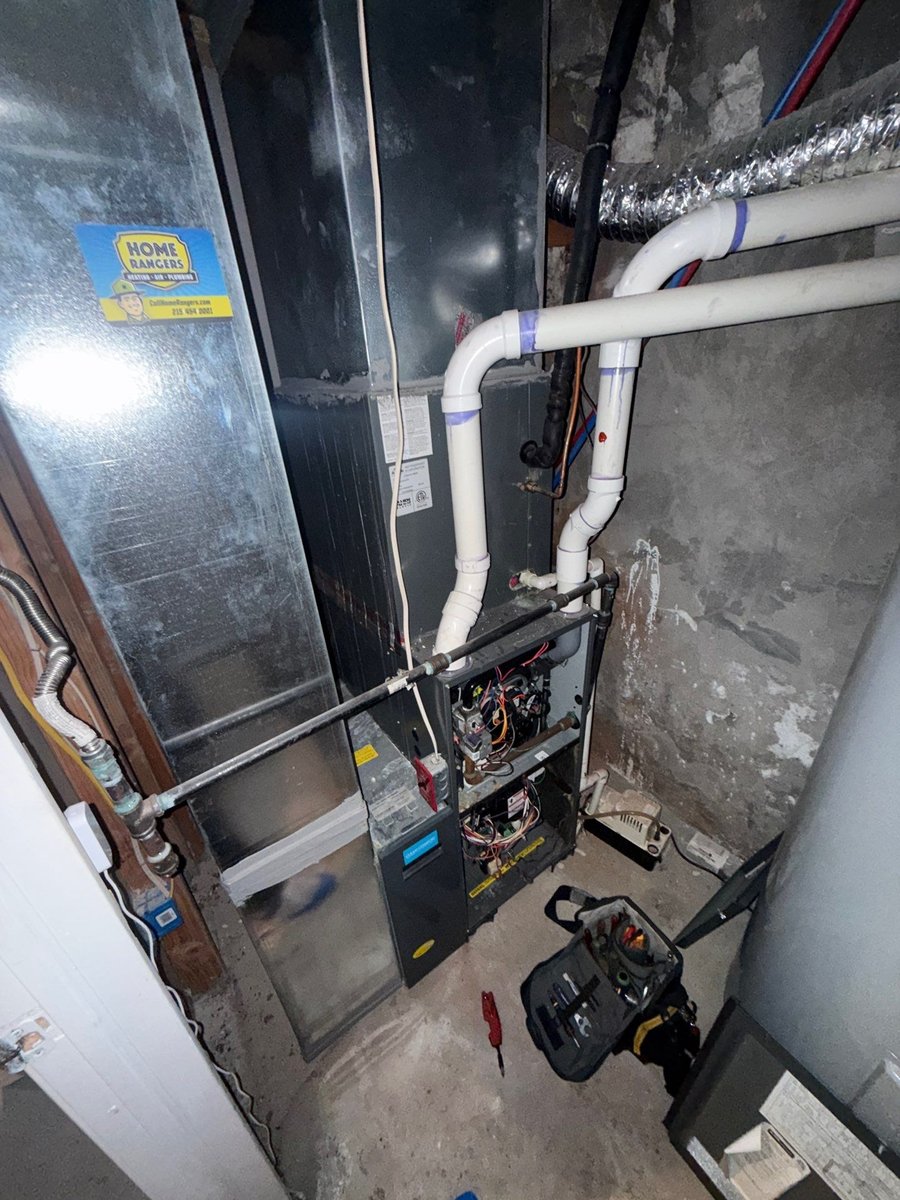
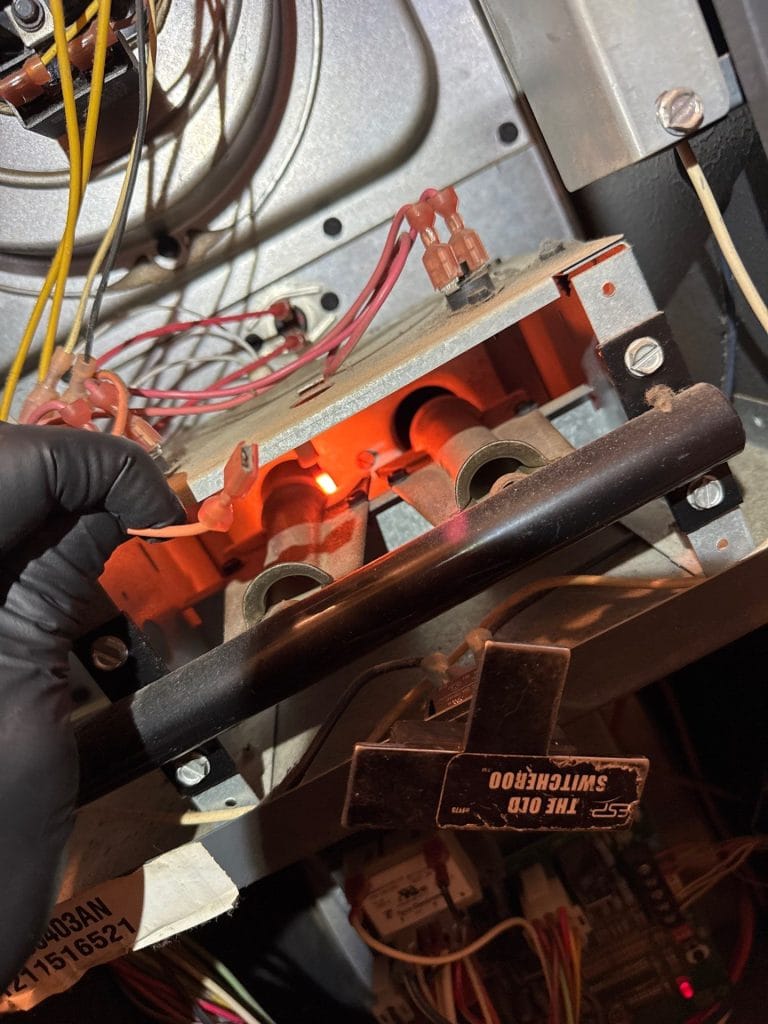
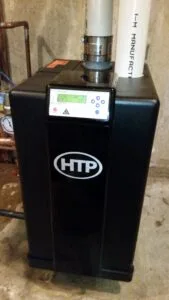
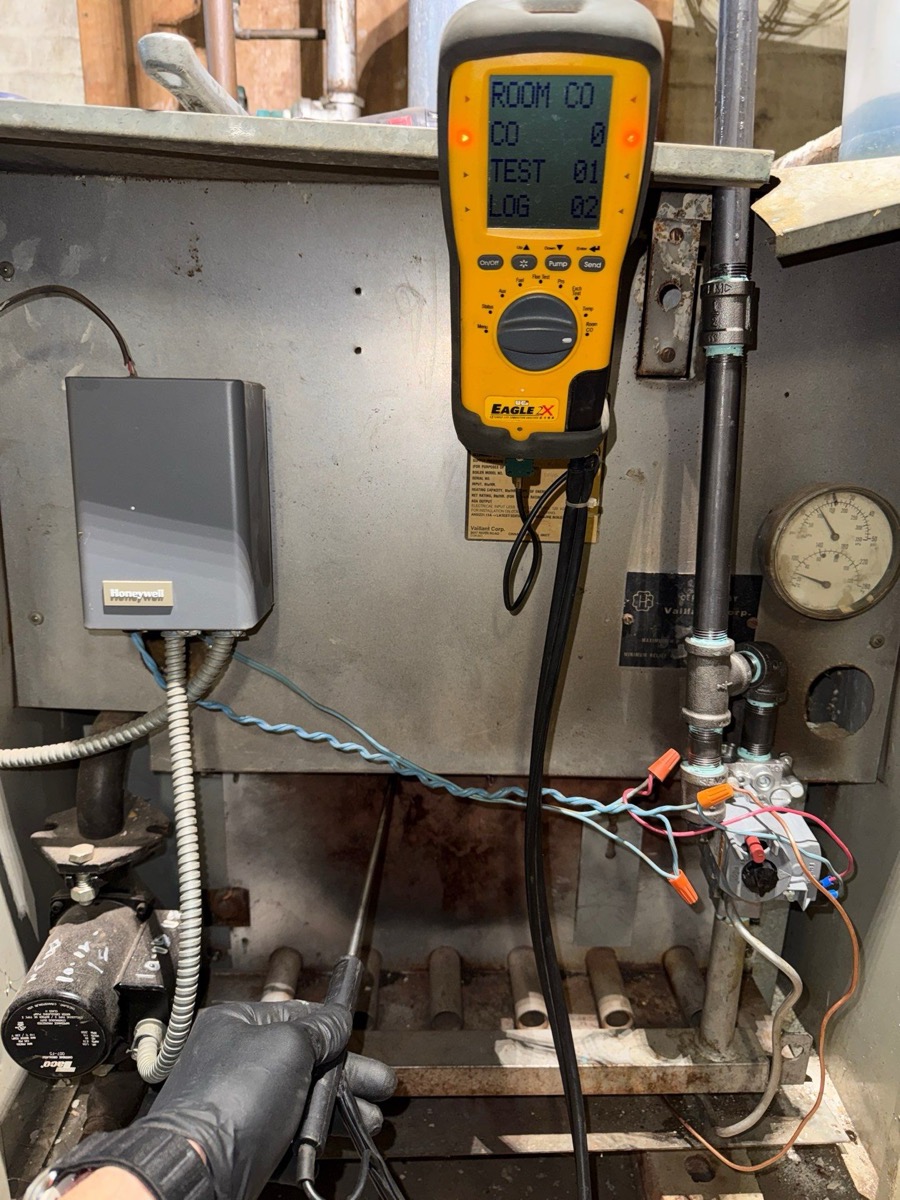
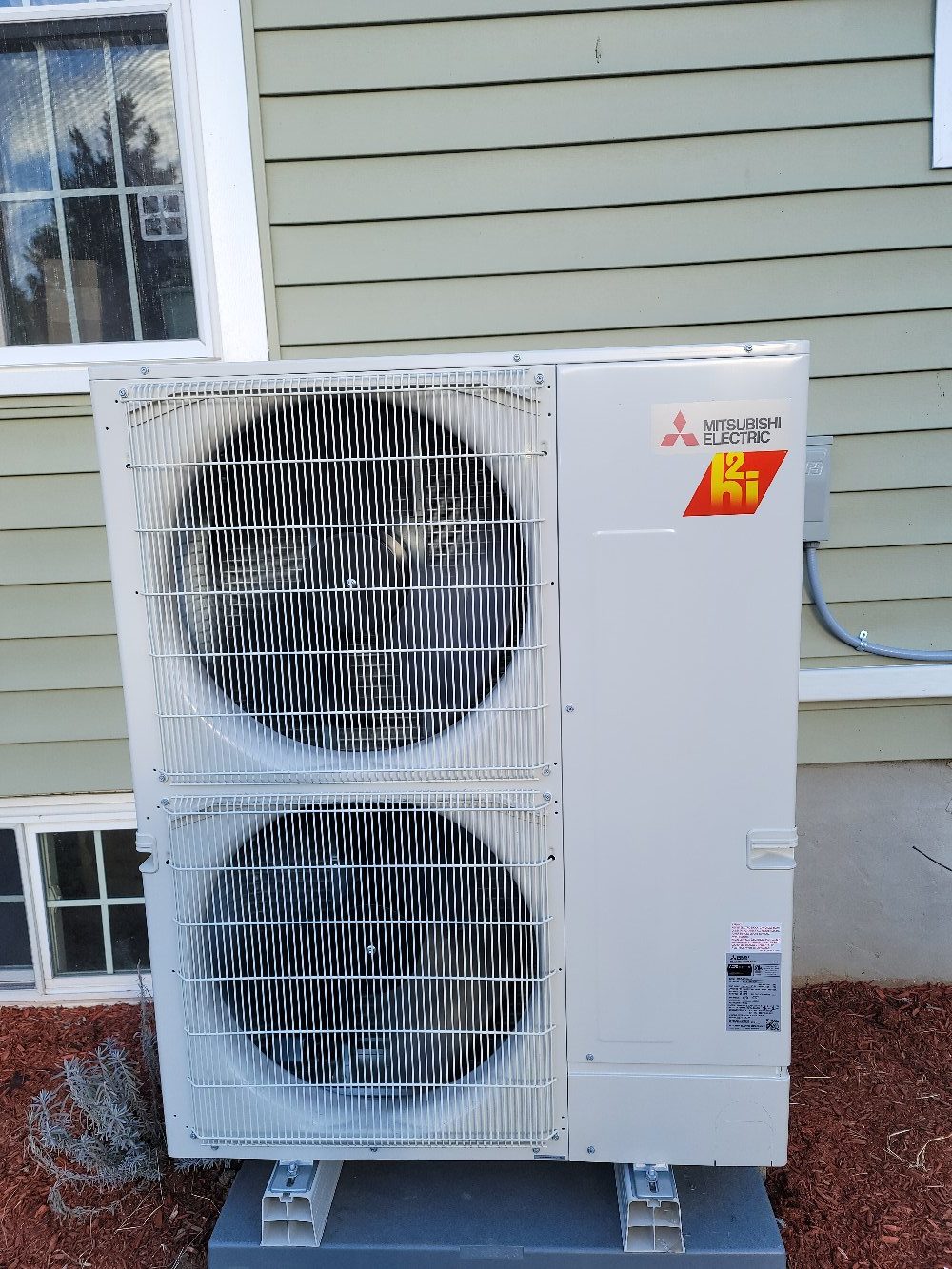
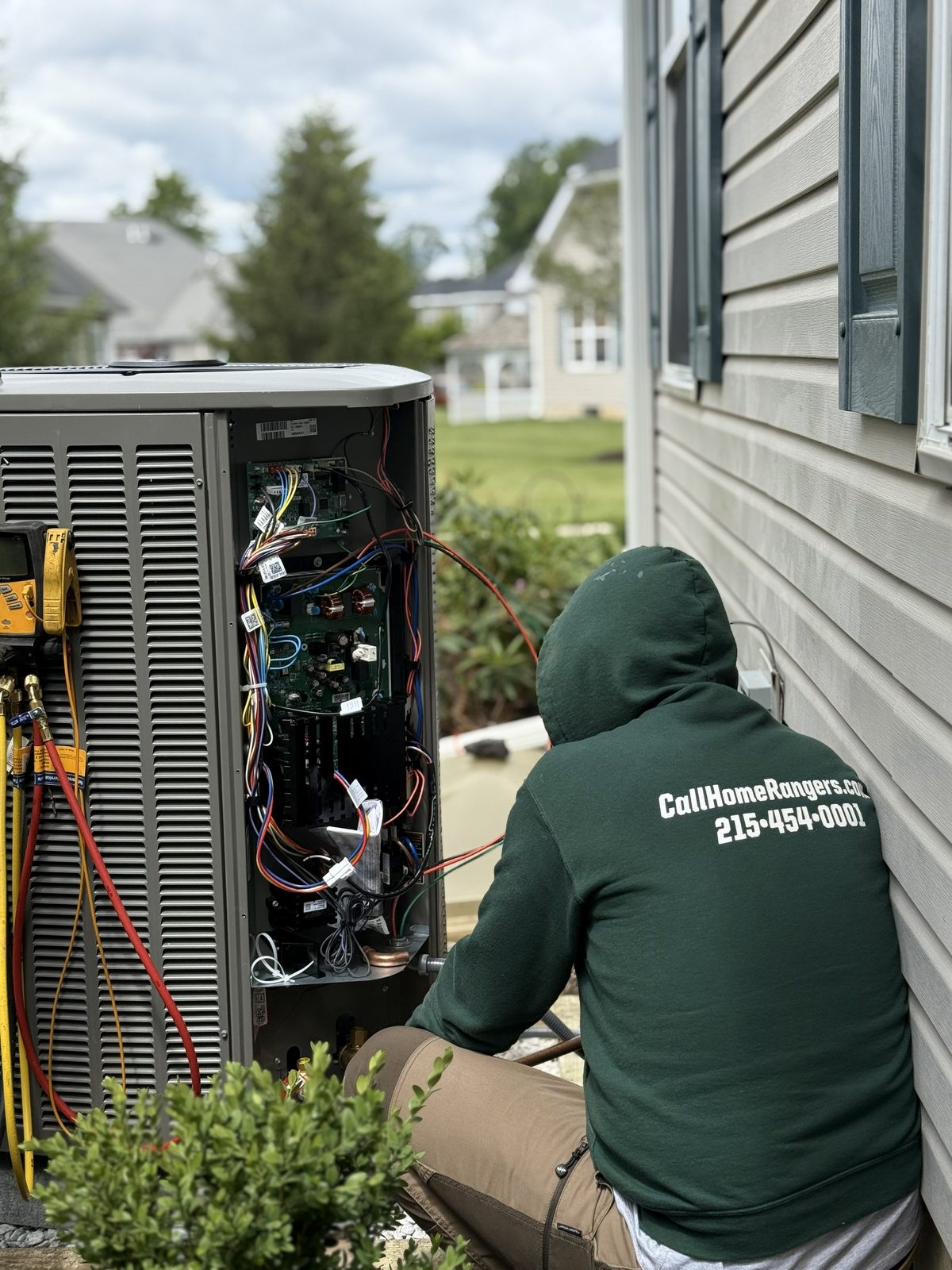
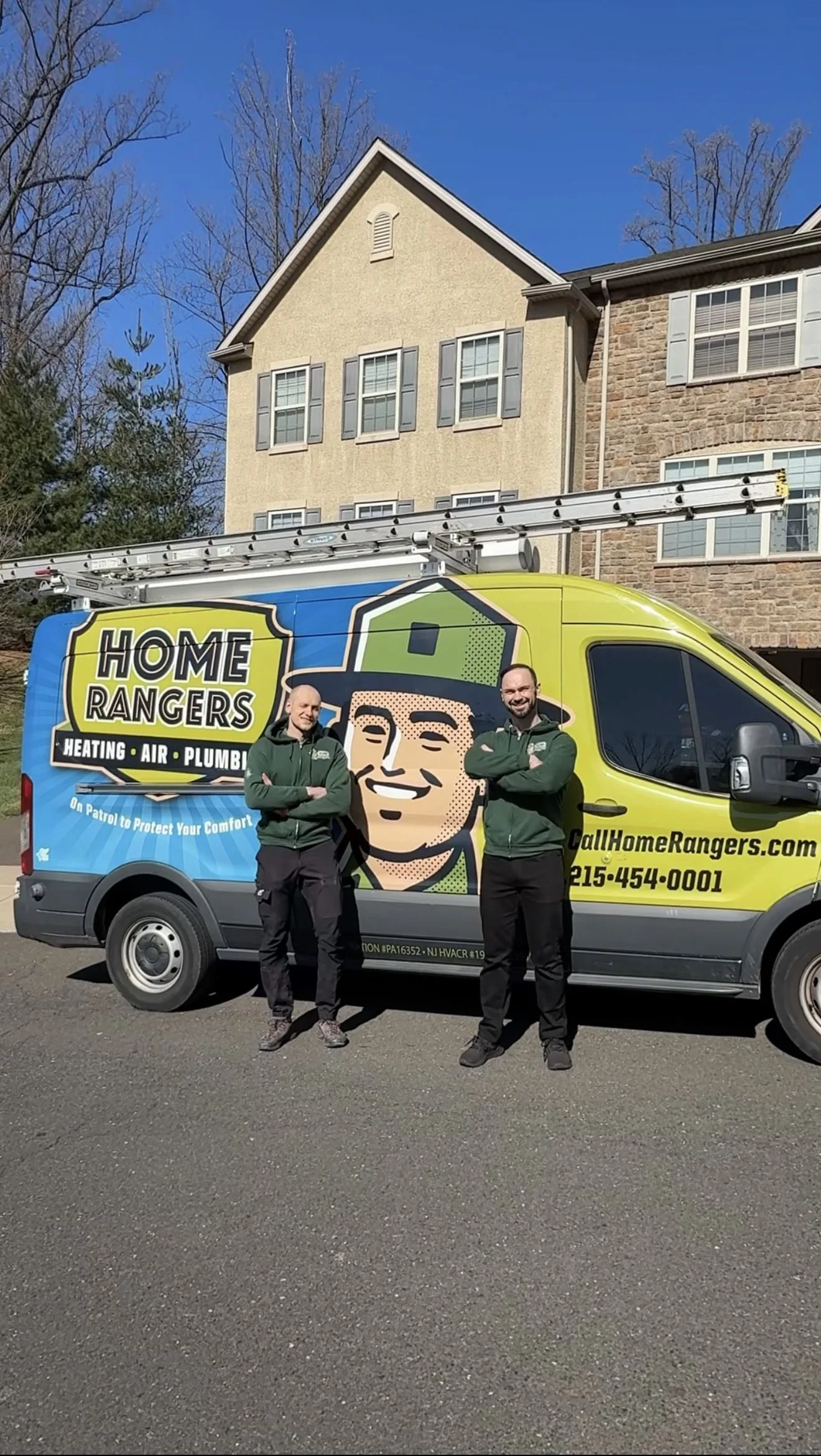
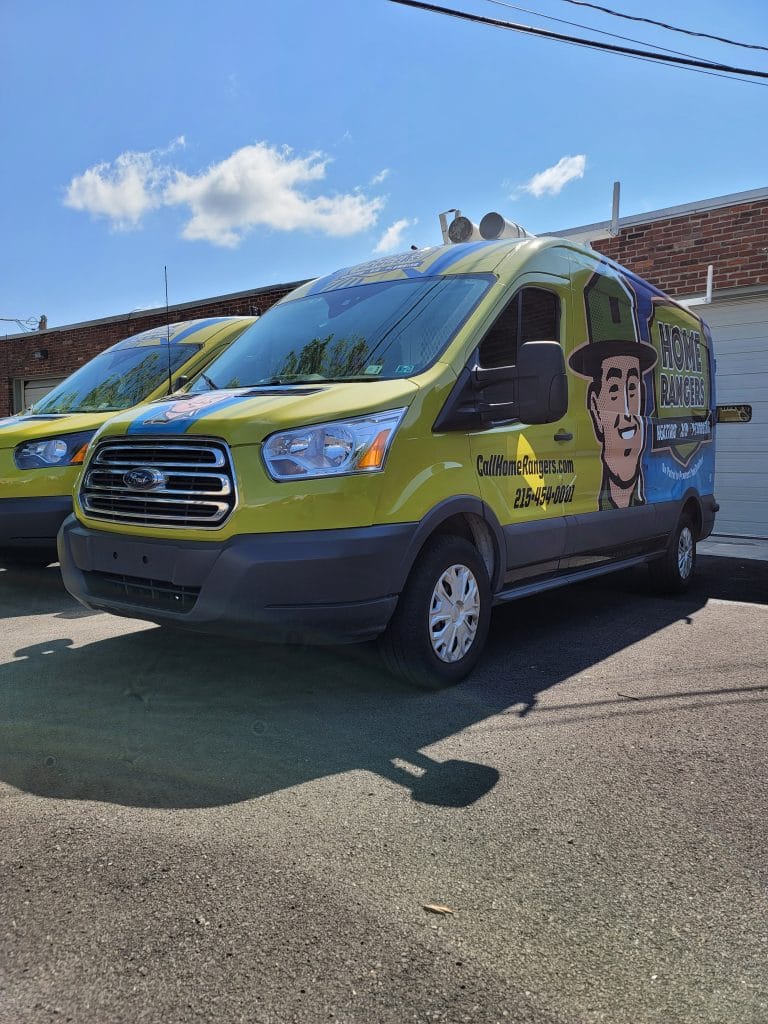
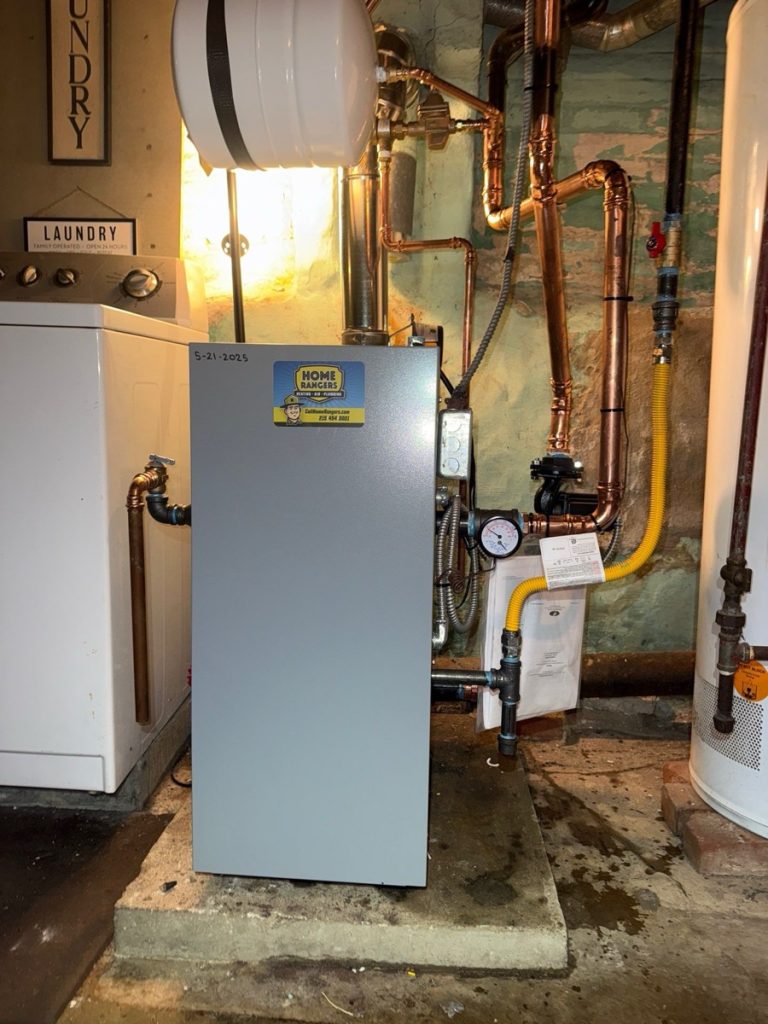
Heating repair, furnace service, outdoor units, and AC service photos
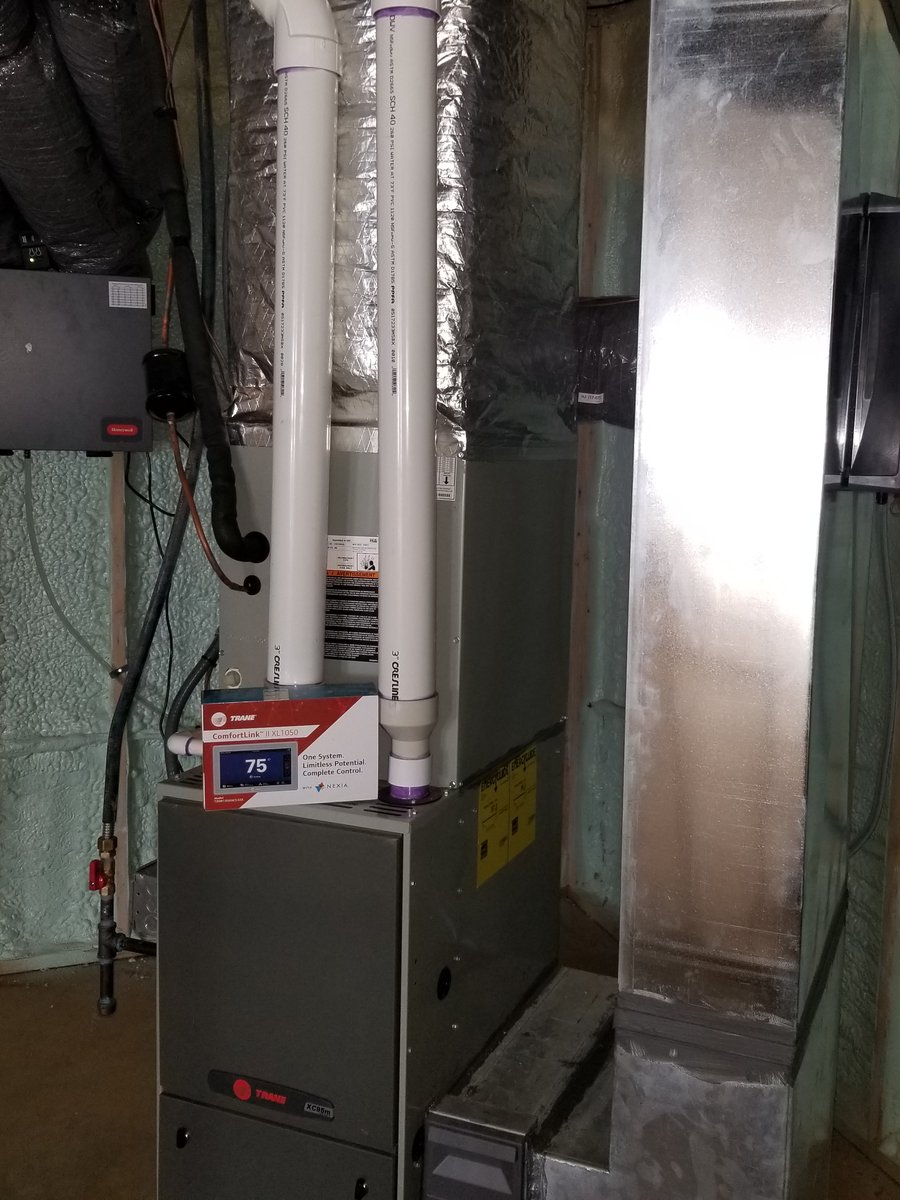
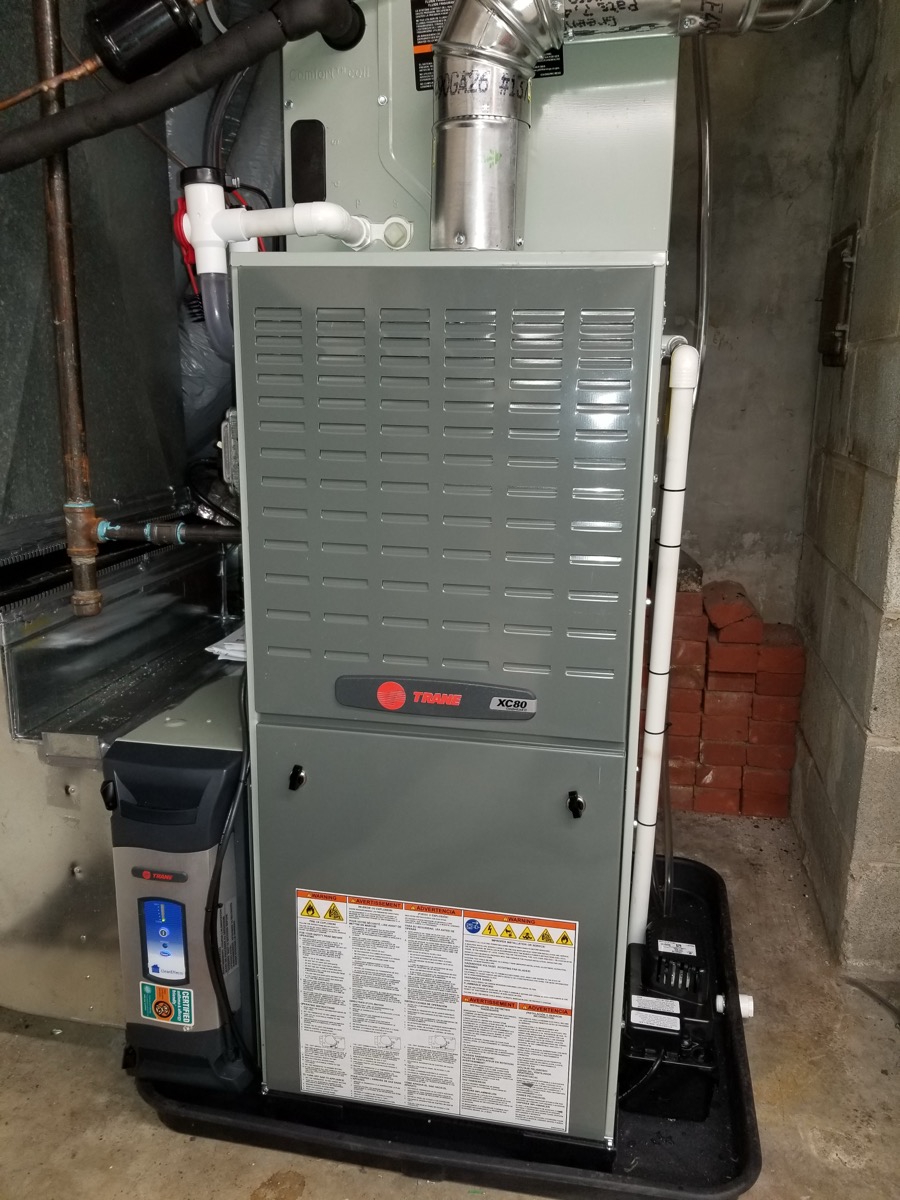
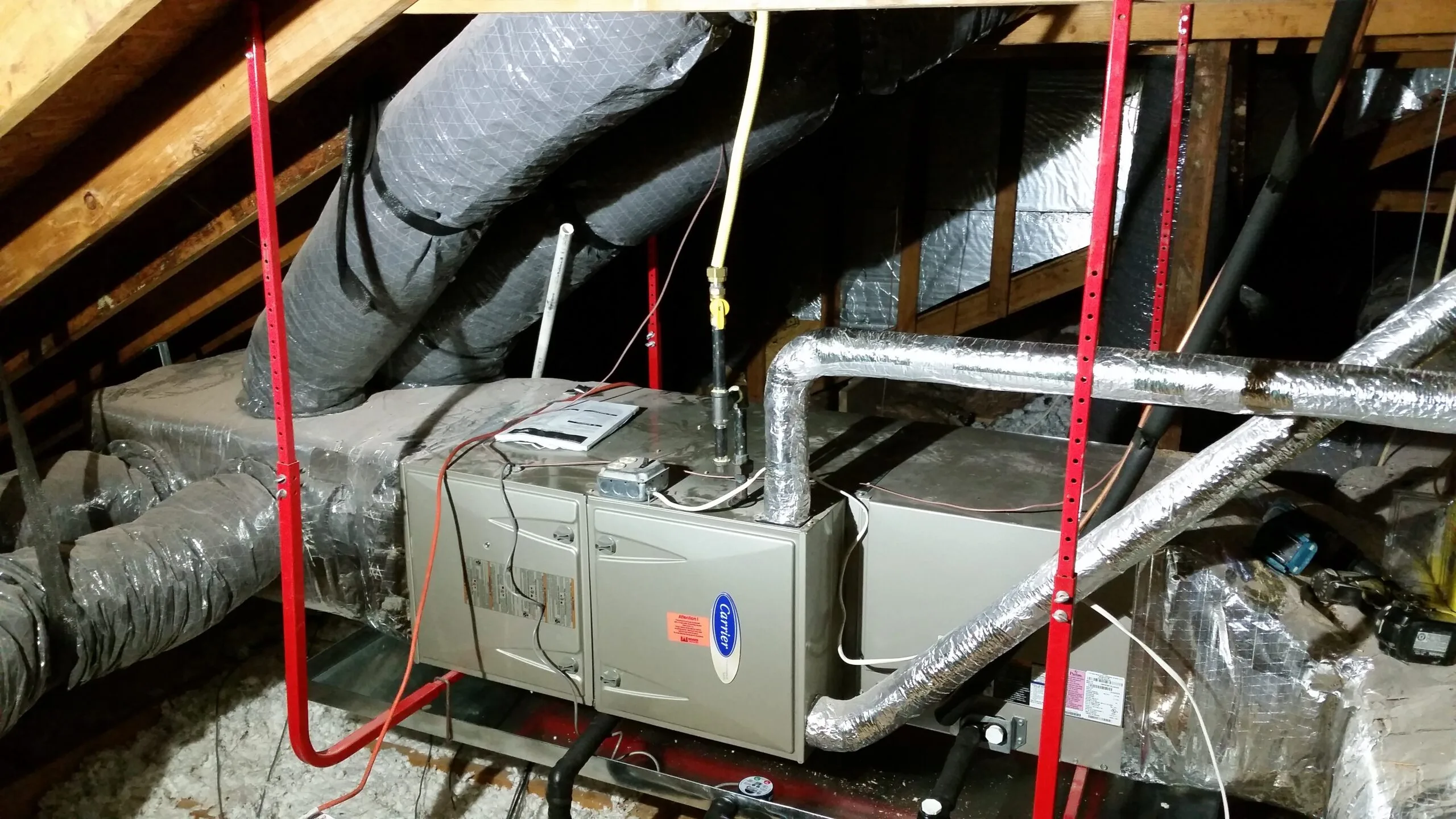
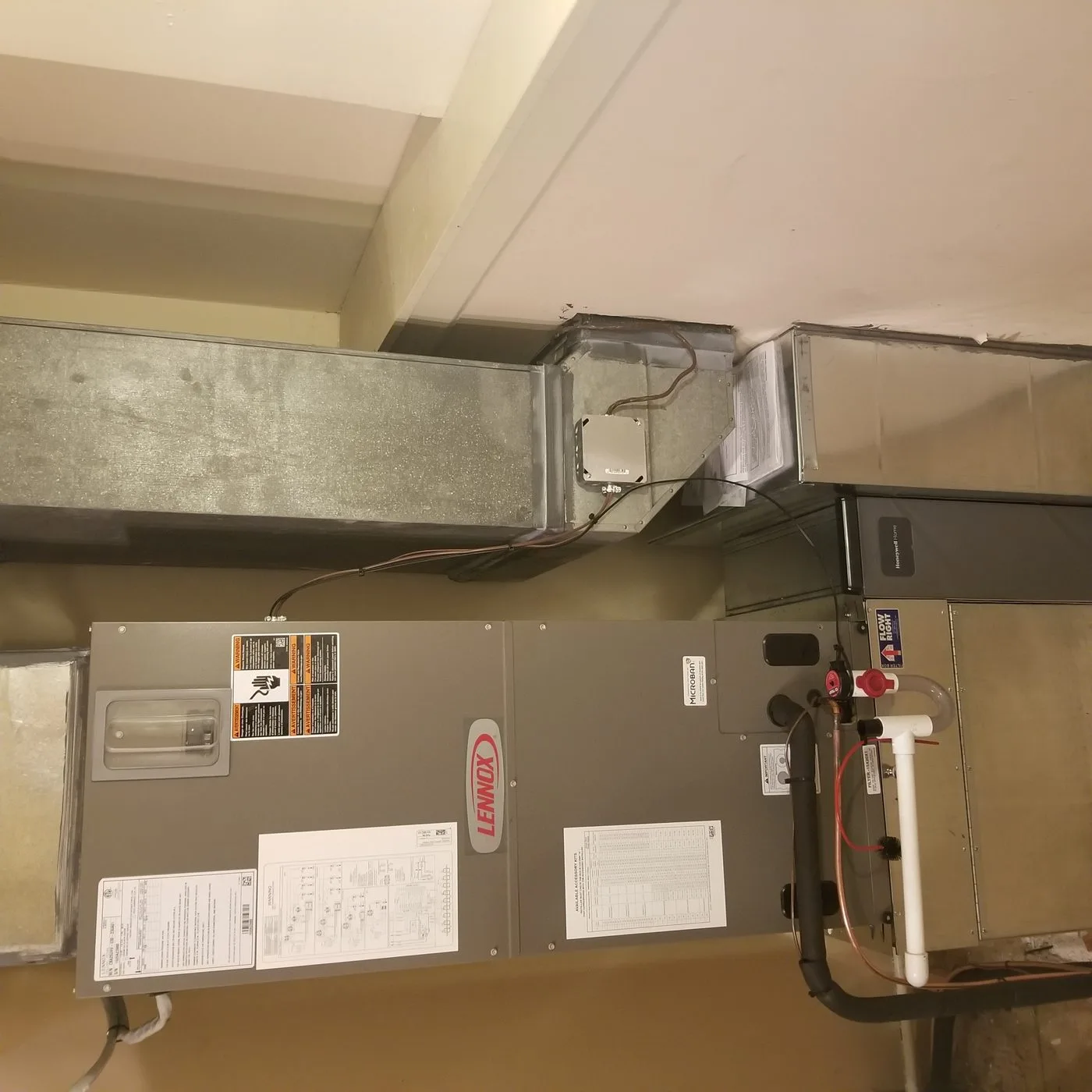
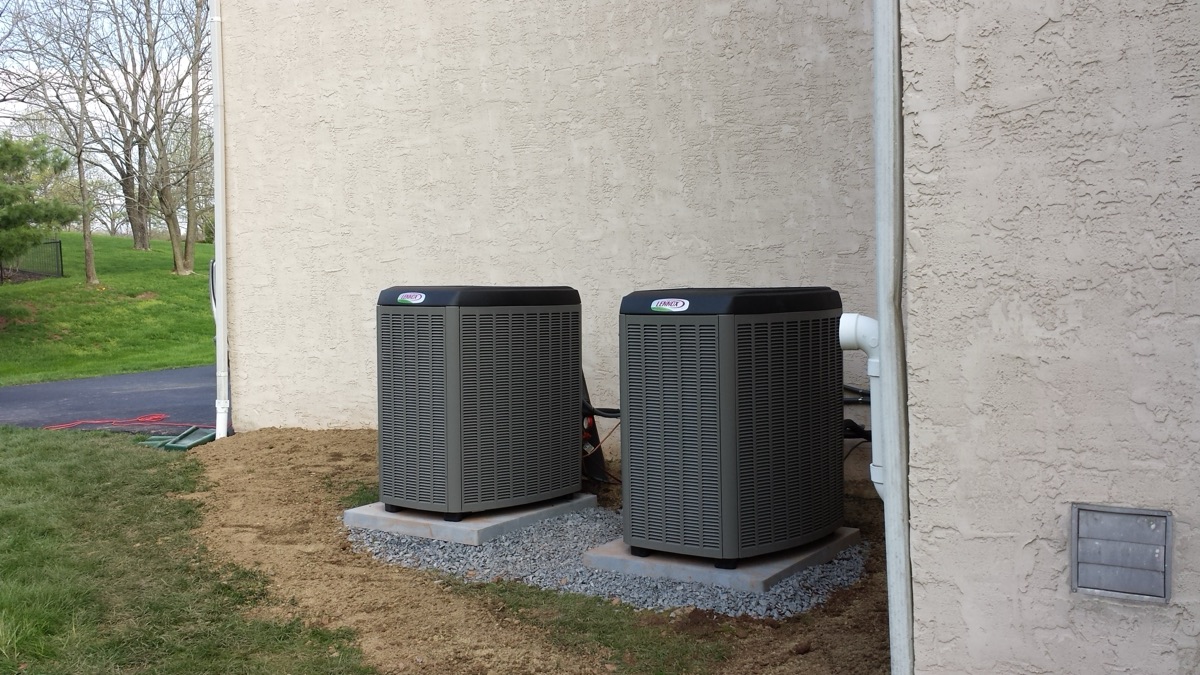
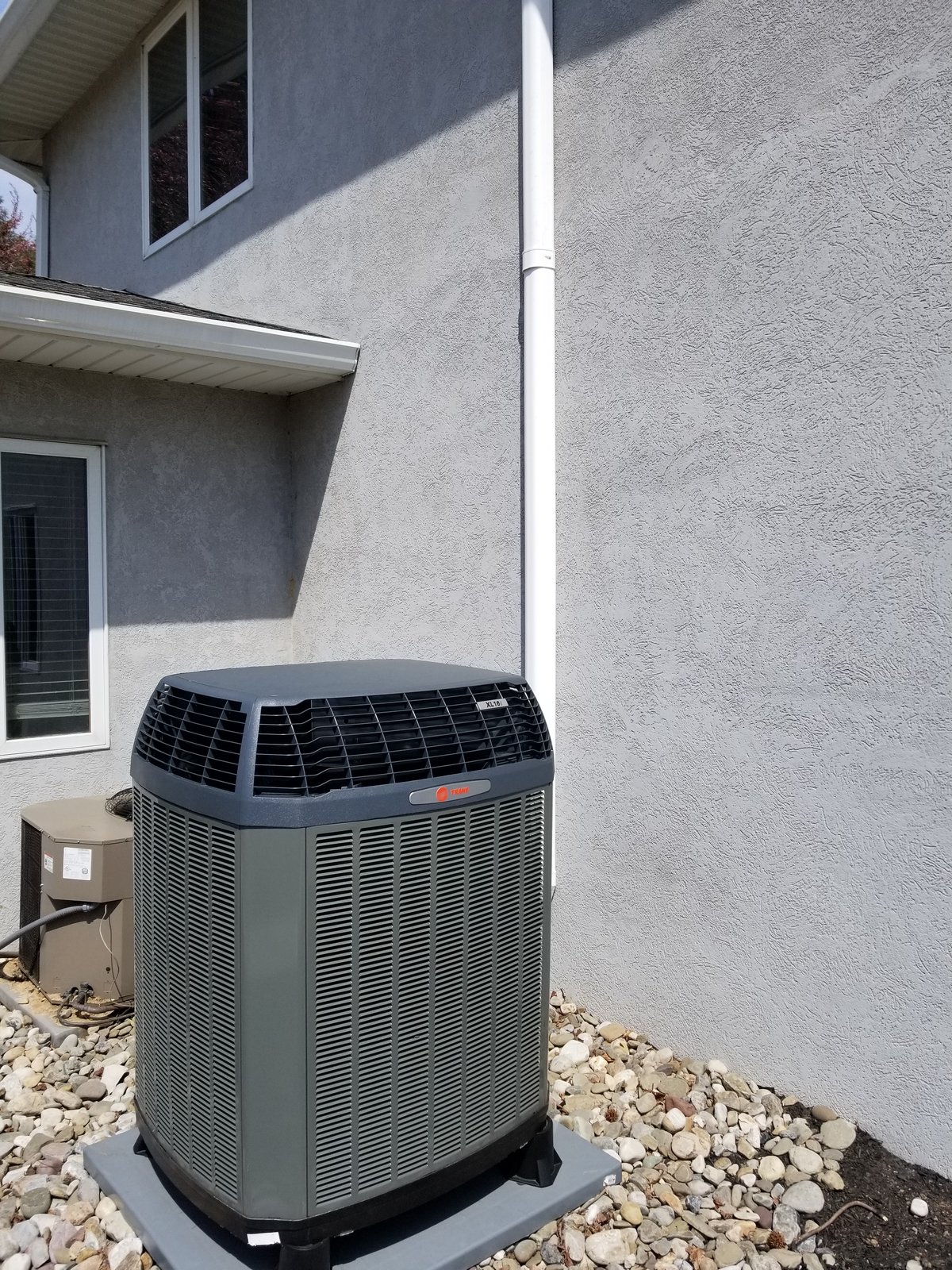
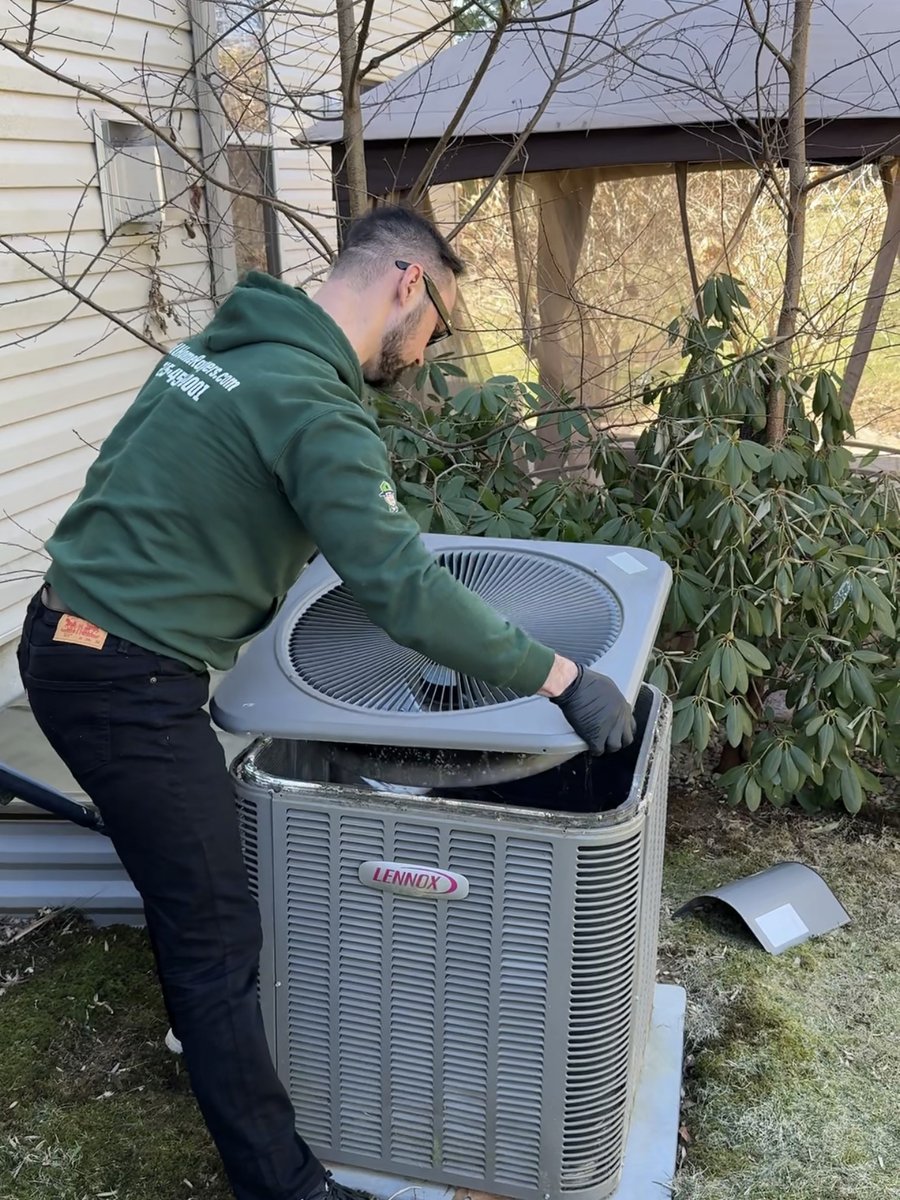
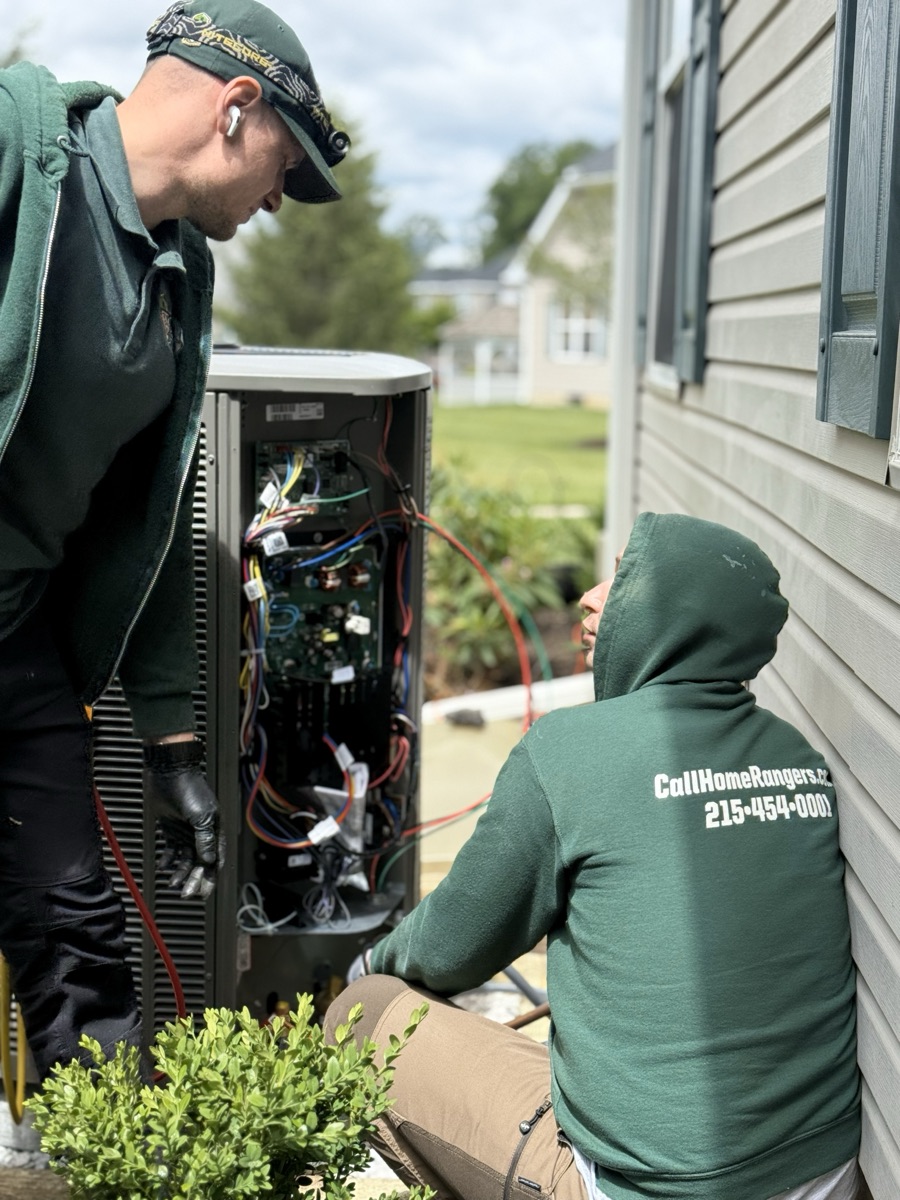
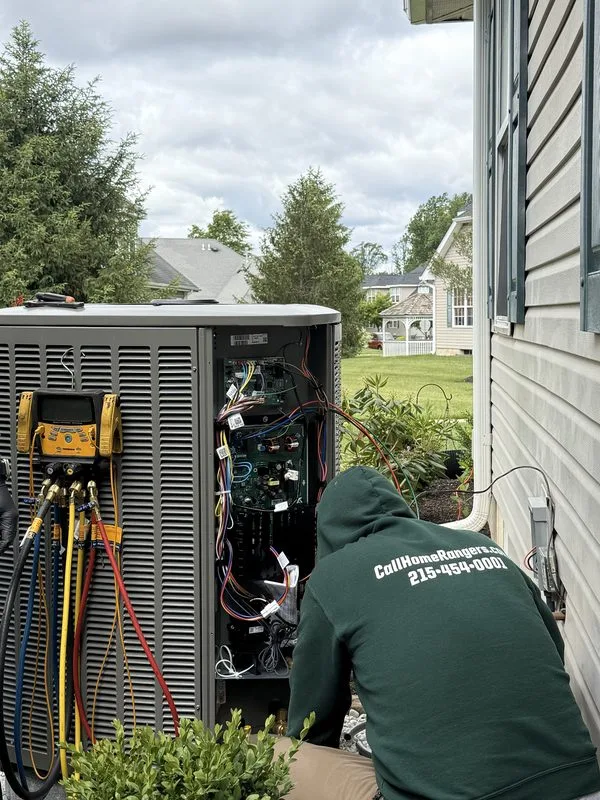
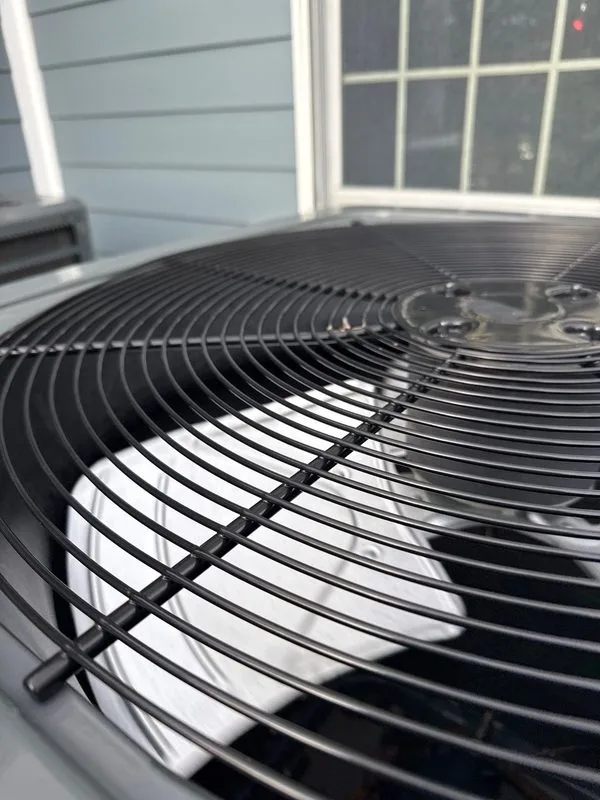
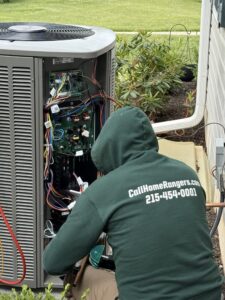
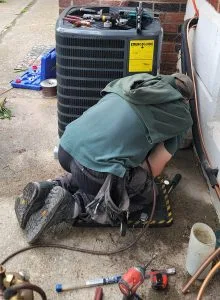
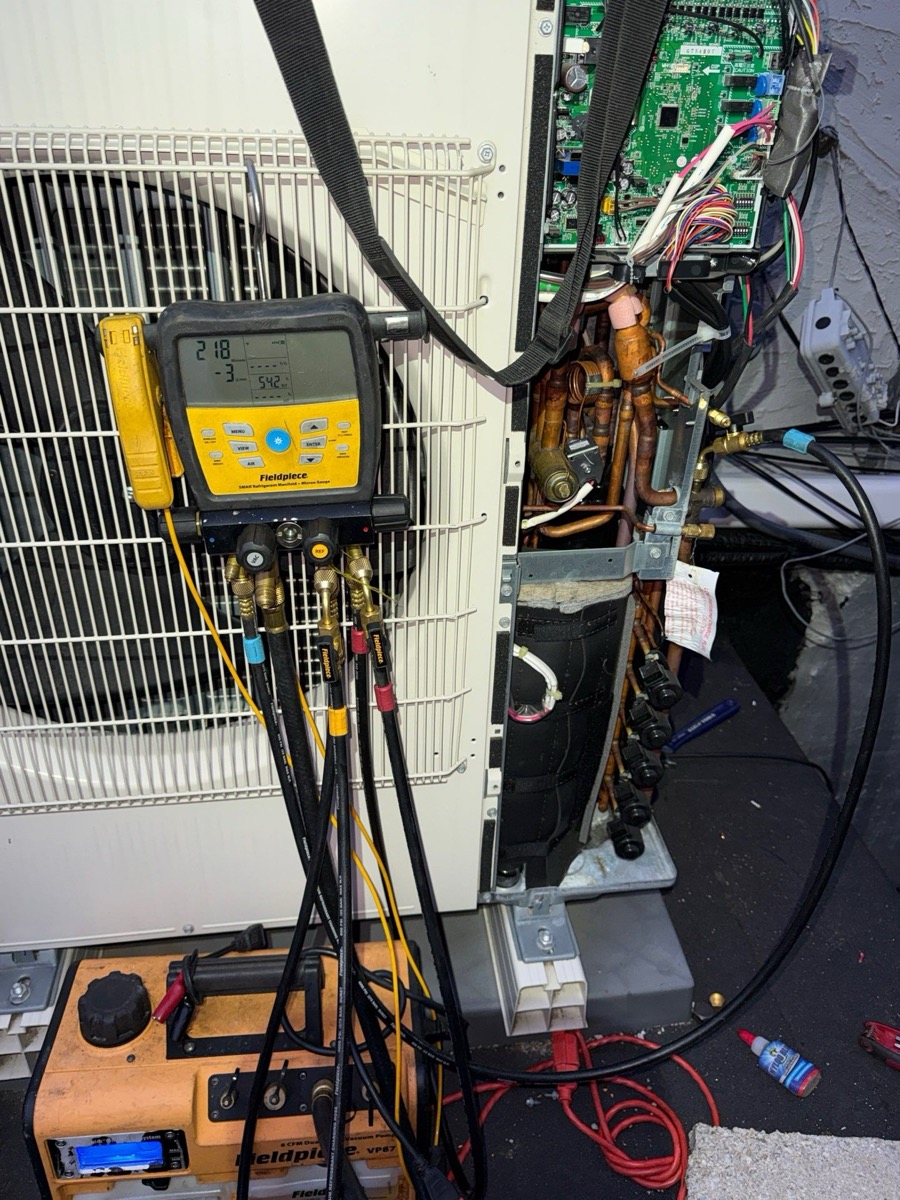
These photos show equipment and service situations related to urgent heating service, emergency furnace repair, cooling system checks, airflow review, heat diagnosis, and service planning.
Service Area
Emergency heating and cooling service areas
Home Rangers helps with emergency heating repair, emergency service questions, heating services, repair services, furnace service, and urgent HVAC service across Warminster, Doylestown, Newtown, Langhorne, Levittown, Southampton, Richboro, Jamison, Warrington, Bensalem, Yardley, Morrisville, Feasterville-Trevose, Ambler, Lansdale, King of Prussia, Wyndmoor, Glen Mills, Lansdowne, Delran, Northeast Philadelphia, Bucks County, Montgomery County, Delaware County, and nearby Pennsylvania and New Jersey communities.
FAQs
Emergency heating repair FAQs
What should I do if I have no heat?
Check the thermostat, breaker, furnace switch, filter, and vents if it is safe. If the home keeps getting colder, if family members are at risk, or if frozen pipes are a concern, call for emergency heating repair.
Is a furnace blowing cold air an emergency?
It can be. A furnace blowing cold air during freezing weather can point to ignition failure, airflow trouble, fuel or control issues, or a safety lockout. If the house is losing heat quickly, call and describe the symptoms.
Do I need emergency furnace repair for a pilot light problem?
A pilot light that will not stay lit, repeated ignition failure, or burner trouble can require emergency furnace repair when the home has no heat. If you notice a fuel odor, leave the house and contact the utility provider or emergency authority first.
Can a heat pump need emergency heating repair?
Yes. A heat pump can lose heat because of controls, defrost behavior, outdoor-unit condition, backup heat, or electrical issues. The diagnosis is different from a fuel-fired furnace, but the comfort and safety concern can still be urgent.
How much does emergency heating repair cost?
The cost depends on diagnosis, parts, access, timing, and the repair itself. Home Rangers reviews the situation and explains the service path before approved work begins.
Can maintenance prevent every HVAC emergency?
No. Annual maintenance cannot prevent every failure, but it can catch worn parts, airflow issues, dirty components, control problems, and safety concerns before some heating emergencies happen.
Latest HVAC & Plumbing Guides
Helpful tips, cost guides, and expert advice from Home Rangers.
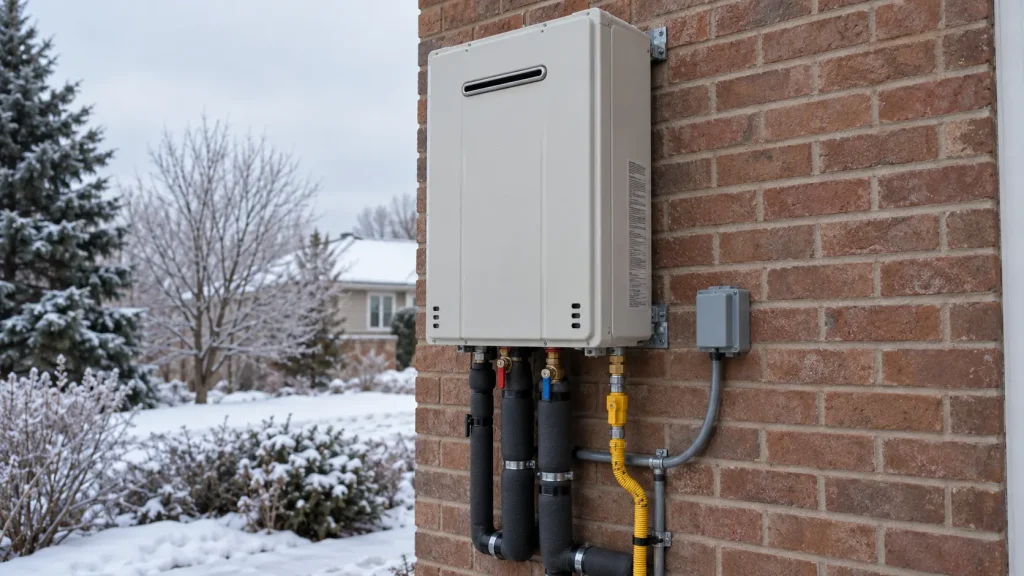
How to Keep a Tankless Water Heater From Freezing-and What to Do if It Freezes
Burst Pipe in Your House? Signs and What to Do Next
Why Is My Boiler Not Heating the House?
Current Specials
Current HVAC & Plumbing Offers
Strong offers built to help you book service faster, save on repairs, and lock in ongoing system protection without digging through the whole site.
Diagnostic Only $49
Fast HVAC or plumbing diagnostic during regular business hours. If you approve the repair, we’ll credit the diagnostic toward the work. Use code RANGERS49 when booking online.
Book Online$75 Off Any Repair Over $300
Save on qualifying HVAC or plumbing repairs when the fix goes beyond a quick minor adjustment and you want real value on a bigger repair.
Book OnlineHome Rangers System Protection Plan: First Month Free
Start your membership at $19.95/mo, get your first month free, and unlock priority scheduling, tune-ups, and repair savings.
View PlanOffer details can change by season, equipment eligibility, service area, lender approval, and program availability. Diagnostic offer is for regular-hours service only. Repair discount cannot be combined with diagnostic credit or other offers.
Lennox systems and verified dealer support
Home Rangers appears on the official Lennox dealer locator for Warminster. Ask about Lennox air conditioners, heat pumps, furnaces, and mini-split options, along with system sizing and financing options for eligible installations.
Whether your AC stopped cooling, your furnace won’t ignite, your water heater is leaking, or your drains are backing up, Home Rangers is here to help. As Warminster’s hometown HVAC and plumbing company, we treat every customer like a neighbor, because you are.
Ready for Home Service You Can Trust?
Book Nowor call us at:
(215) 454-0001