

When it comes to improving indoor air quality solutions quality, understanding MERV ratings is essential. MERV stands for Minimum Efficiency Reporting Value, a standard developed by ASHRAE that measures air filter effectiveness on a scale of 1-20. The merv minimum efficiency reporting system helps homeowners and facility managers compare the performance of different air filters. MERV ratings range from 1 to 20, with higher numbers indicating greater filtration efficiency. MERV ratings measure a filter’s ability to capture particles of different sizes, so selecting the right MERV rating is important for balancing air quality needs with HVAC system compatibility.
Introduction to Air Filtration
Air filtration plays a vital role in maintaining clean indoor air, whether in your home or a commercial building. The air filter is the heart of any HVAC services system’s air filtration process, working continuously to remove airborne particles that can impact your health and comfort. The effectiveness of an air filter is measured by its Minimum Efficiency Reporting Value (MERV) rating—a standard developed by the American Society of Heating, Refrigerating, and Air-Conditioning Engineers (ASHRAE). The MERV rating scale helps you understand how well a filter captures particles of various sizes, from common dust and pollen to pet dander, mold spores, and even smaller particles like bacteria and viruses. By choosing the right air filter based on its MERV rating, you can significantly improve indoor air quality, reduce allergens, and create a healthier environment for everyone inside. Understanding the basics of air filtration and the science behind minimum efficiency reporting empowers you to make informed decisions for optimal air quality in any setting.
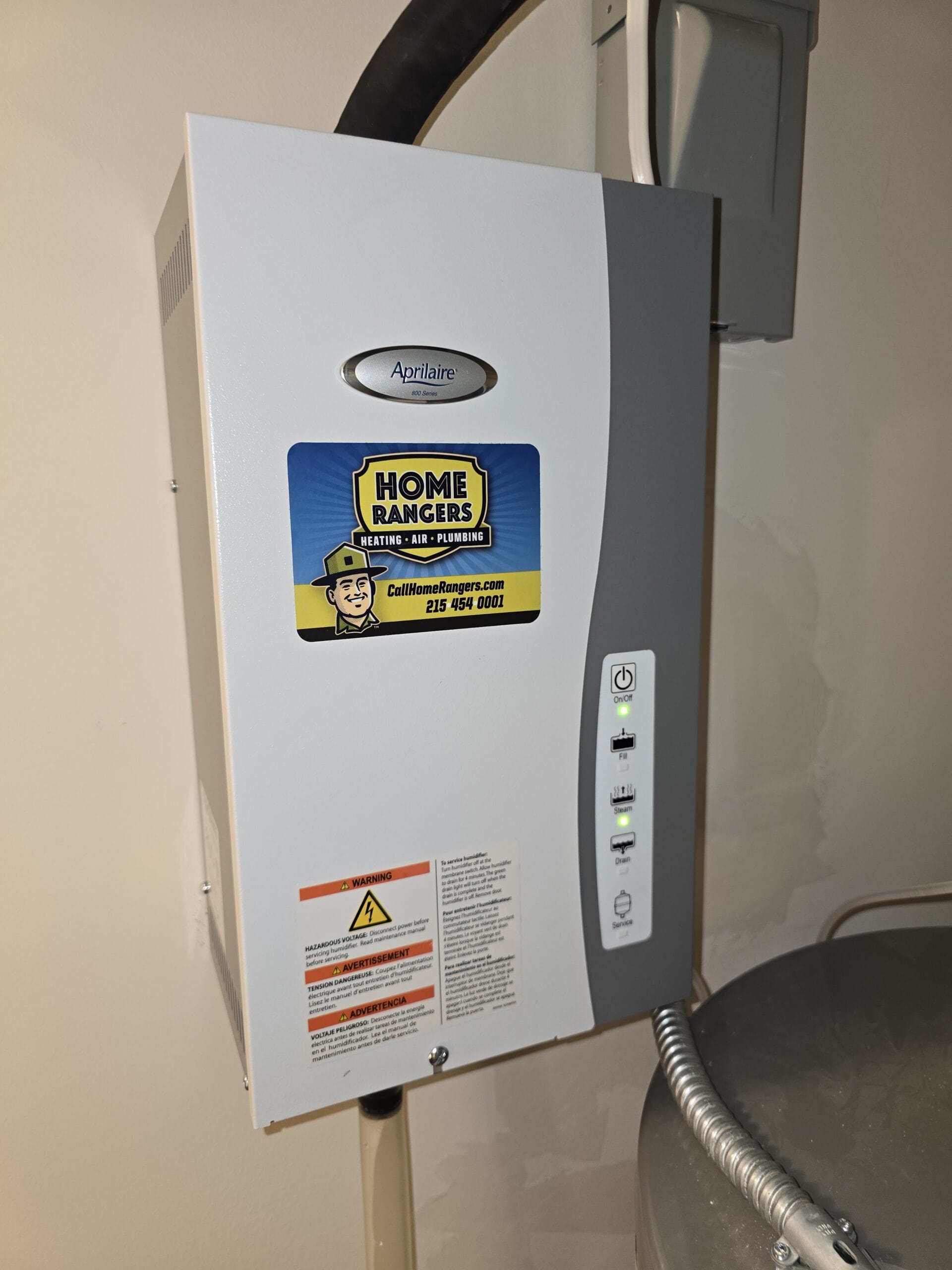
Expert HVAC Air Filtration and Indoor Air Quality Services
Protect your family’s health with proper air filtration using the right MERV-rated filters for your home.
MERV stands for Minimum Efficiency Reporting Value—a standardized rating system developed by the American Society of Heating, Refrigerating, and Air Conditioning Engineers (ASHRAE) that measures how effectively an air filter captures particles between 0.3 and 10 microns. Whether you’re dealing with seasonal allergies, pet dander, or simply want cleaner indoor air, understanding the MERV rating scale helps you make informed decisions about your home’s air quality. Choosing the right MERV rating for your HVAC system is crucial to optimize your home’s air quality, balancing filtration efficiency and system compatibility.
Using an effective air cleaner and regularly replacing filters is essential for maintaining your home’s air quality. The best MERV rating for residential HVAC systems is typically between 8 and 13, and a MERV 8 to 13 filter offers the best balance between air cleaning and system airflow for most homes, according to the EPA.
Our licensed technicians provide professional guidance on selecting optimal MERV ratings for Bucks County and Montgomery County homes, with 24/7 emergency HVAC service and comprehensive indoor air quality solutions.
CTA Button: Schedule Your Indoor Air Quality Assessment Today!
Why Understanding MERV Ratings is Crucial for Your Home
Choosing the right air filter directly impacts everything from your family’s respiratory health to your monthly energy bills. Here’s why MERV ratings matter for every Pennsylvania homeowner:
- Indoor Air Quality Protection: Higher MERV filters capture mold spores, dust mites, and airborne particles that trigger allergies and respiratory issues—particularly important during Pennsylvania’s pollen-heavy springs. Selecting the right HVAC filter for your system is essential to maintain optimal indoor air quality.
- HVAC System Longevity: Proper filter selection prevents dust buildup on coils and internal components, extending your system’s lifespan by 1-3 years and avoiding costly repairs.
- Energy Efficiency Savings: The right MERV rating balances air filtration with proper airflow, potentially saving up to 15% on energy costs compared to mismatched filters that restrict airflow.
- Costly Mistake Prevention: Installing filters with ratings too high for your system can cause reduced airflow, coil freezing, and motor burnout—repairs that run $500-2,000 in older Bucks County homes.
- Year-Round System Performance: Professional MERV rating selection ensures your home HVAC system operates efficiently through cold Pennsylvania winters and humid Philadelphia summers.
Most homes should use MERV 8-11 for standard filtration.
Clean air means fewer allergy symptoms, better sleep, and an overall healthier home.
Our HVAC and Indoor Air Quality Services
Residential Air Filtration Systems
We create custom indoor air quality solutions for homes throughout Bucks and Montgomery Counties, from 1950s Levittown colonials to new Montgomeryville constructions. Our services include professional installation of high-efficiency air purifiers with appropriate MERV ratings, complete HVAC system assessments—including a thorough review of your HVAC system’s specifications—to determine optimal filter compatibility, and integration with Lennox PureAir systems, Aprilaire purifiers, and iWave air purification technology.
Commercial HVAC Air Quality Solutions
Ensure your business provides clean air for employees and customers with professional air filtration systems designed for commercial buildings. We handle compliance with commercial air quality standards and regulations while providing ongoing Comfort Club plans that guarantee optimal performance from your MERV filters year-round.
Complete MERV Rating Scale Breakdown
Understanding the MERV rating system helps you select the best air filter for your specific needs. Not all air filters provide the same protection—here’s what each level captures and where it’s best applied:
- MERV 1-4: Basic protection capturing larger particles like dust mites, carpet fibers, pollen, and lint (particles over 10 microns). This range is suitable for catching large particles such as lint and dust, reflecting the air filter’s effectiveness at a basic level. Suitable for window AC units and older HVAC systems, but provides minimal improvement to indoor air quality due to limited filter’s ability to capture smaller contaminants. Cost-effective with 3-6 month replacement cycles.
- MERV 5-8: The standard for most residential HVAC systems, capturing finer dust, mold spores, pet dander, and aerosol sprays (3-10 microns). MERV 8 filters capture basic dust and pollen (3+ microns), demonstrating improved air filter’s effectiveness and filter’s ability to capture more particles compared to lower ratings. This range balances air filtration with system efficiency—ideal for Pennsylvania homes with good sealing. Improves indoor air quality for most households. Replace every 90 days; filters cost significantly less than higher ratings.
- MERV 9-12: Enhanced filtration targeting lead dust, auto emissions, and smaller particles (1-3 microns). MERV 9-12 filters capture pet dander and emissions, showing a higher filter’s ability to capture a wider range of airborne contaminants. Recommended for homes with moderate allergies, multiple pets, or locations near high-traffic areas like Northeast Philadelphia or Bensalem. Many older colonial homes in our service area perform well with this range. Improves indoor air quality by capturing particles that lower-rated filters miss. Replace every 60-90 days.
- MERV 13-16: Hospital-grade efficiency trapping bacteria, tobacco smoke, and particles down to 0.3 microns at 75-95%+ capture rates. MERV 13 filters capture particles as small as 0.3 microns, including bacteria and smoke, greatly enhancing the filter’s ability to capture and remove more particles from the air. This range is designed to trap bacteria, viruses, and smoke, and is typically used in hospitals and commercial buildings. Higher MERV ratings (e.g., 13+) provide superior air cleaning, essential for allergy sufferers or in areas with high pollution, and significantly improves indoor air quality. Filters with a higher MERV rating capture more particles, which means they often get clogged faster and need to be replaced more frequently—sometimes monthly.
- MERV 17-20: HEPA-level filtration (99.97% efficiency for 0.3-micron particles) designed for hospitals and cleanrooms. These filters are intended for commercial buildings and healthcare settings, not residential use, due to their extremely high filter’s ability to capture even the smallest particles, including bacteria and viruses. These restrict airflow 5-10x more than standard filters and are not suitable for residential use without specialized equipment. Filters with higher MERV ratings often need to be replaced more frequently due to faster clogging.
Pennsylvania Climate Considerations: Our four-season climate creates unique challenges. Spring pollen, summer humidity promoting mold growth, and winter furnace dust all affect which MERV rating delivers superior air quality for your home. Homes with well water in rural Newtown or Perkasie may need more frequent filter changes due to mineral particles.
Older Home Compatibility: Many 1950s-1970s homes throughout Bucks and Montgomery Counties were designed for MERV 8-11 maximum. Pushing beyond manufacturer specifications with higher MERV ratings can reduce efficiency and damage 1/2-3/4 HP blower motors common in these properties.
Energy Efficiency Considerations
When selecting an air filter, it’s important to consider how the MERV rating affects both air quality and energy efficiency. Filters with a higher MERV rating are designed to capture smaller particles, delivering superior air quality by removing more contaminants from the air. However, these filters can also restrict airflow more than lower-rated options, which may cause your HVAC system to work harder and use more energy. This increased effort can reduce overall system efficiency if the filter is not matched to your system’s capabilities. Fortunately, many modern HVAC systems are engineered to accommodate higher MERV rated filters without a significant drop in energy efficiency. To maintain clean air and optimal performance, it’s essential to replace filters regularly and choose products that offer enhanced filtration with minimal impact on airflow. By balancing your need for superior air quality with the energy demands of your HVAC system, you can enjoy both a healthier indoor environment and efficient operation.
HVAC System Compatibility
Selecting the right air filter for your HVAC system goes beyond just choosing the highest MERV rating available. Not all HVAC systems are built to handle the increased air resistance that comes with higher MERV rated filters. Using a filter with a MERV rating that exceeds your system’s specifications can lead to reduced airflow, higher energy bills, and even long-term damage to your equipment. To ensure optimal performance and protect your investment, always consult your HVAC system’s guidelines or seek advice from air conditioning engineers or qualified professionals. They can help you identify the best MERV rated filter that meets your air quality needs without compromising system efficiency. Regular inspections and maintenance are also key to keeping your air filtration system running smoothly, allowing you to enjoy clean air and reliable comfort year-round. By prioritizing both air quality and system compatibility, you’ll achieve the best results for your home or business.
Our MERV Rating Selection Process
Step 1: HVAC System Assessment
We evaluate your heating and cooling system’s airflow capacity, measure current pressure drops, and review filter specifications to determine your system’s maximum MERV rating compatibility, since MERV ratings measure a filter’s ability to capture particles of different sizes, which is considered during system assessment. This prevents the airflow restriction that occurs when filters exceed your system’s design capacity.
Step 2: Indoor Air Quality Analysis
Our technicians assess household factors—including pets, allergies, smoking habits, and local air quality concerns—to evaluate your air filter’s effectiveness. We consider Pennsylvania’s seasonal pollen levels, basement humidity common in area homes, and your neighborhood’s traffic patterns to understand your specific air filtration needs.
Step 3: Professional Recommendation
Based on our assessment, our certified technicians recommend the optimal MERV rating that balances air quality improvement with system efficiency and energy costs. We explain exactly what particles each option captures by detailing the filter’s ability to capture various particle sizes, and provide honest guidance—whether that means a MERV 8 for your Horsham colonial or MERV 13 for a family with respiratory sensitivities.
Step 4: Installation and Maintenance Plan
We handle professional installation of new air filtration systems when needed, provide detailed maintenance schedules, and set up filter replacement reminders to help you maintain your air cleaner for optimal performance. Our maintenance plans include quarterly MERV filter checks—essential during humid Philadelphia summers when filters can degrade 20-50% faster.
Customer Success Stories
“After upgrading from a basic MERV 4 filter to MERV 11, my daughter’s allergy symptoms improved dramatically. The technician explained exactly how the higher MERV rating would capture the pet dander and mold from our basement without straining our older system.” – The Martinez Family, Warminster, PA
“We were using MERV 13 filters thinking higher was better, but our energy bills kept climbing. Home Rangers showed us our commercial building’s system was struggling against the increased air resistance. Switching to the right MERV rating cut our energy costs by 18%.” – Robert T., Montgomery County Business Owner
“The team caught that our 1960s Levittown home’s furnace wasn’t rated for the high-efficiency filters we’d been using. They recommended the best MERV rating for our system and now our HVAC runs quieter with better air quality. Wish we’d called sooner.” – The Hendersons, Bucks County
Frequently Asked Questions About MERV Ratings
What MERV Rating Should I Use in My Pennsylvania Home?
Most Pennsylvania homes benefit from MERV 8-11 filters, which capture dust and pollen, pet dander, and mold spores while maintaining proper airflow. These ratings reflect the filter’s ability to trap common household particles. For families with severe allergies or respiratory issues, MERV 13 provides finer filtration of smaller particles—including bacteria and smoke—demonstrating a higher filter’s ability to capture contaminants, but only if your HVAC system’s specifications support it. Our region’s pollen-heavy springs and humid summers make proper filtration particularly valuable for achieving optimal air quality.
Can a Higher MERV Rating Damage My HVAC System?
Yes. The higher the MERV rating, the denser the filter material, which increases airflow resistance. If your system isn’t designed for high-efficiency filters, this can cause reduced airflow, uneven heating/cooling, coil freezing, and motor burnout. Modern HVAC systems typically handle MERV 13, but older residential HVAC systems common in Bucks County colonials often max out at MERV 8-11. Always verify your system’s specifications before upgrading—what works for your neighbor may damage your equipment.
How Often Should I Replace MERV-Rated Filters?
- MERV 8-11: Every 90 days under normal conditions
- MERV 13: Every 60-90 days depending on household factors
Replace more frequently if you have multiple pets, smokers in the home, or run your HVAC system heavily. Signs of needed replacement include visible dust accumulation, reduced airflow from vents, rising allergy symptoms, musty odors, or a decrease in your air filter’s effectiveness—indicating your air filter’s ability to capture particles has diminished.
Most standard filters need replacing every 1 to 3 months, depending on air quality and usage.
Do Higher MERV Ratings Always Mean Better Air Quality?
Not necessarily. An air filter that restricts airflow in an incompatible system actually reduces efficiency and can worsen air quality by preventing proper circulation. However, a higher MERV rating improves indoor air quality by capturing more and smaller particles, which is essential for allergy sufferers or in areas with high pollution. The best MERV rating is one that balances your filtration needs with your system’s capacity for optimal performance. Additionally, no MERV filter sterilizes viruses—pair with UV purification like Lennox PureAir for comprehensive protection against trapping smaller contaminants and pathogens.
Contact Home Rangers for Expert MERV Rating Guidance
Get Professional Air Quality Assessment Today
Protect your family’s health with the right MERV-rated air filtration system selected specifically for your home and HVAC equipment. Our manufacturer-certified technicians understand which Lennox, Carrier, and Trane systems pair best with each MERV level—and which older systems need careful filter selection to maintain system efficiency.
We serve Bucks County, Montgomery County, and Philadelphia with comprehensive indoor air quality solutions.
📞 Call Your Local Team: (215) 454-0001
BOOK NOW
24/7 emergency service available for indoor air quality concerns and HVAC issues.
Licensed, insured, and manufacturer-certified HVAC professionals—on patrol to protect your comfort.