

If you are wondering whether you need a sump pump, start with the lowest part of the house. A basement, crawl space, or slab edge that sees moisture after storms may need a sump pump plan before water damage becomes the first warning sign.
Bucks County homes can sit on different grades, soil conditions, older foundations, and high water table areas. A sump pump is not needed in every house, but it is worth considering when water has a path toward the basement floor.
The goal is simple: keep the basement dry by giving excess water a controlled place to collect and a reliable route out. That starts with understanding where the water comes from and how often it appears.
Need A Sump Pump? Start With Water Signs
You may need a sump pump if water appears near basement walls, foundation cracks, floor joints, stairwells, or utility penetrations. Damp smells, mildew, mold, bubbling paint, or stored items that feel wet can also point to a moisture problem.
A finished basement raises the stakes because flooring, drywall, furniture, and electrical outlets sit closer to the risk. Even a small flooded basement can create costly repairs.
Watch the same areas after several storms. One damp corner may point to grading or gutter drainage, while repeated water across the basement floor can make a sump pump installed in the right location more useful.
A crawl space can show similar warning signs. Wet soil, standing water, or moisture under insulation may mean groundwater is collecting below the living space even when the main basement looks dry.
How A Sump Pump Protects A Basement
A sump pump sits in a sump pit or sump basin at a low point. Drain tile, grading, or groundwater movement directs water into the pit, then the sump pump sends water away through a discharge line.
Improper installation can send water back toward the foundation, so the system should be installed correctly. The discharge should also avoid a sanitary sewer system unless local rules specifically allow that connection.
When plumbers install sump pumps, they also look at pump height, check valve position, pipe size, and whether the switch can move without touching the basin wall.
Sump Pit, Sump Basin, And Basement Floor Clues
If the home already has a sump basin, look at the basin, lid, float switch, check valve, discharge pipe, and water level before storm season. A dry pit can be normal in a low water period, but a pit that fills quickly during storms deserves attention.
If there is no sump pit, the floor and walls can still show clues. Water staining, cracks, efflorescence, damp carpet, or water pooling at the lowest point can help determine whether installation should be discussed.
The sump pit should be large enough for the sump pump to cycle normally. A sump pump basin that is too small can make the sump pump turn on and off quickly, which adds wear without solving the water problem.
Battery Backup System And Power Outages
Power outages and storms often arrive together. That is why many homeowners pair a main sump pump with a battery backup system. Battery backups can keep the pump running when the primary power source is interrupted.
Battery backups are not a reason to ignore a failing main pump. They are a second layer for the same flooding risk, especially in a finished basement, low area, or property with a high water table.
Backup planning should include battery age, charger condition, alarm settings, and how much water the sump pump may need to move during a long storm.
Types Of Sump Pumps
Submersible pumps sit inside the sump basin and are common because the motor and pump are below the lid. Pedestal pumps keep the motor above the pit and may be easier to access in some installations.
The right model depends on basin size, pump capacity, discharge route, groundwater amount, access, noise, and whether the pump must handle unwanted water during a storm. Bigger is not always better if the pit, switch, or discharge pipe is not matched correctly.
Submersible pumps and pedestal pumps can both work in the right setting. The better choice is the one that fits the basin, expected water level, service access, and discharge requirements.
Sump Pump Vs Sewage Pump
A sump pump is not a sewage pump. The difference matters.
A sewage pump handles wastewater from fixtures below the main drain level. That is a different system from groundwater removal.
Sewage should not enter a sump pit. A sump pit is normally for groundwater and drainage water, not household waste.
If sewage odors, sewage backup, or mold are present, the issue may involve drains or sewer piping instead of frequent flooding.
A sump pump is for groundwater, excess moisture, and moisture that can feed mold around a foundation or crawl space.
Mixing sewage and sump pump piping can create serious problems and may increase flooding or water damage risk.
A sewage ejector pump may be needed for a bathroom, laundry, or wastewater line below the sewer connection.
Keep sump pump installation separate from sewage handling unless local code and the actual plumbing design are reviewed.
Drain, Storm Drain, And Discharge Planning
The drain path matters as much as the sump pump. A blocked discharge, frozen exterior pipe, poor yard slope, or line that empties too close to the foundation can send water right back toward the house.
Some areas allow connection to a storm drain, while others require daylight discharge to the yard or another approved route. Local code, property layout, and winter freeze risk should be reviewed before changes are made.
The discharge line should be checked for debris, low spots, and places where water can freeze. A clear line helps the sump pump move water out before the basin rises too high.
When A Sump Pump Is Failing
Warning signs include a sump pump that runs constantly, fails to turn on, cycles quickly, sounds noisier than usual, trips power, or leaves water standing in the pit. A stuck float switch can also stop the sump pump at the worst time.
Notice whether the sump pump runs during every rain, whether neighbors have similar basement water issues, and whether the yard slopes toward the house. Those details help separate a failing sump pump from a drainage or grading problem.
If the sump pump has not been tested recently, pour water into the sump pit slowly and watch whether it starts, drains, shuts off, and holds water from flowing back into the basin.
Quick Checks Before Heavy Rain
Test the sump pump before heavy rain, not during flooding.
Make sure the discharge pipe is clear and the discharge line is supported.
Confirm the sump pump lid is secure and cords are dry.
Look for water damage stains, basement walls issues, and stored items near flooding paths.
Check for mold, mildew, or a musty smell near the pit.
Battery backup systems can limit water damage risk during power outages.
A new sump pump may be worth discussing after sump pump failure.
After pump failure, flooding can happen fast.
These checks can reduce basement flooding and costly water damage from the next storm.
Sump Pump Photos
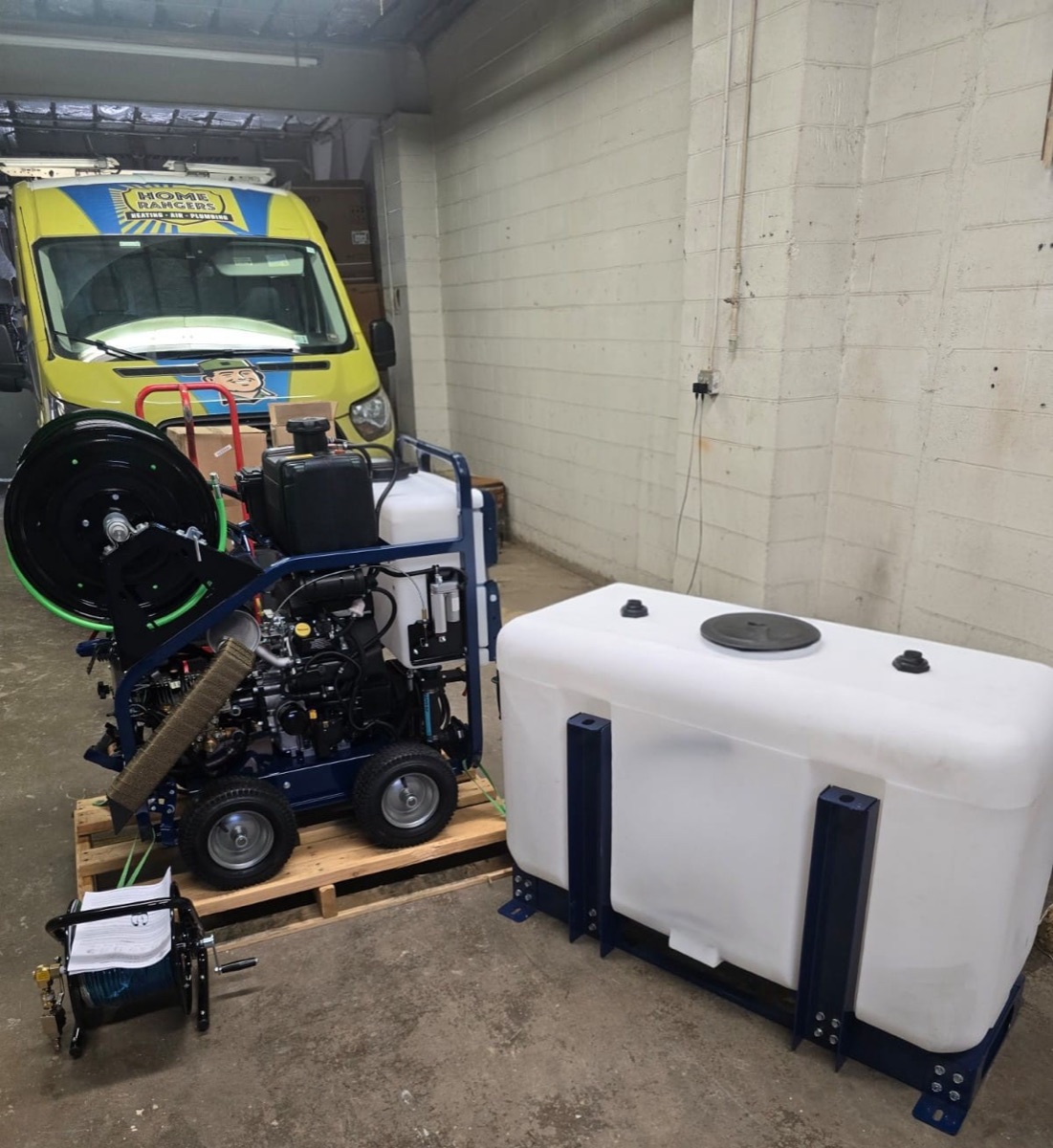
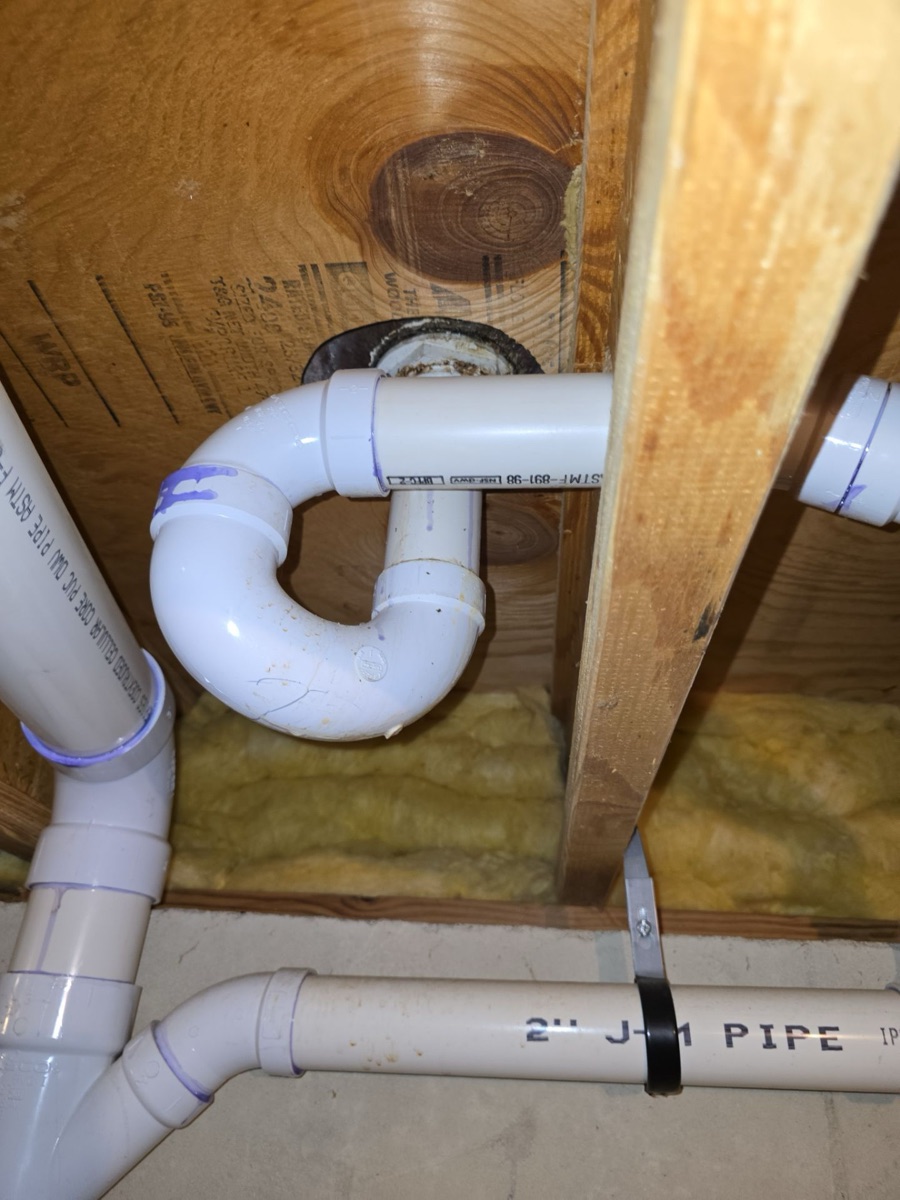
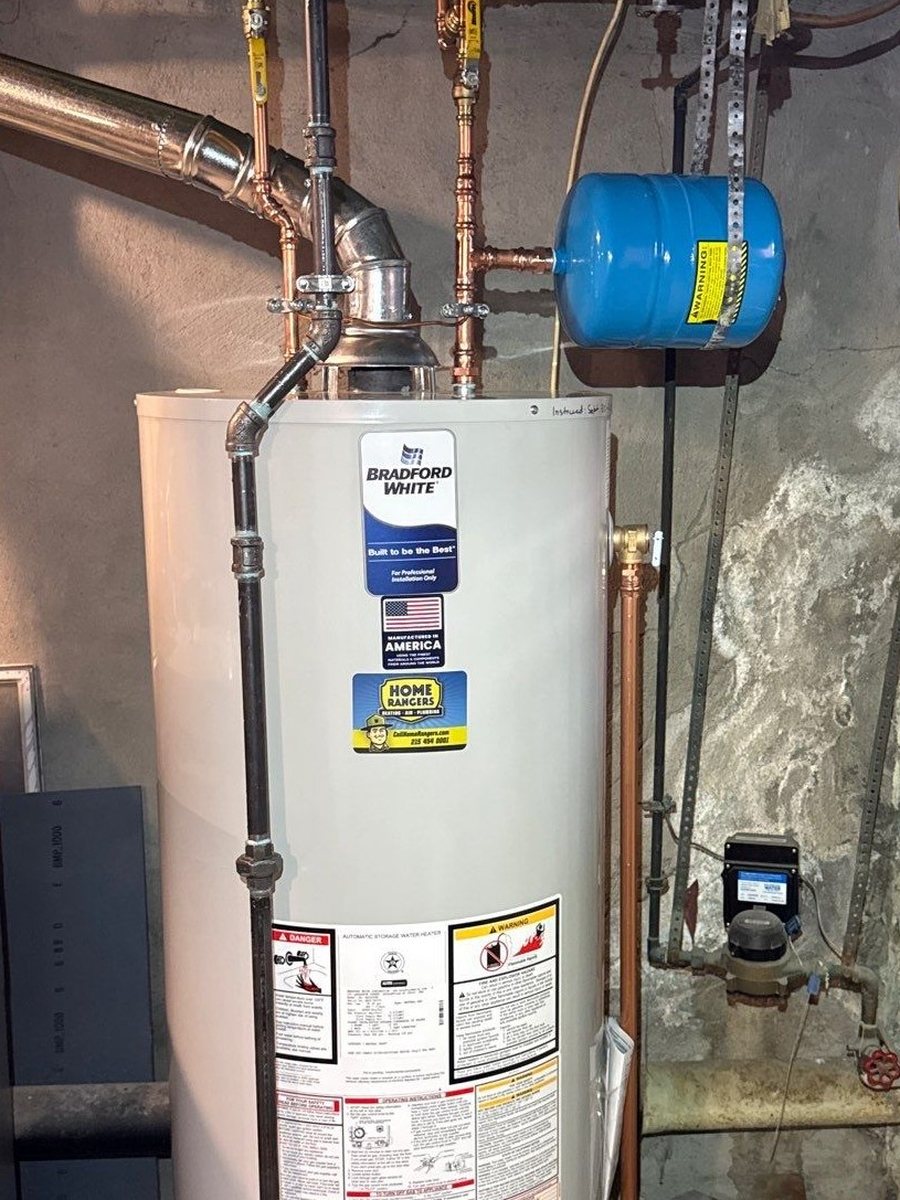
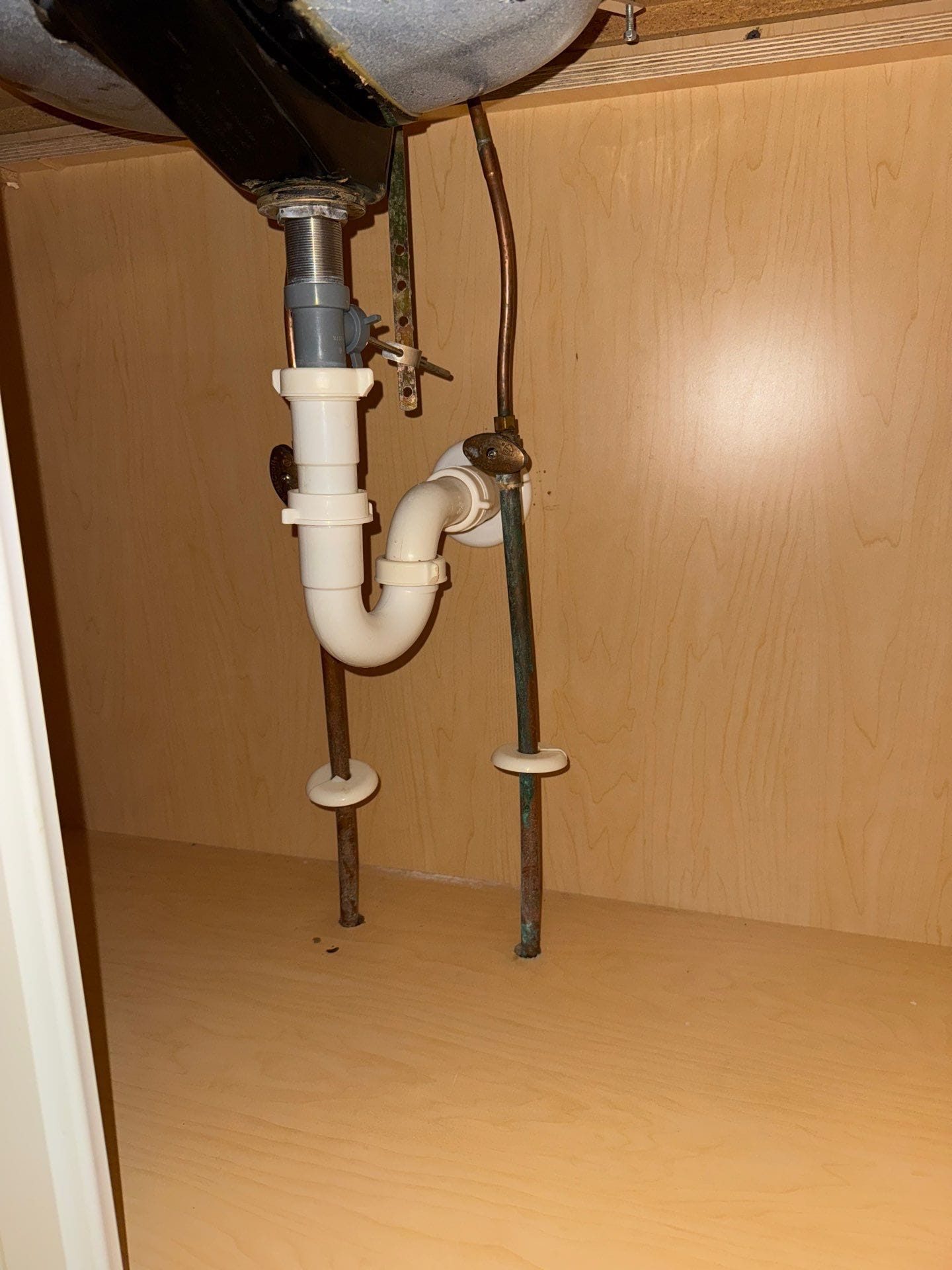
These photos show basement plumbing, sump pump access, drainage piping, nearby mechanical areas, and local plumbing service work that may affect the installation process.

Frequently Asked Questions
Do I need a sump pump if my basement is usually dry?
Maybe. A usually dry basement may still benefit if the home has a high water table, previous flooding, a finished lower level, foundation cracks, or a history of water entering during storms.
Can a sump pump stop all basement flooding?
No. A sump pump can reduce risk from groundwater and drainage around the foundation, but flooding can also come from sewer backup, plumbing leaks, exterior grading, window wells, or roof drainage.
Where should a sump pump discharge?
The discharge should move water away from foundations and follow local rules. A plumber can review whether daylight discharge, a storm drain, or another approved route fits the property.
How long does a sump pump last?
Many pumps last several years, but runtime, water level, pit condition, power issues, dirt, and maintenance affect service life. An older or failing pump should be checked before the next wet season.
The last thing any homeowner wants is to find the pump problem after water is already on the basement floor. A simple check before storm season can clarify the next step.
Need Help With A Sump Pump In Bucks County?
Home Rangers can review sump pump installation, sump pump repair, battery backup options, discharge routing, pit condition, and basement water concerns in Bucks County, Montgomery County, Philadelphia, and nearby areas. License records include Plumber Master #052257, PA HIC #PA163523, Philadelphia Contractor #057677, NJ Master HVACR #19HC00033500, and DE Master HVACR #HM-0011370.
Ask About Sump Pump Service