

A smart thermostat and a programmable thermostat can both help control heating and cooling, but they do it in different ways. The better choice depends on the HVAC system, the wiring, the household schedule, and whether the thermostat features will actually be used.
This smart thermostat vs programmable thermostat comparison keeps the focus on real homes: comfort, energy use, C wire needs, and when professional installation is worth considering.
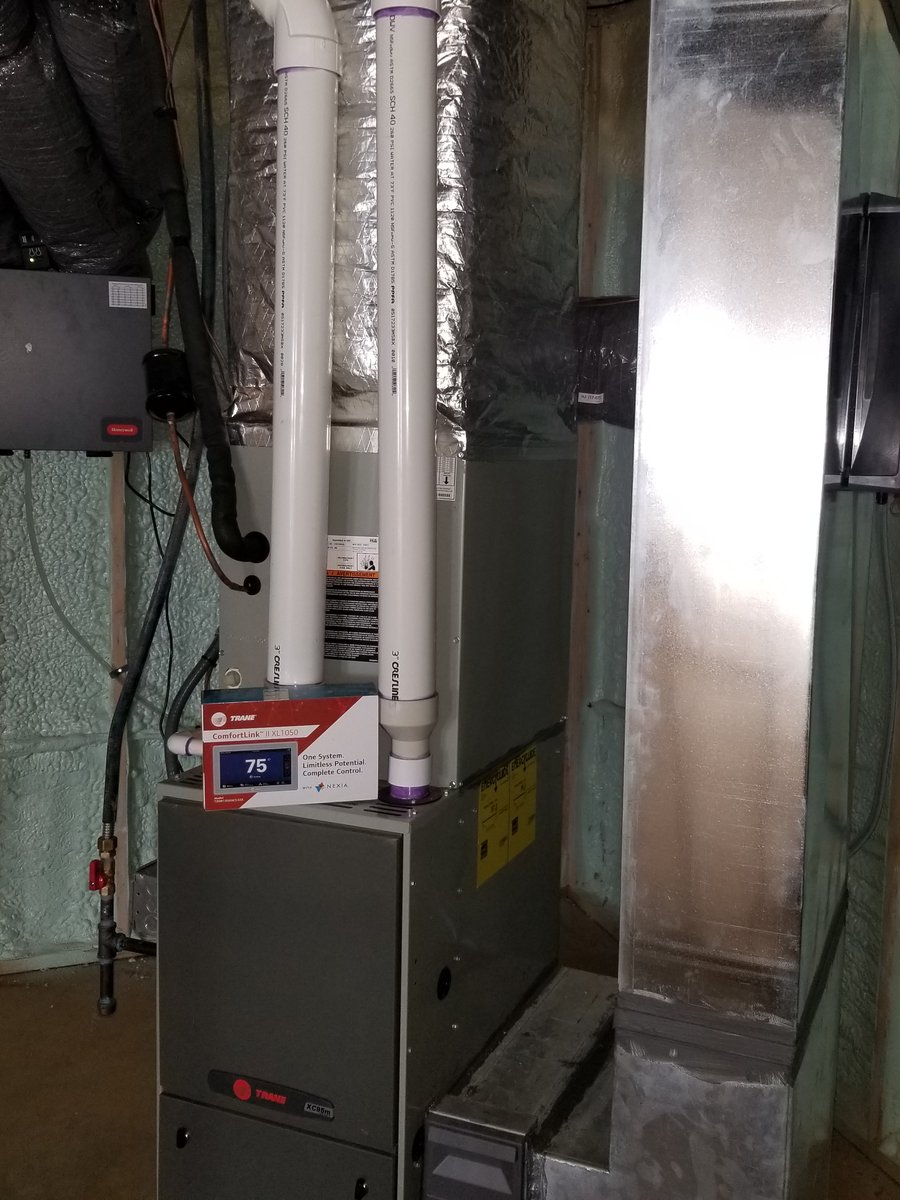
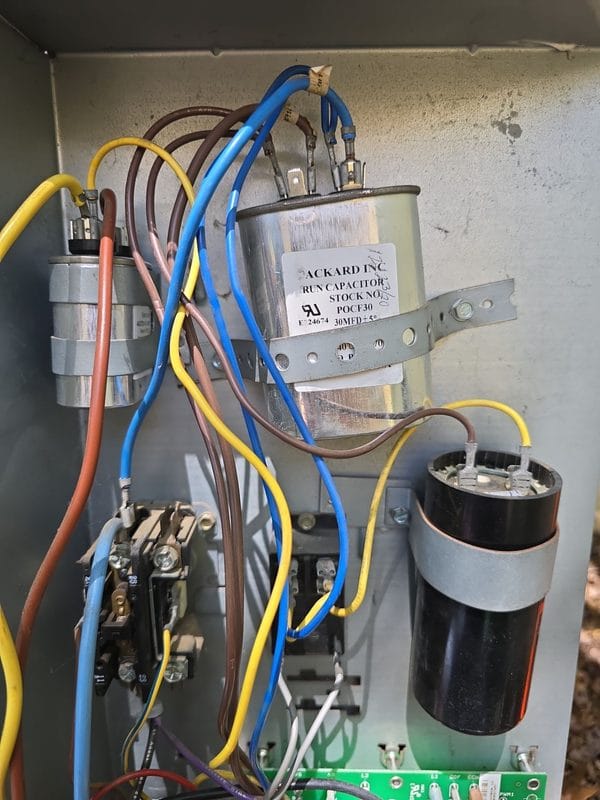
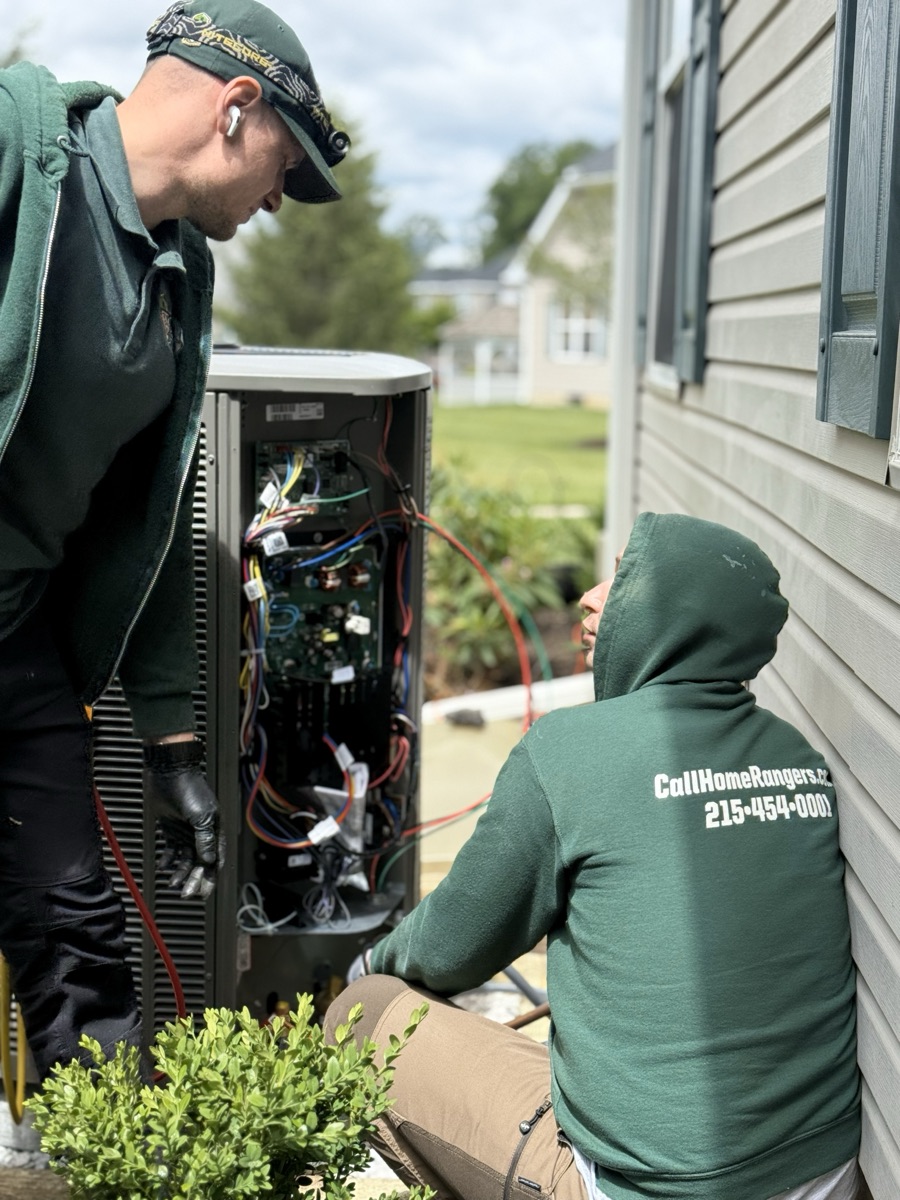
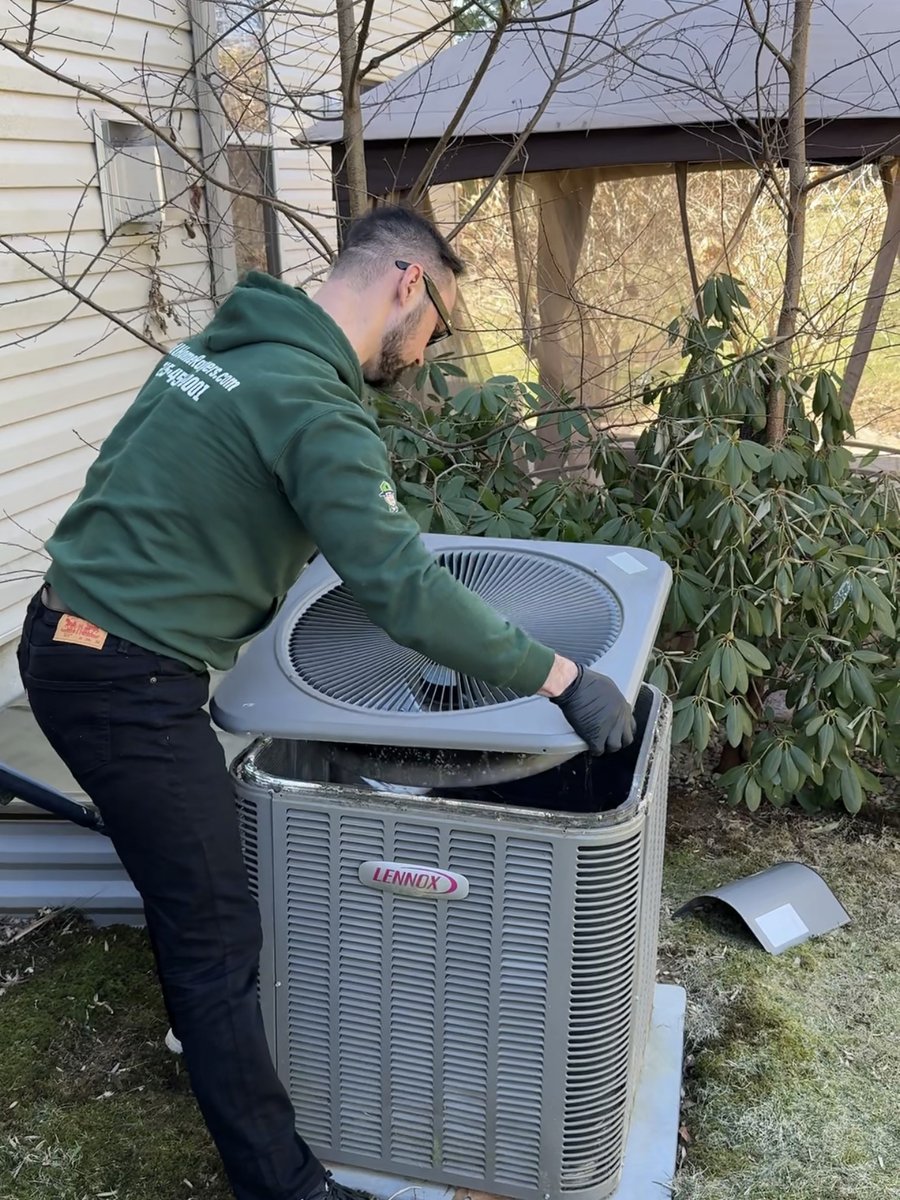



Smart Thermostat Vs Programmable Thermostat: The Practical Difference
A programmable thermostat follows set schedules. You choose specific temperatures for weekdays, weekends, sleep time, and away time, then the thermostat repeats those settings until someone changes them.
A smart thermostat can follow a schedule too, but it may also adjust with a smartphone app, thermostat sensors, occupancy sensors, learning algorithms, and energy usage reports. Many smart thermostats are designed for people who do not want to keep editing a schedule manually.
Programmable Thermostat Basics
A programmable thermostat is useful when the house follows a consistent schedule. If everyone leaves and returns at predictable times, set schedules can reduce wasted run time without needing connected devices.
The weak point is follow-through. A programmable thermostat only works as planned when the schedule is entered correctly, updated seasonally, and not left on permanent hold.
Manual Thermostats And Regular Thermostats
Manual thermostats and regular thermostats are simpler. They let someone raise or lower the home’s temperature, but they do not create a cooling schedule or cooling schedules based on the time of day.
Manual thermostats can be fine for people who are home often and like direct control. Regular thermostats are less helpful for energy savings because someone must remember every adjustment.
Smart Thermostat Features
A smart thermostat usually connects through Wi-Fi, giving remote access from a phone. That remote control can be helpful when travel plans change, a family member gets home early, or the house needs a quick temperature adjustment before arrival.
Many smart thermostats also include smart features such as energy tracking, reminders, air filter alerts, runtime history, and notices when the system seems to run longer than expected.
Key Features To Compare
Key features include remote access, thermostat sensors, voice control, smart home compatibility, scheduling options, energy usage data, and whether the device can control specific rooms or only the main system.
Other smart home devices can also matter. A smart thermostat may connect with Google Home, Apple HomeKit, or other smart home devices for voice commands and routines, but not everyone needs that convenience.
A smart thermostat simply adds more control options; it does not make the HVAC system efficient by itself. A programmable thermostat lets the user program temperature settings, while app based control, a remote sensor, and automation can change how the system runs.
A smart thermostat can adjust temperature remotely when the heating and cooling routine changes. Automation can help only when efficiency problems, repair costs, and maintenance needs are not being ignored. Automation should support comfort, not fight the homeowner.
Energy Savings And Energy Efficiency
Energy savings are possible with either type, but they are not automatic. A programmable thermostat can save energy when the schedule is realistic. A smart thermostat can support energy efficiency when its settings match the house, comfort preferences, and equipment.
Energy efficiency also depends on insulation, air quality, duct condition, system age, filters, thermostat location, and whether the HVAC system is already running correctly.
Energy Costs, Cooling Costs, And Cost Savings
Cost savings should be treated carefully. A smart thermostat may help save money over the long run, but no thermostat can promise lower energy bills by itself.
Summer costs, heating costs, utility bills, and energy costs change with weather, rates, runtime, house condition, and equipment health. The right thermostat helps manage energy consumption; it does not fix poorly maintained equipment.
Remote Access, Smartphone App, And Wi-Fi
Remote access is one of the biggest differences. A smart thermostat with Wi-Fi and a smartphone app lets the homeowner adjust the home’s temperature without standing at the wall.
That can matter for irregular schedules. If the phone app is easy to use, remote access can be more practical than a programmable thermostat that is difficult to edit.
C Wire Compatibility
The C wire, also called the common wire, provides steady low-voltage power for many models. Some smart thermostat models need a C wire, while others use adapters or power-sharing methods.
Before buying, check the wall wiring, heat pump controls, accessory terminals, and equipment manual. Guessing at a C wire can cause short cycling, no heat, no cool air, or control-board problems.
Heating And Cooling System Fit For Air Conditioning
A simple furnace and air conditioning setup may be easier to match than a heat pump, dual-fuel system, zoning panel, humidifier, dehumidifier, or multi-stage HVAC system.
Thermostat compatibility matters because the thermostat is the control point for comfort equipment. The wrong setup can make the system adjust at the wrong time or miss important equipment stages.
For a heat pump, a smart thermostat must understand scheduled heating, backup heat, and the heating cycle. A programmable thermostat can handle basic heating schedules, but a smart thermostat may give better notices when temperature recovery is slow or when the heating season schedule needs attention.
A smart thermostat is also helpful when a homeowner wants one thermostat screen plus app control. The smart thermostat should be set up carefully so comfort settings stay practical.
Best Smart Thermostats Are The Ones That Match The Home
The best options are not always the most expensive devices. The best thermostat is the one that matches the wiring, HVAC setup, household routine, comfort preferences, and how much control the homeowner wants.
Most smart thermostats are strongest when the household will use the advanced features. If the app, sensors, energy reports, and smart home routines will be ignored, a programmable thermostat may be enough.
Upfront Cost And More Money Over Time
The upfront cost for a smart thermostat is usually higher than a basic programmable thermostat. The upfront cost can also include installation if the wiring is unclear or the system uses accessories.
Spending more money may make sense when remote control, alerts, and usage reports will be used. Spending more money is harder to justify when the schedule is simple and the existing programmable thermostat is already set correctly.
Which Is The Right Thermostat?
Choose a programmable thermostat if the schedule is predictable, Wi-Fi is unreliable, the system is basic, and someone is comfortable updating set schedules.
Choose a smart thermostat if remote access, occupancy sensors, energy tracking, voice control, and automatic adjustments would make the home easier to manage.
Should You Upgrade From A Traditional Thermostat?
An upgrade makes sense when the old thermostat is hard to program, the temperature swings, or the schedule changes often. A traditional thermostat can still work, but it will not adjust automatically, show energy savings, or help save energy when nobody remembers to change it.
A smart thermostat can adjust earlier, adjust after occupancy changes, and show energy savings patterns. A programmable thermostat can also save when set schedules match real life, but it may use less energy only when people keep the schedule current.
Temperature Control And Daily Convenience
Temperature setbacks work best when they match real comfort preferences. A smart thermostat can adjust the temperature through a phone, sensors, or learning routines. A programmable thermostat can adjust temperature too, but the homeowner has to build the schedule and keep it current.
The convenience is the main reason many people upgrade. A smart thermostat can show temperature history, energy savings trends, and reminders. That convenience can save time, but it should not replace basic HVAC maintenance.
Advanced Features And Comfort Preferences
Advanced features are useful when they solve a real problem. Thermostat sensors can help when one hallway thermostat does not reflect specific rooms, while voice commands can help someone change a temperature without opening the smartphone app.
A smart thermostat may also help a homeowner save attention, not just save money. If the device can adjust the temperature, send alerts, and keep the thermostat schedule visible, the controls are less likely to be ignored.
Smart Thermostat Vs Programmable Thermostat Installation
Installation should include wiring review, compatibility, Wi-Fi setup when needed, app connection, thermostat testing, and a check that equipment responds correctly.
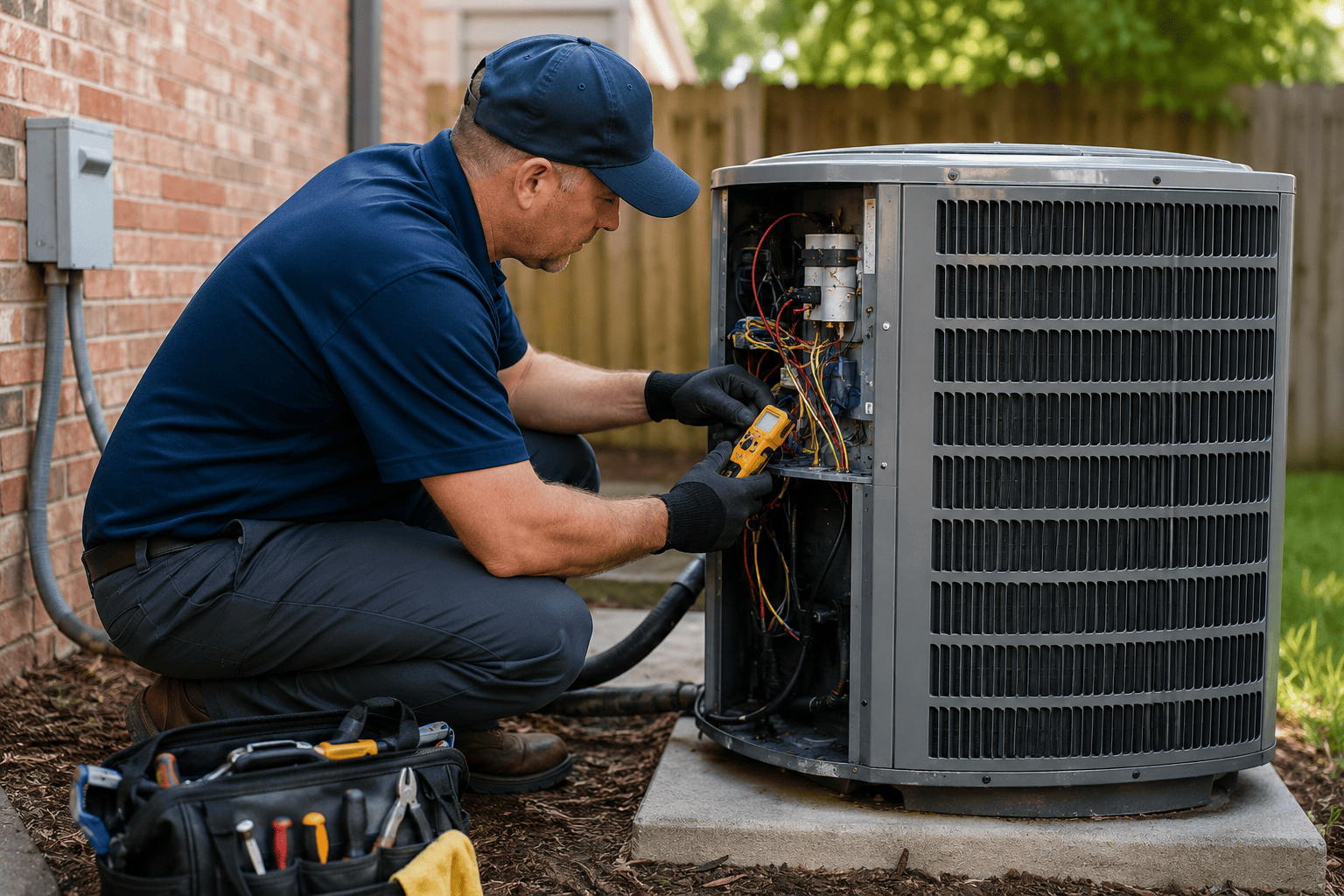
Home Rangers can help with smart thermostat installation when the setup involves a heat pump, missing C wire, multi-stage equipment, accessories, or unclear low-voltage wiring.
Quick Questions
Can a smart thermostat lower energy use?
It can help save money when the settings reduce wasted runtime and the equipment is operating properly. It cannot promise savings because energy use depends on the home and weather.
Is a programmable thermostat outdated?
No. A programmable thermostat can still work well for a consistent schedule and basic equipment.
Do smart thermostats work with every setup?
No. Compatibility depends on wiring, C wire power, equipment type, accessories, and the thermostat model.
Can I install one myself?
Some basic systems are straightforward, but professional installation is safer when wiring is unclear or the system has a heat pump, accessory control, or multiple stages.
Ready to choose the right thermostat for your home? Call (215) 454-0001 or book online.