Home Comfort Tips From Home Rangers
Helpful advice should make a house easier to understand, not harder. This resource page gives homeowners a practical place to start when comfort changes around heating, cooling, air, plumbing, water heaters, drains, or water quality.
Use these tips to notice symptoms, ask better questions, and decide when a service visit makes sense. If equipment has stopped working, water is leaking, or a drain is backing up, call instead of relying on a checklist.
Call Home Rangers at (215) 454-0001 when you need help sorting out what is happening at home.
Energy Efficiency and Everyday Comfort
Small changes in airflow, thermostat settings, filter condition, and equipment behavior can make a noticeable difference. When one room feels hot, another room stays cold, or the HVAC system runs longer than expected, the cause may be simple or it may need service.
Energy efficiency depends on the full home, not only the age of the equipment. Windows and doors, insulation, ductwork, air leaks, large appliances, and daily habits can all affect energy costs, energy use, and comfort.
An energy efficient plan starts with observing the pattern. Note the room, time of day, outside weather, thermostat setting, and whether the air conditioner, furnace, or heat pump starts normally.
These notes help separate normal seasonal changes from a problem that is wasting energy or making the home harder to keep comfortable.
Air Conditioner, Heat Pump, and Heating System Signs
Warm air from vents during air conditioning season, weak cool air, short cycling, ice on the cooling system, or water near the indoor unit should be watched closely. These symptoms can involve the air conditioner, thermostat, air filters, coils, electrical controls, or restricted airflow.
A heat pump can affect both heating and cooling. If the heat pump seems to run all the time, blows hot air at the wrong moment, or struggles during colder months, write down the outdoor temperature and what the thermostat is set to.
A heating system may show trouble through uneven heat, unusual sounds, delayed startup, or rooms that never feel warm. A furnace, boiler, or heat pump problem should be checked before the system has to work hard in winter.
Regular maintenance helps key components stay clean, maintain airflow, and run closer to peak efficiency when the equipment is otherwise sound.
Air Filters and Indoor Air Quality
Indoor air quality can show up as dust, odors, allergy irritation, humidity swings, or comfort complaints that do not match the thermostat. The home’s air is affected by filtration, ducts, ventilation, pets, cleaning habits, and how the HVAC system moves air.
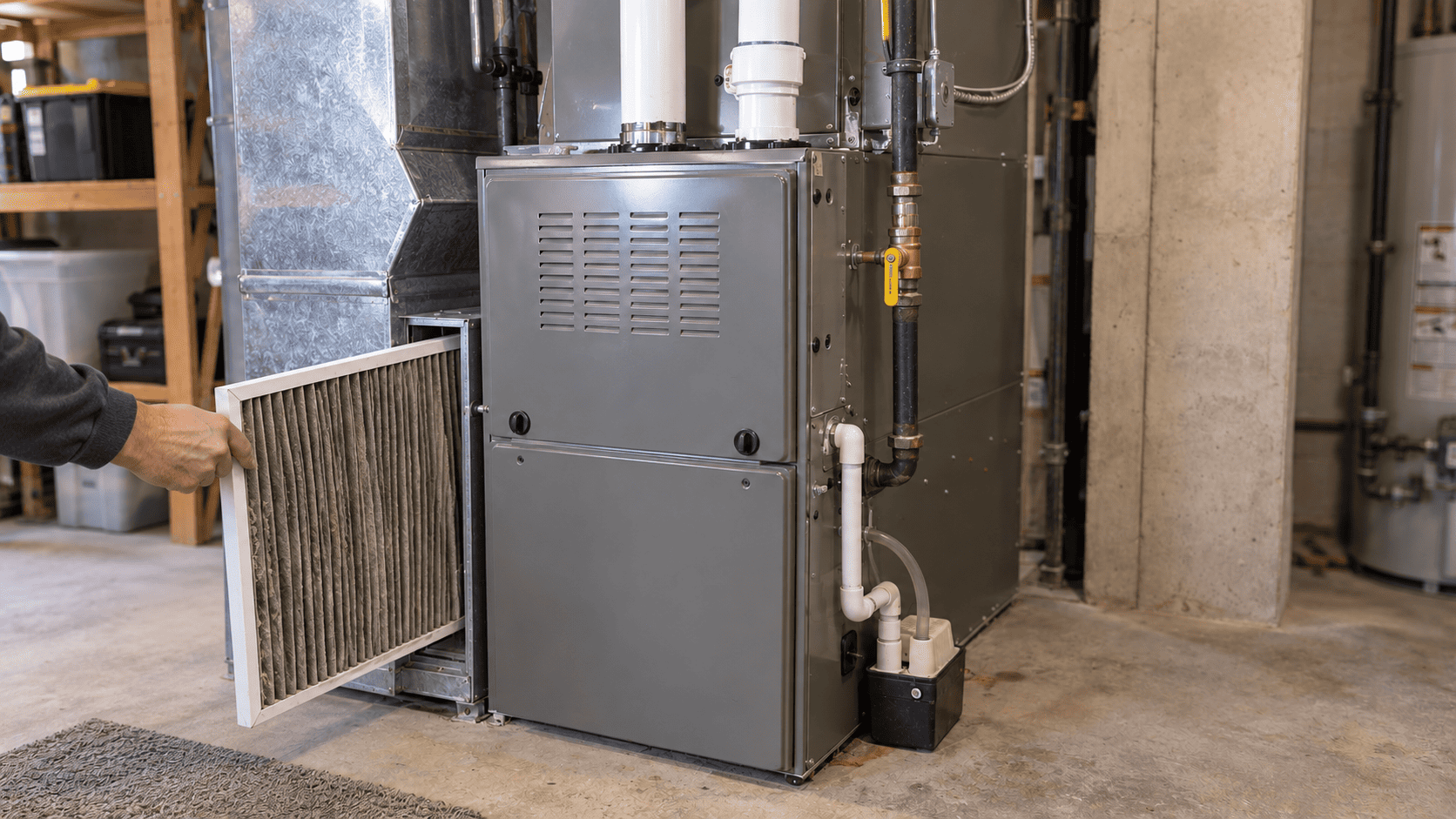
Air filters should be checked on a schedule that fits the home. Families with pets, renovation dust, heavy system use, or high pollen seasons may need to check filters more often than the calendar suggests.
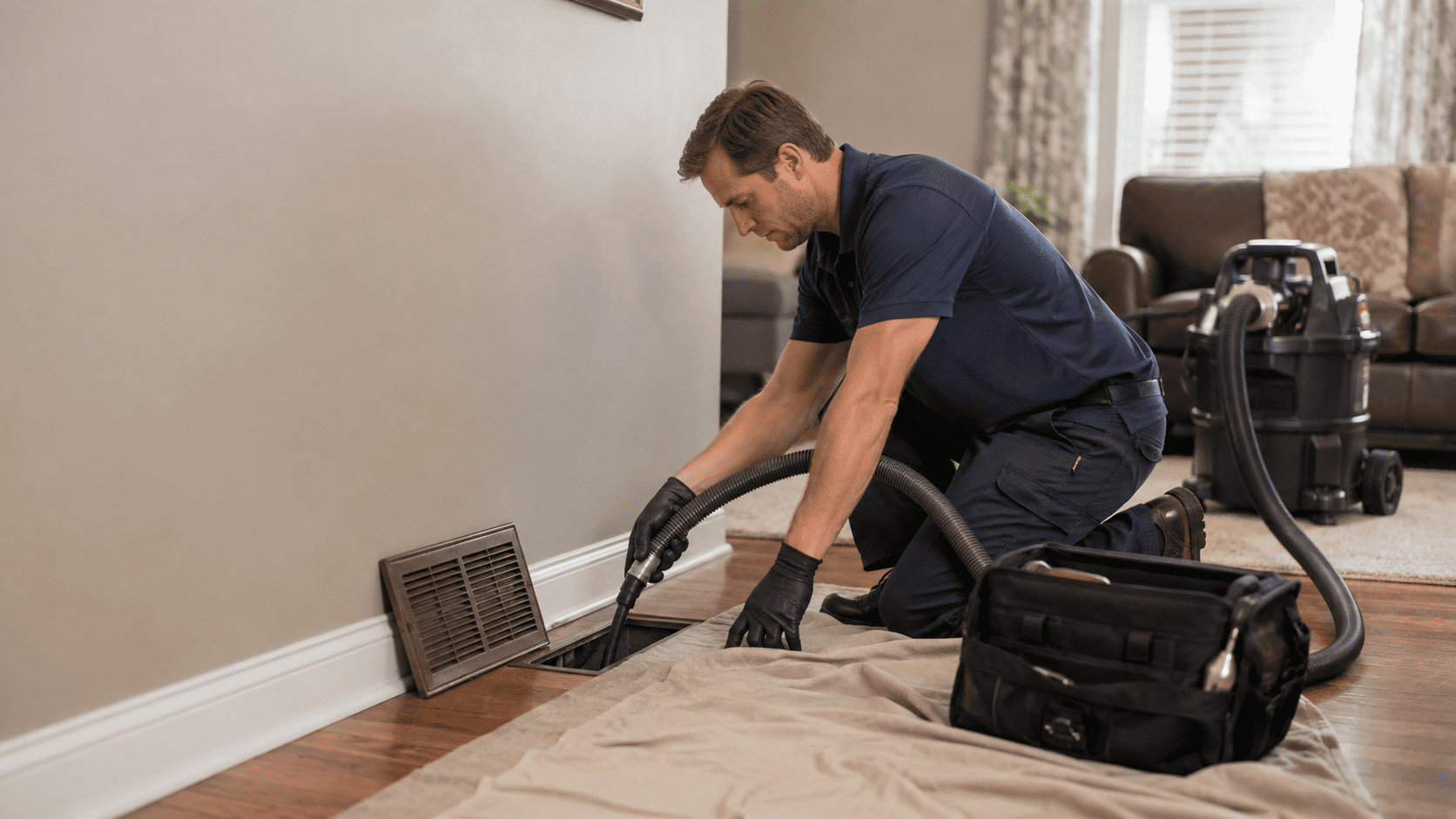
Keep returns open, avoid blocking vents with furniture or toys, and vacuum around registers when debris builds up. Simple cleaning cannot fix every air problem, but it can prevent avoidable restrictions.
If poor air quality appears with cooling, heat, or airflow symptoms, a service visit can help identify whether the issue belongs to filters, ductwork, humidity, or equipment operation.
Ceiling Fans, Windows, and Doors
Ceiling fans can improve comfort without changing the thermostat when they are used correctly. In summer, many fans are set counter clockwise to create a cooling breeze. In winter, some fans can be reversed clockwise on low speed to move warmth down from the ceiling.
Windows and doors also matter. Sealing windows, caulking cracks, closing gaps, and using blinds during strong sun can reduce heat gain in summer and heat loss in winter.
At night, outside air may help a house cool when conditions are right, but open windows can also bring in humidity, allergens, or security concerns. Use judgment and close windows before the air conditioner has to work again.
These simple habits can lower energy bills over time by helping the HVAC system run less often and with less strain.
Appliances, Water Heater, and Daily Routines
Large appliances generate heat and use energy. A dryer, washer, dishwasher, oven, and long hot-water demand can affect comfort, especially during peak summer hours.
Run clothes and dishes when the house can handle the added heat and moisture. If a room gets uncomfortable after laundry or cooking, use exhaust fans, keep interior doors open when appropriate, and watch how the temperature changes.
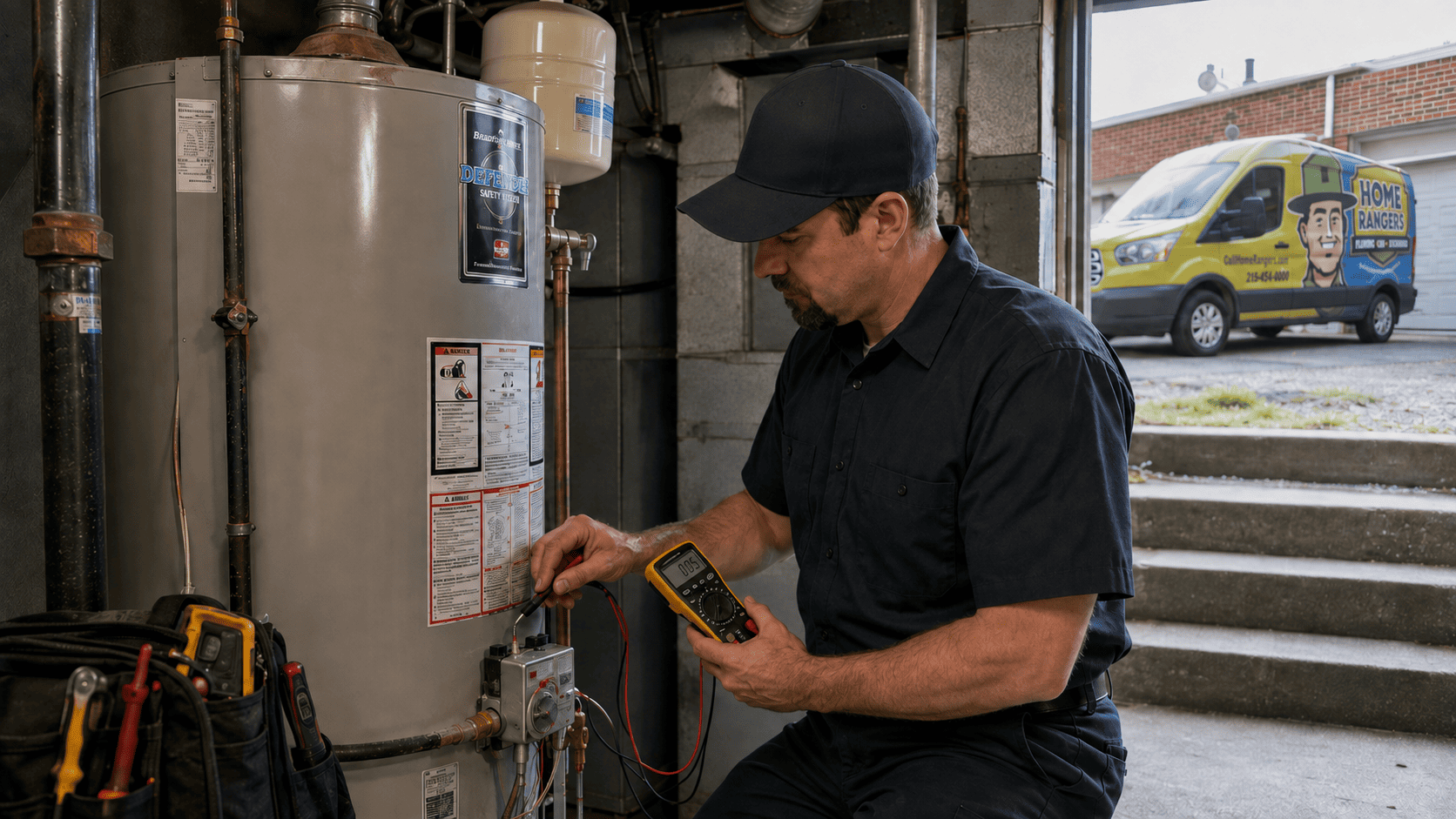
The water heater is part of home comfort too. Inconsistent hot water, leaks, sediment, or a recovery problem should be handled before the issue interrupts routines or damages the property.
Monthly savings usually come from many small choices working together: clean filters, smart thermostat settings, reduced air leaks, efficient appliance timing, and maintenance when needed.
Smart Thermostat and Temperature Control
A smart thermostat can help manage temperature schedules, but it still depends on the home and HVAC system. If the schedule is too aggressive, the system may run longer and use more energy than expected.
Try modest set point changes first. A couple degrees can make a big difference in comfort and energy bill behavior without asking the system to recover from a huge swing.
Thermostat location also matters. A thermostat near direct light, drafts, a supply vent, or a busy kitchen may read the room differently than the rest of the house.
If temperature control still feels uneven after simple adjustments, the issue may involve ductwork, insulation, equipment sizing, or another HVAC system concern.
Seasonal Home Comfort Checklist
Season changes are a simple way to review comfort before the weather is extreme. In spring and fall, check filters, vents, outdoor units, visible ducts, windows, doors, and the areas around mechanical systems.
During summer, keeping the home cool may require shade, closed blinds during strong sun, clean returns, and steady temperature settings. At night, adjust routines only when outdoor humidity and security make open windows reasonable.
During winter, keeping the home comfortable may require sealing gaps, checking blankets and furniture around vents, and watching whether heat reaches the rooms that usually struggle.
If the home needs more energy than expected to stay comfortable, track the pattern. Energy consumption, less energy waste, efficient operation, and overall cost all depend on how the systems, house, and daily routine work together.
Service Photos and Home Comfort Examples
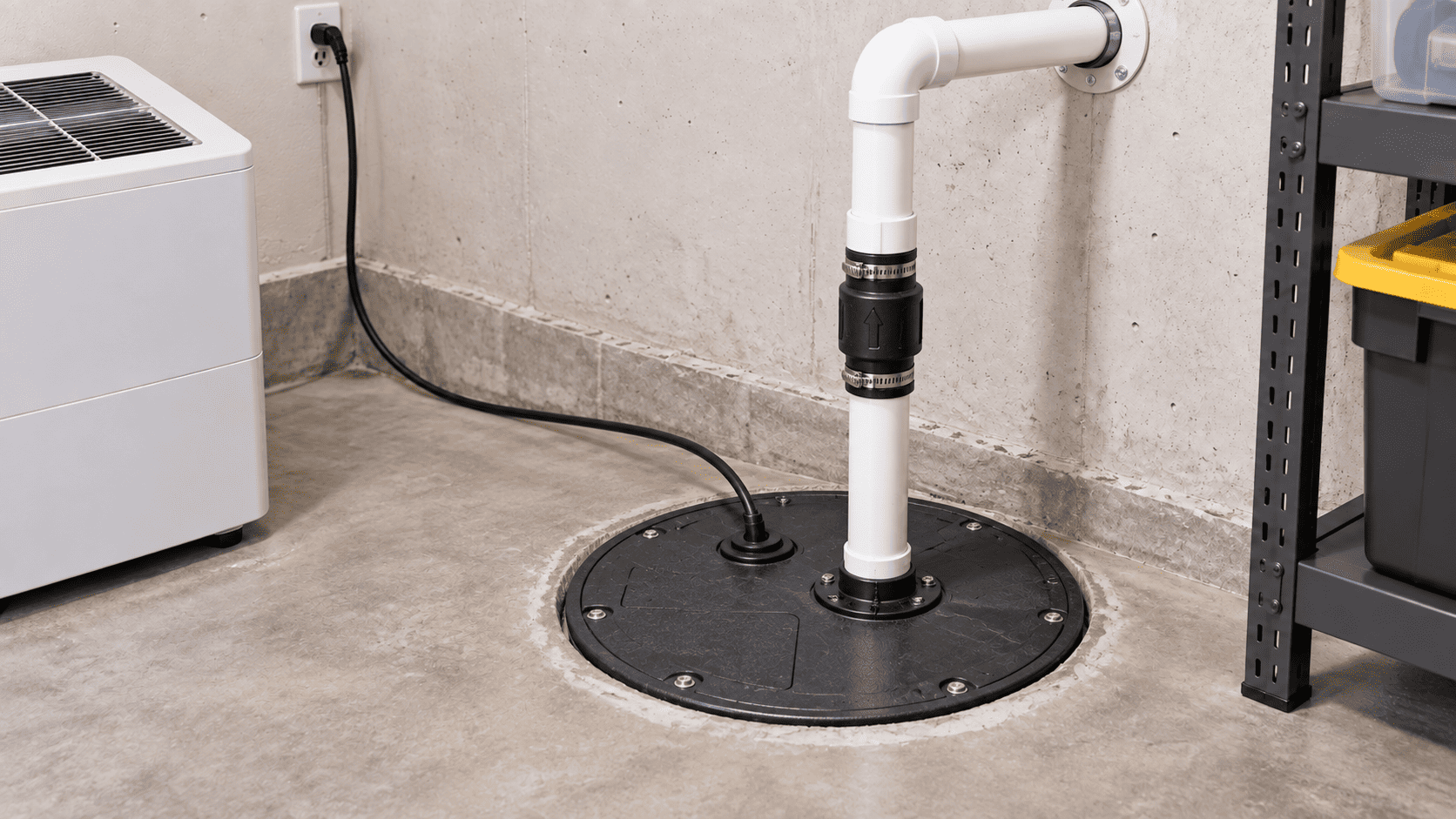
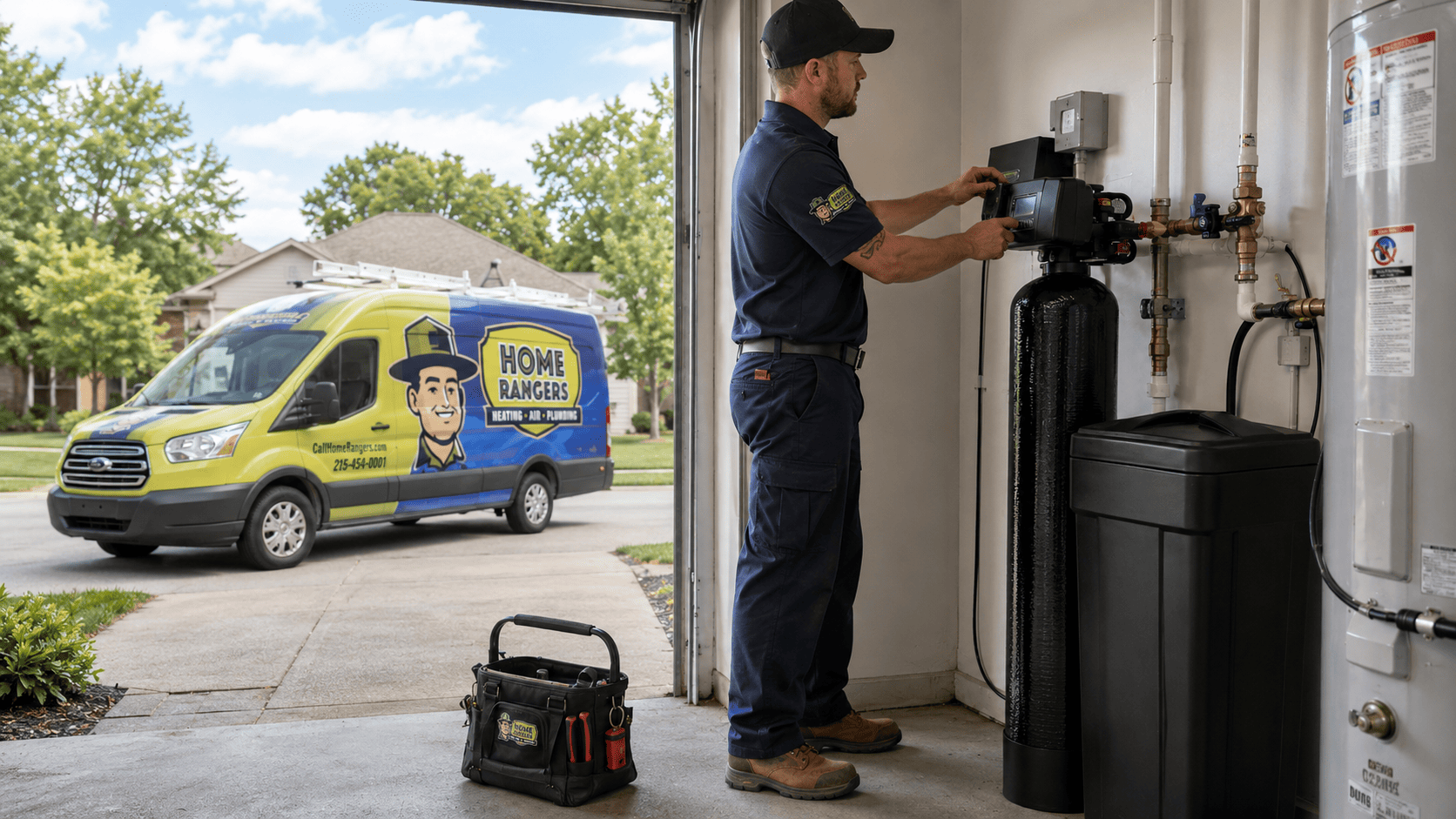
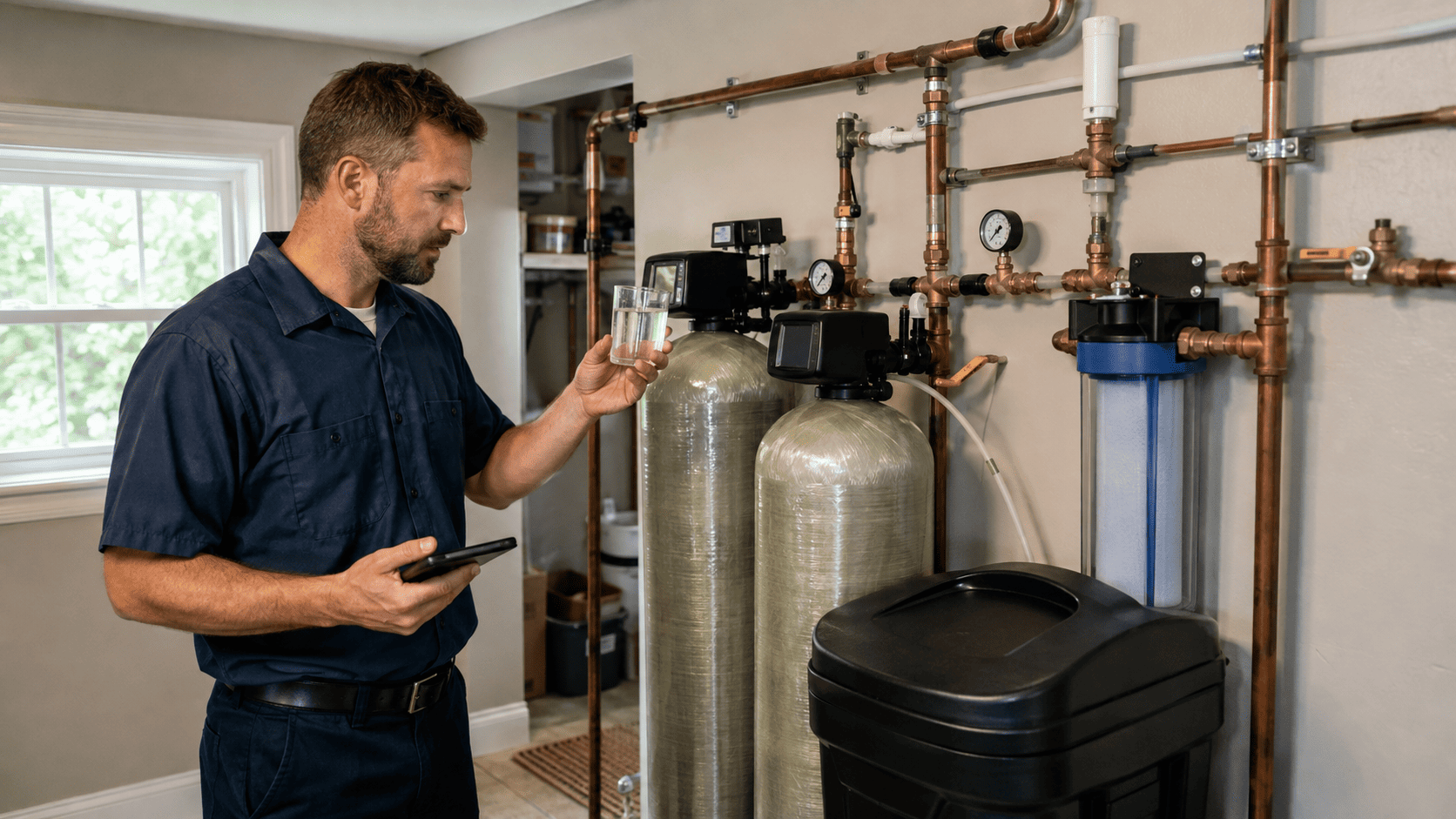
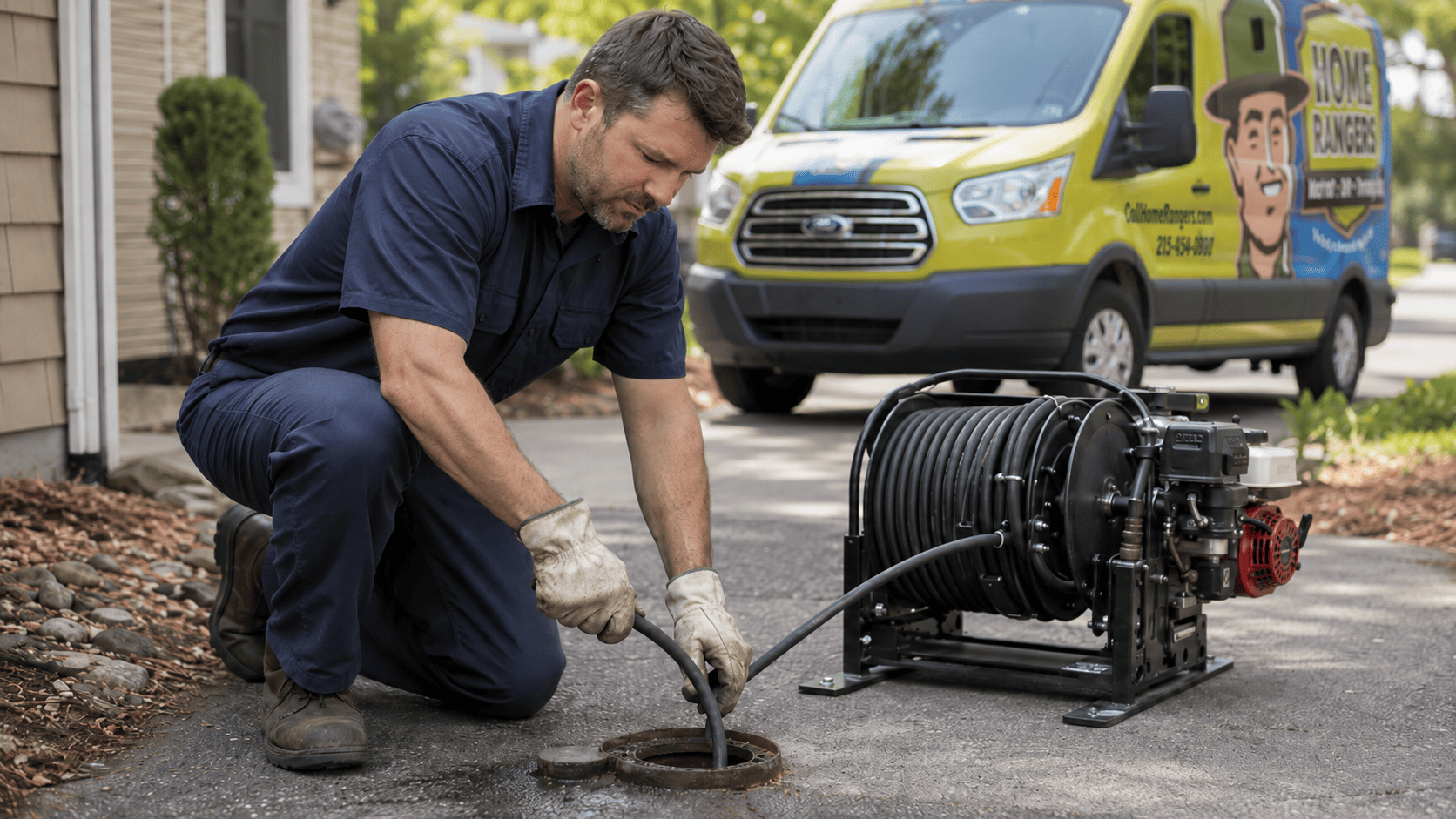
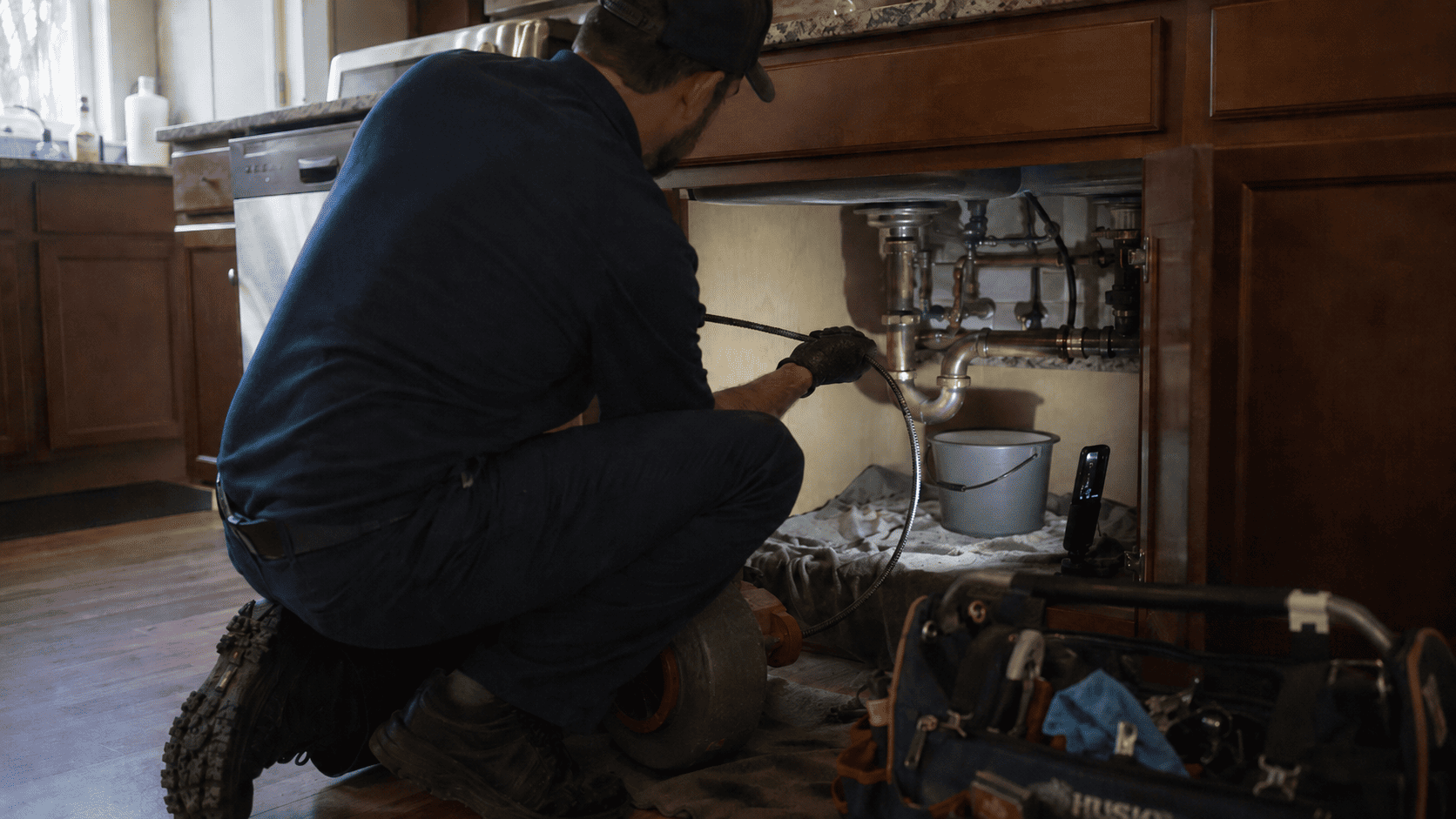
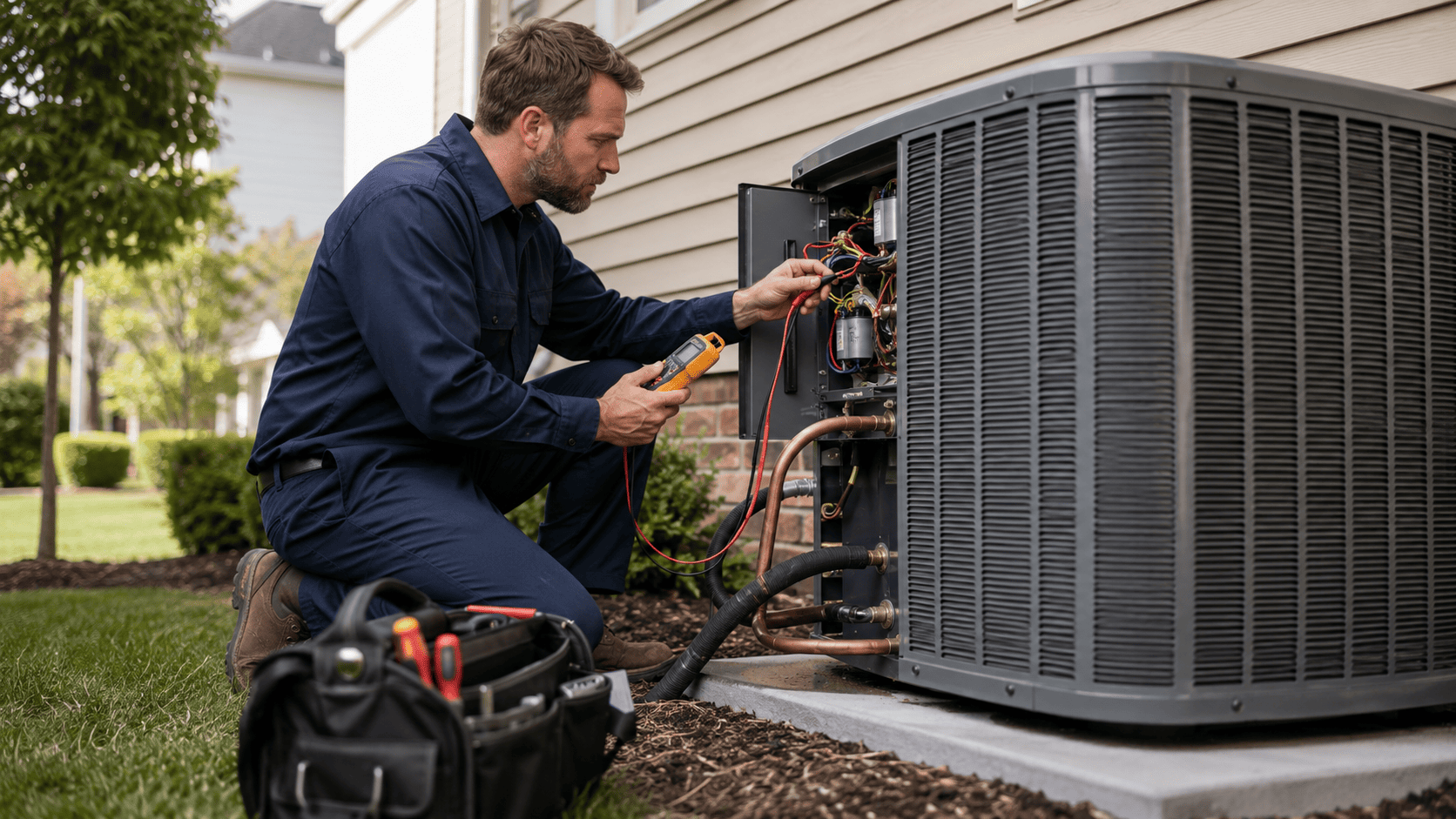
Photos can help homeowners match the kind of system they are asking about. The examples below include air conditioning, heat pump controls, furnace service, filtration, water heater equipment, drain cleaning, and service planning.


When To Call for Service
Call when equipment is not working, hot or cold air appears at the wrong time, water is leaking, a drain is backing up, or the problem keeps returning. Tips are useful for awareness, but active problems need service planning.
Before calling, write down what changed, when it happens, which rooms are affected, whether there are sounds or odors, and whether a filter, vent, breaker, or shutoff was recently touched.
Home Rangers can help you sort symptoms, schedule the right visit, and decide whether the next step is maintenance, repair, replacement discussion, or a closer look at another system.
Frequently Asked Questions
How often should I check air filters?
Check air filters often enough to match the home. Pets, dust, heavy system use, and allergy season may require more frequent checks.
Can ceiling fans reduce cooling costs?
Ceiling fans can help people feel cooler, which may let some homeowners use a slightly higher thermostat setting. Turn fans off in empty rooms because fans cool people, not the room itself.
When is a comfort issue more than a simple tip?
Call when the air conditioner, heating system, heat pump, water heater, or drain problem is active, worsening, leaking, or affecting safety and daily use.