Home Rangers
Furnace Installation in Bucks & Montgomery County, PA
Replacing an older furnace or planning a new heating system? Home Rangers installs properly sized gas furnaces across Bucks County, Montgomery County, nearby Philadelphia, and surrounding communities.

Family-Owned, Local HVAC & Plumbing Team
Free Estimates On Installations & Replacements
Same-Day & Emergency Service, 24/7
Master-Licensed in PA, NJ & DE
Upfront Pricing, No Surprises
Furnace Installation
Properly sized furnace replacement for reliable winter comfort
A new furnace should solve more than the immediate breakdown. It should fit the home, move air correctly, vent safely, work with the thermostat, and give the homeowner a clear reason for the equipment being recommended.
Home Rangers installs gas furnaces across Bucks County, Montgomery County, nearby Philadelphia, and surrounding communities. We look at the current system, comfort complaints, ductwork, venting, filtration, thermostat control, and equipment condition before recommending the replacement path.
Replacement Signals
When a new furnace starts to make sense
Some furnace problems are worth repairing. Others are signs that the system is nearing the end of its useful life or has a safety issue that should not be ignored.
Older furnaces with repeated service calls can become more expensive to keep alive than to replace thoughtfully.
Heat exchanger problems, major blower failures, control board issues, or repeated ignition trouble may justify a replacement conversation.
Rooms that stay cold, weak airflow, or long recovery times can point to sizing, duct, or equipment limitations.
Aging equipment, airflow restrictions, and older efficiency ratings can make the system work harder than it should.
Gas furnaces require careful attention to flame behavior, venting, combustion, rollout signs, and carbon monoxide risk.
Replacement can be the right time to address filtration, humidification, zoning, thermostat controls, or indoor air quality.
Installation Process
What Home Rangers reviews before installing a furnace
The best furnace installation starts before the new unit arrives. We want the equipment, ductwork, venting, thermostat, and homeowner expectations to line up.
Evaluate the old system
We review age, condition, repair history, airflow, duct connections, venting, thermostat setup, and current comfort complaints.
Recommend equipment
Furnace size, efficiency level, staging, blower style, and accessory options are explained so the recommendation fits the house.
Install and connect
The new furnace is positioned, connected, vented, drained where needed, wired, matched to the ductwork, and prepared for startup.
Test and walk through
Startup checks, safety controls, thermostat operation, airflow, and homeowner basics are reviewed before the installation is considered complete.
Customer Proof
Home Rangers reviews from local homeowners
Reviews help homeowners understand how Home Rangers communicates, explains installation options, and handles heating projects inside real homes.
System Choices
Furnace options that should be matched to the home
A furnace replacement can include more decisions than homeowners expect. Efficiency, staging, blower motor type, venting, filter setup, thermostat control, and ductwork all affect comfort after installation.
Home Rangers explains those decisions without turning the consultation into a confusing equipment lecture. The goal is a system that makes sense for the home, not just a model number on a proposal.
High-efficiency furnaces can lower fuel waste, but they may require PVC venting, condensate drainage, and proper installation conditions.
Two-stage or modulating equipment can improve comfort by running longer at lower output instead of blasting on and off.
Variable-speed blower options can improve airflow, comfort, filtration, and electrical efficiency when matched correctly.
Replacement is a good time to review media filters, humidifiers, air cleaners, and airflow restrictions around the furnace.
A clean furnace installation may need metal transitions, sealed connections, return-air corrections, or other airflow adjustments.
Thermostat wiring, smart controls, staging, zoning, and accessory wiring should be checked during the installation plan.
Furnace Replacement
Furnace replacement decisions that affect cost, comfort, and safety
Furnace replacement should be based on the home, not only the label on the existing furnace. Home Rangers reviews the heating system, ductwork, venting, gas lines, thermostat settings, air conditioner connection, heat exchanger condition, heat output, and airflow before recommending a replacement furnace.
The right new furnace should be sized to the heat needed on cold weather days, installed correctly, and matched to the existing ductwork and HVAC system. Proper sizing helps avoid short cycling, weak heated air, higher energy bills, safety risks, and performance issues that can shorten the furnace’s life.
Most homes in the area use natural gas furnaces, but some properties may have an oil furnace, electric furnaces, a heat pump, or a full system replacement that includes the cooling system.
British thermal units, insulation, windows, room layout, colder climates, and return air all affect heating capacity. Furnace sizing should be based on several factors, not a guess.
Annual fuel utilization efficiency, furnace efficiency, ENERGY STAR options, and lower operating costs should be balanced against higher upfront costs, labor costs, and long term energy savings.
Leaky ductwork, restricted filters, poor return air, and undersized transitions can significantly affect comfort, energy efficiency, proper airflow, and whether the new unit reaches the desired temperature.
Furnace replacement can affect indoor air quality when the filter cabinet, humidifier, air cleaner, blower speed, or return air path changes during installation.
Most furnaces should be selected for steady comfort, not only quick heating. The estimate should explain the new unit, the heat needed, and how the HVAC system will move more heat without wasting more energy.
Cost Factors
What affects furnace replacement cost?
Furnace replacement cost depends on the furnace type, efficiency level, size, access, venting changes, gas lines, thermostat work, permits when required, labor costs, existing ductwork, and whether the job is only a heating unit or part of a full system replacement with an air conditioner or heat pump.
Because furnace costs change with equipment and installation conditions, Home Rangers avoids quoting one average cost for every home. A clear furnace replacement estimate should explain both the price and the reason for the recommendation, including whether a standard efficient furnace, a high-efficiency energy efficient furnace, or a different heating system is the cost effective choice.
When comparing furnace replacement cost, look beyond the lowest equipment number. The cost to replace gas furnaces can change when natural gas venting, safety controls, return air, filter setup, or an ENERGY STAR option is part of the furnace replacement plan. A useful furnace replacement cost conversation separates furnace costs from the energy efficient upgrades that may affect comfort and bills over time.
Natural gas furnaces, electric furnaces, and heat pump options have different upfront costs, energy savings, utility bills, furnace costs, and service considerations. Gas furnaces can be a cost effective fit for many homes with natural gas service, while more energy efficient equipment may lower energy bills but can cost more at installation.
Furnace installation costs rise when the project needs new venting, condensate routing, sheet-metal transitions, gas work, electrical corrections, or changes needed for the replacement furnace to be installed correctly.
If the existing furnace has frequent repairs, poor heat output, a cracked heat exchanger, carbon monoxide concerns, or rising energy bills, the cost to replace may be more sensible than continuing to repair the old furnace.
Proper maintenance, filter changes, combustion checks, and airflow review protect the furnace replacement investment and help the HVAC system maintain optimal performance.
A useful estimate separates equipment, labor costs, thermostat work, venting, ductwork, permits when required, and startup checks so homeowners can compare furnace costs without guessing what is included.
The lowest average cost is not always the best furnace replacement plan if it leaves comfort problems, energy efficiency issues, or avoidable repair risk in place.
Replacement Questions
When should you replace your furnace?
You may want to replace your furnace when the old furnace is unsafe, more than a routine repair away from reliable heat, or expensive enough to repair that furnace replacement becomes the better long-term plan. Common warning signs include frequent repairs, uneven heated air, unusual smells, flame or rollout concerns, carbon monoxide alarms, noisy starts, higher energy bills, and rooms that never reach the desired temperature.
The “$5000 rule” is only a rough homeowner shortcut: some people multiply the age of the furnace by the repair cost and consider furnace replacement if the number is high. It should not replace a real diagnosis. Safety findings, parts availability, furnace costs, energy efficiency, and the condition of the whole HVAC system matter more than a formula.
If you are trying to replace your furnace before the next winter season, compare furnace replacement cost, the average cost factors in the estimate, how gas furnaces will vent, whether the new unit can deliver more heat without wasting more energy, and whether the furnace replacement plan protects comfort over time.
A 30-year-old furnace usually deserves a careful furnace replacement discussion, especially if it has safety risks, poor furnace efficiency, limited parts availability, or a heat exchanger concern.
Some furnaces still have a cost effective repair path. Home Rangers explains what failed, whether the repair protects the furnace’s life, and when furnace replacement cost is the more practical conversation.
Ask HVAC contractors to show the new furnace size, furnace type, efficiency rating, furnace replacement cost, scope of labor, warranty terms, duct or venting work, thermostat details, and any air conditioner or heat pump tie-ins. When two HVAC contractors describe furnace replacement cost differently, ask what labor, venting, ductwork, and startup checks are included.
The old furnace is removed and the new furnace is installed with attention to natural gas safety, venting, electrical connections, startup checks, thermostat settings, airflow, quick heating expectations, and a homeowner walkthrough.
Sizing And Cost Details
A gas furnace should be selected around the heat the home needs, not only the cabinet size of the old unit. When HVAC professionals size furnace equipment, they look at square footage, insulation, windows, return air, vaulted ceilings, climate zone, duct sealing, and other factors that affect heat loss and airflow.
Furnace cost can change with fuel type, furnace efficiency, AFUE rating, venting, labor, thermostat wiring, professional installation, and additional expenses such as sheet-metal transitions or condensate routing. Some homeowners also ask about tax credits, utility rebates, upfront cost, and long-term savings when choosing between a standard gas furnace and a higher-efficiency option.
The right size furnace helps keep the home warm without short cycling. A correctly matched system can use less energy than an oversized or poorly installed unit. Home Rangers explains the right system for the house after reviewing ductwork, airflow, and the existing HVAC system.
Clogged filters, poor airflow, and skipped regular maintenance can reduce the furnace’s performance. A replacement conversation can also include indoor air quality, home improvement priorities, and whether an environmentally friendly heat pump option should be discussed.
Tax credits and utility rebates change over time and should be confirmed before purchase. Home Rangers can explain the equipment and installation scope, while homeowners should verify rebate eligibility and tax-credit details with the program or tax professional.
A furnace converts fuel into heat, then the blower moves warmed air through the ductwork. The installation details around venting, gas furnace setup, airflow, and startup testing affect comfort after the new unit is running.
Recent Work
Recent furnace installation check-ins
These NearbyNow check-ins are filtered by the furnace installation label, so the work shown here stays focused on furnace replacement and heating installation projects.
Recent Jobs and Reviews
Job Locations and Reviews
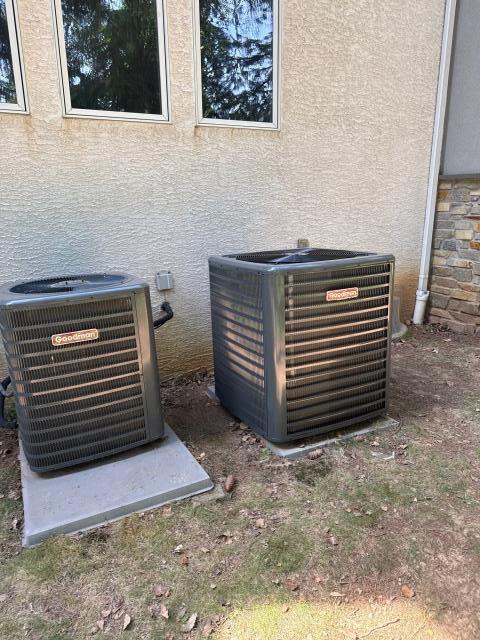
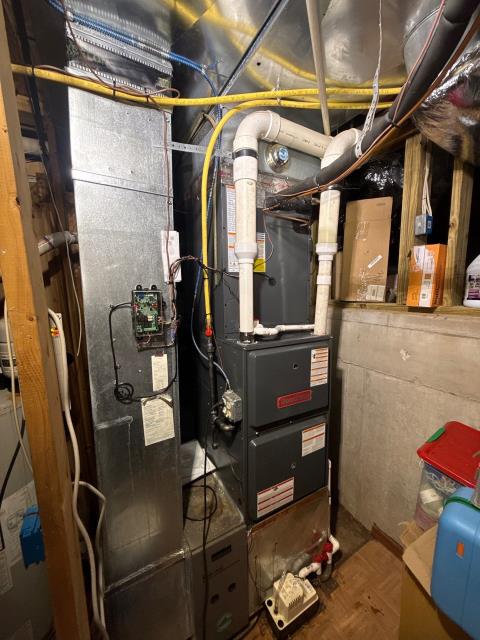

We installed a new Goodman HVAC system, removing the old equipment. This included the AC condenser, furnace, and connections to existing systems. The new system was tested and is now reliable and efficient.
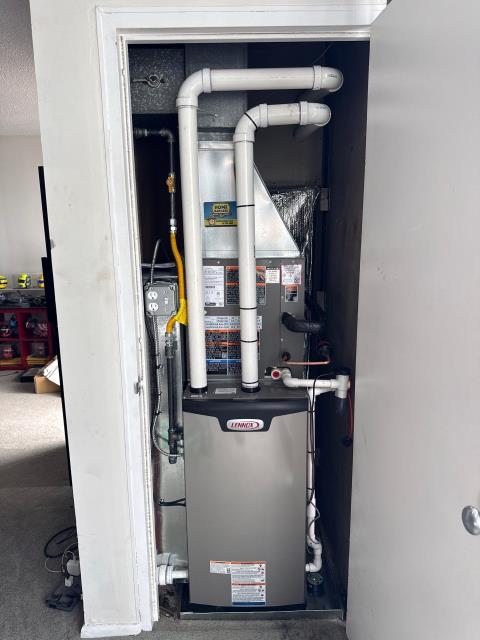
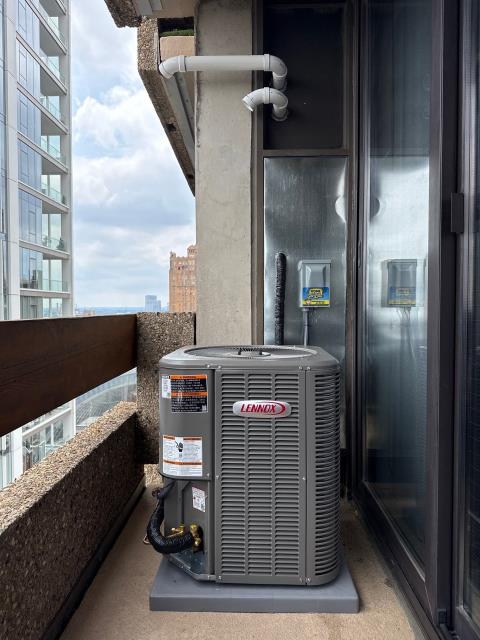
We replaced a residential HVAC system with a Lennox 2-ton R-454B AC and 97% AFUE gas furnace. We installed new components, recovered refrigerant, reconnected ductwork, and ensured optimal performance and energy efficiency.
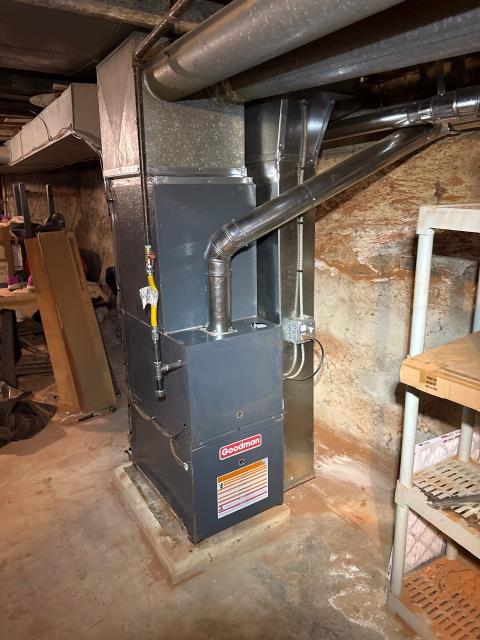
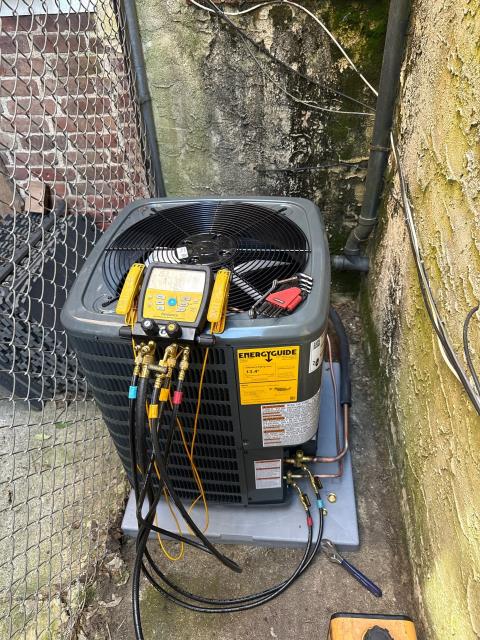
We installed a top-tier Goodman HVAC system, featuring a new furnace, condenser, coil, Honeywell thermostat, and MERV 8 filter rack, ensuring peak season readiness and comfort.
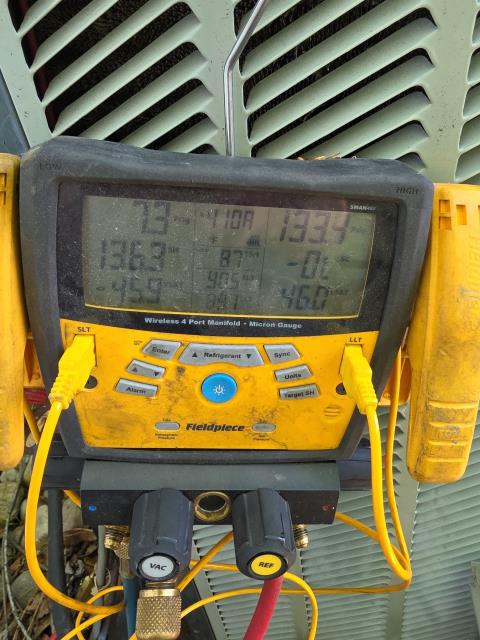
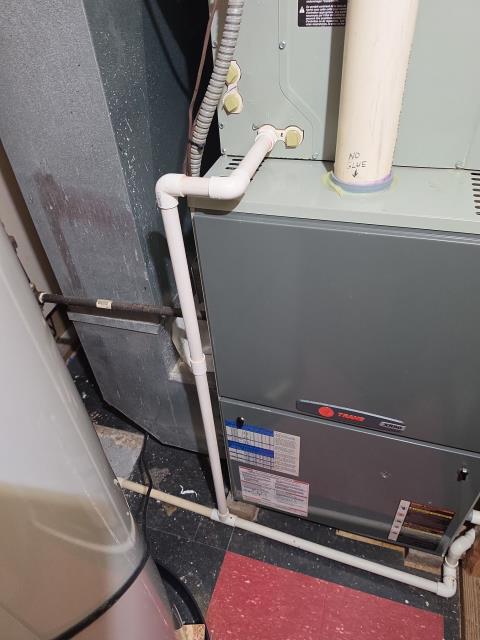

Our club member approved the HVAC system with a Lennox Merit Series 5-ton AC and a 96% AFUE gas furnace. This included removing old equipment, installing new components, and updating the thermostat and electrical work.
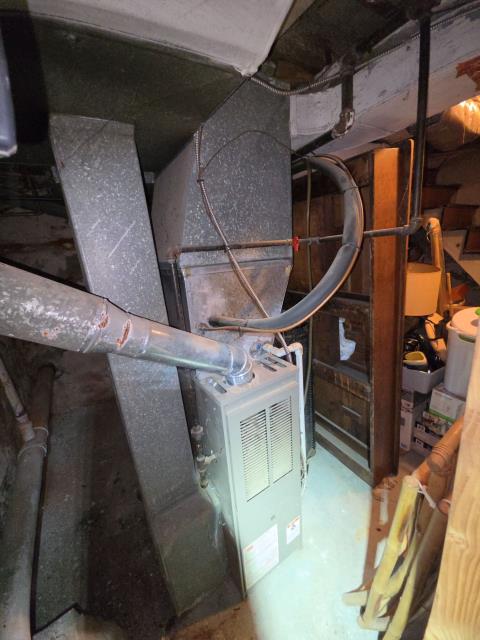
We assessed a homeowner's HVAC needs, offering expert advice on efficiency, performance, and comfort. We compared brands like Lennox, evaluated system options, and provided a detailed estimate for a full replacement.
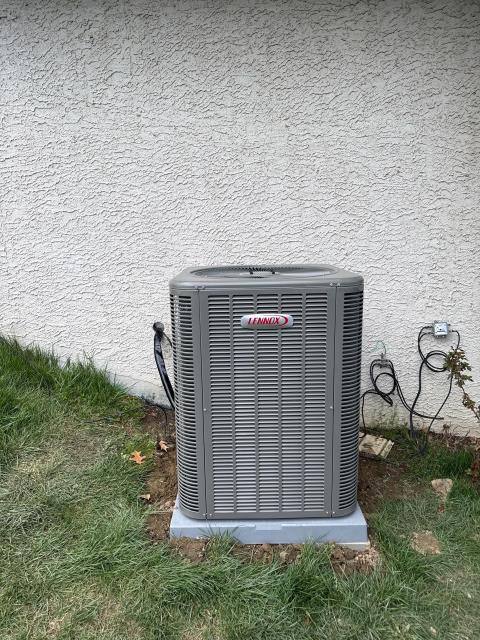
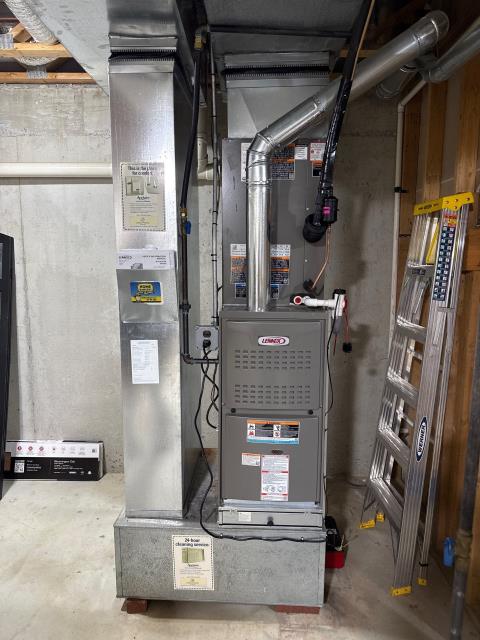
Completed a full system installation, featuring a Lennox Merit Series ML14KC1 AC and ML180V furnace. Enhanced with a 16 SEER2 single-stage cooling and an 80% efficient furnace, ensuring optimal comfort and reliability.
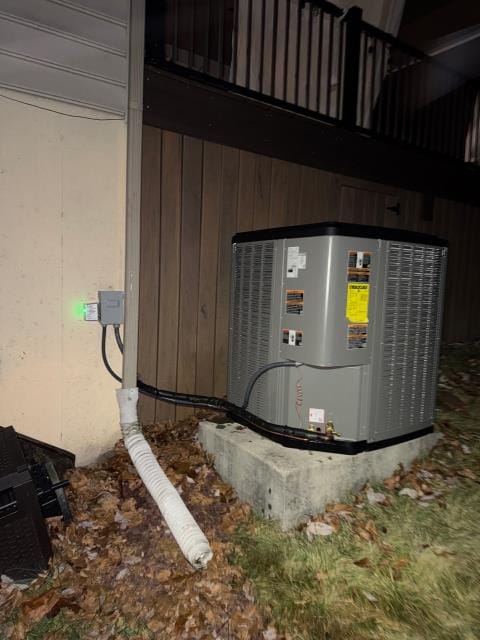
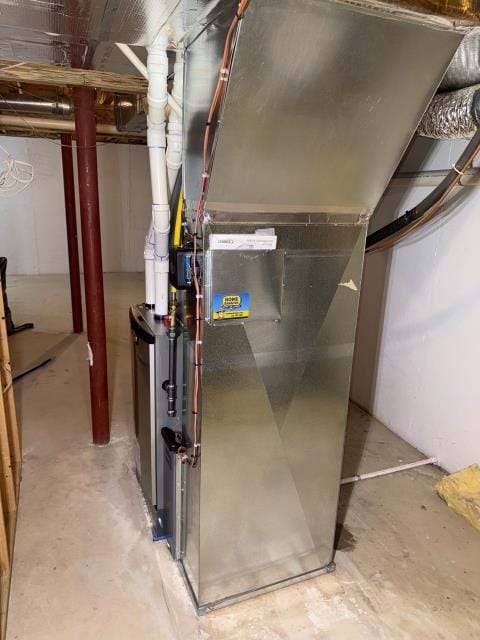
Installed a Lennox Elite dual-fuel system, featuring a 20.0 SEER2 heat pump and 98.1% AFUE furnace. Replaced the entire system, added a communicating thermostat, and ensured optimal performance and quiet operation.
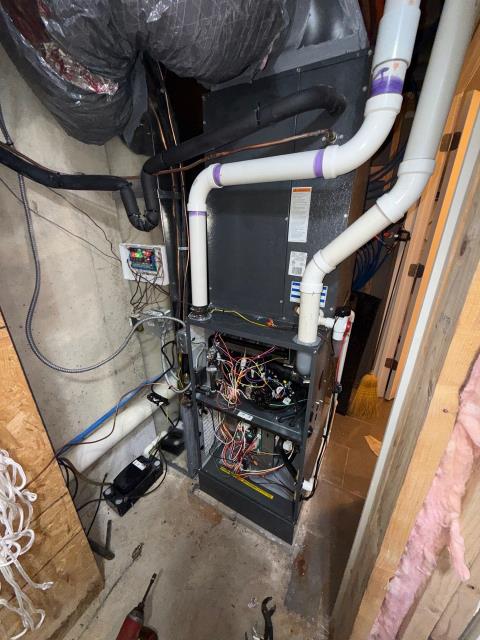
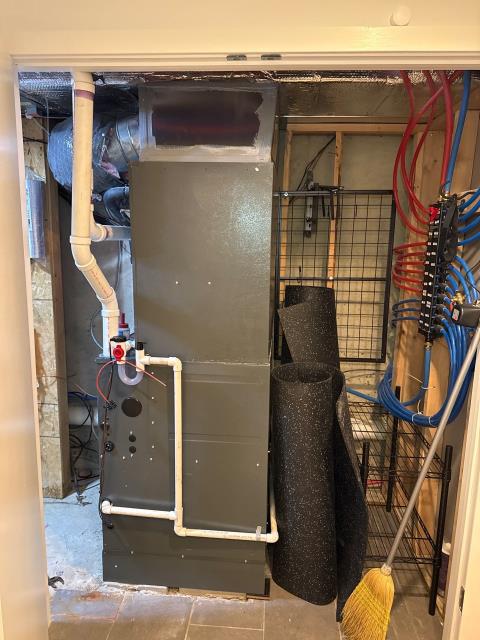
Completed the installation of a new Goodman Two-Stage 96% AFUE furnace to replace their failed unit and improve comfort across a 4-story townhouse. The project included removing the old furnace, correcting return ductwork for proper airflow, connecting venting, gas, electrical, and control systems, and configuring the two-stage operation. Full airflow testing and combustion analysis were performed, providing quieter, smoother operation, reduced temperature swings, and improved efficiency, backed by a 10-year parts and 3-year labor warranty.
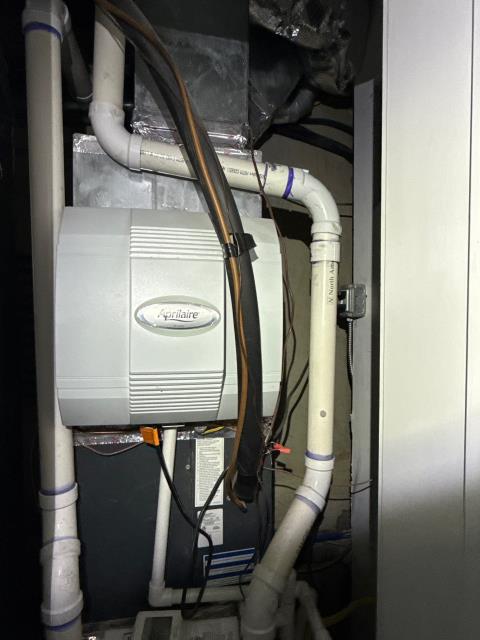
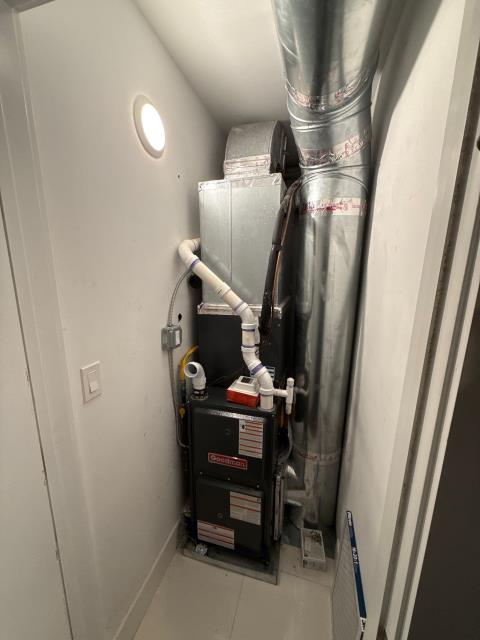
Conducted a full gas furnace replacement today for a home that had previously been tagged by an inspector for serious safety issues. The original second-floor furnace had a cracked heat exchanger that was causing elevated carbon monoxide levels, and with no replacement parts available for that model, a full system swap was the only safe solution. We removed the old unit, reinstalled the existing evaporator coil properly, and set a new Goodman 60,000 BTU, 90+% efficiency furnace in place with updated venting, condensate tubing, fittings, and safety switches. After reconnecting the gas, electrical, and low-voltage controls, we performed full startup testing, verifying CO levels, temperature rise, and gas pressure to ensure everything is operating safely and efficiently. The customer now has a fully compliant, reliable heating system backed by our 1-year labor warranty and a 5-year manufacturer parts warranty.
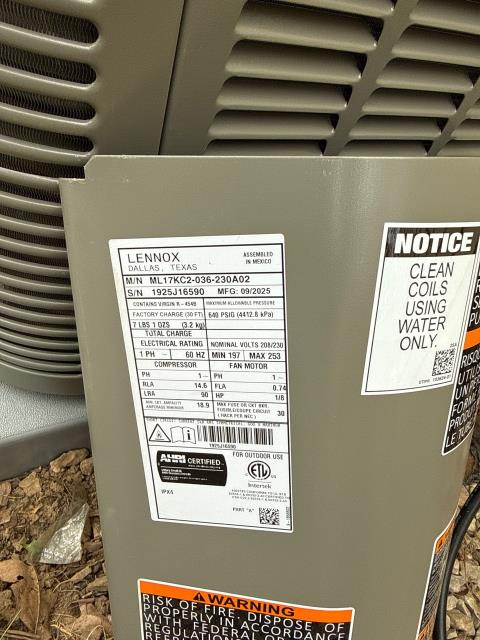
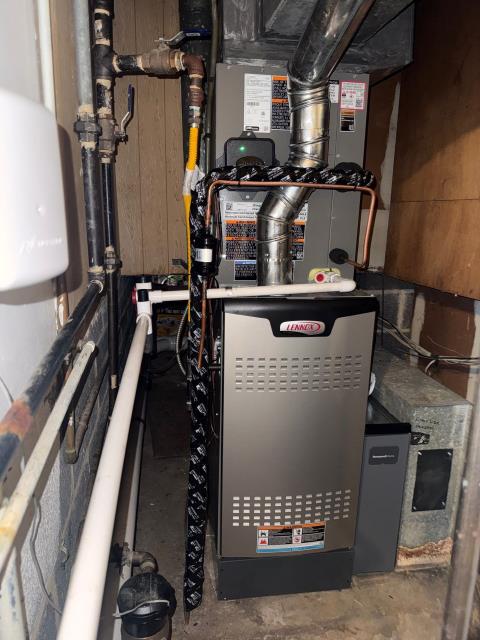
Wrapped up an installation of a Lennox SILVER 80% two-stage heating and 16 SEER2 cooling system. The project included a Merit Series AC (ML17KC2), an Elite Series furnace (EL280E), a Smart Ecobee WiFi thermostat, a MERV 11 filter rack, and all necessary pads, whips, and disconnects. The system was fully tested for proper operation, ensuring energy-efficient heating and cooling with up to 45% cooling savings. Home now has balanced airflow, comfort, and reliability for the upcoming season.
Related HVAC Services
Other heating services that may help
Furnace installation often overlaps with repair decisions, thermostat upgrades, heat pump planning, boiler work, and broader HVAC service needs. These related pages can help you compare the next step.
Service Area
Furnace installation across Bucks County, Montgomery County, nearby Philadelphia, and surrounding communities
Home Rangers provides furnace installation and heating replacement support across Bucks County, Montgomery County, nearby Philadelphia, and surrounding service areas. Use the city links below to visit the local hub pages for the communities we serve.
Questions
Furnace installation FAQs
These answers cover replacement timing, furnace sizing, efficiency choices, installation timing, old equipment removal, ductwork, thermostat setup, and service-area questions.
Need furnace installation?
When should I replace my furnace instead of repairing it?
Replacement may make sense when the furnace is older, unsafe, inefficient, repeatedly breaking down, facing a major repair, or no longer heating the home evenly. A repair visit can confirm whether replacement is truly the better long-term option.
How does Home Rangers size a new furnace?
A furnace should be sized around the home, not guessed from the old unit alone. Home Rangers considers heating load, insulation, windows, ductwork, airflow, comfort complaints, and the way the home is used before recommending equipment.
Is a high-efficiency furnace always the best choice?
High-efficiency furnaces can reduce fuel waste, but the right choice depends on the home, venting path, budget, comfort goals, existing ductwork, and installation conditions. Home Rangers explains the tradeoffs before recommending a system.
How long does furnace installation usually take?
Many standard furnace replacements can be completed in a day, but timing depends on the equipment, duct transitions, venting changes, gas piping, electrical work, thermostat setup, condensate drain needs, and any access limitations.
Do you remove the old furnace?
Yes. A furnace replacement normally includes careful removal of the old equipment, installation of the new furnace, connection to existing systems where appropriate, and cleanup of the work area.
Will my ductwork need to be changed?
Sometimes. A new furnace may need duct transitions, sealed connections, airflow corrections, return-air improvements, or other adjustments so the equipment can move air properly and avoid avoidable comfort or reliability problems.
Can a furnace installation include a new thermostat?
Yes. Furnace replacement is often a good time to review thermostat control, wiring, staging, smart thermostat compatibility, humidifier controls, air cleaner controls, and any zoning or comfort upgrades.
Does Home Rangers install furnaces across Bucks County and Montgomery County?
Yes. Home Rangers provides furnace installation across Bucks County, Montgomery County, nearby Philadelphia, and surrounding communities including Warminster, Ambler, Doylestown, Newtown, Southampton, Warrington, Bensalem, and Langhorne.
Current Specials
Current HVAC & Plumbing Offers
Strong offers built to help you book service faster, save on repairs, and lock in ongoing system protection without digging through the whole site.
Diagnostic Only $49
Fast HVAC or plumbing diagnostic during regular business hours. If you approve the repair, we’ll credit the diagnostic toward the work. Use code RANGERS49 when booking online.
Book Online$75 Off Any Repair Over $300
Save on qualifying HVAC or plumbing repairs when the fix goes beyond a quick minor adjustment and you want real value on a bigger repair.
Book OnlineHome Rangers System Protection Plan: First Month Free
Start your membership at $19.95/mo, get your first month free, and unlock priority scheduling, tune-ups, and repair savings.
View PlanOffer details can change by season, equipment eligibility, service area, lender approval, and program availability. Diagnostic offer is for regular-hours service only. Repair discount cannot be combined with diagnostic credit or other offers.
Lennox systems and verified dealer support
Home Rangers appears on the official Lennox dealer locator for Warminster. Ask about Lennox air conditioners, heat pumps, furnaces, and mini-split options, along with system sizing and financing options for eligible installations.
Whether your AC stopped cooling, your furnace won’t ignite, your water heater is leaking, or your drains are backing up, Home Rangers is here to help. As Warminster’s hometown HVAC and plumbing company, we treat every customer like a neighbor, because you are.
Ready for Home Service You Can Trust?
Book Nowor call us at:
(215) 454-0001